
Updated: October 25, 2026
Who owns your raw video footage in Miami, and why it matters
When you purchase a video, you may find yourself asking: do you receive the raw footage, or just the final cut? The answer isn't always what people expect, and it can have significant implications later on. Owning the raw footage is one of those quiet details in a video production contract that can make or break a long-term partnership. It's worth understanding before you sign the contract, not after.
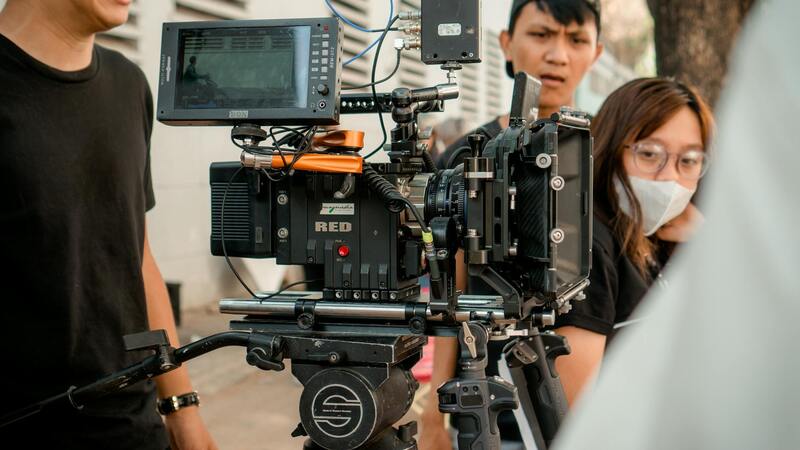
The finished video is not the same as the footage
When you commission a video, you are usually paying for a specific deliverable: the edited, finished piece agreed in the brief. The hours of raw footage captured on the shoot, all the takes, angles, and unused moments, are a separate thing. By default, many production companies keep that raw footage, because it is their working material and storing it costs money and space. That is not sneaky; it is simply the standard arrangement unless your agreement says otherwise. The key is knowing which arrangement you have, spelled out clearly in the deliverables, as we describe in reading a scope of work.
Why you might want the raw footage
For some projects, the finished video may be all you need. But for others, you may find it helpful to purchase the raw files, too. Consider the cost beforehand.
- Future edits, since raw footage lets you or another editor create new cuts later without reshooting.
- Repurposing, as one shoot can become social clips, ads, and updates if you have the source files.
- Make sure your text is clear. I'm not sure what you're asking for. I can't rewrite something I haven't seen.
- Archive value, because footage of a one-time event or a person can never be captured again.
Why raw footage is not always handed over freely
Raw footage is indeed useful, but it comes with trade-offs. Raw files are large and require professional software and storage that many businesses don't have. Giving up unfinished footage also means relinquishing takes a company might not want to represent their work. Because of this, ownership or delivery of raw footage is often a separate line in a contract, sometimes at an added cost. By deciding on this before the project starts, it avoids any awkward negotiations later, just as settling usage rights before beginning the project does.
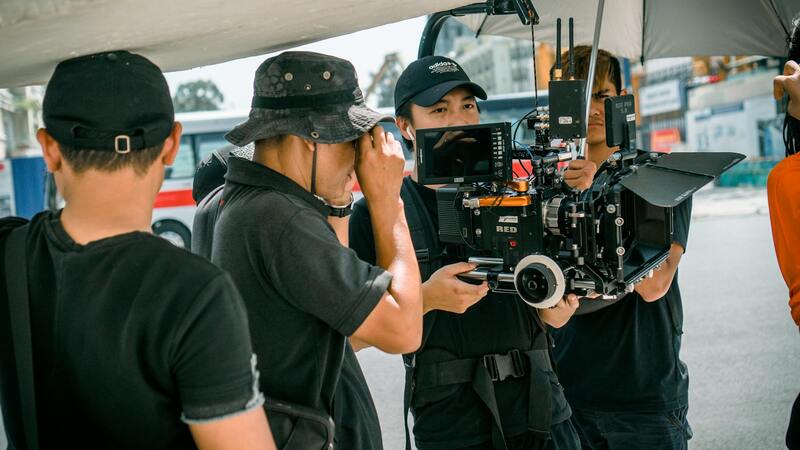
How to handle it in your agreement
The solution is simple: raise the question before you sign. Ask directly what you receive, whether raw footage is included, and if not, what it would cost to add. Get the answer in writing as part of the deliverables. There is no single right answer, only the right answer for your needs. A small business making one video may never need the raw files, while a growing brand planning ongoing content almost certainly will. Thinking about it early is part of judging the full value of a production, which ties directly to its return on investment and whether you build video capacity in-house or outsource it.
Work with a Miami company that is clear about what you get
You should never have to guess what you are buying. We spell out exactly what you receive, explain your options on raw footage honestly, and make sure the deliverables in your agreement match your real needs. Whether you want only the finished video or the source files to build on for years, you will know the terms before you commit.
If you want a production partner who is upfront about ownership and deliverables, talk to us through the contact page, or read more about how we work on our about page.