
Updated: October 25, 2026
The parts of your video are only available for rental.
You commission a video and pay for it, making it yours. However, the music, two aerial shots, the title sequence typeface, and the actor's services are all subject to licensing or contract agreements.
This means that a video you fully own can include four elements that you do not own, each with its own expiration date. When one of these elements expires, the issue is not just theoretical: it can result in a legal notice, a platform takedown, or a well-known brand quietly pulling an advertisement.
Third-party assets are among the least understood costs in purchasing video content. However, they become entirely manageable once you know what to ask.
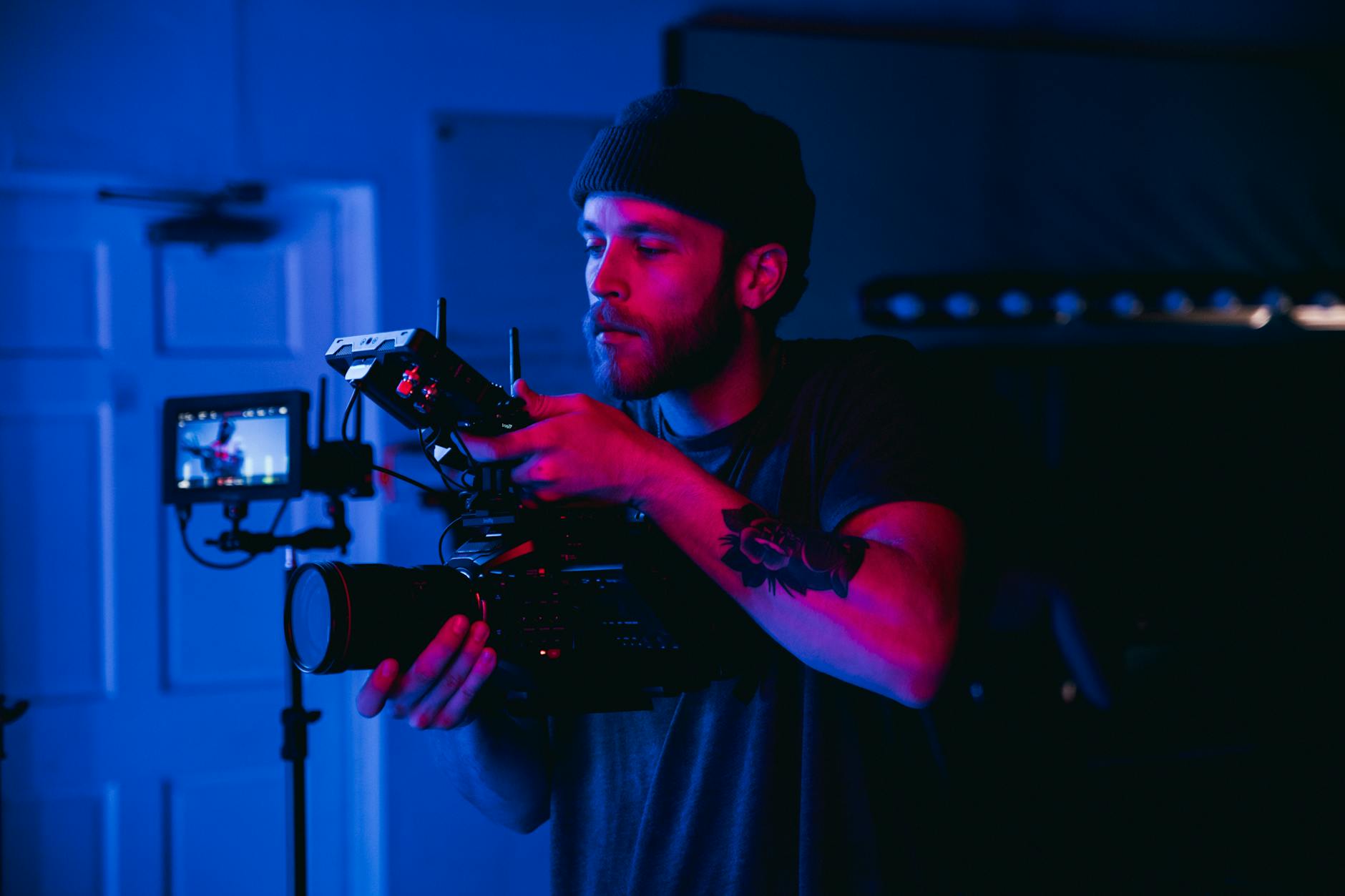
Most of the trouble tends to live in the world of music.
Music licensing is genuinely complicated, primarily because a piece of recorded music carries two separate rights: the composition and the specific recording. Licensing one does not grant you the other.
For commissioned videos, most productions use production music from a library, which is the sensible approach. What matters is understanding what your license actually permits.
| Licence type | Typically allows | The trap |
|---|---|---|
| Subscription library | Broad use while subscribed | Coverage may end with the subscription |
| Single-track licence | One project, defined terms | Territory and media limits |
| Web-only licence | Your website and social | Excludes paid advertising |
| Broadcast licence | TV and paid media | Costs considerably more |
| Free or royalty-free downloads | Varies wildly | Frequently not what you think |
| Commercial music you like | Almost nothing | Do not |
The "web-only excludes paid advertising" row often leads to the most common and expensive surprises. A video is created, licensed for the website, performs well, and marketing allocates a budget to promote it. However, this promotion may fall outside the original license, potentially turning the most successful asset into a significant liability.
At the beginning of the project, inform your production company if there is any possibility that the video will be used as paid media. The licensing fee for paid media is higher, and it is significantly less expensive than fixing it afterward.
The subscription question
Many libraries operate on a subscription basis: as long as you pay, you can use the music. The important question is what happens to videos that have already been published when the subscription ends. Some licenses cover the published work permanently, while others do not.
If your production company licensed the music through their subscription, inquire about what happens when they stop subscribing or cease operations. This is relevant because your video, which relies on their license, could be affected by their business decisions. Ensure you receive the answer in writing.
Stock footage has the same structure
Stock footage is often the right choice. For example, an aerial establishing shot of a skyline is significantly cheaper as stock footage than as a drone day. Moreover, stock footage might be of higher quality because it was captured in perfect lighting conditions, after the photographer waited for the ideal weather.
The licence terms follow the same principles as music: territory, media, duration, and whether paid advertising is included. A common pitfall in stock licensing is exclusivity, which you almost never have. That skyline shot in your brand film might also appear in your competitor's brand film. For an establishing shot, it doesn't matter much. However, for the hero image of a campaign, that is a significant risk.
Two more important points to consider. Editorial-use-only material cannot be used commercially, and this restriction is easy to overlook when someone is browsing quickly. Additionally, model-released stock footage matters: footage of recognizable people needs releases. If a clip lacks these releases, using it in an ad can be problematic.
People have expiry dates too
If you hire actors or models, their agreement typically restricts how long and where you may use their image. This is known as a buyout and is a standard practice.
A performer might be contracted for a specific period within a defined territory, and for particular media types. Once that contract term concludes, your rights to continue using the video featuring that performer expire. This is true even though you own the film, have paid for the shoot, and still possess the file.
This is why some brands may choose to take a successful ad offline, even though there appears to be no obvious reason. The ad's buyout period has ended, and renewing it would be more expensive than simply discontinuing the campaign.
- Ask what the term is before the shoot, and whether renewal is included in the pricing.
- Longer terms cost more up front but significantly less than a panicked renewal.
- Perpetual buyouts exist and can be expensive, but they are sometimes worth the cost.
- Real employees are not automatically covered by employment policies. Obtain release forms.
- Make a note of the expiry date in a calendar where a person can see it.
That last point is the practical failure. The expiry lives in a contract in a folder, and nobody diarises it, and the video quietly runs past its term for two years until someone notices. Our note on scope of work covers where these terms should be recorded.
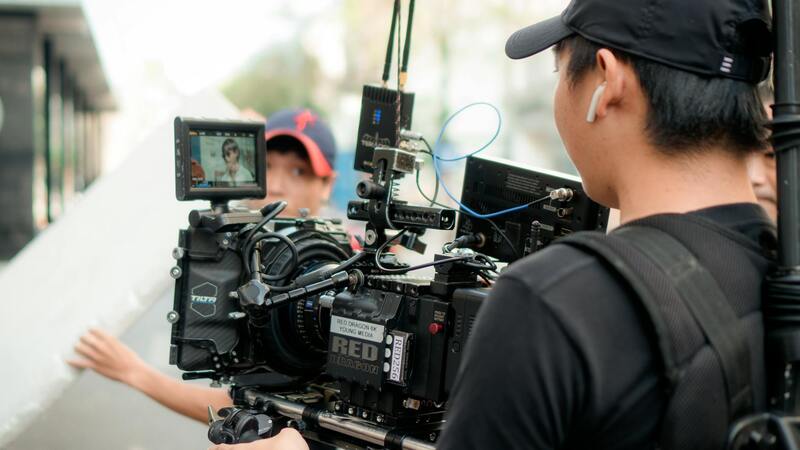
Fonts, brands and the things in shot
Two smaller items that catch people.
Typefaces are licensed software, and a license for desktop use does not automatically cover use in broadcast or video. If your title sequence uses a font that your designer licensed for print, that license may not extend to a commercial.
The world captured in a frame often belongs to someone. Artwork on a wall, a distinctive building, a logo on someone's shirt, or a game playing on a screen behind your subject all have owners. Most of these elements are incidental and unimportant. However, some are significant, especially when they are prominent and your video is commercial. The safest practice is to notice these elements during the shoot, when they can be moved, rather than during the edit, when it is too late.
Ask for the list
Here is the single most useful thing you can request, and almost nobody does: a written list of every third-party asset included in your finished video, along with their respective license terms and expiration dates.
Music track, license type, and expiry date. Stock clips, source, and permitted use. Fonts. Talent terms. All of this information is compiled on one page. It costs your production company an hour, and it means that in two years, when someone asks whether the video can run as a pre-roll ad in Colombia, there is an answer instead of a search.
If a production company cannot produce that list, that is informative. It means they do not know either, and you are the one carrying it. Our note on what belongs in a quote covers where this should appear from the start.
Tell us where it will run, first
Every licensing decision we make hinges on one key question: where will this video appear, and for how long? Provide us with this information at the brief stage, and we will license the video correctly the first time. If you wait until after the video has been edited, your options will be more limited and potentially more expensive.
We provide an asset list for every project, and we prefer to over-license a track for a client who might run ads, rather than having that conversation later. If your budget won't cover broadcast-cleared music, we will be upfront about that, rather than licensing web-only tracks and hoping nobody promotes them.
You can see how we work on our about page, and our note on hidden costs covers the rest of what should be surfaced early. Get in touch through the contact page, and bring your media plan, not just your brief.