
Updated: October 25, 2026
What a change order really is, and why it shows up on video projects
Almost every video budget that exceeds its initial estimate was approved in good faith. The client agreed to a specific number, the crew arrived as scheduled, and then something changed. A stakeholder requested two additional interviews. Legal asked for a shorter cutdown for paid social advertising. The venue moved the shoot time from morning to night. None of these changes represents bad faith; they are simply moments when the original scope and the actual project no longer align. A change order is the necessary documentation to reflect these realities.
People searching for what a change order in video production is often expect a scary legal document. In reality, it is a brief written note that outlines what has changed, the additional time or cost required, and who approved the change.
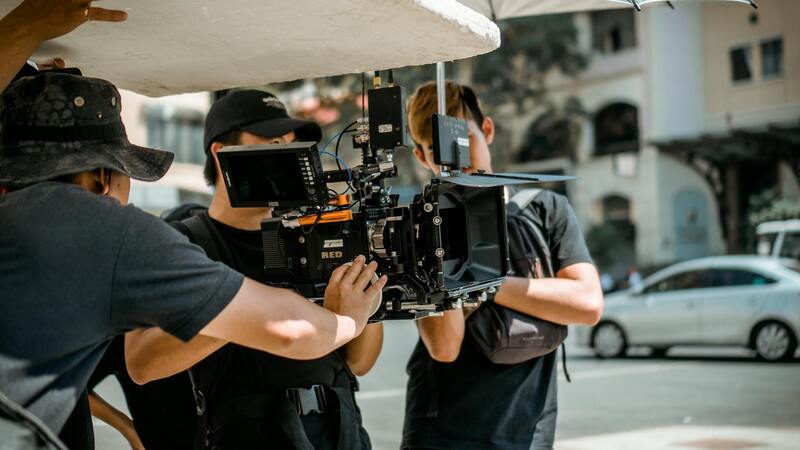
Scope creep is the subtle version of a budget overrun.
Scope creep is a gradual and often unnoticed expansion of a project's scope. Each individual request might seem insignificant on its own, a logo animation here, another round of edits there, or requests to also deliver vertical and square versions for Instagram and TikTok. Each ask feels small enough to say yes to, and a producer who aims to keep the client happy often complies. Consequently, the corporate video budget overruns become apparent at the end, and it is nearly impossible to pinpoint the exact moment when the project's scope began to expand.
Searches related to this issue are candid about the pain: video production scope creep, how to avoid scope creep on a video project, video editing revision limits, who pays for reshoots. The uncomfortable truth is that scope creep is often shared. The buyer keeps adding elements, and the vendor quietly absorbs these additions until the profit margin is gone, and the relationship becomes strained. A clear change order process protects both parties by forcing small requests into the open while they are still manageable.
Where changes tend to originate
- New deliverables that were not previously quoted, such as additional social media cutdowns, captions in a second language, or a director's cut for the CEO.
- Revision rounds beyond those specified in the contract are where video editing revision limits and associated fees come into play.
- Added the shoot time, which could involve an extra half day, overtime beyond a ten-hour crew day, or a second location.
- After approval, creative pivots may occur, such as modifying the script direction once the initial cut is completed.
- Rights and licensing add-ons include extending a music license or purchasing additional stock footage to accommodate a longer edit.
How a fair change order gets priced
Good vendors do not invent numbers when a change lands. They price the change the same way they priced the original job, which is why asking for a detailed quote up front pays off later. If the estimate already breaks out day rates, crew, gear, edit hours, and licensing, then a video production change order fee is just the same rates applied to the new work. That is the difference between a partner and a shop that treats every change as a chance to pad the invoice.
Three factors determine the size of a change order. The first is timing. Adjusting the shot list a week before the shoot is inexpensive. However, the same request during setup on shoot day becomes costly, as the crew is already on the clock. This is what people typically mean when they search for video production overage charges.
| Change request | Typical driver | Cost pressure |
|---|---|---|
| Extra 30 second social cutdown | Added edit hours, new captions | Low to medium |
| Additional revision round | Beyond contracted revisions | Low, if rate is fixed |
| Half day of added filming | Crew, gear, travel | Medium to high |
| Full reshoot of a scene | Talent, location, crew reset | High |
| Extended music or stock license | Third party rights | Varies by license |
What buyers can do before signing
The single most effective move is to over-invest in the brief. When you describe every place the video will run, every version you will need, and every person who has to approve it, the first quote gets closer to the real cost. That is why a clear scope of work document for your Miami video project is worth the extra hour it takes to write. Half of scope creep is really just scope that was never written down.
It also helps to read what a complete video production quote should include so you can spot vague line items before they become surprise a la carte video production charges. If a quote lists one lump sum with no breakdown, you have no way to price a future change fairly, and you are more exposed to the kind of hidden costs that make Miami video budgets balloon. Ask for milestone payments tied to real deliverables rather than one payment at the end, so both sides feel the effect of a change when it happens instead of at the invoice.
A simple change order habit
- Agree in writing on the number of revision rounds included and what constitutes a round.
- Establish a rate card for common modifications, such as adding an extra cutdown or an additional half day, prior to the shoot.
- Require written approval for any changes that add costs, even if it involves a simple one-line email.
- Batch small requests instead of drip-feeding them, as ten separate asks cost more than one consolidated request.
How our Miami team manages changes smoothly, without friction.
We build change handling into the project from the first estimate, because we would rather talk about a fifteen hundred dollar decision now than argue about a fifteen thousand dollar invoice later. Every quote we send breaks out production days, edit hours, and licensing separately, so when a request comes in, you can see exactly what it adds and why. There is no mystery markup, and there is no pressure to say yes on the spot.
When a stakeholder requests a new vertical cut or an additional interview, we send a brief change order detailing the added cost and the updated timeline. We wait for your written sign-off before we spend a single dollar on it. Buyers who have been burned by a corporate video budget overrun tend to relax once they see that the number can only change with their approval. This turns pricing from a source of anxiety into a normal part of the work.
If you are scoping a project and want the estimate to hold, start by telling us everywhere the video needs to live and everyone who has to approve it. You can browse recent breakdowns and buyer guides on our video production blog, or reach out through our contact page to walk through your scope before anything is locked. A tight brief today is the cheapest change order you will ever write.