Overview of Video Production in Miami FL
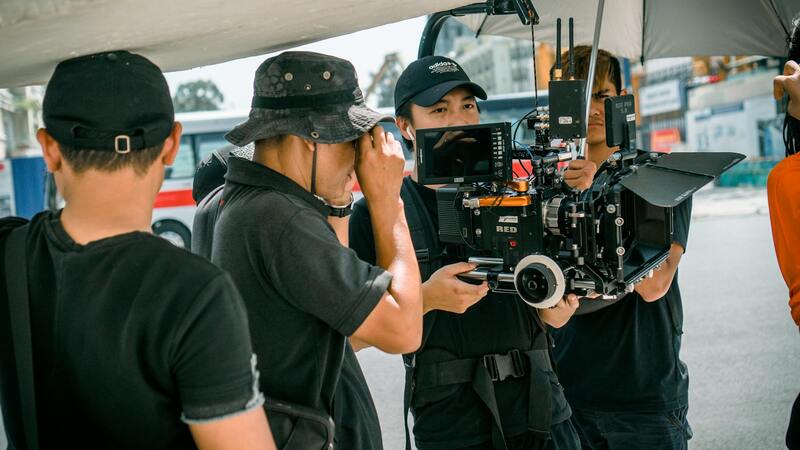
Miami, Florida, has rapidly established itself as a vibrant hub for high-quality video production, reflecting its diverse cultural landscape and growing entertainment industry. The city's strategic location, coupled with its dynamic economic sectors such as tourism, real estate, fashion, and music, fuels a robust demand for compelling visual content. This ever-expanding market necessitates professional video services aimed at capturing Miami’s unique vibrancy and presenting businesses with engaging multimedia campaigns.
The burgeoning growth of the Miami video production industry is driven by an influx of local talent and the increasing number of production companies equipped with advanced technology and creative expertise. From advertising and promotional videos to documentaries and corporate training content, Miami-based production agencies are honing their craft to serve a wide array of client needs.
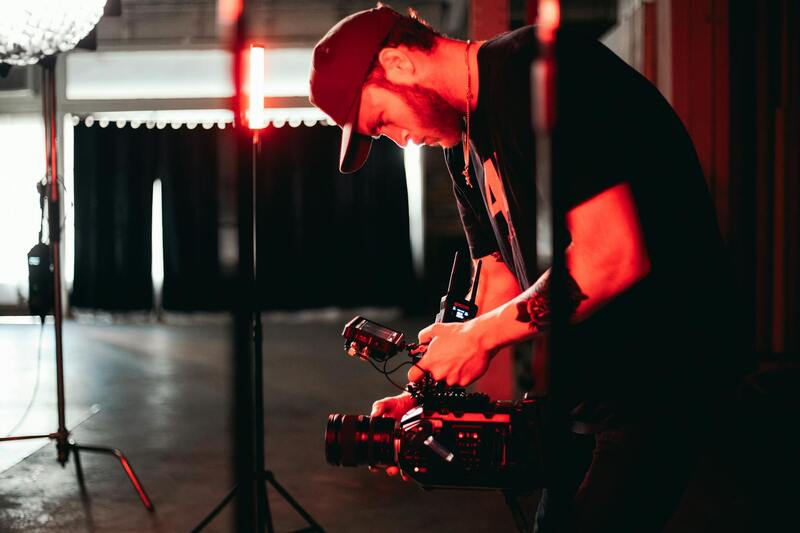
This thriving industry directly supports Miami’s reputation as a dynamic center for media and entertainment. The city’s natural beauty offers a vibrant backdrop for shoots, while its diverse urban environment provides countless visual opportunities. Moreover, the local infrastructure—including state-of-the-art studios, sound stages, and equipment rental facilities—facilitates seamless production operations.
Many local markets, including real estate, tourism, and hospitality, increasingly leverage professional video content as an effective marketing tool. As brands recognize the impact of high-quality visuals, the demand for skilled production services continues to rise. This growth underscores Miami's role as a key player in the regional and national video production landscape, making it an ideal location for businesses seeking reliable, professional video solutions.
Factors Influencing Video Production Costs in Miami FL
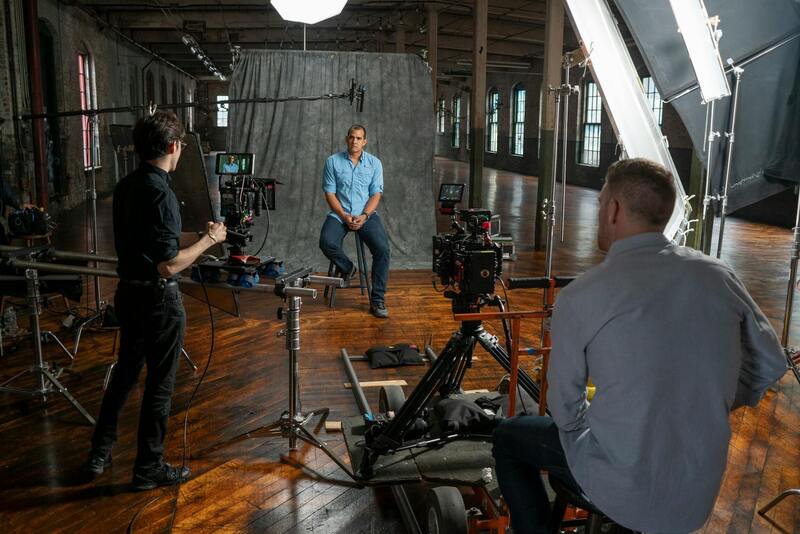
Understanding the various elements that contribute to the overall cost of video production in Miami is essential for businesses planning their multimedia campaigns. Unlike generic market estimates, specific project requirements and local conditions significantly impact pricing. Key factors include project scope, complexity of the concept, and the desired level of quality. For example, a straightforward promotional video requiring minimal locations and a small crew generally incurs lower costs, whereas a high-end advertising campaign shot across multiple locations with specialized equipment demands a larger budget.
Location and permissions also play vital roles in determining costs. Miami's bustling urban environment offers numerous scenic backdrops but often requires permits for filming in public spaces, which can add to the expense. A production requiring permits must account for associated fees, duration of permit acquisition, and potential restrictions, all of which influence the final quote.
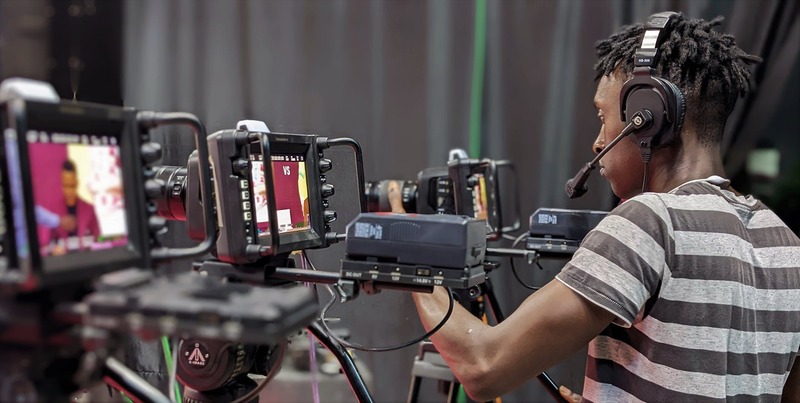
Post-production elements such as editing, color grading, motion graphics, and visual effects are significant cost components. High-quality finishes and customized animations can increase the final bill but are often necessary for brands aiming for a polished, professional appearance. Additionally, the choice of crew, including directors, cameramen, sound engineers, and editors, impacts expenses. A highly experienced team with specialized skills commands higher rates, but their expertise ensures a superior outcome.
Equipment rental is another pivotal factor. Miami's advanced production facilities and the availability of high-end cameras, drones, lighting, and stabilization gear enable top-tier results but can also accelerate costs depending on the project's technical requirements. Complex shots such as aerial footage or slow-motion sequences may necessitate specialized equipment and trained operators, which influence the budget.
Additional Considerations Shaping Costs
- Production duration: Longer shoots naturally increase costs due to personnel, equipment rental, and location fees.
- Talent and actors: Employing professional actors, voice-over artists, or models varies in price, especially if their involvement extends across multiple shoot days.
- Travel and accommodation: If the project involves talent or crew from outside the Miami area, expenses related to travel, lodging, and per diems must be incorporated into the budget.
- Post-production deadlines: Expedited editing or delivery schedules generally incur premium charges to meet tight timelines.
Estimating project costs accurately requires a comprehensive discussion of these variables with experienced Miami-based production companies. Transparent communication ensures alignment on expectations and helps prevent unforeseen expenses, thereby facilitating a smooth production process that matches the project's quality goals within the client’s budget.
Factors Influencing Video Production Costs in Miami FL
Understanding the various elements that impact the overall budget of a video production is essential for effective planning and resource allocation. Several key factors must be considered to accurately estimate costs and ensure that the final product aligns with both quality standards and financial expectations.
- Project Scope and Complexity: The breadth and intricacy of the project directly influence costs. Simple corporate videos or testimonials typically require fewer resources, while feature-length commercials, promotional campaigns, or event coverage demand extensive planning, multiple shoot locations, and specialized equipment.
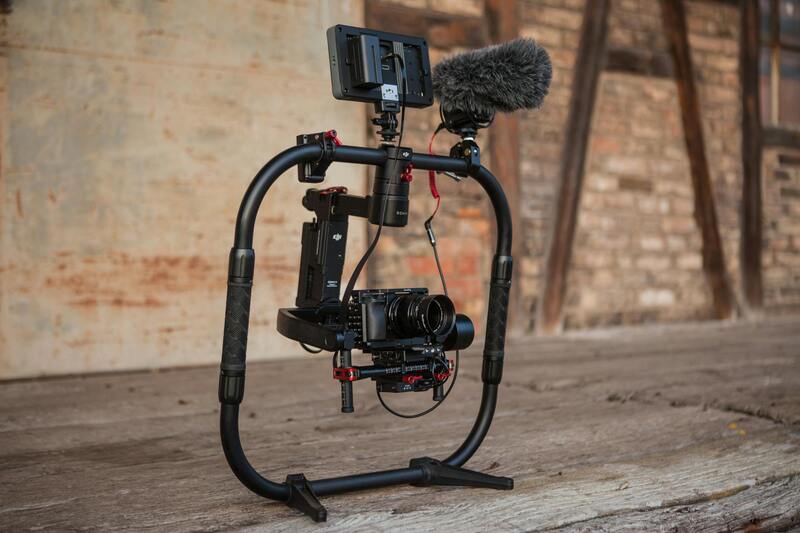
- Equipment and Technology: The selection of gear is a significant cost driver. High-definition cameras, drones for aerial footage, lighting setups, steadicams, and special effects equipment can elevate production quality but also increase rental and operational expenses. Advanced techniques such as slow-motion sequences or virtual sets necessitate extra technical support and post-production effort.
- Size and Skill Level of Crew: The number of personnel involved, including directors, camera operators, sound engineers, makeup artists, and production assistants, impacts wages and overall costs. Higher-caliber professionals with specialized skills may command premium rates, bringing a higher level of expertise to the project.
- Location Choices within Miami: Filming at popular or hard-to-access locations might incur additional permits, fees, or logistical costs. The diversity of Miami’s scenic environments enables tailored settings but often requires obtaining multiple permits to avoid disruptions or legal issues.
- Post-Production and Editing: The scope of editing, color correction, visual effects, sound design, and soundtrack integration all contribute to final expenses. Rush turnaround times or multiple review cycles can further escalate costs due to increased labor and resource allocation.
By meticulously evaluating each of these components, clients can develop a comprehensive budget that accommodates their creative ambitions while maintaining financial control. Transparent dialogue with Miami-based production providers ensures expectations are aligned, avoiding unexpected expenses and facilitating smooth project execution.
Legal and Permitting Considerations in Miami
Navigating the legal landscape for video production in Miami involves understanding the requirements for permits and clearances. Securing the necessary authorizations ensures smooth filming operations and helps avoid potential delays or penalties. Filming in public spaces, iconic landmarks, or environmentally sensitive areas typically requires applications for permits well in advance, often with detailed project descriptions and proof of liability insurance.
Different locations may entail distinct permit processes governed by municipal and state agencies. Urban settings such as Downtown Miami or South Beach are popular for productions and often demand coordination with city authorities to obtain filming permits. These permits specify permissible hours, equipment restrictions, and safety measures, ensuring compliance with local regulations.
Private property filming still demands proper agreements and permissions from property owners to mitigate legal disputes. Additionally, drone operators need to adhere to FAA regulations, including obtaining operational waivers when capturing aerial footage. Ensuring these permissions and clearances are in place is crucial to minimize the risk of filming disruption or legal complications.
Clear communication with local authorities and experienced legal advisers familiar with Miami’s permitting process streamline the project. Working with a production company that understands local regulations helps anticipate potential hurdles and ensures all necessary documentation is prepared in a timely manner. This proactive approach is essential for maintaining project timelines and safeguarding the investment carried by the production.
Productions involving the use of special effects, stunts, or large equipment may face additional scrutiny and require specific permits. The planning phase should include a comprehensive review of all legal and procedural requirements, aligned with the unique features and scope of the project. Proper adherence to these regulations protects production crews, talent, and equipment, and enhances the overall credibility of the project in Miami’s dynamic filming environment.
Benefits of Working with Miami-Based Production Agencies
Partnering with a local video production agency in Miami provides distinct advantages that can significantly enhance the quality and efficiency of your project. These agencies possess in-depth knowledge of the city’s diverse filming locations, from iconic landmarks and vibrant neighborhoods to scenic coastal areas. This familiarity allows for seamless location scouting, efficient scheduling, and effective use of urban and natural settings, ensuring your footage captures the true essence of Miami.
Moreover, Miami-based agencies maintain established relationships with regional talent, including videographers, editors, actors, and production assistants. This network facilitates access to high-caliber professionals who understand local dynamics and regional storytelling nuances, resulting in content that resonates authentically with your target audience. These local experts are also adept at navigating logistical challenges, such as permits, traffic considerations, and community engagement, which can streamline production timelines.
Understanding regional branding trends and cultural influences is another critical benefit. Miami’s diverse culture and vibrant lifestyle influence creative approaches, making it imperative to work with agencies that are attuned to local sentiments and visual aesthetics. Their regional insight ensures your content aligns with current market expectations and stands out in the competitive landscape of Miami’s media environment.
Additionally, collaborating with a Miami-based agency offers logistical advantages, reducing project delays caused by unfamiliarity with local regulations or infrastructure. The agency's experience with regional permits, vendor coordination, and community relations ensures a smoother production process. Overall, these agencies serve as strategic partners capable of translating your vision into compelling visual narratives tailored to Miami’s dynamic environment and audience.
Legal and Permitting Considerations in Miami
Navigating the regulatory landscape in Miami is essential for a smooth and successful video production. The city has specific requirements for filming in public spaces, private properties, and various city-managed venues. Obtaining the necessary permits helps avoid potential disruptions, fines, or delays that can impact project timelines.
For productions shot in public locations, permits are typically required from the Miami Film Office or other relevant city departments. These permits ensure that the production adheres to safety standards and respects community operations. When filming on private property, permissions from property owners are necessary, and additional approvals may be needed if the shoot involves heavy equipment or disruptive activities.
It is also important to consider local regulations related to drone usage, as Miami has specific rules governing aerial shots. Drone operators must often obtain authorization from the Federal Aviation Administration (FAA) and adhere to city-specific guidelines to ensure safety and privacy. Furthermore, environmental considerations such as protecting natural habitats around coastal or park areas might also require special permits or consultations with environmental agencies.
To facilitate compliance with these requirements, working with a local production company familiar with Miami’s permitting process is highly advantageous. These agencies often have existing relationships with city officials and can handle permit applications, coordinate inspections, and ensure all legal documentation is properly managed. This proactive approach reduces the risk of project delays and safeguards your investment in the production campaign.
Additionally, understanding and respecting community guidelines and cultural sensitivities can significantly influence the success of the production. Engaging local authorities early in the planning stages helps align the project with regional expectations, fosters positive community relations, and can even open opportunities for collaborations.
Overall, comprehensive planning around legal and permitting requirements in Miami not only safeguards the project but also enhances its professionalism and authenticity. Partnering with knowledgeable local experts ensures compliance, mitigates risks, and ultimately contributes to a compelling, well-executed visual narrative that resonates with Miami’s vibrant audiences.
Legal and Permitting Considerations in Miami
When undertaking video production projects in Miami, understanding and adhering to the specific requirements related to permits, licensing, and regulatory compliance is essential for a smooth and successful shoot. The city’s vibrant location offerings—from urban landscapes to lush parks—necessitate distinct permits that ensure the protection of public interests and the preservation of the environment.
For most commercial, cinematic, or promotional shoots, a film permit issued by the Miami-Dade Film Office or relevant city departments is typically required. This permit grants permission to film in designated public areas and ensures that the production abides by Miami’s regulations regarding sound levels, street closures, or use of city infrastructure. Larger-scale projects, especially those planning to use drones, involve additional specific licenses that regulate aerial photography and videography.
In addition to permits, production companies must secure the appropriate insurance coverage, often including general liability insurance, to safeguard against potential liabilities that might arise during filming activities. This is a common requirement set by city officials and property owners to mitigate risks associated with equipment, crew, and public safety.
Other legal considerations include obtaining necessary permissions if filming involves individuals or private properties. Model releases, location agreements, and rights clearances must be handled meticulously to avoid disputes and to respect the intellectual property and privacy rights of third parties.
Working with experienced local legal advisors or production coordinators familiar with Miami’s regulatory landscape can streamline these processes. They can assist in preparing the documentation, liaising with city officials, and ensuring that all permits and licenses are secured before production commences. This proactive approach reduces the risk of fines, delays, or project retractions that can result from non-compliance.
Given Miami’s diverse and dynamic environment, productions should also consider environmental and cultural sensitivities. For example, shoots near protected parks, wildlife reserves, or culturally significant sites often require additional consultations and approvals to ensure that filming activities do not disturb sensitive ecosystems or local communities.
Ultimately, a thorough understanding of Miami’s permitting landscape and legal protocols not only facilitates efficient project execution but also underscores a commitment to responsible and respectful production practices. Engaging local authorities early in the planning process and working closely with experienced agencies ensures that your project adheres to all regulations, fostering a positive relationship with the community and authorities alike.
Legal and Permitting Considerations in Miami
When it comes to producing high-quality videos in Miami, understanding and navigating the local regulatory landscape is essential for smooth project execution. Obtaining the necessary permits and permissions ensures compliance with city regulations and helps prevent potential delays or disruptions during production.
Filming in public spaces, such as parks, beaches, or urban settings, often requires permits that specify the location, duration, and scope of the shoot. These permits are issued by various city departments, including the Miami Film Office, which oversees filming activities within municipal boundaries. Applying well in advance and providing detailed production plans can expedite approval processes.
Beyond public space permits, productions involving private properties should secure property owner consent through location agreements. These agreements clarify permissions, usage rights, and any restrictions or requirements for filming activity. It is also advisable to have clear model releases when filming individuals, especially if the footage will be used commercially, to respect personal privacy rights and ensure proper image rights clearance.
Environmental considerations are particularly relevant given Miami’s diverse ecosystems and protected areas. Filming near wildlife reserves, beaches, or culturally sensitive sites may involve obtaining additional environmental clearances or engaging with community stakeholders to prevent disturbances. Respect for local ecosystems, communities, and cultural heritage is critical for responsible production and maintaining positive relationships with the community.
Engaging with local legal advisors or experienced production coordinators can significantly streamline the permitting process. These professionals are familiar with Miami’s specific regulations, procedural requirements, and the necessary documentation, such as detailed shooting scripts, safety plans, and insurance certificates. Working proactively with authorities and stakeholders fosters transparency and facilitates a smoother workflow from project inception to completion.
Adhering to all legal protocols not only ensures operational efficiency but also demonstrates a commitment to responsible filmmaking practices. This proactive compliance promotes goodwill with local officials and communities while protecting the production from potential legal complications. By prioritizing diligent planning, thorough documentation, and respectful conduct, video productions in Miami can achieve their creative objectives while maintaining a positive presence within the city’s vibrant environment.