
Understanding Testimonial Videography
Testimonial videography has become an increasingly vital component of modern marketing strategies, serving as a powerful tool to enhance brand credibility and foster trust with potential customers. It involves capturing genuine client stories and experiences through professionally produced video content, which can be used across various digital platforms. The core purpose of testimonial videography is to provide authentic, relatable narratives that resonate with prospective clients, demonstrating the value and effectiveness of a company's products or services.
At its essence, testimonial videography blends storytelling with visual marketing to create compelling content that showcases real outcomes and customer satisfaction. This approach isn’t solely about presenting polished promotional material; instead, it emphasizes authenticity and transparency. When executed correctly, testimonial videos validate a business’s claims, build confidence among consumer segments, and support the overall reputation of a brand.
Effective testimonial videos typically involve strategic planning and meticulous execution to ensure they deliver the intended message. These videos can vary in style—from short one-minute clips to in-depth interviews—yet all share the common goal of highlighting genuine client experiences. Professionals specializing in testimonial videography focus on capturing honest feedback, emotions, and the tangible benefits gained from a product or service, which in turn influences potential customers’ decision-making processes.
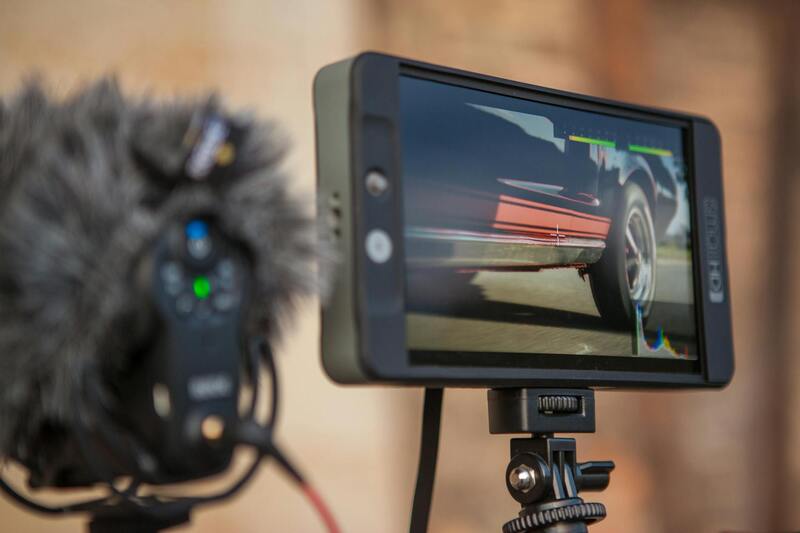
Implementing testimonial videography as part of a comprehensive marketing plan requires an understanding of its strategic significance. While it is important to produce visually high-quality content, the core strength lies in authenticity and relatability. Capturing clients who genuinely express their experiences and satisfaction offers potential buyers a credible insight into what they can expect. This form of visual storytelling enriches a brand’s narrative, making it more engaging and trustworthy for viewers.
Beyond its role in branding, testimonial videography serves as an essential communication channel that can adapt across multiple platforms—including websites, social media, and email campaigns. When tailored effectively, testimonial videos can serve as influential touchpoints that guide consumers along the buyer’s journey, ultimately increasing conversion rates and fostering long-term loyalty. As such, understanding the fundamentals of testimonial videography sets the foundation for producing impactful content that aligns with strategic marketing objectives.
Key elements of effective testimonial videos
Creating impactful testimonial videos hinges on the inclusion of several critical components that resonate with viewers and underscore the authenticity of the client’s experience. To ensure each testimonial delivers maximum influence, it is essential to focus on clarity, sincerity, and production quality, all while maintaining an authentic tone that aligns with the client's true voice.
One of the fundamental elements is the selection of the right client. Ideal candidates are those who have genuinely benefitted from the product or service, are articulate, and can convey their story compellingly. Their enthusiasm and honesty serve as powerful catalysts for viewer trust.
Next, the interview structure should be carefully crafted. Thoughtful questions are designed to elicit detailed responses without leading the client. Open-ended prompts such as, “Can you describe your experience with our service?” or “How has this solution impacted your daily operations?” encourage genuine storytelling that highlights specific benefits and emotional reactions.
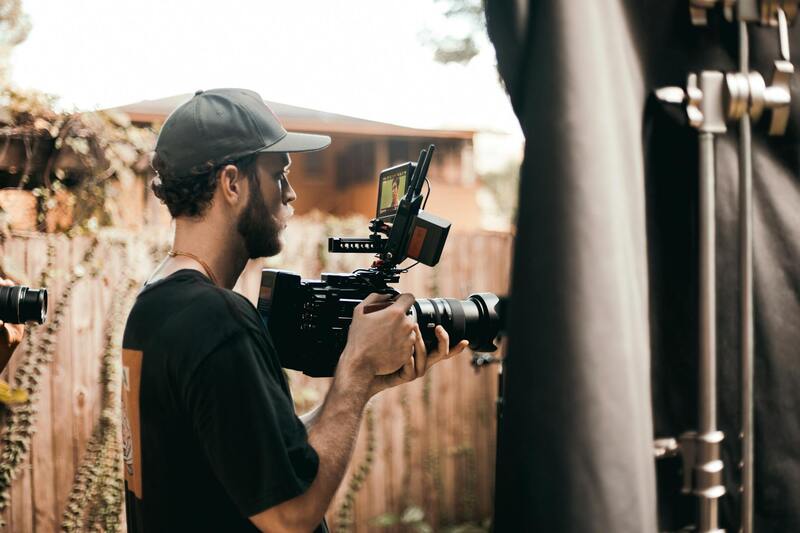
Visual authenticity is equally vital. Using natural lighting, uncluttered backgrounds, and professional audio equipment ensures that the focus remains on the client’s narrative rather than technical distractions. The setting should feel relatable and comfortable for the client, fostering a relaxed environment conducive to honest sharing.
In addition to visuals, the audio should be clear and free of background noise. The conversational tone often produces more relatable testimonials, so employing multiple camera angles can help maintain viewer interest and emphasize different facial expressions and gestures, adding depth to the story.
Another essential ingredient is editing. Transitioning smoothly between shots, overlaying key points or quotes, and including branding subtly can enhance the narrative without detracting from authenticity. Minimizing over-editing preserves the testimonial’s natural flow and emotional resonance, making it more persuasive for viewers.
Distribution strategies for testimonial videos
Once the testimonial videos are polished and ready, strategic distribution becomes pivotal in maximizing their impact. Hosting videos on the company’s website, particularly on dedicated testimonial pages, ensures visitors can easily access genuine client feedback. This placement often influences decision-making at critical stages of the buyer’s journey.
Integrating testimonials into social media campaigns amplifies reach and engagement. Shortened clips or teasers can be shared across platforms like Facebook, Instagram, and LinkedIn, targeting specific audiences relevant to the client base. Embedding videos within email marketing campaigns also nurtures leads by providing credible assurances from real users.
For larger scale exposure, leveraging video review platforms and industry-specific directories that support video content helps establish authority and credibility within the market segment. Combining these channels in a coordinated manner ensures a broad reach while maintaining message consistency.
Measuring the effectiveness of testimonial videos
Evaluating how testimonial videos perform is essential for refining future content. Metrics such as viewer engagement rates, watch duration, and interaction levels (likes, shares, comments) provide insights into audience response. An uptick in conversion rates post-viewing indicates that the testimonials successfully influence purchasing decisions.
Qualitative feedback, such as comments or direct inquiries, can shed light on whether the testimonial resonated emotionally or addressed key customer concerns. Using these insights, companies can identify themes that generate the most positive reactions and tailor future testimonials accordingly.
Continuously optimizing the testimonial content based on performance data—by adjusting themes, presentation styles, or distribution channels—ensures an ongoing improvement cycle that enhances overall marketing effectiveness.
Understanding testimonial videography
Testimonial videography serves as a powerful storytelling tool that captures genuine customer experiences, conveying trust and credibility to potential clients. Unlike static reviews or textual testimonials, video testimonials provide a dynamic platform where real users can articulate their satisfaction, challenges, and successes tied to a product or service. This visual form of endorsement leverages human emotion and authenticity, making it easier for prospective customers to relate and form favorable perceptions.
Effective testimonial videos typically hinge on establishing a comfortable atmosphere for participants, which encourages authentic expressions of their experiences. Attention to audio-visual clarity, setting, and natural lighting enhances overall professionalism, ensuring that viewers focus on the message rather than distractions. As consumers increasingly seek transparent and relatable content, testimonial videography has become an integral method for businesses aiming to build trust and foster connections in a competitive marketplace.
Implementing a structured approach to testimonial videography involves methodical planning—identifying key customer stories, crafting compelling narratives, and employing techniques that highlight sincerity. Successful videos are often short but impactful, emphasizing specific benefits and real-world impacts. Furthermore, strategic distribution across digital platforms maximizes reach, impacting decision-makers and end-users alike. Integrating these videos within broader marketing campaigns solidifies messaging and enhances brand visibility.
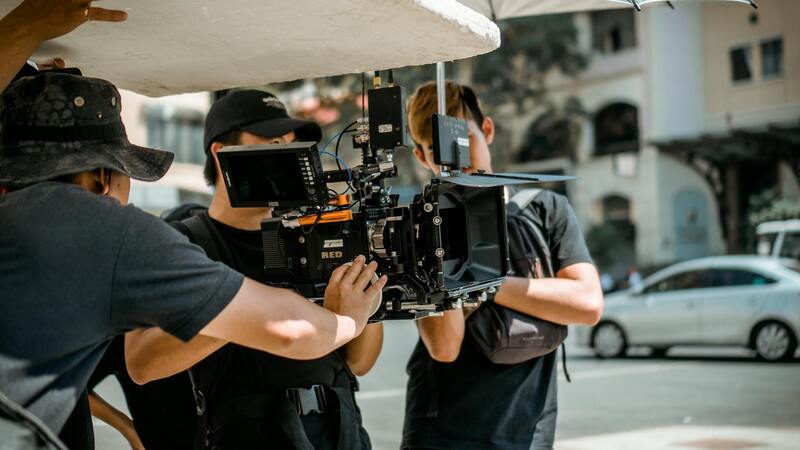
The role of transparency and authenticity in testimonial videos
Authenticity plays a pivotal role in the power of testimonial videography. Viewers are highly perceptive to scripted or overly polished testimonials that appear staged or insincere. Instead, capturing genuine emotions, spontaneous reactions, and honest opinions creates a compelling narrative that resonates deeply. Transparency about the customer’s background, challenges faced, and the tangible results achieved makes the testimonials more relatable and trustworthy.
Employing official and legitimate methods for capturing testimonials ensures that the content reflects real user experiences. This can include verifying customer identities, obtaining consent for filming, and accurately representing their stories without embellishment. Such practices reinforce credibility, uphold ethical standards, and aid in establishing a trustworthy reputation that encourages prospective clients to take the next step.
Employing Officiated and Verified Methods for Capturing Testimonials
To ensure the authenticity and credibility of testimonial videos, it is essential to adopt rigorous and standardized procedures during the production process. These methods guarantee that each testimonial accurately reflects the genuine experiences of customers, fostering trust with prospective clients. Implementing systematic verification steps involves confirming customer identities through documented proof, such as official IDs or transaction records, to authenticate their association with the services or products offered.
Securing explicit consent from clients prior to recording is a fundamental aspect of legitimate testimonial videography. This involves providing clear information about how the videos will be used, stored, and distributed, ensuring compliance with relevant ethical standards. Consent forms should cover the scope of video usage, reaffirming the client's understanding and agreement.
Another crucial element is accurately capturing and representing customer stories without exaggeration or omission. Skilled videographers employ interviewing techniques that prompt honest narratives, emphasizing specific benefits, challenges overcome, and real-world impacts. These interviews are typically conducted in controlled environments or natural settings, depending on what best highlights the customer's genuine emotions and reactions.
All footage should be carefully reviewed during post-production to verify consistency and accuracy. It is equally important to keep detailed records of the consent process and any verifications carried out, which serve as a testament to adherence to ethical standards. Utilizing official documentation, recording interview consent, and maintaining transparent communication with clients emphasize a professional approach that upholds the integrity of the testimonials.
Establishing Transparency and Ethical Standards in Testimonial Videography
Transparency in testimonial videos involves openly sharing pertinent background information about clients and the context of their experiences. This approach not only enriches the narrative but also reassures viewers that the testimonials are candid representations of real user experiences. Disclosures about any affiliations, sponsorships, or incentives involved in the testimonial creation process also contribute to an honest portrayal.
Maintaining ethical standards requires adherence to confirmed processes such as obtaining written consent, avoiding misleading edits, and representing client stories with integrity. This commitment to transparency and accuracy not only aligns with responsible content creation but also enhances the perceived authenticity of the testimonials.
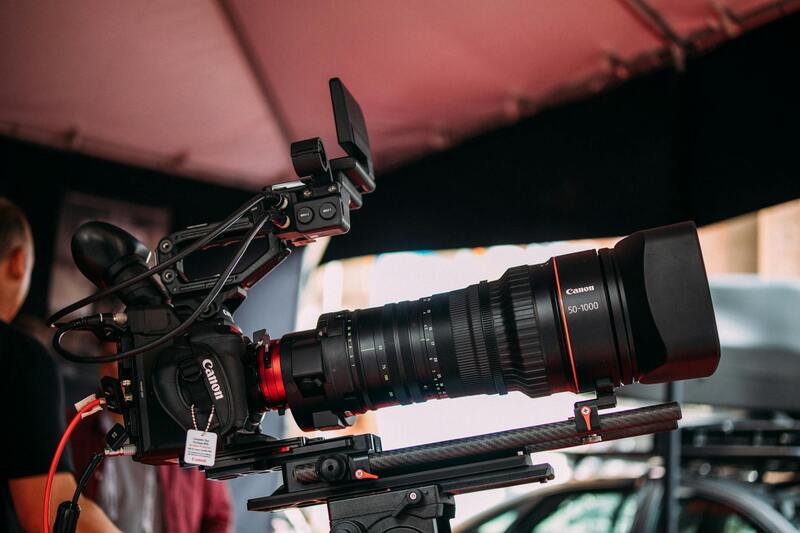
Incorporating verified methods into testimonial videography offers a reliable foundation for marketing communications. It enables brands to showcase sincere user feedback convincingly, ultimately strengthening reputation and consumer confidence. As the industry continues to evolve, the emphasis on official, transparent practices remains vital in producing impactful, trustworthy testimonial content that resonates with audiences and sustains long-term brand integrity.
Filming Techniques for Impactful Testimonials
To capture testimonial videos that genuinely resonate with viewers, selecting appropriate filming techniques is crucial. The setup begins with camera positioning, where maintaining eye-level shots creates a sense of connection and authenticity. Using multiple camera angles can add visual interest, highlighting both the interviewee's expressions and contextual surroundings. Employing steady tripod shots ensures stability, preventing distractions caused by shaky footage.
Lighting plays a vital role in establishing a professional appearance. Soft, diffused lighting minimizes harsh shadows and highlights facial features naturally, conveying sincerity. When natural light is unavailable, strategically placed LED panels or softboxes provide consistent, flattering illumination. Proper lighting also helps in setting the tone of the testimonial, whether aiming for a warm, inviting atmosphere or a clean, corporate aesthetic.
Audio clarity is equally important, as clear sound directly affects the credibility of the testimonial. Using lapel microphones or shotgun mics positioned close to the subject ensures crisp audio capture, reducing background noise and reverberation. Testing sound levels beforehand guarantees optimal recording quality, while incorporating windshields outside in outdoor environments prevents wind noise that could compromise clarity.

Interviewer style also influences the effectiveness of testimonial videos. Employing open-ended questions encourages genuine responses, revealing nuanced insights about the client’s experience. Maintaining a relaxed yet focused atmosphere helps interviewees feel comfortable, resulting in more authentic expressions. Framing shots with proper headroom and centered compositions further enhance visual appeal, emphasizing the sincerity of their message.
By meticulously applying these filming techniques, testimonial videos can transcend mere recordings, becoming compelling narratives that build trust and inspire action among viewers. Every element—from camera angles and lighting to audio quality and interview style—contributes to creating a polished, believable portrayal of client experiences that uphold the core values of transparency and integrity.
Understanding testimonial videography
Testimonial videography involves capturing authentic client stories that resonate with potential customers by showcasing real experiences and outcomes. This approach combines storytelling techniques with professional filming methods to create compelling visual narratives. Effective testimonial videos highlight specific benefits, unique challenges overcome, and personal impressions, providing a human face to brand promises. The strategic use of storytelling elements helps in fostering emotional connections, which can significantly influence purchasing decisions.
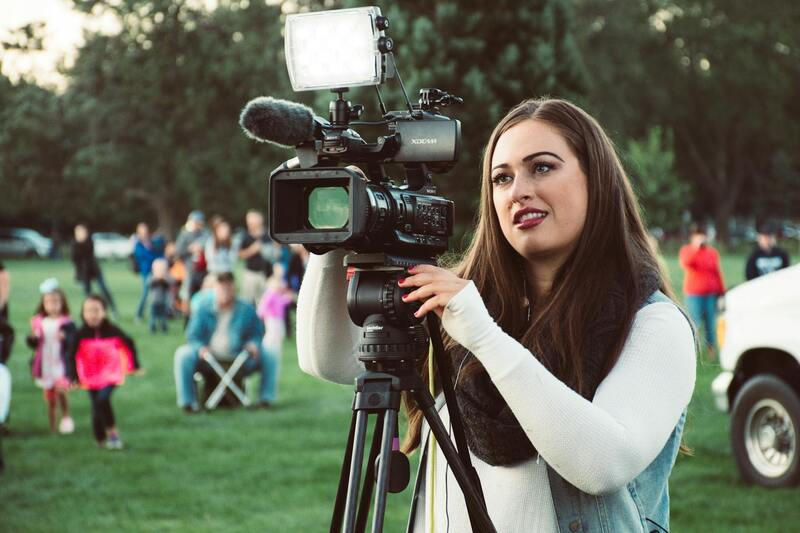
Utilizing high-quality videography ensures these stories are portrayed with clarity, authenticity, and visual appeal. Proper framing, lighting, and audio capture are critical components that enhance the credibility and engagement level of testimonial videos. These videos serve as powerful tools within marketing campaigns, enabling brands to demonstrate credibility through the voices of satisfied clients. When meticulously planned and executed, testimonial videography becomes an effective source of social proof, helping to establish authority and trustworthiness in competitive markets.
Benefits of using testimonial videos
- Establishes Trust: Genuine client stories create a transparent narrative that fosters trust among potential customers.
- Boosts Credibility: Visual proof of successful client experiences enhances brand reputation.
- Increases Engagement: Well-crafted testimonials evoke emotional responses, encouraging viewers to connect with the brand story.
- Supports Decision-Making: Real-life examples simplify complex purchasing decisions, guiding viewers toward action.
- Enhances SEO: Video content improves online visibility and search engine rankings when optimized correctly.
Key elements of effective testimonial videos
- Authenticity: Honest, unscripted responses from clients emphasize real experiences and emotions.
- Clarity: Clear visuals and sound quality ensure the message is conveyed convincingly.
- Storytelling: A structured narrative that highlights challenges, solutions, and results keeps viewers engaged.
- Professional Quality: Proper lighting, framing, and editing lend credibility and enhance viewing experience.
- Call to Action: Subtle prompts encourage viewers to take the next step, whether contacting the business or visiting the website.
Planning and scripting testimonial videos
Effective testimonial videos start with thoughtful planning. Identifying the right clients—those who can authentically speak to your brand’s strengths—is essential. Preparing a semi-structured interview guide or script helps in capturing comprehensive and focused responses, without compromising naturalness. Key questions should explore client challenges, the solutions provided, and measurable outcomes.
Timing and setting are equally important. Selecting environments that reflect the brand's character and make clients feel comfortable contributes to sincere storytelling. A detailed plan outlining the flow of interviews, visual ideas, and key messages ensures consistency and aligns the footage with campaign goals.
Filming techniques for impactful testimonials
Capturing compelling testimonial videos requires attention to technical details. Proper camera angles—such as eye-level shots—provide intimacy and direct engagement. Using a tripod secures stability and ensures consistent framing. Lighting should be soft and diffused, minimizing shadows and highlighting facial expressions. When shooting indoors, natural light combined with professional lighting setups yields visually appealing results.
Audio quality directly impacts viewer perception. Employing lapel microphones or shotgun mics close to speakers preserves clarity and reduces background noise. Testing sound levels ahead of time prevents disruptions during recording sessions. Complementary B-roll footage—such as product usage or relevant setting shots—adds visual interest and context.
Respecting the interviewees’ comfort by maintaining a relaxed atmosphere encourages genuine responses. Framing shots with sufficient headroom and centered composition emphasizes sincerity. Utilizing creative angles can also provide visual variety and reinforce the message’s emotional tone. Transitioning smoothly between shots during editing creates a polished and professional presentation that elevates the overall impact of the testimonial.
Understanding testimonial videography
Testimonial videography involves capturing authentic accounts from satisfied clients or customers to showcase the value and effectiveness of a product or service. This specialized form of video production emphasizes genuine storytelling, where real experiences are translated into compelling visual narratives. Effective testimonial videos serve as powerful tools that build trust and credibility, helping prospective clients make informed decisions. They often feature individuals sharing their perspectives candidly, highlighting specific benefits, challenges overcome, and personal feelings about the experience. Creating impactful testimonial videos requires a thorough understanding of interview techniques, visual storytelling, and technical execution. It is essential to approach each testimonial with a strategic mindset, ensuring that every element— from the interview setting to post-production edits— aligns with the overarching goal of establishing authenticity. These videos should resonate emotionally and provide tangible insights into the client’s journey, thereby fostering a connection with viewers. The process begins with identifying suitable interviewees who can articulate their experiences convincingly. Developing thoughtful questions that elicit detailed responses ensures the narrative remains compelling and relevant. Adequate preparation, including site visits and equipment checks, sets the stage for high-quality footage. During filming, attention to framing, lighting, and audio quality creates a professional appearance that amplifies the message’s believability. In addition to front-facing interviews, incorporating B-roll footage—such as clients using the product or interacting in real-life settings—adds visual richness and context. This layered approach not only maintains viewer interest but also reinforces the testimonial’s authenticity by demonstrating real-world applications. Ultimately, testimonial videography is a strategic endeavor that transforms personal stories into persuasive content. When executed with precision and care, these videos become vital assets that enhance brand reputation and influence purchasing decisions, serving as credible endorsements that resonate deeply with future clients.
Understanding testimonial videography
Testimonial videography involves capturing authentic stories from satisfied clients or customers to highlight the positive experiences they have had with a brand, product, or service. It goes beyond traditional advertising by emphasizing genuine voices and real-world results, offering viewers an honest perspective that builds trust. The core purpose of testimonial videos is to establish credibility and foster an emotional connection, making potential clients more comfortable and confident in choosing your offerings.
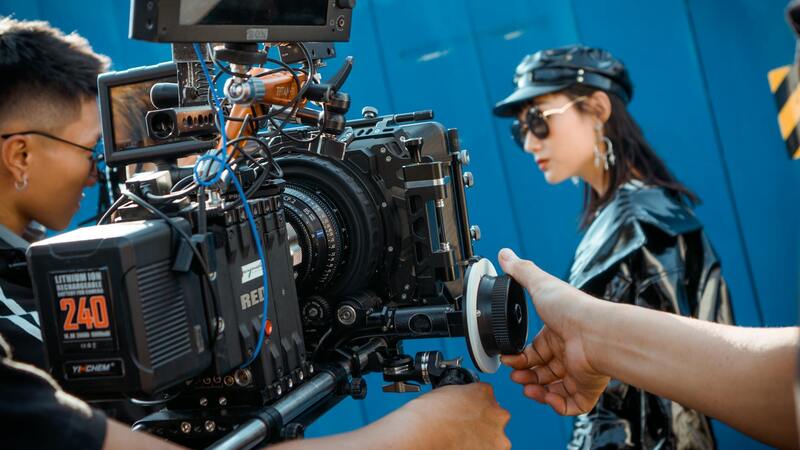
Creating impactful testimonial videos requires understanding the nuances of storytelling, visual presentation, and audience engagement. It starts with selecting clients who are articulate and enthusiastic about their experiences, ensuring their stories align with the brand’s messaging. These videos serve as powerful social proof, demonstrating real satisfaction and tangible benefits, which influence the decision-making process of prospective customers.
Key elements of effective testimonial videos
- Authenticity: Genuine expressions and honest recounting of experiences foster trust.
- Clarity of message: Clear communication of how the product or service addressed specific needs or challenges.
- Visual appeal: High-quality footage with good lighting, sound, and framing enhances professionalism and viewer engagement.
- Relatability: Content that connects with the target audience's experiences and concerns.
- Storytelling structure: A compelling narrative that introduces the challenge, solution, and positive outcome.
- Call-to-action: Encouraging viewers to take the next step, such as contacting the company or exploring products.
Planning and scripting testimonial videos
Structured planning and thoughtful scripting are vital to maximize the impact of testimonial videos. Begin with identifying key messages and objectives tailored to your marketing goals. Develop open-ended questions that encourage clients to elaborate on their experiences, providing depth and context. For instance, inquire about initial challenges, how the product or service provided a solution, and the specific benefits they gained.
Preparation also involves logistical arrangements like choosing an appropriate location, setting up interview times, and ensuring all equipment functions properly. Scripting should include prompts for spontaneity, allowing clients to share authentic insights while maintaining a cohesive storyline. This balance helps produce a video that feels natural and persuasive.

Filming techniques for impactful testimonials
High-quality filming is essential to convey professionalism and enhance credibility. Use a tripod to keep shots steady, and position the interviewee with respectful eye contact and comfortable framing. Lighting should be soft and even, avoiding harsh shadows or overexposure, with natural light or diffused sources often delivering the most flattering results.
Audio quality cannot be overlooked; use lapel or boom microphones to capture clear sound, minimizing background noise. Incorporate B-roll footage—such as clients engaging with the product or service—to enrich the narrative visually. Employ multiple camera angles when possible to add variety and maintain viewer interest. The setting should be quiet, clutter-free, and aligned with the story being told to enhance authenticity.
Post-production and editing strategies
Editing is where the testimonial story takes shape, requiring precision to craft a compelling message. Select the most impactful segments that showcase genuine emotion and clarity. Incorporate b-roll footage strategically to support the dialogue and contextualize the testimonial, creating a dynamic viewing experience.
Color correction and audio balancing should enhance visual and sound quality without compromising authenticity. Subtitles can improve accessibility and reinforce key messages. Keep the overall length appropriate to your platform, typically between one and three minutes, ensuring the story remains engaging and focused.
Distributing testimonial videos effectively
Once completed, a targeted distribution plan maximizes a testimonial video’s reach and impact. Upload videos on your company’s website, including dedicated testimonial sections or landing pages. Leverage social media channels—such as Facebook, Instagram, LinkedIn, and YouTube—to share stories broadly, utilizing platform-specific formats for optimal engagement.
Embed videos in email campaigns and newsletters to nurture leads and reinforce trust with existing clients. Consider utilizing paid advertising to strategically promote high-performing videos to specific audience segments. Regularly update your testimonial content to maintain freshness and relevance, ensuring ongoing credibility and influence in your marketing efforts.