
Understanding the Importance of Testimonial Videos
In today’s competitive marketplace, establishing trust and credibility is essential for any business aiming to grow its customer base and strengthen its brand presence. Testimonial videos serve as a powerful marketing tool, providing authentic, firsthand accounts from satisfied clients that resonate with prospective customers. These videos act as social proof, demonstrating real-world experiences and the tangible benefits of a product or service, which can significantly influence purchasing decisions.
For businesses operating in Miami, a dynamic and diverse market, testimonial videos can help differentiate brands amid a crowded landscape. They capture the unique stories and success cases of local clients, creating relatable content that builds rapport and confidence among potential customers. Such videos are particularly effective because they offer transparency and foster emotional connections, making them invaluable components of a comprehensive marketing strategy.
Furthermore, testimonial videos can be leveraged across multiple platforms—websites, social media, email campaigns, and more—ensuring consistent messaging and maximum outreach. Their ability to showcase genuine client satisfaction helps establish a brand’s reputation and enhances customer loyalty over time. As digital consumers increasingly seek relatable and trustworthy content, investing in professional testimonial video production offers a strategic advantage, especially for companies looking to make a lasting impact in the vibrant Miami market.
With the right planning and execution, testimonial videos become more than just marketing assets; they evolve into persuasive narratives that substantiate a business’s value proposition. The process begins with careful planning, understanding the target audience, and aligning the client stories with strategic branding goals, setting the stage for impactful content that nurtures trust and drives growth.
Best Practices for Interviewing Clients
Effective client interviews form the foundation of compelling testimonial videos. The goal is to elicit authentic, detailed responses that highlight genuine experiences and satisfaction. To achieve this, interviewers should begin by establishing a comfortable environment, encouraging clients to share their stories openly. Preparing a list of open-ended questions that focus on specific challenges, solutions provided by the business, and overall outcomes helps guide the conversation while allowing natural storytelling to emerge.
During interviews, maintaining a conversational tone reduces formality and helps clients relax, resulting in more heartfelt responses. Active listening is essential; interviewers should follow up on interesting points, ask clarifying questions, and avoid leading language that might influence responses. Properly capturing both verbal content and non-verbal cues, such as facial expressions and gestures, adds depth and authenticity to the final footage.
Sound quality and framing are critical considerations. Using quality microphones and ensuring good lighting conditions help produce clear audio and visuals. Framing clients in a way that emphasizes their sincerity and personality enhances emotional engagement. It's also advisable to record multiple takes of crucial responses to ensure options during editing.
For Miami-based productions, integrating local culture and industry-specific contexts into interview questions can help clients connect more deeply with their stories, increasing the relatability of the testimonial. This tailored approach fosters a sense of community and demonstrates a genuine understanding of the local market.
Production Techniques for Testimonial Videos
High-quality production is pivotal in translating client stories into persuasive visual content. Utilizing professional equipment, including high-definition cameras, lapel microphones, and proper lighting, ensures that the footage aligns with industry standards and best practices. Composition and framing should focus on capturing clients in a flattering and relatable manner, often employing a mix of close-ups and mid-shots to emphasize emotions and gestures.
Lighting plays a significant role; natural light complemented by soft artificial lighting can eliminate harsh shadows and create a warm, inviting atmosphere. Consistency in lighting helps maintain visual cohesion throughout the video, especially when multiple shoots are involved.
Background selection should be deliberate, opting for uncluttered, relevant settings that reflect the client’s environment or industry. For instance, a Miami-based restaurant owner may be interviewed in their establishment, adding authenticity and context.
Audio clarity cannot be overstated—using wireless microphones or lapel mics minimizes background noise and captures clear dialogue. Additionally, stabilizing equipment, such as tripods and gimbals, ensures smooth footage, avoiding distractions caused by shaky visuals.
Post-production techniques enhance storytelling by incorporating branding elements, overlaying captions, and editing out unnecessary pauses or redundancies. Color grading further refines the visual tone, ensuring the final product looks polished and professional.
Production Techniques for Testimonial Videos
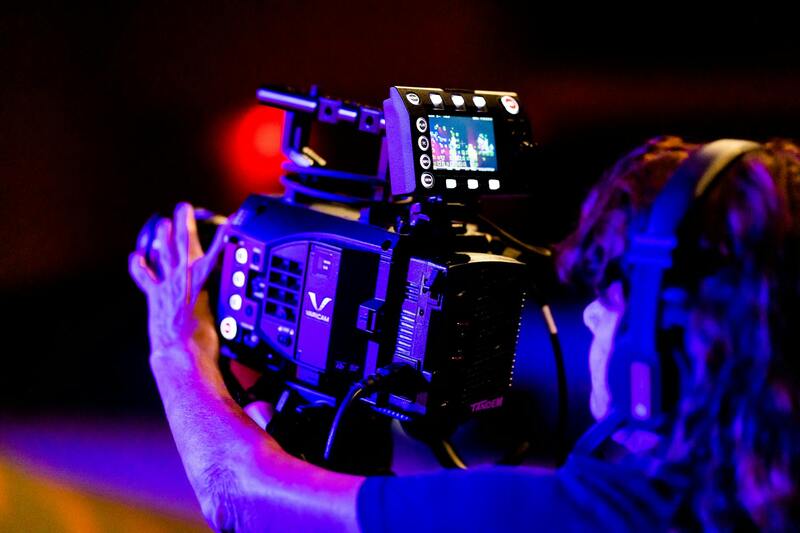
Implementing advanced production techniques is crucial in capturing authentic client stories that resonate with target audiences. This involves a combination of audiovisual tools, strategic scene management, and precision in capturing genuine emotions. High-quality camera equipment, such as 4K or Full HD cameras, ensures crisp visuals, while professional-grade microphones guarantee clear audio, which is equally important in conveying sincerity and engagement.
Multiple camera angles can be employed to add visual interest and provide dynamic perspectives during interviews. For example, using a close-up shot of the client’s face allows viewers to connect emotionally, while wider shots give context by showing the environment. Incorporating B-roll footage that complements the narrative adds depth, illustrating the client's environment or demonstrating their product or service in action.
Lighting remains a pivotal element; soft, diffused lighting reduces shadows and highlights facial expressions, creating a more appealing visual presentation. Techniques such as three-point lighting can be used to subtly shape the subject’s features, elevating the overall aesthetic. It is also essential to control the background lighting to maintain focus on the interviewee and reduce distractions.
Sound quality can be further optimized through techniques like soundproofing the recording environment, minimizing ambient noise, and conducting sound checks prior to recording sessions. Employing lavalier microphones clipped securely to the client's clothing ensures consistent audio pickup, reducing the risk of background interference and volume fluctuations.
To capture natural gestures and expressions, directors should create a relaxed interview setting. Providing prompts and follow-up questions helps clients elaborate on their stories, resulting in more compelling testimonials. The use of appropriate interview techniques fosters authenticity, making the stories more convincing to viewers.
Post-shoot, editing is essential to create a seamless narrative flow. Cutting unnecessary segments, adding background music that aligns with the tone, and inserting textual overlays reinforce key messages. Color correction can be applied to achieve visual consistency, especially when multiple shooting locations are involved, ensuring the final product appears polished and professional.
rendering the testimonial video with these production techniques results in compelling content that effectively communicates client satisfaction and builds trust with prospective customers.
Production Techniques for Testimonial Videos
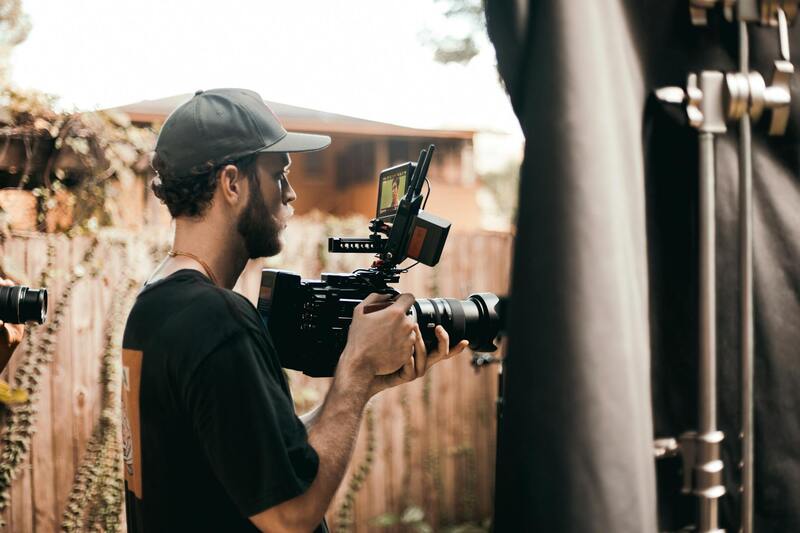
High-quality testimonial videos demand precise technical execution to ensure the final product resonates with viewers and effectively showcases client satisfaction. Central to this process is establishing an optimal filming setup that maximizes clarity and visual appeal. This entails selecting the right camera equipment with high-resolution capabilities, ensuring stable shots through tripods or stabilizers, and framing subjects according to professional standards. Proper framing, such as the rule of thirds, helps draw attention to the client and creates a balanced composition that is pleasing to the eye.
Lighting plays a crucial role in shaping the overall aesthetic. Using a three-point lighting system—comprising key, fill, and backlights—helps illuminate clients evenly and minimizes shadows that can distract viewers. Adjusting light temperatures and diffusion can add a warm or neutral tone, aligning with the branding and emotional tone of the content. In addition, controlling ambient light and eliminating glare or reflections ensures the focus remains on the client’s expressions, fostering authenticity.
Sound quality is equally vital. Employing directional microphones, like lapel or shotgun mics, helps capture clear dialogue while distancing from background noise. Proper placement of microphones close to the interviewee guarantees consistent audio levels, while soundproofing the recording environment prevents external distractions. Conducting pre-shoot sound checks and monitoring audio in real-time enable adjustments to be made on the spot, maintaining the professionalism of the final product.
Visual framing and shot composition further enhance the testimonial’s impact. Wide shots establish context, while close-ups capture emotional expressions that forge a connection with viewers. Utilizing multiple angles can add variety and maintain viewer engagement. Incorporating b-roll footage—such as clients engaging in their business environment or usage scenarios—provides contextual support and visual interest, enriching the storytelling process.
Beyond capturing footage, attention to detail during the shoot ensures the content aligns with brand messaging. Consistent lighting, clean backgrounds, and stable framing contribute to a cohesive look. Standardizing these technical elements across multiple shoots also simplifies editing and post-production workflows, resulting in a more polished final product.
Post-shoot, the importance of meticulous editing cannot be overstated. Seamlessly stitching together interview segments with B-roll, integrating relevant textual overlays, and synchronizing background music effectively reinforce key messages. Color grading adjustments ensure visual uniformity, especially when footage is gathered across diverse locations or lighting conditions, enhancing the overall professionalism of the testimonial video.
Implementing these production techniques results in testimonial videos that not only look professional but also resonate authentically with audiences. Mastery over technical elements guarantees that the story’s emotional core is conveyed compellingly, elevating the credibility of the client’s message and fostering greater trust with future customers.
Advanced Editing Techniques to Enhance Testimonial Video Impact
Achieving a polished testimonial video extends beyond capturing footage; it hinges critically on sophisticated editing strategies designed to amplify its persuasive power. The initial step involves meticulous selection of the most compelling segments from raw interviews, emphasizing authentic expressions, clear articulation of benefits, and emotionally resonant storytelling. By isolating these moments, the narrative remains focused and impactful, ensuring viewers remain engaged from start to finish.
Layering in elements like graphics, animated text overlays, and consistent branding enhances the professional appearance while reinforcing key messages. For instance, incorporating client logos or service identifiers subtly throughout the video maintains brand recognition without detracting from the authenticity. Color correction and grading are essential to create a cohesive visual style, especially when sourcing footage from multiple locations or lighting conditions, ensuring a seamless viewing experience.

Transitions, pacing, and sound design play pivotal roles in maintaining viewer interest. Smooth transitions between segments prevent disruptions, while strategic pacing allows viewers to absorb core messages without feeling overwhelmed. Background music chosen carefully to complement the testimonial enhances emotional resonance, provided it remains subtle enough not to overshadow the spoken content. Synchronization of audio and video, along with clear audio balancing, guarantees clarity and professionalism.
Text overlays can be employed thoughtfully to highlight critical testimonials, call-to-action prompts, or statistical support, adding depth to the narrative. Introducing subtle motion graphics can draw attention to specific phrases or benefits, making the content more engaging and memorable. Additionally, incorporating a brief intro and outro sequence, aligned with the client’s branding, provides a consistent framework that improves recognition and recall.
Finally, the editing phase benefits from rigorous review processes, ideally involving multiple perspectives to identify areas for enhancement. By focusing on storytelling clarity, visual consistency, and audience engagement, the final product emerges as a persuasive, high-quality testimonial that effectively demonstrates client satisfaction, builds trust, and compels action.
Utilizing Testimonial Videos in Various Marketing Channels
Integrating testimonial videos into your broader marketing strategy amplifies their impact and reaches a wider audience. Embedding these videos on your website’s landing pages, product pages, or dedicated testimonial sections allows visitors to immediately see authentic customer experiences, fostering trust from the first interaction. Incorporating testimonial snippets into email marketing campaigns can enhance open rates and engagement, especially when personalized recommendations and genuine feedback are showcased. Additionally, sharing full-length testimonial videos or short clips across social media platforms—such as Facebook, Instagram, LinkedIn, and YouTube—expands visibility and encourages sharing among followers.
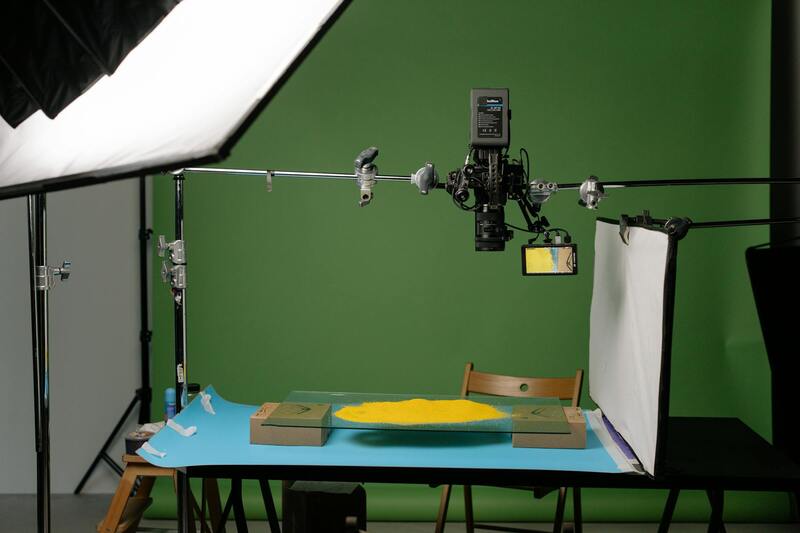
To optimize distribution, tailor the content format to fit each platform’s requirements. Vertical videos and shorter clips perform well on mobile-centric apps like Instagram Stories or TikTok, while more detailed testimonials suited for YouTube or LinkedIn can cater to users seeking in-depth insights. Consistent branding, clear messaging, and compelling calls-to-action embedded within these videos motivate viewers to take the next step—whether that’s reaching out, subscribing, or making a purchase.
Embedding testimonial videos into digital advertisements—whether as part of display banners, native ads, or paid social media campaigns—can significantly boost conversion rates by leveraging social proof. When paired with targeted audience segmentation, these ads become highly relevant and persuasive. Furthermore, hosting testimonial videos on third-party platforms such as industry-specific forums or review websites can extend credibility and attract new clients searching for trusted experiences.
Implementing a Cohesive Content Strategy
Consistency in messaging across all channels ensures that testimonial video content strengthens your overall brand authority. Develop a content calendar that schedules regular updates and new testimonials, maintaining audience interest over time. Incorporate different perspectives and diverse client stories to resonate with varied segments, highlighting your company’s versatility and commitment to customer satisfaction. Supporting content such as blog articles, infographics, and case studies can complement testimonial videos, creating a comprehensive narrative that addresses potential concerns and showcases solutions.
Monitoring engagement metrics—such as views, shares, comments, and click-through rates—offers valuable insights into which distribution channels and content formats resonate most. Use these insights to refine your approach, emphasizing platforms and styles that generate the highest response. Leveraging paid promotion for key testimonial videos can further boost visibility, especially during product launches or major marketing campaigns, ensuring maximum exposure at critical touchpoints.
Measuring the Effectiveness of Testimonial Videos
Once your testimonial videos are launched, evaluating their impact becomes essential to optimizing future marketing efforts. The effectiveness of testimonial content can be quantified through a variety of key performance indicators (KPIs) that reflect audience engagement, brand perception, and conversion metrics. By analyzing these data points, businesses can determine the resonance of their testimonial videos and identify areas for improvement, ensuring a strategic approach to their digital video marketing.
Key Metrics for Assessment
- View Count: The total number of views indicates how many individuals have accessed the testimonial video. A high view count is an initial indicator of reach, especially when aligned with targeted distribution strategies.
- Engagement Rate: Metrics such as likes, shares, comments, and click-through rates provide insights into how viewers interact with the content. High engagement suggests that the testimonial resonates and prompts viewers to take action or share their opinions.
- Average Watch Time: This metric reveals how long viewers are staying engaged with the video. Longer average watch times demonstrate compelling content that retains audience interest and delivers the intended message effectively.
- Conversion Rate: Tracking how many viewers take designated actions after watching—such as filling out contact forms, making purchases, or subscribing—helps connect testimonial influence directly to business objectives.
- Audience Demographics: Understanding who is engaging with the videos, including age, location, and interest groups, allows for refined targeting and content customization that appeals to specific segments.
Methods for Evaluating Impact
- Analytics Platforms: Utilizing tools like Google Analytics, or your website’s built-in analytics, helps track traffic sources, user behavior, and conversion pathways influenced by testimonial videos.
- Customer Feedback and Surveys: Conducting surveys post-viewing can provide qualitative insights into how testimonials influence perceptions and decision-making processes.
- A/B Testing: Comparing engagement and conversion metrics between different testimonial video versions helps identify which elements—such as messaging style, length, or presentation—perform best.
- Sales and Lead Data: Monitoring subsequent sales or lead generation patterns offers tangible evidence of testimonial video success in driving business outcomes.
Continuous Improvement Approach
Regularly reviewing these metrics allows for strategic adjustments. For example, if engagement drops after a certain point, revising the narrative or enhancing production quality can rekindle viewer interest. Conversely, discovering which types of content generate the highest conversions informs future testimonial requests and editing styles.
Utilizing Official Methods for Testimonial Video Verification
Ensuring the authenticity of testimonial videos is fundamental to building trust with your audience. Businesses should adopt transparent practices such as obtaining explicit consent from clients before featuring their testimonies. Clear documentation of the client’s agreement to appear and share their experiences helps maintain integrity throughout the process. Also, verifying that the client’s statements are accurate and reflect their genuine experiences avoids misleading presentations. Conducting follow-up conversations with clients to confirm the validity of their feedback adds an additional layer of authenticity.
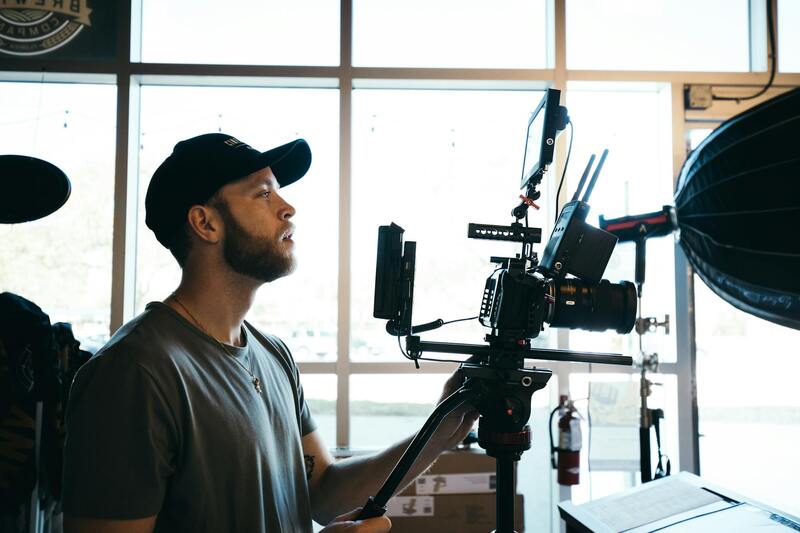
Official methods extend to utilizing reputable platforms for hosting and sharing testimonial content. Hosting videos on secure, recognized hosting services ensures proper content management and prevents unauthorized alterations. Employing watermarks or branded overlays can further reinforce the source of the testimonial while safeguarding the content from unauthorized use. Incorporating captioning and transcripts not only broadens accessibility but also establishes a record of the spoken content, enhancing the credibility of the testimonial.
Implementing Proven Techniques to Enhance Credibility
Authentication techniques can significantly influence viewer perception of testimonial videos. Using a multi-angle filming approach provides visual proof of the client’s authenticity and minimizes the risk of misrepresentation. Incorporating raw, unedited snippets alongside polished segments demonstrates transparency and genuine client feedback. Including detailed client backgrounds, such as their professional roles or specific challenges they faced, contextualizes their testimonial and lends additional legitimacy.
- Use real, unedited client interviews when possible.
- Include timestamps or specific references to their experiences to strengthen credibility.
- Display official branding and client logos alongside testimonials.
- Implement verification badges or labels indicating approved client content.
Leveraging Documentation and Certification for Trustworthiness
To further substantiate testimonial claims, businesses can compile supporting documentation such as case studies, performance data, or client awards. Presenting these alongside testimonial videos offers a comprehensive view of the client’s positive experience. Collecting written endorsements or signed statements from clients can also serve as supplementary records that reinforce the video content’s accuracy.
Authentic testimonials backed by verifiable information help improve overall audience confidence. Ensuring that every step— from consent to documentation—is meticulously followed not only safeguards the integrity of the content but also sustains the trust needed to influence decisions effectively.