Understanding the Importance of Professional Interview Filming
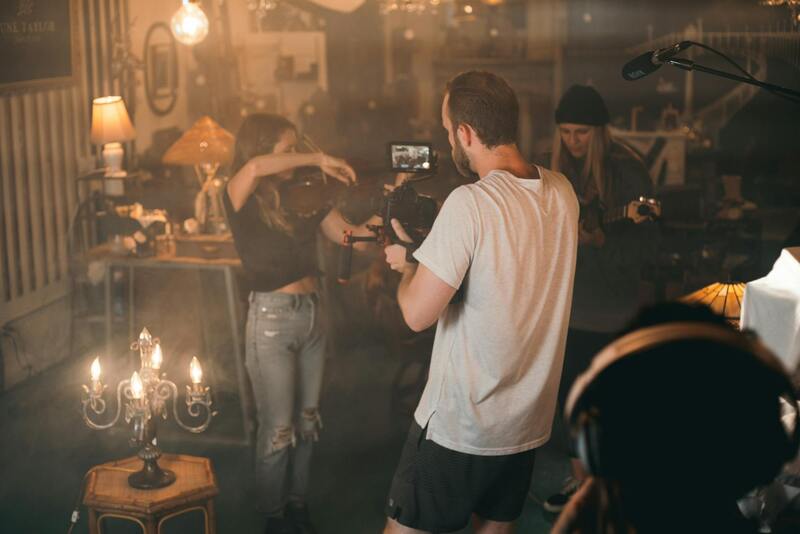
Capturing interviews through high-quality filming is a fundamental aspect of effective communication, whether for corporate, media, or promotional purposes. The visual clarity, framing, and overall production value directly influence how the message is perceived and retained by the audience. In Miami, where diverse environments and vibrant aesthetics are abundant, leveraging professional filming techniques can dramatically enhance the storytelling process, ensuring that the interview material stands out across various platforms.
Quality filming begins with attention to detail, including camera work, sound, and lighting. A well-filmed interview not only conveys professionalism but also builds credibility around the interviewee and the message they represent. This is particularly vital when content aims to engage stakeholders, clients, or the public in a compelling narrative. Additionally, meticulous filming facilitates seamless post-production editing, allowing for refined visual storytelling that emphasizes key points and maintains viewer interest.
Engagement levels tend to increase when viewers experience visually appealing content that combines crisp visuals with clear audio. For interviews conducted in Miami, where outdoor settings can introduce challenges such as variable lighting and background noise, professional filming techniques are essential to produce clean, focused results. Proper filming not only ensures the interview is visually compelling but also faithfully represents the interviewee’s expressions and gestures, which are crucial for conveying sincerity and emotion.
Moreover, high-quality interview footage offers versatility in distribution. Whether the content is destined for social media, television broadcasts, or corporate websites, professional filming guarantees optimal resolution and technical specifications compatible with various media formats. The capacity to adapt footage for different channels without quality loss enhances the overall effectiveness of the communication strategy.
Ultimately, the impact of styled, high-grade filming extends beyond aesthetic appeal. It affects the audience's perception of the message's authenticity and importance. In Miami’s dynamic media landscape, where competition for attention is fierce, investing in top-tier filming services can provide a substantial advantage, making the content not only memorable but also impactful.
Choosing the Right Equipment and Lighting Setup
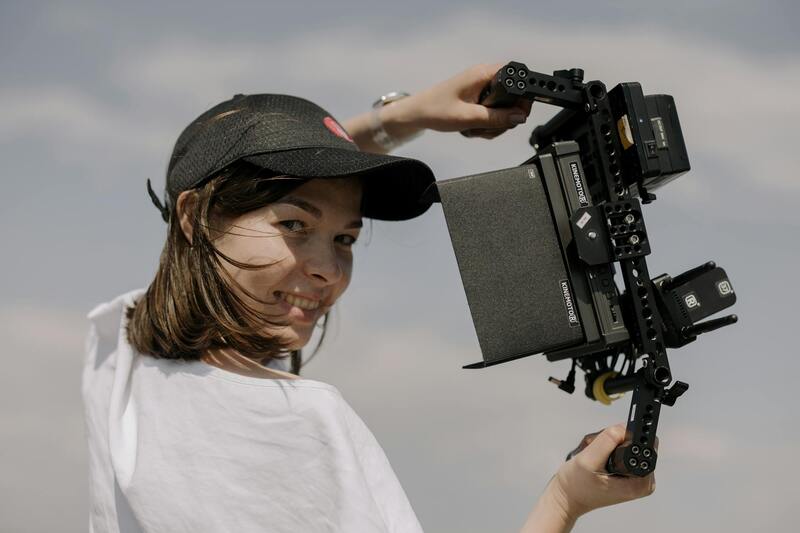
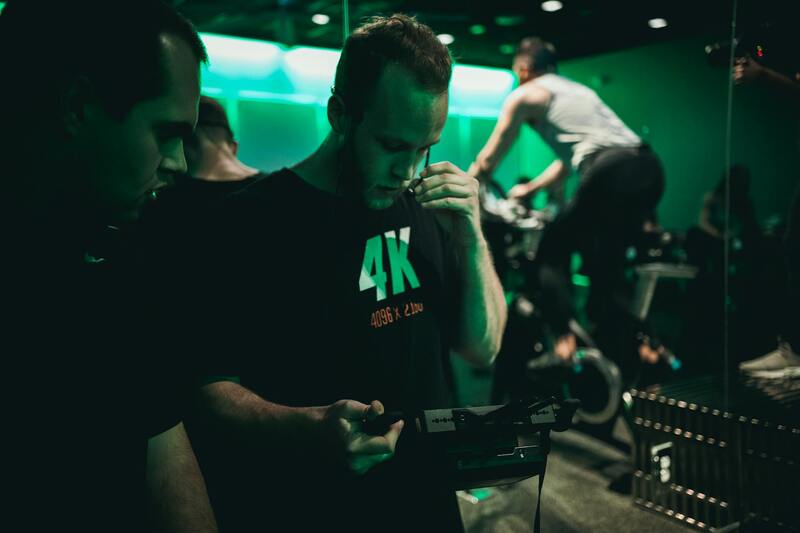
Effective interview filming relies heavily on selecting the appropriate equipment and lighting to capture clear, high-quality footage. Essential tools include high-definition professional cameras capable of recording in 4K or higher resolution, ensuring crisp visuals that retain detail across various playback formats. Complementing the cameras, high-quality microphones—such as lavalier or shotgun mics—are crucial for capturing clean audio, minimizing background noise, and emphasizing the interviewee’s voice for clarity.
Additional equipment includes sturdy tripods or stabilizers to maintain steady shots, reducing the risk of shaky footage that can distract viewers. For dynamic or outdoor shoots common in Miami, portable lighting kits become indispensable. LED panels with adjustable brightness and color temperature help create consistent lighting conditions, even when natural light fluctuates. Reflectors can also be employed to bounce light onto the interviewee’s face, softening shadows and additional beauty filters.
When filming outdoors, it’s important to account for Miami’s variable weather. Weather-resistant gear helps prevent delays caused by sudden rain or humidity. Moreover, windshields for microphones help eliminate wind noise, securing audio quality without requiring extensive post-production correction.
The strategic combination of the right tech equipment ensures the footage appears polished and professional. It also guarantees the interview content’s visual and auditory elements align perfectly with the intentions of the project, enhancing overall viewer engagement and message retention.
Proper Techniques for Filming an Interview
Utilizing Camera Angles and Framing
Capturing interviews with precision involves strategic use of camera angles and framing principles. Establishing a consistent shot composition ensures that the subject remains the focal point, creating visual cohesion throughout the interview. Over-the-shoulder shots, close-ups, and medium shots each serve specific storytelling purposes and help maintain viewer interest. For instance, close-ups are effective for capturing emotional nuances, while medium shots provide context by including background elements or environmental cues.
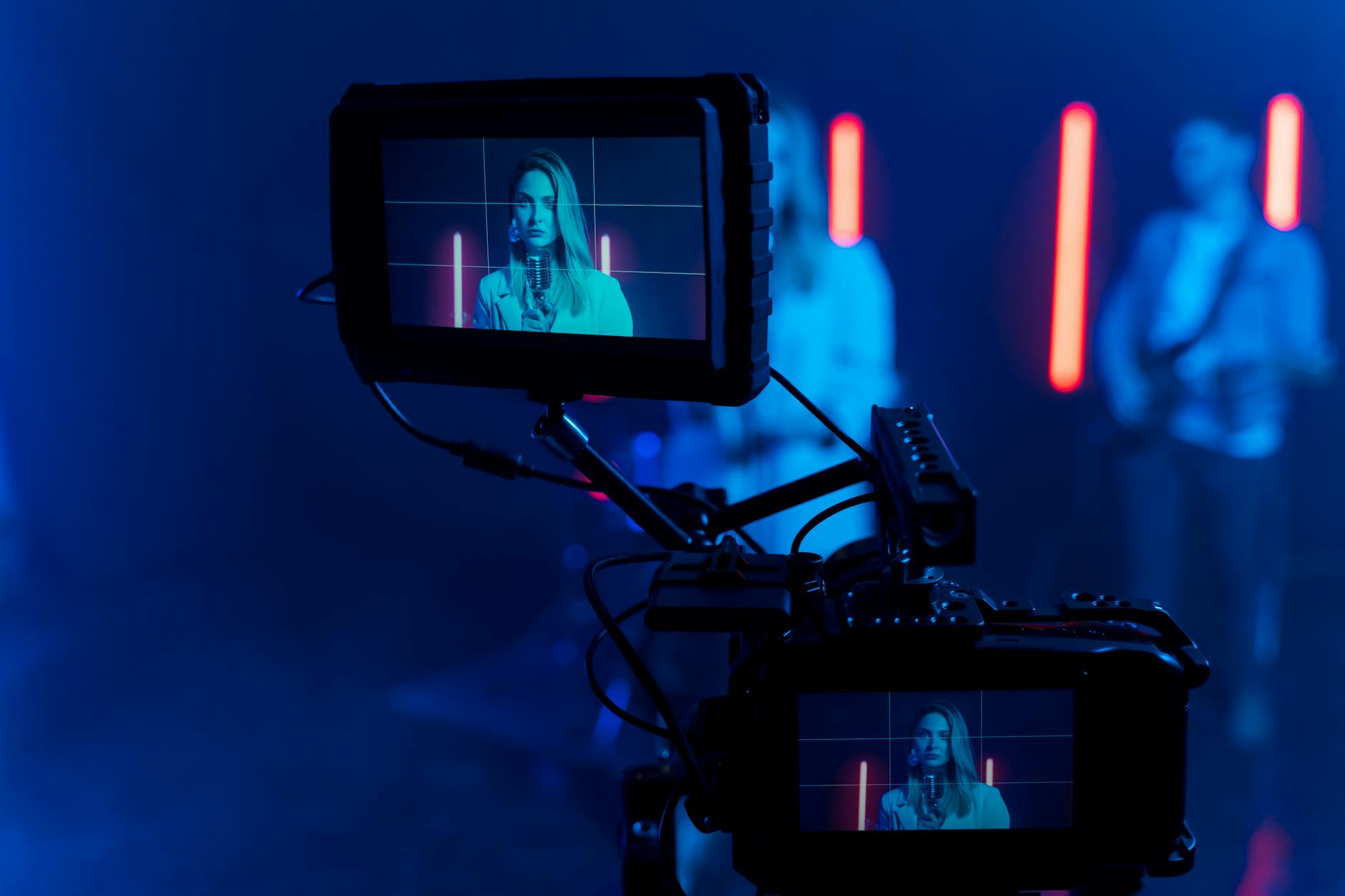
Ensuring proper eye line placement is critical; the interviewee should look slightly off-camera towards the interviewer or a focal point. This creates a natural and authentic feel, encouraging viewers to connect more deeply. Additionally, paying attention to headroom—the space between the top of the subject’s head and the frame's upper edge—avoids awkward crops and maintains a balanced composition. Use of the rule of thirds can also guide framing decisions, placing the subject off-center to add visual interest and guide the viewer’s focus effectively.
Maintaining Consistent Audio Quality
High-quality audio is vital for a professional interview. Employing directional microphones, such as shotgun mics, targets the speaker’s voice while minimizing background noise. Wireless lavalier microphones offer flexibility and consistent sound capture, especially when the subject moves naturally or in dynamic locations. Correct microphone placement—close to the speaker's mouth—ensures clear speech sounds and reduces ambient noise interference.
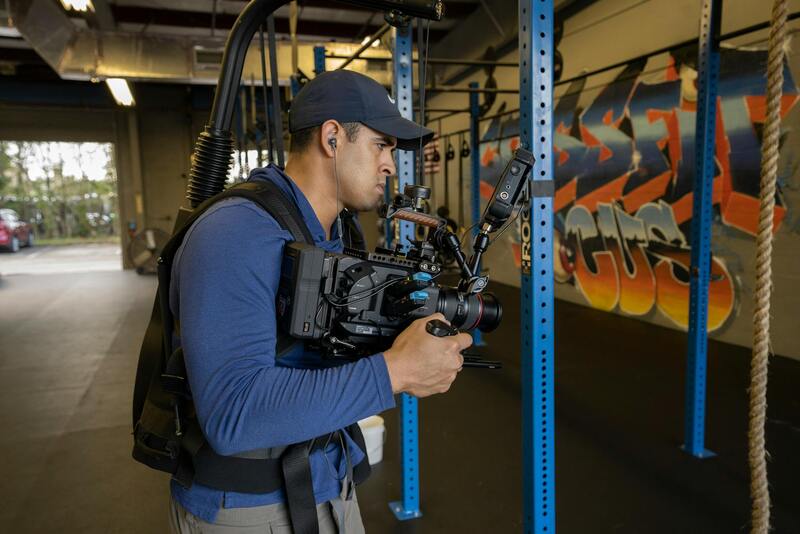
Monitoring audio levels throughout the shoot ensures that sound remains within optimal ranges, preventing distortion or muffling. For outdoor or bustling environments common in Miami, windshields and noise reduction accessories are essential. Post-production, audio editing tools can further refine sound quality, balancing levels and removing unwanted noise, resulting in crisp, intelligible dialogue that resonates with viewers.
Recording Multiple Takes and B-Roll
Filming multiple takes offers flexibility in post-production, providing options for editing and ensuring the best performance is captured. Incorporating B-roll footage—such as shots of Miami landmarks, relevant surroundings, or additional visual context—enhances storytelling and breaks the monotony of static interview footage. B-roll also provides creative opportunities to overlay images that emphasize key points or emotional moments.
When filming B-roll, focus on clean, well-composed shots that complement the primary interview content. Experimenting with camera movements, such as slow pans or zooms, can add visual interest without overshadowing the interview itself. Properly capturing and organizing these supplemental footage pieces streamline the editing process, leading to a polished final product.
Optimizing the Shooting Process for Filming Interviews in Miami
Establishing Effective Communication with Your Interviewee
Prior to the shoot, creating a comfortable environment for the interviewee encourages authentic responses and a natural flow. Clear communication about the interview structure, key topics, and expected timeline helps alleviate nervousness and ensures all parties are aligned. During filming, consistent and professional cues can guide the interviewee to elaborate on points, adjust posture, or clarify responses without disrupting the main flow, resulting in more compelling footage.
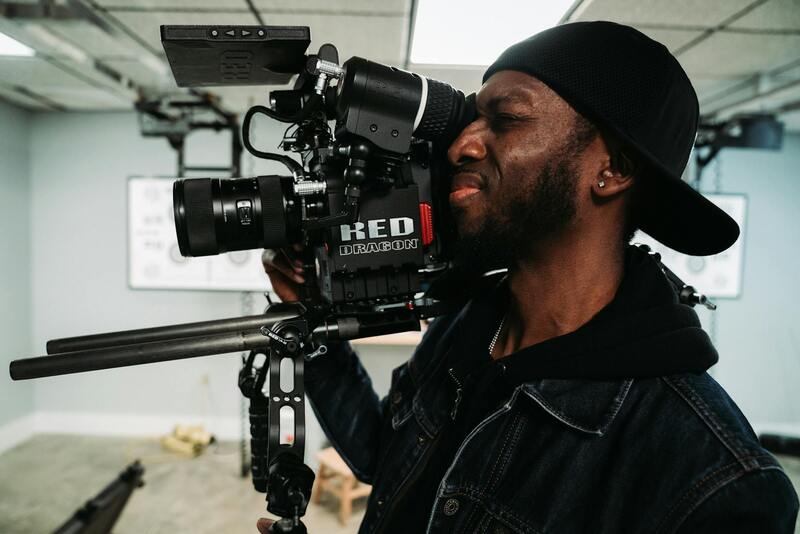
Implementing Effective Framing and Composition Techniques
Proper framing enhances visual clarity and focus. Utilize rule of thirds to position the subject within the frame strategically, drawing viewers’ attention and maintaining aesthetic balance. Eye-level shots tend to foster connection, while varied angles can add visual interest when appropriate. Consistent headroom and open backgrounds prevent distractions and keep the focus on the interviewee’s expressions and dialogue.
It’s critical to consider the environment when designing framing, particularly in diverse Miami settings. Urban landscapes, beachside locales, or corporate venues each offer unique backdrops that should complement the interview’s tone and purpose.
Capturing Multiple Angles and Shot Types
Filming with multiple cameras or angles provides versatility during editing, enabling dynamic storytelling that keeps viewers engaged. Close-up shots highlight emotional expressions, while medium shots balance the interviewee with the background context. Wide shots establish the setting and sense of place, especially vital when showcasing Miami’s scenic environments.
- Single-camera setup: Focuses on capturing high-quality footage with deliberate shot selection.
- Multi-camera setup: Allows simultaneous recording from different perspectives, reducing retakes and capturing spontaneous reactions.
- Shot continuity: Ensures visual consistency between takes, maintaining a seamless narrative flow.
Maintaining Consistent Audio Quality
Audio clarity is paramount in interview filming. Use high-quality microphones suited to the environment—for instance, shotgun mics for outdoor shoots to minimize ambient noise, or lapel mics for a hands-free, unobtrusive microphone. Conduct sound checks before filming begins and monitor levels continuously. Using windshields and noise-canceling accessories safeguards audio integrity against Miami’s breeze and urban noise.
Post-production, audio editing tools allow for refined sound balancing, removing background interference, and ensuring dialogue is crisp and intelligible. Combining these practices results in professional-grade sound that complements the visuals and engages the audience.
Adapting to Miami’s Unique Climate and Location Needs
Miami’s climate necessitates planning for weather variability. For outdoor shoots, schedule filming during periods of stable weather, and always have contingency plans for sudden rain or high winds. Portable weather protection equipment and covering gear help safeguard equipment and personnel. Indoor locations should be chosen for their acoustic qualities and minimal background distractions.
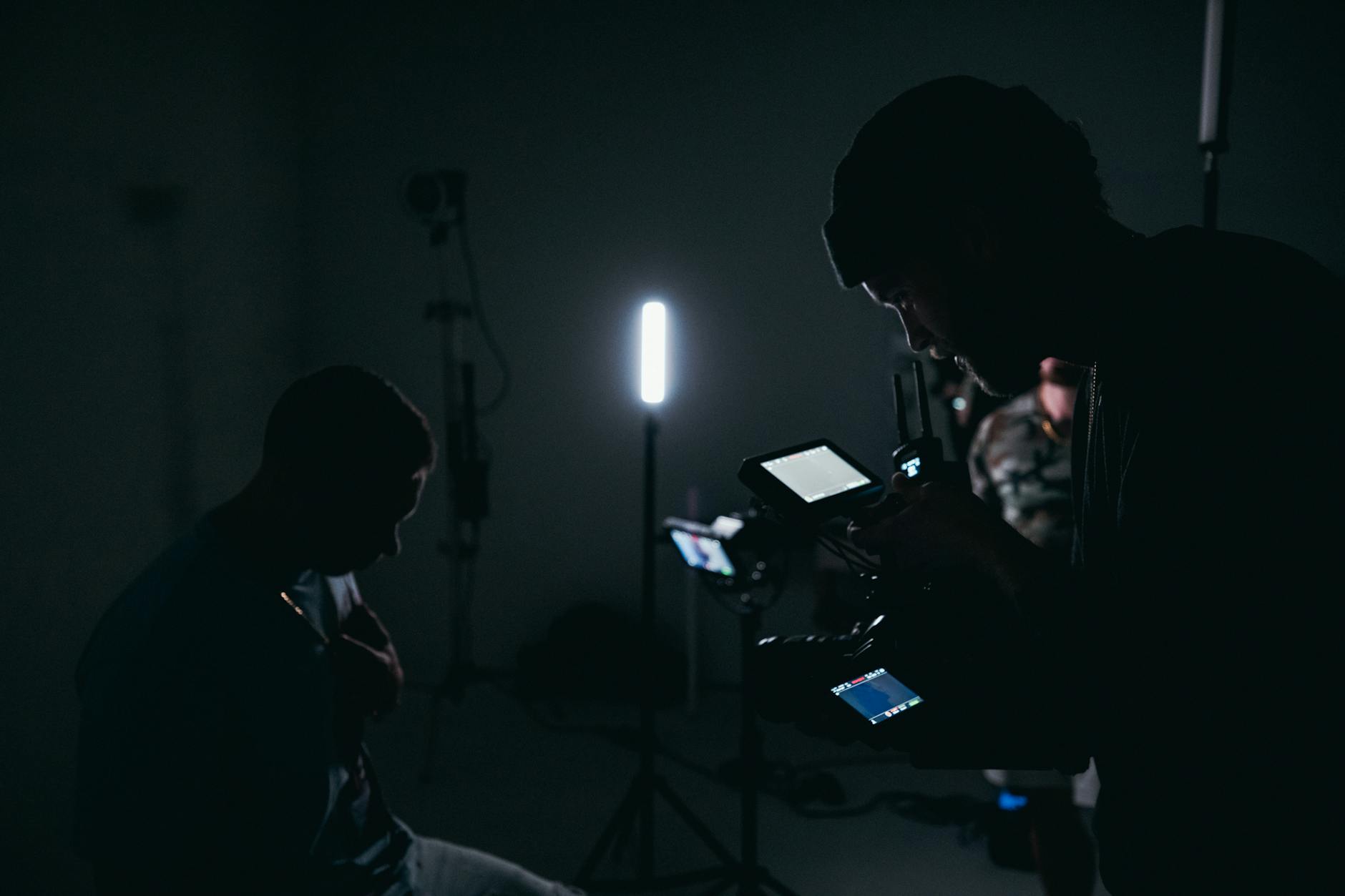
Depending on the intended message or branding, select backgrounds that reflect Miami’s vibrant character—beachfronts, city vistas, art districts, or sleek corporate interiors. Some locations require permits; securing these ahead of time smooths the filming process and prevents disruptions. Always review local regulations and coordinate with property owners or authorities to ensure compliance.
Equipping oneself with appropriate gear—portable lighting, weather protection, and sound equipment—ensures filming sessions proceed seamlessly despite Miami’s dynamic weather patterns. Maintaining flexibility and adaptability during on-site shoots leads to a more efficient process and polished result.
Understanding the Importance of Professional Interview Filming
Filming interviews with a high level of professionalism ensures the final content effectively communicates the intended message while maintaining visual and audio quality. Skilled filming enhances the credibility of the interviewee and the overall production, fostering viewer engagement and trust. When employing a structured and meticulous approach, issues such as inconsistent lighting, poor sound quality, and distracting backgrounds are minimized, creating a seamless viewing experience. These standards do not simply elevate the aesthetic appeal of the footage but also serve to reinforce the authority of the interview content, making it more impactful for marketing, corporate communications, or documentary purposes.
Meticulous planning and execution during the filming process significantly influence the viewer's perception and the message's clarity. Employing professionals in filming interview sessions often translates to better management of technical elements such as framing, focus, lighting, and sound. This ensures the audience remains focused on the content rather than on technical flaws. High-quality interview footage can be used across multiple platforms—websites, social media, broadcast—amplifying outreach efforts and reinforcing brand credibility. Moreover, the use of advanced filming techniques, including multiple camera angles and dynamic framing, can produce engaging visuals that enhance storytelling and emotional connection with viewers.
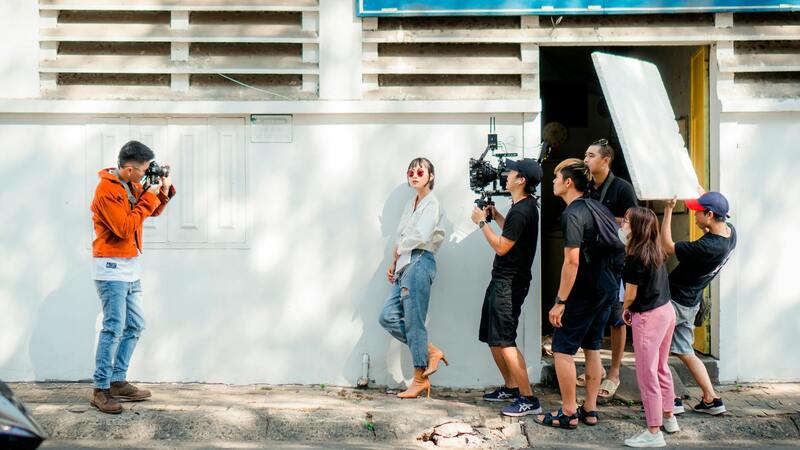
In Miami's diverse and vibrant environment, leveraging professional filming techniques is essential to capture the essence of each location effectively. Whether filming against Miami’s iconic cityscape or on a lively outdoor beachfront, the quality of footage directly influences the perceived professionalism and appeal of the final product. This makes choosing experienced filmmakers vital for ensuring each aspect of the shoot, from camera operation to sound recording, aligns with high standards of production. Additionally, professional filming can streamline post-production by providing clean, well-organized footage, reducing editing time and increasing overall efficiency.
Furthermore, collaborations with skilled Miami-based production teams provide invaluable local knowledge, helping to navigate logistical considerations such as permits, location access, and environmental conditions. By integrating expert technical execution with strategic location choices, film crews can craft compelling interview content that resonates with regional nuances and audience expectations. The investment in professional filming ultimately ensures that the interview not only looks and sounds exceptional but also achieves the desired impact across targeted channels and audiences.
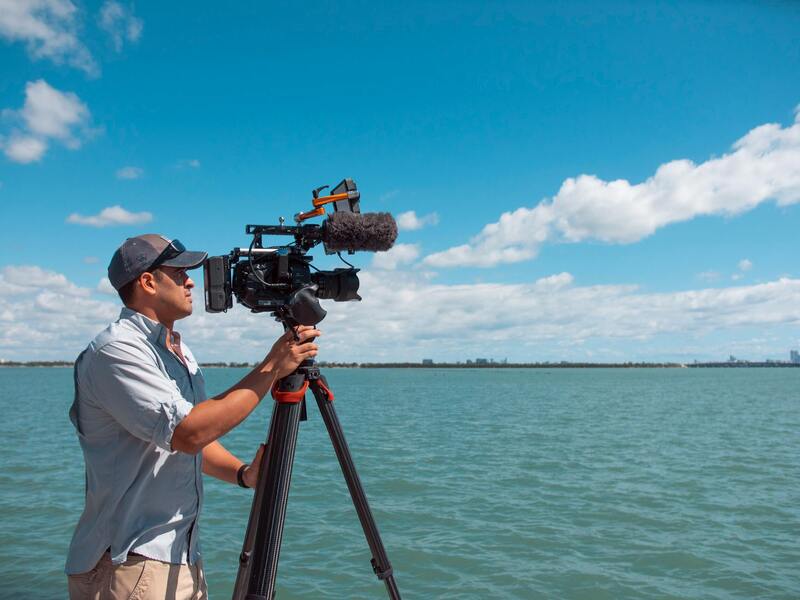
Understanding the Importance of Professional Interview Filming
Executing a high-quality interview requires meticulous attention to detail, especially when aiming to produce content that resonates with viewers and meets industry standards. Professional filming techniques ensure that each element of the interview—be it framing, sound, or lighting—is optimized for clarity and impact. This consistency not only enhances visual appeal but also reinforces the credibility of the interviewee and the message conveyed. Skilled filmmakers possess the capability to adapt framing and angles to suit the context, emphasizing key points and capturing authentic reactions that enrich the narrative.
Moreover, professional interview filming involves strategic planning around camera movements and shot composition, which contributes to a compelling storytelling flow. Proper use of equipment, such as stabilizers and external microphones, eliminates distractions like shaky footage or muffled audio, ensuring the audience's focus remains on the content. Well-executed shots can effectively highlight subtle expressions or gestures, adding depth and nuance to the interview. In turn, this meticulous approach facilitates smoother post-production editing, enabling seamless transitions and enhancements that elevate the overall quality of the final product.
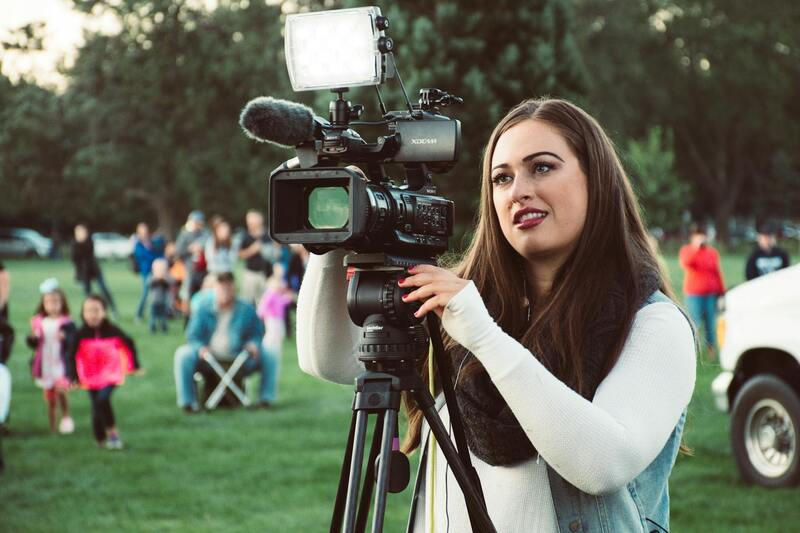
Benefits of Professional Filming for Interview Content
- Consistent Visual Quality: Ensures high-definition footage that looks polished across various platforms.
- Clear Audio Capture: Uses advanced microphones and sound recording equipment to achieve crystal-clear sound, essential for viewer comprehension.
- Optimal Lighting Strategies: Creates flattering and distraction-free visuals that highlight the interviewee effectively.
- Technical Expertise: Skilled operators manage camera settings, lighting adjustments, and sound to adapt to diverse environments.
- Efficiency in Production: Well-organized shoots reduce the need for reshoots and expedite post-production processes.
The Role of Professional Filming in Building Audience Trust
High-quality, well-produced interview footage can significantly influence audience perceptions. Clear visuals and sound foster trust and authority, positioning your message as credible and worth engaging with. Viewers are more likely to connect emotionally with interviews presented professionally, which enhances message retention and inspires action. Additionally, professionally filmed interviews can be repurposed across multiple channels, including social media, websites, and broadcast platforms, ensuring consistent branding and messaging wherever the content appears.
Customized Filming Solutions Tailored to Miami’s Unique Environment
Miami’s vibrant surroundings present both opportunities and challenges for interview filming. A knowledgeable production team tailors filming techniques to mitigate environmental factors like sunlight, humidity, or outdoor noise, ensuring optimal footage regardless of location. From filming on outdoor cityscapes to tranquil indoor settings, specialized equipment and techniques can be employed to adapt to the specific needs of each shoot, creating compelling content that captures Miami’s unique essence.
Implementing Secure and Efficient Filming Methods
To ensure that your interview filming process in Miami adheres to best practices and achieves professional results, employing certified and well-established filming methods is essential. These approaches provide a robust framework for capturing high-quality footage that aligns with your project's objectives while maintaining operational integrity.
One critical aspect is the use of comprehensive planning and scheduling. This involves detailed pre-production meetings to outline shoot dates, locations, and specific scene requirements. Having a clear schedule minimizes disruptions and guarantees the availability of necessary equipment and personnel, enabling a smooth filming process.
Adopt standardized safety protocols to protect all participants and crew members during the shoot. This includes verifying the stability of equipment, ensuring proper electrical setups, and preparing for Miami's variable weather conditions. Safety not only preserves the well-being of everyone involved but also prevents delays caused by equipment malfunction or unforeseen incidents.
Data management practices are another key element. Secure storage solutions, such as encrypted drives and cloud backups, safeguard raw footage and ensures data integrity throughout post-production. This reduces the risk of loss or corruption, facilitating efficient editing and review processes.
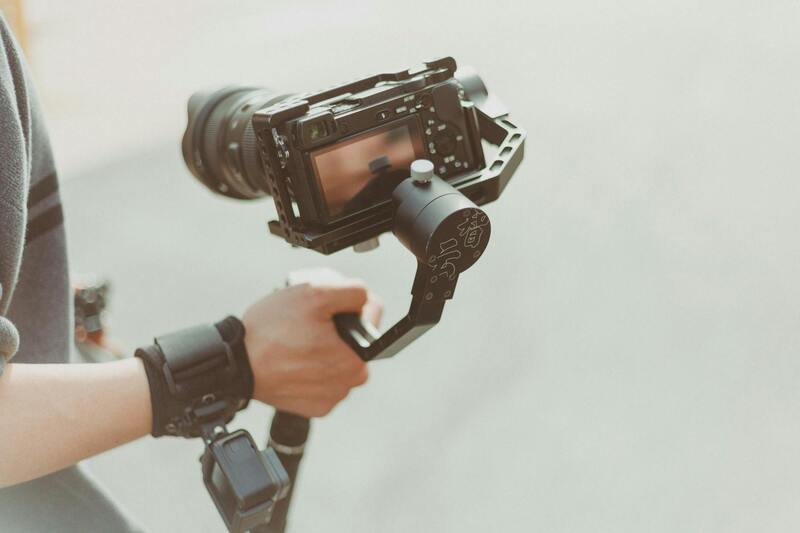
Optimizing Content Authenticity and Audience Engagement
Authentic storytelling is fundamental when filming interviews aimed at building trust and credibility with your audience. Employing authentic interviewing techniques and ensuring genuine interactions can significantly enhance viewer engagement.
Utilize a mix of close-up shots and wider framing to convey emotional depth and contextual relevance. Close-ups of interviewees' expressions capture subtle cues that foster a personal connection, while wider shots establish the environment and support storytelling.
Integrate B-roll footage that complements the interview content, such as Miami’s iconic cityscapes, cultural landmarks, or vibrant neighborhoods. This supplementary material enriches the narrative, making the final product more visually appealing and culturally resonant.
Ensure audio quality is pristine by using directional microphones and soundproofing techniques wherever possible. Clear sound is critical for delivering messages effectively and maintaining professional standards.
It is equally important to employ subtle directing cues to help interviewees express their thoughts naturally. Skilled interviewers guide conversations without leading, allowing genuine insights to emerge, which ultimately enhances credibility.
Strategic Usage of Filming Techniques for Miami’s Environments
Miami’s diverse locations require filming techniques that adapt to varying environmental conditions. Whether capturing interviews outdoors amidst city buzz or within serene indoor spaces, adaptability is key to maintaining consistent quality.
For outdoor shoots, controlling natural light is crucial. Use reflectors, diffusers, and portable shaded setups to mitigate harsh sunlight or squinting. Scheduling shoots during golden hour—early morning or late afternoon—can provide soft, flattering lighting.
In urban settings, managing ambient noise is vital. Employ directional microphones and plan shots during quieter periods to ensure clear audio. Employing windshields on microphones further reduces outdoor noise interference.
Indoor environments demand precise lighting arrangements. Use softboxes and diffusers to create even, flattering light that reduces shadows on interview subjects. Color temperature adjustments should match the ambient light to achieve natural skin tones.
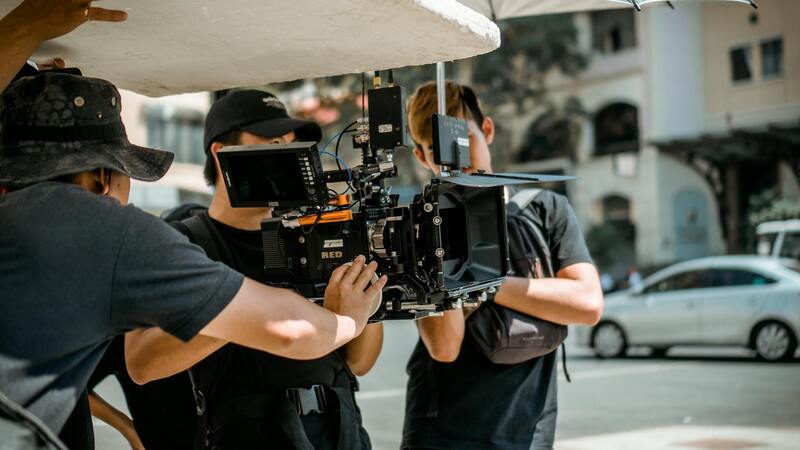
Technical Best Practices for Filming Interviews in Miami
Executing a high-quality interview requires meticulous attention to the technical aspects of filming, particularly with regard to camera settings, audio quality, and shot composition. In the vibrant and often challenging Miami environment, these factors become critical in capturing compelling visuals and authentic responses.
Optimizing Camera Settings for Interview Filming
Successfully filming interviews in Miami hinges on selecting appropriate camera configurations that adapt to varying lighting conditions. Employ high dynamic range (HDR) settings to ensure details are preserved in scenes with contrasting light—such as bright outdoor backgrounds against shaded interview subjects. Utilize a shallow depth of field through wider apertures to focus attention on the interviewee while softly blurring distracting backgrounds, a technique particularly effective in the city’s lively outdoor locations.
Furthermore, adjusting the frame rate to 24 or 30 frames per second provides cinematic quality, ensuring fluid motion without sacrificing detail. For interviews involving movement or gestures, consider higher frame rates to capture subtle expressions with clarity. Regularly monitor focus shifts and employ autofocus or manual focus techniques as needed to maintain sharpness throughout the shoot.
Audio Equipment and Techniques
Audio quality profoundly influences the overall impression of an interview. Invest in high-quality directional microphones such as shotgun mics or lavalier units to isolate speech from background noise—a common challenge in Miami’s bustling urban settings. Windshields and dead cats are crucial accessories when filming outdoors to minimize wind noise and ensure clear voice capture.
In addition, conduct sound checks before filming to identify potential audio disruptions. Use portable audio recorders as backup devices and synchronize audio in post-production for optimal sound fidelity. Employ noise reduction techniques during editing to further enhance clarity, particularly in areas with ambient city sounds or outdoor noise interference.
Maintaining Consistent Lighting Conditions
Lighting consistency plays a significant role in professional interview filming. Use durable lighting kits equipped with softboxes, diffusers, and reflectors, which allow for flexible adjustments based on the shoot environment. When filming outdoors, aim to shoot during periods of soft natural light—typically during the golden hour—while supplementing with artificial lighting to balance exposure.
In indoor settings, establish a controlled lighting environment by positioning softboxes at angles that minimize shadows on the interviewee’s face. Adjust color temperature to match existing ambient light, ensuring skin tones appear natural and vibrant. Maintaining consistent lighting ratios helps produce visually cohesive footage, especially when editing multiple takes or scenes.
Creative Shot Composition for Impactful Interviews
Composition techniques significantly influence the emotional and visual impact of interview videos. Utilize the rule of thirds to create balanced and engaging frames, positioning the interviewee slightly off-center to allow space for visual storytelling elements. Incorporate close-up shots during key responses to convey emotion and emphasize expressions, alongside medium shots that establish context.
Additionally, incorporate cutaway shots of Miami’s iconic locations or relevant background elements to add depth and visual interest. Proper framing reduces distractions and directs viewer focus toward the interviewee’s message. Employ stable camera rigs or gimbals for smooth movement, especially during dynamic outdoor shoots or when capturing b-roll footage.
Rendering and Output Settings for Various Platforms
After filming, consider the target distribution platform to determine the optimal export settings. For web-based videos, compress footage using H.264 codec to achieve a balance between quality and file size, ensuring fast load times without sacrificing detail. Maintain a resolution of at least 1080p for HD quality, which is standard across most online channels.
Color grading and correction in post-production can enhance footage’s visual appeal by establishing a consistent tone and mood. Pay attention to contrast, saturation, and sharpness adjustments, tailoring the look to match the intended presentation—be it professional, creative, or promotional.