
Understanding the Purpose of Interview Videos
Interview videos serve as a powerful storytelling tool within Miami's vibrant creative industry. They are used to showcase individual expertise, highlight company cultures, promote products or services, and build brand awareness. The primary goal is to craft compelling narratives that resonate with viewers, fostering trust and engagement. For brands and professionals in Miami, this form of content is especially valuable due to the city's dynamic culture, diverse industries, and the high value placed on authentic communication.
At their core, interview videos are designed to humanize brands and personalities. They capture authentic voices, personal stories, and insights that evoke emotional connections with audiences. This authenticity enhances perception and can significantly influence consumer behavior. Whether targeted at prospective clients, industry partners, or internal stakeholders, well-produced interview videos serve as a strategic asset for establishing authority and credibility.
Moreover, interview videos are instrumental in supporting branding initiatives. They provide a platform for thought leaders and industry experts to share ideas, trends, and visions, positioning the interviewee—and by extension, the brand—as innovators within their field. For Miami-based companies, leveraging local talent and stories adds a layer of cultural relevance that resonates deeply with both regional and national audiences.
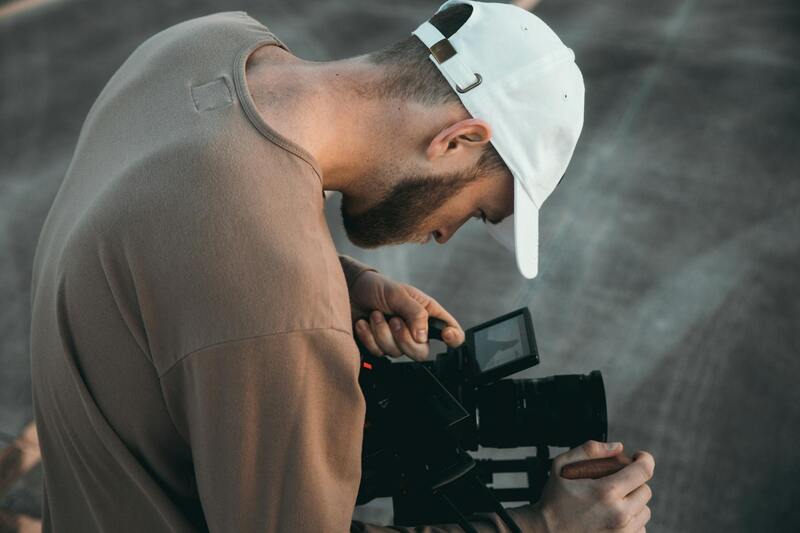
Effective interview videos also serve as a key component of content marketing strategies. They can be repurposed across multiple platforms, including social media, company websites, and live events, amplifying their reach. In a city known for its creative flair, the visual and narrative elements of these videos can be tailored to reflect local aesthetics, trends, and cultural nuances, making them more appealing and relatable to Miami's diverse audience.
Additionally, these videos facilitate audience engagement through direct communication and interaction. Well-crafted interview content encourages viewers to ask questions, share opinions, and participate in ongoing conversations. This engagement helps build a community of loyal followers and advocates who genuinely connect with the brand's message and values.
In sum, the strategic use of interview videos in Miami encompasses branding, storytelling, audience engagement, and content marketing. When executed with a clear understanding of their purpose and target audience, these videos can significantly elevate a brand’s visibility, credibility, and influence within the competitive Miami market.
Pre-production Planning and Concept Development
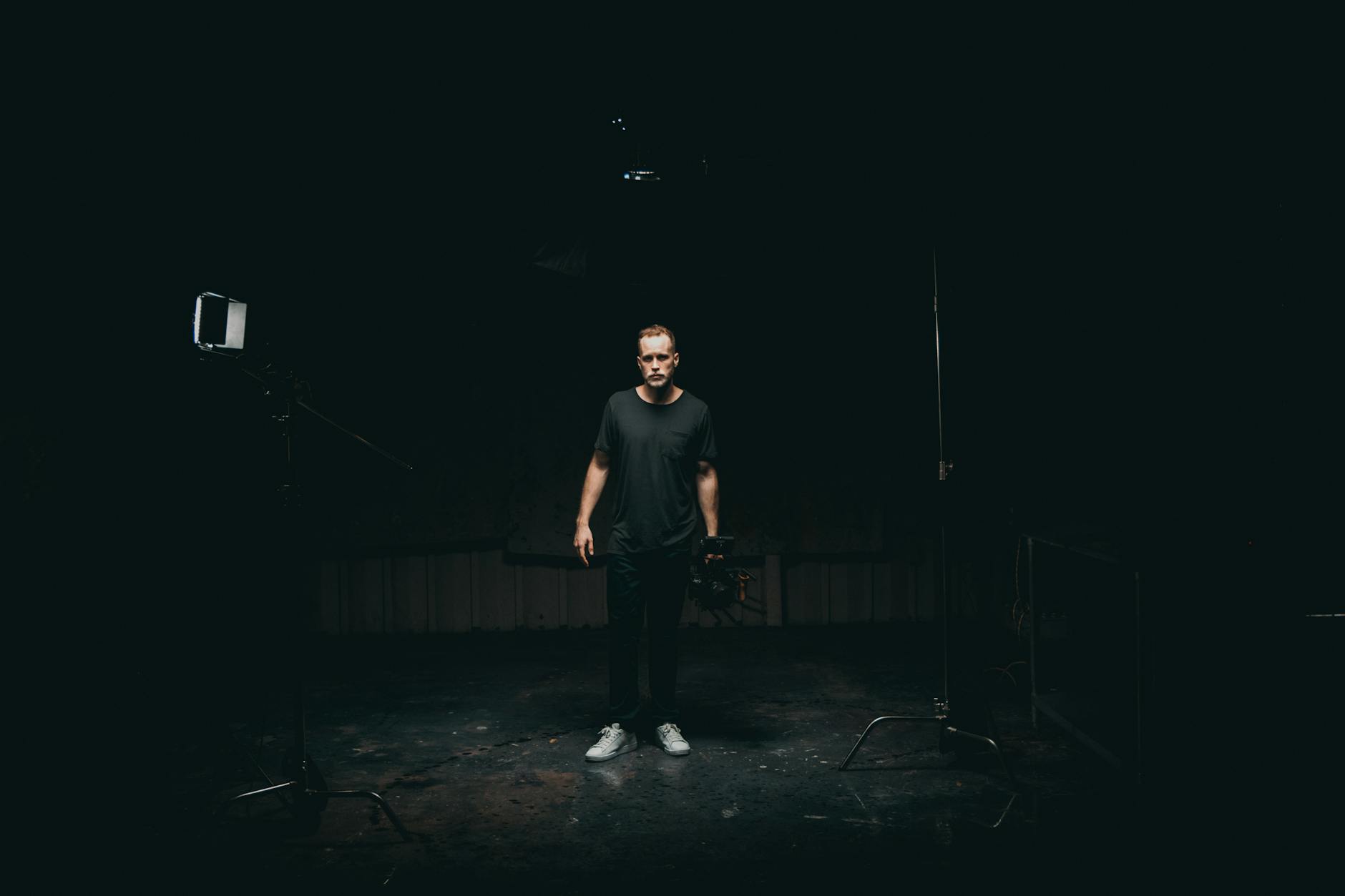
Integral to creating impactful interview videos is meticulous pre-production planning, which sets the stage for a seamless production process. The initial step involves selecting suitable interview subjects whose experiences, insights, and stories align with the video's overarching purpose. Identifying individuals who can authentically communicate the desired message ensures the content resonates with the target audience and maintains credibility.
Next, developing compelling questions is crucial. These questions should be thoughtfully crafted to elicit detailed responses, providing depth and insight into the subject's perspective. They should also be open-ended, encouraging interviewees to share personal stories and opinions, thereby enriching the narrative.
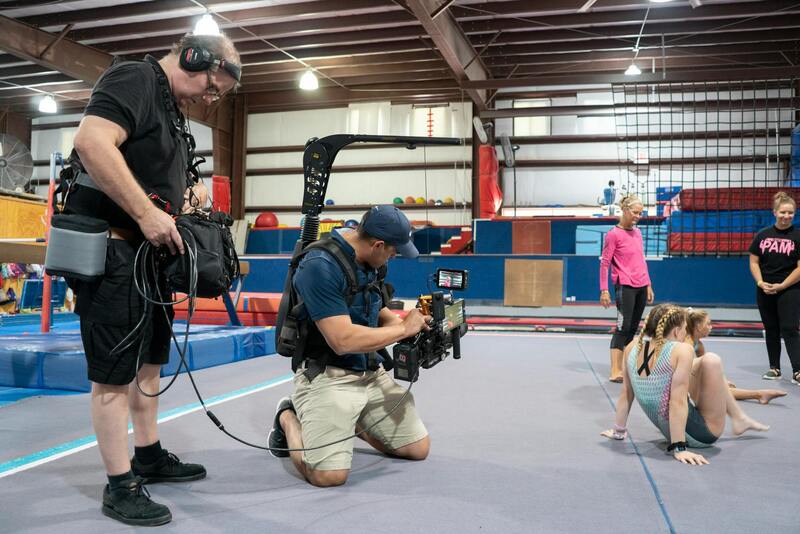 igurecaption> Thorough planning ensures the interview content aligns with brand objectives and audience expectations
Establishing the overall concept for the interview is equally vital. This includes defining the tone, style, and thematic elements that will be embedded throughout the video. For Miami-based productions, incorporating local culture, aesthetics, and trends can significantly enhance relatability and appeal. Whether aiming for a professional, casual, or energetic vibe, clarity in concept development guides all subsequent stages of production.
Additionally, venue selection plays a pivotal role. Choosing a location that complements the interview's theme enhances visual interest and authenticity. Consideration of lighting, acoustics, and background elements ensures a comfortable environment for both the interviewee and crew.
Comprehensive pre-production also involves logistical arrangements, including scheduling, permitting, and securing necessary equipment. Detailed planning minimizes unforeseen complications, allowing the production process to stay on track and within budget.
The success of an interview video hinges on this foundation; with clear objectives and a well-laid plan, the production team can execute a polished, impactful final product that effectively showcases the interviewee's story while aligning with overall branding and marketing goals.
Implementing Proper Recording Techniques to Ensure Quality and Authenticity
High-quality audio and visual recordings are fundamental in producing impactful interview videos. Utilizing professional-grade equipment, such as DSLR or mirrorless cameras with high-resolution capabilities, captures clear visuals that engage viewers. Pairing these visuals with professional microphones, like lavalier or shotgun microphones, ensures crisp audio, minimizing background noise and reverberations common in diverse Miami environments.
Placement and setup of equipment dramatically influence the final product. Positioning cameras at eye level fosters a natural and engaging perspective, encouraging viewers to connect with the interviewee. Adjusting lighting to suit the environment—whether dedicated studio setups or outdoor locations—enhances visual clarity and mood. In Miami’s vibrant settings, leveraging natural light can add aesthetic value, though supplemental lighting may be necessary for consistency and proper exposure.
Environmental factors also play a critical role. Choosing quiet locations free of intrusive background noise helps maintain audio clarity. If recording outdoors, windshields for microphones and soundproofing measures inside venues contribute significantly to sound quality. Additionally, background elements should be uncluttered or thematically relevant to avoid distracting viewers from the interview content.
Preparing the interview space involves strategic considerations, including backdrop selection that reinforces brand identity or thematic elements. For Miami-based productions, incorporating local landmarks, artwork, or decor reflecting South Florida’s unique culture can add authenticity and visual interest, making the interview more compelling and relatable for local and global audiences alike.
Optimizing Camera Settings and Framing for Maximum Impact
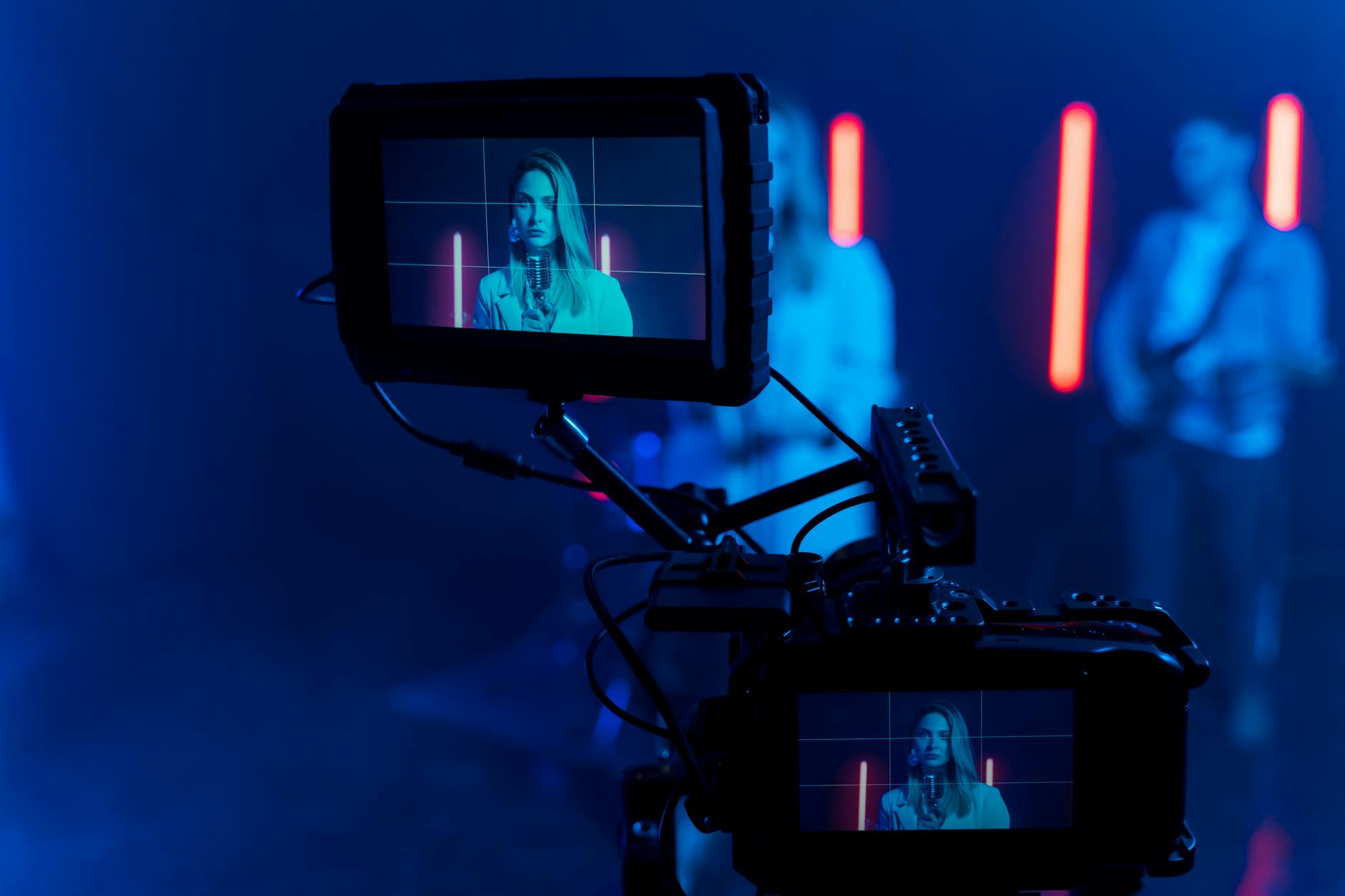
Sound technical knowledge enhances the visual storytelling process. Adjusting camera settings such as aperture, shutter speed, and ISO ensures optimal image quality across varied lighting conditions. Maintaining a consistent white balance and focal length contributes to a polished, professional look. Framing the interviewee using the Rule of Thirds creates balanced compositions, drawing viewers' attention naturally to facial expressions and gestures that enhance storytelling.
In Miami's dynamic shooting environments, flexibility and adaptability are essential. Rapidly changing lighting conditions require quick adjustments to camera settings to preserve image quality. Employing multiple camera angles—such as close-ups, medium shots, and wide shots—provides visual variety for editing and helps illustrate different emotional nuances during the interview.
Utilizing B-Roll and Supplemental Footage to Enhance Engagement
B-Roll footage adds depth and context to interview videos. Incorporating shots of Miami’s iconic scenery, relevant activities, or the interview setting can enrich the narrative and retain viewer interest. For example, intercutting footage of Miami’s beaches, bustling streets, or cultural events can create a vivid backdrop, immersing viewers and emphasizing the story’s local flavor.
Careful planning of B-Roll sequences ensures seamless integration with the main interview content. Shooting supplemental footage during the interview or at different times offers versatility in editing. It’s crucial to match the visual style and color grading of B-Roll with the primary footage to maintain a cohesive aesthetic, reflecting professionalism and attention to detail.
Incorporating diverse shots and perspectives not only enhances the visual appeal but also enables editors to craft a compelling, dynamic narrative that resonates with audiences. Effective use of these techniques underscores the importance of meticulous planning and skilled execution in every stage of interview video production, ensuring a final product that is both engaging and aligned with strategic goals.
Understanding the Purpose of Interview Videos
Interview videos serve as a powerful medium for capturing authentic insights, showcasing individual expertise, and sharing compelling stories that resonate with the target audience. They are utilized across various sectors including corporate communication, marketing, education, and media, offering a personal and direct way to communicate key messages. When producing interview content, it’s essential to define clear objectives—whether to inform, inspire, persuade, or entertain—and tailor the approach accordingly. A well-crafted interview video not only captures the interviewee’s message but also enhances audience engagement through thoughtful visual storytelling, concise scripting, and strategic editing techniques.
Further, interview videos can elevate a brand’s credibility by highlighting industry leaders, knowledgeable professionals, or satisfied clients. The authentic nature of these videos fosters trust and emotional connection, which is particularly important in competitive markets. As such, every element from pre-production planning to post-production refinement should be aligned with the overarching goal to communicate a clear, compelling narrative that supports your strategic aims.
Pre-production Planning and Concept Development
Effective interview video production begins with meticulous planning. Identifying the core message and target audience guides the development of the concept, tone, and stylistic preferences. Creating a detailed storyboard or shot list helps organize the flow of content, ensuring all significant topics are covered and transitions are smooth. During this phase, selecting the interviewee, preparing interview questions, and establishing key talking points are crucial steps that influence the video's coherence and impact.
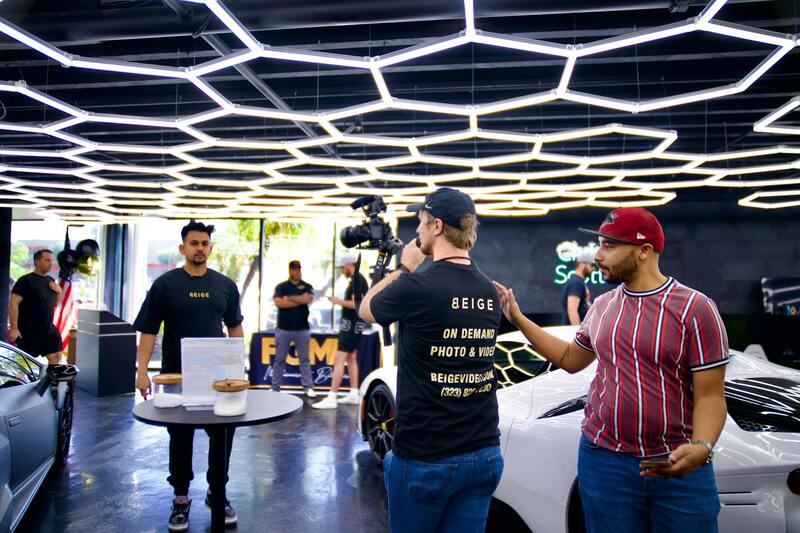
Location scouting is an integral part of pre-production. Choosing an appropriate setting—such as a professional office, an outdoor environment, or a distinctive Miami locale—can significantly enhance the video's visual appeal. Securing necessary permits and permissions ensures compliance with local regulations and avoids potential disruptions. Additionally, planning the logistics around equipment setup, lighting, and sound recording guarantees smooth operation during the shoot, minimizing delays and maximizing footage quality.
 igure>
Choosing the Right Equipment and Setup
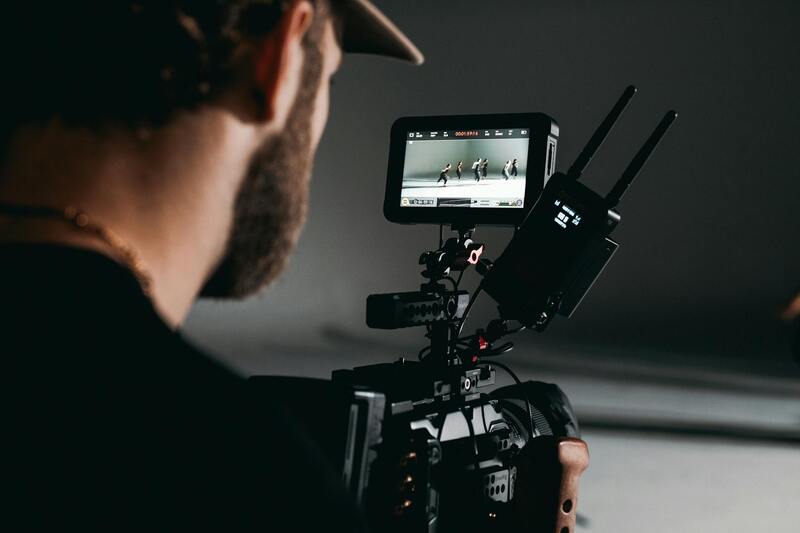
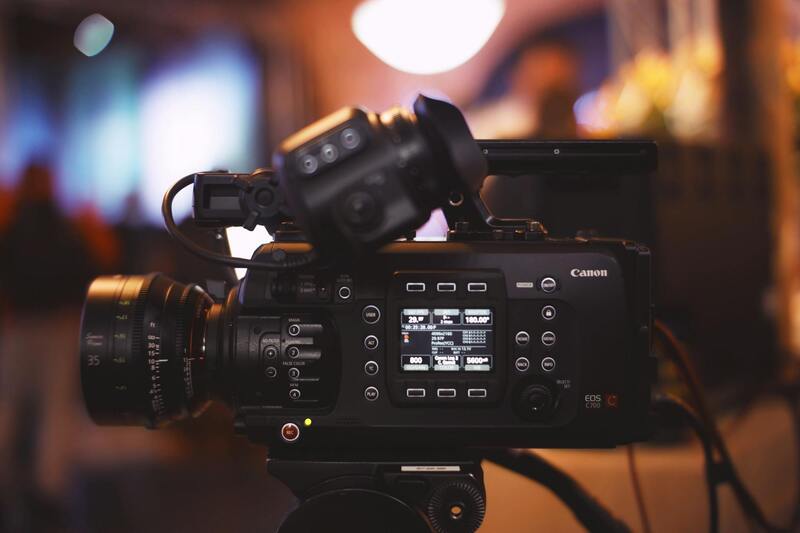
Selecting appropriate equipment is critical to capturing high-quality interview footage. Professional cameras with high-resolution sensors and interchangeable lenses allow for versatile framing and superb image clarity. Tripods and stabilizers are essential for ensuring steady shots, while external microphones, such as lapel or shotgun mics, provide clear audio—crucial for audience comprehension and engagement. Lighting kits should be utilized to achieve consistent, flattering illumination that complements the setting and subject.
In addition to gear choices, the setup environment influences the overall production value. Ambient noise should be minimized, with soundproofing measures or controlled environments necessary when shooting in noisy areas. Proper placement of lights helps eliminate unwanted shadows and highlights the interviewee’s expressions. Employing multiple camera angles, including close-ups, medium shots, and wide shots, creates visual variety and enhances the storytelling dynamism, making the final product more engaging for viewers.
 igure>
Legal and Ethical Considerations
When producing interview videos, adhering to established standards and protocols is essential to ensure the content remains transparent, respectful, and professional. An explicit understanding of consent procedures is paramount; obtaining clear permission from interviewees before filming starts guarantees that they are fully aware of how their likeness and statements will be used. This process typically involves signing licensing or release forms that specify the scope of usage, ensuring all parties are informed and agree to the terms.
Respecting privacy is equally vital. Interview subjects should be comfortable with the environment and the questions posed, which underscores the importance of a thorough pre-interview briefing. Clear communication about the purpose and content of the video fosters trust, promotes authentic responses, and prevents misunderstandings.
Maintaining accuracy and integrity in the presentation of information is critical. This involves truthful representation of the interviewee’s responses and avoiding manipulative editing techniques that could distort meaning. When editing, any modifications should be transparent, and supplementary context or clarifications should be added where necessary to uphold the content’s credibility.
Furthermore, respecting copyright laws when incorporating third-party media, music, or graphics into the final cut is essential. Proper attribution and licensing rights are to be secured, preventing potential legal complications. Establishing these ethical practices during production not only enhances the overall quality but also safeguards the reputation of the creator.
Within a professional context, documenting the entire production process—including permissions, consent forms, and editing notes—is advisable. This documentation can serve as evidence of adherence to high standards and responsible practices, providing reassurance to clients and stakeholders that the project was handled ethically and legitimately.
Implementing Proper Permissions and Release Forms
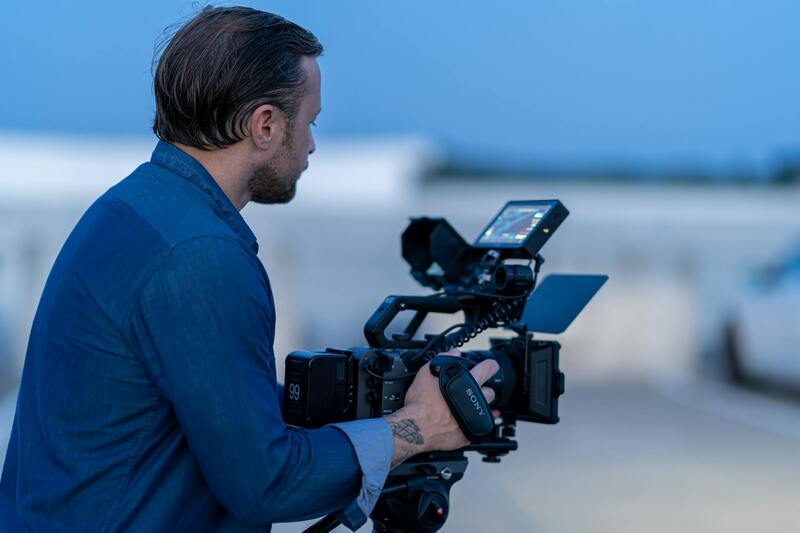
Securing appropriate permissions and release forms is essential when producing interview videos in a professional setting. These documents serve as formal agreements between the interviewer, production team, and the interviewee, specifying consent for recording, usage rights, and distribution channels. Proper documentation ensures clarity on how the content will be used, which can include social media sharing, internal presentations, or public broadcasts.
In the context of Miami’s regulation-compliant production practices, employing standardized release forms helps maintain transparency and operational integrity. These forms typically detail information such as identifying the parties involved, clearly outline the rights granted, and specify the duration of usage rights. When these documents are properly executed, they safeguard against misunderstandings and provide a legal foundation for content dissemination.
Unlocking Consent and Privacy Compliance
Understanding the nuances surrounding consent and privacy regulations is fundamental for interview video projects. It is vital to obtain explicit consent from interviewees before filming begins, especially when capturing sensitive or personal information. Transparency about the purpose of the interview, how the footage will be used, and the scope of distribution fosters trust and encourages open communication.
Compliance with privacy protocols involves safeguarding personal data and respecting individual rights. This includes securely storing consent forms, limiting access to sensitive content, and ensuring that interviews are conducted in appropriate settings. In Miami’s professional environment, aligning with these standards not only the enhances the ethical quality of productions but also fortifies relationships with interview subjects and stakeholders.
Documenting Ethical Practices for Production Accountability
Maintaining comprehensive documentation of all activities related to interview video production enhances accountability and showcases adherence to industry standards. This documentation can include copies of signed release forms, permissions, consent records, and notes on the production process. Having a detailed record not only streamlines project management but also provides valuable evidence during review or potential audits.
Such meticulous record-keeping underscores a commitment to high-quality, responsible production standards within Miami's professional landscape. It also reassures clients and collaborators of the ethical rigor applied throughout the project lifecycle, emphasizing transparency and integrity at every stage of creation.
Ensuring Off-Set Compliance and Proper Documentation
Maintaining rigorous standards during interview video production extends beyond the shoot itself. It involves diligent off-set procedures that safeguard content integrity and uphold industry best practices. This includes systematically managing all assets, from raw footage to finished edits, and securely storing these materials according to established protocols. Proper cataloging facilitates easy retrieval, revision tracking, and ensures consistency throughout the project lifecycle.
Furthermore, comprehensive documentation plays a vital role in substantiating the authenticity and accuracy of the interview content. This encompasses detailed logs of filming dates, locations, equipment used, and consent records obtained from interviewees. Accurate record-keeping not only ensures responsibility is traceable but also fosters transparency among all stakeholders involved.
Adopting standardized procedures for asset management, consent verification, and project review enhances operational efficiency and minimizes risks associated with oversight or miscommunication. Practicing meticulous documentation and asset handling signals a commitment to high-quality production standards and provides clear references should questions about content ownership or interview authenticity arise.
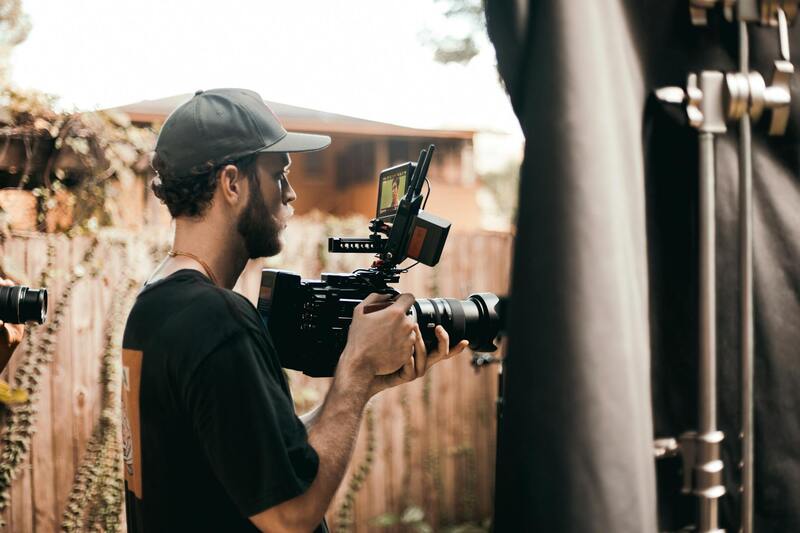
Additional measures include implementing secure storage solutions for sensitive materials and establishing clear protocols for data access. Limiting access to authorized personnel reduces concerns around unauthorized use or accidental alterations. These practices align with accepted industry standards, contributing to the overall professionalism and trustworthiness of the production process.
Implementing Quality Control Measures
Reliable quality control processes are integral to producing professional interview videos. These involve rigorous review stages, where raw footage is evaluated for technical quality, authenticity, and adherence to project goals. Conducting multiple passes through the editing process ensures that the final product accurately reflects the interview content, is free of errors, and maintains a high visual and audio standard.
Incorporating stakeholder feedback at various stages of editing supports continuous improvement and alignment with client expectations. Documenting each review process provides an audit trail demonstrating commitment to quality assurance. This documentation can include version logs, reviewer comments, and approval records, all of which contribute to the integrity and credibility of the finalized video product.
Addressing Content Verification and Consistency
Verifying the accuracy of interview content before finalizing the video is crucial. Verifications should include confirming quotes, ensuring factual correctness, and clarifying any ambiguities with interviewees. Consistency checks across visual elements, branding, and sound levels help produce a cohesive viewing experience that reflects professionalism.
These quality control practices reinforce the credibility of the interview videos. They assure viewers that the content has undergone thorough validation, improving trust and engagement with the target audience, especially within Miami’s diverse and vibrant media landscape.
Advanced Techniques for Enhancing Interview Video Quality
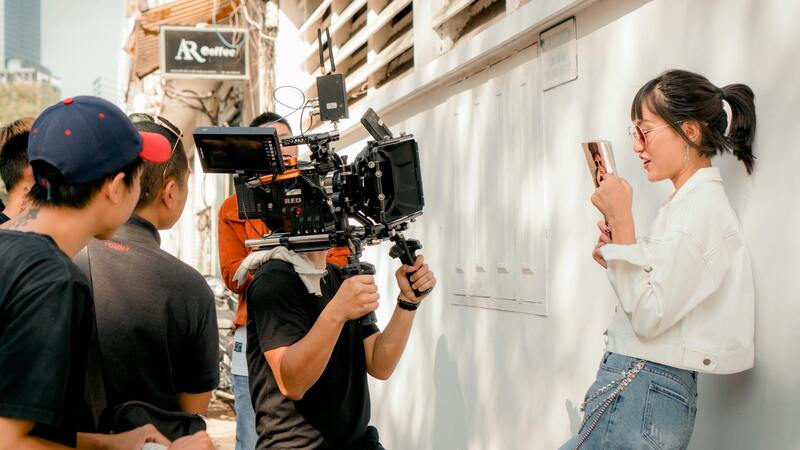
Maximizing the professionalism and impact of interview videos requires meticulous attention to advanced production techniques that go beyond basic filming. Leveraging high-quality editing software and post-production processes can significantly elevate the final product. Color grading, for instance, allows editors to create a consistent and visually appealing look that aligns with the brand identity or message being conveyed. Proper color correction ensures natural skin tones, balanced exposure, and visual harmony across scenes, which contributes to viewer engagement and credibility.
Audio enhancement plays a critical role in the perceived quality of the interview. Using audio restoration tools to remove background noise, equalize sound levels, and balance audio tracks results in clearer dialogue and a more immersive viewing experience. Adding subtle sound effects or background music, when appropriate, can also enhance the emotional resonance without overshadowing the main content.
Incorporating text overlays, lower thirds, and captions further aids in emphasizing key points and making the content accessible to a broader audience, including viewers with hearing impairments. These visual elements should be carefully designed to match the overall style of the video, maintaining consistency and professionalism.
Visual effects and transitions, when used judiciously, can help emphasize important segments without distracting from the core message. Techniques such as jump cuts, fade-ins, and slide transitions should be employed thoughtfully to ensure a smooth narrative flow.
Effectively Utilizing Branding Elements
Integrating branding into the interview videos helps reinforce brand recognition and credibility. This involves incorporating logos, color schemes, and stylistic elements consistently throughout the video. Branded intros and outros can serve as effective visual anchors, framing the content within a recognizable identity.
Care must be taken to ensure that branding elements are tastefully embedded so that they complement the content rather than distract from it. Custom graphics, animated logos, and branded lower thirds can add a layer of professionalism and polish.
Ensuring Content Accuracy and Authenticity
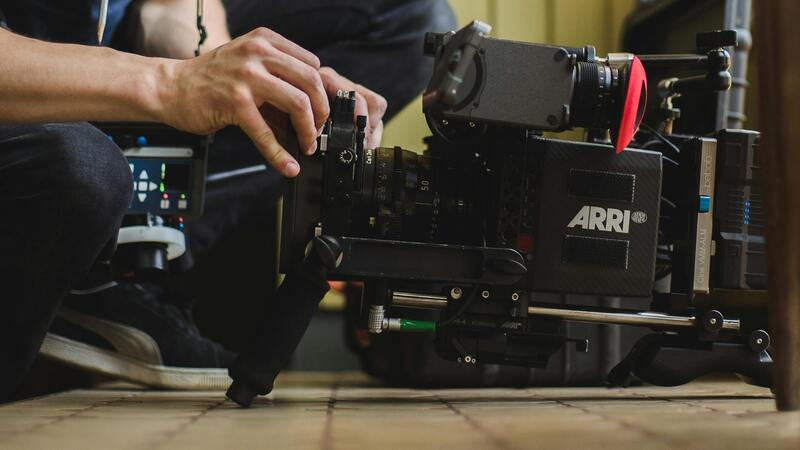
One of the most vital aspects of producing reputable interview videos is maintaining the accuracy and authenticity of the content. This begins with thorough fact-checking prior to filming, including verifying quotes, ensuring that the information shared aligns with verified data, and clarifying ambiguities directly with the interviewees.
During editing, it is essential to preserve the original intent and context of the responses. Avoiding unnecessary edits that could distort the message maintains the integrity of the conversation. Employing transparent editing practices, such as avoiding misleading cuts or manipulative sound editing, supports the credibility of the final product.
Maintaining viewer trust requires that all content accurately reflects the interviewee's intended message. Displaying correct titles and credentials for interviewees and providing context where needed can bolster the legitimacy and informativeness of the video.
Final Quality Assurance Checks and Delivery
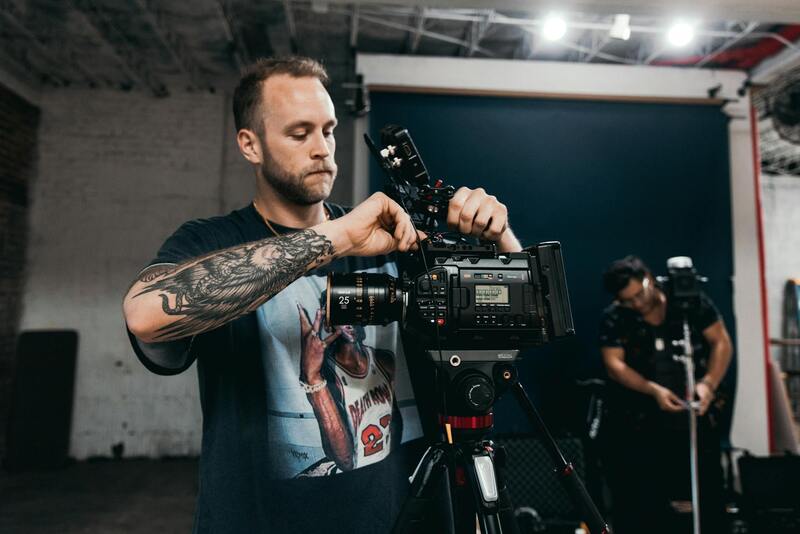
Before releasing the interview video, comprehensive quality assurance checks must be conducted. These involve reviewing the entire footage for technical issues such as synchronization errors, pixelations, or color inconsistencies, as well as reviewing the content for flow, clarity, and engagement. Proofing the final version across multiple devices and screen sizes ensures that visual and audio quality standards are maintained universally. It also helps to confirm that captions, branding, and graphics appear correctly across different viewing conditions. Once the video satisfies all quality criteria, it can be delivered in the appropriate formats optimized for various platforms. Ensuring compatibility with the target distribution channels guarantees smooth playback and a seamless viewing experience. This rigorous approach to final checks underscores a commitment to excellence and positions the production as a reliable and professional service tailored to meet high standards in interview video content.