
Understanding Customer Testimonial Videos
Customer testimonial videos are a powerful marketing tool that showcase authentic experiences and positive feedback from clients regarding a company’s products or services. These videos serve as social proof, demonstrating to prospective customers that others have had successful interactions with the business. For Miami-based companies, leveraging testimonial videos can significantly enhance brand credibility within a competitive market. The primary purpose of customer testimonial videos is to build trust and foster confidence among potential clients. When viewers see real people sharing their satisfaction and success stories, it reduces uncertainty and encourages engagement. Authentic testimonials validate the quality, reliability, and value of a business’s offerings, directly influencing purchasing decisions. In terms of benefits, testimonial videos help to humanize a brand, making it more relatable and approachable. They can be used across multiple platforms, including websites, social media channels, and email campaigns, to maximize reach and engagement. For local Miami businesses targeting regional audiences, these videos also highlight community connections, emphasizing trust within the local market. The effectiveness of customer testimonial videos lies in their ability to convey genuine experiences. Well-crafted videos highlight specific aspects of a product or service, addressing common customer concerns and demonstrating tangible results. Additionally, these videos contribute to SEO efforts by generating fresh content that can rank higher in search engine results, driving more organic traffic to business websites.
Key Elements of Effective Testimonial Videos
To maximize the impact of customer testimonial videos, certain core elements must be seamlessly integrated into the production process. Authentic storytelling remains paramount; audiences are deeply engaged when they see genuine, relatable experiences shared by real customers. These stories should highlight specific challenges faced, how the product or service provided a solution, and tangible results achieved. This narrative approach builds emotional resonance and helps viewers connect on a personal level.
Clear messaging is essential in ensuring that the intended value proposition resonates effectively. The testimonial should articulate key benefits candidly and straightforwardly, avoiding overly technical jargon or vague statements. The speaker’s authenticity and clarity in communication enhance credibility, making the message more persuasive.
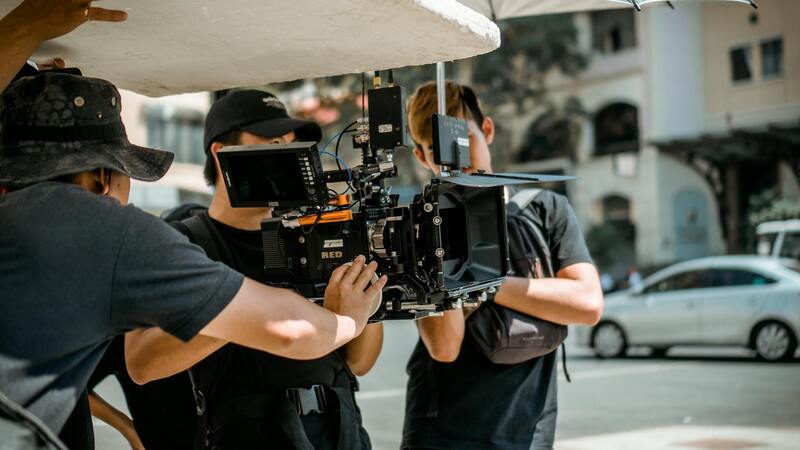
Visual quality significantly influences viewer perception. High-resolution footage, proper lighting, and crisp audio ensure the testimonial appears professional and trustworthy. Incorporating close-ups on the customer’s face can capture genuine emotion and sincerity, which are crucial in persuasive storytelling. Additionally, appropriate background settings—such as a professional environment or relevant local landmarks—can reinforce the narrative and contextual relevance.
In addition to these elements, strategic use of branding materials and visual cues strengthens brand recognition without overshadowing the testimonial content. Call-to-action overlays or on-screen text that subtly guide viewers toward desired engagement points, such as visiting a website or contacting the business, are highly effective.
Planning and Strategy for Testimonial Video Production
Successful testimonial videos begin with meticulous planning and a well-defined strategy. It is advisable to start by identifying customers whose stories best exemplify the value your business offers. These individuals should possess compelling stories, clear communication skills, and represent key target demographics within the Miami region.
The next step involves drafting an outline of key messages and questions that will guide the interview. This preparation ensures the conversation remains focused on relevant topics like problem-solving, benefits, and customer satisfaction, while allowing room for natural storytelling.
Choosing the appropriate setting for filming is crucial. Filming in well-lit, quiet locations that reflect the customer’s environment or the product’s usage context can enhance authenticity. Scheduling shoots at convenient times for participants and coordinating necessary permissions also ensure a smooth production process.
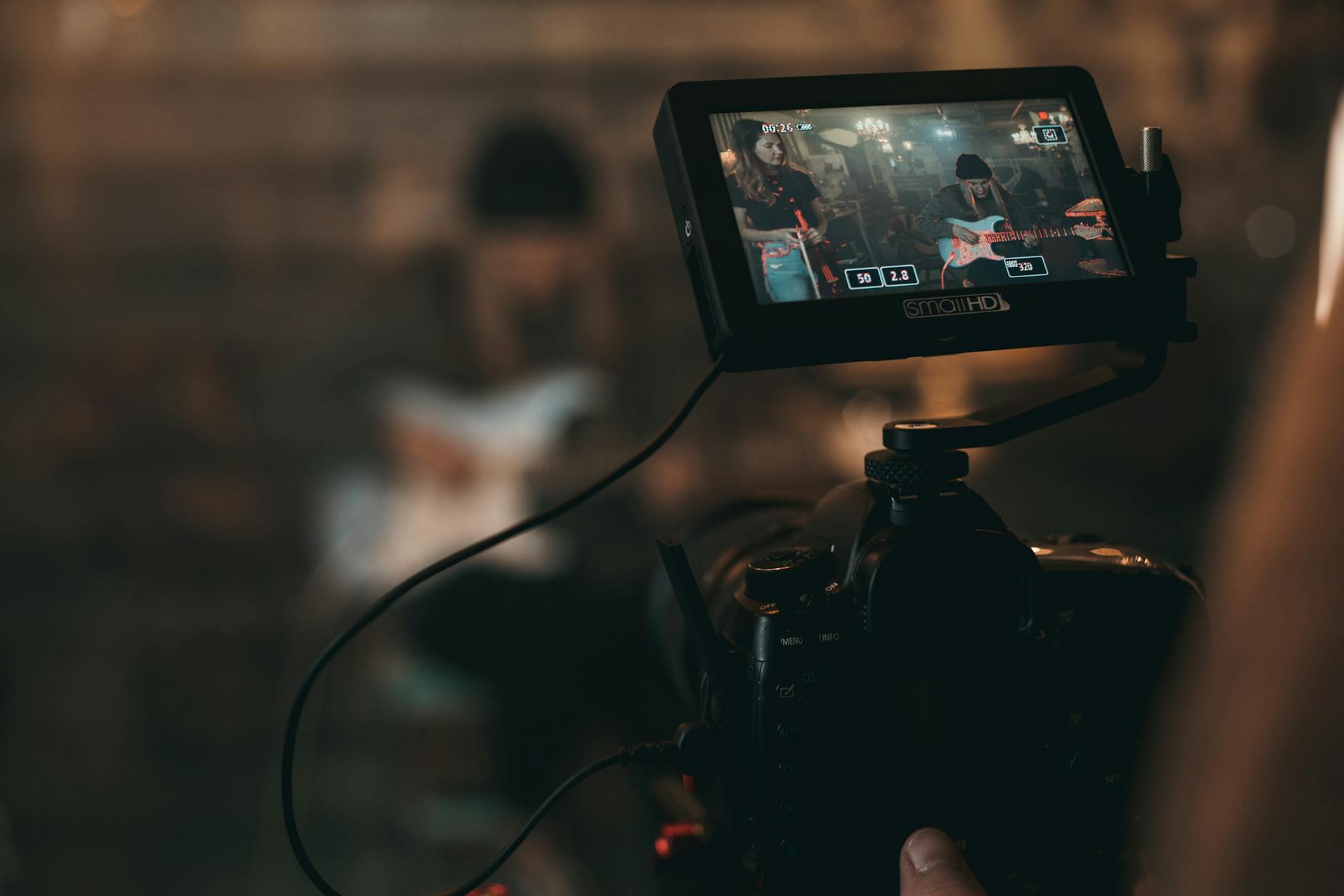
Developing a storyboard or shotlist helps visualize the flow of the testimonial. It includes establishing the opening shot to set context, capturing the main narrative, and concluding with a memorable statement or call to action. Planning the technical specifications, such as camera angles, lighting setups, and audio equipment, ensures consistency and quality across all footage.
Filming Tips for Customer Testimonials
During filming, creating a comfortable environment for customers is essential. When participants feel at ease, their authentic expressions and stories come across more convincingly. It’s beneficial to conduct a brief pre-interview to understand their key points and establish rapport.
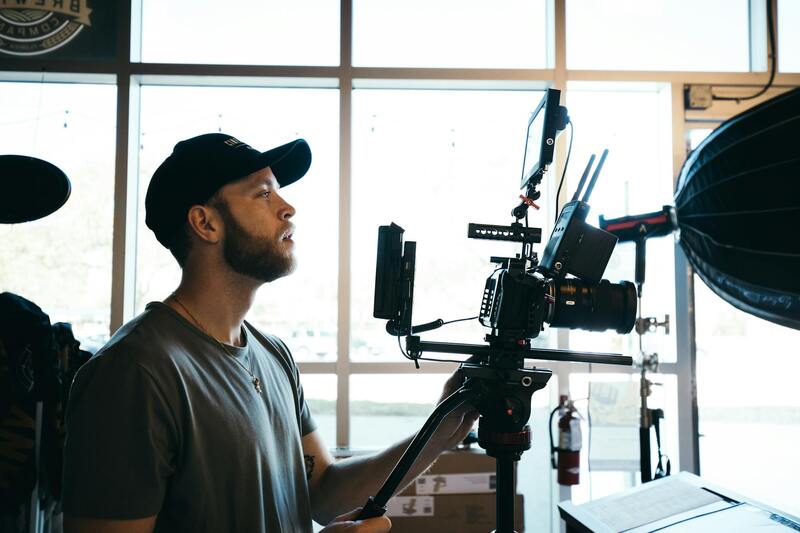
Use professional-grade equipment whenever possible. Proper lighting should be directed toward the subject’s face to eliminate shadows and highlight genuine facial expressions. Employing a lapel microphone or directional mic ensures clear audio, free from background noise. The framing should focus on the customer’s face and upper body, with appropriate headroom and eye-level shot angles to foster intimacy and engagement.
Encouraging natural speech rather than scripted responses results in more relatable content. Directors should ask open-ended questions that prompt elaboration and storytelling, such as, “Can you tell us about a challenge you faced and how our solution helped you?” Additionally, filming multiple takes and capturing B-roll footage, such as the customer using the product or service environment, provides valuable supplementary content for editing.

Video Editing and Post-Production
The editing phase is where the testimonial’s narrative is crafted into a polished, engaging story. Select the most authentic and compelling clips that clearly communicate the customer’s experience. Balancing the interview segments with B-roll footage helps maintain viewer interest and contextualize the testimonial.
Color correction and sound mixing enhance visual fidelity and auditory clarity, ensuring the final product appears professional. Consider adding subtitles to accommodate viewers who watch without sound, which is common on social media platforms. Incorporate branding elements subtly, like a logo or color schemes, to reinforce brand identity.
Post-production also involves refining pacing, inserting transitions, and adding background music if appropriate—music should complement the tone and not overshadow the spoken content. Creating different versions, such as shorter clips for social media and longer ones for your website, allows optimized distribution strategies.

Developing a Clear Distribution Strategy
Effectively sharing customer testimonial videos is crucial for maximizing their impact and reach. A well-structured distribution plan ensures that the content resonates with the intended audience across multiple platforms, amplifying brand visibility and credibility.
Start by identifying the channels where your target demographic is most active. These may include social media platforms, your official website, email marketing campaigns, and industry-specific online forums. Tailoring the video's format and length to suit each platform enhances engagement; for instance, short clips perform well on social media, while longer, detailed testimonials are better suited for your website or blog.
Leverage the power of consistent branding throughout distribution. Incorporate your logo discreetly and maintain visual elements aligned with your brand identity to reinforce recognition. Embedding calls-to-action within or alongside the videos encourages viewers to take the next step, whether it's visiting your site, contacting your sales team, or sharing the content.
Another key aspect is timing. Scheduling releases at optimal times when your audience is most active increases the likelihood of engagement. Consider creating a content calendar that aligns testimonial releases with product launches, promotional events, or industry conferences for maximum exposure.
Utilize analytics tools to monitor performance metrics such as views, shares, comments, and click-through rates. These insights help refine your distribution approach over time, ensuring your testimonial videos continuously contribute to your branding goals and business growth.
Filming Tips for Customer Testimonials
Capturing authentic and compelling customer testimonials requires meticulous attention to environmental factors, technical quality, and interview dynamics. When filming testimonial videos in a Miami setting, leveraging the vibrant urban backdrop or scenic outdoor locations can enhance visual interest, provided the setting aligns with the client’s branding message. Indoor environments should be chosen for their acoustics and lighting conditions to ensure the subject’s message is clearly conveyed without distractions. Consistent, natural lighting is crucial; utilizing diffused light sources minimizes harsh shadows and enhances skin tones, resulting in a professional appearance.
Sound quality is equally important in testimonial video production. Using high-quality microphones, such as lavalier or shotgun mics, ensures clear audio and captures subtle vocal nuances. Ambient noise should be minimized, especially in outdoor settings, to maintain viewer focus on the testimonial content. Proper placement of microphones relative to the speaker's position is essential for clarity.
Interview techniques play a vital role in eliciting genuine responses. Open-ended questions that encourage storytelling help clients articulate their experiences authentically. For example, asking about specific challenges they faced before using the product or service, and how it transformed their business or personal life, can generate compelling narratives. Maintaining a relaxed interview atmosphere encourages candid responses, which resonate more deeply with viewers.
In Miami’s dynamic environment, flexibility in scheduling shoots around weather and event schedules is advisable. Utilizing portable equipment allows for on-location filming amidst Miami’s iconic landmarks or natural scenery, adding a unique local flavor to the testimonials. Always plan for backup equipment and locations to ensure a smooth production process.

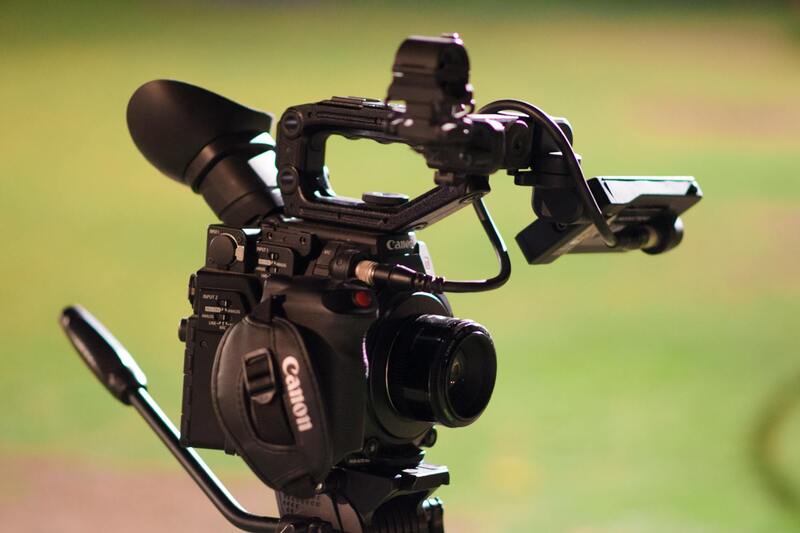
Ensuring the camera setup is stable and framing the subject correctly enhances overall video quality. Use of a tripod and a crisp, well-calibrated camera ensures steady shots that reflect professionalism. Framing the subject with the rule of thirds creates balanced compositions, while intentional depth of field blur can focus attention on the testimonial speaker.
Finally, rehearsals and pre-shoot consultations with clients can significantly improve the natural flow of the testimonial. Encourage clients to share their story in a relaxed manner, avoiding scripted responses to foster genuine expressions and emotions. Proper planning and technical preparation ensure the final testimonial video effectively builds trust and credibility among prospective customers, leveraging Miami’s unique cultural and visual landscape to enhance storytelling impact.
Video Editing and Post-Production
Effective editing transforms raw testimonial footage into a compelling narrative that resonates with prospective clients. During post-production, a focus on clarity, coherence, and emotional connection is essential. Cutting techniques should be precise, removing any unnecessary pauses or distractions to maintain viewer engagement. Incorporating branded elements such as logos, color schemes, and consistent fonts ensures the testimonial aligns with overall branding strategies and reinforces brand recognition.
Subtitles play a pivotal role in expanding accessibility and enhancing viewer retention, especially on social media platforms where videos often autoplay without sound. High-quality subtitles that match the speaker’s speech help viewers follow the story and improve comprehension, particularly in noisy environments or for non-native speakers.
Optimizing videos for various platforms involves adapting aspect ratios, resolution, and duration to meet the specific requirements of websites, social media channels, and email campaigns. Short clips designed for social media should focus on the most impactful segments of the testimonial, often the emotional or persuasive highlights, to maximize engagement and sharing potential. Conversely, longer form videos can delve deeper into customer experiences, providing comprehensive insights into the benefits of products or services.

Quality Control and Final Review
Before final delivery, rigorous quality checks are crucial. Reviewing the video on multiple devices ensures consistency in color grading, audio clarity, and overall visual appeal. Conducting a feedback session with stakeholders allows for adjustments to pacing, product placement, or messaging to align closely with campaign goals.
Delivering polished testimonial videos that uphold high production standards will enhance credibility, foster emotional connections, and ultimately drive consumer trust. The editing phase is where storytelling refinement occurs, transforming genuine customer stories into powerful tools that support brand growth and reputation.
Ensuring Authenticity and Consistency in Customer Testimonial Videos
Authenticity plays a pivotal role in the effectiveness of customer testimonial videos. To achieve this, it's essential to curate testimonials that truly reflect the customer's genuine experience. Carefully selecting participants who have an honest and well-articulated story ensures that the message resonates with viewers. Utilizing natural language and spontaneous expressions rather than scripted lines enhances the relatable quality of the videos, fostering trust between the audience and the brand.
Consistency in branding and messaging across testimonial videos further strengthens brand recognition and reinforces key values. Incorporate visual elements such as logos, color schemes, and typography that align with your overall brand identity. Likewise, maintaining a uniform tone of voice and narrative style throughout the testimonial series creates a cohesive viewing experience. This consistency not only boosts professionalism but also ensures the audience clearly associates the authentic stories with your brand, ultimately supporting brand loyalty.
Utilizing High-Quality Equipment and Techniques
The core of producing impactful customer testimonial videos lies in employing high-quality equipment and filming techniques. Using professional-grade cameras and microphones ensures that visuals are sharp and audio is clear, allowing the customer's message to be communicated effectively. Proper lighting setups help illuminate the subject, reducing shadows and highlighting facial expressions that convey emotion and sincerity.
Frame composition and camera angles should be thoughtfully chosen to create a visually appealing scene that draws viewers into the story. Wide shots can establish context, while tighter close-ups capture emotion and detail. Implementing stable camera support, such as tripods or gimbals, prevents motion blurring and maintains a polished look. These technical considerations contribute significantly to the overall credibility and aesthetic quality of the testimonial videos.
Strategic Placement and Optimization for Maximum Reach
Effective distribution of customer testimonial videos involves strategic placement across multiple digital platforms to maximize visibility. Incorporating videos into your website’s dedicated testimonial section provides visitors with tangible social proof, while embedding testimonials on landing pages increases conversion rates. Public sharing on social media channels like Facebook, Instagram, and LinkedIn leverages their vast audiences for broader outreach.
Optimizing testimonial videos for different platforms is essential. For social media, shorter clips highlighting emotional moments or key messages tend to perform best due to shorter attention spans. Meanwhile, longer-form videos can be featured on your website or YouTube, where viewers seek in-depth insights. Additionally, email marketing campaigns benefit from embedding testimonial videos to enhance engagement and trust among recipients.
Analyzing Performance Metrics and Feedback
Tracking the performance of customer testimonial videos is vital for understanding their impact and guiding future content strategies. Analyzing engagement metrics such as view counts, watch time, shares, and comments provides immediate insight into audience response. For videos embedded on websites, monitoring bounce rates and time spent on pages can reveal how compelling the testimonial is in driving viewer interest.
Soliciting direct feedback from viewers through surveys or comments helps gather qualitative insights into the testimonial’s effectiveness. These insights can inform adjustments in messaging, presentation style, or distribution tactics. Regular analysis ensures that testimonial campaigns evolve with audience preferences, maintaining relevance and effectiveness over time. By continuously refining the approach based on data and feedback, organizations can maximize the return on their testimonial video investments and strengthen their overall marketing strategy.
Ensuring Authenticity and Credibility in Customer Testimonial Videos
Creating impactful customer testimonial videos requires a focus on authenticity, which builds trust with your audience. It's essential that testimonials showcase genuine experiences, avoiding overly scripted or rehearsed content. Authentic testimonials often feature real customers sharing their true stories, including both positive moments and constructive feedback. This transparency demonstrates honesty and reassures potential clients of your company’s integrity.
To enhance credibility, consider implementing several foundational practices. First, select customers who have a meaningful connection with your brand and can articulate their experience convincingly. Authenticity is heightened when testimonials address specific challenges and how your product or service provided solutions.
Second, ensure that the testimonial delivery appears natural. Employ multiple takes during filming to capture genuine emotions and spontaneous reactions, which are more persuasive than scripted lines. Supervising the interview process with open-ended questions encourages customers to share detailed insights that resonate with viewers.
Third, include visual elements that reinforce authenticity. Showcasing the customer in their real environment, whether at their business or home, helps construct a relatable narrative. Use candid shots that capture genuine reactions and interactions, fostering a sense of connection.
Fourth, maintaining consistency across testimonial content contributes to a layered and trustworthy brand story. Incorporating a mix of short clips and longer in-depth stories allows viewers to select the type of content they engage with, catering to various preferences.
Finally, transparency about the testimonial process itself can add an extra layer of trust. Clearly communicate that customers are sharing their experiences voluntarily, and avoid any inducements that might be perceived as biased. By emphasizing genuine stories and honest reviews, your testimonial videos will serve as powerful tools for audience engagement and brand credibility.

Optimizing Customer Testimonial Videos for Maximum Impact
Once your testimonial videos are produced, the focus shifts to refining and optimizing content for various platforms and audiences. This process ensures that your message reaches the right viewers effectively, boosting engagement and conversion rates. Optimization begins with understanding the preferences of your target demographic and tailoring your video presentation accordingly. Shorter clips may be more effective on social media, where attention spans are limited, while longer, in-depth testimonials are suitable for your website or email marketing campaigns.
Another crucial aspect is incorporating relevant keywords within your video metadata, including titles, descriptions, and tags. This practice enhances discoverability through search engine results and video platforms' internal search functions. For example, use phrases like customer testimonial video production in Miami or professional testimonial videos seamlessly within your content descriptions.
Employing closed captions is also essential. Captioned videos are accessible to a wider audience, including viewers with hearing impairments and those watching without sound. Additionally, captions help reinforce key messages, ensuring your audience retains core information regardless of how they consume the content.
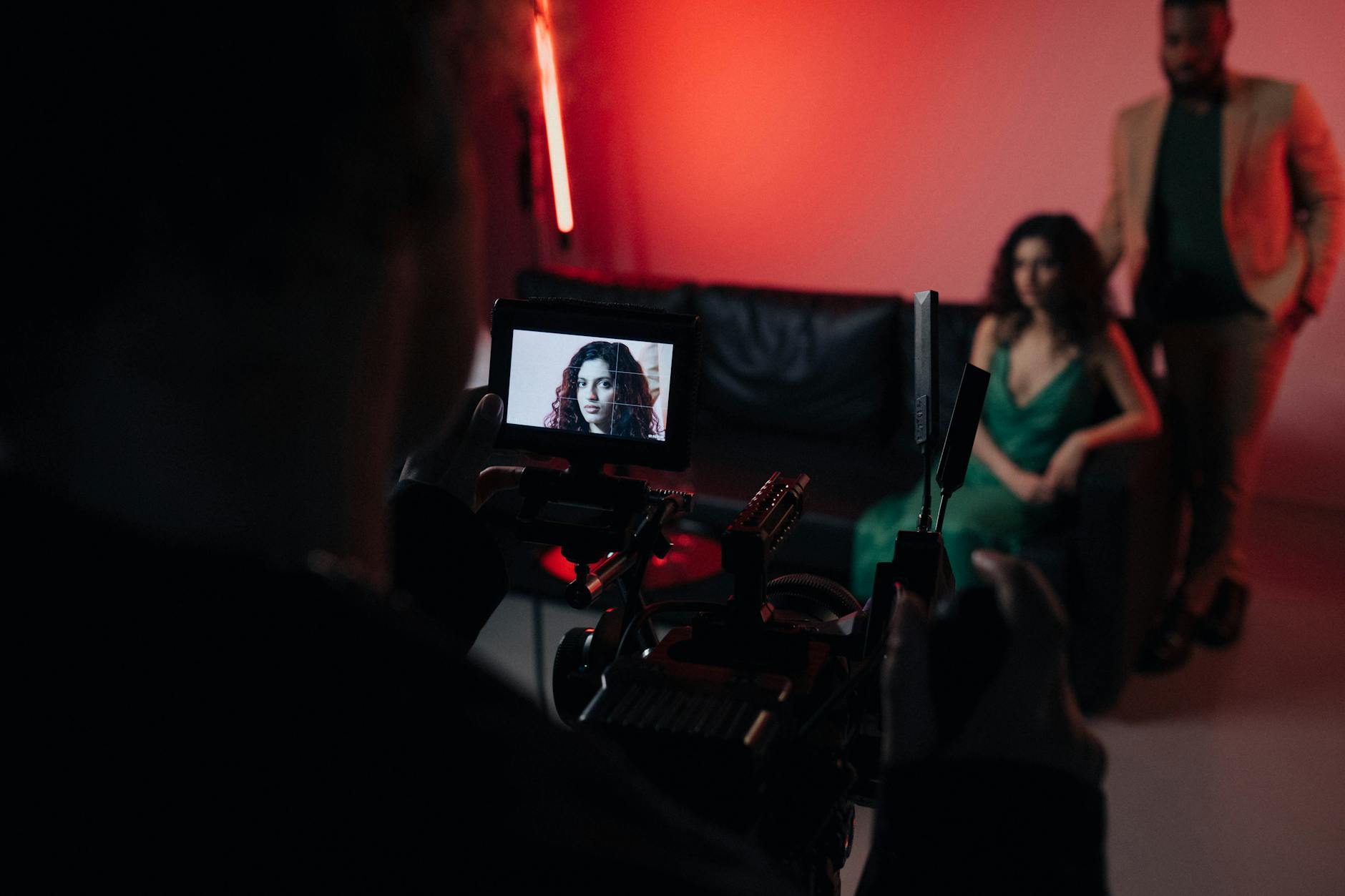
To maximize viewer engagement, consider adding interactive elements such as clickable annotations, end screens, or prompts for viewers to take action. Clear calls to action—whether encouraging viewers to contact your team, visit your website, or fill out a form—are vital in converting interest into tangible leads.
Promoting testimonials across diverse platforms—such as social media channels, email newsletters, and your company website—amplifies their reach. Consistent branding, including logos, color schemes, and messaging style, maintains professionalism and enhances brand recognition. Leveraging paid advertising options, like targeted social media ads, can also help reach specific audience segments more efficiently.
Regularly updating your testimonial content ensures your messaging remains relevant and compelling. Spotlight different customer stories over time, demonstrating the ongoing value of your products or services. Gathering new testimonials periodically also provides fresh material for promotion and helps showcase your company's continued success.
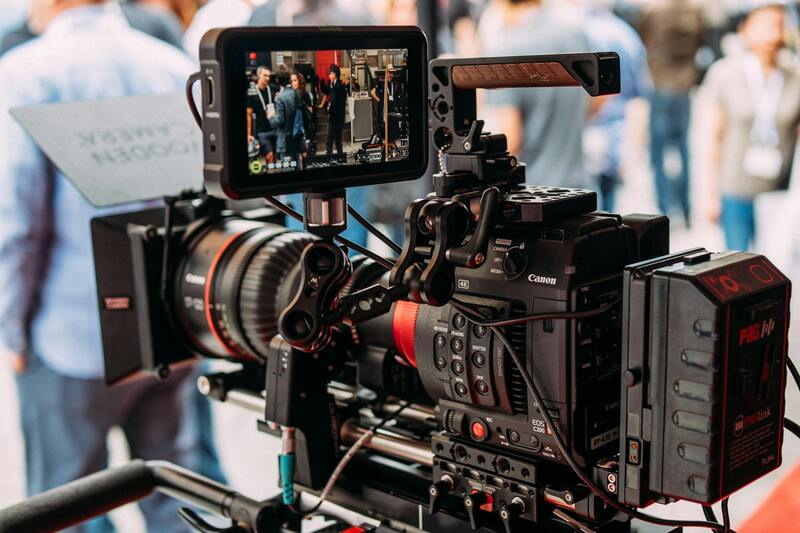
Lastly, monitor the analytics of your testimonial campaigns diligently. Track metrics such as view counts, engagement rates, conversion rates, and viewer retention times. Analyzing this data helps identify which content resonates most with your audience and informs future production and distribution strategies. Continuous assessment ensures your testimonial efforts contribute meaningfully to your overall marketing objectives.