
Understanding Video Interviews Production
Video interviews production is a comprehensive process that transforms raw footage into compelling visual narratives suitable for various applications across multiple industries. In Miami, a vibrant hub for corporate, media, and educational enterprises, professional video interview production plays a pivotal role in enhancing communication, marketing strategies, and educational outreach. From corporate testimonial videos and employee training modules to news segments and academic presentations, well-produced video interviews add credibility, engagement, and clarity to content delivery.
The production of video interviews involves a series of meticulously planned and executed steps that ensure the final product meets the targeted objectives. This includes careful planning, script development, location scouting, setup, filming, editing, and distribution. Each phase requires specific expertise to address the unique needs of the client and to maximize the impact of the delivered content. High-quality video interviews foster trust and transparency, making them invaluable tools for brand promotion, educational purposes, and media coverage.
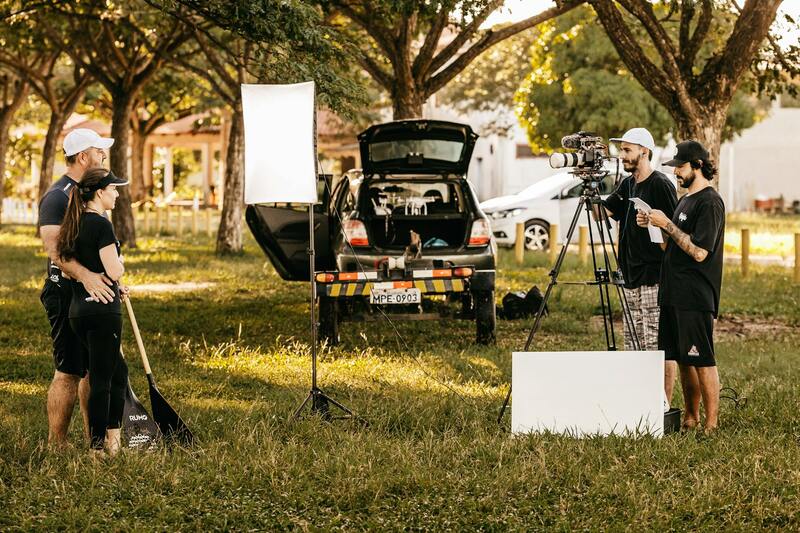
In the fast-changing landscape of digital communication, the importance of professionally produced video interviews continues to grow. Whether used in corporate presentations, social media campaigns, or academic forums, the clarity, professionalism, and authenticity of well-produced videos significantly influence audience perception. As Miami remains a dynamic city with a diverse range of industries, the demand for expert video interviews production services is steadily increasing. They help organizations articulate their messages effectively, reach wider audiences, and reinforce their brand presence in a competitive environment.
Understanding the scope and the key components of video interviews production is crucial for anyone seeking to leverage this versatile medium. From the initial idea to the final distribution, each step must be carefully managed to ensure the resulting content meets high standards of quality and effectiveness. Knowing what to expect from a professional production provides clarity and confidence in the process, ensuring that the investment yields impactful results for businesses and institutions alike.
Detailed Approach to Selecting the Ideal Location and Setup
Choosing the appropriate location and setup forms a cornerstone of effective video interviews production. An optimal setting enhances visual appeal, minimizes distractions, and aligns with the tone and message of the interview. In Miami, renowned for its vibrant urban landscape and diverse environments, production teams have a wide array of options to consider, ranging from modern studios to scenic outdoor locations.
When selecting a location, several factors should be evaluated. Firstly, the ambient noise level is critical to ensure clear audio capture. Indoor settings such as dedicated studios or conference rooms equipped with soundproofing materials provide controlled acoustics, reducing background noise and echo. Alternatively, outdoor locations or public spaces must be assessed for environmental noise, background activity, and weather conditions, which can impact audio and visual quality.
Lighting plays a pivotal role in the visual quality of video interviews. Artificial lighting setups in controlled environments allow for consistent illumination, highlighting the interviewee’s expressions and maintaining visual clarity regardless of external light variables. For outdoor shoots, natural light offers a dynamic and engaging aesthetic, but requires careful planning around the time of day and weather conditions to avoid shadowing or overexposure.
Background selection is equally essential, as it contributes to the professional appearance and reinforces branding or thematic elements. Neutral, uncluttered backgrounds mitigate distractions, while branded or styled backdrops can add context or visual interest. For outdoor locations, scenic Miami backdrops such as beaches, urban murals, or architectural landmarks can enhance the visual narrative when appropriately framed.
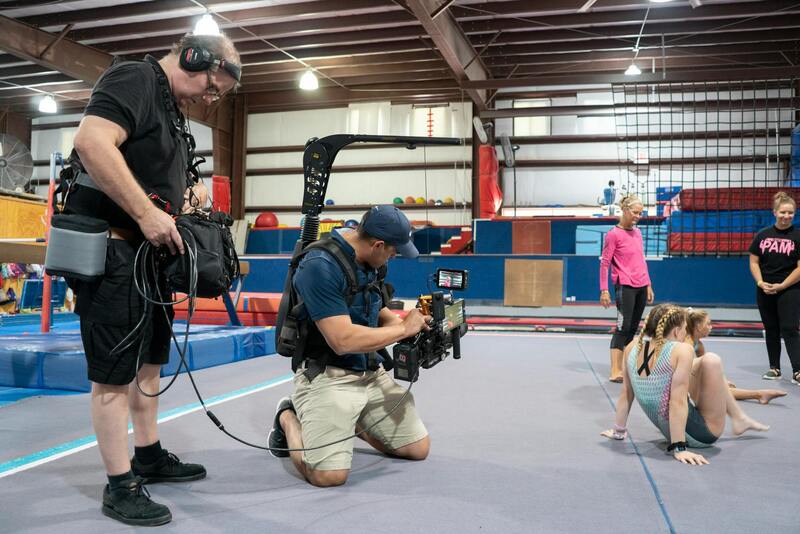
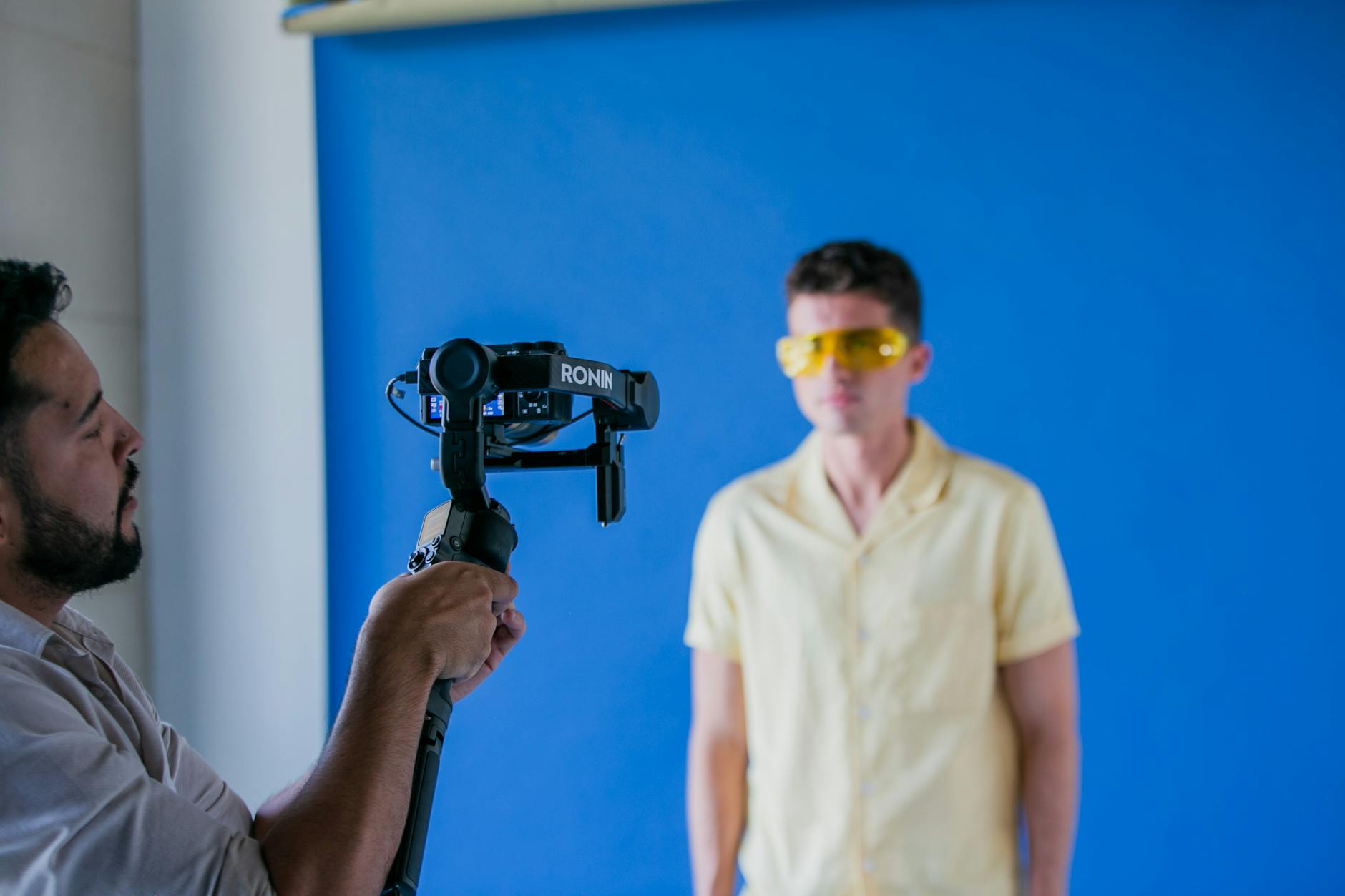
Setup considerations also include camera positioning, framing, and the integration of technical equipment like teleprompters, monitors, and microphones. The arrangement should facilitate natural conversation flow while capturing the best angles. Ensuring stable camera support through tripods or gimbals prevents shaky footage that could detract from professionalism.
Moreover, the logistical aspects such as power supply, access to facilities, and permit requirements are fundamental to smooth operations. Coordinating with location managers or property owners ensures compliance with regulations and minimizes disruptions during filming. A comprehensive site visit ahead of the scheduled shoot allows the production team to identify potential issues and optimize the setup.
In Miami’s dynamic environment, working with experienced production crews is invaluable. They bring expertise in location scouting, setup optimization, and logistical coordination to ensure every element aligns with the interview’s objectives. This strategic approach not only results in visually compelling content but also minimizes delays and technical difficulties during the shoot.
Proper Lighting Techniques and Audio Optimization
Achieving professional-quality video interviews heavily depends on precise lighting and sound management. Effective lighting not only highlights the interviewee but also maintains visual consistency across different settings. Utilizing a combination of key, fill, and backlighting ensures a balanced and flattering appearance while reducing shadows and glare. Softboxes, LED panels, and diffusers are commonly employed to achieve a natural look, especially in Miami’s versatile environments where natural light varies significantly throughout the day.
In addition to lighting, prioritizing high-quality audio recording is essential. Clear sound enhances viewer engagement and credibility. Lavalier microphones are frequently used for their discreetness and consistent audio capture, especially when interviewees are moving. Shotgun microphones mounted on boom poles or camera rigs help pick up focused audio while minimizing background noise. For outdoor shoots in Miami, windshields and shock mounts are crucial accessories that prevent sound distortion caused by environmental factors such as breezes near beach locations or city wind tunnels.
Acoustic treatments, such as portable sound booths or room foam, can be employed when shooting indoors to further reduce echo and ambient noise. Additionally, using quality headphones to monitor audio in real-time ensures issues are addressed instantly, avoiding costly re-shoots and post-production fixes.
Camera Setup and Composition Strategies
Camera placement and framing are fundamental elements in creating engaging video interviews. Selecting the right angles ensures the subject remains the focal point while capturing context through Miami’s scenic backgrounds. Typically, close-up shots offer intimacy, allowing viewers to gauge emotional responses, while medium shots provide a balance between the subject and environment.
Utilizing a tripod or gimbal stabilizer results in steady footage, which is a hallmark of professional productions. For dynamic shots or multi-camera setups, smooth camera movements such as tilts or slides enhance visual interest. Framing should adhere to the rule of thirds, positioning the subject slightly off-center to create a balanced composition and guide the viewer’s eye naturally toward the interviewee.
Color correction and white balance calibration are also crucial steps during filming to ensure consistency across shots and to compensate for lighting variations. These technical considerations help maintain a polished aesthetic throughout the final video.
Controlling Environmental Factors for Optimal Shooting Conditions
Miami’s diverse outdoor environments, from sun-drenched beaches to bustling city streets, present unique challenges for video interview production. Managing environmental variables starts with comprehensive scheduling to coincide with optimal lighting conditions, typically early mornings or late afternoons when natural light is softer.
Wind and ambient noise are common issues during outdoor shoots. Employing wind-resistant microphones, sound barriers, and strategic positioning relative to noise sources can significantly improve audio quality. For instance, facing away from busy traffic or crowds minimizes unwanted sounds that could distract viewers.
If shooting in public or restricted areas, obtaining necessary permits and understanding local regulations is vital. This proactive approach prevents interruptions or legal complications. Additionally, creating contingency plans, such as backup locations or alternative schedules, ensures the production can adapt smoothly to unforeseen circumstances, maintaining workflow continuity and meeting deadlines.
Environmental control also involves logistical coordination, such as arranging for power sources and securing access to facilities. This attention to detail leads to seamless filming sessions, allowing the creative team to focus on capturing compelling and authentic interviews that truly resonate with the Miami audience.
Understanding Video Interviews Production
Executing a high-quality video interviews production requires meticulous attention to each phase of the process, from initial conception through to distribution. It involves crafting a cohesive strategy that aligns visual storytelling with a clear understanding of the intended message and target audience. This sector has seen significant advancements, emphasizing authenticity, production quality, and content relevance, especially within vibrant markets like Miami. A comprehensive approach ensures that each interview echoes professionalism, engages viewers, and conveys the intended insights effectively.
Rigorous Planning is Key
Initial planning involves detailed research into the interview subject, defining the interview’s primary objectives, and establishing a narrative flow. Developing a detailed storyboard or shot list helps streamline the filming process and ensures all essential elements are captured. It also involves coordinating with interviewees beforehand, confirming their availability, discussing key topics, and providing guidance on attire and presentation.
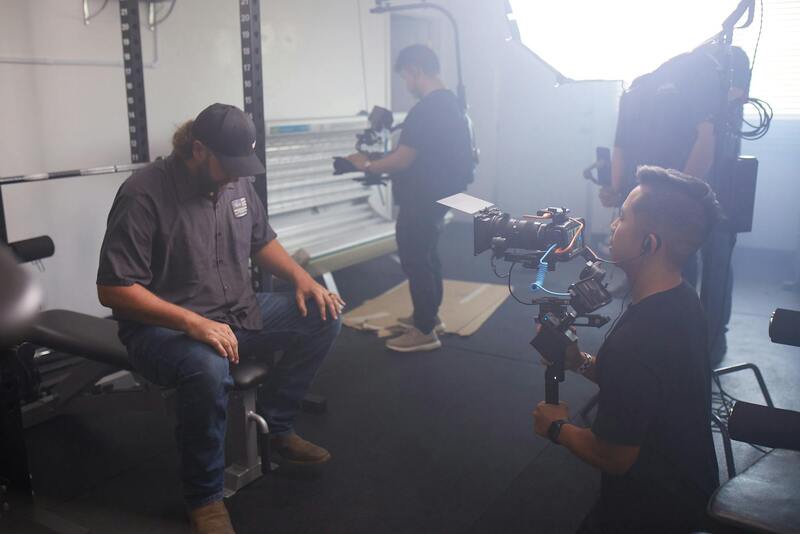
Equally important is a well-thought-out production schedule that accounts for potential delays, environmental conditions, and technical requirements. This proactive scheduling minimizes disruptions, ensuring the project stays on track and aligns with project deadlines. When working within busy urban environments like Miami, securing permits and understanding local regulations are essential steps to facilitate an unobstructed filming process and avoid last-minute issues.
Technical Preparation and Equipment Setup
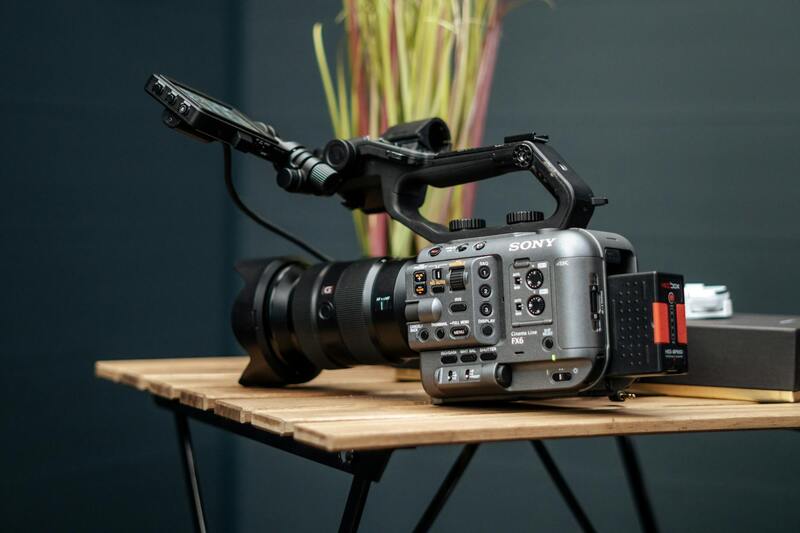
High-quality video interviews demand professional-grade equipment. Cameras should be capable of capturing crisp visuals in various lighting conditions, complemented by versatile audio devices such as shotgun microphones, lavalier microphones, and portable sound recorders. Lighting kits might be necessary for indoor settings or to supplement natural light outdoors, ensuring consistent illumination. Utilizing redundant backup systems for both power and recording equipment prevents data loss and keeps production on schedule.
Setting up for Optimal Audio and Visual Quality
Achieving superior audio quality is crucial, especially since poor sound can diminish the perceived professionalism of an interview. Employing directional microphones, windshields, and soundproofing methods helps combat environmental noise. Proper camera placement, framing, and exposure settings are equally important to showcase interviewees in the best light. When shooting outdoors, controlling ambient variables like wind and background noise through equipment and strategic positioning significantly enhances the final product.
Managing the Production Environment
Creating an environment conducive to a productive interview session involves managing factors such as background clutter, lighting, and movement. A clean and controlled setting minimizes distractions, focusing viewer attention. When shooting in vibrant Miami locales, leveraging the city's iconic backdrops can add visual interest, but selecting spots with minimal crowd interference or traffic noise is advisable. Having a dedicated production crew navigate these elements ensures the shoot remains smooth and yields consistent results.
Optimizing Interview Content for Impact and Clarity
Creating compelling video interviews extends beyond capturing footage; it involves strategic content development that resonates with the intended audience and enhances brand messaging. To achieve this, script preparation should be comprehensive yet flexible enough to allow natural conversation flow. A well-crafted outline highlights key talking points, ensures message consistency, and helps interviewees stay on track without sounding rehearsed.
In addition to scripting, conducting pre-interview briefings with participants can significantly improve the final outcome. During these briefings, interviewees can familiarize themselves with the topics and key questions, reducing nervousness and encouraging authentic responses. This preparatory step contributes to a smoother filming process and a more polished end product.
Effective interview technique hinges on the interviewer’s ability to listen actively and adapt questions in real-time. Skillful follow-up questions can elicit deeper insights, making the conversation more engaging and meaningful. Maintaining eye contact, employing open body language, and creating a relaxed atmosphere help interviewees feel comfortable. This comfort level translates into genuine reactions and stories, which resonate strongly with viewers.
Lighting and sound considerations play a vital role in capturing clear audio and visually appealing footage. Proper placement of microphones ensures crisp sound quality, reducing ambient noise and feedback. Complementing this with appropriate lighting setups eliminates harsh shadows and highlights facial expressions, engaging viewers more effectively.
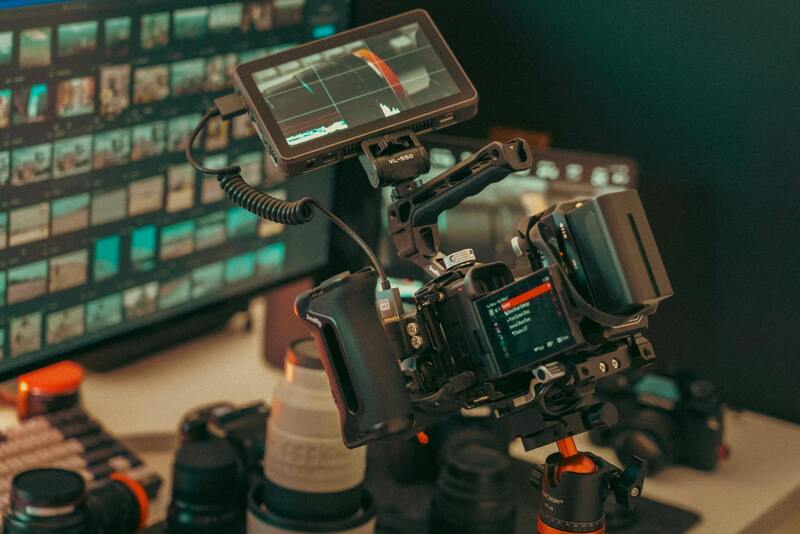
Post-filming, attention shifts to editing and refining the content to maximize impact. Selecting the best takes, syncing audio, and applying color correction enhance visual consistency and professional appearance. Incorporating branding elements, such as logos or lower thirds, can reinforce brand identity. Additionally, inserting B-roll footage or relevant visual aids can supplement the interview, providing context and maintaining viewer interest.
Ensuring Accessibility and Engagement in Final Production
Adding captions and transcripts increases accessibility, allowing a broader audience to engage with the content. This practice benefits viewers with hearing impairments and those who prefer consuming content without sound, such as during commutes or in public spaces.
Furthermore, optimizing the final video for various platforms—whether social media, corporate websites, or internal channels—requires formatting adjustments. Shortened clips or teaser snippets can generate interest and drive traffic, while full-length interviews provide comprehensive insights for dedicated audiences.
Understanding Video Interviews Production
The Significance of Professional Production Processes
Effective production of video interviews demands a systematic approach that combines technical expertise with creative storytelling. High-quality videos not only capture authentic and compelling conversations but also reinforce brand messaging and credibility. Throughout the production lifecycle, each stage from planning to distribution must be executed with precision to ensure the final product resonates with the target audience and achieves its intended purpose.
One of the foundational elements in video interviews production is understanding the specific objectives of the interview. Whether the goal is thought leadership, promoting products or services, or internal corporate communication, aligning content with strategic aims guides the entire process. This clarity informs decisions related to scripting, location, equipment, and post-production editing, ultimately creating a cohesive narrative that engages viewers and delivers impact.
Official and Effective Methods for Professional Results
Utilizing industry-standard tools and proven methodologies ensures the production of credible and effective interview videos. Establishing clear workflows involves:
- Pre-Production Planning: Developing comprehensive scripts, questions, and storyboards to guide the interview flow.
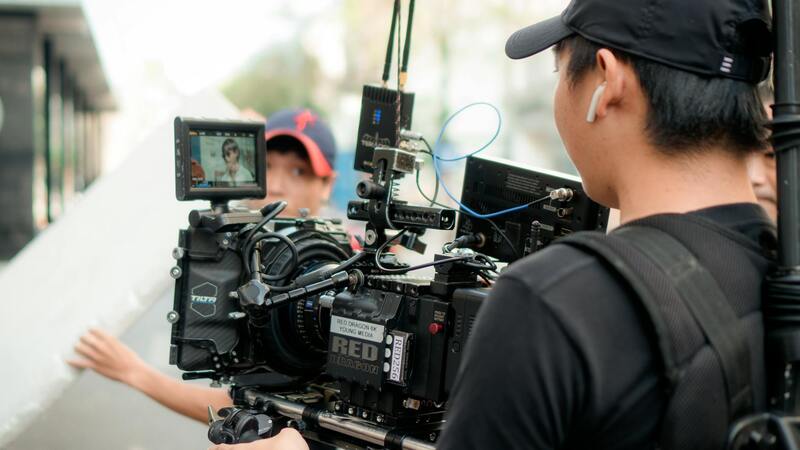
- Technical Preparation: Selecting appropriate equipment, such as high-definition cameras, lavalier microphones, and lighting gear, to capture crisp visuals and clear audio.
- Location Scouting: Choosing environments that support the visual and acoustic requirements, minimizing unwanted noise and visual distractions.
- Scheduling and Coordination: Confirming availability of interviewees and crew, while preparing contingency plans for unforeseen delays.
Implementing Endorsement and Certification Strategies
Authenticity is reinforced through the integration of official endorsements, certifications, or accreditation symbols when appropriate. Including verifiable credentials or disclaimers in the interview content enhances trustworthiness and demonstrates adherence to established standards. These measures can involve:
- Displaying official logos or seals visibly within the video or as part of the digital overlay.
- Inserting pre-recorded accreditation statements or endorsements from recognized industry bodies.
- Employing verified identity verification methods during the interview to authenticate speaker credentials.
Harnessing Data-Driven Insights
Leveraging analytics tools for audience engagement and behavior metrics helps refine ongoing production efforts. Tracking viewer retention rates, interaction levels, and share percentages allows producers to tailor future content to viewer preferences. For instance, understanding which segments generate the most interest can inform editing strategies and content adjustments, ensuring maximum resonance and engagement.
Ensuring Compliance and Ethical Standards
Adherence to regulations and ethical considerations is paramount. This includes obtaining proper consent from interviewees, respecting intellectual property rights, and maintaining transparency about the production process. Implementing clear guidelines on content approval and review workflows helps prevent potential misunderstandings or misrepresentations, establishing the production as a reputable source of information.
In all facets of video interviews production, combining technical excellence with strategic planning and ethical integrity ensures a final deliverable that is not only visually compelling but also trustworthy and aligned with the client’s objectives. This holistic approach guarantees the production of high-caliber content suitable for diverse distribution channels and audiences.
Understanding Video Interviews Production
Legal Considerations for Recording and Distribution
When managing video interviews, it is essential to adhere to established methods that uphold the standards of transparency, consent, and content integrity. This involves securing explicit permission from all participants before filming begins, clearly outlining the scope and intended use of the footage. Documented agreements specify how the recordings will be utilized, ensuring no misunderstandings arise post-production.
Proper documentation includes signed release forms that grant permission to record, reproduce, and distribute the content across selected platforms. These forms should detail the rights granted and acknowledge the interviewees’ understanding of how the footage will be used. This process safeguards the interests of both the production team and the participants, fostering trust and professionalism.
In addition to participant consent, producers should be aware of the rights related to intellectual property, including copyrighted materials such as logos, music, or proprietary visuals incorporated into the video. Proper licensing or rights clearance is necessary to avoid potential conflicts or content removal requests after publication.
Verification of Participant Identity and Qualifications
Authenticating the identity and credentials of interview subjects enhances the credibility of the final video. Employing recognized verification methods, such as cross-referencing official identification, professional credentials, or digital verification services, ensures that the interviewee’s background aligns with the content’s purpose.
This process helps maintain the integrity of the interview, especially when discussing sensitive or specialized topics. Accurate verification minimizes risks of misinformation, which is crucial for establishing trustworthiness and authority in the produced material.
Secure Storage and Data Handling Procedures
Protecting recorded footage and associated data is a vital aspect of compliance in video interviews production. Utilizing secure storage solutions, such as encrypted drives or cloud services with robust security protocols, helps prevent unauthorized access or data breaches.
Standard operating procedures should include controlled access to raw footage, regular backups, and clear data management policies. Ensuring that sensitive information contained within the interviews remains confidential is crucial for maintaining professional standards and respecting participant privacy.
Adhering to Industry Standards in Technical Quality
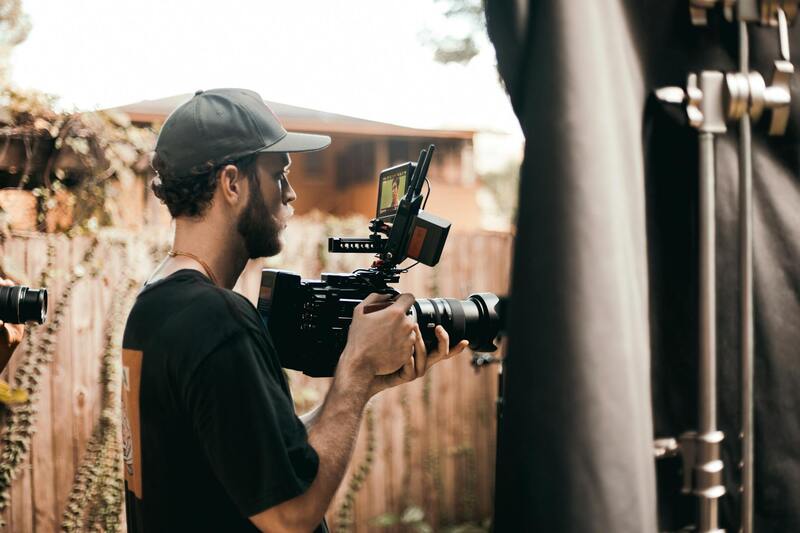
Employing legitimate, reputable equipment and adhering to recognized technical standards guarantees a high-quality output. This involves using professional-grade cameras, sound recording devices, and lighting equipment to produce clear visuals and audio. Proper framing, focus, and audio levels are critical for a polished final product.
Following established technical guidelines, such as those outlined by professional production organizations, ensures consistency and integrity throughout the production process. Regular maintenance and calibration of equipment further support the production of a technically sound product.
Compliance with Ethical and Content Guidelines
Ensuring that all content aligns with ethical standards involves avoiding misleading information, respecting the dignity of interviewees, and refraining from content that could be considered offensive or inappropriate. Transparency about the production process, including the purpose of the interview and the scope of content sharing, reinforces credibility.
Review and approval processes should be integrated into production workflows to verify that the final content respects these standards prior to distribution. This rigorous approach minimizes the risk of content that could undermine the production's integrity or generate negative perceptions among viewers.
Understanding Video Interviews Production
Developing a professional video interview requires adherence to strict procedures that guarantee clarity, authenticity, and impact. From initial concept development to final distribution, every phase should align with established industry practices for producing content that effectively communicates the intended message while maintaining high technical standards.
Pre-Production Planning and Strategy
Effective pre-production lays the groundwork for a seamless filming experience and a compelling final product. This phase involves conducting detailed research about the interview subject, defining the objectives of the interview, and creating a comprehensive script or outline that guides the conversation. Planning also includes scheduling, securing permissions, and devising a contingency plan to address potential disruptions.
Technical Planning
- Choosing the appropriate recording equipment, such as professional-grade cameras and high-quality microphones.
- Deciding on lighting setups that enhance visual clarity and highlight interviewees effectively.
- Setting up a suitable backdrop or environment that minimizes distractions and aligns with the intended tone of the interview.
- Ensuring reliable power sources and backup systems to prevent interruptions during filming.
Selecting the Right Location and Setup
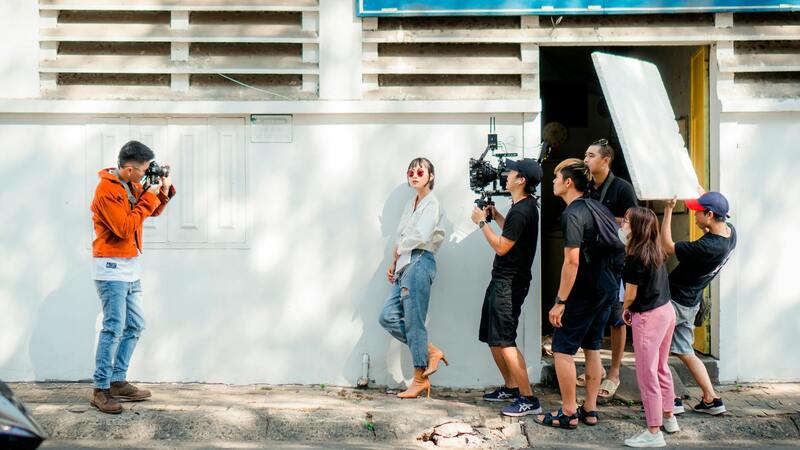
The choice of location plays a crucial role in the overall quality of the production. Factors such as acoustics, lighting conditions, and background aesthetics must be carefully considered. An ideal setting should minimize ambient noise and echo, allowing for clear audio capture. Additionally, the physical setup should facilitate unobstructed camera angles and comfortable positioning for the interviewee.
Interview Technique and Content Creation
Engaging interview techniques involve preparing thoughtful questions that elicit detailed and meaningful responses. Skilled interviewers maintain eye contact, exhibit active listening, and use open-ended questions to encourage elaboration. These approaches create a conversational atmosphere that produces authentic content.
Content creation also emphasizes authenticity and transparency. Clear communication of the interview’s purpose helps participants relax and provide genuine insights, which enhances the overall credibility of the final video.
Filming and Production Process
During filming, maintaining consistent technical parameters — such as framing, focus, and audio levels — is fundamental. Multiple takes may be necessary to capture the best possible content, especially in dynamic or unpredictable environments.
Employing multiple camera angles and shot types enriches visual storytelling and provides editing options. Proper direction ensures that interviewees stay engaged, and technical adjustments should be made on the fly to optimize visual and audio quality.
Post-Production Editing and Finalization
The editing phase involves reviewing all footage, selecting the best takes, and assembling the content in a coherent sequence. Color grading, sound balancing, and the addition of graphics or subtitles contribute to the professional look and feel of the final piece. It is vital to cross-check the content for consistency and accuracy prior to delivery.
Legitimate copyright practices should be upheld throughout editing, ensuring that all media used complies with licensing agreements. Finalization also involves exporting the project in formats suitable for intended distribution channels, whether for online platforms, broadcast, or internal use.
Distribution and Usage of Video Interviews
Once finalized, distributing video interviews through appropriate channels maximizes audience reach and engagement. Secure platforms or authorized networks should be used to ensure controlled access, especially when sensitive or proprietary information is involved. Additionally, metadata optimization and proper tagging enhance discoverability across digital platforms.
Utilizing the videos responsibly involves adhering to distribution agreements and respecting the privacy rights of interviewees. Clear guidelines on permissible usage help maintain the content’s credibility and protect all involved parties from potential misrepresentation.