
Importance of Client Testimonials in Video Marketing
Client testimonial videos serve as a powerful tool for businesses seeking to establish credibility and foster trust with their target audience. In Miami’s vibrant market, where competition is intense across numerous industries such as hospitality, real estate, and healthcare, showcasing real customer experiences can significantly elevate brand reputation. These videos provide authentic, relatable insights into a company's products or services, effectively bridging the gap between potential clients and existing satisfied customers.
The influence of client testimonial videos extends beyond mere storytelling; they are instrumental in shaping purchasing decisions. Potential clients often seek peer validation, and a well-crafted testimonial offers just that—an honest account of how a business delivers value, solves problems, and exceeds expectations. When potential consumers see genuine clients sharing positive outcomes, it enhances the perceived reliability of the business.
Moreover, testimonial videos foster engagement by creating emotional connections. Visual and auditory elements combined deliver a compelling narrative that resonates with viewers, prompting them to connect more deeply with a brand’s message. This emotional appeal can be more persuasive than traditional advertisements alone.
In Miami’s diverse business landscape, where local flavor and personal connections are highly valued, authentic testimonial videos help companies stand out. They serve as social proof, showcasing the expertise and dedication of a business’s team from the perspective of those who have directly benefited from its services.
Steps for Planning a Client Testimonial Video
Developing a compelling client testimonial video requires a strategic planning process that ensures each element aligns with your marketing objectives. The initial step involves identifying the ideal client to feature, someone who can articulate the benefits of your services convincingly and authentically. This selection process should consider clients who have experienced tangible results and are comfortable sharing their stories publicly.
Once the client is chosen, it's essential to outline the key messages you want to communicate. This involves working closely with your team and the client to identify specific challenges they faced and how your business provided solutions. Structuring this narrative around a clear beginning, middle, and end helps to create a coherent and engaging story that resonates with viewers.
Preparation also includes logistical arrangements such as choosing the appropriate location, setting a filming schedule, and ensuring all technical aspects are covered. Locations should reflect the client’s environment or relate to your business context, adding authenticity to the story. Scheduling must accommodate both your team and the client’s availability, ensuring minimal disruptions and optimal filming conditions.
It's also important to define the desired tone and style of the testimonial. Whether aiming for a professional, casual, or inspirational approach, consistency in visual and storytelling style enhances brand cohesion. This phase should also entail preparing interview questions that guide clients to share insights naturally and avoid scripted narratives that might seem inauthentic.

Best Practices for Recording Testimonials in Miami
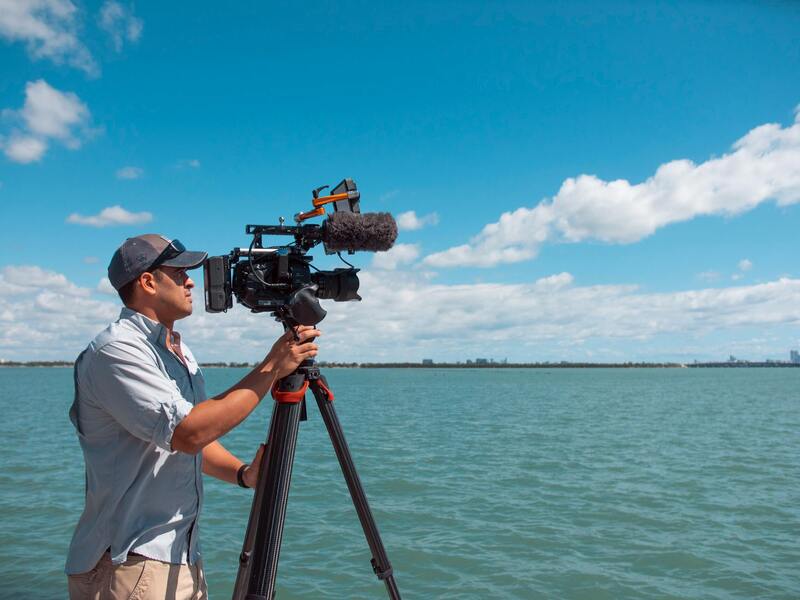
Executing testimonial recordings in Miami demands attention to environmental and technical details that can significantly impact the quality of the final product. Ensuring proper lighting is critical; natural sunlight is abundant in Miami, but additional lighting can help eliminate shadows and highlight facial expressions. The use of professional-grade audio equipment ensures clarity, capturing the authentic emotion of client testimonials without background distractions.
It's advisable to select quiet, controlled environments for recording to minimize ambient noise. Iconic Miami locations like serene outdoor spaces or sophisticated indoor settings can add visual interest and reinforce your brand’s local connection. Filming during optimal weather conditions minimizes interruptions and maximizes the quality of outdoor testimonials.
Capturing multiple takes from different angles provides flexibility during editing, allowing for a more dynamic and engaging final cut. Directors should guide clients to speak naturally, emphasizing authenticity over scripted delivery. Employing warm, welcoming body language during interviews fosters genuine expressions, which help convey sincere appreciation for your services.

Editing and Post-Production of Testimonial Videos
The editing process transforms raw footage into a polished narrative that captures the essence of your clients' experiences. Selecting the best takes, trimming unnecessary segments, and arranging clips logically ensures a seamless flow. Incorporating branding elements such as logos, color schemes, and graphics enhances visual consistency and reinforces your identity.
In post-production, paying close attention to audio quality is vital. Equalizing sound, removing background noise, and balancing levels create a professional sound that complements the visual presentation. Integrating background music that’s subtle yet emotionally engaging can amplify the impact without overshadowing the client’s message.
Visual enhancements like color correction ensure the footage appears vibrant and true to life, especially important when filming in Miami’s diverse lighting conditions. Captions or subtitles make the testimonials accessible to a broader audience, including viewers who prefer to watch without sound. This practice also improves SEO by enabling search engines to index the spoken content effectively.

Effective Strategies for Filming Client Testimonials in Miami
Capturing authentic and compelling client testimonials in Miami requires strategic planning and execution. To maximize the quality and authenticity of these videos, it is essential to choose appropriate locations that enhance the testimonial's credibility without overshadowing the client's message. Miami's diverse environments, from sleek office spaces to vibrant outdoor settings, provide an excellent backdrop that can be tailored to your brand's tone.
Prior to filming, ensure the environment is free from extraneous noise and disruptions. This may involve scouting the location beforehand to identify optimal spots with good natural lighting and minimal background interference. When conducting interviews outdoors, the natural light of Miami’s sunny climate can be advantageous, but supplementary lighting equipment may be necessary to neutralize harsh shadows or glare. Indoors, soft, diffused lighting helps create a warm, inviting atmosphere conducive to sincere expressions.
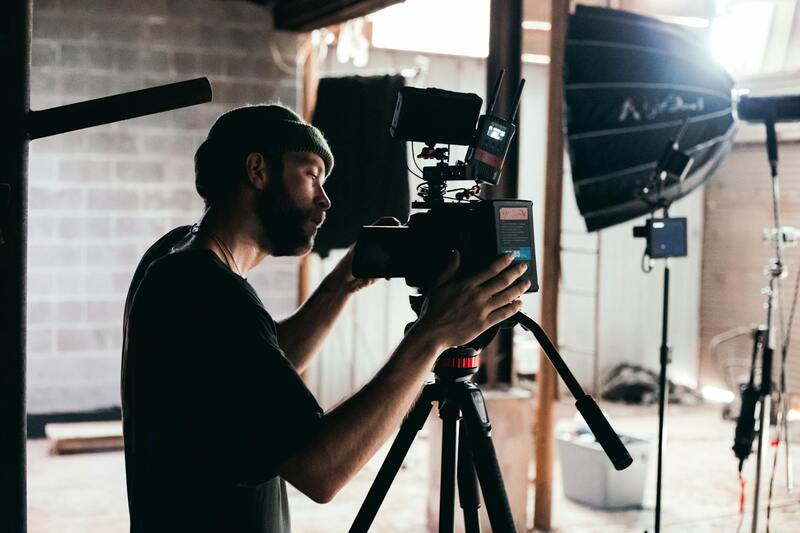
Choosing a comfortable, familiar setting for the testimonial can significantly impact a client’s delivery, leading to more genuine responses. Inform clients beforehand about the shoot's goals and desired tone, encouraging open, candid communication. Proper framing and camera angles should focus on the client’s face to capture subtle expressions, which are crucial for conveying emotion and authenticity.
Professional audio equipment is vital for capturing clear testimonials, especially in Miami’s lively environments. Lavalier microphones or shotgun mics can effectively isolate the client’s voice from ambient noise. Maintaining eye contact and engaging in active listening during the interview fosters a relaxed atmosphere, resulting in more natural and persuasive testimonials.
Post-Shoot Protocols to Enhance Video Quality
After recording, the footage should undergo a thorough review to select the most impactful takes. Multiple angles and varying responses provide options during editing, allowing for a cohesive and dynamic final product. Color grading can help unify the look of the footage, particularly when shooting across different lighting conditions given Miami’s bright, contrast-rich settings.
Sound editing is equally critical. Balancing audio levels, reducing background noise, and removing any distracting sounds ensure clarity. Background music, thoughtfully integrated, can evoke emotional resonance, but it should not overpower the client’s message. Proper pacing and trimming maintain viewer engagement and keep the testimonial concise yet compelling.
Adding branding elements like logo overlays, color schemes consistent with your corporate identity, and graphic annotations strengthens brand recognition. Subtitles are also recommended to make the content accessible and optimize it for search engine indexing, further expanding reach. The final product should look and sound professional, reflecting your commitment to quality and authenticity, which are key ingredients for effective client testimonial videos in Miami.
Steps for Planning a Client Testimonial Video
Effective planning is the foundation of a compelling client testimonial video. It begins with strategic goal setting, clarifying what the business aims to achieve—whether it’s increasing brand awareness, demonstrating product efficacy, or building trust with potential clients. Establishing these objectives guides the entire production process and ensures that each element aligns with overall marketing strategies.
Next, selecting the appropriate clients to feature is crucial. Opt for clients who have experienced tangible benefits from your products or services and are comfortable sharing their stories. Their authenticity and enthusiasm significantly enhance credibility and viewer engagement. Prior to filming, it’s beneficial to have a detailed script or outline prepared. While testimonials should feel natural, having key points prepared helps the client address specific aspects of their experience, ensuring consistency and comprehensiveness.

Conducting Pre-Production Preparations
- Location scouting: Choose a setting that complements the client’s story and reflects the brand’s identity, whether it’s a professional office, a product environment, or an outdoor scene in Miami’s vibrant surroundings.
- Scheduling: Coordinate a convenient time for the client, allowing ample time for setup and multiple takes if necessary. Flexibility helps clients feel comfortable and open during filming.
- Equipment checks: Confirm that all filming gear—cameras, lighting, microphones—are in optimal condition. Proper lighting and sound are essential for a professional look and feel.
- Question formulation: Prepare open-ended questions designed to elicit detailed, heartfelt responses. Questions should prompt clients to share their challenges, solutions, and results related to your offerings.
Facilitating a Smooth Production Process
During the shoot, creating a relaxed and conversational environment encourages clients to speak freely and authentically. Establish rapport beforehand by explaining the process and emphasizing that honesty is most important. Use natural dialogue and avoid overly scripted responses to capture genuine emotion and enthusiasm. Multiple camera angles offer additional visual interest and editing flexibility, while ensuring the footage is dynamic and engaging.
Post-shoot, a quick review of the footage allows for immediate identification of strong segments. Marking sections with impactful stories and authentic reactions helps streamline the editing process. This preparation is vital for producing a testimonial video that resonates with audiences and builds trust in your brand.
Legal and Ethical Considerations
In the realm of client testimonial video production, adhering to established guidelines ensures the creation of authentic, respectful, and trustworthy content. This involves obtaining explicit consent from clients prior to filming, allowing them to fully understand how their testimonials will be used across various platforms. Clear communication about the scope of the project, including potential distribution channels, helps foster transparency and mutual understanding.
Securing written authorization through signed release forms is a fundamental step. These documents affirm that clients willingly participate in the video and agree to its publication, safeguarding all parties involved. It’s crucial that these forms specify the intended use of the footage, including any modifications or edits, to prevent misunderstandings later in the process.
When recording testimonials, professionals must respect the client’s comfort and confidentiality. This includes allowing clients to review their footage before final editing, giving them an opportunity to request cuts or adjustments if they feel uncomfortable with certain content. Respecting their preferences not only builds trust but also ensures the testimonial authentically reflects their experience without feeling coerced or manipulated.
Transparency extends to marketing practices, where ethics dictate honest representation of client opinions. Testimonials should accurately portray the client’s experiences and outcomes without exaggerated claims or misleading visuals. Proper attribution, such as listing the client’s name and professional title, lends credibility and reinforces the authenticity of the testimonial.

Furthermore, adhering to best practices in data protection is vital. This involves securely handling personal information of clients, avoiding the dissemination of sensitive data without prior consent. Respecting intellectual property rights also applies when using proprietary content or materials provided by clients, ensuring proper authorization for any such media in the video.
Implementing these ethical standards during production not only builds reputation but also reinforces your commitment to integrity and professionalism. It aligns your testimonial videos with industry best practices, ultimately fostering long-term relationships based on mutual respect and trust with your clients.
Legal and Ethical Considerations
When producing client testimonial videos, adhering to sound legal and ethical standards is paramount to safeguarding the integrity of your marketing efforts. While the focus remains on leveraging testimonials to build credibility, it’s equally important to ensure that all content complies with established guidelines for responsible representation.
Obtaining explicit consent from clients prior to filming is a fundamental step. This consent should be documented clearly, outlining how the testimonial will be used across various media platforms. Clients should fully understand the scope of the project, including any potential edits or sharing channels, fostering transparency and mutual understanding.

Respect for privacy and data protection is another critical aspect. Personal details or sensitive information must be handled with the utmost care, only included if expressly authorized by the client. Implementing secure storage practices during the post-production process helps prevent unauthorized access or leaks of confidential information.
Clear attribution of the client’s identity and professional credentials enhances the credibility of the testimonial. Properly crediting clients not only aligns with ethical guidelines but also reinforces the authenticity of their endorsement.
Transparency in representing client experiences without overstating results is crucial. Avoiding exaggerated claims, misleading visuals, or overly promotional language preserves the authenticity of the testimonial. This honest approach maintains consumer trust and protects the integrity of your brand reputation.

Finally, respecting intellectual property rights is essential. If clients provide proprietary content or materials, proper permissions should be secured. Incorporating these elements without infringement safeguards all parties involved and upholds professional standards.
Incorporating rigorous legal and ethical practices during the testimonial production process solidifies your reputation as a trustworthy provider of client-centered video marketing solutions. Upholding these principles leads to a stronger bond of trust with clients and ensures that your testimonial content remains both effective and ethically sound.
Legal and Ethical Considerations in Client Testimonial Video Production
Producing client testimonial videos involves multiple layers of responsibility that extend beyond technical execution. Ensuring that these videos adhere to established standards not only reflects professionalism but also enhances credibility and rapport with clients. Critical to this process is the comprehensive process of obtaining informed consent, which signifies that clients are fully aware of how their testimonials will be used, displayed, and shared. This step involves clearly explaining the scope of the project, the distribution channels, and rights concerning the final content.
Respect for client privacy is paramount. Identifying information such as full names, job titles, company affiliations, and other personal details must be managed with care. When necessary, anonymization or pseudonyms can be employed to protect identities, especially in sensitive cases. Maintaining transparency about their portrayal aligns with best practices in video marketing, fostering trust and long-term relationships.
In Miami, where local regulations governing advertising are stringent and well-defined, adherence to regional legal frameworks is essential. This includes complying with laws about truthful advertising, avoiding false claims, and ensuring that testimonials accurately reflect experiences without embellishment. Clear disclosures about any incentives or compensation related to the testimonial are also required to maintain transparency and fairness.

Professional standards demand that every aspect of production respects mindset toward ethical storytelling:
- Authentic Representation: Testimonials should genuinely reflect the client’s experiences without manipulation or exaggeration. Overstating results can undermine credibility and violate trust.
- Permission for Use: Explicit permission must be documented, preferably through signed release forms, to authorize the use of footage across various platforms and for future marketing initiatives.
- Content Accuracy: Ensuring the testimonial content remains truthful and is not altered in a way that distorts the client’s message is crucial for maintaining trustworthiness.
- Respecting Intellectual Property: When incorporating client-provided materials, proper attribution and copyright permissions are non-negotiable to prevent infringement issues.
Maintaining these standards contributes to ethical storytelling practices that support sustainable growth. Upholding integrity in testimonial videos not only aligns with legal standards but also reinforces your company's reputation as a trusted marketing partner that values transparency and client rights.
Legal and Ethical Considerations in Client Testimonial Video Production
While crafting compelling client testimonial videos is a powerful marketing strategy, adhering to sound legal and ethical standards is crucial to maintaining trust, transparency, and the integrity of your brand. This involves multiple components that ensure all content is produced and used responsibly, reflecting genuine client experiences without compromising professionalism.
Authentic Representation and Client Comfort
Authenticity is the cornerstone of effective testimonial videos. It is vital that the narratives presented are truthful and accurately represent the clients' experiences. Manipulating or embellishing testimonials can distort the message and potentially harm credibility if uncovered. To uphold authenticity, production teams should foster an environment where clients feel comfortable sharing their insights honestly, without feeling pressured to overstate positive outcomes.
Obtaining Clear Consent
Securing explicit permission from clients before recording and utilizing their testimonial footage is non-negotiable. This consent should be documented via signed release forms that specify how the footage will be employed—across digital platforms, in advertisements, or in other marketing collateral. Transparency about these uses helps protect your organization and builds trust with clients, affirming their control over their personal content.
Ensuring Content Accuracy
The integrity of testimonial content must be maintained through diligent editing and review processes. Alterations should not distort or misrepresent the client’s original message, as this can undermine credibility and breach ethical standards. When editing, focus on preserving the tone and core message while removing extraneous or distracting elements, ensuring that the final product authentically portrays the client’s genuine experience.
Respect for Intellectual Property Rights
Clients may provide additional materials—such as logos, images, or proprietary content—for inclusion in videos. Proper attribution and obtaining the necessary copyrights or permission rights are essential to avoid infringement risks. Respecting intellectual property rights demonstrates professionalism and commitment to ethical content creation, reinforcing your agency’s reputation as a responsible production partner.
Transparency About Incentives
If clients receive incentives, discounts, or compensation in exchange for their testimonials, this must be clearly disclosed within the video or associated documentation. Transparency about incentives sustains viewer trust and ensures compliance with best practices in marketing ethics, avoiding perceptions of disguised endorsements or biased reviews.
Ongoing Ethical Oversight
Developing and implementing clear guidelines and review procedures for testimonial content is essential. Regular audits and training for staff involved in testimonial production help ensure compliance with established standards. Moreover, maintaining open communication with clients throughout the process fosters mutual understanding and aligns expectations with ethical practices.
Visual and Content Quality Checks
To further uphold professionalism, videos should undergo rigorous quality control, ensuring clear audio, high-resolution visuals, and appropriate framing. These technical standards support the credibility of the testimonial and reflect positively on your brand’s commitment to quality and integrity.
By diligently applying these practices, your organization can produce testimonial videos that not only boost marketing effectiveness but also demonstrate unwavering commitment to ethical storytelling and content responsibility. Such an approach not only safeguards your brand’s reputation but also cultivates long-term trust and loyalty among your customer base.