
Understanding Video Interview Production
Video interview production has become an essential component of strategic business communication, branding, and marketing initiatives. It involves a comprehensive process that transforms a simple conversational exchange into a polished visual presentation capable of engaging target audiences across various platforms. At its core, this process encapsulates several key stages—from meticulous planning to technical execution, and finally, to post-production refinement—each contributing to the overall quality and effectiveness of the final product.
In the realm of corporate storytelling, professional video interviews serve as powerful tools for personalizing brand narratives, showcasing expertise, and establishing credibility within competitive markets. They are often utilized in executive profiles, customer testimonials, and thought leadership pieces, allowing brands to connect with their audiences on a human level. This makes the production of such content not just about capturing footage but about crafting a compelling story that aligns with an organization’s core message and strategic goals.
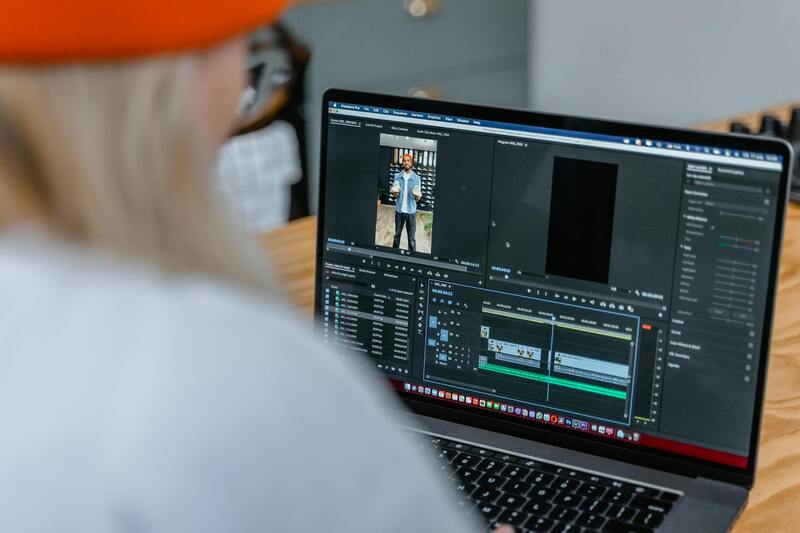
The importance of well-executed video interviews extends beyond mere presentation; they significantly impact audience engagement, brand perception, and trust-building. Properly produced videos can facilitate clear and persuasive communication, ensuring that key messages resonate effectively with viewers. For businesses aiming to position themselves as industry leaders or establish meaningful connections with clients and stakeholders, investing in professional video interview production is a strategic move that amplifies overall marketing efforts and enhances brand reputation.
Achieving successful video interview content involves options such as scripted dialogues, spontaneous conversations, or a combination of both, depending on the desired tone and authenticity. The production quality—covering lighting, sound, framing, and editing—directly influences viewer perception and the content’s shareability across social media platforms and websites. As a result, organizations are increasingly recognizing the value of partnering with experienced production professionals who understand the nuances of engaging storytelling and technical precision.
Moreover, in today’s fast-paced digital environment, the demand for professionally produced interview content continues to grow. With audiences expecting high-quality visuals and compelling narratives, the stakes are elevated for businesses to deliver content that stands out. This underscores the importance of strategic planning, innovative filming techniques, and cutting-edge technology—elements that contribute to creating impactful video interviews that reinforce brand messaging and foster audience trust.
From documentary-style interviews to dynamic on-camera sessions, the scope of video interview production encompasses various styles tailored to specific communication objectives. The process requires a systematic approach, involving detailed pre-production planning, precise technical execution, and expert editing. When executed properly, these productions not only inform but inspire action, whether that’s building brand loyalty, enhancing corporate reputation, or driving conversions.
Equipment and Technology Requirements
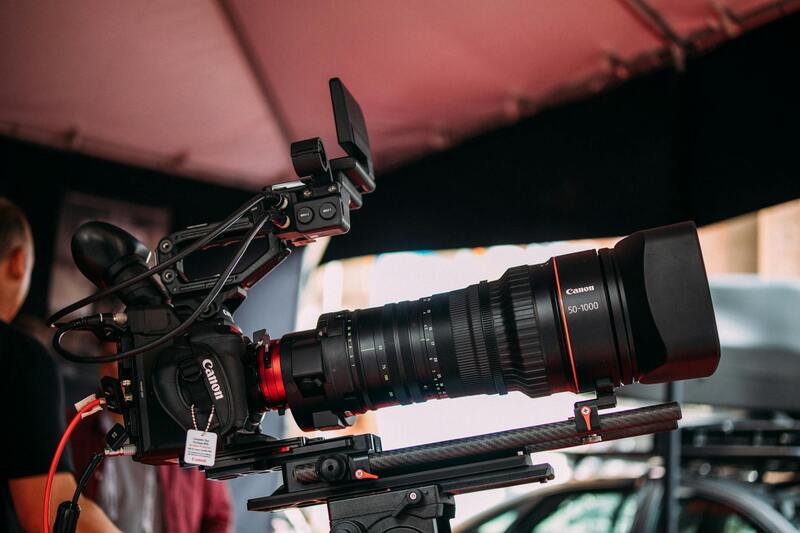
Producing a high-quality video interview necessitates the deployment of advanced equipment and technology to ensure clarity, professionalism, and visual appeal. Essential tools include high-definition cameras capable of capturing crisp video footage with accurate color reproduction and minimal noise. Depending on the interview setting, multiple camera angles might be utilized to provide dynamic perspectives and keep viewers engaged.
Audio quality is equally critical. Utilization of professional-grade microphones—such as lapel microphones, shotgun mics, and boom poles—helps capture clear, crisp sound while minimizing background noise. Proper sound mixing equipment ensures balanced audio levels, which is vital for maintaining audience attention and comprehension.
Lighting setup plays a key role in enhancing visual quality. Softboxes and LED panel lights help achieve consistent, flattering illumination, reducing shadows and highlighting facial expressions that convey emotion and authenticity. For interviews in varied locations, portable lighting kits provide flexibility without compromising quality.
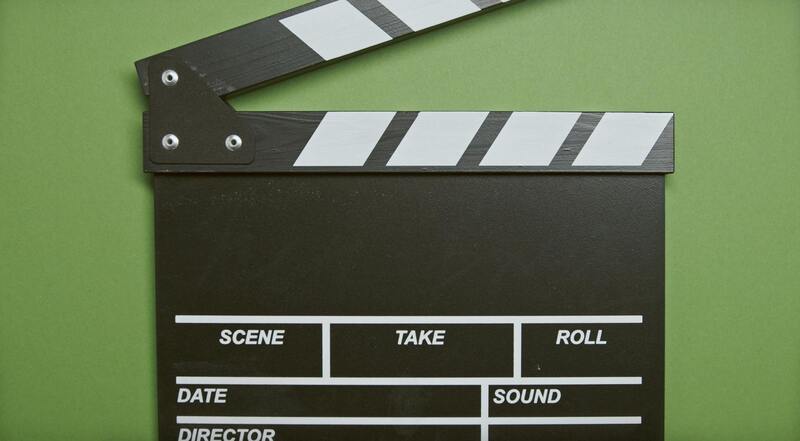
Supporting technology includes tripods and stabilizers to prevent shaky footage, monitors for real-time review, and backup systems for data security. Additionally, editors rely on sophisticated software such as Adobe Premiere Pro, Final Cut Pro, or DaVinci Resolve to cut, color correct, and refine content, transforming raw footage into polished videos that align with brand standards and storytelling objectives.
In contemporary video interview production, the integration of remote recording technology—such as live streaming platforms and cloud-based collaboration tools—has become increasingly prevalent. These solutions enable teams to coordinate across locations, conduct live interviews, and facilitate post-production workflows seamlessly, all while maintaining high technical standards.
Investing in the right combination of equipment and technology reflects a commitment to excellence and ensures that every interview project delivers compelling content capable of capturing and retaining viewer interest across digital platforms.
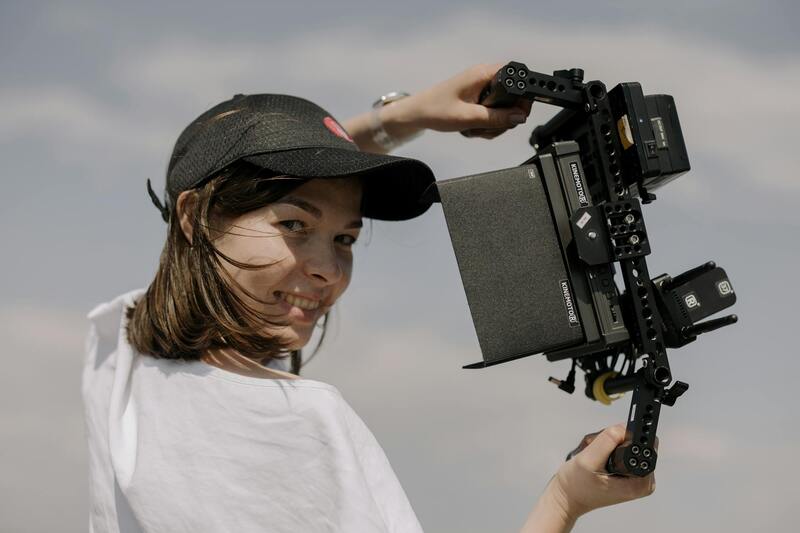
Technical Aspects of Video Interview Production
Executing high-quality video interviews requires meticulous attention to technical details, which encompass a range of equipment and technological solutions essential for capturing compelling content. The selection and proper utilization of audiovisual gear directly influence the clarity, professionalism, and overall impact of the final video product.
Fundamental to any professional video interview is a camera capable of capturing high-definition footage, ideally in 4K resolution. This ensures crisp visuals that can be easily cropped or zoomed during editing without loss of quality. Complementing the camera, an external microphone—such as a shotgun mic or lavalier—serves to clearly capture spoken content while minimizing ambient noise. Adequate sound quality is critical to maintain audience engagement and deliver messages effectively.
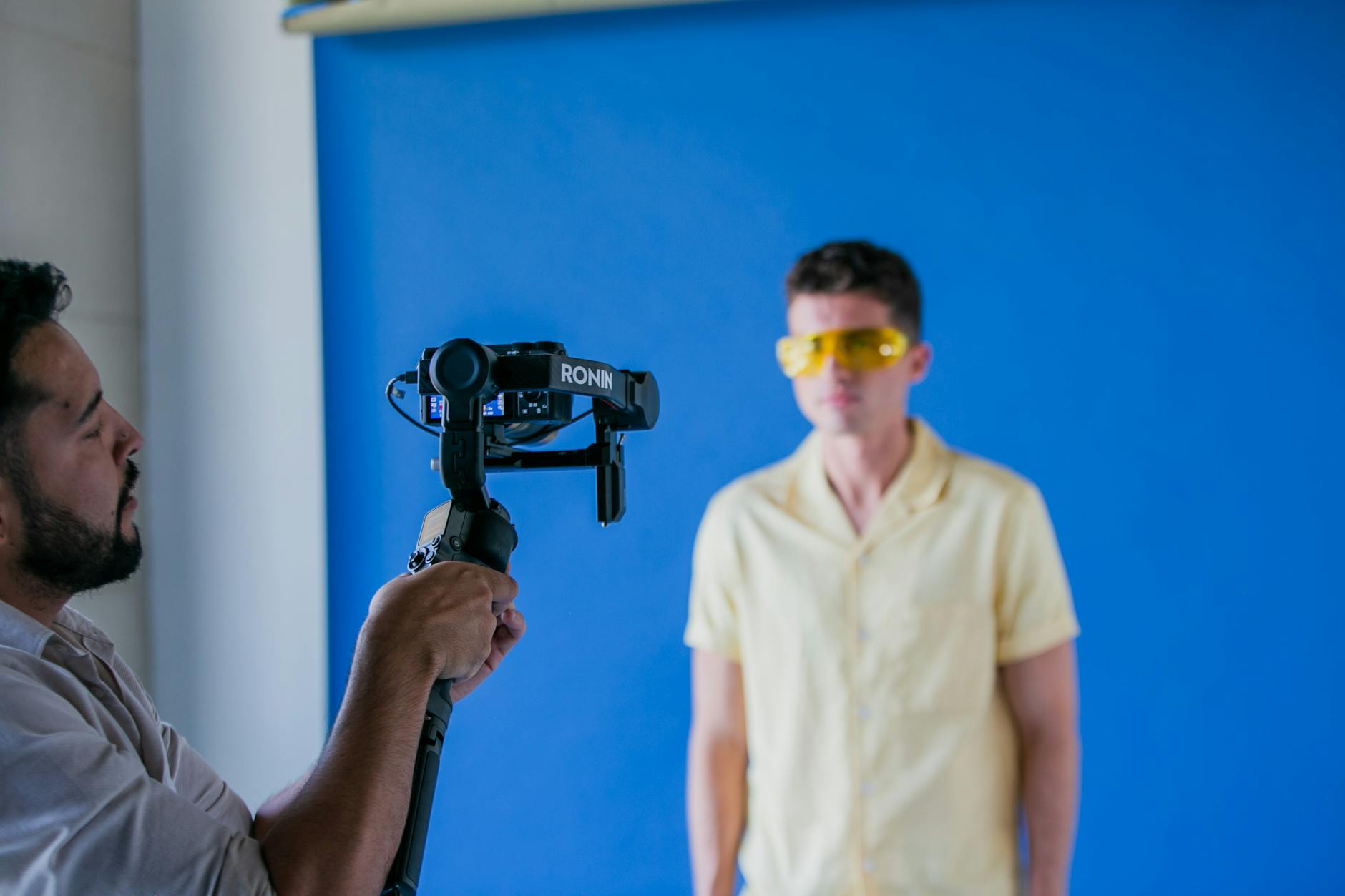
Proper lighting significantly enhances the visual appeal of the interview, highlighting facial features and setting an inviting tone. LED panel lights with adjustable brightness and color temperature have become industry standards due to their versatility and portability. They help achieve even illumination, reduce harsh shadows, and convey a natural look that aligns with the interview's mood and setting.
Stabilization tools, such as tripods, gimbals, and shoulder rigs, are integral to prevent shaky footage, especially when filming in dynamic environments. Monitoring devices like external monitors enable real-time review of footage, allowing the production team to make immediate adjustments, which ensures the desired framing and focus are maintained throughout the shoot.
For interviews conducted remotely or across multiple locations, reliable internet connectivity and live streaming platforms ensure seamless broadcasting or real-time collaboration. Cloud-based storage systems safeguard the raw footage and facilitate efficient access for editing purposes, allowing post-production teams to work collaboratively regardless of geographic distance.
Post-production software such as Adobe Premiere Pro, Final Cut Pro, and DaVinci Resolve play essential roles in refining the recorded content. These tools offer advanced editing, color correction, audio mixing, and visual effects, transforming raw footage into an engaging, polished final product that faithfully represents the interviewee’s message and aligns with the producer’s branding standards.
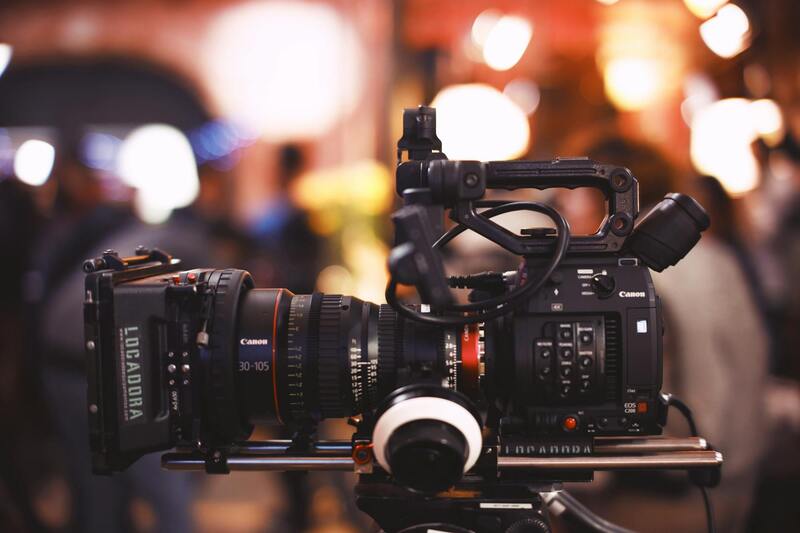
Furthermore, advanced remote recording tools and live streaming services have become indispensable in modern video interview production. These technologies support remote participation, facilitate virtual interviews, and enable real-time audience engagement. Live transcription services provide accessibility and enhance viewer understanding, while teleprompter systems ensure interviewees maintain eye contact and deliver their lines smoothly.
Investing in these legitimate and proven technologies affirms a commitment to excellence in video interview production. It ensures content clarity, visual appeal, and technical stability, ultimately elevating the viewer’s experience and the overall effectiveness of the communication.
Filming Techniques for Effective Interviews
Achieving high-quality interview footage requires a meticulous approach to filming techniques, which directly influence the professionalism and clarity of the final product. The core aspects of effective filming include optimal framing, strategic camera angles, proper lighting, and clear audio capture. Each element plays a vital role in ensuring the audience remains engaged and receives the intended message without distraction.
Framing and Composition
When setting up for an interview, framing should focus on the interviewee, typically using the rule of thirds to create a balanced composition. This technique involves positioning the subject’s eyes roughly one-third of the way down the frame, allowing for natural headroom and a comfortable viewing experience. Additionally, maintaining eye-level camera angles helps establish a sense of direct engagement and trustworthiness, making the viewer feel more connected to the subject.
Camera Angles
Varying camera angles can add visual interest and emphasize key aspects of the interview. Most professional setups utilize a combination of close-ups, medium shots, and occasionally wide shots to provide context and emphasize emotion. Close-ups are particularly effective for capturing subtle facial expressions, conveying sincerity, or emphasizing critical points. Properly executed camera movements, such as slight pan or tilt, can help maintain viewer interest without unnecessary distraction.
Lighting for Clarity and Mood
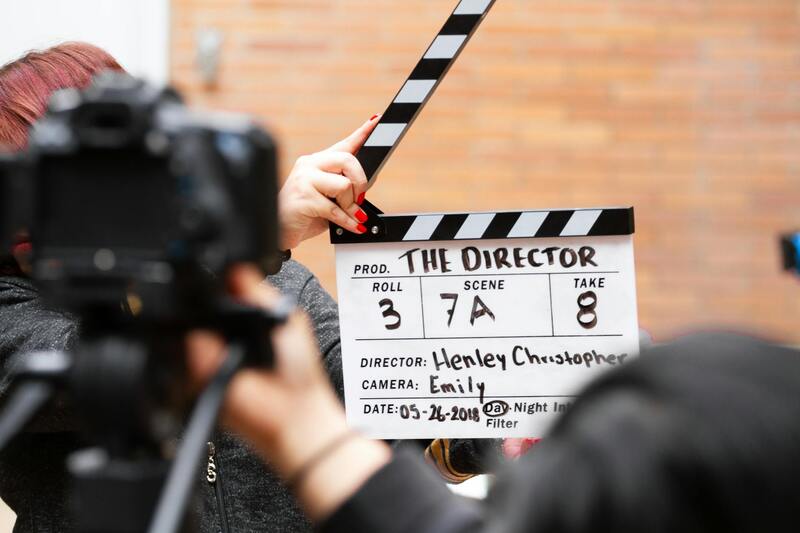
Lighting setup is essential in eliminating shadows, balancing skin tones, and highlighting the interview subject effectively. Soft, diffused light sources, such as LED panels or softboxes, create a flattering and consistent look, especially when positioned at a 45-degree angle to the subject. Backlighting can add depth to the scene, but it must be balanced carefully to avoid silhouettes. For interviews conducted in low-light conditions, supplementary lighting ensures visibility and maintains a high production standard.
Sound Quality
Clear audio is as critical as visual clarity in professional video interviews. Using high-quality microphones, such as lavalier (lapel) microphones or shotgun mics, helps capture speech accurately while minimizing ambient noise. Proper placement of the microphone close to the speaker’s mouth is essential for maximizing intelligibility. Additionally, employing windshields or pop filters can reduce unwanted sounds and plosive effects, resulting in cleaner audio recordings. Post-production audio editing can further enhance clarity and balance, but starting with good raw audio is vital.
Summary of Techniques
- Use a grid or the rule of thirds for framing to maintain visual interest
- Position cameras at eye level to establish direct engagement
- Employ multiple shot types to sustain viewer interest and emphasize key moments
- Implement diffused lighting to create a flattering and even visual environment
- Utilize professional microphones for crisp, intelligible sound
- Maintain a clutter-free background to prevent visual distractions
Adhering to these filming techniques ensures the interview content appears polished, professional, and engaging, which ultimately enhances the viewer’s experience and reinforces the credibility of the information conveyed. Proper planning and execution during filming set a solid foundation for successful post-production editing, resulting in a final product that meets industry standards and audience expectations.
Optimizing Video Quality Through Effective Filming Techniques
Achieving high-quality results in video interview production hinges on employing precise filming techniques that enhance overall visual appeal and ensure clarity. Camera positioning is fundamental; placing the camera at eye level fosters a sense of direct engagement between interviewees and viewers, thereby establishing trust and rapport. Utilizing a shallow depth of field through appropriate lens selection helps isolate the subject from the background, reducing distractions and highlighting key interview moments. r>r> Lighting plays a crucial role in shaping the visual tone of the interview. Soft, diffused lighting minimizes harsh shadows and prevents unflattering contrasts on the subject’s face. Key lights, fill lights, and backlights should be balanced carefully to produce a natural, professional look. An evenly lit scene not only elevates aesthetic quality but also ensures consistent lighting throughout the shoot, which simplifies post-production corrections. r>r> Framing techniques, such as adhering to the rule of thirds, can dramatically improve composition. Positioning the interviewee's eyes along the horizontal lines of the grid creates a balanced visual frame that is engaging and pleasing to viewers. Incorporating multiple shot types, including close-ups and medium shots, adds variety and emphasizes critical points, maintaining viewer interest. When possible, employing camera stabilization tools—such as tripods or gimbals—helps achieve smooth footage, free from jittery movements.
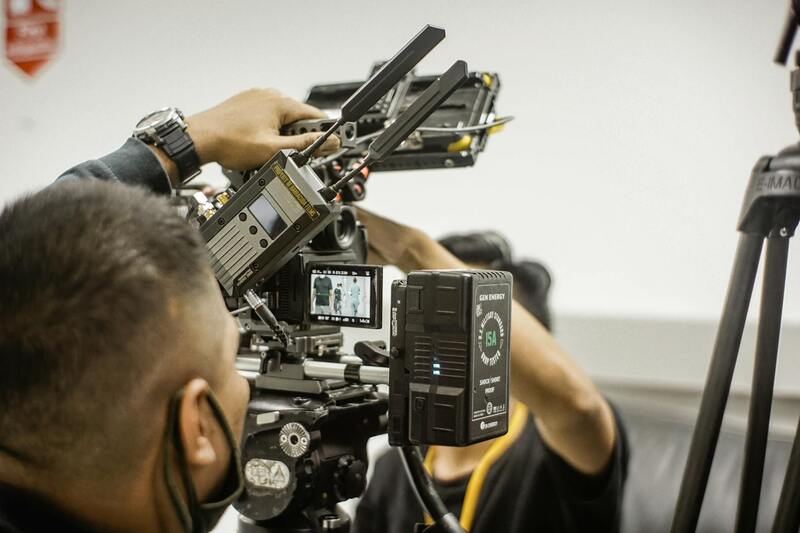
Audio quality directly impacts the professionalism of the final product. Beyond selecting high-quality microphones, such as lavalier or shotgun mics, attention must be paid to microphone placement. Placing microphones close to the speaker’s mouth ensures clear capture of speech, while minimizing background noise. In noisy environments, directional microphones can focus on the speaker's voice, reducing ambient interference. Utilizing soundproofing techniques or choosing controlled recording environments further refines audio clarity.
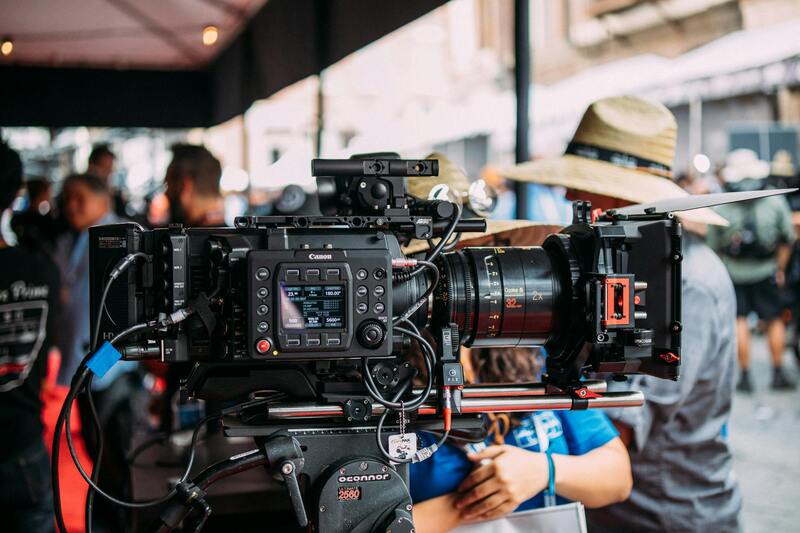
Managing background elements is equally critical. A clutter-free, neutral backdrop directs the viewer's focus toward the interviewee and prevents visual distractions. Adding subtle branding elements in a tasteful manner can reinforce brand recognition without overwhelming the frame. When filming in less controlled environments, portable lighting kits and backdrops can help maintain a consistent professional appearance regardless of location.
Lastly, the use of professional lighting, stable camera setups, and high-quality audio equipment ensures that the interview remains visually appealing and easy to follow. These foundational techniques, when executed meticulously, elevate the production value of video interviews and align with industry best practices, setting the stage for impactful storytelling and persuasive communication.
Implementing Authentic Interview Techniques
To produce compelling and credible video interviews, it is essential to adopt authentic interviewing techniques that emphasize transparency and trust. Structuring questions in a clear and concise manner ensures that the interviewee's responses are genuine and insightful. Open-ended questions encourage detailed responses, allowing the viewer to gain a comprehensive understanding of the subject matter. Maintaining conversational pacing helps establish rapport, making the interviewee more comfortable and willing to share valuable information.
Active listening during the interview is a vital skill that enhances the natural flow of conversation. By attentively listening to responses, the interviewer can ask relevant follow-up questions that delve deeper into specific topics, providing richer content for the final production. This approach not only uncovers meaningful insights but also demonstrates credibility and professionalism.
Furthermore, transparency about the interview process and the purpose of the recording reassures the interviewee, fostering an environment of openness. Clear communication regarding sound and video recording, distribution plans, and usage rights helps set appropriate expectations and reduces misunderstandings.
The authenticity of the interview is also reinforced through non-verbal cues such as eye contact, nodding, and appropriate facial expressions, which convey genuine interest and engagement. Proper framing and attentive body language contribute to a more impactful presentation.
For projects aimed at professional audiences, including detailed technical explanations or expert opinions can elevate the perceived value of the interview. When capturing such content, presenting the interviewee as a credible authority through professional attire and confident delivery supplements the authentic narrative.
Incorporate visual and contextual cues that align with the interview topic, such as relevant props, location backgrounds, or industry-specific visuals, to enhance credibility and relatability. These elements help communicate expertise while maintaining a natural, approachable tone.
Capturing authentic content is the cornerstone of successful video interview production. It fosters viewer trust, enhances message clarity, and solidifies the interviewee’s authority, transforming simple dialogues into influential storytelling tools that resonate with audiences.
Implementing Ethical Standards in Video Interview Production
Maintaining high standards of authenticity and transparency is integral to producing credible and impactful video interviews. Professionals must adhere to strict internal protocols that focus on fair representation, honesty, and respect for all participants involved. This begins by establishing comprehensive guidelines for consent and ensuring that every individual involved in the interview process understands their rights and the scope of the project.
One key aspect of ethical production is verifying that all information presented is accurate and free from manipulation that could distort the interviewee’s message. Editorial oversight and fact-checking routines should be ingrained into the post-production workflow, especially considering the meticulous editing that can alter contextual intent or tone. This safeguard helps preserve the integrity of the story being told and ensures the content remains trustworthy.
Furthermore, respecting privacy and confidentiality is paramount. This involves careful handling of sensitive information and setting clear boundaries about what can and cannot be shared publicly. Communicating these boundaries upfront helps to build trust and prevents misunderstandings or disputes following the release of the video content.
Another important consideration is ensuring that the production process does not influence the authenticity of the interviewee’s responses. This involves training crew members to be unobtrusive, avoiding leading questions, and creating an environment where participants feel comfortable expressing genuine thoughts. Such practices not only enhance the credibility of the content but also respect the dignity of everyone involved.
In addition, adherence to industry-wide best practices fosters professionalism and accountability. This includes transparent communication about the use, distribution, and potential monetization of the video interview. When all parties are fully informed, it minimizes potential conflicts and underpins long-term professional relationships.
Compliance with these ethical standards ensures that the production process aligns with the highest professional integrity. This foundation supports the creation of authentic, respectful, and high-quality video interviews that resonate with viewers and uphold the reputations of all stakeholders.
Advanced Techniques for Enhancing Video Interview Production
Optimizing Audio Quality
High-quality audio is crucial for producing professional video interviews that resonate with viewers. To achieve superior sound clarity, utilize cardioid or shotgun microphones, which minimize background noise and focus on the interviewee's voice. Employ portable audio recorders as backups during shoots to prevent any loss of vital audio data. Additionally, conduct sound checks prior to filming to detect and resolve issues, such as echoes or ambient noise, ensuring clarity and intelligibility throughout the interview.
Furthermore, consider employing soundproofing measures in the filming environment. Incorporating acoustic panels or diffusers can significantly reduce echo and external interruptions, creating a controlled setting that enhances audio fidelity. Post-production editing also offers tools for noise reduction and audio balancing, ensuring a polished sound track that complements visual content seamlessly.
Lighting Techniques to Elevate Visual Quality
Proper lighting sets the tone of your interview and influences viewer perception. Use key lights positioned at a 45-degree angle to illuminate the interviewee's face evenly, avoiding harsh shadows that can distract from the message. Fill lights soften shadows and provide balance, while backlights or hair lights add depth and separation from the background. Employ diffusers and reflectors to diffuse light evenly, preventing hotspots and ensuring a professional appearance.
Adjust color temperatures to match the filming environment, maintaining consistency across shots. For indoor shoots, neutral white light prevents color distortion, aiding in post-production color correction. Also, consider the use of portable LED panels for flexible lighting setups, especially in dynamic or unconventional locations. These devices allow for quick adjustments and can adapt to various scenes, ensuring continual high-quality visuals.
Camera Angles and Framing Strategies
The choice of camera angles greatly influences the storytelling aspect of your interview. Use a medium shot or close-up to focus on facial expressions and subtle reactions, fostering a connection between the interviewee and audience. Maintain eye-level framing for a natural and engaging perspective, which helps to build trust and credibility. Incorporate multiple angles to add visual interest; for example, intercut between a wide shot and a tighter shot of the interviewee for variety and emphasis.
Ensure consistent framing and focus throughout the shoot, as abrupt changes can distract viewers and diminish video quality. Using a stable tripod or gimbal stabilizer minimizes camera shake, maintaining a smooth visual flow. Employing these techniques results in a polished final product that effectively communicates your message and maintains audience interest.
Creative Storytelling and Visual Elements
Enhance your interview content with visual storytelling techniques. Incorporate b-roll footage that complements the discussion topics, providing context and visual interest. Use graphics, lower thirds, and titles to identify speakers or emphasize key points, aiding viewer comprehension. Integrate relevant overlays or infographics to illustrate complex information seamlessly within the interview.
Thoughtful editing of these elements ensures a cohesive narrative flow. Experiment with pacing, transitions, and color grading to create a visually appealing final product aligned with your brand’s style and message. Incorporating visual effects sparingly can elevate the professionalism of your video interviews, making them more memorable and impactful for your target audience.