
Understanding Video Testimonials and Their Benefits
In today’s competitive marketplace, establishing genuine trust with potential customers is vital for sustained business growth. One highly effective method to achieve this is through the strategic use of video testimonials. These authentic endorsements, captured on film by satisfied clients, serve as powerful tools to enhance credibility, build rapport, and influence purchasing decisions.
Video testimonials are typically short recordings where clients share their positive experiences with a product or service. Unlike written reviews, videos convey tone, emotion, and authenticity more vividly, allowing prospective customers to connect on a deeper level. When featured on a company’s website or marketing campaigns, these videos help establish social proof — demonstrating that real people have benefitted from your offerings.
One of the primary advantages of utilizing video testimonials lies in their ability to boost brand trust. Prospective clients are more likely to believe peer recommendations over traditional advertising. Seeing a satisfied customer confidently endorsing your service conveys reliability and quality. Moreover, well-produced videos can significantly enhance marketing effectiveness by capturing attention and increasing engagement across digital channels.
Effective video testimonials also serve as versatile assets. They can be integrated into various marketing avenues such as social media, email campaigns, landing pages, or product pages. This multi-channel approach not only broadens reach but also reinforces your brand message through consistent, relatable narratives. As a result, companies often see increased conversion rates, higher customer retention, and elevated brand loyalty.

Creating high-quality, genuine video testimonials requires careful planning and execution. The process involves obtaining clear permission from clients, preparing them with key talking points, and recording in a professional manner to ensure clarity and engagement. When done correctly, these videos serve as genuine proof of your company’s value, resonating with potential customers seeking authentic reassurance.
In summary, video testimonials are an essential component of a comprehensive marketing strategy. Their ability to convey authenticity, foster trust, and drive engagement makes them invaluable for building a reputable brand presence. By leveraging professional video testimonial services, businesses can harness these benefits effectively, ensuring their message reaches the right audience with maximum impact.
Key Elements of Effective Video Testimonials
Creating impactful video testimonials requires attention to several core components that ensure the content resonates with viewers and effectively communicates authenticity. First, authentic storytelling is paramount; clients should share their genuine experiences, emphasizing specific outcomes and benefits they gained from your product or service. This narrative approach creates relatable and compelling content that builds trust with potential customers.
Second, high production quality significantly enhances credibility. Clear visual and audio quality, professional lighting, and stable camerawork convey seriousness and dedication to quality, which persuades viewers of your company’s professionalism. Utilizing proper framing and lighting sets a positive tone and makes the testimonial visually engaging.
Third, the testimonial should be concise yet comprehensive—covering the client’s challenge, the solution offered, and the tangible results. This structure helps viewers quickly understand the value proposition and fosters a sense of reliability. Including a call-to-action at the end guides viewers toward the next steps, whether contacting your team or visiting your website.

Moreover, the credibility of the speaker influences the testimonial’s effectiveness. Clients who are relatable and enthusiastic about their experience make the message more sincere. Positioning clients in genuine environments or settings relevant to your brand can further reinforce authenticity.
Incorporating visual aids, such as charts or product shots, can support storytelling by providing additional context or proof points. Including overlay text for key quotes or metrics can enhance readability, especially on digital platforms where viewers may watch without sound.
Finally, consistency in branding—through colors, logo placement, and messaging—maintains a professional appearance and reinforces brand recognition throughout the testimonial video. Using engaging editing techniques such as smooth transitions and background music can also elevate the overall viewer experience without overshadowing the client’s message.
Steps to Create a Professional Video Testimonial
- Identify satisfied clients willing to share their positive experiences and secure their consent to feature their stories.
- Prepare interview questions that guide the client to share specific details about their challenges, solutions, and results.
- Schedule recording sessions in a controlled environment with proper lighting and sound equipment to ensure clarity and visual appeal.
- Record multiple takes if necessary, then review footage to select the most compelling segments that align with your messaging goals.
- Edit the selected footage to craft a cohesive, engaging story, incorporating branding elements and visual aids as needed.
- Publish the finalized video across relevant marketing channels, optimizing for each platform’s specifications and audience preferences.
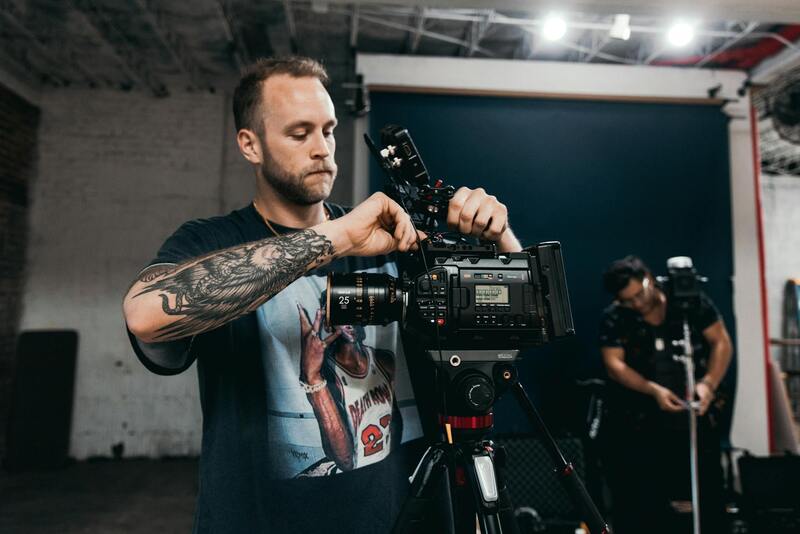
Throughout these steps, maintaining clear communication with clients ensures their comfort and authentic expression, ultimately generating testimonials that are both genuine and influential. Employing professional video production standards throughout this process guarantees polished, impactful videos that elevate your marketing efforts.
Key Elements of Effective Video Testimonials
Crafting impactful video testimonials requires meticulous attention to specific elements that resonate with viewers and strengthen brand credibility. Authenticity remains the cornerstone; genuine stories from satisfied clients foster trust and foster emotional connections that static testimonials often cannot achieve. When clients share their real experiences, it enhances the perceived sincerity of the message, making it more persuasive.
Clarity of message is equally vital. Clearly articulating the client's challenges, the solution provided, and the results achieved ensures viewers understand the value proposition. Avoiding overly technical language allows the message to be accessible to a broader audience, increasing engagement.
Creating an emotional connection is a powerful way to leave a lasting impression. Testimonials that evoke empathy or inspire confidence motivate prospective clients to take action. Incorporating personal storytelling elements or testimonials that highlight meaningful transformations can enhance this emotional impact.
Conciseness plays a pivotal role in maintaining viewer interest. A succinct testimonial that delivers its core message without unnecessary information maximizes retention. Well-structured narratives that follow a logical progression—problem, intervention, and positive outcome—are most effective.

Steps to Create a Professional Video Testimonial
Developing high-quality testimonials begins with selecting clients who have compelling success stories and are comfortable sharing their experiences. Prior consent is essential for transparency and ensures the client feels respected throughout the process.
Preparation involves crafting thoughtful interview questions that guide clients to discuss specific challenges and the benefits of your service. This focus ensures the testimonial conveys tangible results and relevant insights.
Scheduling recordings in a controlled environment is critical. Proper lighting enhances visual quality, while quality audio equipment ensures clarity in speech, preventing distractions that divert attention from the message. Consistency in filming conditions helps maintain a professional look across multiple testimonials.
During filming, capturing various takes allows for selecting the most authentic and emotionally resonant segments. Reviewing footage meticulously helps identify the best moments that align with your messaging goals.
Post-production editing integrates the chosen clips into a cohesive narrative. Adding branding elements, subtitles for accessibility, and visual aids such as graphs or product images can enhance comprehension and focus. Background music should be subtle, supporting the message without overwhelming the speaker’s voice.
Once finalized, the testimonial should be optimized for distribution across multiple channels. Each platform—be it social media, website, or email marketing—has specific requirements to maximize reach and impact. Tailoring the video to each medium ensures consistent branding and audience engagement.

Legal and Ethical Considerations
When utilizing video testimonials as part of your marketing strategy, adhering to established procedures ensures authenticity and compliance with industry standards. This approach involves obtaining explicit consent from clients or stakeholders before recording and broadcasting their testimonials. Clear communication about the purpose of the video, how it will be used, and the scope of distribution fosters transparency and trust.
Documented consent forms should detail permissions regarding the use of the individual’s image, voice, and any specific statements shared during the recording process. These forms serve as formal agreements that safeguard both your business and the testimonial provider, ensuring that all parties are aware of and agree to the content deployment.
In addition to consent, it is vital to respect privacy and avoid any misrepresentation. Testimonials must accurately reflect the client’s experience without exaggeration or misstatement. This honesty maintains credibility and aligns with best practices for content authenticity.
Furthermore, implementing a rigorous review process before finalizing and publishing testimonials prevents the dissemination of unverified or potentially misleading content. Regular review cycles help ensure compliance with evolving guidelines and industry norms, reinforcing your commitment to ethical marketing.
Employing this disciplined approach to collecting and managing video testimonials not only enhances your brand’s integrity but also fosters positive relationships with clients who appreciate transparency. Such practices facilitate long-term engagement and create a reputable foundation for your marketing efforts.
Legal and Ethical Considerations
When incorporating video testimonials into your marketing strategy, it is essential to adhere to established methods of obtaining and managing content to maintain professionalism and trustworthiness. Secure and documented authorization from clients or customers prior to recording ensures clarity regarding the intended use of their testimonial. This process can involve formal consent forms that explicitly outline how the video will be used, distributed, and displayed across various marketing channels. Clear communication about these aspects prevents misunderstandings and underscores respect for the testimonial provider's rights.
Respecting privacy is a fundamental component of ethical testimonial collection. It is important to obtain explicit permission for featuring individuals’ personal details, and any sensitive information should be handled with care. When participants agree to share their experiences, providing them with a clear overview of the content’s scope and potential audience strengthens the relationship and fosters mutual respect.

To ensure authenticity and prevent misrepresentation, testimonials must accurately reflect the client's genuine experience. Avoid embellishments or omitting pertinent details that might mislead viewers. This honest approach maintains your brand’s integrity and aligns with industry standards for truthful content.
Implementing a rigorous review process before publishing testimonials is critical. This step involves verifying the accuracy of the content, confirming compliance with agreed-upon terms, and ensuring it aligns with your brand’s messaging. Regularly updating and reviewing testimonial content helps adapt to evolving guidelines and ensures continuous adherence to your established standards.
Adhering to these trusted methods of testimonial collection and management not only preserves your reputation but also reinforces your commitment to ethical marketing practices. Clients and customers are more likely to trust brands that demonstrate transparency and respect their rights, leading to stronger relationships and enhanced brand loyalty.
Legal and Ethical Considerations
When producing and utilizing video testimonials, it is essential to adhere to high standards of transparency and honesty. Securing explicit consent from individuals participating in testimonials not only respects their personal rights but also contributes to the overall credibility of the content. Clear communication about how the testimonial will be used, the context in which it will be shared, and any potential modifications or edits ensures that participants are fully informed.
Consent should be documented through signed agreements that outline the scope of the testimonial's use and the rights retained by both parties. This document should specify that the participant agrees to their likeness, voice, and personal story being showcased on various marketing platforms, including websites and social media.
Beyond consent, it is important to verify that the testimonials provided are genuine reflections of the customer's experience. Fabricating or exaggerating customer stories can severely damage trust and tarnish a brand's reputation. Instead, focus on collecting authentic feedback that accurately captures the customer's journey.
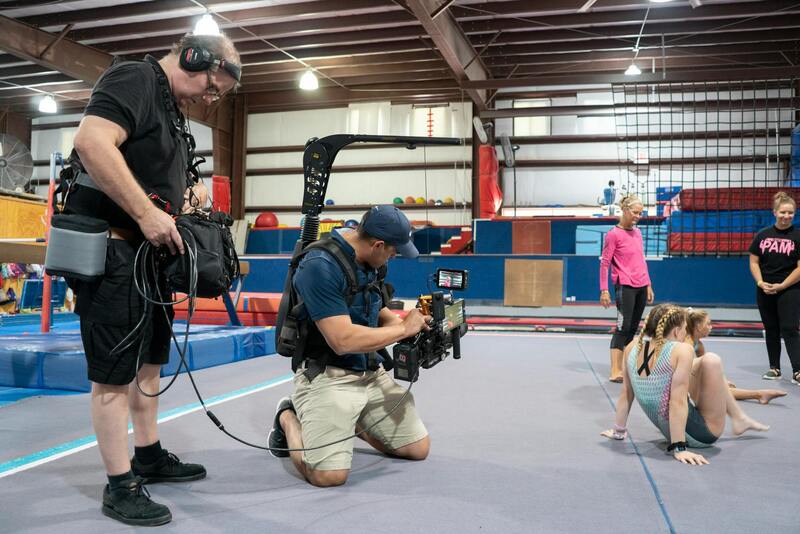
Implementing a rigorous review process prior to publishing testimonials guarantees that content aligns with truthful representations and complies with internal standards. This process includes fact-checking, confirming approval from the testimonial provider, and reviewing the language to prevent any misleading claims.
Respecting privacy and maintaining industry standards involves avoiding the use of testimonials that contain sensitive or confidential information without proper authorization. Striking a balance between showcasing positive client stories and protecting their privacy reinforces ethical marketing practices.
Measuring the Success of Video Testimonials
Evaluating the effectiveness of your video testimonials requires a combination of qualitative and quantitative methods. Metrics such as engagement rates, including views, likes, shares, and comments, provide insight into how well the content resonates with your audience.
Additionally, tracking conversion rates and lead generation metrics can demonstrate the direct impact of testimonials on sales and customer inquiries. Implementing tracking tools and analytics allows for a precise assessment and helps refine future testimonial strategies.
Gathering feedback directly from viewers and clients can also offer valuable perspectives on the testimonial’s authenticity and influence. Regularly reviewing testimonial content in conjunction with performance data ensures your marketing remains aligned with audience preferences and industry best practices.
Legal and Ethical Considerations in Video Testimonials
Maintaining transparency and trustworthiness in your video testimonials is paramount for building enduring customer relationships and safeguarding your brand reputation. To ensure this, it is essential to adhere to established procedures for obtaining explicit permissions from testimonials providers before their stories are showcased. This involves clearly communicating how the testimonial will be used, the contexts in which it may appear, and the platforms where it will be published.
Respecting privacy rights is equally critical. When capturing content, avoid including sensitive, confidential, or proprietary information without prior consent. Employing thorough screening processes during the review stages helps safeguard personal details and prevents any inadvertent disclosures that could compromise individual privacy.

Complying with advertising guidelines and industry standards involves honest representation of client experiences. Testimonials should accurately reflect the client's genuine opinions and outcomes. Avoid exaggerating achievements or making unsubstantiated claims that could mislead audiences.
Implementing consistent internal review processes before publishing testimonials guarantees that all content aligns with truthful communication standards. This also includes verifying that testimonials do not contain defamatory or offensive language and are consistent with your company’s messaging.
By placing a strong emphasis on ethical practices and thorough documentation, your organization not only nurtures authenticity but also mitigates potential reputational risks associated with misrepresented content. This dedication to integrity forms the backbone of an effective and sustainable video testimonials strategy.
Legal and Ethical Considerations
Ensuring compliance with established standards for video testimonials involves adopting transparent and responsible practices throughout the creation and distribution processes. Clear documentation of client consent is vital; this includes obtaining explicit permission to use their testimonials in various marketing channels, whether on websites, social media, or promotional events. This not only underpins trust but also guarantees that all parties have a mutual understanding of how the testimonial content will be utilized.
Respect for privacy rights must be prioritized. When filming testimonials, avoid including sensitive or proprietary information without prior authorization. Implementing rigorous screening procedures during editing and review phases helps prevent accidental disclosures of confidential data. These procedures safeguard individual privacy and reinforce the integrity of your testimonial campaigns.
Upholding ethical standards in testimonial production is essential for maintaining both client confidence and brand reputation. Testimonials should authentically represent the client’s experience without exaggeration. Statements should be accurate, reflecting genuine results and opinions. Overstating benefits or making unfounded claims diminishes credibility and can lead to misunderstandings among audiences.
Consistent internal review protocols are instrumental in maintaining content integrity. Before publishing, all testimonials should be scrutinized to ensure they adhere to truthful communication standards, do not contain defamatory language, and align with your company’s values and messaging. This review process serves as a safeguard against inadvertent misinformation.

Maintaining transparency with clients about the intended use of their testimonials enhances the authenticity of the content. Disclosing the platforms and contexts in which testimonials will appear reinforces clarity and respect. This transparency journey not only meets professional standards but also elevates the overall reputation of your marketing efforts.
By prioritizing responsible practices and meticulous documentation, your organization can effectively leverage video testimonials to build credibility and foster lasting customer relationships. These strategies ensure that your testimonial initiatives are both ethically sound and aligned with industry standards, creating a foundation for sustainable and impactful marketing campaigns.