
Understanding the Role of an Interview Videographer
An interview videographer plays a crucial role in capturing compelling visual content that effectively conveys stories, messages, and information. Their primary responsibility is to produce high-quality video footage of interviews for a variety of media platforms, including television broadcasts, online content, corporate training, and promotional materials. This requires a unique set of skills and an understanding of both technical and creative aspects of videography, tailored specifically to interview settings.
At the core of an interview videographer’s responsibilities is the ability to create an engaging and professional visual presentation. This involves careful framing of the subject, maintaining consistent eye line shots, and ensuring the interviewee’s expressions are clearly visible, all while respecting the nuances of lighting and sound. The proper functioning of equipment—cameras, microphones, lighting components—is paramount to achieving crisp, clear footage that aligns with the intended message and tone of the interview.
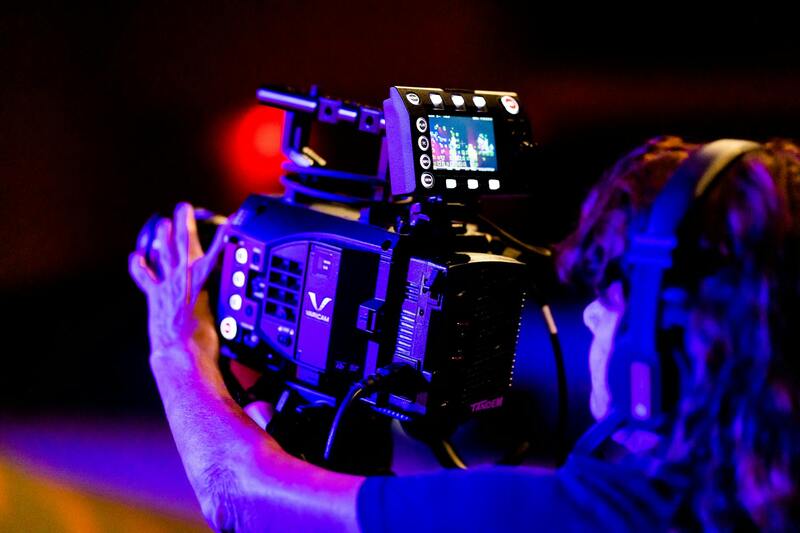
Effective interview videographers also develop a keen sense of timing and pacing. They work closely with directors, producers, and clients to understand the goals of each project, ensuring the final footage meets specific storytelling objectives. This often involves capturing multiple angles and shots, including close-ups, medium shots, and wide shots, to offer flexibility during editing and enhance the narrative flow.
In addition to technical competency, an interview videographer must possess excellent communication skills. They often guide interviewees on how to present themselves on camera, providing direction on posture, expressions, and movements to get the most authentic responses. They must also be adept at troubleshooting on set, managing unexpected issues such as lighting fluctuations, background noise, or equipment malfunctions swiftly and efficiently.
Furthermore, familiarity with various digital formats and editing software is essential, enabling seamless integration of footage into post-production workflows. This ensures that the final product is polished, professional, and aligned with the client's vision.
Depending on the scope of the project, an interview videographer might also coordinate logistical details, including location scouting, obtaining necessary permits, and scheduling, to facilitate smooth on-site operations. Their role is integral in transforming raw footage into compelling visual narratives that resonate with audiences and fulfill the project’s intended purpose.
Key Qualifications and Skills to Look For
When selecting an interview videographer in Miami, it is essential to pay close attention to their qualifications and skill set to ensure they can deliver high-quality results. A seasoned professional should possess a solid foundation in both technical and creative aspects of videography. This includes a comprehensive knowledge of camera operation, lighting techniques, and sound recording, which are critical for capturing clear and compelling footage. Familiarity with the latest digital cameras, stabilization equipment, and audio gear demonstrates readiness to handle diverse shooting environments. Technical proficiency extends to editing software, such as Adobe Premiere Pro, Final Cut Pro, or DaVinci Resolve. A competent videographer should be comfortable with post-production workflows, enabling quick adjustments and seamless integration of footage. Experience with color grading, sound design, and graphics enhances the final video's visual appeal and professionalism. Moreover, an interview videographer must have a keen eye for composition and storytelling. This includes the ability to frame shots effectively, employ different angles, and adapt shot selection to enhance narrative flow. Strong storytelling skills are vital for capturing authentic responses and translating them into engaging content. In terms of experience, it’s beneficial to select a professional with a proven track record in producing interview-based content, whether for corporate, documentary, or promotional purposes. Check for a portfolio or demo reel that showcases versatility and quality. An understanding of the local Miami market is advantageous, as familiarity with regional venues, cultural nuances, and logistical considerations can streamline the production process. Integrity and professionalism are equally important. An interview videographer should communicate clearly about project scope, timelines, and deliverables, maintaining transparency at all stages. Additionally, certifications or training credentials in videography, sound engineering, or related fields add to their credibility. Overall, the right candidate will blend technical excellence with creative storytelling, possess adaptability to various environments, and demonstrate dependability through a strong portfolio and positive client references.
How to Choose the Right Interview Videographer in Miami
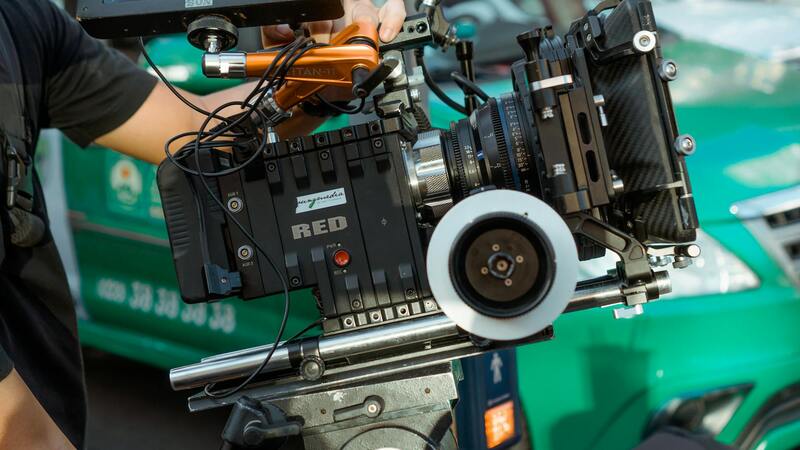
Selecting a suitable interview videographer involves more than reviewing portfolios. It requires a strategic approach to evaluate their capabilities, understanding of your project needs, and compatibility with your vision. Begin by clearly defining your project goals and expectations to communicate these effectively during consultations. Review the professional’s previous work thoroughly. Look for consistency in quality, attention to detail, and storytelling ability. Confirm that their style aligns with your vision, whether it’s formal, informal, documentary, or branded content. It’s beneficial to conduct interviews or meetings to discuss their approach to capturing interviews, problem-solving on set, and adapting to various situations. Assess their technical setup and equipment quality. A videographer utilizing high-end cameras, reliable audio systems, and proper lighting is better prepared to handle diverse shooting conditions in Miami’s dynamic environment. Also, inquire about their familiarity with different digital formats for ease of post-production. Client references or testimonials can provide insight into their professionalism, timeliness, and ability to work within deadlines. An effective interview videographer should demonstrate excellent communication skills, clear project management, and a collaborative attitude. Finally, discuss logistics such as availability, rates, and post-production timelines to ensure alignment with your project schedule. Opting for someone with a local presence in Miami can expedite transitions between locations and facilitate smoother arrangements. By taking a comprehensive approach—considering style, experience, technical expertise, and professional reliability—you increase the likelihood of choosing an interview videographer who can elevate your project and deliver compelling, polished content.
Pre-Production Planning and Coordination
Effective pre-production planning forms the foundation for capturing high-quality interview footage. It involves a detailed discussion of the interviewee's background, key messages, and desired outcomes, ensuring the videographer understands the context of the content. Coordination with all stakeholders—such as producers, directors, and talent—is essential for aligning expectations and scheduling sessions at optimal times and locations within Miami.
During this phase, selecting appropriate locations is critical. Miami offers diverse environments, from sleek corporate offices to vibrant outdoor settings. The videographer should assess these sites to determine suitability for sound quality, lighting conditions, and background aesthetics. Securing necessary permissions or permits is also part of this process to avoid disruptions and ensure a smooth shoot.
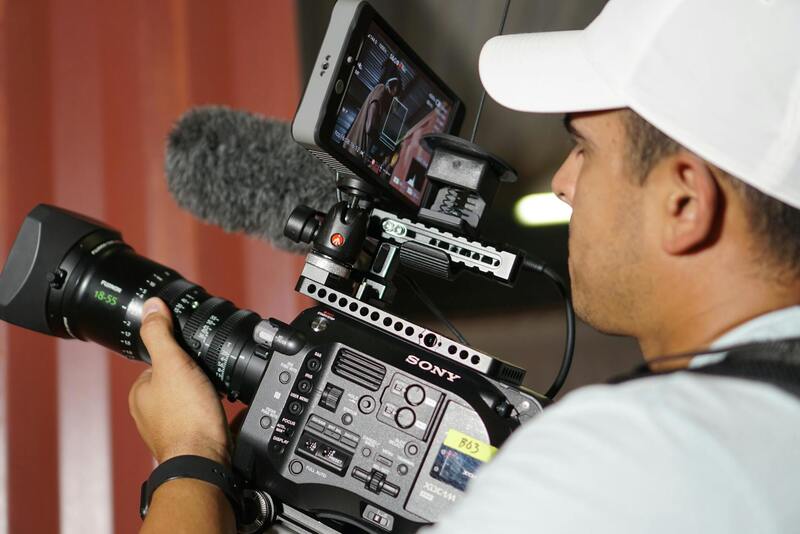
Developing a shot list and storyboard helps streamline the actual filming process. It clarifies camera angles, framing, and transitions, ensuring that the narrative is cohesive and visually engaging. In addition, establishing a backup plan for equipment failure or adverse weather conditions minimizes delays and maintains professionalism throughout the project.
- Conduct location surveys and scout possible sites in advance.
- Coordinate schedules with interviewees and crew to optimize timing.
- Arrange necessary permits and approvals for chosen locations.
- Create detailed shot lists and storyboards tailored to project goals.
- Prepare backup plans to mitigate unforeseen issues.
Technical Aspects of Interview Videography
Understanding the technical requirements is indispensable to producing polished interview content. A proficient interview videographer in Miami employs high-definition cameras capable of capturing sharp visuals. They should also be skilled in setting optimal focus, exposure, and white balance based on the environment, whether shooting indoors or outdoors.
Audio quality is equally vital. Clear, crisp sound ensures your message is communicated effectively. The videographer should utilize professional-grade lavalier microphones, shotgun microphones, and sound mixers to eliminate background noise and echoes, especially important in Miami’s varied acoustic environments.
Lighting setup is another cornerstone of technical excellence. Soft, diffused lighting minimizes shadows and highlights the interviewee’s features naturally. The lighting should be adaptable to changing conditions, particularly when filming outdoors, where natural light varies throughout the day.
- Use high-definition cameras with versatile lenses for different framing options.
- Employ professional audio equipment to capture clear dialogue.
- Implement lighting solutions suitable for both indoor studios and outdoor locations.
- Manage color grading and exposure settings for consistency across shots.
On-Site Execution and Communication
On the day of the shoot, clear communication between the videographer and crew is crucial. The videographer should coordinate with the team to manage timing, camera angles, and audio checks, ensuring nothing is overlooked. Quickly adapting to unforeseen circumstances—such as changing weather conditions or technical glitches—requires proactive problem-solving skills.
Maintaining a professional demeanor, the videographer creates a comfortable environment for the interviewee, encouraging authentic responses. As Miami’s locations can be bustling and lively, they must also be vigilant about background noise and visual distractions, adjusting camera positioning or moving locations if necessary.
A well-organized shoot also includes back-up media and equipment, ensuring data is safely stored and reducing the risk of loss. Effective on-site communication with clients and stakeholders promotes transparency and allows for real-time adjustments to capture the most compelling footage.
- Coordinate with the team to execute shot plans efficiently.
- Monitor audio and video quality, making adjustments as needed.
- Manage time effectively to prevent overruns or rushed filming.
- Address challenges promptly to preserve production quality.
- Maintain professionalism to ensure smooth collaboration.
Post-Production and Deliverables
Once filming concludes, the focus shifts to editing and finalizing the interview content. An experienced Miami-based videographer collaborates with editors to craft a polished product that aligns with your vision. This involves selecting the best takes, color grading for visual consistency, and incorporating graphics or captions that enhance clarity.
Smooth transitions and appropriate pacing ensure the interview remains engaging from start to finish. Additionally, sound editing improves audio clarity and balance, removing unwanted noise or interruptions caught during filming.
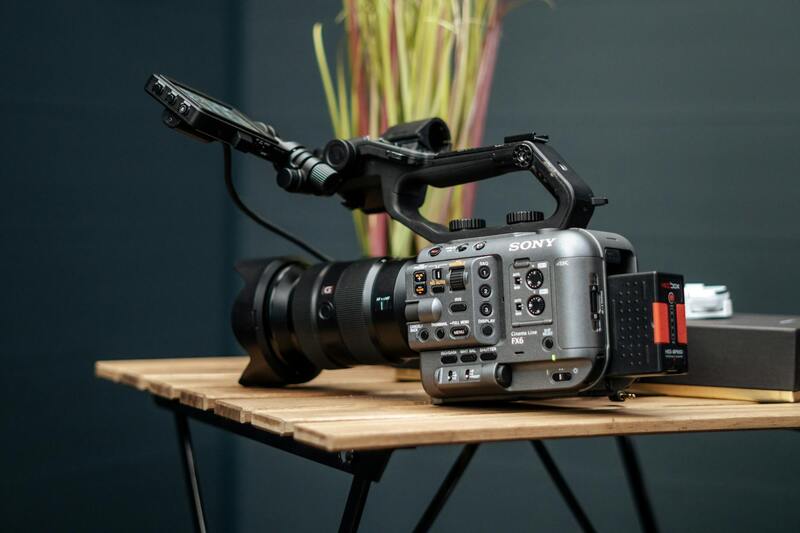
Delivery options should be flexible to meet your needs, whether you require digital files optimized for online distribution, broadcast-quality master copies, or formats suitable for social media and promotional campaigns. Clear communication about timelines ensures that post-production aligns with your release schedule, while revisions are handled efficiently, maintaining a seamless workflow.
- Collaborate closely with editors on style and narrative flow.
- Ensure color grading and audio mixing meet professional standards.
- Incorporate graphical elements or captions if necessary.
- Deliver final files in appropriate formats for distribution.
- Establish clear timelines and revision procedures.
Technical Aspects of Interview Videography
Proficiency in the technical facets of videography is critical for delivering high-quality interview content. An adept interview videographer in Miami must possess an in-depth understanding of camera operation, lighting setups, and sound recording techniques to ensure every detail is captured accurately. Proper camera settings, including focus, aperture, shutter speed, and white balance, contribute significantly to the clarity and professional look of the final product.
Lighting plays an essential role in creating a visually appealing interview. Using soft, diffused light minimizes shadows and highlights the interviewee's features naturally. The choice of lighting equipment, whether on-camera LEDs or studio-based softboxes, depends on the environment and desired aesthetic.
Sound quality is equally vital; quality microphones and sound recording devices must be employed to capture crisp audio without unwanted background noise. Conducting sound checks before filming begins ensures that levels are correctly set and that the audio complements the visual content seamlessly.
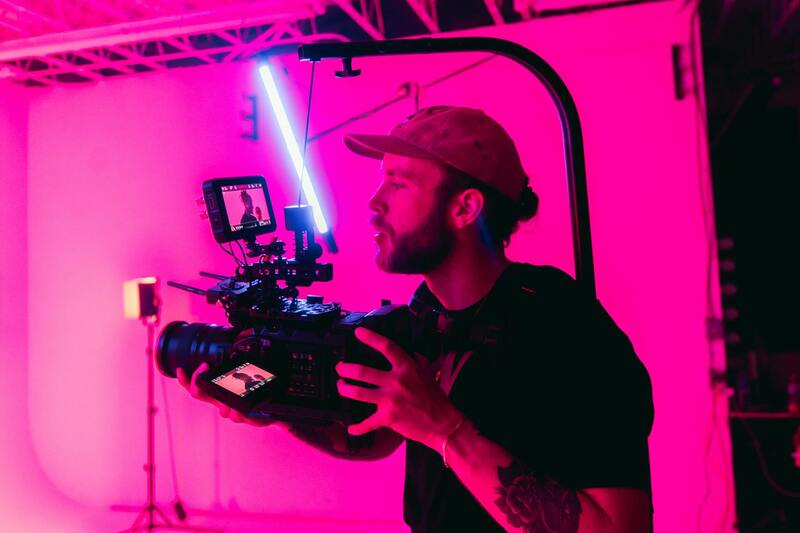
Understanding and managing these technical elements is essential for producing polished interview videos that meet industry standards. Miami videographers boasting technical expertise can adapt to various environments, from controlled studio spaces to dynamic outdoor locations, ensuring consistency in quality regardless of shooting conditions.
On-Site Execution and Communication
Execution on-site requires precision and excellent communication skills. A skilled interview videographer in Miami coordinates with clients and interviewees to establish a comfortable environment conducive to authentic responses. Clear instructions regarding movement, framing, and any specific shots ensure that the team captures the intended content effectively.
Effective communication minimizes disruptions and helps in managing unexpected challenges during filming. For instance, if the lighting or sound setup needs adjustments due to changing conditions, the videographer must quickly adapt while informing all involved parties. This collaborative approach guarantees that the interview flow remains uninterrupted and of consistent quality.
Maintaining professionalism on set also involves respecting schedules and logistics, ensuring timely setup and breakdown, and keeping the environment organized. These practices not only enhance the efficiency of the shoot but also foster trust between the videographer and the client, leading to smoother workflows and a more satisfying final product.
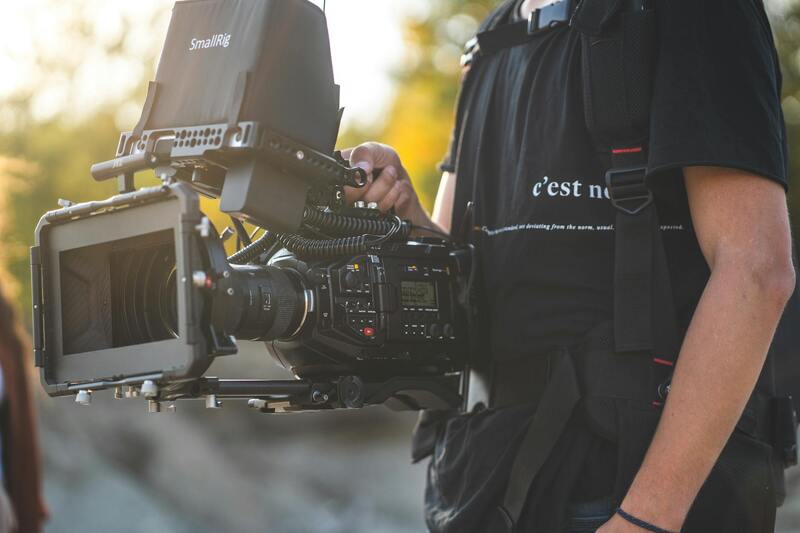
Furthermore, adaptability is essential in dynamic shooting locations. A Miami-based videographer skilled in on-site execution can manage varying conditions, whether dealing with outdoor sunlight, indoor lighting constraints, or background noise, to ensure the integrity of the recorded content remains intact.
On-Site Execution and Communication
Executing a professional interview video session in Miami requires meticulous on-site management and seamless communication between the videographer, clients, and interviewees. A proficient interview videographer navigates the dynamic environment, adjusting equipment and settings in real time to accommodate changes in lighting, sound, and background conditions. In outdoor locations, reliance on natural light can vary throughout the day, requiring expert knowledge of reflectors, diffusers, and supplementary lighting to maintain consistent image quality. Indoors, controlling ambient noise and optimizing acoustics are equally critical for capturing clear, intelligible audio.
Clear, proactive communication ensures that everyone involved understands the filming plan, shot sequences, and any special instructions. This allows for efficient positioning and movement, reducing the need for reshoots and minimizing delays. For example, if the interview involves multiple camera angles, the videographer must coordinate transitions smoothly, ensuring each shot aligns with the planned storytelling narrative.
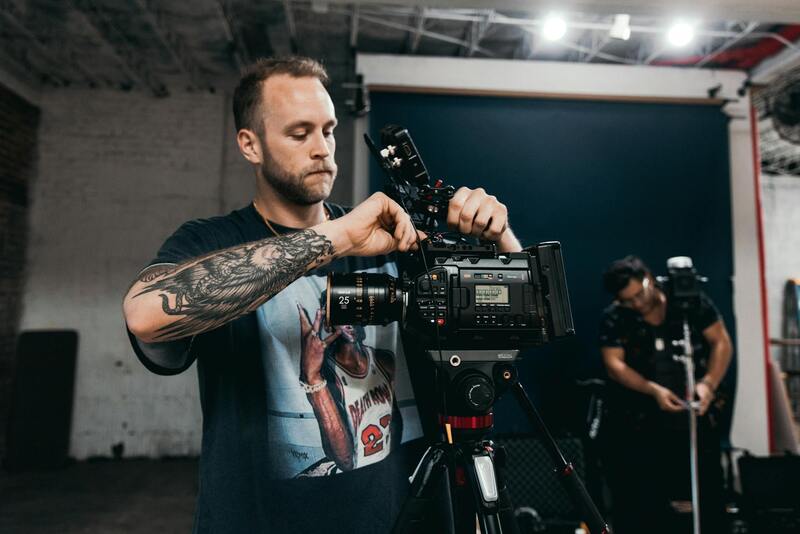
During the shoot, a vigilant interview videographer continuously monitors technical parameters such as focus, exposure, and sound levels, making real-time adjustments to address environmental challenges. This adept oversight ensures that the captured footage remains consistent in quality, regardless of fluctuating conditions. Since Miami’s varied climatic conditions can influence outdoor shoots, readiness to adapt—whether deploying sunshades, windshields, or microphone wind muffs—is essential for maintaining optimal audio-visual standards.
Furthermore, effective communication extends beyond mere technical instructions. A professional videographer also fosters a relaxed atmosphere, encouraging interviewees to express themselves naturally. By maintaining a friendly yet focused interaction, the videographer helps obtain authentic responses that resonate with viewers, ultimately creating compelling content.
Post-Production and Deliverables
Once the filming phase concludes, the focus shifts to editing, color grading, sound mixing, and delivering a polished final product. A skilled Miami-based interview videographer collaborates closely with clients during editing to ensure the final video aligns with their vision, brand identity, and intended audience. This process often involves reviewing rough cuts, incorporating feedback, and making targeted adjustments to optimize pacing, audio clarity, and visual appeal.
Deliverables typically include high-resolution files suitable for multiple platforms, alongside any specific formats requested by the client. Some projects may also require subtitling or captioning to enhance accessibility. The timeline for post-production varies depending on project complexity, but a professional videographer prioritizes punctual delivery without compromising quality.
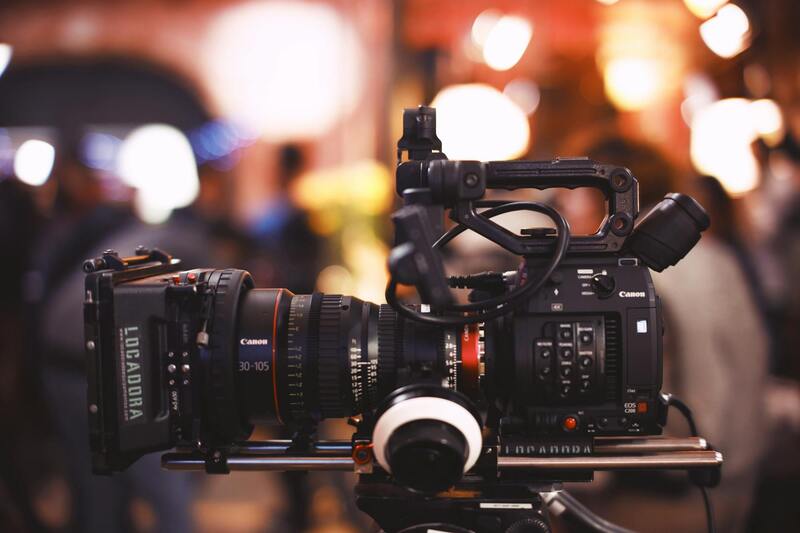
For ongoing projects, establishing a clear process for revisions, approvals, and final delivery streamlines the workflow and minimizes misunderstandings. Transparent communication regarding post-production milestones and expectations is vital to achieving a satisfying end result that aligns with the client’s goals.
Understanding the Role of an Interview Videographer
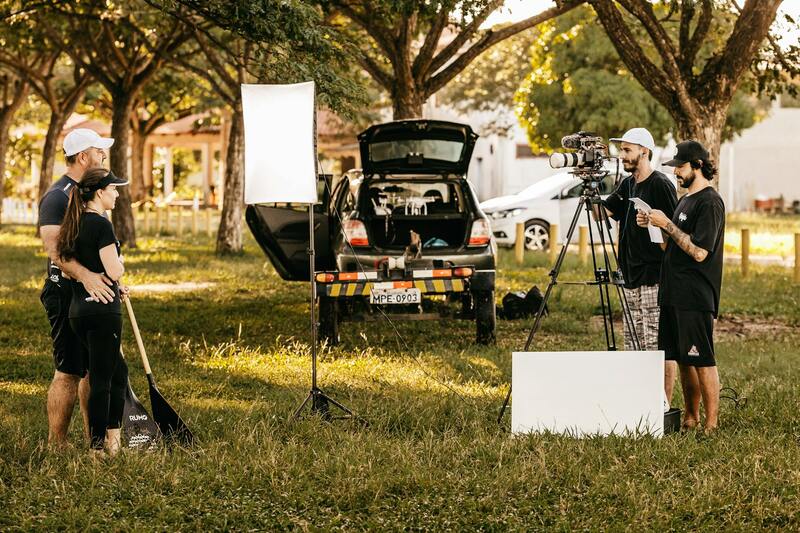
An interview videographer plays a vital role in capturing professional, engaging footage that accurately represents your message and brand image. They are responsible for managing all aspects of video recording, from setting up equipment to ensuring clear audio and optimal lighting conditions. A proficient interview videographer combines technical skill with creative insight, enabling them to adapt to various environments and interview formats. Their expertise extends beyond mere recording; they understand how to frame shots that highlight interviewees effectively, utilize background elements to add context, and capture candid moments that enhance authenticity. This role also involves active collaboration with clients to understand the narrative goal and integrate it seamlessly into the visual storytelling. An experienced Miami-based interview videographer will bring a deep understanding of local settings, cultural nuances, and logistical considerations unique to the Miami area, ensuring that each project aligns with the specific requirements and audience expectations of the region.
Key Qualifications and Skills to Look For
- Technical expertise: Proficiency with cameras, lighting, and sound equipment is fundamental to ensure high-quality footage under various conditions.
- Creative vision: Ability to frame shots creatively and adapt to different environments, whether in-studio or on-location.
- Strong communication skills: Facilitates smooth interactions with interviewees, helping them feel comfortable and natural on camera.
- Attention to detail: Ensures technical precision, from focus and exposure to audio clarity, to produce polished videos.
- Experience with post-production: Knowledge of editing software enables seamless collaboration during the finalization process.
- Local familiarity: Awareness of Miami’s iconic sites and logistical considerations aids in efficient shoot planning and location scouting.
How to Choose the Right Interview Videographer in Miami
Selecting an appropriate interview videographer entails evaluating their portfolio, verifying their experience with projects similar to yours, and ensuring they understand the regional dynamics. Look for a professional who demonstrates consistency in delivering visually compelling and technically proficient content. It’s also crucial to discuss their familiarity with your industry or subject matter, as this can influence how effectively they capture nuanced responses. Availability and responsiveness are additional factors; a videographer who communicates clearly and adheres to deadlines will streamline your project timeline. Finally, consider their approach to collaboration and creative input, ensuring they are adaptable and receptive to client feedback to create a final product that truly resonates with your audience.
Pre-Production Planning and Coordination
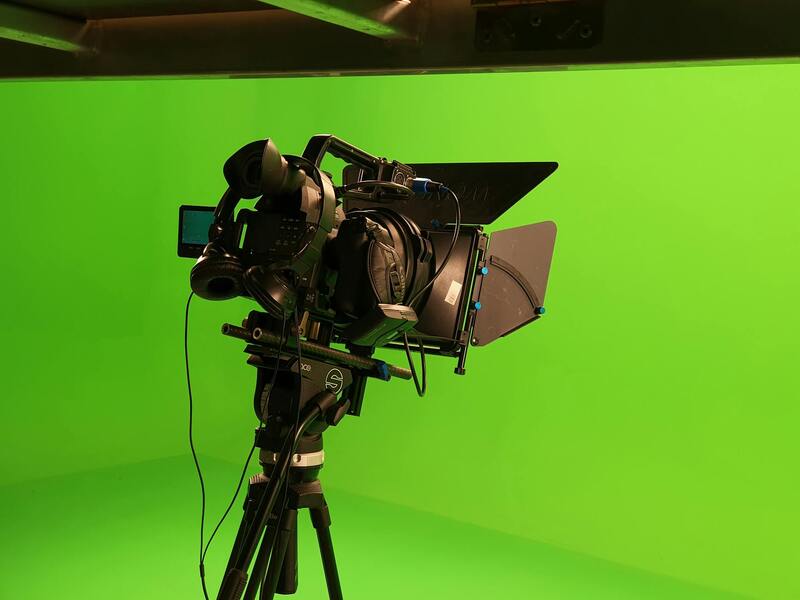
Effective pre-production is essential for a seamless interview process. It begins with defining clear objectives and understanding the message you want to communicate. Collaborate with your videographer to develop a shot list, determine the desired aesthetic, and select suitable locations, considering Miami’s diverse urban and natural settings. Detailed planning involves scheduling, permitting, and logistical arrangements to accommodate local regulations and environment-specific concerns. Communicate specific requirements for framing, lighting, and audio to ensure the videographer is prepared with appropriate equipment and backup strategies. Additionally, prepare interview questions and provide context to help your videographer capture footage that aligns with your narrative. Conducting a pre-shoot walkthrough can highlight potential challenges and facilitate adjustments well in advance, fostering a cohesive and efficient filming day.
Technical Aspects of Interview Videography
Mastering the technical components is crucial for capturing interviews that are clear, engaging, and visually compelling. A proficient interview videographer employs high-quality cameras capable of recording in resolutions that enhance detail and color accuracy. They understand the importance of proper framing and composition to highlight the interviewee and maintain audience engagement. Proper use of stabilization equipment, such as tripods or gimbals, ensures steady footage, especially in dynamic environments common in Miami’s urban landscape or outdoor settings.
Lighting plays a vital role in setting the tone and ensuring the subject is well-illuminated. An experienced videographer assesses natural lighting conditions on-site, supplementing with professional lighting equipment when necessary to eliminate shadows and enhance facial features. They are adept at managing different lighting scenarios, whether shooting indoors with controlled illumination or outdoors where sunlight varies throughout the day.
Clear audio quality is non-negotiable for impactful interviews. A skilled videographer uses lavalier microphones, boom mics, or wireless setups, ensuring minimal ambient noise and crisp speech clarity. They also prioritize sound check procedures and monitor audio levels throughout the shoot, which is especially important in Miami’s bustling environments.
On-Site Execution and Communication
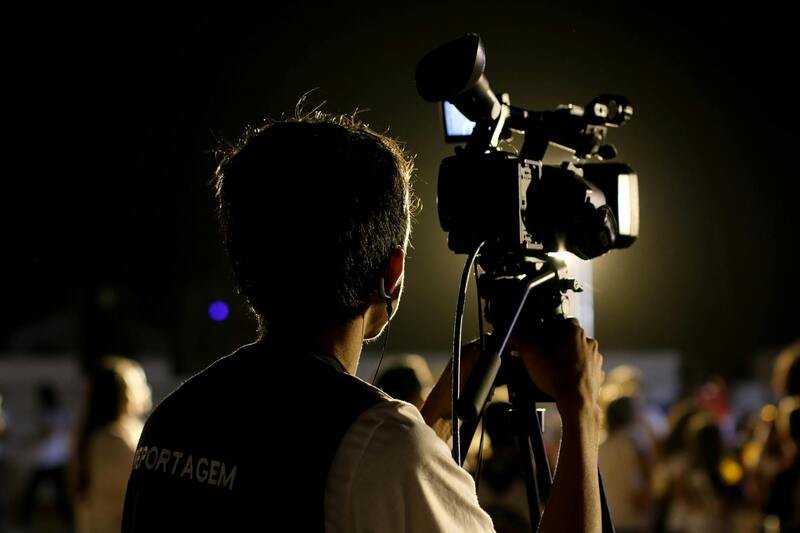
Effective on-site management involves seamless coordination and adaptability. An interview videographer in Miami needs to navigate a variety of logistical considerations, from securing permits for filming in certain locations to managing unpredictable weather conditions. They arrive prepared with backup equipment, ensuring that technical issues do not cause delays. Clear communication is essential to align on desired shots and to adapt quickly to changing circumstances.
During shooting, the videographer’s role extends beyond mere operation of equipment. They actively engage with the interview subject, creating a comfortable environment that encourages natural responses. They also maintain open dialogue with clients , providing updates and seeking feedback to ensure the footage aligns with project goals.
Post-shoot, the videographer should conduct an initial review to confirm footage quality and completeness. Prompt reporting of any issues allows for timely adjustments in post-production. Their responsiveness and professional attitude contribute significantly to a smooth project flow, ultimately delivering a polished final product.
Understanding the Importance of Proper Filming Techniques
When engaging an interview videographer, it is vital to understand the techniques that contribute to a compelling and professional final product. Proper framing and composition, for instance, are foundational elements that affect how viewers connect with the interviewee and the overall message. A skilled videographer will utilize the rule of thirds to position the interviewee and other elements harmoniously within the frame, creating visual interest and maintaining balance. Additionally, depth of field considerations are crucial; isolating the subject through selective focus can direct viewers' attention precisely where it needs to be.
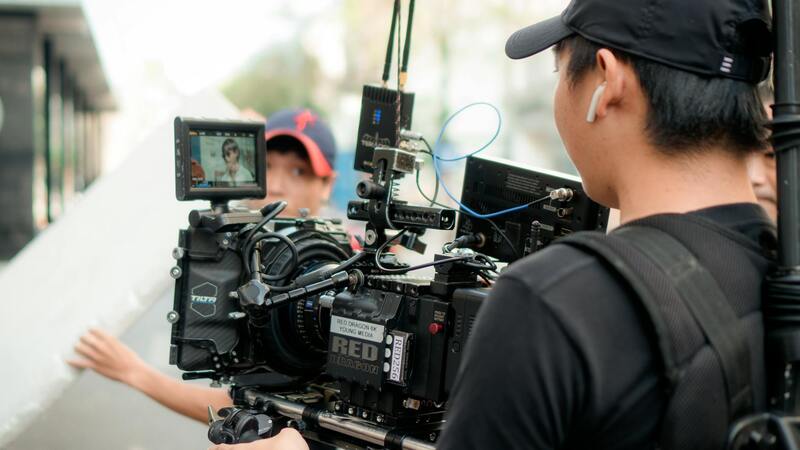
Lighting plays a significant role in capturing high-quality visuals. An experienced videographer will assess available natural lighting and supplement with professional lighting equipment to achieve consistent, flattering illumination. This reduces shadows and highlights the subject’s features clearly, even in challenging conditions. Miami's diverse environments, from indoor studios to outdoor cityscapes, demand an adaptable approach to lighting design to ensure each shot is optimized for quality.
Sound quality remains a top priority for professional interview filming. Utilization of high-grade microphones, sound dampening techniques, and diligent sound checks help eliminate background noise and ensure speech clarity. Given Miami’s bustling streets and vibrant atmospheres, employing windshields for outdoor recordings and monitoring audio levels throughout the shoot are non-negotiable practices that safeguard the integrity of the audio content.
Transitioning Between Technical and Artistic Elements
Technical proficiency in camera operation must be complemented by an artistic sensibility. A proficient videographer understands how to work with subjects, creating a rapport that encourages genuine responses. They also excel in adapting shot compositions dynamically, capturing multiple takes and angles to enrich the narrative. During the shoot, continuous monitoring of the technical parameters—such as exposure, white balance, and focus—is essential to maintain consistent quality across all footage.
In addition to the technical stations, the videographer's artistic eye guides the storytelling aspect, choosing moments and framing that enhance the interview's message. By skillfully balancing technical precision with creative vision, they ensure that the final product resonates with the intended audience, making every shot purposeful and engaging.
Data Management and Archiving
Post-shoot, efficient data management is critical. A reputable interview videographer will transfer footage securely to encrypted storage devices, creating backups to prevent data loss. Organizing the footage systematically with clear labeling facilitates a smooth editing process. Proper archiving ensures that project assets are preserved for future revisions or repurposing, maintaining workflow efficiency and safeguarding the client's investment.
Retaining high-resolution copies of raw footage allows for greater flexibility during editing and provides a safeguard against potential quality degradation. It also enables clients to access different versions or make further edits without requiring a reshoot, saving both time and resources. Clear communication with the client regarding the storage and access of footage fosters transparency and builds trust throughout the project lifecycle.