
Understanding Corporate Video Production
Corporate video production has become an essential component of modern business communication strategies. It involves the process of creating visual content specifically designed to serve a company's branding, marketing, internal communication, or training objectives. By integrating compelling visuals, narratives, and professional production techniques, businesses can communicate their messages more effectively to their target audiences.
In the digital age, consumers and clients increasingly prefer engaging multimedia content over traditional text-based formats. This shift has elevated corporate videos from simple promotional tools to vital assets that help establish brand authority and foster trust. A well-produced corporate video can showcase a company's core values, highlight product features, introduce team members, or explain complex processes with clarity and impact.
The process encompasses several stages, including conceptualization, scripting, filming, editing, and distribution. Each phase requires precise planning and execution to ensure the final product aligns with the business goals and effectively resonates with viewers. From procedural videos and corporate presentations to testimonials and event coverage, corporate video production caters to a wide variety of communication needs both internally and externally.
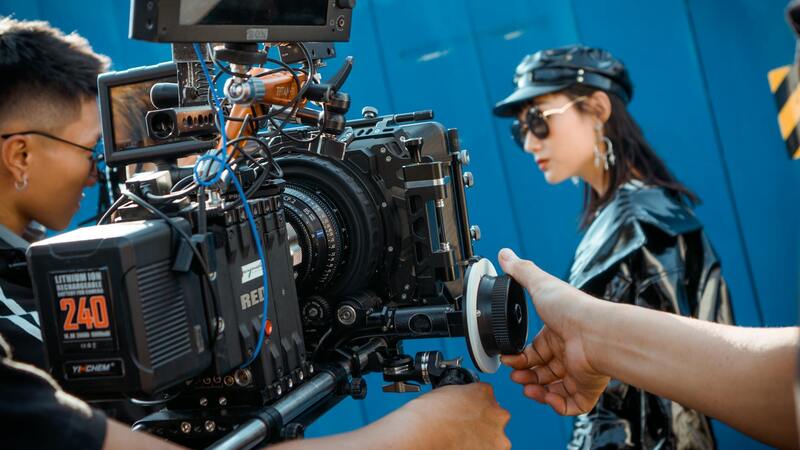
Choosing the right production partner is critical to achieving professional results. An experienced Miami-based corporate video production agency leverages local market understanding and technical expertise to craft videos that capture the unique identity of each business. These agencies typically offer comprehensive services, from initial strategy development through post-production, ensuring a seamless and efficient process.
Ultimately, corporate video production is a strategic investment that enhances brand visibility, elevates communication standards, and provides measurable benefits. When executed effectively, these videos serve as powerful tools to engage audiences, communicate messages clearly, and support overall business growth.
Pre-Production Planning and Strategy
Effective corporate video production begins with meticulous pre-production planning and strategic development. This phase involves defining clear objectives for the video, understanding the target audience, and establishing key messages that align with your company’s overall branding. A comprehensive plan ensures that every subsequent step is purpose-driven and productive.
During this stage, it is crucial to identify the type of video that best serves your goals—whether it’s an employee training clip, a product launch video, or a brand awareness advertisement. Developing a detailed script and storyboard provides a visual outline of the narrative flow, shot sequences, and messaging cues. This visual plan allows for better coordination among the production team and ensures that visual storytelling remains consistent throughout the process.
Coordination with stakeholders, including marketing teams, subject matter experts, and executives, helps refine the concept and eliminates ambiguities. Budgeting and scheduling are also essential aspects of pre-production, enabling the creation of a realistic timeline that accounts for all necessary resources, locations, and talent. Additionally, securing permits, arranging locations, hiring actors or presenters, and preparing equipment and props are integral components that contribute to a smooth production phase.
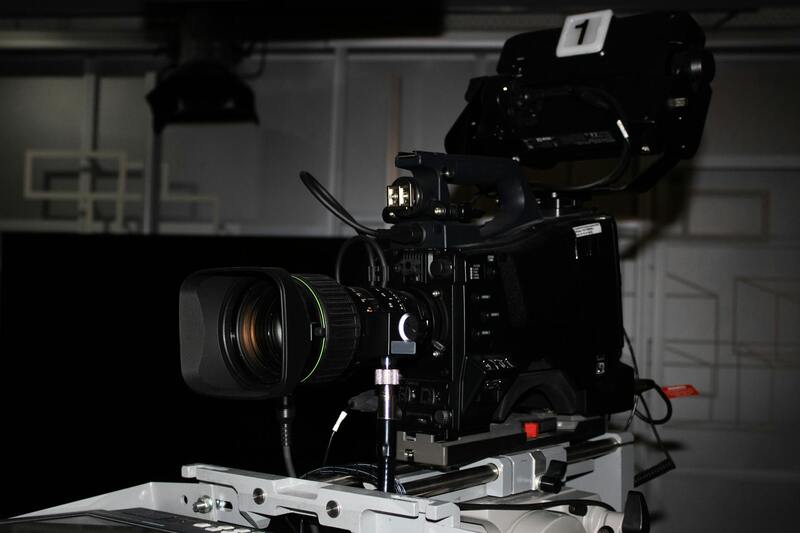
Having a solid pre-production foundation minimizes risks, curtails unnecessary expenses, and enhances overall efficiency. It also enables the production team to anticipate potential challenges and address them proactively. In choosing your Miami-based video production partner, look for an agency that offers strategic consultation during this planning stage, ensuring your vision is seamlessly translated into on-screen content.
Production Process and Filming Tips
The production phase involves executing the plans laid out during pre-production, bringing the vision to life through filming. This stage demands a high level of technical expertise, from camera operation and lighting to sound recording and on-set management. Ensuring top-tier production quality hinges on a well-coordinated team equipped with modern gear and a clear understanding of the project’s goals.
Proper lighting is essential to achieve visual clarity and mood—soft, diffused light is often preferred for professional looks, while accent lighting can emphasize particular subjects or features. Camera positioning and framing should reinforce the narrative, guiding the viewer’s attention in a deliberate manner. Employing a variety of shot types—close-ups, mid-shots, wide angles—adds visual interest and depth.
Sound clarity is equally vital; utilizing lapel microphones, boom mics, and soundproof environments minimizes ambient noise. Filming multiple takes and capturing B-roll footage enriches the editing process, providing flexibility in post-production. Throughout filming, maintaining clear communication among crew members helps address any unforeseen issues swiftly, ensuring the shoot stays on schedule.

Partnering with a professional Miami video production team that adheres to industry best practices guarantees high-quality visuals that effectively communicate your message. Their familiarity with local environments, vendor resources, and logistical challenges ensures a smooth filming experience and high-grade footage for post-production use.
Understanding Corporate Video Production
Corporate video production encompasses a strategic process that transforms a company's message into compelling visual content. It involves careful planning, creative development, technical execution, and final delivery to ensure that the video resonates with its target audience. A professionally crafted corporate video not only boosts brand recognition but also enhances communication within an organization, supports marketing efforts, and helps establish authority in the industry.
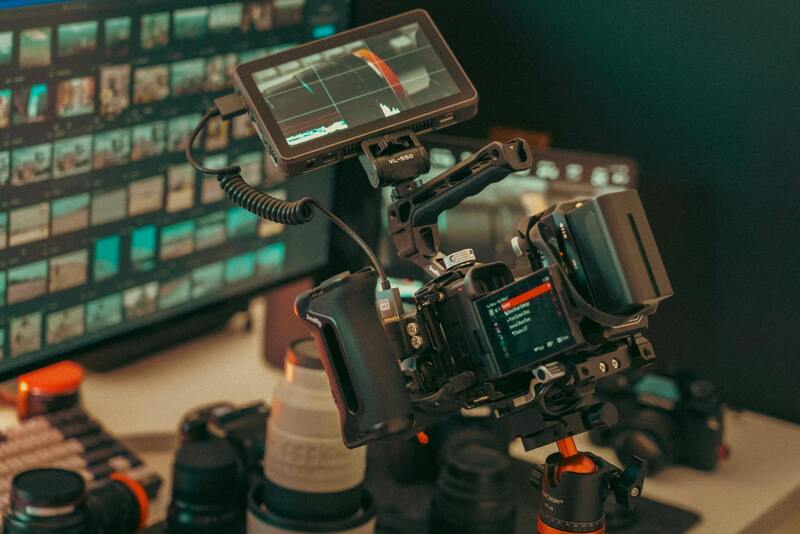
The process begins with understanding the core objectives of the business or campaign. This step includes identifying the target audience, determining the key message, and establishing the desired tone. From there, a comprehensive plan is developed that covers all aspects of production, including scripting, storyboarding, casting, location scouting, and scheduling. Each phase is crucial to ensure the final product aligns with the brand’s goals and delivers maximum impact.
Executing professional corporate videos requires an understanding of various technical elements. Camera operation, lighting, sound recording, and post-production editing must work cohesively to produce a polished final product. It is essential to employ industry-standard equipment and follow best practices that ensure clarity, visual appeal, and audiability. For example:
- Lighting setups to improve visual fidelity and set the mood
- Multiple camera angles to enhance storytelling
- Clear audio capture to ensure message intelligibility
- Meticulous editing to maintain flow and engagement
Furthermore, a thorough coordination between production members ensures efficiency and minimizes costly mistakes. An experienced video production team familiar with Miami’s unique environments and logistical challenges can navigate these complexities smoothly, delivering high-quality footage ready for post-production refinement.
Key Objectives of Corporate Videos
Effective corporate videos serve multiple strategic purposes that bolster a company's brand image and communication initiatives. These objectives include:
- Brand Awareness: Establishing and reinforcing the company’s identity through consistent visual themes and messaging.
- Customer Engagement: Creating content that resonates with viewers and encourages interaction or sharing.
- Informational Communication: Educating clients, stakeholders, or employees about products, services, or company updates.
- Recruitment: Showcasing company culture to attract top talent and improve employer branding.
- Thought Leadership: Demonstrating expertise by sharing insights, innovations, or industry insights that position the company as a leader.
Each of these objectives requires tailored messaging and presentation style. A professional Miami-based production team can craft videos that align particularly with regional audience preferences, leveraging local culture and industry-specific nuances. Precise targeting ensures the content resonates deeply and generates measurable engagement.
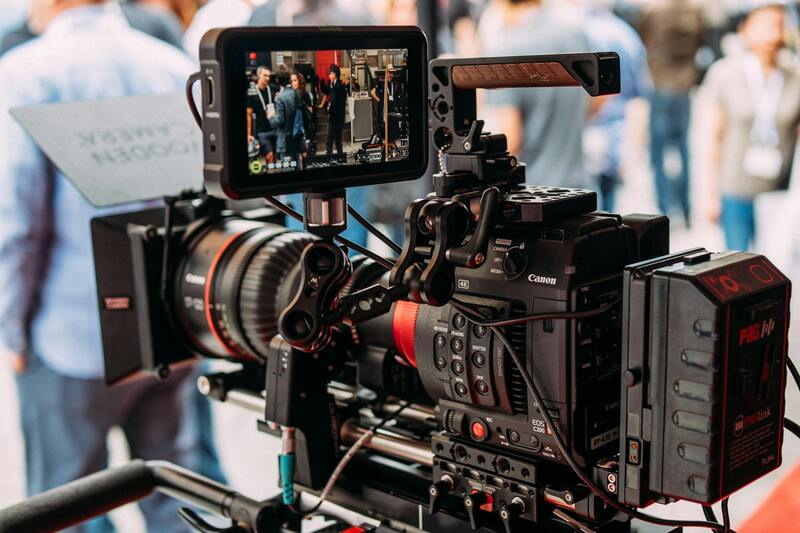
In essence, high-caliber corporate videos are strategic tools designed to support broader business goals. Their success hinges on meticulous planning, professional execution, and an understanding of the target demographic, all of which are critical elements handled by experienced production teams in Miami.
Production Process and Filming Tips
Executing a successful corporate video relies heavily on meticulous planning during the filming phase. To capture high-quality footage that aligns with the project's objectives, several key considerations should be taken into account by production teams.
- Lighting: Proper lighting not only ensures visibility but also sets the tone and mood of the video. Use soft, diffused lighting for interviews to create a professional look, while natural lighting can emphasize authenticity and openness.
- Camera Angles and Composition: Thoughtful framing directs viewer attention and reinforces messaging. Utilizing varying angles—such as close-ups for emotional impact and wide shots for context—provides visual interest and clarity.
- Sound Quality: Clear audio enhances professionalism and comprehension. Employ high-quality microphones and consider ambient noise levels to prevent distractions and ensure dialogues are intelligible.
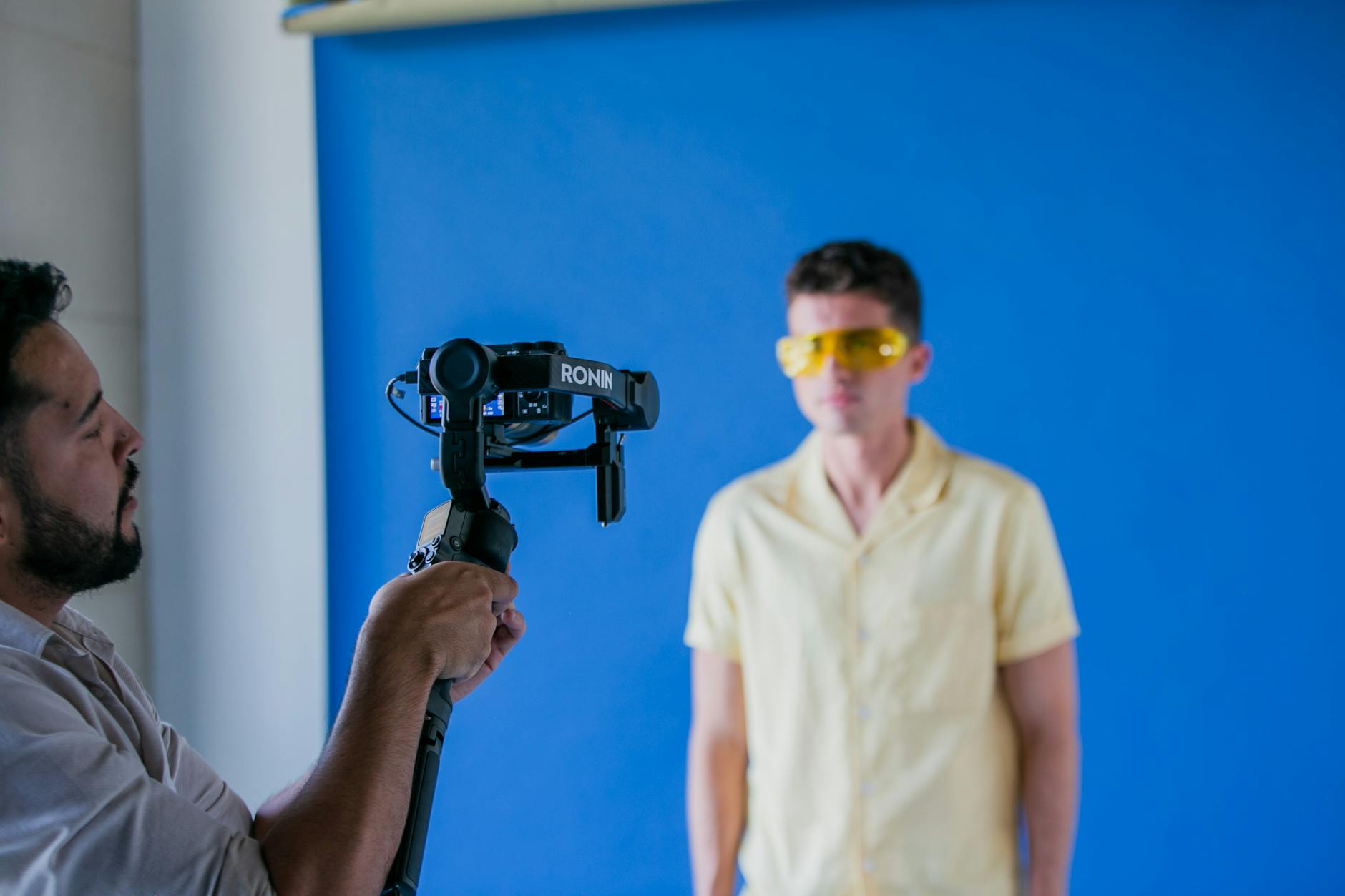
- Stability and Camera Movement: Steady shots convey stability and confidence. Use tripods, gimbals, or stabilization equipment to avoid shaky footage, especially during dynamic scenes or interviews.
- Location Management: Select settings that are relevant to the message and free from interruptions. Coordinate permits, schedule shoots during optimal times, and prepare backup plans for unforeseen circumstances.
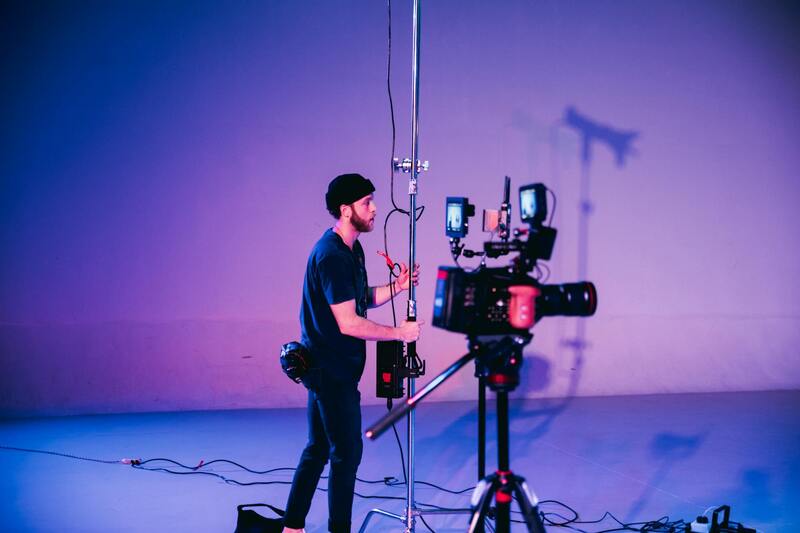
Maintaining seamless communication between the director, camera operators, and talent is vital for a cohesive shoot. Clear instructions and instant feedback facilitate adjustments that enhance the quality of the footage. Additionally, capturing multiple takes and different angles provides options during editing, allowing for a polished final product.
Incorporating on-location shoots that reflect Miami’s vibrant culture or specific industry environments can add authenticity and regional appeal. Ensuring all equipment is tested beforehand minimizes technical issues and keeps production on schedule. A well-organized production team, equipped with the right tools and planning, is fundamental to achieving a compelling corporate video that resonates with the target audience.
Ensuring Ethical and Proper Content Usage During Corporate Video Production
When developing corporate videos, adherence to established content usage guidelines is essential to foster trust, uphold brand integrity, and avoid potential legal complications. This involves careful management of all visual and audio elements to ensure that only authorized materials are utilized, respecting intellectual property rights, and maintaining transparency with all stakeholders involved.
One critical aspect is securing the rights to any third-party content incorporated into the video. This might include music tracks, stock footage, images, or other multimedia elements. Obtaining proper licenses and permissions before usage guarantees that the content is legitimately integrated, preventing infringement issues that could hinder distribution or damage brand reputation.
Similarly, it is vital to handle talent releases diligently. This involves documenting consent from all individuals featured in the footage, which clarifies permissions related to photography, recording, and subsequent use of their likenesses. These releases should specify the scope of usage, duration, and distribution channels to avoid misunderstandings or disputes later on.
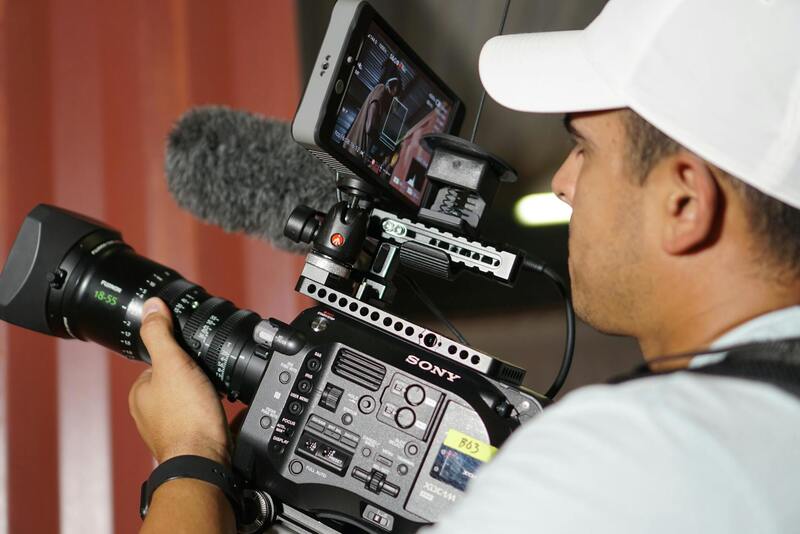
Maintaining accurate records of all permissions and licenses is a key practice. Such documentation not only ensures compliance but also facilitates smooth workflows during editing and distribution phases. Companies should work closely with legal advisors or rights management experts to verify that all content integrations meet the appropriate standards.
Another vital point involves avoiding the use of unverified or unverifiable content sources. Relying on reputable stock image libraries, licensed music providers, and trusted content creators mitigates the risk of content disputes. This responsible approach enhances a company’s credibility and aligns with best practices for professional corporate video production.
Transparency in communication regarding content source and usage rights contributes to a clear understanding among all project partners. When everyone involved, from content creators to clients, is aware of these parameters, it fosters a cooperative environment that prioritizes legal compliance and professional integrity.
Adhering to these measures during the production process not only preserves the company's brand reputation but also ensures that the final product can be widely shared and utilized across various platforms without restrictions.
Production Process and Filming Tips
Executing a successful corporate video begins with meticulous planning and adherence to established production protocols. During the filming phase, attention to detail is paramount to capture high-quality footage that effectively communicates the intended message. Strategic shot framing, appropriate lighting, and clear audio capture are fundamental components that influence the overall quality of the final product.
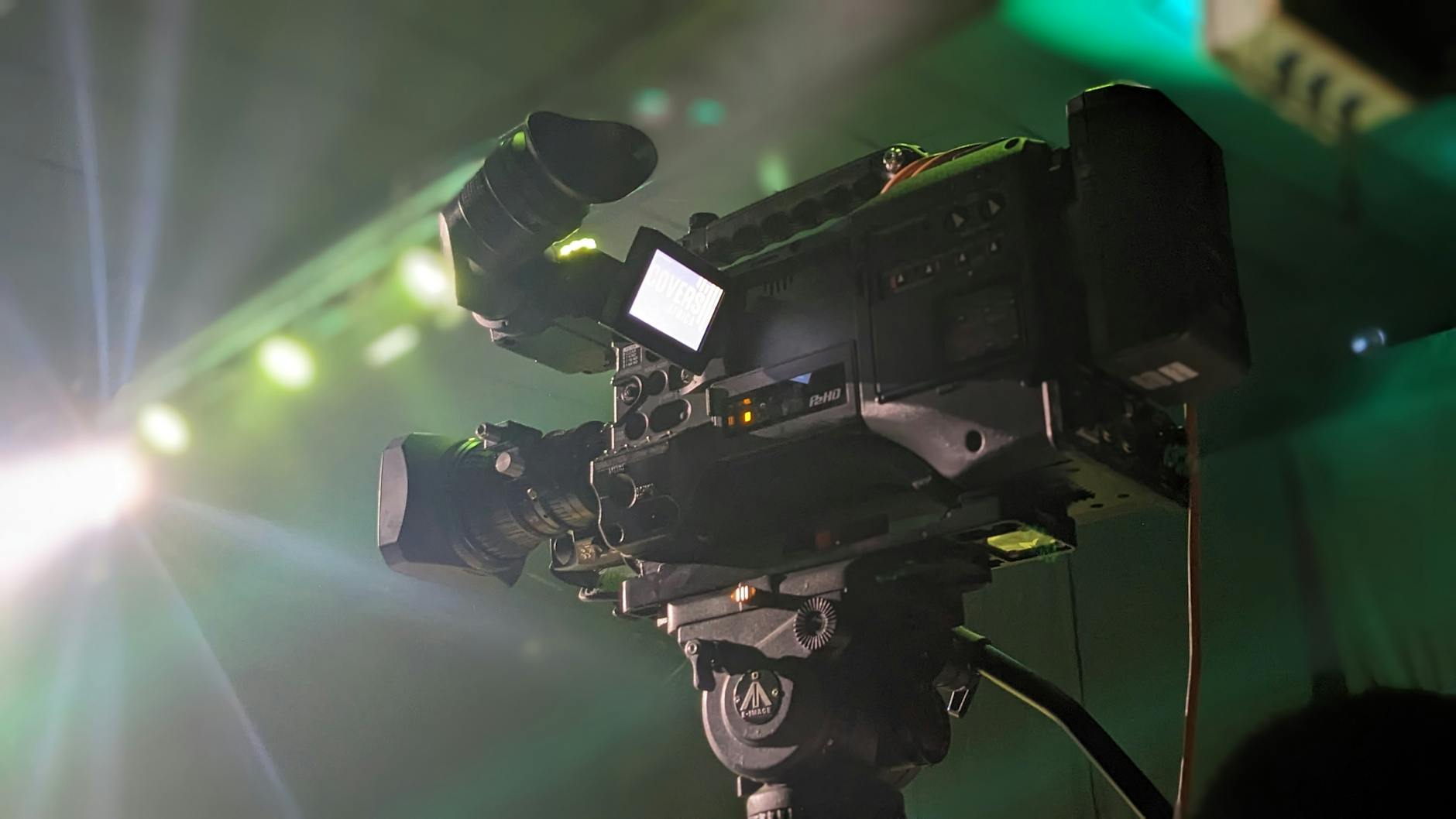
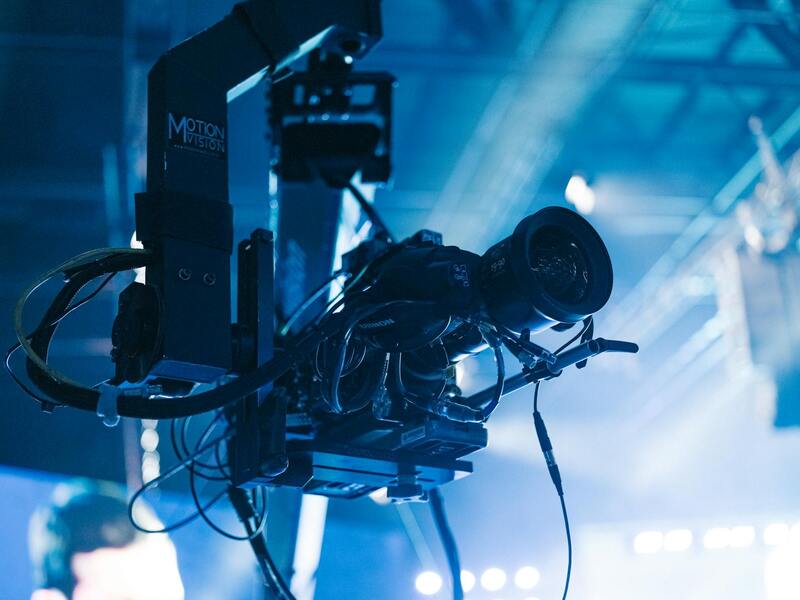
One of the primary considerations during production is ensuring that all equipment is well-maintained and suitable for the specific environment and objectives. This includes selecting the right cameras, lenses, stabilizers, and audio peripherals tailored to the scenes being shot. For instance, capturing dynamic company events may require versatile camera setups that accommodate different angles and movement, while interview segments demand high-quality sound equipment to preserve clarity and professionalism.
 igure>
Preparation extends beyond technical aspects; it encompasses logistical planning to optimize shooting schedules and locations. Scouting locations beforehand allows for identifying ideal setups, minimizing disruptions, and coordinating with clients or representatives on-site. Stocking the necessary equipment, coordinating talent, and scheduling shoots during optimal times contribute to seamless filming sessions.
Incorporating best practices such as maintaining a shot list and storyboard can streamline the production process, ensuring all necessary scenes are captured efficiently. Additionally, continuous communication with the production team helps address unforeseen challenges promptly, maintaining a steady workflow that adheres to timelines and quality standards.
Securing necessary permits and permissions for filming locations aligns with professional standards and prevents potential delays. Furthermore, establishing clear cues and directions helps talent and crew remain aligned with the creative vision, resulting in cohesive footage that resonates with viewers.
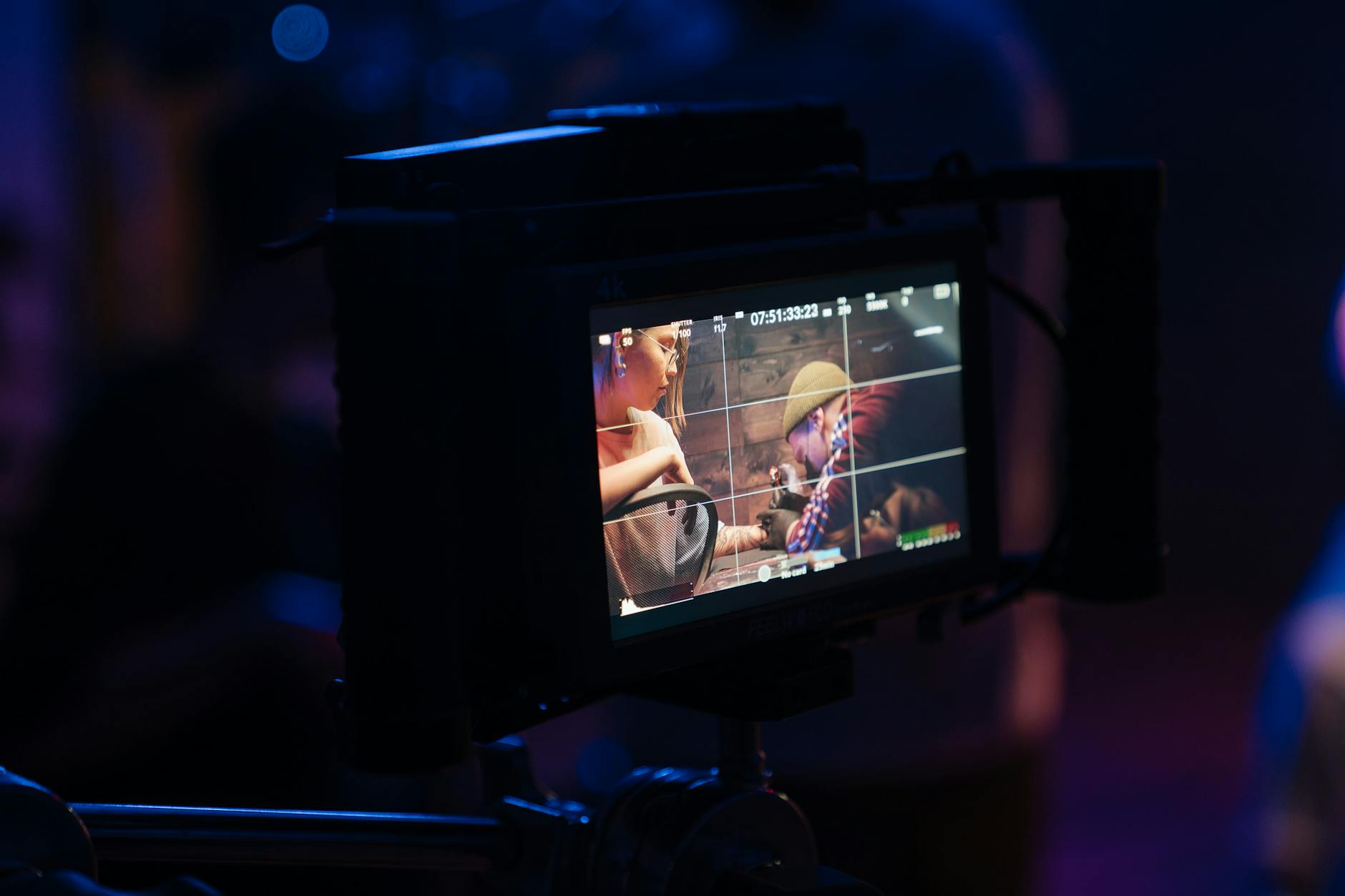
During filming, it’s beneficial to monitor footage in real-time when possible to identify issues immediately, reducing the need for reshoots and speeding up post-production. Vigilance in capturing multiple takes and angles provides valuable options during editing, enhancing the final cinematic quality.
 igure>
Finally, a structured approach to filming, emphasizing safety, clarity, and efficiency, lays a solid foundation for the subsequent editing process and ensures the final product meets the company’s strategic communication goals. This disciplined methodology contributes significantly to producing effective, memorable corporate videos that engage audiences and reinforce brand messaging.
Distribution and Use Cases
After the meticulous process of planning, filming, and editing concludes, the strategic deployment of corporate videos is crucial to maximizing their impact. Effective distribution ensures that the investment in professional video production reaches the intended audience, whether internally within the organization or externally across various digital platforms.
One of the primary channels for sharing corporate videos is through company-owned digital assets. This includes embedding videos on the official corporate website, distributed through email newsletters, or featured on internal portals. These methods facilitate direct communication with employees, stakeholders, and clients, fostering engagement and reinforcing corporate messages.
Social media platforms serve as powerful tools to extend the reach of corporate videos. Platforms like LinkedIn, YouTube, Facebook, and Twitter offer targeted opportunities to connect with specific demographics. Optimizing videos for each platform’s specifications, such as aspect ratio and length, enhances viewer engagement and ensures that messaging resonates effectively.
In addition to digital channels, corporate videos are highly effective during live events, trade shows, and conferences. Incorporating videos into presentations or using them as part of a booth setup can draw attention, communicate complex ideas succinctly, and leave lasting impressions on audiences.
For internal purposes, videos can serve as training materials, onboarding tools, or company updates. Distributing these through secure intranet systems or dedicated learning management platforms ensures consistent messaging within the organization. Consistent branding and a professional tone across all distribution points are essential to maintaining credibility and reinforcing corporate identity.
Employing analytics tools to monitor viewer engagement, click-through rates, and shares helps assess how well the videos are performing. This data guides future content creation and distribution strategies, ensuring continuous improvement in communication efforts.
Overall, a targeted, multi-channel distribution approach enables organizations to get the most value from their corporate video investments, fostering stronger connections with audiences and achieving strategic communication objectives.
Distribution Strategies and Best Practices for Corporate Video Content
Maximizing the reach and impact of corporate videos requires employing official, proven distribution methods that align with organizational goals. These strategies ensure that your message not only reaches the intended audience but also resonates and drives meaningful engagement. Leveraging multiple channels and formats is critical to maintaining consistency, enhancing visibility, and reinforcing your brand identity across all touchpoints.
Utilizing Digital Platforms for Broader Reach
Digital platforms serve as primary channels for disseminating corporate videos. Websites, social media channels, and video hosting sites like YouTube or Vimeo offer vast audiences and targeted advertising options. Embedding videos directly on your corporate website enhances credibility and keeps visitors engaged with your brand. Sharing on platforms like LinkedIn and Twitter amplifies professional outreach, fostering industry connections and stakeholder engagement.
Integrating Video Content into Internal Communications
Internally, corporate videos are invaluable tools for training, onboarding, and updates. Distributing these materials through secure intranet portals, learning management systems (LMS), or dedicated internal channels ensures consistent messaging within the organization. Regularly updating employees with video content about company initiatives, policies, or success stories helps foster a cohesive corporate culture and improves engagement levels.
Email Campaigns and Targeted Messaging
Email marketing remains a powerful method for direct communication. Personalized email campaigns featuring embedded or linked videos can increase open rates and interaction. Segmenting audiences based on department, role, or location allows for tailored messages, ensuring relevance and boosting the effectiveness of your communication efforts.
Trade Shows, Conferences, and Live Events
In-person events provide additional avenues for presenting corporate videos. Incorporating videos into presentations, trade show booths, or live streams captures attention and effectively conveys complex ideas. High-quality productions displayed at these gatherings leave a lasting impression, enhance brand recognition, and foster meaningful relationships with potential clients and partners.
Measuring Effectiveness and Continuous Optimization
Assessing the performance of your distribution efforts is essential for refining strategies. Utilizing analytics tools to monitor viewer engagement, watch time, click-through rates, and shares provides insights into content relevance and impact. Feedback collected via surveys or focus groups can further inform content adjustments, ensuring your corporate videos continue to meet audience expectations and organizational objectives.
Aligning Distribution with Overall Marketing and Communication Goals
Effective distribution strategies are integrated into broader marketing and communication plans. Coordinating video releases with product launches, corporate announcements, or seasonal campaigns maximizes their impact. Consistency in messaging and presentation across channels enhances brand recognition and trust among your audience. Regular review and updating of distribution tactics ensure that your corporate videos adapt to evolving platforms and audience preferences, maintaining their effectiveness over time.