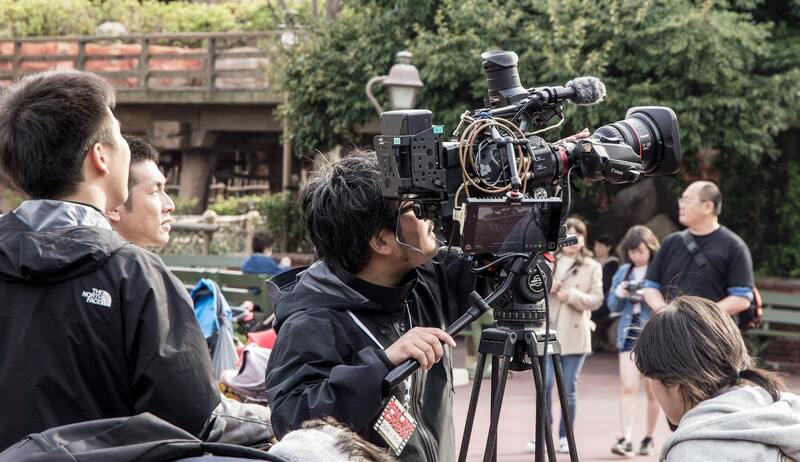
Understanding the Purpose of a Corporate Video
Creating an effective corporate video begins with a clear understanding of its primary objectives. Whether aimed at strengthening brand identity, providing training to employees, or boosting marketing efforts, defining the main goals early on sets the foundation for a successful production. A well-articulated purpose not only guides the creative process but also ensures that every element of the video aligns with the company's overarching strategies.
When companies seek to produce a corporate video, they must consider what they hope to achieve. Is the goal to introduce a new product or service to potential clients? Or perhaps to showcase company culture and values to attract top talent? Clarifying these aims allows for the development of tailored messages, appropriate tone, and targeted visuals. For instance, a marketing-focused video emphasizing product features will differ significantly from an internal training video designed to instruct employees on new procedures.

Establishing key performance indicators (KPIs) related to the video's goals is equally important. These benchmarks could include viewer engagement metrics, audience retention rates, or conversion statistics. By setting measurable outcomes, companies can evaluate the effectiveness of their corporate videos more objectively and make data-driven decisions for future content.
The process of defining these goals involves collaboration among various departments, including marketing, HR, product management, and executive leadership. This collaborative approach guarantees that the video's message is consistent with the company's values and strategic directives. Clear goals also streamline subsequent stages of production, saving time and resources while maximizing impact.
Ultimately, understanding the purpose of a corporate video is the cornerstone of a cohesive and compelling visual narrative. It informs every phase of the production process, from scriptwriting and storyboarding to filming and distribution, ensuring that the final product effectively communicates the intended message to its audience.
Understanding the Purpose of a Corporate Video
Identifying the core objectives of a corporate video is essential to crafting a compelling and effective visual communication tool. Whether the goal is to increase brand awareness, educate employees, showcase a new product, or improve customer engagement, clarifying these aims guides every subsequent step in the production process. This understanding influences the tone, style, and content of the video, ensuring alignment with overall business strategies and audience expectations.
For example, a corporate video intended for internal training will prioritize clarity and instructional value, often incorporating step-by-step visuals and direct messaging. Conversely, an external marketing video might focus on storytelling and emotional appeal to foster brand loyalty. Determining the primary purpose helps in selecting appropriate visual elements, narrative tone, and distribution channels to maximize impact.
Establishing measurable objectives, such as viewer engagement levels, audience retention rates, or specific call-to-actions, allows companies to gauge the effectiveness of their content. Setting these benchmarks early enables ongoing assessment and refinement, aligning future videos more closely with strategic goals.
Furthermore, collaborative input from various departments—marketing, sales, HR, and leadership—ensures that the video's messaging is cohesive and comprehensive. This multidisciplinary approach guarantees that the final product accurately reflects organizational values, addresses targeted audiences, and supports overarching business initiatives.
A well-defined purpose acts as a guiding star throughout all phases of production, from initial concept development to final distribution. It ensures the creation of a coherent and impactful message, facilitating stronger connections with viewers and more successful communication outcomes.
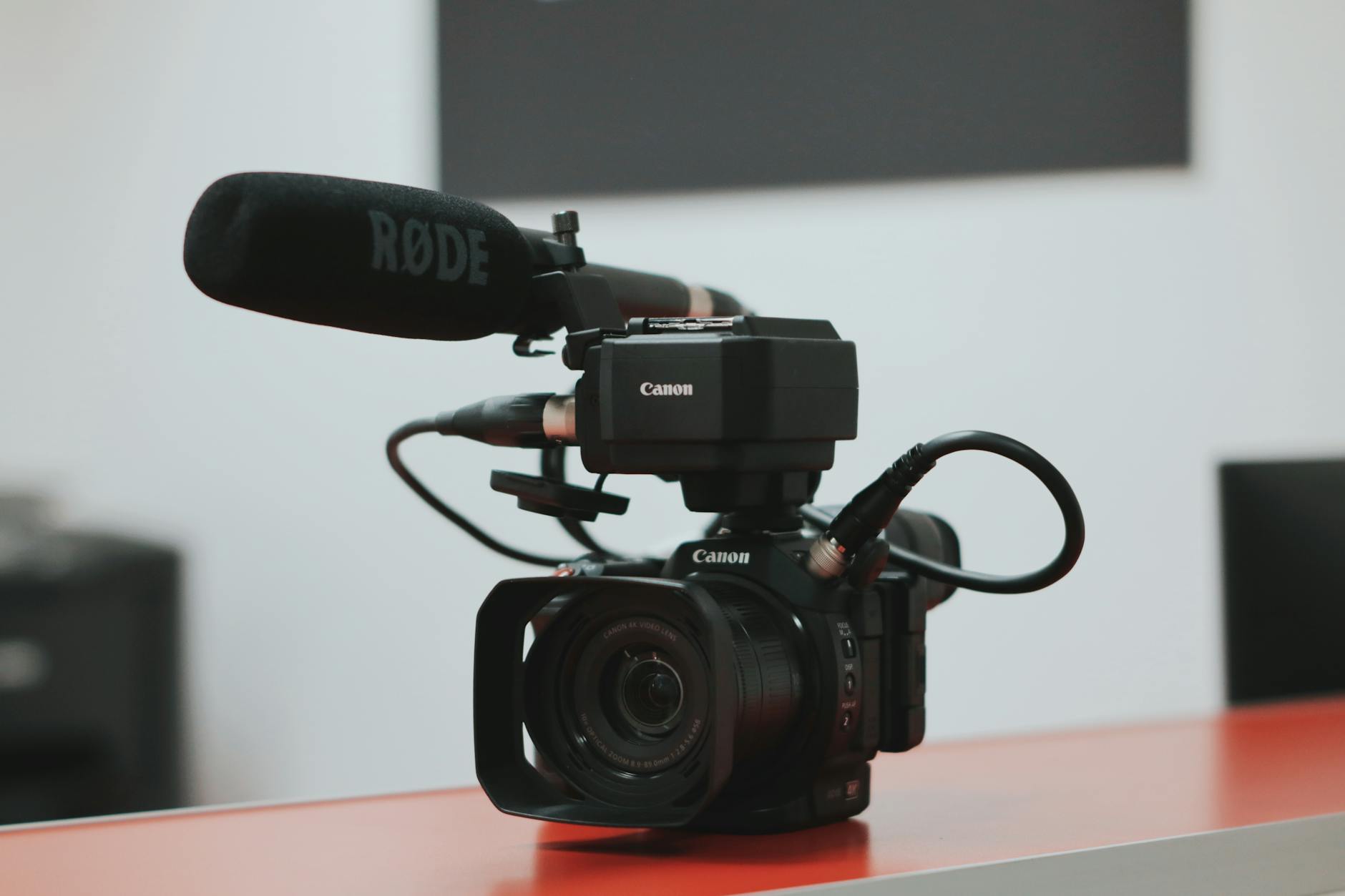
Pre-Production Preparation
Achieving a seamless and impactful corporate video starts with meticulous preparation. During this phase, organizations establish a clear budget that aligns with their overall marketing or communications strategy. Accurate budgeting ensures all aspects of production—from creative development to post-production editing—are adequately funded, preventing costly overruns that could compromise the project’s quality or scope.
Selecting the right locations is equally critical. Location scouting involves choosing environments that reinforce the message and brand identity, whether they are on-site at a company location, external venues, or studio settings. Each choice should consider logistical factors such as accessibility, permits, and acoustics, to facilitate a smooth filming process.
Casting is another vital component. For corporate videos, the right talent—be it company executives, employees, or professional actors—can significantly influence the authenticity and credibility of the content. Carefully auditioning and selecting individuals who represent the organization ensures the message resonates genuinely with viewers.
Assembling a competent production team is fundamental to maintaining quality standards. This team typically includes directors, videographers, lighting specialists, sound engineers, and makeup artists. Their expertise contributes to capturing high-quality footage that aligns with the envisioned concept.
Scheduling involves creating a detailed timeline that maps out every stage of the production, from initial shoot days to post-production deadlines. Effective scheduling minimizes delays and overlaps, ensuring resources are utilized efficiently and the project stays within timeline constraints.
Implementing thorough pre-production planning reduces unforeseen obstacles during filming. It also establishes a clear roadmap, enabling all stakeholders to align their efforts and expectations. This level of organization fosters a productive environment and elevates the overall quality of the final product.

Understanding the Purpose of a Corporate Video
Clarifying the core objectives of a corporate video is essential before initiating any creative work. Whether the goal is to boost brand awareness, explain a new product, attract investors, or enhance internal communications, each purpose dictates the tone, style, and content structure of the video.
Targeted messaging is developed based on comprehensive audience analysis. Identifying the demographic profile, interests, and media consumption habits of viewers enables content creators to tailor messaging that speaks directly to their needs and preferences. This approach elevates engagement and encourages meaningful interactions with the content.
Strategic alignment is another crucial aspect. By establishing specific, measurable objectives—such as increasing website traffic, generating leads, or improving employee onboarding—the production team can craft content that directly supports these goals. This alignment ensures efforts are focused and resources are directed towards outcomes that contribute to broader organizational priorities.
Flexibility in purpose allows for adaptability. As market conditions or business strategies evolve, so too can the messaging and focus of existing videos. Regular reviews based on analytics and feedback can inform necessary adjustments, keeping content current and effective.
The clarity of purpose also streamlines the entire production trajectory. It informs creative decisions, guides scriptwriting and visual design, and facilitates effective collaboration among stakeholders. Ultimately, defining the purpose early enhances the relevance and impact of the final product, making it a powerful tool in achieving organizational success.
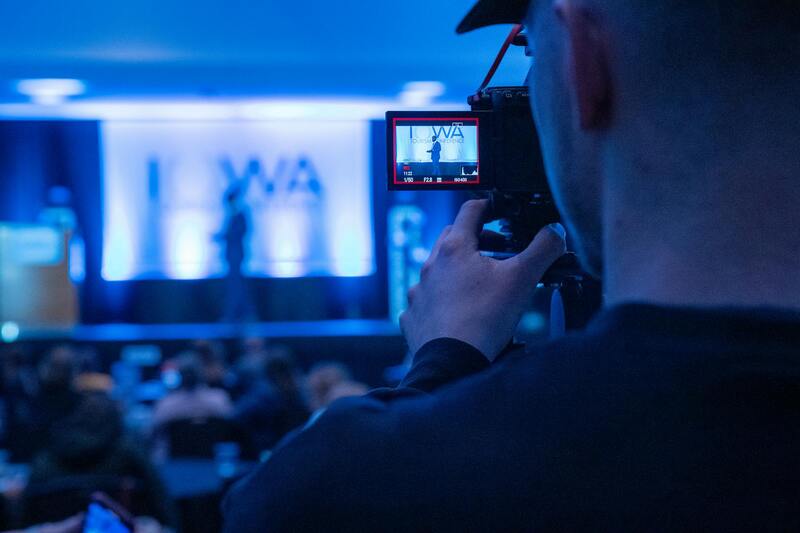
Understanding the Purpose of a Corporate Video
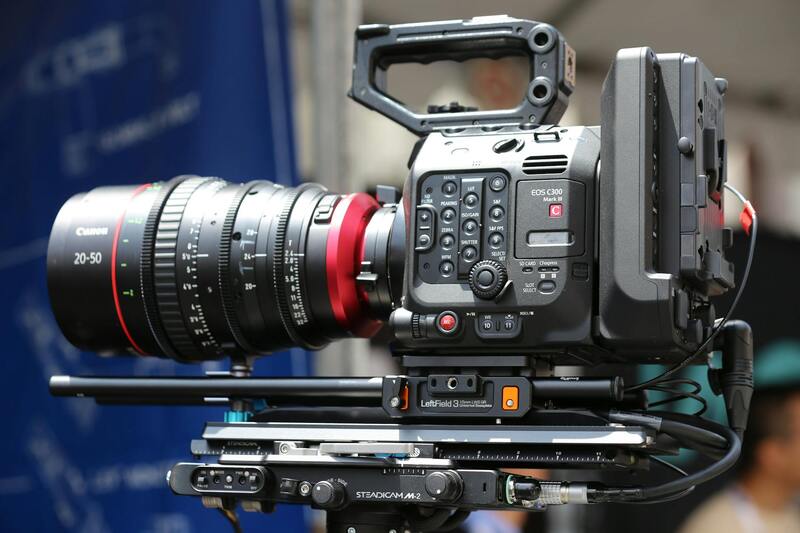
Defining the core objective of a corporate video is critical to its overall success. Whether aiming to enhance brand awareness, educate customers, attract potential employees, or communicate new company initiatives, a well-articulated purpose guides every aspect of production. Clear goals allow for targeted messaging, ensuring that the final product resonates with the intended audience and effectively conveys the desired message.
For instance, a video designed to promote a new product line will have different tone, content, and visual style compared to an internal training video. By establishing what the organization hopes to achieve—be it increasing sales, strengthening company culture, or building investor confidence—the production team can tailor the content accordingly. This alignment guarantees that each element, from scripting to visual design, reinforces the overarching purpose, producing a cohesive and impactful final product.
Planning and Concept Development
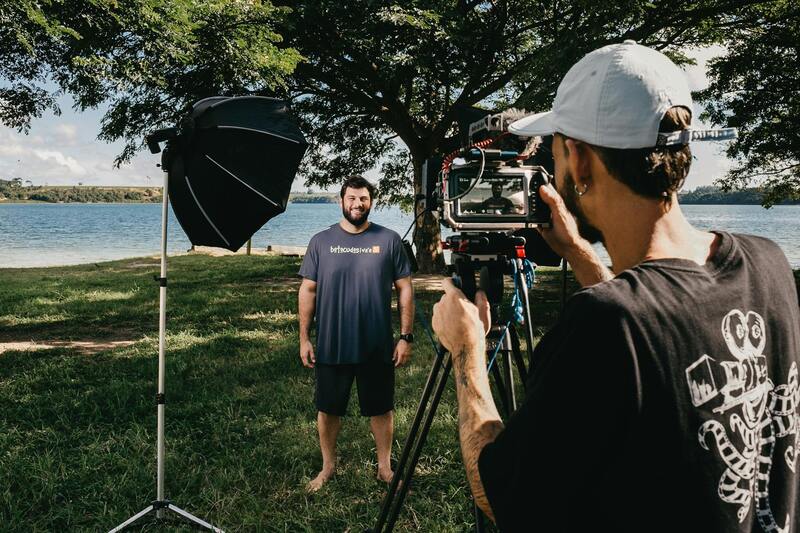
Once the purpose is established, developing a comprehensive plan and creative concept becomes the next step. This phase involves brainstorming ideas that align with the strategic goals, selecting visual styles that appeal to the target audience, and formulating a compelling narrative. Creative brainstorming sessions often include scripting initial ideas, storyboarding sequences, and deciding on the tone—whether professional, humorous, inspirational, or instructional.
During this stage, it's essential to consider the logistical aspects such as location choices, talent casting, and resource allocation. Crafting detailed storyboards and shot lists lays out the visual and narrative flow, ensuring everyone involved understands the vision. Collaboration among stakeholders—marketing teams, creative consultants, and executives—fosters clarity and helps refine the concept before moving into production.
Pre-Production Preparation
Pre-production is the foundation for a successful shoot, involving meticulous planning to prevent costly delays and ensure quality output. It includes tasks such as securing permits for locations, confirming availability of equipment and personnel, and scheduling filming days to maximize efficiency.
To prepare for production, a detailed script and shot list are finalized, ensuring all scenes are planned, and equipment requirements are identified. Equipment considerations may range from choosing multiple camera angles, lighting setups, to sound recording tools necessary for capturing clear audio. Casting actors or on-screen talent, coordinating wardrobe, and rehearsing key scenes also fall under this phase. Effective pre-production planning minimizes surprises during shooting, facilitates smooth operations, and results in footage that aligns with the original creative vision.

Leveraging professional expertise from industry specialists can significantly enhance pre-production quality. Collaborating with professionals who understand the nuances of corporate messaging ensures a cohesive and compelling deliverable. An experienced production team will incorporate best practices in planning, from securing permits to managing timelines, allowing organizations to focus on content without logistical worries.
Ensuring Quality Through Professional Editing and Post-Production Techniques
Post-production is the critical phase where raw footage transforms into a compelling corporate video. This stage involves meticulous editing to assemble scenes cohesively, ensuring the narrative flows seamlessly and aligns with the strategic goals established during planning. Skilled editors evaluate footage for continuity, pacing, and clarity, making precise cuts that enhance storytelling and viewer engagement.
Sound design plays a vital role in reinforcing the message and maintaining audience interest. Clearing, balancing, and layering sound effects, voice-overs, and background music ensure audio complements visuals effectively. Employing professional sound engineers can eliminate distractions like ambient noise and enhance the overall production quality.
Visual effects (VFX) and motion graphics are often incorporated during post-production to highlight key data points, add branding elements, or create dynamic transitions that maintain viewer attention. These enhancements should be consistent with the brand identity and reinforce the corporate message without overpowering the content.
Throughout the editing process, teams perform iterative reviews, adjusting elements until the video maintains a cohesive tone and visual identity that accurately reflects the organization's values and objectives. Clear communication with stakeholders ensures edits align with expectations, enabling revisions that refine the narrative and enhance impact.
Once the visual and audio components are polished, color correction and grading bring a professional finish, ensuring color consistency and visual appeal across all scenes. Delivery formats are then optimized for various platforms, including websites, social media, and presentations. Tailoring the output to specific formats guarantees compatibility and preserves quality across all distribution channels.
Understanding the Importance of Distribution Channels for Your Corporate Video
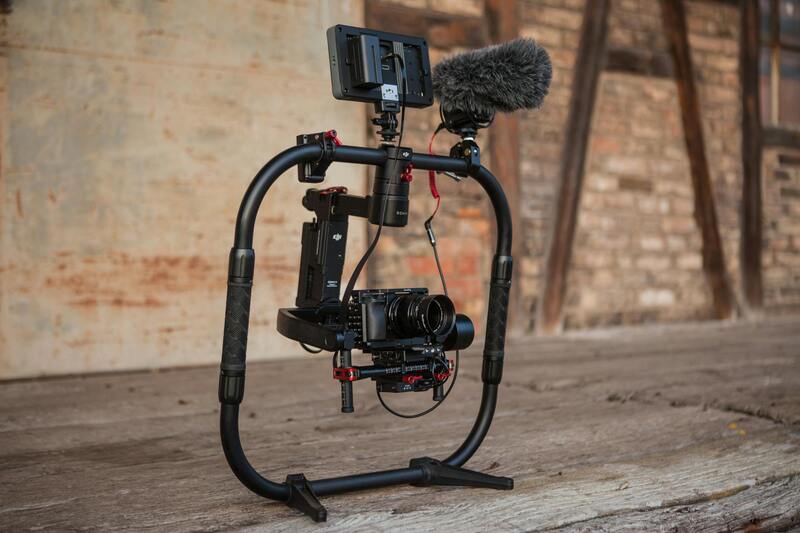
Once your corporate video has been meticulously crafted and polished during the post-production phase, the next critical step involves strategic distribution and promotion. Effective dissemination of your video ensures that its message reaches the intended audience, elevates brand awareness, and achieves your organizational objectives.
Identifying Optimal Platforms for Distribution
Choosing the right channels is fundamental to maximizing visibility and engagement. Consider the following key platforms:
- Company Website: Embedding the video on your official website provides visitors with direct access, enhancing credibility and encouraging time spent on your site. Featured prominently on landing pages or the homepage can increase engagement rates.
- Social Media Networks: Platforms such as LinkedIn, Twitter, Facebook, and Instagram offer targeted reach. Tailoring your video content to fit each platform’s format and audience preferences can foster sharing and interaction.
- YouTube and Video-Sharing Platforms: Hosting your video on YouTube allows for broader discoverability through search. Optimizing video titles, descriptions, and tags enhances organic reach and facilitates integration with other marketing efforts.
- Email Campaigns: Incorporating videos into newsletters and email blasts can boost open and click-through rates. Videos within email content can succinctly communicate complex messages.
- Industry Events and Presentations: Playing videos during conferences, webinars, or stakeholder meetings can reinforce your corporate message and brand identity.
Optimizing Video Content for Different Platforms
To ensure your corporate video resonates across various channels, consider adaptations that enhance viewer experience:
- Format and Aspect Ratio: Different platforms favor specific formats. For instance, square videos perform well on Instagram, while landscape orientation is suitable for desktop viewing on your website.
- Thumbnail and Titles: Engaging thumbnails and compelling titles facilitate click-throughs and viewer curiosity.
- Captions and Text Overlays: Including subtitles and on-screen text caters to viewers watching without sound and emphasizes key messages.
- Call-to-Action (CTA): Clear, visible CTAs guide viewers toward the next step, whether visiting a site, downloading a resource, or contacting your team.
Leveraging Paid Promotions and Organic Reach
Combining organic sharing with paid advertising campaigns can significantly enhance your video’s visibility. Targeted social media ads, sponsored content, and boosted posts allow for precise audience segmentation based on demographics, interests, and behaviors. Strategic promotion ensures your corporate message penetrates the desired market segments efficiently.
Measuring the Impact of Your Distribution Efforts
Tracking performance metrics is essential for assessing the effectiveness of your distribution strategy. Key indicators include view counts, engagement rates, click-through ratios, and conversion metrics. Analyzing this data helps refine ongoing campaigns and informs future content creation efforts.
Understanding the Purpose of a Corporate Video
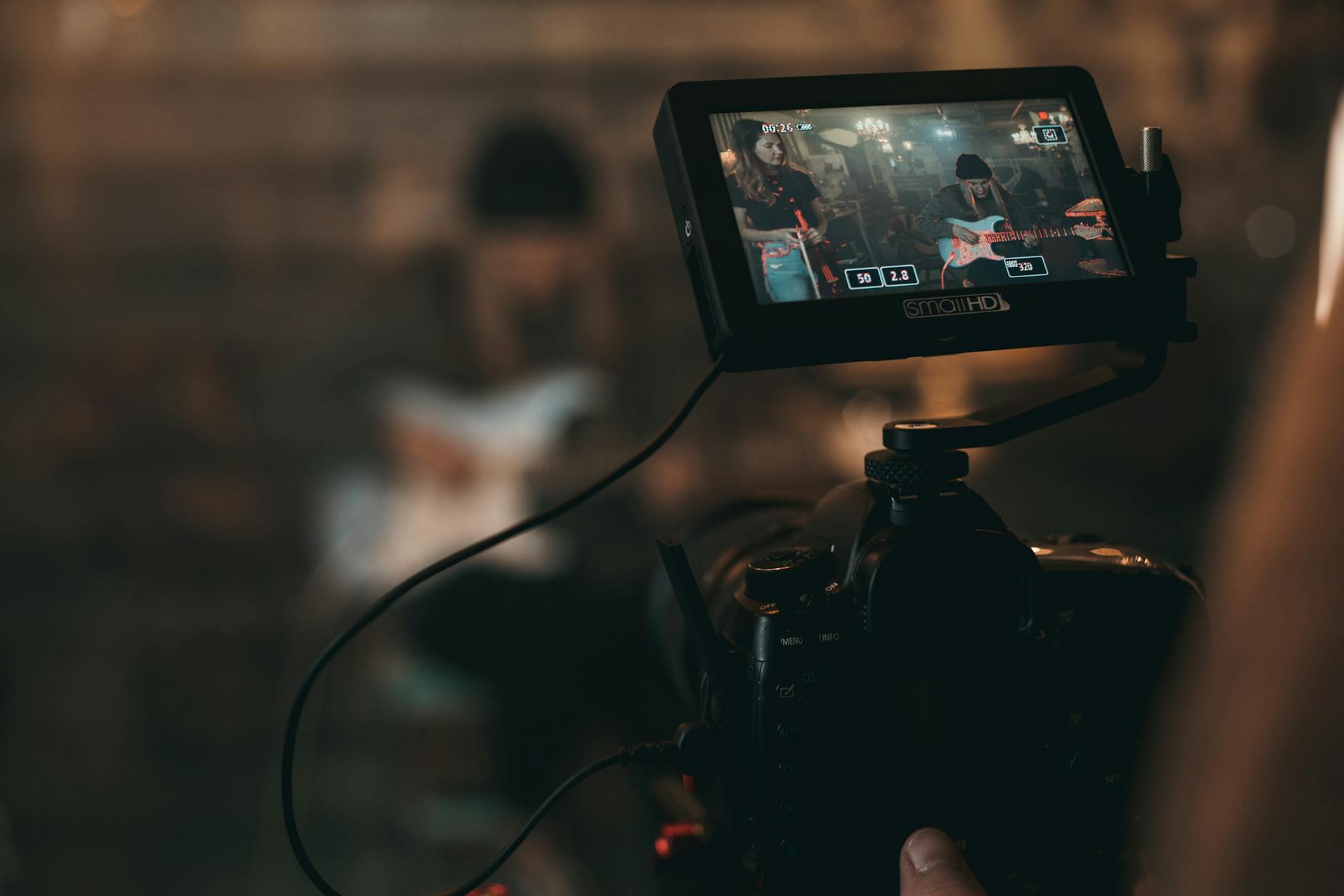
Crafting a corporate video requires a clear understanding of its core objectives. These videos serve multiple purposes, from strengthening brand identity and showcasing company culture to educating clients, attracting new talent, or highlighting product innovations. Defining the specific goals early in the process ensures that every element of the production aligns with these intentions.
For example, if the goal is to demonstrate a new product's superiority, the video should focus on detailed visuals, clear messaging, and customer benefits. On the other hand, a brand-awareness video might emphasize storytelling, emotional appeal, and visual consistency with the company's existing identity. Precise targeting of the message helps in creating a more impactful piece that resonates with the intended audience.
Moreover, understanding the audience profile — including their preferences, needs, and the platforms they frequent — guides the tone and format of the video. Whether aiming for a professional tone suitable for LinkedIn or a more casual approach for Instagram, tailoring content to platform-specific audiences enhances engagement and effectiveness.
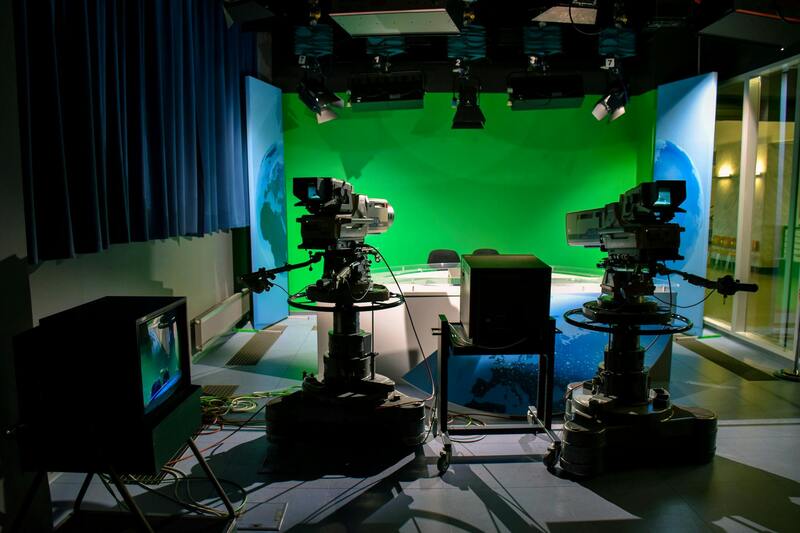
Planning and Concept Development
Once the purpose is established, detailed planning begins with developing a compelling concept. This stage involves brainstorming ideas that visually and narratively encapsulate your message. A well-crafted concept aligns with your brand values and appeals directly to your target audience.
In this phase, scripting, storyboarding, and visual outlining are critical. An effective script conveys your key messages succinctly and persuasively, while storyboards help visualize each scene's composition and flow. Consideration of tone, pace, and emotional appeal is essential for creating an engaging narrative.
Additionally, planning logistics such as location scouting, talent selection, and equipment requirements ensures a seamless production process. Collaborating with creative professionals or an experienced production team can bring fresh perspectives and technical expertise, elevating the quality of the final product. This groundwork fosters a smooth transition into production, minimizing surprises and delays.

Pre-Production Preparation
Pre-production is the foundation upon which the entire project is built. It encompasses all activities necessary to prepare for filming, including scheduling, casting, securing locations, and preparing equipment. Effective pre-production minimizes disruptions during shooting and ensures the project stays on track and within budget.
One critical aspect involves casting individuals who authentically represent your brand’s message and can engage viewers convincingly. This may include hiring professional actors, company employees, or brand ambassadors, depending on the video's nature.
Location scouting is equally vital, requiring consideration of lighting, sound quality, and logistical accessibility. Permits or permissions might be necessary for certain sites, and early arrangements ensure compliance and smooth operations.
By meticulously planning each detail, your team can avoid costly Mistakes, ensure resource availability, and streamline the filming process, ultimately saving time and ensuring a high-quality output.
Finalizing and Executing the Distribution Plan
Once the corporate video has been meticulously produced and edited, the subsequent step involves a strategic distribution plan designed to maximize reach and engagement. This stage requires a comprehensive understanding of various legitimate channels and methods to deliver the content to the intended audience efficiently. Proper distribution not only increases visibility but also enhances brand recognition and supports overarching marketing goals.
Creating a Multifaceted Distribution Strategy
Developing an effective distribution strategy involves identifying key platforms that align with your target demographic. For corporate videos, this typically includes:
- Company Website: Embedding the video on your official website ensures direct access for visitors, fostering engagement and conveying your message authentically.
- Social Media Platforms: Utilizing platforms such as LinkedIn, Facebook, Instagram, and Twitter enables targeted sharing, leveraging the platforms' built-in algorithms for organic reach.
- Video Hosting Services: Platforms like Vimeo or YouTube offer high-quality streaming options and analytics tools to track viewer engagement.
- Email Campaigns: Incorporating the video into newsletters and email blasts can directly reach existing contacts, encouraging sharing and interaction.
- Industry Events and Conferences: Showcasing the video at relevant events increases face-to-face engagement and enhances brand authority.
Optimizing for Search and Accessibility
To ensure maximum visibility, optimize the video for search engines by applying relevant titles, descriptions, and tags aligned with your target keywords. Including transcripts and captions improves accessibility for diverse audiences and supports SEO efforts. Proper thumbnail selection and compelling call-to-actions throughout the distribution channels encourage viewers to take the desired next step, whether it’s exploring more content or contacting your team.
Leveraging Paid Advertising
Supplement organic distribution with targeted advertising campaigns. Platforms such as Google Ads, Facebook Ads, and LinkedIn Sponsored Content allow precise audience targeting based on demographics, interests, and behaviors. This approach ensures the corporate message reaches relevant industry professionals, potential partners, or clients, optimizing return on investment (ROI).
Monitoring and Refining Distribution Efforts
Consistent monitoring of viewership metrics, engagement rates, and audience demographics is crucial for gauging the effectiveness of your distribution strategies. Analytics tools offer insights into viewer behavior, helping identify which channels generate the most impact. Based on these insights, refine your approach by reallocating resources toward the most effective platforms and adjusting messaging to better resonate with your audience.

Ethical Considerations in Video Distribution
Maintaining transparency and authenticity during distribution is essential to uphold your brand’s integrity. Use legitimate methods to promote your video, avoiding spam or manipulative practices that could harm your reputation. Respect copyright and privacy laws when sharing content across platforms, and ensure that all promotional activities align with industry standards and ethical guidelines.