
Understanding the Role of Corporate Production Video
Corporate production videos have become an essential component of modern business communication strategies. These videos serve as dynamic tools that convey a company's message, showcase its brand identity, and engage target audiences visually and emotionally. In Miami, a city renowned for its vibrant culture and diverse commercial landscape, the emphasis on high-quality corporate videos highlights the dedication of local businesses to standing out in competitive markets.
Such videos encompass a wide range of formats, including brand stories, product demonstrations, corporate training modules, client testimonials, and internal communications. Their primary goal is to foster a reliable connection with viewers by delivering clear, compelling, and targeted content. This approach enhances brand recognition and helps build a trustworthy image that resonates with diverse audiences.
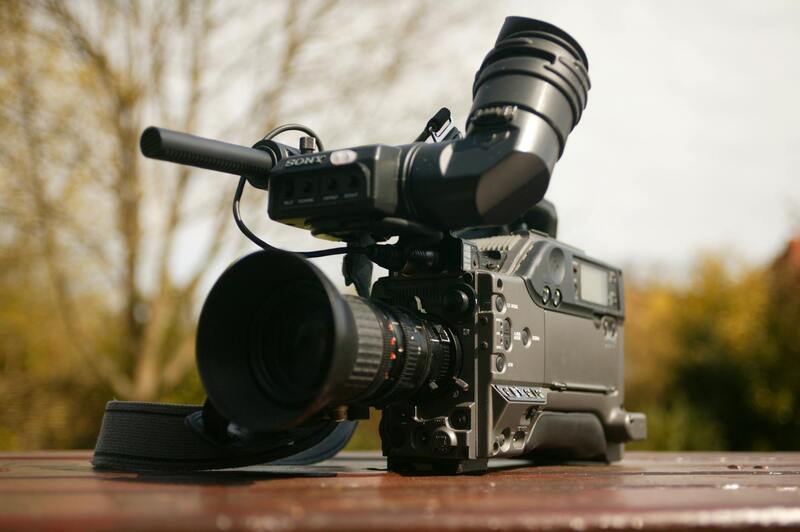
In the context of Miami's bustling marketplace, corporate videos are also vital for local companies seeking to expand their reach beyond traditional advertising channels. They provide an opportunity to demonstrate professionalism and clarity, which can significantly influence potential clients and partners. Furthermore, corporate videos improve internal collaboration by creating training materials and motivational content that enhance company culture and employee engagement.
Investing in well-produced corporate videos underscores a commitment to quality and innovation. With the right message and production values, these videos can transform a company’s perception, foster brand loyalty, and drive business growth. As Miami continues to thrive as a hub for commerce and creativity, the strategic use of corporate production videos becomes increasingly vital for organizations aiming to stay ahead in an ever-evolving market environment.
Pre-Production Process
Following the development of a robust concept, the pre-production phase lays the groundwork for a successful corporate video. This stage involves meticulous planning to ensure that every element aligns with the overarching objectives and brand messaging. A detailed script is crafted, capturing the core message while maintaining clarity and engagement. The script serves as the roadmap for the entire production, guiding decisions on visuals, tone, and narrative flow.
Once the script is finalized, storyboarding becomes essential. This visual plan maps out each scene, illustrating camera angles, transitions, and key visual elements. Storyboarding facilitates clear communication among the production team and client, minimizing misunderstandings during filming. Additionally, selecting locations, casting talent, and securing necessary permits are vital steps that contribute to a smooth shoot.
Logistics also take center stage during pre-production. Equipment needs are identified, crew members are assembled, and a detailed schedule is established to optimize shooting time and resources. Budgeting considerations are addressed at this stage, ensuring that all aspects of the project are adequately funded without compromising quality. Effective pre-production planning is critical in reducing unforeseen delays and costs during filming.

Production Techniques and Best Practices
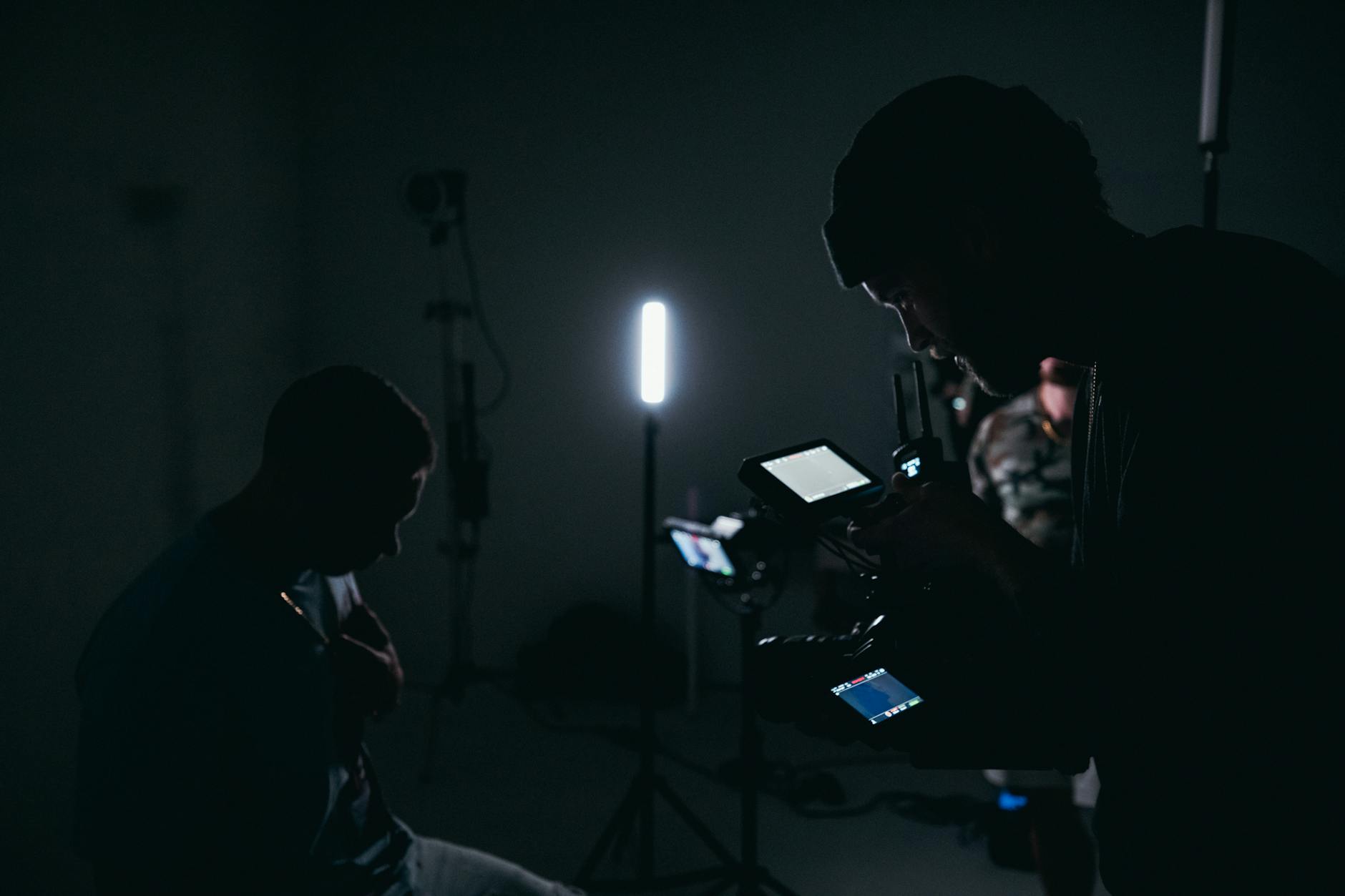
Executing a corporate production video requires adherence to industry-standard techniques that elevate the final product. High-quality lighting, sound, and camera work are fundamental to capturing professional footage. Proper lighting not only enhances visual clarity but also sets the tone and mood of the video, conveying the intended message more powerfully.
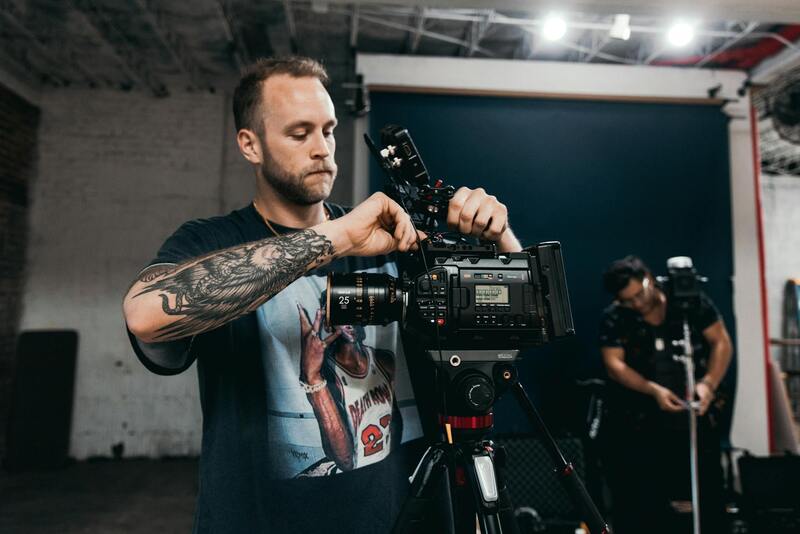
Camera operation should prioritize stability and composition, utilizing tools such as tripods, gimbals, and drones where appropriate. Employing multiple camera angles provides dynamic perspectives, enriching the visual narrative and engaging viewers. Clear audio, recorded with professional microphones, is essential to ensure that dialogue and ambient sounds complement the visuals without distraction.
During filming, directing talent and crew with clarity and purpose fosters a productive environment. Encouraging natural performances and authentic interactions helps communicate sincerity, building trust with viewers. Incorporating advanced techniques like motion stabilization, time-lapse, or slow-motion effects can add visual interest and reinforce key messages.
Best practices also include filming in high-resolution formats, allowing for flexibility in editing and potential future use. Maintaining a detailed shot log simplifies the post-production process, ensuring that all necessary footage is organized and accessible. By integrating these techniques and practices, Miami-based production teams can produce corporate videos that stand out for their professionalism and visual impact.
Pre-Production Process
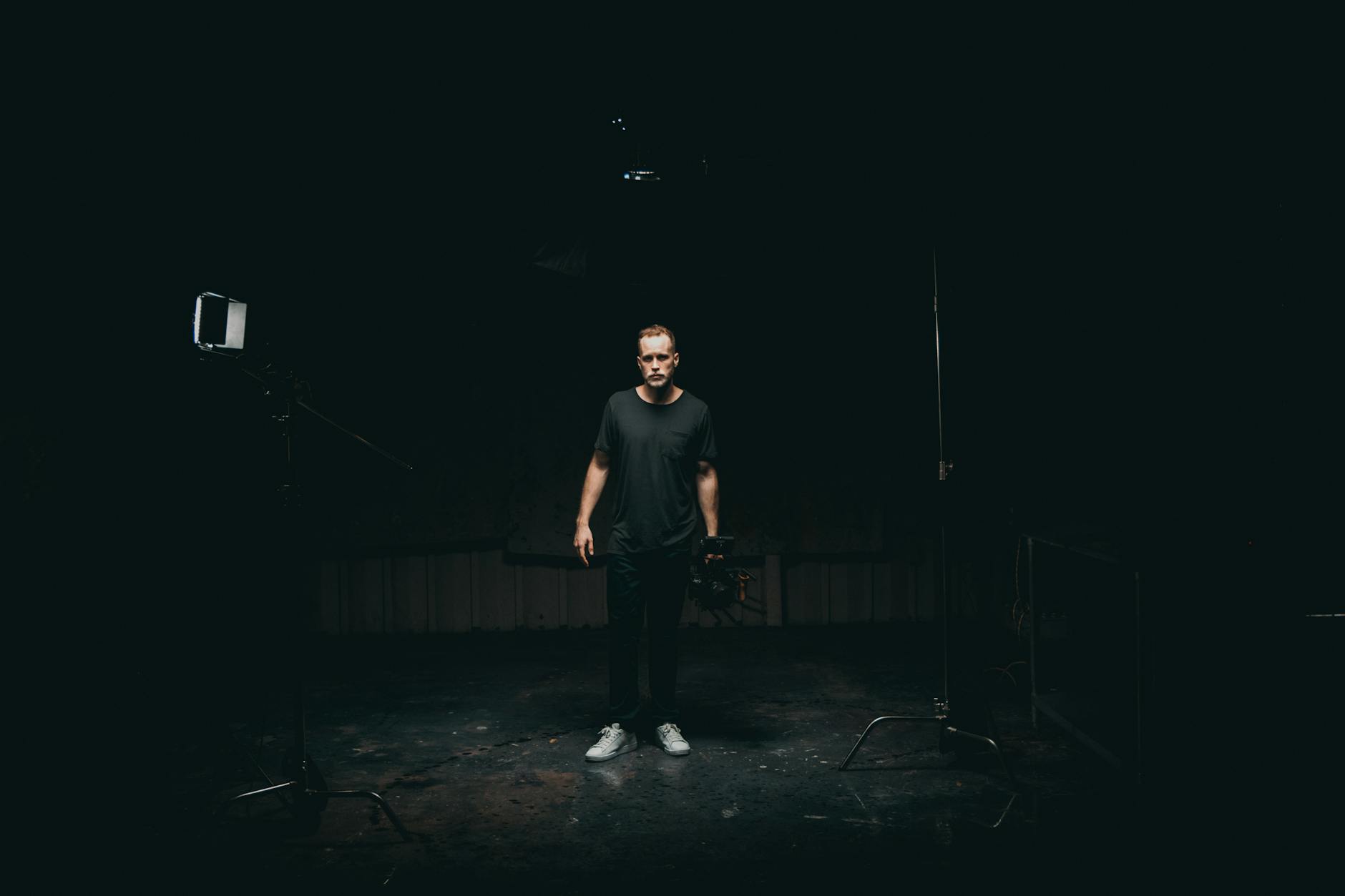
Before the first shot is taken, a comprehensive pre-production phase is essential for the success of a corporate production video. This phase meticulously outlines every detail to ensure a seamless filming process and the delivery of a compelling final product.
Initial steps include scripting, where the message and key themes are clearly articulated. An effective script aligns with the company's objectives and audience expectations, ensuring the narrative resonates and communicates the intended brand story. Following scripting, storyboarding visualizes each scene, facilitating clarity regarding shot composition, transitions, and visual style.
Location scouting is a crucial element, especially within the vibrant Miami setting, where diverse environments—from urban rooftops to scenic coastal areas—can be leveraged to enhance storytelling. Evaluating lighting conditions, acoustics, permits, and logistical considerations helps avoid disruptions during production. Coordinating these logistical elements early guarantees smooth operations on shoot days.
Casting is another vital step. Selecting the appropriate talent, whether company representatives, actors, or voice-over artists, ensures authentic delivery of messages. Rehearsals may be conducted to fine-tune performances and gain familiarity with the script and scenes. These preparations collectively establish a strong foundation for filming, minimizing unforeseen issues and enhancing overall production quality.
Production Techniques and Best Practices
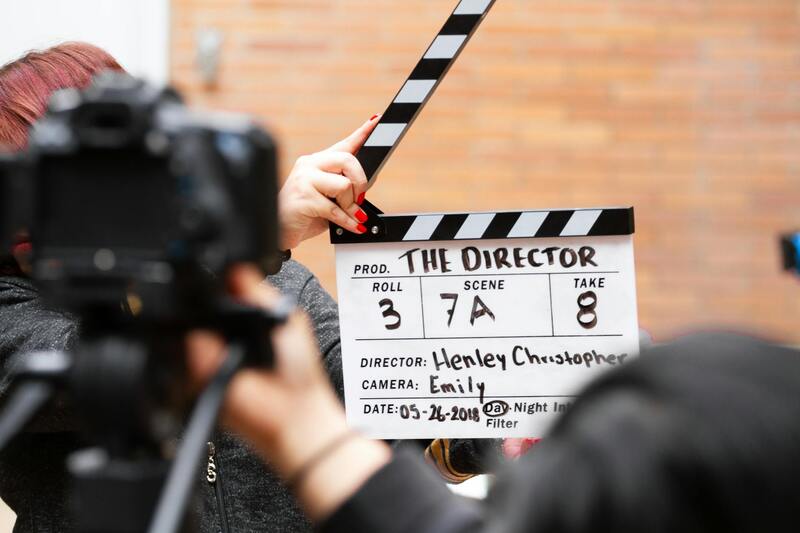
During the actual filming stage, deploying advanced production techniques elevates the quality and engagement level of the corporate video. Professional camera work, including multi-camera setups, allows for capturing various perspectives, adding depth and dynamism to the narrative. Smooth camera movements, achieved through stabilizers or gimbals, contribute to a polished visual style, avoiding shaky footage that can distract viewers.
Lighting plays a significant role in setting the tone and highlighting key elements within each scene. Utilizing natural light complemented by professional lighting equipment ensures clarity and consistency across shots. For outdoor scenes in Miami, timing shots during optimal lighting conditions, such as golden hour, maximizes visual appeal.
Sound quality is equally paramount. Using high-grade microphones, such as lavalier or shotgun mics, ensures speech clarity and captures ambient sounds that add realism. Employing sound monitors on set helps identify issues in real-time, allowing immediate adjustments.
Directing talent with clarity fosters authentic performances. Providing actors with detailed instructions regarding gestures and expressions aligns their delivery with the brand message. Employing techniques like shot-reverse shot, tracking shots, or slow-motion can emphasize important messages or add cinematic flair.

Post-Production and Editing
The post-production phase transforms raw footage into a cohesive, engaging video. This process involves meticulous editing, where scenes are cut and arranged to optimize storytelling flow. Color grading adjusts visuals to produce a consistent look and reinforce brand identity, whether vibrant for an energetic feel or subdued for a serious tone.
Sound editing refines audio quality, balancing dialogue, background music, and sound effects. Incorporating licensed music or custom sound design enhances emotional impact and viewer engagement. Graphics, overlays, and captions are added to emphasize key points or include branding elements without overwhelming the visual content.
Animations and motion graphics can be integrated to illustrate complex ideas clearly and creatively, making information more digestible. The final stage involves rendering the video in appropriate formats and resolutions, ensuring compatibility with various distribution channels while preserving visual fidelity.
Production Techniques and Best Practices
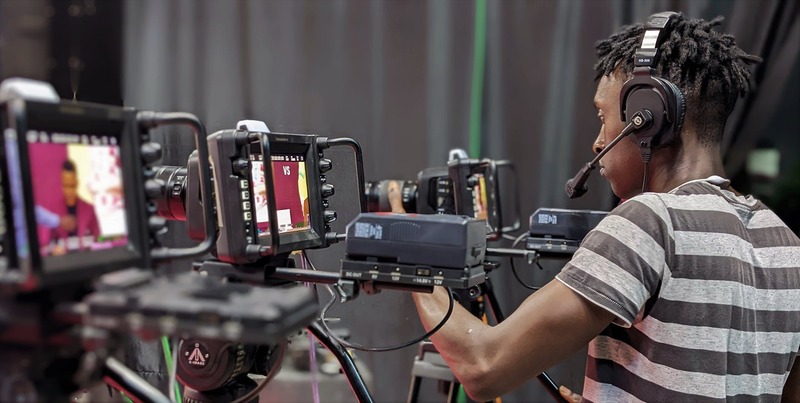
Achieving a professional and impactful corporate production video relies heavily on the application of refined filming techniques, strategic equipment choices, and meticulous attention to detail in lighting and sound. Each element collaborates to produce a polished final product that aligns with brand storytelling objectives and industry standards.
Filming methods should prioritize precision and stability. Utilizing tripods, gimbals, and dollies ensures smooth camera movements, which can effectively guide the viewer's focus and add cinematic depth. When capturing interviews or testimonials, framing techniques such as the rule of thirds and appropriate headroom enhance visual appeal and professionalism.
Equipment selection plays a vital role in the quality of the video. High-definition cameras with good low-light performance are essential, especially when shooting indoors or in varied lighting conditions. Lenses with different focal lengths—ranging from wide-angle to telephoto—allow for creative versatility. Professional audio recorders and lapel or shotgun microphones are crucial for capturing clear dialogue, preventing the common pitfall of poor sound quality that can diminish viewer engagement.

Lighting is fundamental in setting the video’s tone. Softboxes, reflectors, and LED panels help control shadows and highlights, creating a consistent and flattering visual environment. Effective lighting enhances subject visibility and reinforces mood—whether fostering a vibrant, energetic atmosphere or a serious, corporate tone.
Sound quality is equally critical. Using directional microphones minimizes background noise, while audio mixers allow sound levels to be balanced seamlessly during filming. Employing ambient sound management practices—such as controlling echoes in indoor spaces—further enhances clarity and immersiveness.
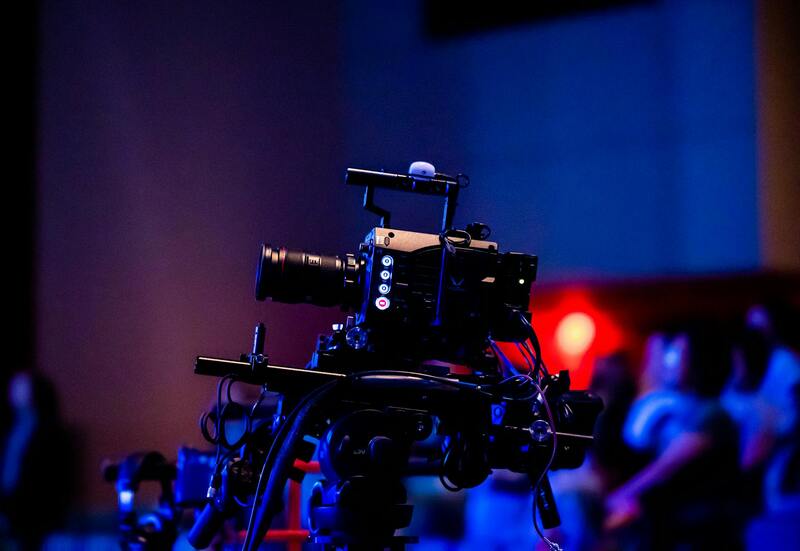
Adhering to these best practices ensures that the footage captured maintains high production standards throughout the process. It is also advantageous to conduct test shoots and consult the client’s vision in advance to align technical execution with branding goals.
Finally, continuous training and staying informed about emerging filming techniques and equipment advancements serve to maintain industry competitiveness. Leveraging innovative solutions, such as 4K or even 8K filming, cinematic lighting setups, and advanced stabilization tools, elevates the quality of corporate videos significantly.

Production Techniques and Best Practices
Mastering production techniques is essential for creating corporate videos that command attention and convey messages with clarity. A key aspect involves the selection and deployment of professional-grade equipment. High-resolution cameras, such as 4K or higher, are crucial in capturing sharp, detailed footage that aligns with brand standards and audience expectations. Coupled with precision lighting setups—utilizing Softboxes, LED panels, and reflectors—filmmakers can control shadows and highlights to produce visually consistent and appealing visuals. Lighting not only enhances visibility but also aids in shaping the overall mood of the video, whether aiming for a vibrant corporate environment or a more serious tone.
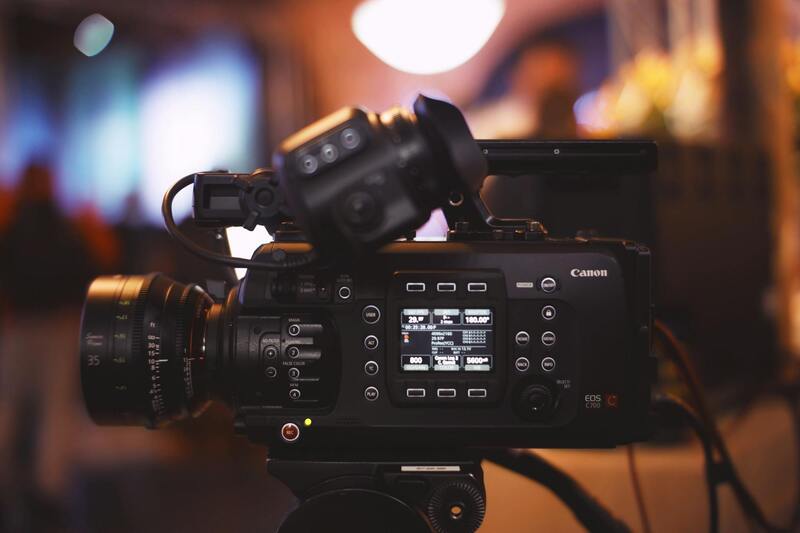
Sound quality remains equally important, as audio inconsistencies can undermine the professionalism of a corporate video. Directional microphones such as shotgun mics reduce ambient noise and focus on the subject’s voice, ensuring clarity. Audio mixers allow sound levels to be fine-tuned during filming, minimizing disruptions and maintaining consistent audio throughout the production. Managing ambient sound—particularly in indoor settings—helps prevent echo and background noise from detracting from the main message.
Additionally, employing stabilization tools like handheld gimbals and tripods ensures smooth footage, minimizing jerks and shakes that can distract viewers. Proper framing and composition are essential; adhering to the rule of thirds and ensuring proper camera angles maximize viewer engagement. An emphasis on continuous training enables production teams to stay up-to-date on emerging techniques, such as cinematic lighting or the latest stabilization technologies, which help elevate production quality and audience perception.
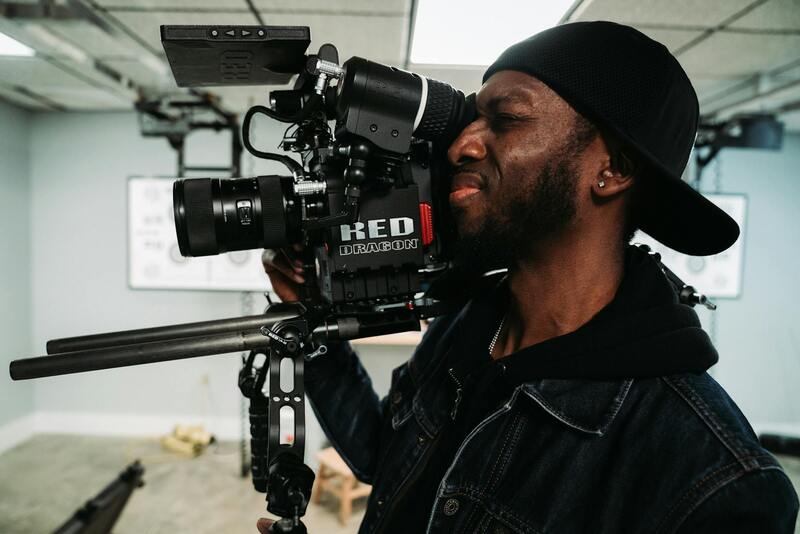
Best Practices in Filming
- Conduct thorough pre-filming rehearsals to align camera movements and actor positioning
- Perform test shoots to evaluate lighting and sound conditions, making adjustments beforehand
- Utilize high-quality equipment to ensure consistency across different shooting environments
- Maintain a detailed shot list and storyboard to keep filming organized and efficient
- Communicate clearly with all team members about the creative vision and technical requirements
Innovative Techniques for Cutting-Edge Corporate Videos
- Incorporate drone footage to add dynamic aerial perspectives, especially for showcasing facilities or large-scale operations
- Utilize slow-motion shots to emphasize critical moments or highlight product features
- Apply cinematic lighting setups for a more polished, engaging look
- Implement green screen technology for versatile background changes and creative storytelling
- Leverage advanced stabilization tools like gimbals and steadycams for smooth, professional camera movements
Understanding the Role of Corporate Production Video
Corporate production videos serve as a compelling medium for businesses to communicate their brand message, showcase products or services, and demonstrate thought leadership within their industry. These videos are meticulously crafted to align with strategic objectives, requiring a comprehensive understanding of target audiences, messaging goals, and the intended platform for dissemination. High-quality corporate videos can significantly enhance brand perception, foster customer trust, and generate leads by conveying professionalism, innovation, and authenticity.
The Impact of Visual Storytelling in Business
Visual storytelling remains a cornerstone of effective corporate video production. By combining engaging narratives with impactful visuals, a corporate production video can evoke emotional responses and create memorable impressions. The seamless integration of storytelling elements such as character development, clear messaging, and call-to-action ensures viewers are not only informed but also inspired to take the desired next step.
Aligning Video Content with Business Goals
The success of a corporate production video hinges on its ability to support overarching business objectives. Whether the goal is to increase brand awareness, educate stakeholders, or promote a new product, the production process must incorporate strategies that resonate with these aims. Establishing KPIs beforehand helps in measuring the video's effectiveness, allowing adjustments to be made for future campaigns.
Key Characteristics of Effective Corporate Videos
- Authenticity: Genuine storytelling that reflects the company's core values and mission.
- Clarity: Concise messaging that communicates the main purpose without ambiguity.
- Professional Quality: High-quality visuals and sound that reinforce a polished corporate image.
- Engagement: Content designed to capture and sustain viewer interest throughout the duration.
- Call-to-Action: Clear instructions guiding viewers toward the desired response or next steps.
Ensuring Proper Distribution and Visibility of Corporate Production Videos
Once the corporate production video has been completed, the focus shifts to effective distribution and maximizing its reach among the target audience. A strategic approach to dissemination ensures that the investment in production translates into measurable business benefits, including increased brand recognition, improved stakeholder engagement, and stronger market positioning.
Primary distribution channels include company-owned platforms such as the official website, where videos can be embedded on relevant pages to support ongoing marketing campaigns. Social media platforms serve as key outlets for sharing videos, enabling businesses to target specific demographics through tailored content and paid advertising options. For instance, sharing segments of the video on LinkedIn can enhance professional outreach, while snippets on Instagram or TikTok may engage a broader, more diverse audience.
Editions and variations of the core content can be created to suit different channels, ensuring relevancy and maximizing impact. Additionally, leveraging email marketing campaigns with embedded videos can boost engagement rates among existing clients and prospects. Internal distribution, such as employee training or corporate events, further amplifies the video's reach within the organization, fostering a unified message and company culture.
Applying search engine optimization (SEO) techniques enhances the discoverability of corporate videos on search engines and video hosting platforms. Incorporating relevant keywords in video titles, descriptions, and tags ensures that the content surfaces when potential viewers search for related topics. Creating a dedicated video section or playlist on the company website also aids in organizing content for easy access and improved user experience.
Partnerships with industry influencers or media outlets can further amplify exposure, especially when collaborative content is involved. Additionally, monitoring analytics from these channels provides insights into viewer behavior and engagement patterns, guiding future distribution tactics and content adjustments. Paid advertising campaigns, including video ads on social platforms or programmatic ad networks, can target specific audience segments for a more immediate and measurable boost in visibility.
Incorporating feedback mechanisms such as comment sections or direct surveys allows the organization to gather qualitative insights on viewer perception and preferences. Regularly analyzing metrics such as view counts, engagement rate, shares, and conversion actions informs strategic decisions and demonstrates the return on investment (ROI) for the corporate video campaign.
Ultimately, a comprehensive distribution strategy ensures the corporate video reaches its intended audience effectively, supports marketing and communication goals, and contributes positively to the company's overall brand narrative and business growth.
Professional Methods for Distributing Corporate Production Videos
Effective dissemination of corporate videos involves strategic utilization of various legitimate channels to maximize reach and impact. Leveraging multiple platforms and techniques ensures that the content resonates with the target audience, enhances brand authority, and drives engagement. A comprehensive distribution strategy involves careful planning, consistent branding, and targeted outreach to achieve optimal results.
Utilizing Owned Media Channels
One of the most direct and controlled methods is publishing on company-owned platforms. Embedding the corporate video on the company's official website, particularly on dedicated sections such as the homepage or a media resources page, facilitates easy access for visitors. Creating a dedicated playlist on the website or in the company's blog enhances content organization and user experience. Additionally, integrating videos into email campaigns allows for targeted dissemination to existing contacts and prospects, fostering a more personalized connection.
Leveraging Video Hosting Platforms
Publishing on reputable video hosting platforms like YouTube and Vimeo extends visibility beyond the company website. Optimizing these videos with relevant keywords, compelling titles, detailed descriptions, and appropriate tags helps improve discoverability on search engines and within platform search results. Creating themed playlists not only organizes content but also encourages viewers to explore related videos, increasing watch time and engagement.
Capitalizing on Social Media Networks
Social media platforms are essential for reaching diverse audiences. Sharing corporate videos across platforms such as LinkedIn, Facebook, Twitter, and Instagram allows companies to target specific demographics and foster community interaction. Tailoring content presentation to each platform's unique format—short clips for Instagram, professional narratives for LinkedIn—enhances viewer retention. Utilizing platform-specific features like Stories or Reels, along with targeted advertising options, amplifies exposure and drives traffic.

Implementing Paid Advertising Campaigns
Investing in paid advertising offers precise targeting and immediate visibility. Platforms such as Facebook Ads, LinkedIn Sponsored Content, and YouTube TrueView ads enable companies to reach specific professional segments or consumer groups based on demographics, interests, or behaviors. Well-designed ad campaigns with clear calls-to-action can significantly increase viewership and generate leads or inquiries.
Partnering with Industry Influencers and Media Outlets
Collaborations with industry influencers, thought leaders, or media organizations can bolster the credibility and reach of corporate videos. When aligned with authoritative voices, the content gains additional exposure to engaged audiences that value trusted recommendations. These partnerships often involve shared content, interviews, or co-branded campaigns that elevate the company's profile within relevant industry circles.
Monitoring and Analyzing Performance Metrics
Tracking key performance indicators such as view counts, engagement rates, shares, and conversion metrics provides insights into the effectiveness of distribution efforts. Utilizing analytics tools facilitates data-driven decision-making, enabling refinements to content targeting, platform selection, and campaign strategies. Regular analysis ensures that resources are allocated efficiently and that the video content continually evolves to meet audience preferences.
Enhancing Visibility Through Search Optimization
Implementing search engine optimization (SEO) techniques for video content further improves organic visibility. Incorporating relevant keywords into titles, descriptions, and tags increases the likelihood of appearing in search results related to corporate services, industry topics, or regional inquiries. Using schema markup for videos helps search engines better understand and index the content, contributing to higher rankings in search engine results pages (SERPs).
Creating Engagement and Feedback Opportunities
Encouraging viewer interaction through comment sections, surveys, or dedicated feedback forms supplies valuable insights into audience preferences and perceptions. Prompt responses and active community management build trust and signal content relevance to algorithms, thus enhancing organic reach over time.
Overall, deploying a multi-channel, data-informed approach guarantees that the corporate production video reaches the appropriate audiences efficiently and effectively, reinforcing branding efforts and contributing to broader business objectives.