
Understanding Video Corporate Production
Video corporate production refers to the comprehensive process of creating professional video content tailored to enhance a company's brand presence, support marketing campaigns, and facilitate internal and external communication. This discipline encompasses a range of activities from conceptualization and scriptwriting to filming, editing, and final distribution, all executed with a focus on delivering high-quality visual storytelling that resonates with target audiences.
In the bustling market of Miami, where competition among local and international brands is fierce, the strategic use of corporate videos plays a vital role in establishing reputation and attracting customers. These videos serve as dynamic tools that can communicate company values, showcase products or services, introduce company culture, and provide updates or announcements efficiently and engagingly. With the city’s vibrant cultural diversity and thriving business environment, tailored corporate videos help brands connect authentically with their audiences, leveraging Miami’s unique context and marketing opportunities.
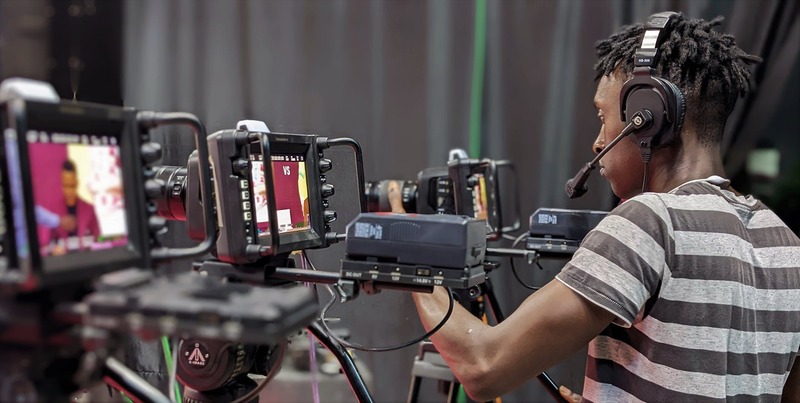
Implementing a well-thought-out corporate video strategy offers companies several advantages. These include increased brand visibility, improved customer engagement, and a clearer conveyance of messaging across various platforms such as social media, websites, and internal channels. Moreover, with the rise of digital consumption, high-quality video content is increasingly favored by consumers and search engines alike, making it an essential component of a modern marketing and branding arsenal.
Corporate videos can range from short promotional clips and product demonstrations to comprehensive brand documentaries and internal training modules. The versatility of the medium allows Miami enterprises to cater to diverse objectives, whether launching a new product, explaining complex services, or strengthening employee alignment. When executed professionally, video corporate production elevates brand perception, instills trust, and supports business growth in a competitive, dynamic market environment.

Key Stages of Corporate Video Production
Executing a successful video corporate production involves a series of meticulously planned stages that ensure the final product aligns with business objectives and brand standards. These stages typically include pre-production, production, and post-production, each critical to crafting a compelling and professional video.
Pre-Production Planning
Pre-production forms the foundation of the project, focusing on conceptualization, scripting, storyboarding, and logistical arrangements. During this phase, the production team collaborates closely with stakeholders to define the video's purpose, target audience, and key messages. This stage involves selecting locations, casting talent if needed, and scheduling shoots to optimize time and resources.

Production Execution
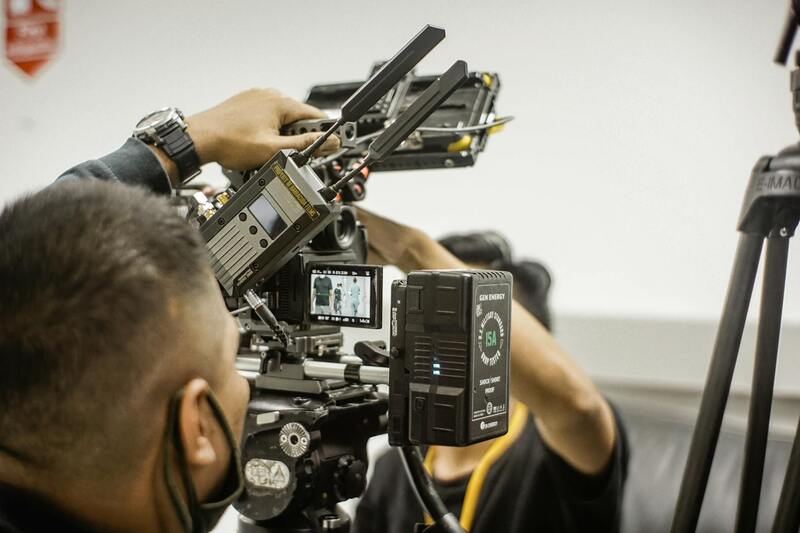
The production stage encompasses the actual filming, sound recording, and capturing of visual content. Professional equipment and crew are essential to maintain the desired quality standards and to adapt to the dynamic environment typical of Miami’s vibrant backdrop. On-site coordination ensures that all shots align with storyboard specifications, lighting conditions are optimal, and audio clarity is maintained.

Post-Production Refinement
Post-production involves editing, color grading, sound design, and graphic integration to transform raw footage into a polished final product. Skilled editors refine visual continuity and pacing, ensuring the video communicates its message effectively. Incorporating brand elements, such as logos and taglines, enhances brand consistency. Sound engineering also plays a pivotal role, balancing audio levels and adding background music or voiceovers to reinforce the narrative.
Review and Finalization
Once the edited version is complete, it undergoes review cycles involving client feedback and revisions. This iterative process guarantees that the final edit meets strategic goals and quality standards. Detailed attention during this phase results in a compelling video that effectively engages viewers and elevates the brand image.
Choosing a Miami Production Agency
Selecting a production partner with local expertise can significantly improve the quality and relevance of corporate videos. A Miami-based agency offers insights into regional trends, cultural nuances, and logistical considerations unique to the area. When evaluating potential agencies, it’s essential to review their portfolios to assess stylistic versatility, technical proficiency, and experience with similar projects.
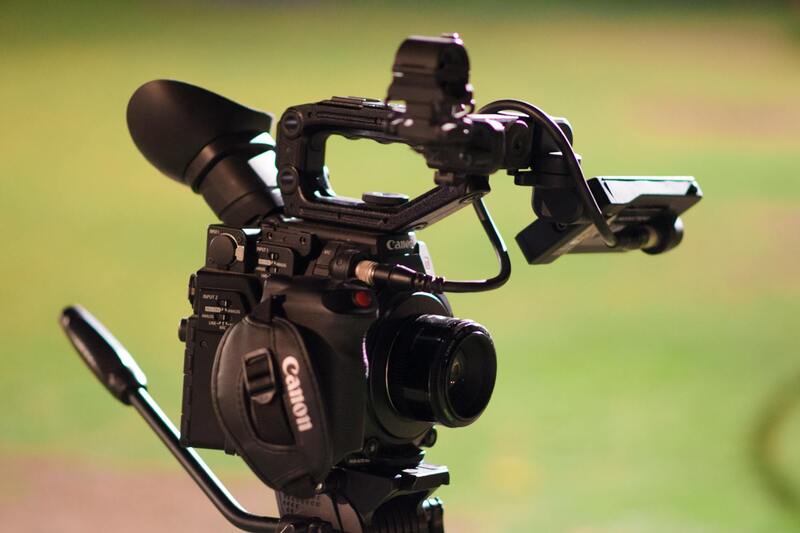
Effective collaboration relies on clear communication, transparency in budgeting, and a demonstrated understanding of your industry’s specific needs. A dedicated client-focused approach ensures that the final product accurately reflects your brand’s voice and objectives, leveraging Miami’s unique cultural and commercial landscape.
Understanding Video Corporate Production
Video corporate production is an intricate process that integrates various technical and creative disciplines to communicate a company's message effectively. This process involves multiple key stages, from initial conceptualization to final delivery, each requiring careful planning and execution to ensure the end product aligns with the company's branding, marketing goals, and audience engagement strategies. It is essential for businesses to partner with experienced production teams that understand the nuances of corporate communication, storytelling, and visual aesthetics. Expertly crafted videos not only enhance brand visibility but also foster trust and credibility with viewers, making them a vital component of comprehensive marketing strategies.
Types of Corporate Videos

Corporations utilize a broad spectrum of video formats, each tailored to specific messaging and target audiences. Understanding these types helps in selecting the right approach for your marketing and communication needs.
- Brand Videos: These videos help establish and communicate a company's core values, vision, and market positioning. They often feature brand stories, showcases of company culture, or customer success stories.
- Product Demonstrations: Designed to highlight features and benefits, these videos provide detailed insights into product functionality, attracting potential buyers and facilitating the sales process.
- Training and Educational Content: Used internally or externally, these videos support employee onboarding, skill development, or customer education initiatives.
- Corporate Testimonials: Featuring client or employee testimonials, these videos add credibility and foster trust with prospective customers or partners.
- Event Coverage and Live Broadcasts: Documenting corporate events or delivering live content to reach wider audiences in real-time enhances engagement and visibility.
Key Stages of Corporate Video Production
The production process is comprehensive, aligning creative vision with technical execution through clearly defined phases. These stages are vital to ensure a seamless flow from concept to final delivery:
- Planning: Establishing objectives, defining target audience, and developing a content strategy form the foundation of the project. This phase involves budget planning and selecting the appropriate format and distribution channels.
- Scripting and Storyboarding: Crafting a compelling narrative that resonates with viewers. Visual storyboards help in pre-visualizing scenes and aligning creative expectations.
- Filming: Executing the shoot on location or in studio, with attention to lighting, camera angles, and sound quality. Proper planning facilitates efficient capturing of footage.
- Post-Production: Editing the footage, adding visual effects, sound design, voiceovers, and background music. This step ensures a polished, cohesive final product.
- Distribution and Optimization: Implementing strategies for maximum reach through various channels, including social media, corporate websites, and email campaigns. Optimization ensures the video performs well in search rankings and viewer engagement metrics.

Throughout these stages, collaboration with all stakeholders is crucial. Precise coordination ensures that the creative vision remains consistent and that logistical challenges are addressed proactively. Skilled production teams utilize advanced equipment and techniques to fulfill project requirements, making the most of regional expertise and industry standards.
Legal and Compliance Aspects in Corporate Video Production
While focusing on producing impactful corporate videos, understanding the legal and compliance frameworks relevant to video content is essential. This ensures that the content adheres to industry standards and organizational policies, thereby avoiding potential issues post-release. One fundamental aspect is securing proper rights for all visual and audio elements used. This includes obtaining permissions or licenses for music tracks, stock footage, and any proprietary content incorporated into the final product.
Clear agreements with talent, such as actors or on-camera personnel, play a pivotal role in safeguarding intellectual property rights and defining usage rights. Written releases confirm consents and specify the scope of authorized content use, whether for internal or external purposes. Additionally, companies should be aware of confidentiality requirements, especially when filming sensitive information or on private premises, as this impacts how footage can be distributed or shown publicly.
Maintaining compliance with branding guidelines is critical to preserving corporate identity consistency. This involves adherence to logo usage, color schemes, and branding messages throughout the video. When addressing industry-specific regulations—such as healthcare, financial services, or legal sectors—it's important to ensure that messaging, claims, and visuals conform to relevant standards and are supported by appropriate documentation. For instance, financial videos might need to include disclaimers or disclosures mandated by financial authorities.
Engaging legal advisors or compliance officers during the production process can preempt issues related to content rights, privacy, and data security. Additionally, companies should be mindful of privacy laws when filming individuals or in public spaces, making sure to obtain consent when required. This not only aligns with regulatory expectations but also fosters trust with stakeholders and audiences.
Incorporating these practices from the outset establishes a robust foundation for the deployment of corporate videos. It ensures the material is not only compelling but also responsibly produced and compliant with all relevant stipulations, thereby enhancing the company's reputation and minimizing risks associated with content violations.
Ensuring Proper Methods of Video Corporate Production
Achieving high-quality corporate videos while adhering to established standards involves careful selection of production methods that are both professional and compliant. Utilizing appropriate equipment, skilled personnel, and proven techniques guarantees that the final product meets the company's communication objectives and presentation standards. Employing high-definition cameras, professional lighting setups, and clear audio recording systems contributes significantly to the overall production value. These tools must be operated by experienced technicians who understand best practices for framing, lighting, and sound clarity to produce visually appealing and audibly crisp content. Furthermore, a structured production workflow is vital. It encompasses thorough pre-production planning, detailed scripting, and storyboarding to ensure clarity of message. During filming, strict adherence to safety protocols and industry best practices helps prevent mishaps and maintains a professional environment. Post-production processes such as editing, color correction, and sound mixing should be carried out by professionals well-versed in industry standards, ensuring the final video is polished, coherent, and engaging. The selection of credible vendors and crew members is a foundational element. Engaging experienced videographers, editors, and producers guarantees that the project complies with technical standards and aligns with the company's branding and messaging strategies. Proper use of licenses and footage rights is also critical, favoring licensed or original content to avoid disputes and ensure authenticity.
- Equipment selection: Utilizing industry-standard cameras, lighting, and audio gear to produce high-quality footage.
- Pre-production planning: Developing detailed scripts, storyboards, and shot lists to streamline filming and ensure message consistency.
- Professional execution: Employing skilled technicians and crew members experienced in corporate settings to deliver polished results.
- Post-production fidelity: Using advanced editing software, color correction, and sound design to enhance visual appeal and clarity.
- Content rights management: Securing licenses and permissions to use all materials legally and ethically.
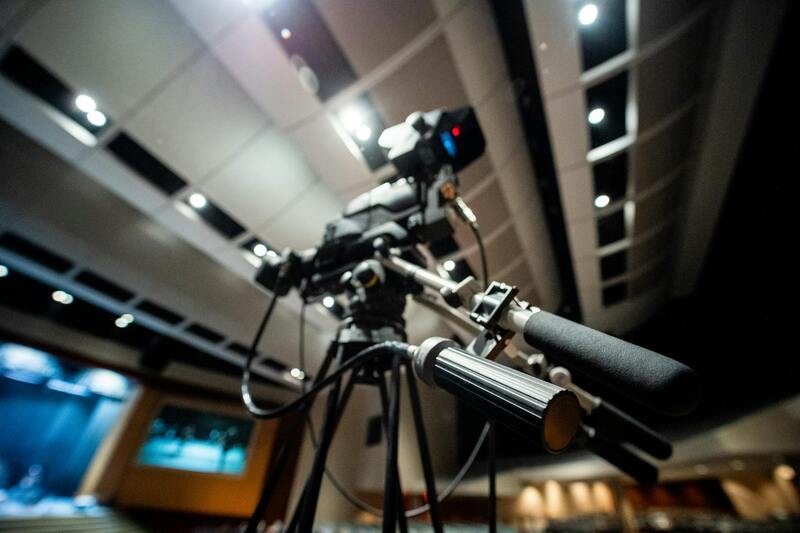
Adopting official and established production methodologies not only guarantees that the final product resonates well with targeted audiences but also safeguards the company's reputation by maintaining transparency and operational integrity. Proper planning, execution, and post-production refinement are essential components in crafting corporate videos that are compelling, compliant, and impactful.
Understanding Video Corporate Production
Effective corporate videos are produced through meticulous adherence to established production methodologies that emphasize professionalism and integrity. By employing tried-and-true methods such as script development, storyboarding, and precise shot planning, companies ensure their visual messaging aligns seamlessly with branding objectives. The importance of licensing and rights management cannot be overstated; utilizing licensed footage, music, and graphics helps prevent potential disputes and reinforces the authenticity of the content. When employing experienced professionals—such as videographers, sound engineers, and editors—companies benefit from high-caliber visuals that meet industry standards and communicate their message clearly.

Careful selection of production equipment, including high-definition cameras, lighting setups, and professional audio gear, ensures the visual and auditory elements are both compelling and clear. Pre-production planning, involving detailed scripts, storyboards, and shot lists, streamlines filming processes and maintains consistency in messaging. During production, skilled technicians work to capture moments precisely aligned with the outlined plan, safeguarding quality and efficiency.
Key Principles in Video Corporate Production
- Pre-Production Preparation: Extensive planning enhances messaging clarity and production flow.
- Professional Execution: Skilled crew members improve footage quality and overall presentation.
- Post-Production Refinement: Editing, color correction, and sound design polish the final product, ensuring it resonates with the intended audience.
- Content Rights Management: Securing licenses and clearances helps sustain ethical standards and operational transparency.

Incorporating these practices fosters content that not only adheres to industry standards but also enhances a company’s reputation through transparency and integrity. Thorough planning during the initial phases reduces costly revisions, while stellar execution ensures the final product is aligned with strategic goals. Post-production processes, including editing and visual effects, serve to elevate the narrative and strengthen viewer engagement.
Practical Measures for Optimized Content Delivery
Once the production phase concludes, successful distribution involves a strategic approach that targets the right audiences through appropriate channels. Segmenting content distribution based on platform-specific preferences—such as social media, corporate websites, or email campaigns—maximizes reach and impact. Continual assessment of viewer engagement and feedback provides insights for future content refinement, ensuring that each video delivers measurable value while maintaining adherence to approved methodologies and credentials.
Legal and Compliance Aspects in Corporate Video Production
Ensuring that a corporate video aligns with all necessary legal and compliance standards is fundamental for the integrity of the business and the success of the campaign. This process involves meticulous attention to various elements including content rights, privacy considerations, and adherence to industry-specific regulations.
One of the most critical aspects is managing content rights to prevent intellectual property infringement. This entails securing clearances for all third-party elements incorporated into the video, such as music, stock footage, brand logos, or proprietary images. Obtaining proper licenses ensures that the company has lawful usage rights, thereby avoiding potential legal disputes or financial liabilities.
Additionally, privacy and consent protocols are integral when filming individuals or capturing identifiable data. Businesses must verify that participants have granted explicit permission for their likeness or information to be used in promotional content. This often involves signing release forms that specify the scope of use and distribution channels of the footage. Such measures uphold ethical standards and demonstrate respect for individual rights.
For companies operating within regulated environments, compliance extends to adhering to industry-specific advertising standards and disclosures. This might include prominently displaying disclaimers, ensuring truthful messaging, and avoiding misleading claims. In sectors like healthcare, finance, or legal services, precise language and substantiated information are paramount, and videos must conform to the relevant guidelines set forth by governing bodies.

Implementing a comprehensive review process involving legal advisors or compliance officers can preempt potential issues. Such reviews focus on verifying that all content aligns with intellectual property laws, privacy regulations, and industry standards. Keeping detailed records of permissions, licenses, and consent forms further facilitates transparency and accountability.
Furthermore, documenting the production process and decisions related to rights management can serve as a safeguard in case of disputes. This proactive approach not only protects the company’s reputation but also ensures that the final product adheres to ethical standards that resonate with stakeholders and audiences alike.
In sum, a thorough understanding and diligent application of legal and compliance practices are indispensable for viable, trustworthy corporate videos. These steps support a company’s commitment to transparency and uphold the standards necessary for sustainable business communication. Effectively managing these aspects from the outset simplifies post-production workflows and contributes to a seamless distribution process that maximizes the impact of the content.
Legal and Compliance Aspects in Video Corporate Production
Ensuring your corporate videos adhere to appropriate legal standards is a fundamental component of responsible content creation. This entails a comprehensive understanding of intellectual property rights, privacy regulations, and industry-specific guidelines. Compliance isn't merely about avoiding penalties; it preserves your company's reputation by maintaining transparency and integrity throughout the production process.
One of the primary considerations involves obtaining necessary permissions and rights for all visual and audio materials included in your videos. This encompasses stock footage, music licenses, images, and any third-party content used. Securing explicit licenses or permissions prior to publication minimizes the risk of infringement claims, safeguarding your brand from costly disputes.
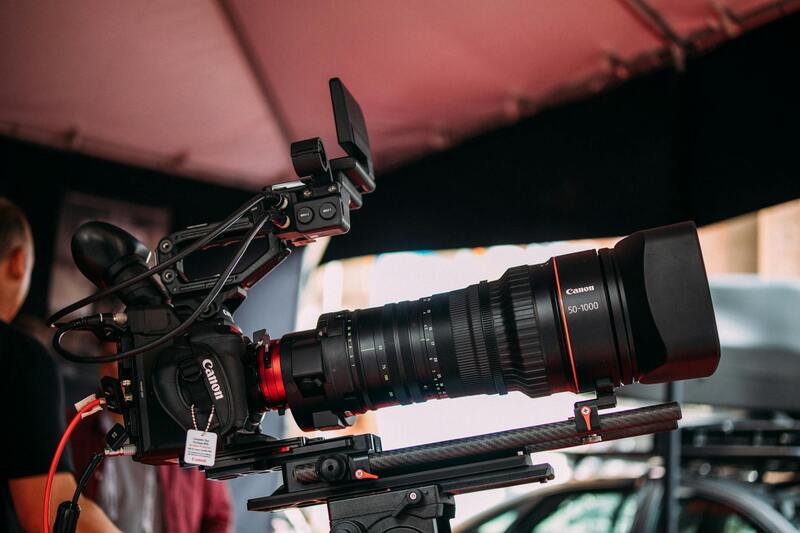
In addition, respecting individuals’ privacy rights is crucial, especially when filming in public or private spaces. Acquisition of consent forms from featured persons, particularly for sensitive or identifiable content, not only aligns with best practices but also fosters trust with your audience. These consents should be meticulously documented and stored securely.
Another vital aspect pertains to industry-specific regulations. For instance, financial and healthcare sectors are governed by strict communication standards. Content must be accurate, substantiated, and compliant with sector guidelines to prevent misinformation. Utilizing legal or compliance professionals during the review process helps ensure the content aligns with these standards and reduces the risk of regulatory issues post-release.
Maintaining detailed records of all approvals, permissions, and revisions is indispensable. By archiving correspondence, signed consent forms, licenses, and scripts, your team creates a reliable trail that can be referenced when questions or disputes arise. This documentation also simplifies audits and reviews, demonstrating your commitment to ethical standards and compliance.
Finally, the review process should involve cross-checking the final edit against original scripts and legal notes. This step ensures that no inadvertent mistakes or unapproved content makes it into the final version. Implementing internal review checkpoints, along with ongoing training for staff involved in content creation, enhances overall vigilance and compliance adherence.
Adopting these legal and compliance practices not only minimizes potential legal challenges but also elevates your corporate reputation. Thoughtfully managing intellectual property rights, privacy concerns, and regulatory requirements reflects your company's dedication to ethical communication and responsible corporate storytelling.