
Factors Influencing Commercial Video Production Costs
Understanding the determinants of commercial video production costs is essential for businesses and content creators aiming to allocate their budgets effectively. Several core elements influence the total expenditure, from the initial concept development to the final delivery of the product. These factors include the scope and objectives of the project, the complexity of the visuals and storyline, and the amount of resources necessary to bring the vision to life.

One of the primary considerations is the project scope, which encompasses the length of the video, the number of scenes, and the depth of production values. A short, straightforward promotional clip will generally incur lower costs compared to a high-end commercial featuring elaborate sets, special effects, and multiple shooting locations. Additionally, the complexity of the video's concept can significantly influence expenses. For instance, videos requiring special effects, 3D animations, or CGI will increase production costs due to the specialized skills and technology involved.
Resource requirements also play a pivotal role in cost determination. This includes the need for professional talent, such as actors or voiceover artists, as well as crew members, such as directors, cinematographers, lighting technicians, and makeup artists. The level of expertise and experience these professionals bring to the project can impact hourly rates and overall fees.
Key Elements Impacting Production Costs
- Project Scope and Duration: Longer videos with multiple scenes naturally demand more time and resources.
- Visual Effects and Special Features: CGI, animations, and other enhancements significantly increase costs.
- Talent and Crew: The caliber of actors, voice artists, and crew members involved influences pricing.
- Post-Production Needs: Editing, color grading, sound design, and other post-production services contribute to the overall expenses.
- Technology and Equipment: High-end cameras, drones, lighting gear, and editing software add to the production budget.
By carefully evaluating these factors during the planning phase, stakeholders can develop a clearer understanding of potential costs and align their expectations with the available budget. Properly assessing each element helps avoid unforeseen expenses and ensures the delivery of a high-quality commercial video that effectively communicates the intended message.
Breakdown of Production Expenses
Understanding the detailed components of production expenses enables stakeholders to precisely forecast the financial requirements of a commercial video project. These expenses can be categorized into several key areas, each contributing to the overall cost structure:
- Pre-Production Costs: This includes script development, storyboarding, casting, location scouting, and permits. Effective pre-production planning minimizes unforeseen complications during filming.
- Production Costs: These encompass all expenses associated with on-set activities, such as hiring talent, crew wages, set design, costumes, equipment rentals, and on-site logistics.
- Post-Production Expenses: Editing, visual effects, color correction, sound design, and music licensing are integral to shaping the final product. Investing in professional post-production services ensures high-quality output.
- Miscellaneous Costs: These may include transportation, catering, insurance, and contingency funds set aside for unexpected expenses.
Each of these components plays a vital role in the overall production budget, and meticulous planning can help allocate resources effectively, preventing budget overruns and ensuring project objectives are met.

Cost Factors in Location and Talent
The choice of filming locations and talent significantly impacts the commercial video production cost. Prime locations often require permits, access fees, or location-specific logistical arrangements, all of which add to the budget.
- Location Expenses: Urban centers or iconic landmarks may incur higher fees due to their popularity or accessibility. Conversely, remote or lesser-known sites can reduce costs but may require additional transportation and accommodation arrangements.
- Talent Fees: The caliber of actors, voices, and models directly influences expenses. Established professionals with extensive experience command higher rates, whereas emerging talent might offer more budget-friendly options.
- Extras and Supporting Cast: Additional roles and extras can increase costs, especially if multiple takes or complex scenes are involved.
Careful selection and negotiation with talent and location providers can yield cost-effective results while maintaining the project’s quality standards.

Equipment and Technology Expenses
Utilizing advanced equipment and cutting-edge technology elevates the production’s visual quality but often comes with a higher price tag. These expenses encompass both renting high-end gear and acquiring new software or hardware.
- Camera Systems and Lenses: Professional-grade cameras, such as 4K or 8K systems, deliver high-resolution visuals that meet modern standards but require significant investment or rental fees.
- Lighting Equipment: Proper lighting is essential for achieving cinematic quality. Specialized lights, rigs, and modifiers contribute to the overall costs.
- Supplying Technology: Drones, steadicams, or motion control rigs facilitate dynamic shots, and their rental or purchase significantly impacts the budget.
- Post-Production Software: Advanced editing and visual effects software like Adobe Creative Cloud, DaVinci Resolve, or Maya are critical for polishing the final product.
Strategically leveraging the latest technology can optimize workflows and enhance visual storytelling, ensuring the final video exceeds client expectations within a reasonable budget.

Breakdown of Production Expenses
Understanding the detailed components of commercial video production costs is essential for effective budgeting and planning. The total expense is typically divided into three primary phases: pre-production, production, and post-production. Each phase involves specific activities and resources, contributing uniquely to the overall financial outline.
Pre-Production Costs
Pre-production encompasses planning, concept development, scripting, storyboarding, scouting, and securing necessary permits. This stage requires investment in creative development, location scouting, casting or talent selection, and logistical arrangements. While pre-production costs may vary depending on the project's scope, meticulous planning helps prevent unforeseen expenses during later stages.
Production Expenses
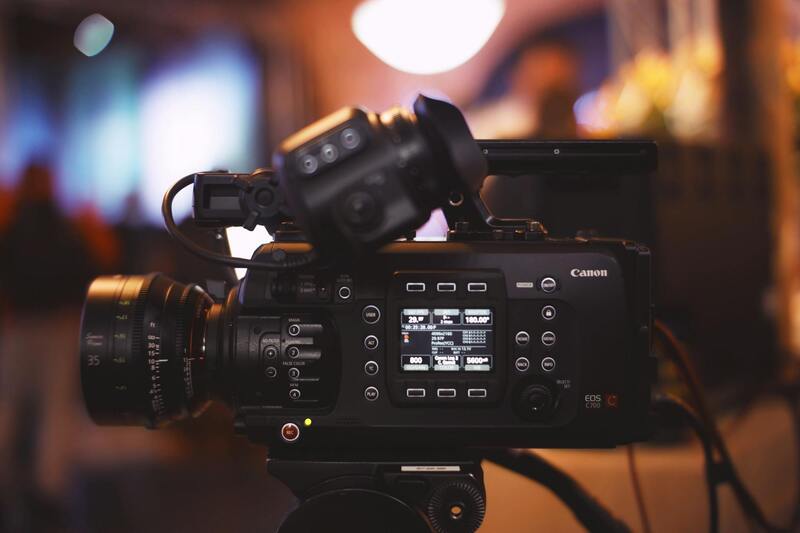
The production phase involves actual filming, which is often the most resource-intensive part of the process. Key costs include equipment rental or purchase (cameras, lighting, sound gear), set design, location fees, and crew wages. The complexity of scenes, number of shooting days, and use of special effects or complex setups contribute to cost fluctuations. Hiring skilled talent, such as actors and technical crew, adds another layer of expense, especially when multiple takes or complex scenes are involved.
Post-Production Costs
Post-production is critical for refining the video, involving editing, color grading, visual effects, sound design, and final mastering. Advanced software licenses and skilled editors constitute significant expenses. High-quality visual effects or animation further elevate costs but are often crucial for delivering a compelling final product. An efficient post-production process minimizes delays and additional costs, making strategic resource allocation vital.
Additional Costs and Hidden Expenses
While the main expenses are identifiable, several supplementary and often overlooked costs can impact the budget Project management, insurance, transportation, catering, and contingency funds are common examples. Equipment maintenance or replacement costs, especially when rental gear is used extensively, should also be accounted for. Unexpected delays or technical issues may incur extra charges, emphasizing the importance of setting aside a contingency fund.
Guidelines for Budgeting and Planning
Establishing a comprehensive budget involves detailed assessment of each production component. Prioritize critical elements such as high-quality visuals and compelling storytelling, while exploring cost-saving options for less essential parts. Consulting with experienced production managers can yield realistic estimates and identify potential cost-saving opportunities. It’s prudent to allocate funds for unforeseen expenses to prevent project disruptions.
Transparent communication with vendors, talent, and crew ensures all parties are aligned on budget expectations. Additionally, maintaining detailed records of expenses throughout the project facilitates accurate tracking and future planning.
Equipment and Technology Expenses
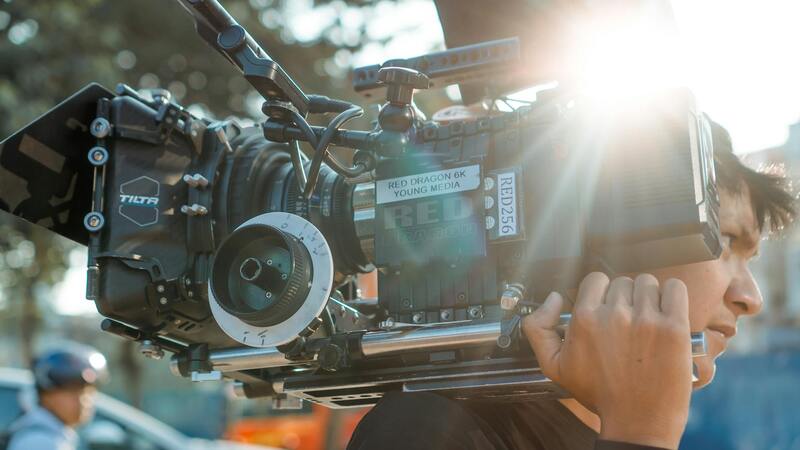
In the realm of commercial video production, the choice of equipment and technological tools plays a pivotal role in shaping the overall budget. High-definition cameras, professional lighting systems, and advanced audio equipment are fundamental to achieving optimal visual and sound quality. The complexity of the project often dictates whether rental or purchase options are more cost-effective. Rental equipment, while avoiding long-term investment, incurs ongoing costs but provides access to the latest technology without the depreciation concerns. Purchasing equipment entails a significant upfront expense but can be economical in the long run for repeated productions.
Beyond basic gear, specialized technological assets such as drone cameras, steadicams, motion control rigs, and high-end editing suites contribute to elevated expenses. Incorporating cutting-edge post-production software, visual effects, and color grading tools enhances the final quality but also adds to the budget. The integration of innovative technology facilitates creative flexibility, enabling the production of compelling narratives that resonate with audiences. It is essential for production teams to assess their needs carefully, balancing quality requirements with financial constraints to avoid overspending on unnecessary equipment.
Reducing Costs Without Compromising Quality
Efficiency and strategic planning are vital in managing commercial video production costs without sacrificing the final product’s impact. Several approaches can help optimize spending while maintaining high standards:
- Pre-Production Planning: A well-structured plan minimizes costly reshoots and last-minute changes. Clear scripting, storyboarding, and shot lists streamline the filming process.
- Location Selection: Choosing cost-effective yet visually appealing locations reduces expenses linked to permits, transportation, and set design. Utilizing existing or natural settings can significantly lower production costs.
- Talent Management: Engaging local talent or freelance professionals can reduce fees compared to high-profile cast members. Additionally, clear contracts shape expectations and prevent budget overruns.
- Technology Utilization: Employing efficient editing workflows and leveraging affordable post-production tools ensures swift turnaround times, reducing labor costs.
- Streamlined Crew sizes: Assigning multi-skilled crew members and avoiding overstaffing can minimize labor expenses without impacting the filming quality.
Factors Influencing Production Costs
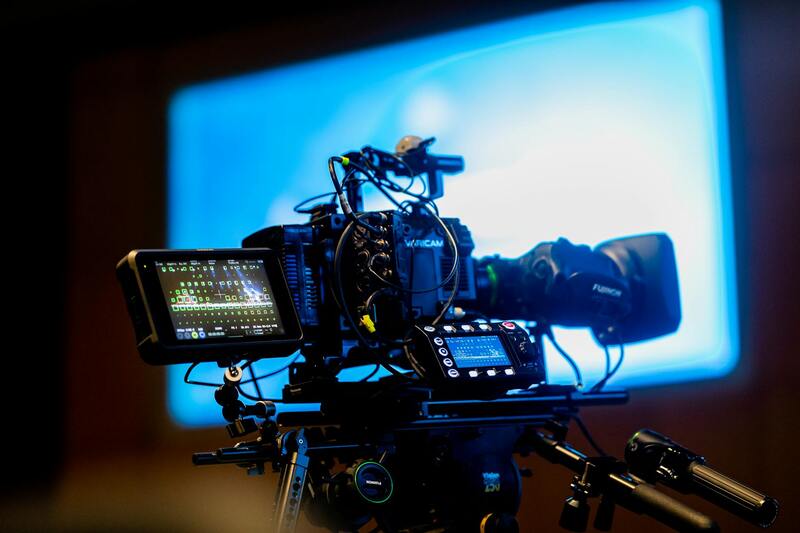
Several core elements substantially impact the overall expenditure of a commercial video production. These factors include the scope and complexity of the project, the scale of the crew involved, and the scope of post-production work required. A straightforward product demonstration may have lower costs, whereas narratives with actors, special effects, and multiple locations will involve significantly higher expenses. Moreover, the level of quality desired, such as high-definition visuals or cinematic effects, directly influences the choice of equipment, personnel, and post-production resources, each of which adds to the cost structure.
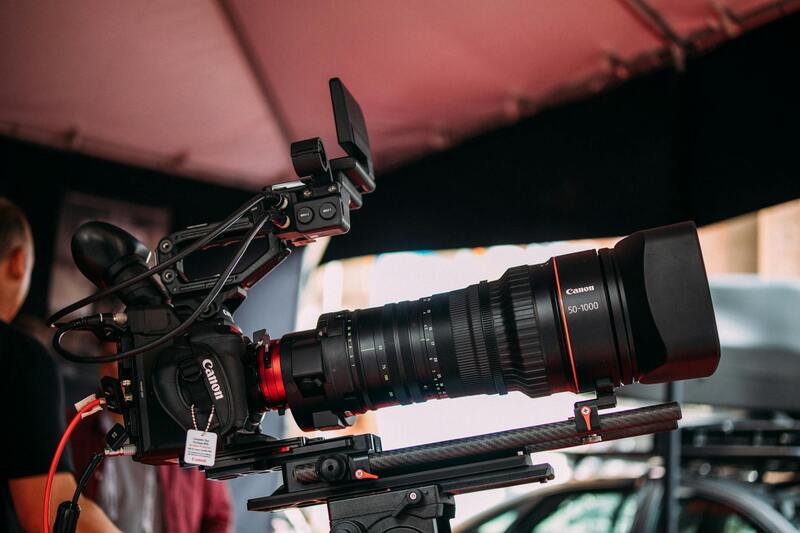
Location choices are equally vital—urban settings, exotic landscapes, or controlled studio environments all carry different pricing implications. Urban locations may incur permit fees and higher transportation costs, while scenic outdoor spots can reduce set construction expenses. The presence of specialized talent, including actors, voice-over artists, or stunt professionals, also adds to expenses, especially when hiring from notable agencies or requiring specific skills. Additionally, factors like the desired production timeline and the urgency of delivery can result in premium charges for expedited services or overtime work.
Average Pricing Range for Commercial Videos
Commercial video production costs vary significantly based on the project's scope, complexity, and production quality. Basic promotional videos with simple setups and minimal editing typically fall within a range of $1,000 to $5,000. These often include straightforward mobile or DSLR footage, minimal scripting, and basic post-production. Medium-scale productions, featuring professional equipment, multiple locations, and moderate post-production effects, usually range from $5,000 to $20,000. These projects often involve dedicated crews, professional actors, and more elaborate editing workflows. High-end commercials, with cinematic quality, extensive visual effects, multiple shooting days, and well-known talent, can cost from $20,000 to over $100,000, depending on the specific requirements and production scale.
Breakdown of Production Expenses
Understanding the typical breakdown of costs helps in more accurate budgeting and resource allocation. Major categories include:
- Pre-Production: This phase entails script development, storyboarding, casting, location scouting, permits, and scheduling. Usually accounting for 10-20% of the total budget, careful planning here minimizes costly revisions during filming.
- Production: The actual filming involves crew salaries, equipment rental, set design, costumes, and on-location expenses. This can constitute 40-50% of the total costs, especially if multiple shooting days or complex setups are involved.
- Post-Production: Editing, visual effects, sound design, color grading, and final delivery fall into this category. Costs vary based on the complexity and length of the project but typically make up 30-40% of the overall budget.
- Miscellaneous: Expenses such as transportation, accommodations, catering, contingency funds, and licensing contribute to additional costs that can sometimes be overlooked during initial planning.

Cost Factors in Location and Talent
Location selection profoundly influences production costs due to various associated fees. Urban environments often require permits, which come with administrative costs and regulations that add to the timeline and budget. Transportation and accommodation expenses for crew and talent also escalate in distant or high-demand locations. Utilizing natural or existing settings can substantially decrease these expenses by eliminating set construction and permits where permissible.
Talent costs are another significant factor. Using local or freelance talent can mitigate expenses associated with agency fees and high-profile salaries. Contracting emerging actors or voice-over professionals with specialized skills allows for maintaining a high production standard without overshooting the budget. The scope of talent involvement—from extras to lead actors—determines the financial commitment, with carefully negotiated contracts minimizing unexpected costs.
Each of these factors requires thoughtful consideration during the planning stages. A strategic approach to location and talent management ensures resource optimization and keeps production within financial limits while still achieving the creative vision.
Cost Factors in Location and Talent
Choosing the right location for a commercial video production is a pivotal aspect that significantly impacts the overall budget. Urban centers and high-demand areas often come with a suite of associated fees, including permits, location fees, and insurance requirements, which can swiftly elevate costs. Administrative permits may require prior application, often involving review periods and paperwork that can delay the project timeline, further increasing costs due to extended crew mobilization and logistical arrangements.
Transportation and accommodations are key considerations when filming takes place in distant or popular locations. Airfare, rental vehicles, hotel stays, and per diem allowances for crew and talent contribute to substantial expenses. These costs vary depending on the project's duration, number of team members involved, and the location's demand level. Opting for closer, more accessible locations or utilizing natural settings can drastically reduce transportation and accommodation costs by minimizing travel and setup needs.
Talent costs are another significant element that influences the production budget. Engaging highly recognized performers, celebrities, or established voice actors typically involves considerable fees, licensing rights, and contractual obligations. Conversely, leveraging local talent or emerging professionals can be a cost-effective alternative without compromising the quality of the production. These talent options often accept lower rates and flexible arrangements, especially when projects align with their career growth ambitions. Depending on the scope of involvement, costs can escalate rapidly. For instance, when hiring lead actors, negotiation of daily or project-based rates coupled with performance bonuses is essential to maintain control over expenses. Using extras or non-union talent entails fewer financial commitments but requires careful screening to ensure they meet the project's standards.
Equipment and Technology Expenses
State-of-the-art filming equipment and production technology are integral to creating high-quality commercial videos. Investing in high-definition cameras, drones, stabilizers, lighting, and sound equipment can incur significant costs, especially when opting for the latest models. Rental options are often more economical for short-term projects, providing access to premium gear without the hefty purchase price. Furthermore, advancements in post-production technology, such as high-end editing software, visual effects, and color grading tools, require additional budget allocation. Incorporating specialized technology, like 3D animation or motion capture, can elevate the final product but often at a higher expense. A strategic assessment of technological needs based on project scope ensures the budget aligns with creative expectations without unnecessary overspending.
Factors Influencing Production Costs
When determining the overall cost of a commercial video, several core factors come into play that directly impact the final budget. These include the scope of the project, complexity of the script, cast and crew requirements, location choices, and post-production needs. Each element contributes uniquely to the total expenses, necessitating careful planning and allocation of resources. Understanding these variables helps clients and production companies strategize effectively to optimize quality within their financial parameters.
Variables that Affect Production Cost
- Project Scope and Length: Longer videos or those with intricate storytelling typically demand more time, personnel, and resources, thus increasing costs.
- Story Complexity: Special effects, animations, or elaborate sets elevate production expenses significantly.
- Talent and Crew: The caliber and experience level of actors, directors, and technical crew influence daily rates and overall expenditure.
- Location Selection: Filming in high-demand or remote areas can entail additional permits, transportation, and accommodation costs.
- Post-Production Requirements: Advanced editing, visual effects, sound design, and color grading are critical to achieving a polished final product but add to overall costs.

Average Pricing Range for Commercial Videos
The typical pricing for commercial video production varies widely depending on complexity and quality expectations. Basic commercials produced with local talent and minimal post-production often range from $5,000 to $15,000. These projects are suitable for small-scale campaigns or brands testing new markets. Standard productions with better-quality visuals and professional talent generally fall within the $20,000 to $50,000 range. Larger, more elaborate commercials, especially those requiring high-end effects or international locations, can surpass $100,000. Budgeting accurately involves assessing the desired production value against anticipated market reach and campaign goals.
Breakdown of Production Expenses
The total cost is composed of various financial components. Typically, expenses are segmented into pre-production, production, and post-production costs. Pre-production encompasses concept development, location scouting, casting, and planning, often constituting about 10-15% of the total budget. Production costs include talent salaries, equipment rentals, set construction, and on-site logistics, usually accounting for 50-60%. Post-production covers editing, visual effects, sound design, and final delivery, making up around 20-30% of expenses. Recognizing how funds are allocated across these phases ensures better control and clarity over the overall expenditure.
Cost Factors in Location and Talent
Choosing filming locations significantly influences costs. Urban centers or popular scenic spots may require permits, potentially leading to licensing fees and additional administrative costs. Remote or exclusive locations often demand transportation, accommodations, and security arrangements, further inflating expenses. Talent costs also vary depending on their profile. A well-known actor commands a premium daily rate and performance bonuses, while lesser-known talent or non-union performers may be more economical. The volume of talent, including extras, also adds to the expense, particularly if extended filming schedules are needed. Expense management in this area involves balancing talent levels with project requirements to maintain quality while containing costs.
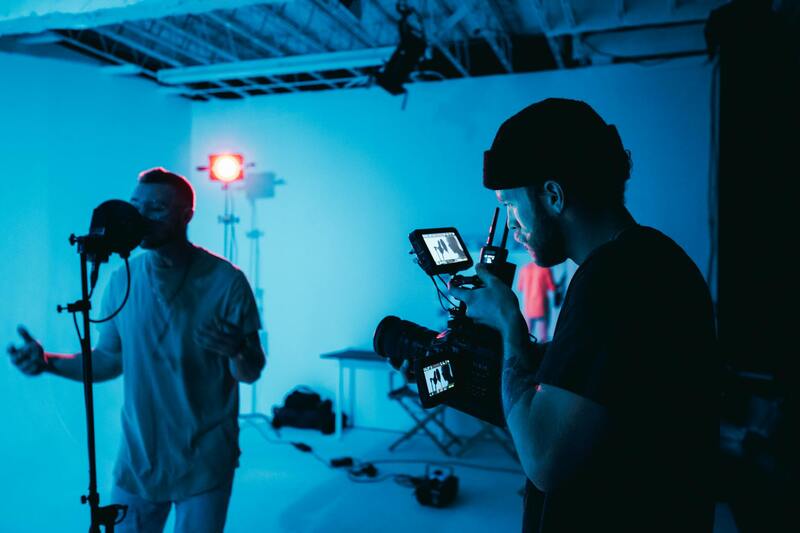
Equipment and Technology Expenses
High-caliber filming and post-production technology are indispensable for creating impactful commercial videos. Investment in top-tier cameras, aerial drones, stabilization rigs, advanced lighting, and professional audio gear can substantially drive up the budget, especially when choosing the latest industry models. Rental equipment options can mitigate costs for short-term projects, providing access without long-term commitments. Post-production technological needs, including advanced editing software, visual effects, and color correction applications, are equally impactful. Some projects may incorporate 3D modeling, motion capture, or virtual sets—technologies that enhance the visual experience but come with higher costs. Effective budgeting requires analyzing these technological demands relative to project scope, ensuring investment yields high-quality results without unnecessary expenditure.
Reducing Costs Without Compromising Quality
Strategies to optimize expenses while maintaining production integrity involve meticulous planning and resource management. Opting for local talent and crew reduces overheads associated with travel and accommodations. Leveraging existing locations or partnering with venues that waive permit fees can also generate savings. Renting equipment instead of purchasing allows access to the latest tools without substantial investment. Pre-visualization of scenes via storyboards expedites filming and minimizes costly reshoots or delays. Additionally, establishing clear timelines and detailed shot lists streamlines the production process. Utilizing efficient post-production workflows and software can cut down editing time and associated costs. These approaches enable producing compelling visual content that fulfills campaign objectives within constrained budgets.
Factors Influencing Production Costs
Understanding what drives the expenses in commercial video production is essential for creating accurate budgets and making informed decisions. Several key elements impact the final cost, including the project scope, complexity of creative concepts, choice of locations, talent requirements, and technical specifications. Each of these factors can either inflate or reduce the overall budget depending on how they are managed and optimized.
Average Pricing Range for Commercial Videos
The cost of producing a commercial video varies widely based on the factors outlined above. Typically, small-scale videos with minimal locations and simple narratives might range from $5,000 to $15,000, focusing primarily on local talent and basic equipment. Mid-tier productions, involving multiple locations, professional talent, and moderate special effects, often fall between $20,000 and $75,000. High-end commercials with advanced visual effects, international talent, aerial shots, and complex post-production can exceed $100,000, reflecting the extensive resources and expertise involved.
Breakdown of Production Expenses
- Pre-Production: Concept development, scripts, storyboarding, location scouting, permits, and planning.
- Production: Crew salaries, talent fees, equipment rental, location fees, set design, and props.
- Post-Production: Editing, visual effects, color grading, sound design, and music licensing.
- Miscellaneous: Insurance, transportation, catering, and contingency funds.
Cost Factors in Location and Talent
The choice of shooting locations significantly influences costs. Popular or restricted areas may require permits or insurance premiums, increasing expenses. On the other hand, utilizing accessible, publicly available, or previously secured locations can reduce costs. Talent costs depend on experience levels, exclusivity, and project timing. High-profile actors or voice-over artists command higher rates, but local professionals often provide high-quality performances at more budget-friendly prices. Negotiating contracts and securing talent for multiple projects can also yield cost savings.

Equipment and Technology Expenses
Modern production demands specialized equipment—cameras, lighting, stabilization gear, and audio capture tools—that can be costly to purchase outright. Many companies opt to rent these items, which provides access to upgraded technology without long-term investment. Advanced software for editing, visual effects, and color correction incurs licensing fees or subscription costs, but these tools are vital for achieving polished results. Incorporating sophisticated technology like drone footage, virtual sets, or CGI elements can substantially increase the budget, requiring careful evaluation of their contribution to the overall project value.
Reducing Costs Without Compromising Quality
One of the most effective strategies for cost management involves careful planning and resource allocation. Leveraging local talent minimizes travel and accommodation expenses, while selecting accessible locations can eliminate permit costs. Renting equipment instead of purchasing ensures access to state-of-the-art tools without significant upfront costs. Pre-visualizing scenes with storyboards accelerates filming, reduces the need for reshoots, and keeps timelines on track. Streamlining workflows through efficient editing software speeds up post-production, reducing hourly costs. Additionally, establishing clear schedules and detailed shot lists prevents costly delays and ensures that every minute of shooting contributes directly to the final product.

Additional Costs and Hidden Expenses
In many cases, there are expenses that are not immediately evident at the outset but can impact the final budget. These include unforeseen delays, overruns in post-production, or additional shooting days necessitated by creative revisions. Permits, insurance, and location fees can vary based on region or project scope, often adding unanticipated costs. Travel and accommodation for crew and talent, especially for projects outside the local area, can significantly elevate expenses. Language barriers, cultural considerations, and compliance with local regulations may also result in extra spending. A comprehensive budget plan accounts for these potential costs and incorporates contingency funds to manage surprises without compromising project quality.