Understanding the Purpose of a Corporate Video
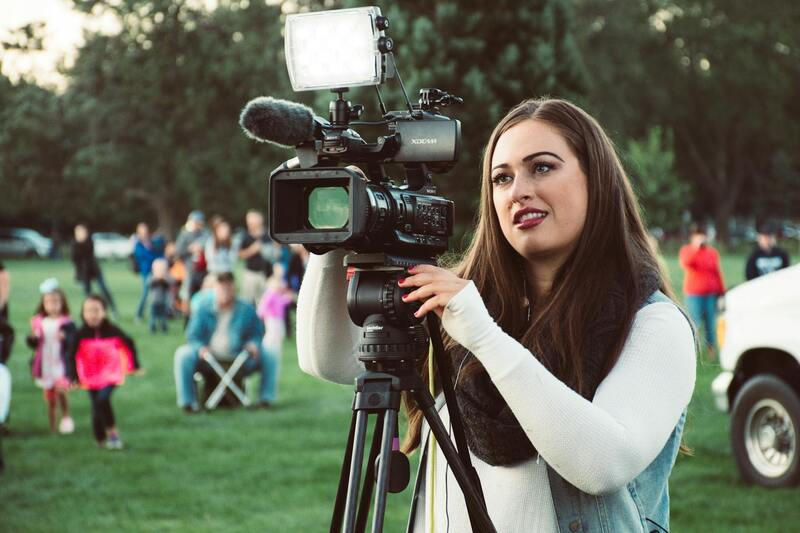
Corporate videos serve as a vital communication tool for businesses aiming to convey their message effectively to various audiences. These videos are crafted with specific objectives in mind, focusing on enhancing brand recognition, promoting products or services, training employees, and reinforcing internal communication channels. Establishing a clear purpose is essential, as it guides the entire production process and ensures that the final product aligns with the company's goals.
One primary purpose of corporate videos is to strengthen brand identity. Through compelling visuals and consistent messaging, companies can build a memorable brand image that resonates with their target audience. Whether showcasing company values or highlighting unique selling propositions, these videos help establish a distinct market presence.
Moreover, corporate videos serve as effective marketing tools. They can be utilized across multiple platforms such as social media, websites, trade shows, and email campaigns to generate leads and increase customer engagement. Their visual appeal helps capture attention and deliver messages in an impactful manner that written content alone might not achieve.
Internal communication is another significant application of corporate videos. Businesses use them to onboard new employees, provide training, communicate corporate policies, or share corporate news. This approach ensures that important information is consistently conveyed across the organization, fostering a cohesive company culture.
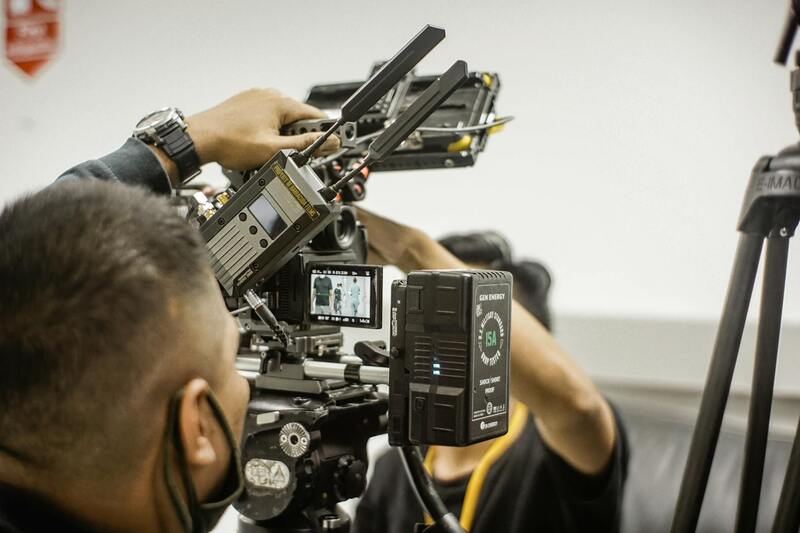
Investing in high-quality corporate videos can lead to long-term advantages, including improved employee engagement, increased customer trust, and a stronger market position. When properly conceived and executed, these videos become powerful assets that support various strategic initiatives.
To maximize their effectiveness, companies must align their videography efforts with overarching business objectives. This involves understanding the target audience, defining key messages, and choosing the appropriate video style and format. Professional production ensures that the final product not only looks polished but also effectively communicates the core message, thereby elevating the company's brand image and supporting its growth ambitions.
Understanding the Purpose of a Corporate Video
Corporate videos are versatile tools designed to communicate a company's message to diverse audiences. Their primary objective is to enhance brand visibility and credibility by visually demonstrating the organization’s values, products, and services. These videos serve not only as marketing assets but also as internal communication facilitators that streamline corporate messaging across departments and stakeholder groups.
Effective corporate videos have the power to establish an emotional connection with viewers, fostering trust and loyalty. They often highlight success stories, showcase innovation, and illustrate commitment to customer satisfaction. Whether aimed at potential clients, investors, or employees, the content must resonate with the intended audience while aligning with the company's strategic goals.
Another critical aspect of corporate videos is their ability to support employer branding initiatives. Showcasing company culture, employee achievements, and community involvement helps attract top talent and retain current staff. This alignment between internal values and external presentation boosts overall organizational cohesion and public perception.
In the digital age, where content consumption is rapid and highly visual, corporate videos offer a tangible advantage. They can be repurposed across multiple channels, including social media, corporate websites, presentation materials, and email campaigns, maximizing return on investment. Well-crafted videos simplify complex concepts, making information more accessible and memorable, thus facilitating better understanding and engagement.
From a strategic perspective, embedding corporate videos within broader marketing and communication plans ensures consistency and reinforces key messages. This integration amplifies the impact of campaigns, ultimately leading to increased lead generation, improved customer trust, and strengthened brand recognition.
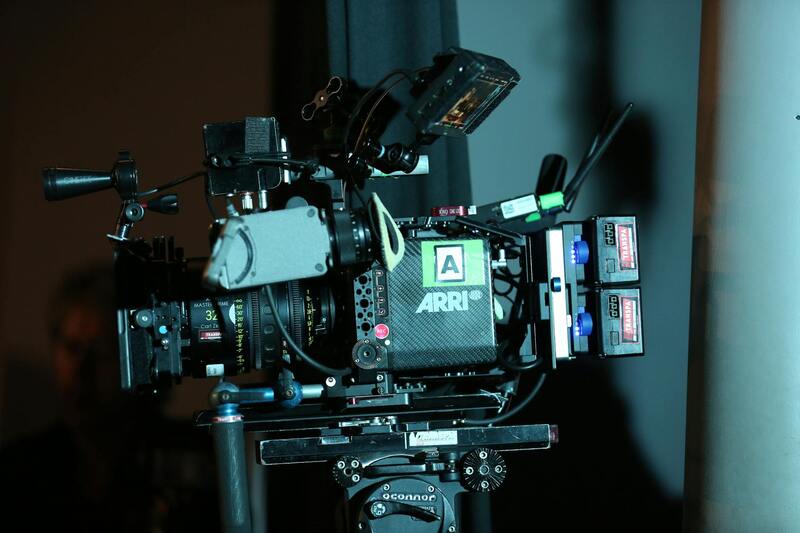
Ultimately, the success of a corporate video hinges on clear objectives, targeted messaging, and professional execution. When these elements are aligned, the resulting content not only enhances brand awareness but also contributes to long-term business growth by fostering meaningful connections with audiences and stakeholders alike.
Developing a Clear Script and Storyboard for Corporate Videos
Once the planning phase is complete, the next vital step involves creating a detailed script and storyboard. A well-crafted script serves as the blueprint for the entire video, ensuring that messaging is consistent, concise, and aligned with the company's branding goals. It should clearly articulate the intended narrative, key messages, call-to-action, and tone of delivery, whether professional, approachable, or innovative.
Complementing the script, the storyboard visually maps out each scene's composition, camera angles, transitions, and visual elements. This step facilitates visualization of the final product, allowing stakeholders to review and provide feedback early in the process. The storyboard also helps the production team anticipate technical requirements, such as lighting, props, and shot order, leading to smoother filming sessions and fewer disruptions.
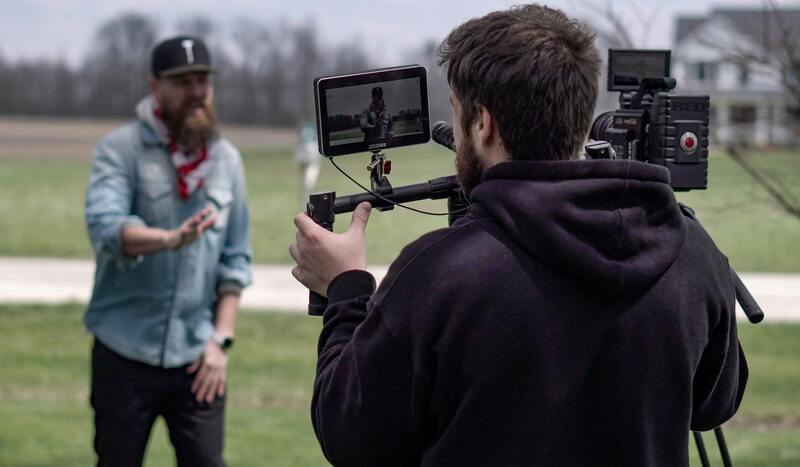
In crafting both scripts and storyboards, it is imperative to maintain clarity, authenticity, and adaptability. Messages should resonate with the target demographic, reflecting the company’s values and culture authentically. Flexibility during this phase allows for adjustments based on feedback without jeopardizing the overall vision. This iterative process enhances the quality of the final product and ensures it effectively communicates the intended message.
Assembling the Production Team and Technical Elements
Successful corporate video production relies on a team of skilled professionals, including directors, cinematographers, scriptwriters, and editors, each bringing expertise to the project. Selecting the right team members, whether in-house or through specialized agencies, is crucial for achieving high production standards. Collaboration among team members ensures that creative ideas translate seamlessly into technical execution.
Technical considerations include choosing the appropriate equipment, such as high-definition cameras, lighting setups, and sound recording devices. Proper equipment selection and setup impact the visual and audio quality, which directly influences viewer engagement and professionalism. For instance, controlled lighting can dramatically enhance the aesthetic appeal and focus, while high-quality sound ensures clarity in delivering messages.

Additionally, location scouting plays a significant role in setting the tone, whether filming on-site at company facilities, in-studio, or on location elsewhere. The choice depends on the video’s purpose and style, but all settings should reinforce the message and brand identity. Effective coordination during the production phase guarantees that the filming process stays on schedule and budget while maintaining high standards of visual storytelling.
Ensuring Consistency and Authenticity Throughout the Production
Throughout filming and post-production, maintaining consistency with the originally developed concept is essential. Authenticity in presentation strengthens trust and credibility with the audience. This means adhering to the approved script, capturing the right tone, and ensuring visuals align with brand guidelines.
Editors play a vital role in refining raw footage into a compelling narrative. They focus on pacing, transitions, sound integration, and visual effects that enhance rather than distract from the core message. Attention to detail during editing ensures the final product is polished, professional, and impactful.

Overall, integrating these best practices during the production process guarantees that the corporate video resonates with its intended audience. Achieving a seamless blend of script, visuals, and sound results in a cohesive story that elevates the company's image and strengthens stakeholder connections. When executed with precision and strategic oversight, the resulting content not only meets immediate communication goals but also supports long-term branding initiatives and organizational growth.
Developing a Clear and Concise Script
Creating an effective company corporate video begins with meticulous script development. A well-crafted script serves as the blueprint for the entire production, ensuring that key messages are clearly conveyed and resonate with the target audience. It is essential to align the script with the company's core values, branding guidelines, and overall communication objectives.
The scripting process involves several critical steps. First, identify the primary goal of the video—whether it is to introduce new products, showcase company culture, or demonstrate expertise in a specific field. Based on this goal, develop a compelling narrative that captures viewers’ attention from the outset. The script should be concise, engaging, and informative, avoiding jargon and complex language that could detract from clarity.
To enhance authenticity, incorporate real testimonials or case studies that exemplify the company's strengths. Ensure the tone of the script aligns with the company's brand voice, whether professional, friendly, or visionary. A balanced combination of storytelling and factual information can significantly boost viewer engagement and retention.
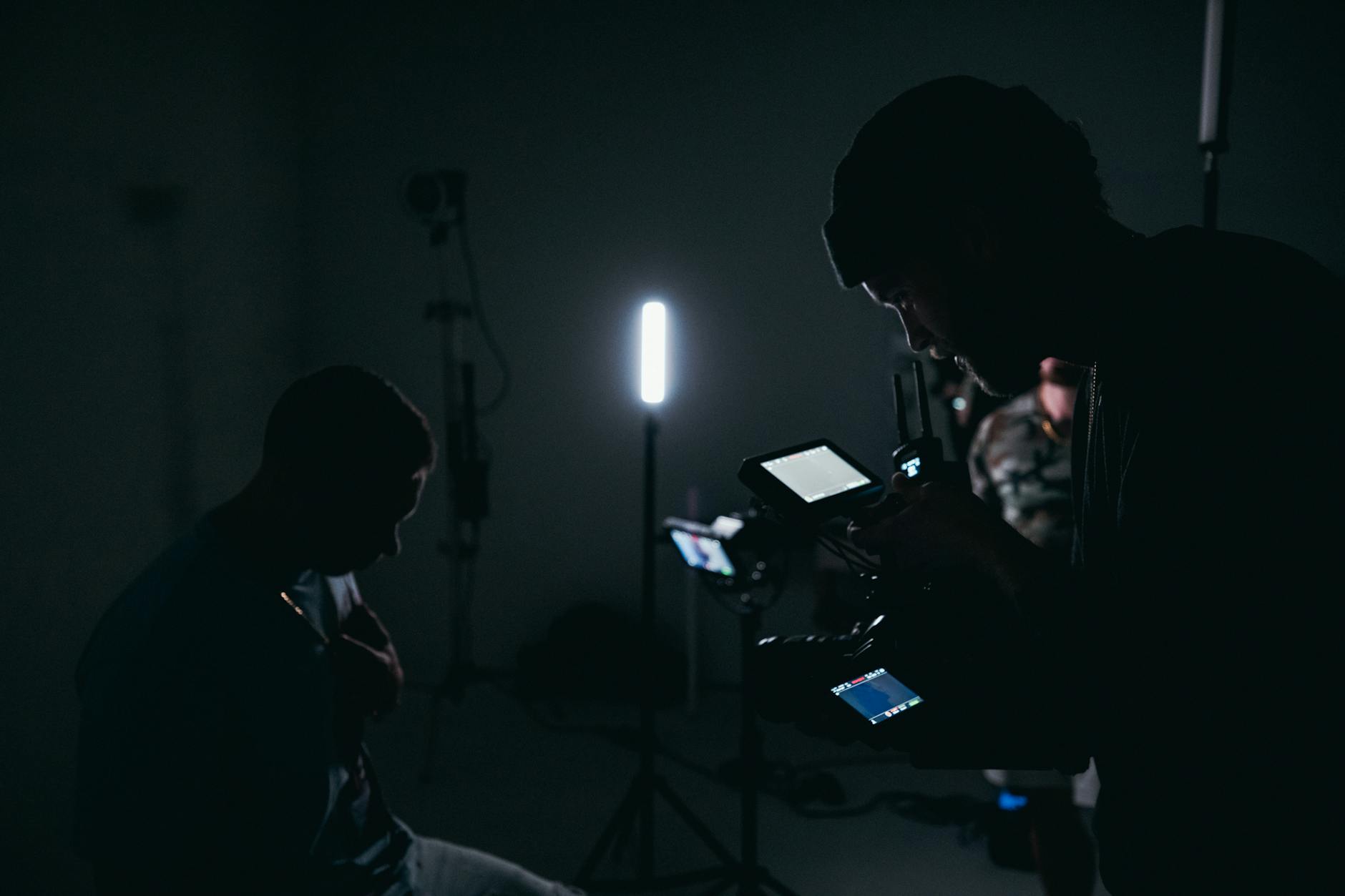
During script development, collaboration with stakeholders such as marketing, sales, and executive teams is vital. This collaborative approach guarantees that the message accurately reflects the company's strategic vision and operational details. Reviewing and refining the script multiple times ensures clarity and impact, emphasizing the importance of aligning all content elements before filming begins.
Storyboarding and Visual Planning
Storyboarding is a critical phase that translates the script into visual concepts. It allows the production team to map out scenes, determine shot composition, and plan camera movements. This step ensures that each segment of the video aligns with the narrative flow and visual aesthetics, facilitating effective communication among creative professionals.
Detailed storyboards help identify technical requirements, such as lighting setups, special effects, and location needs. They also assist in estimating production and post-production timelines, reducing potential delays and budget overruns. Proper visual planning reflects professionalism and plays a significant role in captivating the audience.
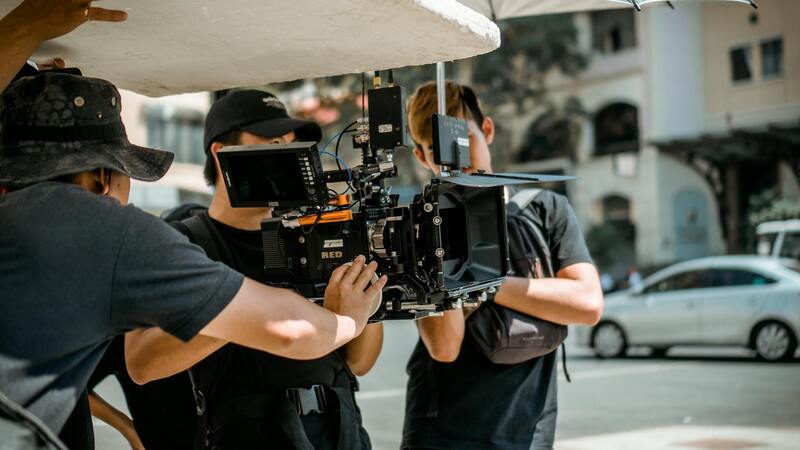
Investing time in storyboarding provides a clear roadmap for filming, enabling a smooth progression from pre-production to shoot and eventually to editing. It also helps in communicating the creative vision to all team members, ensuring everyone works cohesively toward a unified goal.
Scene Selection and Filming Techniques
Once the script and storyboard are finalized, focus shifts to scene selection and filming execution. Choosing the right locations, props, and talent is critical to producing a professional corporate video that aligns with brand identity. The scenes should be visually engaging yet authentic, representing the company’s personality and values convincingly.
Filming techniques must be tailored to the content, using appropriate equipment such as high-resolution cameras, stabilizers, and lighting tools. Proper lighting and audio quality are fundamental to achieving a polished final product. A Miami-based production team often brings local insights into location advantages, surrounding aesthetics, and cultural nuances that can enhance the video’s appeal.
During filming, attention to detail ensures consistency in visual tone and style, reinforcing brand recognition. Directing talent with clarity and professionalism helps elicit the most effective performances, whether it’s a corporate spokesperson or behind-the-scenes staff. Multiple takes may be necessary to capture the highest quality footage, and maintaining a flexible yet disciplined schedule minimizes disruptions.
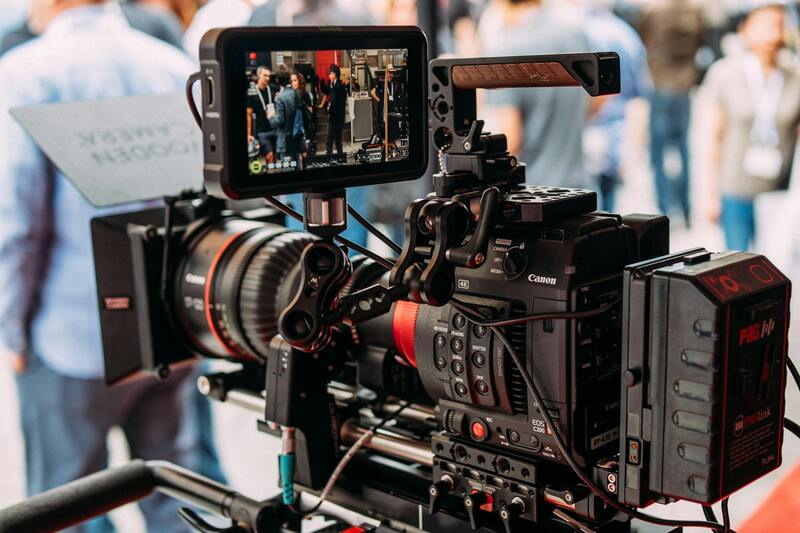
Overall, careful scene selection combined with skilled filming techniques elevates the company's message, ensuring the final corporate video communicates professionalism, credibility, and engagement. This stage is pivotal in translating carefully developed scripts and storyboards into compelling visual stories that resonate deeply with viewers and reinforce organizational objectives.
Post-Production and Editing Strategies
Post-production represents the stage where raw footage is transformed into a cohesive, polished corporate video that effectively communicates its intended message. This phase involves meticulous editing, where the narrative flow is refined to ensure clarity, engagement, and professionalism. Expert editors review all footage, selecting the best takes, and organizing scenes to align with the storyboard or script. Seamless transitions, appropriate pacing, and visual consistency are crucial elements that contribute to viewer retention and message retention.
Incorporating visual effects can elevate a corporate video's appeal, subtly emphasizing key messages or brand elements without overwhelming the viewer. Color correction and grading are applied to create a uniform look that reinforces the brand's visual identity, whether it’s a sleek corporate style or a vibrant, energetic tone. Proper sound design complements visual elements, including background music, sound effects, and voiceovers, to foster an immersive experience. High-quality audio mixing ensures clarity and balance, allowing the message to resonate more effectively.
Motion graphics provide an additional layer of engagement, especially useful for explaining complex data, showcasing statistics, or highlighting product features. These dynamic visual elements should be tailored to match the overall aesthetic of the video and reinforce branding consistency. When executed skillfully, motion graphics can simplify intricate concepts and keep viewers engaged from start to finish.

The editing process must also adhere to best practices in storytelling, ensuring the final product is compelling and aligns with the company's messaging goals. Collaboration between the editing team and clients allows for review and feedback cycles, ensuring the finished video meets organizational expectations and effectively targets its audience. This comprehensive approach to post-production ensures that every element — from visuals and audio to graphics — contributes harmoniously to a polished, professional output that reinforces the company's brand image and communication objectives.
Post-Production and Editing Strategies
Effective post-production is critical to transforming raw footage into a polished, impactful corporate video. The editing phase involves assembling captured footage, selecting the best takes, and ensuring seamless visual flow that aligns with the project’s objectives. Color correction and grading are applied to establish a consistent look, reinforcing the brand’s visual identity—whether aiming for a sleek corporate aesthetic or an energetic, vibrant tone. Proper color correction ensures that visuals appear natural and appealing across different screens, while grading enhances emotional resonance by setting the appropriate mood.
Sound design is equally essential in post-production, complementing visual elements to create an immersive viewing experience. This process involves selecting background music, adding sound effects, and recording or integrating voiceovers. High-quality audio mixing guarantees clarity and balance, allowing the message to resonate more effectively with viewers. Clear dialogue, well-timed music, and subtle sound effects work together to maintain engagement and emphasize key messages.
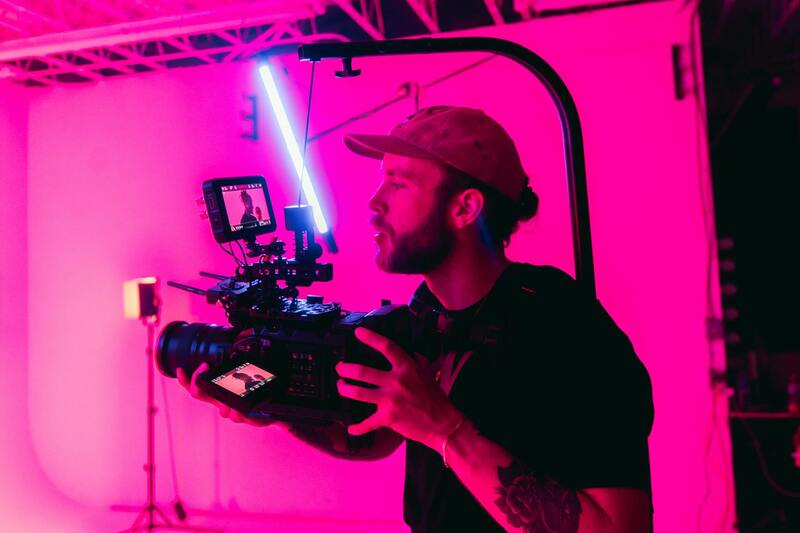
Motion graphics and visual effects provide additional layers of engagement and clarity, especially useful for illustrating complex ideas or highlighting specific data points. Animations can simplify intricate concepts, making them more accessible and memorable for viewers. When integrated thoughtfully, motion graphics align with the branding and aesthetic, ensuring they augment the narrative without overwhelming it.
Advanced editing techniques such as multi-cam editing, split screens, and dynamic transitions contribute to a more engaging visual experience. Storytelling remains a cornerstone in editing, as a well-structured narrative guides viewers through the information seamlessly, keeping their attention focused and reinforcing key messages.
Collaborative review sessions with clients or stakeholders are vital to refine the final cut. Feedback cycles allow adjustments in pacing, visual effects, audio levels, and overall storytelling, ensuring the video aligns with organizational goals. A comprehensive editing approach not only produces a professional output but also strengthens the overall brand messaging, making the corporate video a powerful communication tool.
Understanding the Purpose of a Corporate Video
Creating a company corporate video is a strategic endeavor aimed at conveying your brand’s message with clarity, professionalism, and impact. This medium serves multiple objectives, such as establishing brand authority, fostering customer trust, engaging employees, and showcasing products or services to potential clients. The core purpose is to communicate your organization’s values, mission, and capabilities in a visually compelling manner that resonates with your target audience.
Effective corporate videos can serve as powerful tools for educating stakeholders, differentiating your brand from competitors, and reinforcing your market position. By combining storytelling with high-quality visuals, your video can humanize your brand, making it more relatable and memorable. Additionally, corporate videos are invaluable for internal communications, training programs, or investor presentations, ensuring that your message is consistent and professional across all channels.
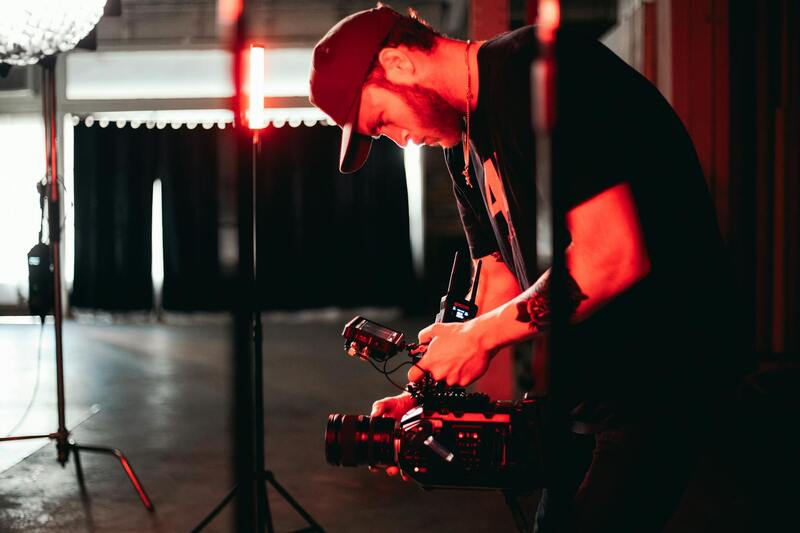
When developing a corporate video, it’s essential to clearly define the intended outcome. Whether your goal is to attract new clients, inform employees, or demonstrate thought leadership within your industry, the video content should be tailored specifically to meet that objective. The purpose guides every aspect of the production process, including scripting, visuals, tone, and distribution strategy, ensuring the final product aligns seamlessly with your broader business goals.
Key Types of Corporate Videos
- Brand Films: These videos focus on establishing emotional connections, sharing your company’s story, values, and vision to foster brand loyalty.
- Product Demonstrations: Showcasing how your products or services work, emphasizing features and benefits to educate potential clients and boost sales.
- Testimonials and Customer Stories: Sharing authentic feedback from satisfied clients to build credibility and trust.
- Internal Communications: Videos designed for employee engagement, training, or conveying corporate updates and initiatives.
- Event Coverage: Capturing moments from corporate events, conferences, or product launches, elevating brand visibility.
- Thought Leadership: Industry insights, interviews, or commentary to position your organization as an authority within your field.
Planning and Concept Development
The foundation of a successful corporate video lies in meticulous planning and concept development. This stage involves identifying your target audience, clarifying your messaging, and determining the most compelling ways to present your story visually. Conducting thorough research about your audience’s preferences and expectations ensures the content resonates and drives engagement.
Concept development should include brainstorming creative approaches, scripting, and storyboarding. This process involves translating your ideas into visual narratives, selecting suitable locations, and determining the tone that best reflects your brand personality. Collaborating with a skilled production team can help refine concepts, identify potential challenges, and establish a realistic production timeline and budget.
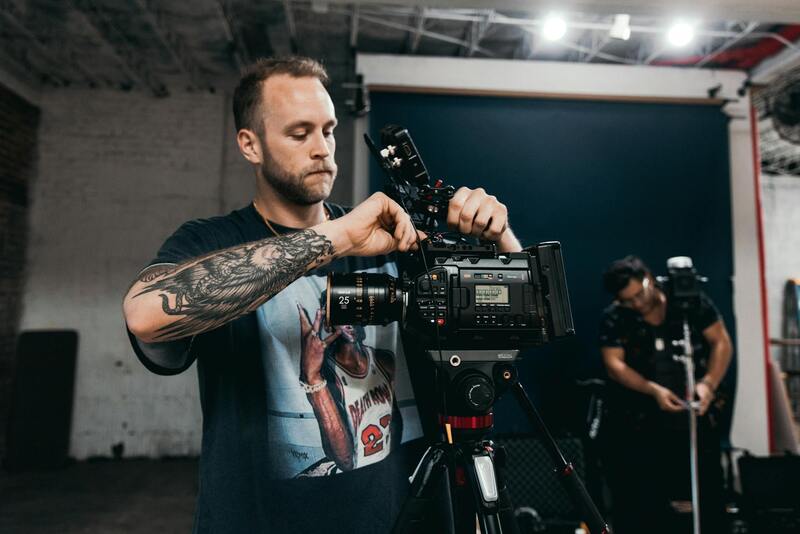
The planning phase also encompasses preparing logistics, scheduling shoots, securing necessary permits, and coordinating with stakeholders. Proper preparation minimizes unforeseen complications and guarantees a smoother production process, ultimately saving time and resources while maintaining high standards of quality.
Production Process and Best Practices
The production phase involves executing the plans crafted during the concept development stage. It includes filming, capturing high-quality visuals, and recording clear audio. Using professional equipment and techniques ensures that the footage meets industry standards, creating a polished and compelling final product.
Best practices during production involve clear communication among team members, adherence to the scheduled timeline, and flexibility to adapt to on-set dynamics. Proper lighting, framing, and sound management are critical elements that impact the overall professionalism of the corporate video. Employing a versatile crew, including directors, cinematographers, and sound engineers, can enhance the quality of the footage and ensure the vision is accurately realized.
Additionally, maintaining alignment with branding guidelines during production ensures consistency in visual identity, tone, and messaging. Collaboration with your internal team or designated stakeholders ensures that the video aligns with organizational standards and expectations.

Post-Production and Editing Strategies
The post-production stage involves editing raw footage, refining visuals, and integrating audio elements. Skilled editing enhances the storytelling aspect, ensuring a cohesive flow that captures viewers' attention and sustains engagement throughout the video.
Key editing techniques include color correction to reinforce brand consistency, sound mixing for clarity, and the incorporation of motion graphics or visual effects to illustrate complex ideas. These elements add visual interest and clarity, making the message more accessible and memorable.
Storytelling should remain central during editing, with a focus on maintaining pacing that holds viewers’ attention. Incorporating subtle transitions, dynamic cuts, and well-timed music helps create an emotional connection, guiding viewers naturally through the narrative.
Collaborative review sessions with your team or stakeholders are essential for refining the final cut. Feedback should be incorporated thoughtfully, adjusting visual effects, sound levels, or narrative focus to perfectly align with overarching communication goals. A polished, professional corporate video can significantly bolster brand perception and serve as an effective communication tool across multiple platforms.
Choosing a Miami Production Agency for Corporate Videos
Assessing Portfolio and Experience
When selecting a production agency in Miami, review their portfolio to gauge the quality and diversity of their previous work. A well-curated portfolio demonstrates their ability to produce high-caliber corporate videos tailored to various industries and target audiences. Look for examples that showcase different styles, such as testimonials, brand stories, or promotional content, to ensure the agency can adapt to your specific needs.
Experience in corporate video production is equally crucial. An agency with extensive background understands the nuances of conveying complex messages effectively while maintaining brand consistency. Their familiarity with corporate communication standards and industry best practices ensures that your video aligns with your organizational objectives and resonates with your audience.
Understanding of the Miami Market
Local knowledge plays a significant role in creating impactful corporate videos. An agency with a strong grasp of Miami’s cultural landscape, business environment, and regional trends can craft content that authentically reflects your company's identity while appealing to local sentiments. Such familiarity enables them to incorporate regional aesthetics, language nuances, and relevant storytelling angles that elevate the video's relevance and effectiveness.
Technical Capabilities and Creativity
Evaluate the technological proficiency of potential Miami production partners. The best agencies utilize cutting-edge equipment and advanced editing software to produce visually stunning content. Their creative approach should be evident in innovative storytelling techniques, compelling visuals, and engaging motion graphics. A team that blends technical expertise with creative ingenuity can deliver videos that stand out in a competitive market.
Client Collaboration and Communication
Effective communication is fundamental throughout the production process. An ideal agency promotes transparent collaboration, ensuring that your vision and feedback are integrated at every stage. They should be responsive, receptive to ideas, and proactive in providing updates, enabling a seamless workflow that respects deadlines and budget constraints.
Transparent Pricing and Project Management
Compare quotes from multiple agencies while considering the scope of services included. A reputable Miami-based firm offers detailed proposals with clear pricing structures, delineating costs for pre-production, filming, post-production, and revisions. Strong project management skills are also critical, as they facilitate timely delivery and ensure that all project phases are coordinated efficiently.