
Understanding Corporate Films
Corporate films serve as a powerful communication tool for businesses aiming to convey their brand identity, values, and messages effectively. Unlike entertainment videos or personal projects, corporate films are crafted with specific objectives to enhance organizational reputation, foster stakeholder engagement, and support marketing efforts. These films often highlight a company's history, showcase their products or services, or communicate corporate social responsibility initiatives.
The primary purpose of a corporate film is to build trust and credibility among target audiences, including clients, investors, employees, and the general public. They are meticulously designed to reflect a company's unique message and resonate with viewers on a professional level. As a result, the content must be engaging, clear, and aligned with the company's strategic goals.
Key differences between corporate films and other video content include their focus on messaging and branding, formal tone, and the intent to deliver a lasting impression. Unlike casual or entertainment-focused videos, corporate films prioritize authenticity, professionalism, and a cohesive visual and narrative style that accurately represents the organization.
Effective corporate film production involves understanding the core values and mission of the business, which directly influences the storytelling approach. Whether showcasing a company’s history, highlighting innovation, or illustrating successful client relationships, each film is tailored to serve its specific purpose while maintaining high production standards.
Target Audience and Messaging
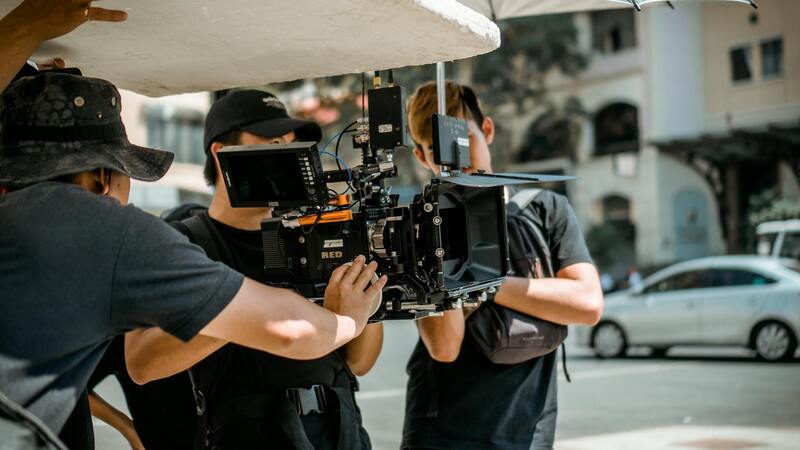
Defining the target audience is a critical step in crafting an effective corporate film. Clear identification of the primary viewers—whether potential clients, current investors, prospective employees, or industry partners—allows for tailored messaging that resonates on a deeper level. Understanding their preferences, interests, and informational needs helps shape the narrative and visual style of the film, ensuring it addresses their specific concerns and aspirations.
Every corporate film should communicate a unified message aligned with the company's core values and strategic objectives. It is essential to craft a message that emphasizes the organization’s strengths, unique value propositions, and future vision. Whether the focus is on showcasing innovation, celebrating milestones, or emphasizing a commitment to sustainability, the messaging must be direct, authentic, and compelling.
Achieving this involves careful selection of communication points, tone, and language that reflect the company’s brand identity. For instance, a corporate film aimed at investors might highlight financial stability, growth strategies, and market positioning. Conversely, a client-focused narrative could emphasize customer testimonials, project successes, and service excellence. Ensuring consistency in tone and message across all segments of the film reinforces credibility and fosters trust among viewers.

Effective communication also leverages visual storytelling techniques—such as infographics, dynamic visuals, and real-life footage—to make complex concepts accessible and memorable. Incorporating authentic testimonials and behind-the-scenes glimpses helps humanize the organization and forge emotional connections. Ultimately, precise targeting and thoughtful messaging elevate the impact of the corporate film and support broader marketing and communication efforts.
Pre-Production Planning
In the pre-production phase, meticulous planning sets the foundation for a successful corporate film. This phase involves defining the project scope, establishing clear objectives, and developing a comprehensive script that aligns with the company's strategic message. Collaboration with stakeholders ensures that the narrative captures key aspects of the business while adhering to brand guidelines.
Additionally, detailed storyboarding and shot planning facilitate efficient on-site production, minimizing unforeseen challenges. Budget allocation, scheduling, and resource management are integral to this stage, as they determine the quality and scope of the final product. Selecting the right location, talent, and equipment further enhances the visual appeal and professionalism of the film.

Legal considerations, such as securing permissions, releasing materials, and ensuring compliance with industry standards, are also addressed during pre-production. This comprehensive approach reduces the risk of disruptions during filming and guarantees that all elements are ready for production execution.
Production Process
The production phase involves executing the plans established during pre-production. This is where the filming takes place, capturing high-quality visuals and audio that reflect the script and storyboard. Professional cinematographers and directors work together to create dynamic shots that effectively convey the intended message.
Attention to lighting, sound quality, and camera angles ensures that every frame contributes to the overall narrative’s clarity and impact. Directors often oversee the creative process on set to maintain the consistent tone established earlier, while production crews handle technical details efficiently.

Efficient coordination and clear communication among team members are vital during filming to stay aligned with project timelines and quality standards. The production phase concludes with capturing diverse footage and sound recordings, which will later be refined during editing.
Post-Production and Editing
Post-production transforms raw footage into a cohesive and polished corporate film. During this stage, editors compile footage, correct color grading, balance sound, and incorporate visual effects or animations that enhance storytelling. Music and voiceovers are integrated to evoke the desired emotional response and reinforce key messages.
Attention to detail in editing ensures pacing, clarity, and professionalism, making the content engaging without overwhelming viewers. It’s also an opportune moment to review the film with key stakeholders, gather feedback, and make necessary revisions for optimal impact.
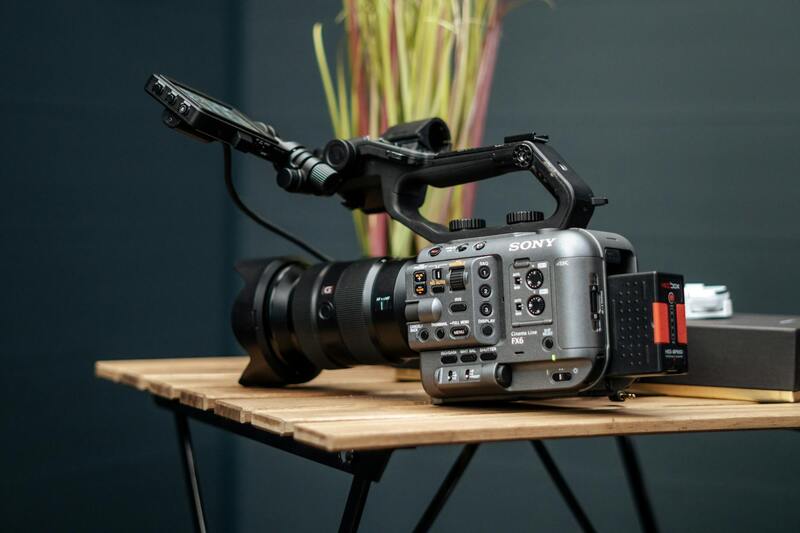
The final product must align with the strategic communication goals, embody the company’s visual identity, and meet quality standards for distribution across multiple platforms.
Understanding Corporate Films
Corporate films are professional video productions created to communicate a company's values, showcase products or services, and engage target audiences effectively. They serve as dynamic tools to enhance brand visibility, strengthen internal communication, and support marketing campaigns. These productions typically range from short promotional videos to comprehensive documentaries, all crafted with a strategic focus on delivering precise messages that align with the company's goals.

The core purpose of a corporate film is to tell a compelling story that resonates with viewers, whether they are potential clients, investors, or employees. High-quality visuals, engaging storytelling, and precise messaging are essential components that elevate the impact of these videos. By incorporating elements such as client testimonials, behind-the-scenes looks, or interviews with leadership, corporate films create an authentic impression and foster trust among viewers.
Many companies leverage corporate films to articulate their values and vision, demonstrate industry expertise, or highlight community engagement efforts. These videos act as versatile marketing assets that can be utilized across various channels including company websites, social media platforms, and trade shows, broadening their reach and reinforcing the brand identity in targeted markets.
Goals and Objectives of Corporate Films
The primary goal of corporate films is to communicate the intended message with clarity and professionalism. Specific objectives often include:
- Brand Awareness: Establish and strengthen the company's presence within the industry or community.
- Reputation Building: Showcase achievements, certifications, or awards that enhance credibility.
- Product or Service Promotion: Demonstrate features, benefits, and applications to attract new customers.
- Internal Communication: Engage employees, align teams with company values, and communicate strategic updates effectively.
- Leadership Positioning: Position the company as an industry leader through thought leadership segments or executive interviews.
Clear objectives guide every stage of production, from scripting to distribution, ensuring the final film achieves desired results and contributes positively to the company's strategic endeavors.
Target Audience and Messaging
Understanding the target audience is fundamental to crafting effective corporate films. Identifying demographic details, professional interests, and media consumption behaviors allows content creators to tailor messages that genuinely resonate with viewers. Whether the audience consists of prospective clients, corporate partners, or internal staff, messaging must speak directly to their needs, challenges, or aspirations.
Developing audience-centric content involves selecting appropriate tone, style, and storytelling techniques, incorporating language and visuals that appeal to the viewer’s preferences. Consistent messaging reinforces the company’s core values and value proposition, fostering stronger engagement and brand loyalty.

Effective targeting ensures that each corporate film maximizes its impact, resulting in increased awareness, improved perception, and often, tangible business outcomes. This tailored approach also facilitates more efficient use of marketing resources by focusing efforts on audiences most likely to convert or advocate for the brand.
Pre-Production Planning for Corporate Films
Pre-production is a critical phase that sets the foundation for a successful corporate film. It involves meticulous planning to ensure that every element aligns with the company's strategic objectives and desired message. Initial discussions focus on understanding the core purpose of the film, whether it’s to showcase innovations, enhance brand reputation, or communicate corporate values. This clarity enables the development of a detailed script that effectively conveys the intended message while resonating with the target audience.
Scripting and Storyboarding
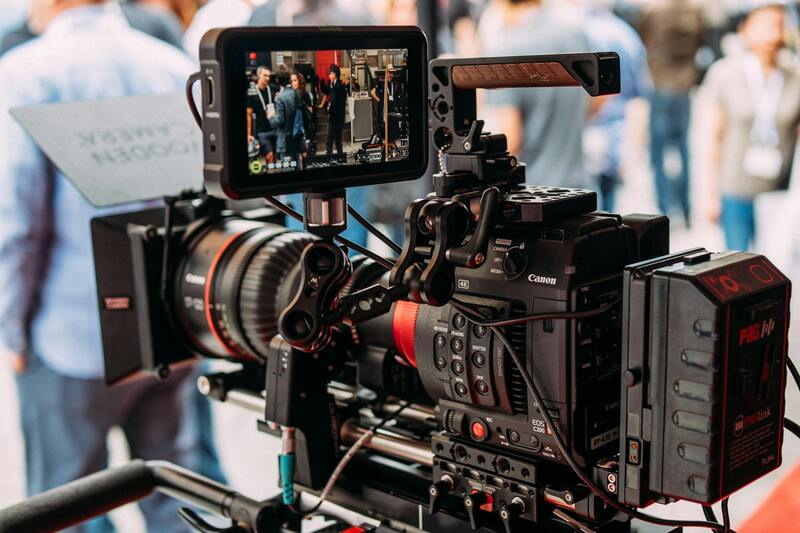
Creating a compelling script involves collaborative efforts to craft narratives that are engaging and aligned with brand voice. This includes defining key messages, call-to-actions, and visual cues. Once the script is finalized, storyboarding translates the narrative into visual sequences, providing a blueprint for the shoot. This step helps visualize scenes, plan camera angles, and determine the flow of storytelling, reducing uncertainties during production.
Budgeting and Scheduling
Establishing a clear budget ensures resource allocation is optimized for quality and efficiency. It encompasses costs related to talent, locations, equipment, and post-production. Developing a detailed shooting schedule minimizes delays and overlaps, enabling seamless coordination among crew members and stakeholders. Careful planning in this stage avoids costly overruns and aligns the project timeline with strategic marketing goals.
Location and Talent Selection
Choosing appropriate locations enhances authenticity and visual appeal, whether a corporate office, industrial site, or an outdoor setting. The selection process considers logistical aspects such as permits, accessibility, and suitability for the narrative. Additionally, casting talent—be it company executives, professional actors, or voice-over artists—must reflect the image and tone desired for the film. Properly selected talent and locations reinforce the credibility and professionalism of the corporate message.

Legal and Compliance Considerations
During pre-production, ensuring compliance with relevant regulations and securing necessary permissions is essential. This includes obtaining filming permits, rights to music and visuals, and clearances for any trademarks or proprietary content. Addressing these elements early prevents delays and legal complications that could compromise the project’s timeline and integrity.
Incorporating Authenticity and Credibility in Corporate Films
Visual and Narrative Authenticity
One of the most critical aspects of making corporate films that resonate with viewers is maintaining authenticity. This entails using genuine footage that accurately reflects the company's operations, values, and culture. Authentic visuals help build trust with the audience by showcasing real workplace environments, authentic employee testimonials, and realistic scenarios that employees and clients can relate to. Incorporating real-life stories and achievements enhances credibility and strengthens the message’s impact.
Storytelling in corporate films should emphasize transparency and honesty. Avoid overly scripted or exaggerated content, which can undermine the message’s trustworthiness. Instead, craft narratives that highlight actual successes, innovations, and commitments to excellence. When viewers feel the content is honest and representative of the company’s true character, it fosters a sense of reliability and authority.
Precision in Messaging
Clear and consistent messaging is vital in corporate films to ensure that viewers understand the core values, mission, and offerings of the organization. The script should be concise yet comprehensive, framing the key points in a way that aligns with the company’s strategic objectives. Expert storytelling techniques combined with clear visual cues enable the audience to grasp complex concepts quickly, whether it’s about the company’s history, product innovation, or community involvement.
Employing a balanced approach between technical details and engaging storytelling creates an informative yet compelling film. Consistency in tone, branding, and messaging across all production elements helps reinforce the corporate identity and ensures the film supports the broader marketing and branding strategy.
Legal and Ethical Integrity
Corporate films must adhere to strict ethical standards, especially when depicting data, research, or proprietary information. Proper attribution and respecting intellectual property rights are fundamental to maintaining integrity. This involves obtaining permissions for visual content, music, and any third-party brand features included in the film. Transparent communication with stakeholders about the content’s purpose and scope further affirms the company's commitment to ethical standards.

Effective Use of Testimonials and Case Studies
Including testimonials from satisfied clients, partners, or employees adds credibility and humanizes the corporate narrative. Well-produced case studies demonstrate real-world applications of the company’s solutions and highlight tangible results. Authentic stories from credible sources reinforce trust and illustrate the company’s commitment to excellence and customer satisfaction.
Aligning Corporate Films with Brand Identity
Ensuring that the visual style, tone, and overall messaging align with the brand identity is essential. Consistent use of logos, color schemes, and brand slogans in the film reinforces brand recognition and reinforces the company's professional image. The narrative should reflect the company's core values, fostering a cohesive message that resonates across all communication channels.

Understanding Corporate Films
Corporate films serve as a powerful visual communication tool that encapsulates a company's mission, values, achievements, and visions in a format that is engaging and easy to digest. Designed to portray the company's story, these films aim to establish trust, enhance brand visibility, and foster a deeper connection with audiences. Whether used internally for employee engagement or externally to attract clients and investors, the effectiveness of a corporate film hinges on meticulous planning and execution. Their role extends beyond mere promotion; they are strategic assets that communicate credibility and exemplify professionalism in the marketplace.

Goals and Objectives of Corporate Films
The primary goal of a corporate film is to craft a compelling narrative that aligns with the company's strategic intentions. These films typically aim to increase brand awareness, demonstrate industry expertise, or showcase new products and services. Specific objectives may include:
- Building brand authority and establishing industry credibility.
- Communicating complex information clearly and engagingly.
- Attracting potential clients or new talent.
- Strengthening stakeholder relationships through transparent storytelling.
- Supporting sales and marketing campaigns with high-quality visual content.
Target Audience and Messaging
Defining the target audience forms the foundation of an effective corporate film. Different audiences—such as potential clients, current partners, investors, or employees—necessitate distinct messaging strategies. Content should be designed to address their specific interests and concerns.
- For clients: Demonstrate how the company's offerings solve real-world problems.
- For investors: Highlight financial stability, growth, and strategic vision.
- For potential employees: Showcase workplace culture and career opportunities.
Pre-Production Planning
Effective pre-production is critical to the success of a corporate film. It involves a comprehensive process that includes conceptual development, scripting, storyboarding, and logistical arrangements. During this phase:
- Goals are refined to shape the narrative framework.
- Target audience analysis informs content tone and style.
- Scriptwriting ensures clarity, consistency, and emotional resonance.
- Storyboards visualize scenes and transitions to align creative vision with practical execution.
- Scheduling and resource allocation guarantee timely and efficient production.
Production Process
The production phase involves capturing the visual and audio elements that will bring the script to life. It includes selecting appropriate locations, casting suitable talent or spokespersons, and utilizing professional equipment to achieve high-quality footage. Direction, lighting, sound, and camera work are carefully managed to ensure consistency and clarity. Each scene is crafted to reinforce the core message, utilizing visual storytelling techniques that evoke emotion and professionalism.
Authentic representation of corporate environments, employees, and clients strengthens credibility and relatability. During production, continuous review of footage ensures alignment with the creative vision and project objectives. Having a dedicated production team helps streamline communication and resolve issues efficiently, resulting in a polished final product.
Choosing the Right Production Partner in Miami
Partnering with a reputable production company in Miami is essential for creating corporate films that meet professional standards and resonate with your target audience. When selecting a production partner, consider their portfolio, experience, and industry reputation. An experienced company understands the nuances of corporate storytelling and can tailor the film to reflect your brand’s voice and values.
A local Miami-based production team offers the advantage of familiarity with the regional landscape, permits, and logistical considerations. This can streamline scheduling, location scouting, and resource management, ensuring a smoother production process. Additionally, an on-ground partner can facilitate better coordination with local talent, actors, and crew members, all pivotal for authentic representation.
Effective communication and transparency are critical in this partnership. Ensure that the production company offers comprehensive pre-production consultations, detailed quotes, and a clear outline of deliverables. Their ability to adapt and provide innovative solutions amid unforeseen challenges can significantly impact the final quality of your corporate film.
Client testimonials and case studies serve as valuable references, showcasing their capacity to deliver projects on time and within budget. A well-chosen production partner not only handles the technical aspects but also actively contributes creative insights, aligning the visual narrative with your corporate objectives. The investment in a skilled, reliable team is reflected in the professionalism, clarity, and emotional impact of the finished film.
Selecting the right partner involves evaluating their understanding of corporate branding, storytelling skills, and technical expertise in cinematography, sound design, and post-production editing. When all these elements come together seamlessly, the result is a polished corporate film that enhances your company's image and supports your strategic communication goals.

Choosing the Right Production Partner in Miami
When seeking a partner for corporate films in Miami, it is essential to prioritize agencies that demonstrate extensive experience in producing high-quality corporate content specific to the local market. A proficient Miami-based production team brings invaluable insights into regional business culture, audience preferences, and logistical considerations, ensuring that the final product resonates effectively with your target demographic.
Key factors to consider include the agency's portfolio, client testimonials, and case studies that highlight their capability to manage projects similar in scope and industry. Reviewing their previous work can provide a glimpse into their visual storytelling style, technical expertise, and ability to capture the authentic spirit of the client’s brand. Additionally, evaluating their familiarity with local locations, permits, and regulations streamlines the pre-production process, minimizing delays and unforeseen complications.
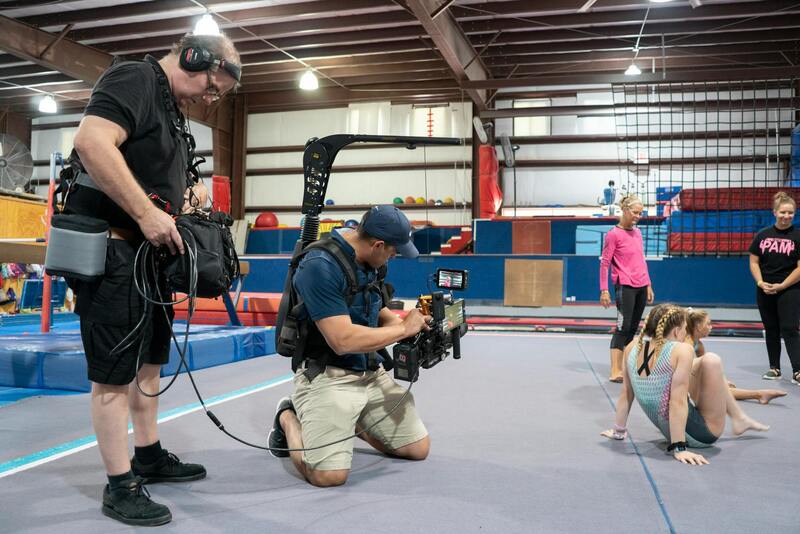
Effective communication and transparency are fundamental when selecting a production partner. An established Miami agency should provide clear, detailed proposals that outline every stage of production—from conceptualization and script development to filming schedules and post-production timelines. Moreover, they should display a proactive attitude toward addressing potential challenges, offering innovative solutions to ensure project continuity and quality assurance.
Technical Expertise and Creative Approach
- Assess their proficiency with the latest filming equipment and editing software.
- Ensure they employ advanced cinematography techniques to enhance visual appeal.
- Check their ability to craft compelling narratives that align with your corporate objectives.
Understanding Corporate Brand Identity
The ideal Miami production partner should demonstrate a deep understanding of corporate branding and messaging. Their creative team must be capable of translating your company’s values and core messages into captivating visuals and engaging storytelling formats. A partner with experience working across various industries can adapt their approach to suit your specific needs, whether it’s highlighting innovation, corporate social responsibility, or client success stories.
Cost and Value
While budget considerations are important, the focus should remain on value rather than cost alone. A top-tier production agency will deliver a comprehensive service that encompasses strategic planning, high-quality production, and impactful distribution strategies. Investing in a reliable partner ensures that your corporate film will serve as a potent communication tool, enhancing brand perception and supporting organizational goals effectively.
By thoroughly evaluating these elements, your organization can select a Miami-based production team capable of delivering corporate films that not only meet technical standards but also create meaningful engagement with your audience, fostering trust and strengthening your corporate image.