
Understanding Corporate Video Content
Corporate video content has become an integral component of modern business communication strategies, serving as a dynamic tool to convey brand messages, inform internal audiences, and connect with external stakeholders. These videos are professionally produced visuals that encapsulate a company's mission, values, products, services, and corporate culture, providing a compelling narrative that resonates with viewers. Unlike static marketing materials, corporate videos offer an engaging way to demonstrate expertise, showcase success stories, and foster trust through authentic storytelling.
The primary purpose of corporate video content extends beyond simple promotional efforts. It acts as a versatile communication platform that enhances brand visibility, supports internal training, and facilitates customer education. For instance, onboarding videos help new employees understand company policies and culture quickly, while product explainer videos clarify complex features for potential clients. Additionally, corporate videos can be utilized in investor presentations, conference panels, and social media campaigns to augment outreach and engagement.
Effective corporate videos are meticulously crafted to align with a company's strategic objectives and target audience. They are capable of establishing emotional connections through storytelling, imagery, and professional narration. When executed with precision, these videos serve as powerful tools that cultivate brand loyalty, reinforce corporate identity, and drive business growth. As a cornerstone of contemporary marketing and communication efforts, corporate video content exemplifies the importance of high-quality visual storytelling in establishing a competitive edge in today's fast-paced business environment.

Benefits of Corporate Video Content for Businesses
Incorporating corporate videos into a company's communication plan offers numerous advantages that can significantly impact business success and reputation. First and foremost, these videos enhance engagement by capturing viewers’ attention through compelling visuals and narratives. Unlike text-only content, videos evoke emotions and facilitate better retention, making messages more memorable.
- Increased Brand Visibility: Shared across various platforms such as social media, websites, and email campaigns, corporate videos increase brand awareness and recognition.
- Improved Communication Clarity: Complex concepts, product features, and corporate messages are conveyed more effectively through visual demonstrations.
- Higher Conversion Rates: Professionally produced videos can lead to increased sales and lead generation when used in marketing funnels.
- Internal Engagement: Videos energize onboarding processes, training sessions, and internal communications, fostering a cohesive corporate culture.
- Cost-Effective Marketing: Compared to traditional advertising, corporate videos can deliver sustained value through repeated use and sharing across channels.
Furthermore, corporate video content supports storytelling that humanizes a brand, establishing an authentic connection with audiences. This authenticity builds trust and credibility, which are vital in competitive markets. Leveraging high-quality visuals and strategic messaging, businesses can position themselves as industry leaders and trusted service providers, making corporate video an indispensable part of comprehensive marketing and communication strategies.

Types of Corporate Video Content
There are various formats of corporate videos, each tailored to specific objectives and audiences. Recognizing these types helps organizations develop targeted content that maximizes impact. The main categories include:
- Brand Videos: Focused on establishing corporate identity, values, and mission, these videos aim to create an emotional connection with viewers and reinforce brand recognition.
- Product Videos: Designed to showcase products or services, demonstrating features, benefits, and usage to inform and persuade potential customers.
- Training and Internal Communications: Used for onboarding new employees, safety protocols, and continuous professional development, ensuring consistent messaging within the organization.
- Corporate Social Responsibility (CSR) Videos: Highlighting community engagement, sustainability efforts, and ethical practices, these videos enhance corporate reputation and stakeholder trust.
- Event Coverage: Documenting conferences, launches, and other corporate events, providing content for future promotion and stakeholder engagement.
- Testimonial and Case Study Videos: Showcasing customer success stories and endorsements to build credibility and influence buying decisions.
Each type of corporate video serves a strategic purpose and can be integrated into broader campaigns for a comprehensive communication approach. Selecting the appropriate format depends on the intended message, target audience, and overall business goals.
Understanding Corporate Video Content
Developing impactful corporate video content requires a thorough understanding of the essential elements that make such videos effective. A well-crafted corporate video must align with the strategic objectives of the organization while engaging the target audience through clear messaging, high-quality visuals, and compelling storytelling. To achieve this, organizations must focus on several key aspects during the planning and execution stages.
Defining Clear Objectives and Target Audience
Before initiating the production process, it is crucial to delineate specific objectives for the corporate video. Whether the goal is to increase brand awareness, introduce a new product, or enhance internal communication, clarity in purpose guides the entire creative process. Identifying the target audience allows for tailored messaging that resonates effectively, whether it involves potential clients, existing customers, or internal employees.
Comprehensive Script Development
At the core of impactful corporate video content lies a well-structured script. This document should articulate the central message concisely and persuasively, incorporating a compelling narrative that captures viewers’ attention from the outset. Scripts should be crafted with a focus on clarity and relevance, avoiding unnecessary jargon while emphasizing key points to ensure the audience fully understands the intended message.
Storytelling and Visual Elements
Effective corporate videos employ storytelling techniques that evoke emotion and foster a connection with viewers. Visual elements such as graphics, animations, and real-life footage complement the narrative, enhancing comprehension and engagement. Incorporating a consistent visual style aligned with brand identity underscores professionalism and reinforces brand recognition.
Technical Quality and Production Standards
High production quality greatly influences the perceived credibility and professionalism of the final product. This includes utilizing high-resolution cameras, professional lighting, clear audio, and smooth editing transitions. Attention to detail during filming and post-production ensures that the video maintains a polished appearance, free of technical distractions that could detract from the message.
Compliance with Brand Guidelines and Messaging Consistency
Corporate videos must adhere to established brand standards, including logo usage, color palettes, and tone of voice. Consistent messaging reinforces the brand's identity and maintains coherence across multiple communication channels. Moreover, ensuring the content aligns with the organization's values and strategic messaging enhances trustworthiness and authority.
Legal and Ethical Considerations
Creating corporate video content involves respecting copyright laws, securing appropriate permissions, and avoiding infringing material. Ethical practices also involve accurately representing products, services, and company achievements without misleading or exaggerating claims. Transparency and honesty in storytelling foster stakeholder trust and safeguard the organization’s reputation.
Beyond content creation, organizations should consider the scalability and longevity of their videos. This involves creating adaptable content that can be repurposed for various campaigns or updated as needed to reflect new developments, ensuring continued relevance and engagement.
Visual Elements and Branding Integration
Effective corporate videos leverage carefully curated visual elements that support and enhance the conveyed message. Incorporating consistent branding elements such as logos, color schemes, and specific brand imagery ensures that viewers immediately associate the content with the organization. Visual consistency reinforces brand recognition and fosters trust among audiences.
During filming, attention to framing, lighting, and background details helps create a professional appearance. These elements should align with the company’s visual identity, conveying credibility and engagement. For example, using background settings that reflect the company's environment or industry can improve contextual relevance.
In post-production, visual effects, graphics, and animations are utilized to highlight key information, emphasize call-to-actions (CTAs), and clarify complex concepts. Motion graphics or on-screen text can direct viewer focus, making the content more digestible. The strategic use of color grading and visual effects further ensures the final product is polished and compelling.

Audio Quality and Sound Design
High-quality audio is essential in ensuring that message delivery is clear and professional. Sound elements, including narration, background music, and sound effects, should be balanced meticulously to avoid overpowering visual components and to maintain a natural listening experience.
Investing in professional microphones and sound recording equipment during filming guarantees clarity in voiceovers and interviews. Post-production editing should include noise reduction, equalization, and synchronization to create a seamless auditory experience.
Background music, when used appropriately, can evoke emotions and reinforce messaging. However, it should be subtle enough not to distract from spoken content. Additionally, sound design can emphasize specific moments or transitions, guiding viewers smoothly through the narrative.

Incorporating Client and Stakeholder Testimonials
Authentic testimonials add credibility and humanize corporate videos, providing real-world perspectives on products, services, or organizational values. When planning testimonial segments, it’s important to select individuals whose experience aligns closely with the target audience.
Ensuring that interviewees are comfortable and well-prepared fosters genuine, relatable content. Filming testimonials in well-lit, professional settings further enhances authenticity. Supplementing spoken reviews with on-camera visuals of the individual’s environment or related activities enriches storytelling.
Post-production should focus on editing testimonial clips to maintain authenticity while highlighting impactful statements. Including captions and subtitles improves accessibility and understanding.

Effective Narrative and Storytelling Techniques
A compelling narrative is the backbone of impactful corporate video content. Structuring the story around a clear beginning, middle, and end ensures that viewers remain engaged. The narrative should align with the organization’s objectives, whether to inform, inspire, or persuade.
Using storytelling devices such as problem-solution frameworks, case studies, or client journeys makes the content relatable and memorable. Incorporating real-life examples, visuals, and testimonials helps illustrate key points effectively.
Voiceovers or on-camera hosts play a pivotal role in guiding viewers through the story, providing context and emphasizing critical messages. A well-paced narrative avoids overloading viewers with information, maintaining their interest throughout.

Understanding Corporate Video Content
Creating compelling corporate video content demands a thorough understanding of both the strategic intent and the technical execution involved. This process begins with analyzing the target audience—identifying their interests, needs, and preferred engagement methods—and then tailoring your message to resonate effectively. Ensuring that the content aligns with your brand’s tone, voice, and overall messaging strategy is fundamental to reinforcing brand identity and fostering trust. A critical aspect involves carefully scripting and storyboarding the video to convey your message clearly and impactfully. Engaging storytelling techniques, including the use of real-life examples, testimonials, and case studies, serve to humanize your message and build authenticity. Incorporating high-quality visuals, professional voiceovers, and seamless editing further enhances the overall presentation, making your content more persuasive and memorable. Effective corporate videos often leverage data-driven insights during the planning stage to understand what resonates most with their intended audience. These insights guide the selection of themes, visuals, and tone, ensuring the content is both relevant and compelling. It’s also essential to maintain consistency in branding throughout the video—using your company’s logos, color schemes, and style elements—to strengthen brand recognition. Furthermore, understanding distribution channels and the nuances of each platform—whether it’s social media, websites, or email campaigns—enables the creation of optimized content tailored to specific formats and viewer expectations. This strategic approach maximizes engagement and amplifies the reach of your corporate messaging. Precise planning and adherence to a structured pre-production process are indispensable. This phase involves defining objectives, conceptualizing the storyline, selecting locations, organizing logistics, and coordinating with all involved parties to ensure a smooth production flow. By establishing clear timelines and milestones, organizations can mitigate potential setbacks and stay aligned with their overall communication goals. Successful execution of corporate video content is rooted in a meticulous understanding of audience preferences, strong narrative development, and strategic planning, which collectively contribute to impactful and professional communication that elevates your brand’s presence.
Production and Post-production Techniques
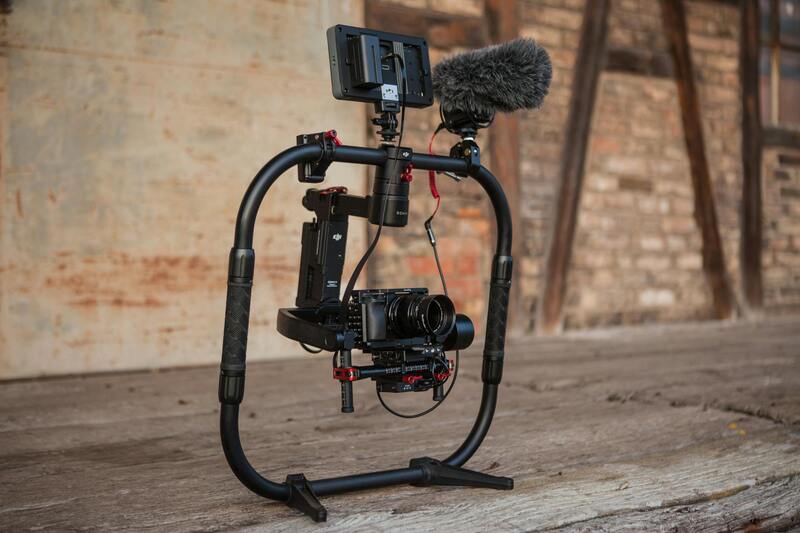
Executing a corporate video involves a combination of technical mastery and creative finesse during both the production and post-production phases. During production, the emphasis is placed on capturing high-quality footage that aligns with the pre-determined story and branding standards. Utilizing professional-grade equipment—such as high-definition cameras, stabilizers, lighting rigs, and professional audio gear—ensures that visuals and sound are clear, engaging, and professional. Proper lighting and sound design not only elevate the production quality but also help convey the intended tone and message effectively.
Furthermore, directorial decisions concerning shot composition, camera movements, and on-set coordination are critical in producing a cohesive and visually compelling narrative. Skilled camera operators and directors work closely to execute the creative vision while adapting to on-site conditions. Attention to detail during this phase prevents costly reshoots and ensures smooth footage collection.
Post-production is where the footage is meticulously assembled into a polished final product. This stage involves editing for flow, pacing, and storytelling coherence. Editors select the best takes, add transitions, overlay graphics, and incorporate animations to reinforce key messages. Color grading is employed to enhance visual consistency and set the desired mood—whether it’s vibrant and energetic or subdued and professional. Sound editing, including background music, voiceovers, and sound effects, further enriches the viewer's experience and ensures clarity of the message.

Transitions, effects, and visual enhancements are used thoughtfully to maintain professionalism and avoid overwhelming the viewer. The use of motion graphics and text overlays helps highlight key points and facilitate viewer understanding, especially for complex concepts or data-driven content.
As part of optimizing the final product for different channels, adaptive formatting and compression techniques are applied to ensure fast load times and compatibility across platforms such as social media, websites, or internal communication portals. Conducting thorough quality checks before distribution guarantees that the completed video fulfills all technical and aesthetic standards.
The combination of technical precision during production and artistic refinement in post-production results in engaging, credible corporate videos that resonate with intended audiences and support broader marketing and communication objectives.
Strategies for Ensuring Compliance and Ethical Standards in Corporate Video Content
Creating corporate video content that adheres to regulatory standards and ethical practices is fundamental for maintaining a company's reputation and trustworthiness. While it is essential to focus on lawful and appropriate methods of content development, organizations should also prioritize transparency and integrity throughout the production process.
One of the primary considerations involves obtaining explicit permissions for all content included in the video, such as footage, images, music, and branding elements. This includes ensuring rights are secured for any copyrighted material and that all participants are aware of the intended use of the content. Such measures help prevent potential disputes and reinforce commitment to responsible content creation.
Transparency in messaging is equally critical. Corporate videos should reflect accurate information, avoiding exaggerations or misleading visuals that could compromise the company's credibility. Clear communication of key messages, supported by evidence or data when appropriate, demonstrates accountability and builds stakeholder confidence.
Additionally, respecting privacy rights is vital when filming on location or featuring individuals. This involves obtaining informed consent from participants and safeguarding personal information. Respectful representation of diverse groups and avoiding stereotypes also contribute to ethical content creation that promotes inclusivity and social responsibility.
To reinforce these principles, organizations should implement internal review processes before finalizing corporate videos. These reviews should evaluate content accuracy, appropriateness, and compliance with relevant standards. Consulting with legal or compliance teams can provide additional assurance that the content aligns with industry regulations and organizational policies.
In terms of distribution, companies should target appropriate channels that match the content's purpose and audience, ensuring that messaging remains consistent and professional across platforms. Monitoring viewer reactions and feedback can also help identify any areas that may require adjustments to maintain authenticity and alignment with company values.
By following established, reputable methods—such as thorough planning, transparent communication, obtaining necessary permissions, and continuous review—businesses can produce corporate video content that not only meets operational objectives but also sustains their integrity and stakeholder trust over time.
Understanding Corporate Video Content
Creating compelling corporate video content involves adhering to proven techniques and strategic planning to ensure the final product effectively communicates the intended message. This process begins with establishing a clear understanding of the company's core values, target audience, and key messages. By aligning the video content with the organization's branding and communication goals, businesses can enhance their visibility and engagement within their industry. The development phase includes scriptwriting, storyboarding, and selecting appropriate visuals and tone to craft a narrative that resonates with viewers and reinforces the company's identity. Utilizing high-quality production equipment, expert directing, and meticulous editing ensures that each element contributes to a polished, professional presentation. In addition, respecting individuals' privacy rights and obtaining explicit consent when filming on location or featuring specific individuals are integral to ethical content creation. Incorporating authentic testimonials, case studies, and behind-the-scenes footage can add credibility and foster a genuine connection with viewers. When purposefully executed, corporate video content serves as a dynamic tool to build brand awareness, educate audiences, and drive engagement across various platforms.

Benefits of Corporate Video Content for Businesses
- Enhanced Brand Visibility: Corporate videos help showcase a company's values, products, and services in a captivating way, increasing brand recognition across digital platforms.
- Improved Audience Engagement: Well-produced videos can evoke emotional responses, encouraging sharing and interaction that foster a community around the brand.
- Clear Communication of Complex Ideas: Videos simplify complicated concepts, making them accessible and memorable for diverse audiences.
- Boosted Conversion Rates: Incorporating video content into marketing funnels can significantly increase lead generation and sales conversions.
- Strengthened Credibility and Trust: Authentic testimonials and behind-the-scenes footage humanize the brand, building trust with consumers and stakeholders.
Types of Corporate Video Content
- Brand Overview Videos: These introduce the company, highlighting its mission, vision, and core values to establish a distinct identity.
- Product Demonstrations: Showcasing product features and benefits through engaging demonstrations helps educate and persuade potential customers.
- Corporate Training Videos: Designed for internal use, these videos facilitate employee onboarding, skill development, and compliance training.
- Customer Testimonials: Featuring real clients sharing positive experiences builds credibility and influences purchasing decisions.
- Event Coverage: Documenting corporate events, conferences, and seminars extends the reach and impact beyond the actual event.
- Recruitment Videos: Highlighting company culture and employee stories attracts top talent and supports employer branding.
Key Elements of Effective Corporate Videos
- Clear Objectives: Define specific goals to ensure content aligns with the target audience and desired outcomes.
- Engaging Storytelling: Craft narratives that captivate viewers and evoke emotional responses to reinforce the message.
- Quality Production: Use professional equipment, lighting, and sound to produce stunning visuals and clear audio.
- Authenticity: Present genuine stories and real voices to foster trust and relatability.
- Concise Messaging: Keep content focused and avoid unnecessary information to maintain viewer interest.
- Call to Action: Guide viewers toward desired actions, such as visiting a website, signing up, or sharing the content.
Planning and Pre-production Process
Effective corporate video production starts long before the camera rolls. The planning and pre-production phase involves several critical steps to lay a solid foundation for a successful project:
- Defining Objectives: Clearly articulate what the company aims to achieve, whether it’s increasing brand awareness, launching a new product, or internal training.
- Target Audience Analysis: Research the demographic characteristics, preferences, and behaviors of the intended viewers to tailor the message accordingly.
- Concept Development: Brainstorm creative ideas and themes that align with branding guidelines and resonate with the audience.
- Scriptwriting and Storyboarding: Develop a detailed script and visual plan to guide filming and editing processes, ensuring the narrative flows logically and engagingly.
- Scheduling and Budgeting: Establish timelines and allocate resources efficiently, considering filming locations, talent, equipment, and post-production requirements.
- Permissions and Clearances: Obtain necessary approvals and legal permissions, especially when filming on location or featuring external entities.

Maximizing Reach and Impact through Strategic Distribution
Once a corporate video has been produced, the next crucial step is effective distribution to ensure it reaches the target audience and generates the desired impact. Strategic deployment across various channels not only amplifies visibility but also fosters engagement and drives conversions. Carefully selecting the right platforms based on the audience profiles and content objectives enhances the video's performance and contributes to overall marketing and branding efforts.
Distribution Channels for Corporate Video Content
- Company Website: Embedding videos on landing pages, product pages, or the corporate blog increases visibility to visitors actively seeking information about the brand or offerings.
- Social Media Platforms: Sharing videos on platforms such as LinkedIn, Facebook, Twitter, and Instagram allows for targeted outreach, boosts shareability, and facilitates direct audience interaction.
- Email Campaigns: Incorporating videos into newsletters or targeted email communications can significantly enhance engagement rates and reinforce key messages to specific segments.
- Video Hosting Platforms: Platforms like YouTube or Vimeo serve as essential tools for extending reach, providing easy access, and enabling analytics tracking for ongoing optimization.
- Internal Channels: Utilizing intranet portals or internal communications ensures that employees are aligned and informed, supporting internal branding and training initiatives.

Measuring Video Performance and Outcomes
Accurate measurement of a corporate video's impact is vital for understanding its effectiveness and informing future content strategies. Several key metrics and tools can provide valuable insights into how the video performs across different platforms:
- View Count: Tracks overall reach and helps gauge initial interest.
- Engagement Metrics: Includes likes, shares, comments, and average watch duration, indicating how well the content resonates with viewers.
- Conversion Rates: Measures whether viewers take desired actions, such as visiting a website, filling out a form, or making a purchase.
- Traffic Sources: Analyzes where viewers are discovering the video, aiding in refining distribution strategies.
- Audience Demographics: Provides insights into viewer profiles, facilitating more targeted future campaigns.
Integrating Feedback for Continuous Improvement
Gathering audience feedback, whether through direct comments, surveys, or social media interactions, enables businesses to understand perceptions and identify areas for enhancement. Analyzing this feedback in conjunction with performance data creates a comprehensive view of the content’s effectiveness. This ongoing evaluation fosters a cycle of continuous improvement, ensuring future corporate videos are increasingly aligned with audience preferences and business objectives.
Incorporating these strategies and measurement techniques ensures that corporate video content not only reaches its audience but also contributes to tangible business results, reinforcing the value of professional video production in achieving organizational goals.