
Factors Influencing Corporate Video Cost
When planning a corporate video, understanding the various factors that influence its overall cost is essential for making informed decisions. The price of professional corporate videos can vary significantly based on several key elements, each contributing to the scope, complexity, and quality of the final product. These factors include the complexity of the production, the desired length of the video, and the quality standards required by the brand or organization.
Production complexity encompasses everything from the conceptualization and scripting stages to filming, editing, and post-production enhancements. A straightforward, single-camera interview or testimonial with minimal edits will naturally cost less than a multi-location shoot featuring dynamic camera work, animations, and special effects. Similarly, a high-concept video involving 3D modeling or advanced visual effects will demand a higher budget due to the additional technical expertise and resources needed.
Video length is another critical determinant of cost. Generally, longer videos require more filming hours, editing time, and post-production work. For instance, a 30-second promotional clip might be affordable, but extending that to several minutes or a comprehensive training video will proportionally increase the investment required.
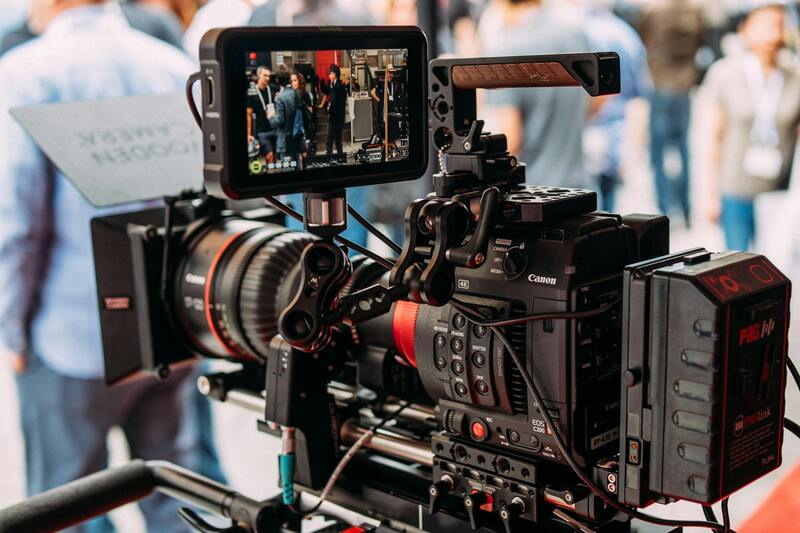
Quality expectations also influence pricing. Standard definition or basic footage will be less costly, whereas high-definition, 4K resolution, or cinematic-grade visuals necessitate superior equipment, enhanced editing processes, and potentially more crew members. The choice of talent, location, and additional services like voiceovers or subtitles further impact the overall cost.
In essence, the price of a corporate video is shaped by its complexity, duration, and production quality requirements. Each project differs in scope, requiring a tailored approach to budgeting that aligns with organizational goals and available resources. Recognizing and evaluating these elements early in the planning process allows for a more accurate estimate and ensures that expectations are met without overspending.
Budget Considerations for Your Corporate Video
When planning a corporate video project, establishing a clear budget is crucial for aligning production expectations with financial resources. A well-defined budget helps prioritize essential elements while identifying areas where costs can be optimized without compromising quality.
Initial budget considerations should include the scope of the project, including the type of video being produced—whether it’s a promotional piece, training module, or client testimonial. Each category has varying production complexities and resource requirements, impacting overall costs. For instance, a simple interview-style testimonial may require fewer resources, whereas an elaborate promotional video with multiple shooting locations and advanced visual effects demands a higher investment.
Another key aspect involves determining the production timeline. Shorter deadlines often necessitate additional staffing, expedited equipment rentals, or overtime hours, all of which increase costs. Conversely, allowing ample lead time can lead to more efficient planning and potential savings.
Estimating costs also involves considering post-production expenses such as editing, sound design, motion graphics, and color grading. These components significantly influence the quality and professionalism of the final product. Additionally, factoring in costs for talent, voiceover artists, location permits, and specialized equipment ensures a comprehensive budget plan.
To maximize cost efficiency, it’s advisable to create a detailed checklist of all necessary elements and consult with experienced production professionals early in the process. Transparent communication regarding budget limitations allows the production team to propose solutions that align with organizational priorities, such as utilizing existing assets, opting for in-house talent, or selecting more cost-effective locations.
Monitoring expenses throughout the production process is equally important. Regular updates and adjustments can prevent budget overruns and ensure the project stays on track. Additionally, understanding the potential for future updates or repurposing of the video can influence initial investment decisions, offering long-term value beyond the initial release.
How to Approach Budget Planning
- Determine the primary goal of your corporate video to set realistic quality and scope expectations.
- List all required elements, including scripting, talent, locations, equipment, and post-production services.
- Consult with professional video production agencies to receive detailed estimates based on your specifications.
- Consider potential additional costs such as permits, travel expenses, and contingency funds for unforeseen issues.
- Prioritize aspects that align with your core message, allowing flexibility in less critical components to optimize costs.
By adhering to a strategic approach to budget planning, organizations can achieve high-impact results that resonate with audiences while maintaining financial discipline. Establishing clear expectations and collaborating with experienced production partners ensures a seamless process from inception to delivery, translating your investment into compelling corporate communications.
Cost Breakdown of Corporate Video Production
Understanding the detailed components that contribute to the overall cost of a corporate video allows organizations to make informed decisions and optimize their budgets effectively. The production process involves several key phases, each with its associated expenses.
- Pre-Production: This initial stage includes scriptwriting, storyboarding, location scouting, casting, and obtaining necessary permits. These activities establish the foundation for the video and often account for 15-25% of the total budget, depending on the project's complexity.
- Production: The filming process encompasses equipment rental, crew wages, talent fees, set design, and logistics. As the core phase, it typically represents 40-50% of the overall cost. The duration of shooting days and equipment complexity significantly influence expenses.
- Post-Production: Editing, color correction, sound design, visual effects, and graphics are part of this stage. Although timespans vary, post-production can take from several days to weeks, constituting roughly 25-35% of the budget.
- Additional Elements: Licensing music, stock footage, or special equipment, as well as contingency funds for unforeseen issues, should also be factored into planning to prevent budget overruns.
Each element's cost varies based on project scope, production quality, and specific organizational requirements. For example, high-end equipment and elaborate set designs increase expenses, whereas simpler visuals or utilizing existing assets can lead to significant savings. Collaborating with a production provider that offers transparent pricing and detailed estimates ensures alignment with financial expectations and project objectives.
Budget management throughout each phase involves regularly reviewing expenditures, adjusting plans as needed, and prioritizing core messaging elements. Clear communication with the production team about priorities and limitations can facilitate cost-effective solutions without compromising the video's impact. Employing strategic choices—such as selecting local locations, in-house talent, or stock assets—further helps control expenses while maintaining a professional standard.
Cost Breakdown of Corporate Video Production
Understanding the precise elements that contribute to the overall expense of a corporate video is essential for effective budgeting. These components typically include pre-production, production, and post-production phases, each encompassing specific activities that add to the total cost.
Pre-Production Costs
Pre-production is the planning stage, where detailed scripts are developed, storyboards are created, locations are scouted, and schedules are established. This phase often involves casting talent, securing permits, and preparing equipment. Costs here can range from detailed scripting fees to location fees and talent scouting expenses.
Production Expenses
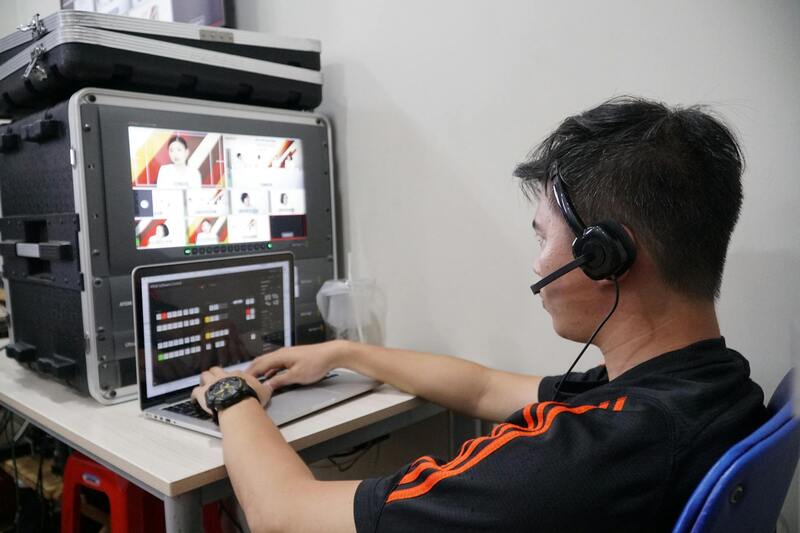
The filming process involves equipment rental, crew wages, set design, lighting, and other on-site costs. The complexity of scenes, the number of shooting days, and equipment used will significantly influence expenses. For instance, drone shots or 4K filming with professional Grips and Gaffers require higher investments.
Key elements include:
- Equipment rental (cameras, lighting, audio gear)
- Talent wages
- Set design and props
- Location fees
- Filming crew wages
Post-Production Costs
Editing and refining footage constitute a substantial portion of the budget. This includes video editing, color correction, sound design, visual effects, motion graphics, and music licensing. The duration and complexity of editing directly impact costs, with more intricate effects or multiple revisions increasing expenses.
Additional Cost Factors
Beyond the core phases, additional expenses encompass licensing fees for music or stock footage, special equipment rentals, and contingency funds for unforeseen challenges. Properly planning for these elements prevents budget overruns and ensures seamless project execution.
Cost Management Strategies
To maintain control over costs without compromising quality, it is advisable to have detailed, transparent quotes from production providers. Establishing priorities and limiting scope where appropriate can yield significant savings. For example, opting for simpler backgrounds, utilizing in-house talent, or selecting local locations can reduce expenses while still producing impactful content.
Image placeholders for visual reference
Additional Costs and Hidden Fees
When calculating the total corporate video cost, it is essential to account for additional expenses that may not be immediately obvious in initial estimates. These can include licensing fees for music, stock footage, or proprietary visuals, which can add a significant line item to the overall budget. Specialized equipment rentals, such as drones, green screens, or 360-degree cameras, may also incur extra charges depending on project scope and availability. Moreover, unforeseen challenges during production — such as weather delays, location restrictions, or technical adjustments — can lead to supplementary costs.
To mitigate the impact of unexpected fees, it is wise to allocate a contingency budget, typically around 10-15% of the total estimated costs. This buffer allows for flexibility and ensures that the project can adapt to on-the-spot requirements without compromising quality or deadlines. Additionally, transparency from your chosen production company regarding potential extra charges is crucial. Request a detailed breakdown of all anticipated costs before beginning the project, and confirm whether there are fees for additional revisions, rush services, or specialized post-production effects.
Making Cost-Effective Decisions Without Sacrificing Quality
Strategic planning plays a pivotal role in balancing quality and cost when producing corporate videos. One effective approach is prioritizing key elements that directly impact the message you want to deliver. For example, focusing on compelling storytelling and clear visuals can often compensate for less elaborate production techniques. Using in-house talent or leveraging available resources can reduce hiring expenses, while selecting efficient filming locations helps mitigate location fees.
Another practical method involves simplifying certain aspects of the project. For instance, using a basic studio setup with minimal lighting or opting for standard background settings can significantly decrease production expenses. Additionally, avoiding over-editing or excessive visual effects can keep post-production costs in check without diminishing the video's overall impact.
It’s also beneficial to consider the scale of the project. For short, direct promotional videos, a streamlined production process with fewer shooting days and minimal revisions can deliver great results at a lower price point. Conversely, for comprehensive corporate documentaries or training videos, establishing clear priorities ensures the investment aligns with strategic business goals.
Utilizing technology is another avenue for cost savings. Cloud-based collaboration platforms facilitate efficient feedback cycles, reducing the time and resources spent on revisions. Furthermore, referencing well-established templates for graphics or animations can expedite editing and design phases.
Factors Influencing Corporate Video Cost
The cost of producing a corporate video is shaped by a variety of elements that can significantly impact the final expense. Core among these are the scope and complexity of the project, which determine the depth of planning, filming, and post-production work required. For instance, a simple promotional video with minimal scenes, straightforward scripting, and basic editing will cost considerably less than a comprehensive documentary or training video that involves multiple locations, diverse talent, and intricate animations.
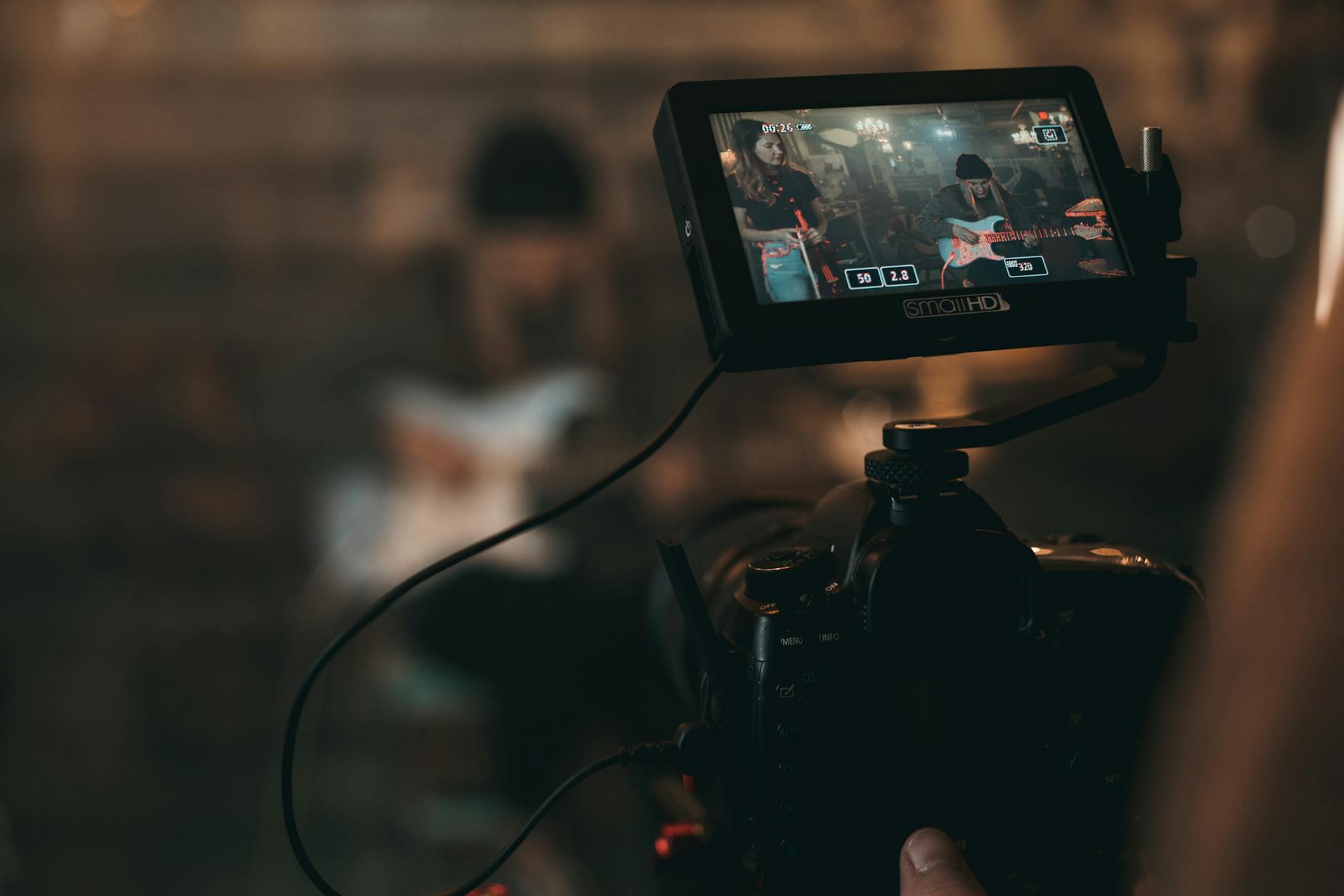
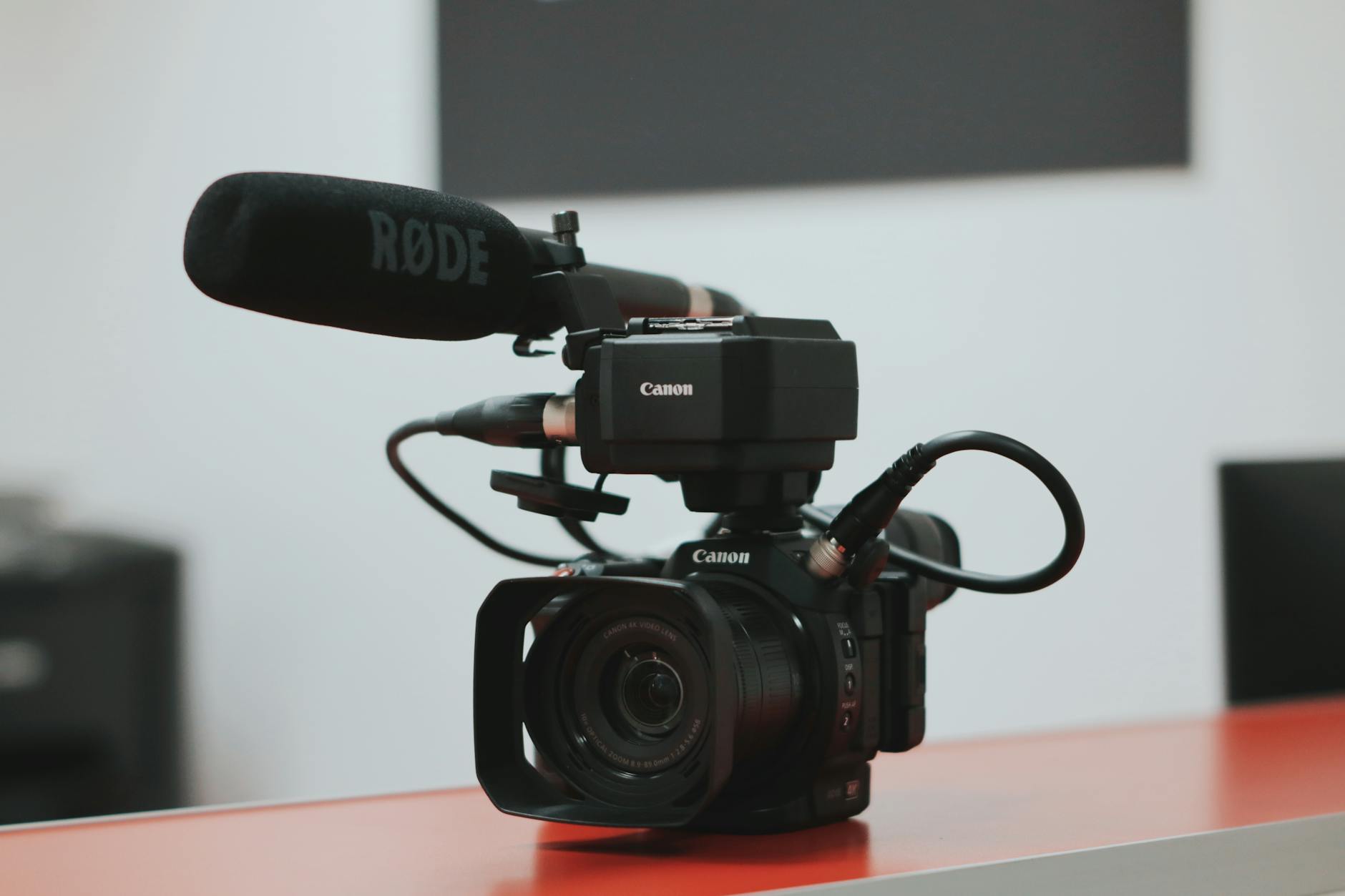
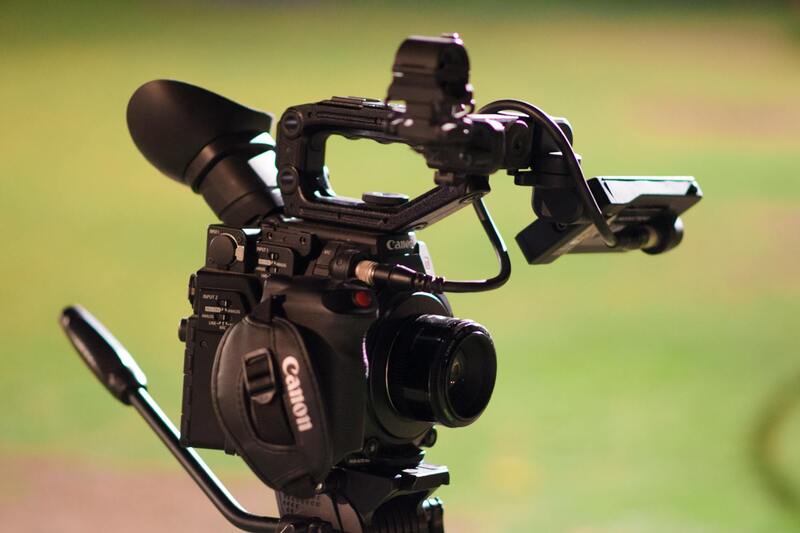
Equipment quality and quantity directly influence production expenditures. High-resolution cameras, advanced lighting systems, and professional audio equipment elevate costs, especially if multiple setups or specialized gear are necessary. The choice of crew members, including directors, camera operators, and editors, also impacts overall expenses; hiring experienced professionals ensures quality but comes at a higher rate.
Location selection and permits are additional cost influencers. Filming on-site at business premises might involve scheduling disruptions or location fees, especially in high-traffic or restricted areas. Securing necessary permissions can add to the expense but is crucial for smooth production. Moreover, talent costs fluctuate depending on whether actors, voice-over artists, or industry specialists are involved, with high-profile presenters demanding higher pay.
Post-production processes, including editing, visual effects, color grading, and sound design, constitute a significant portion of the budget. The complexity and volume of revisions can escalate costs, particularly if detailed animations or custom graphics are incorporated. The inclusion of special effects or 3D modeling further adds to post-production expenses, making clarity about desired outcomes essential early in the planning stages.
Additional factors such as travel, accommodation for crew, and equipment rentals can also affect the overall expenditure, especially for projects requiring multiple shoot days or international locations. Establishing a clear, comprehensive scope early helps mitigate unexpected costs and aligns the production process with the allocated budget.
Factors Influencing Corporate Video Cost
Several key elements determine the overall expense of producing a corporate video. The scope of the project, including video length and complexity, directly impacts costs. Suppose the video requires advanced animations, 3D modeling, or special effects; such features significantly elevate the budget. Additionally, the choice of location plays a crucial role. Filming at high-traffic sites or restricted areas can incur location fees, permit charges, and scheduling adjustments. Securing necessary permits often involves administrative fees and coordination to ensure compliance with local regulations.
Production quality standards also influence costs. Higher production values typically entail state-of-the-art equipment, professional lighting, and specialized crew members, all of which add to the total expense. Talent costs fluctuate based on the prominence of actors or voice-over artists involved. Industry specialists or high-profile presenters demand premium compensation, especially for projects that require expert knowledge or brand ambassadors.
Typical Price Ranges for Corporate Videos
The cost spectrum for corporate videos varies widely depending on the project scale and quality expectations. For basic, short videos—which might include simple interviews or product overviews—expenses generally range from $1,500 to $5,000. These projects usually involve minimal crew, basic editing, and limited locations. Mid-range productions, featuring more elaborate storytelling, professional narration, and moderate post-production work, often fall within the $5,000 to $20,000 bracket.
High-end corporate videos, such as those used for branding campaigns or detailed training modules, can exceed $20,000 and reach up to several hundred thousand dollars for large-scale productions with extensive visual effects, multiple locations, and high-profile talent. Understanding these typical ranges helps organizations set realistic expectations aligned with their strategic goals and available budget.

Budget Considerations for Your Corporate Video
When planning a corporate video, establishing a clear budget early on allows for more effective decision-making. Key considerations include prioritizing essential elements such as key messaging, target audience engagement, and the intended distribution channels. Allocating funds strategically involves balancing production quality with cost-efficiency—focusing on aspects that directly impact message delivery and viewer impact.
It is prudent to account for potential additional expenses, such as travel and accommodations for crew, equipment rentals, and contingency funds for unforeseen costs. Setting realistic expectations regarding the scope and quality at the outset ensures the project stays within budget, enabling better resource allocation and reducing the likelihood of costly revisions or changes mid-production. Communicating these priorities with your chosen production partner helps align objectives and maintain transparency about financial constraints.
Cost Breakdown of Corporate Video Production
The total cost of producing a corporate video hinges on several components:
- Pre-production: Concept development, scripting, storyboarding, and project planning typically account for 10-20% of the budget. This phase is critical for aligning vision with execution.
- Production: Shooting days, equipment setup, location fees, and talent fees. This stage generally consumes the largest portion, often 50-60% of the total cost.
- Post-production: Editing, visual effects, color grading, sound design, and revisions. These elements can represent 20-30%, especially for projects requiring detailed animations or extensive editing work.
- Additional costs: Travel, accommodations, permits, and equipment rentals, which need to be considered based on project scope and location demands.
Understanding this breakdown allows for precise budgeting and helps identify areas where costs can be optimized without compromising quality.

Choosing a Miami Production Agency for Cost Efficiency
Selecting an experienced local agency offers advantages in managing costs effectively. Miami-based production teams possess established vendor relationships, reducing expenses for equipment rentals, permits, and location access. Additionally, familiarity with permits and regulations expedites the planning process, minimizing delays that could inflate costs.
Local agencies also provide valuable insights into cost-effective location choices and can adapt production schedules to optimize resource utilization. They possess a comprehensive understanding of the regional talent pool, which enables flexibility in hiring voice-over artists, actors, or industry specialists at competitive rates. Engaging a Miami production agency with a proven track record ensures quality standards are met while maintaining budgetary discipline, creating a balance between fiscal responsibility and visual excellence.
Additional Costs and Hidden Fees
Beyond the primary production expenses, other costs can subtly influence the overall corporate video cost. These include licensing fees for music and stock footage, which vary depending on usage rights and licensing agreements. If the project involves international or complex locations, additional permits or local governmental clearances might be necessary, adding to expenses.
Moreover, some agencies charge project management fees or premium rates for rush orders, revisions, and extra editing. Equipment transportation, especially for large or specialized gear, can also add to expenses. It is essential to clarify with the production team what is included in the quote and identify potential hidden fees upfront to avoid budget overruns. Transparency about these additional costs allows for accurate financial planning and ensures that allocated resources cover all facets of the project comprehensively.
Additional Costs and Hidden Fees
When budgeting for a corporate video, it is important to consider the less obvious expenses that can impact the total cost. Licensing fees for music, stock footage, or special effects can add significant value depending on how they are used and the licensing agreements involved. Production companies often negotiate rights to commercial music tracks or proprietary footage, which can vary greatly in price based on licensing scope and duration. These costs are essential to factor into your overall budget to avoid unexpected financial surprises.
Locations also present potential expenses. If your corporate video includes shooting in multiple or complex environments, permits may be required from local authorities or property owners. Some regions or sites enforce strict regulations, and obtaining the necessary permission can involve administrative fees. For international filming, additional permits and customs clearance for equipment may be necessary, further elevating costs.
Beyond permits and licensing, production agencies may levy project management fees or premium rates for expedited timelines, extensive revisions, or after-hours work. Rush orders often come with a surcharge, as do additional edits or creative rework beyond the scope initially outlined. Transporting specialized or bulky equipment, especially for larger-scale shoots, can also substantially increase expenses. Freight or courier costs for gear and props should be accounted for in your financial planning.
To maintain clarity and control over your budget, it is critical to request detailed, itemized quotes from your production partner. This transparency helps identify all potential charges upfront and prevents unanticipated expenses from inflating your total corporate video cost. Establishing clear communication about what services and expenses are included ensures that each aspect of the production aligns with your financial constraints.
How to Get Quotes and Negotiate Prices
Requesting accurate and comprehensive quotes begins with providing detailed project descriptions. Sharing your vision, script, desired deliverables, and timelines allows agencies to prepare precise estimates tailored to your needs. It is advisable to ask for a breakdown of costs covering pre-production, production, post-production, licensing, permits, and other miscellaneous expenses.
When reviewing proposals, compare not only the bottom-line prices but also the scope of work, experience, and reputation of the agency. Clarify what is included and what might incur additional charges. Negotiation can offer opportunities for cost savings without compromising quality—discuss options such as shorter shooting schedules, streamlined editing processes, or alternative licensing sources that fit within your budget.
Remember, establishing a transparent dialogue fosters trust and helps set realistic expectations. Express your budget constraints early in discussions, and explore flexible solutions that meet your quality standards while respecting financial limits. Effective negotiation not only ensures fair pricing but also promotes a successful partnership centered on mutual understanding and shared goals.