
Understanding the Purpose of a Corporate Video
Creating a corporate video is a strategic endeavor that plays a vital role in effectively communicating a company’s message to its target audience. The primary objectives often include enhancing brand awareness, conveying key messages succinctly, educating employees or clients, and supporting marketing initiatives. These videos serve as dynamic tools to improve engagement and foster stronger relationships with stakeholders.
When planning for a corporate video, it is essential to identify specific goals aligned with overall business targets. Whether the focus is on showcasing company culture, launching a new product, or providing instructional content, clear objectives guide the entire production process. Well-defined aims help determine the content style, tone, and distribution channels, ensuring that the final product resonates with its intended audience.
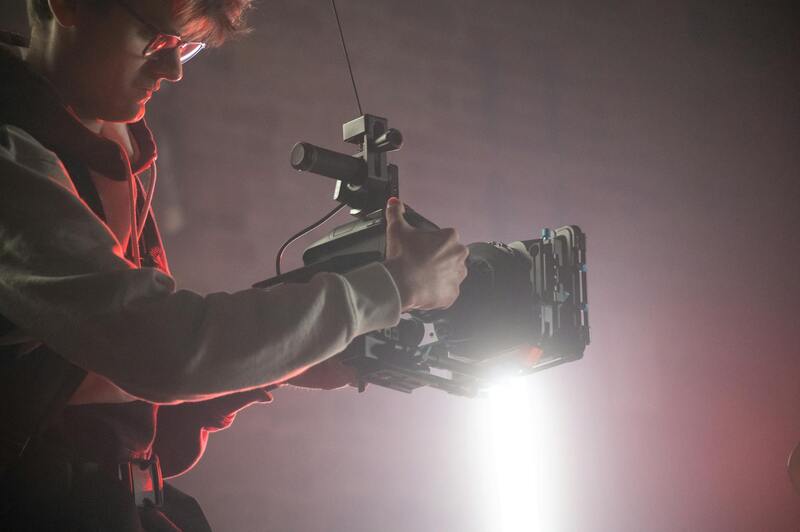
Beyond branding and marketing, corporate videos play an integral role in internal communication. They can be used for training new employees, explaining complex processes, or sharing company achievements. This versatility makes corporate videos a cost-effective and influential tool across multiple organizational functions.
Alignment of the video’s purpose with its target recipients is crucial. For example, an internal training video should prioritize clarity and instructional value, while a promotional video may focus on emotional appeal and brand storytelling. Understanding these nuances ensures that resources are allocated efficiently and the message is delivered with maximum impact.
Key Goals for Corporate Videos
- Branding: Reinforcing corporate identity through visuals, messaging, and tone.
- Marketing: Attracting new clients or customers with engaging storytelling and calls to action.
- Training & Education: Providing informative content that enhances employee skills and knowledge.
- Internal Communication: Sharing company updates, achievements, or strategic initiatives with staff.
Properly understanding these goals and how they interconnect sets a firm foundation for the creative process ahead. It ensures that every element of the production, from scripting to distribution, works cohesively toward a unified objective, maximizing the return on investment and reinforcing the company’s message effectively.
Understanding the Purpose of a Corporate Video
Defining the core purpose of a corporate video is essential before moving into production. Whether the focus is on branding, marketing, internal communication, or training, clarity in objectives ensures the final product resonates with its intended audience. For internal use, the emphasis is often on clarity, instructional value, and fostering a sense of community within the organization. Conversely, promotional videos aim to evoke emotional responses and highlight the company's strengths, creating a compelling narrative that encourages viewer action.
Aligning the video’s purpose with its target audience results in more impactful communication. For instance, a video designed for potential clients will leverage storytelling techniques to demonstrate value, while one aimed at employees will focus on clarity and accessible language. Properly identifying these needs helps in selecting appropriate styles, messaging, and distribution channels, ultimately maximizing the message's impact and resource efficiency.
Defining Clear Objectives and Key Performance Indicators (KPIs)
Establishing specific goals and measurable KPIs early in the planning process allows for effective evaluation of the video’s success. For example, a marketing video may target a specific increase in leads or engagement rates, whereas an internal training video might measure comprehension through follow-up assessments. Clear KPIs facilitate targeted content development and provide benchmarks for post-release evaluation, ensuring the investment delivers tangible results.
Identifying the Target Audience
A thorough understanding of the audience’s demographics, preferences, and expectations influences every aspect of video production. Younger audiences might respond better to dynamic visuals and contemporary storytelling, while older viewers may prefer straightforward, informative content. Recognizing these differences guides scripting, visuals, tone, and distribution methods, leading to higher engagement and message retention.
Establishing Brand Consistency
Maintaining alignment with the company’s visual identity and messaging is critical. Consistent use of colors, logos, and tone reinforces brand recognition and trust. Incorporating brand guidelines from the outset ensures that the video complements existing marketing assets and upholds the company's professional image.
Budgeting and Timeline Development
Accurate budget planning involves accounting for all phases from pre-production through distribution. This includes costs related to scriptwriting, talent, location fees, equipment, post-production, and promotion. Developing a comprehensive timeline ensures all tasks are completed within set deadlines, preventing delays and ensuring a smooth workflow. Effective planning allows for flexibility to address unforeseen challenges, optimizing resource allocation and project management.
Deciding on the scope of the project and the level of production quality is fundamental to aligning budget with expectations. Overestimating capabilities can lead to unnecessary expenses, while underestimating may compromise the final quality. Collaborating with experienced production teams can help define realistic budgets and schedules that meet organizational needs without compromising standards.
Deciding on Official Filming and Production Methods
Choosing the appropriate filming and production methods is essential to producing a professional corporate video that effectively communicates your brand message. This process involves selecting the right equipment, techniques, and personnel to ensure quality and authenticity. Businesses should prioritize methods that reflect their image and establish trust with their audience. Professional-grade cameras, lighting, and sound equipment are fundamental for capturing sharp visuals and clear audio, especially when aiming for a polished final product.
Incorporating established filming techniques enhances the video's overall impact. This includes planning camera angles, shot composition, and movement to create engaging visuals that support the narrative. Using multiple camera setups during shooting can offer diverse perspectives, allowing for seamless editing and a dynamic final presentation. Additionally, employing professional lighting setups ensures that subjects are well-lit and visually appealing across all scenes, which is vital for maintaining a cohesive professional appearance.

Sound quality plays a critical role in conveying clear messaging. High-quality microphones should be used during filming, and sound checks are necessary to prevent issues like background noise or audio distortion. Recording in controlled environments can significantly improve clarity, making the content more engaging and accessible.
Professional editing software and techniques should be employed during post-production to refine raw footage. This includes color correction, sound mixing, and graphics integration, which contribute to a cohesive and visually appealing final product. Collaborating with experienced editors familiar with corporate branding standards ensures that the video aligns with your brand identity and messaging goals.
To maintain authenticity, businesses should also consider the credibility of talent and locations used in their videos. Using recognizable spokespersons or industry experts can bolster authority, while choosing locations that accurately represent the company's environment enhances credibility. Ultimately, official filming methods rooted in industry best practices support the creation of impactful corporate content that resonates with target audiences.
Producing a High-Quality Corporate Video: Best Practices for Filming and Directing
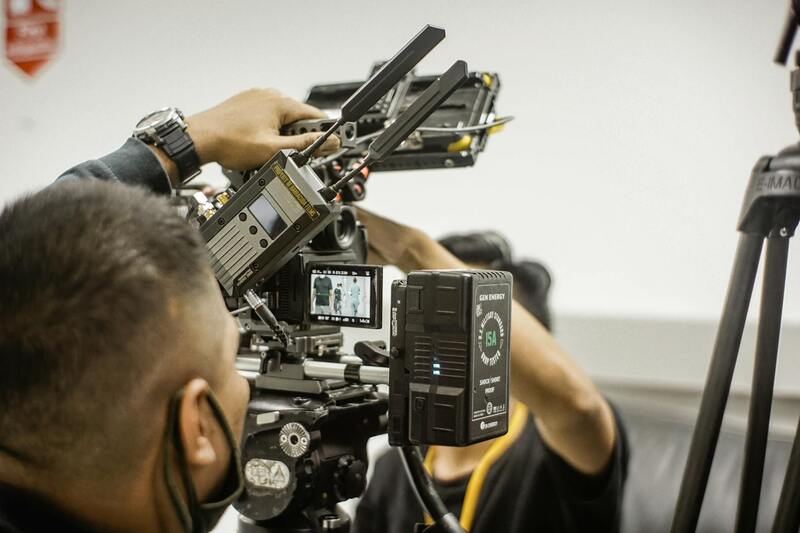
The production phase marks the translation of the pre-planned script and storyboard into tangible visual content. This stage requires meticulous attention to detail in capturing each scene with clarity and professionalism. Filming should be executed using state-of-the-art equipment, including high-definition cameras that ensure crisp visuals, along with professional audio gear to record clear sound. Proper camera settings, such as aperture, ISO, and shutter speed, must be calibrated to match the environment and lighting conditions, thus preventing issues such as overexposure or underexposure.
Effective directing during filming hinges on experienced professionals who understand both artistic vision and technical requirements. Directors guide actors, presenters, and crew to ensure performances are natural, authentic, and aligned with the intended message. They also oversee the framing, camera movements, and overall scene composition, ensuring each shot contributes effectively to the storytelling. Maintaining consistent visual style throughout filming—such as color schemes and lighting setups—helps achieve a cohesive final product that resonates with target audiences.
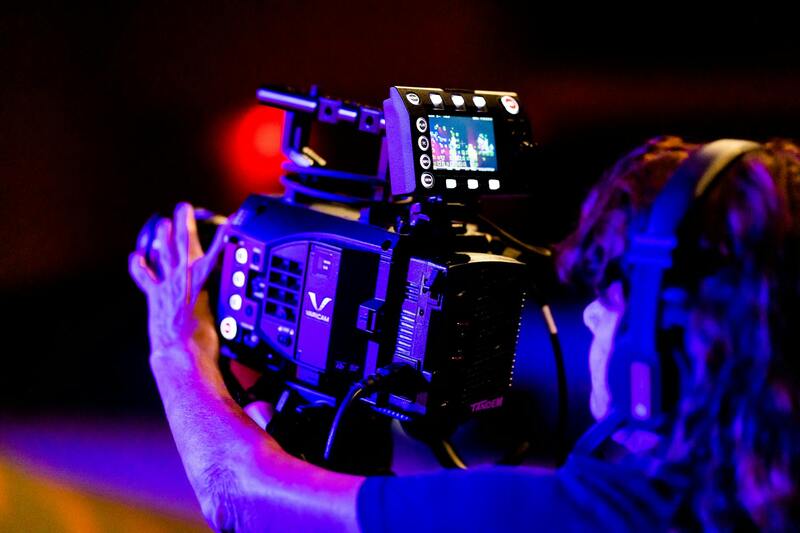
Specialized equipment setup before filming is critical to streamline the process and prevent delays. This includes setting up lighting rigs that highlight subjects without creating unnatural shadows, as well as ensuring audio equipment is properly positioned to minimize background noise. Utilizing wireless microphone systems allows for greater mobility during filming, especially when capturing dynamic scenes or moving subjects. Additionally, stabilization tools such as gimbals or tripods help maintain camera steadiness, resulting in smooth footage essential for a polished appearance.
Directing Techniques for Engaging Content
- Clear Communication: Directors must articulate the vision precisely to actors and crew, ensuring everyone understands the desired messaging and tone.
- Multiple Takes: Recording several takes of each scene provides options during editing to select the most compelling shots.
- Adaptability: Filming often requires on-the-fly adjustments due to unforeseen environmental or technical issues. Skilled directors quickly adapt to maintain quality standards.
- Lighting Consistency: Maintaining uniform lighting across scenes prevents visual discrepancies, aiding seamless editing.
- Scene Coverage: Ensuring comprehensive coverage of each scene with varied angles and shot types enhances storytelling flexibility in post-production.
Maximizing Equipment Efficiency and Safety
First, ensuring all equipment is properly maintained and tested before filming starts reduces the risk of technical failures. Power sources should be reliable, with backup options like portable batteries or generators readily available. Safety protocols for rigging lighting and securing cables are essential to protect crew members, especially during long shoots or complex setups. Clear labeling and documentation of equipment setup also facilitate quick troubleshooting, minimizing downtime during production.
High-quality footage captured during this phase is foundational for crafting a compelling corporate video. Precision in execution, combined with expert direction and the right tools, results in an engaging visual narrative that supports business objectives effectively.
Strategies for Effective Editing and Post-Production Refinement
Following the meticulous filming process, the editing phase is crucial to shaping the raw footage into a cohesive and impactful corporate video. This stage involves a combination of technical skill, creative insight, and strategic thinking to ensure that the final product aligns with the original objectives and messaging.
Refining the Visual Narrative
During editing, footage is carefully reviewed, and the best takes are selected to create a seamless story flow. Color grading is employed to establish a consistent visual tone that matches the brand’s identity and the emotional undertones of the message. Special attention is paid to pacing; appropriate cuts, transitions, and effects help maintain viewer engagement without overwhelming the core content.

Sound Design and Audio Enhancement
Audio quality significantly influences the viewer’s perception of the video. During post-production, audio tracks are cleaned of noise, balanced for clarity, and synchronized meticulously with visual components. Adding background music or sound effects enhances emotional resonance and emphasizes key messages. Voiceovers, if used, are recorded in controlled environments to ensure high fidelity and natural tone.
Incorporating Graphics and Branding Elements
Graphics, logos, and on-screen text reinforce brand identity and provide clarity. Motion graphics can be used to illustrate complex ideas or data, making technical or abstract concepts more accessible. All visual elements are layered cohesively, maintaining consistency with the brand’s color palette, style guide, and overall aesthetic.
Quality Assurance and Client Review
Before final delivery, the edited video must undergo a comprehensive review process. This includes technical checks for resolution, contrast, and audio synchronization, along with content accuracy and messaging consistency. Stakeholders or clients are typically engaged at this stage to provide feedback, suggest revisions, and approve the asset. Multiple review cycles assure that the video meets all desired specifications and quality standards.
Distribution Planning and Strategic Deployment
Once finalized, a targeted distribution plan ensures the corporate video reaches its intended audience effectively. Selecting appropriate channels—such as corporate websites, social media platforms, email campaigns, or internal portals—is vital for maximizing impact. Crafting supplementary content, like teaser clips or trailers, can augment outreach efforts and generate buzz around the video.
Optimizing for Different Platforms and Formats
To ensure versatility, the video should be adapted for various formats and aspect ratios suited to each platform, whether it’s vertical videos for mobile stories or widescreen for presentations. Embedding tracking pixels and analytics can measure viewer engagement and inform future content strategies. Consistent branding and messaging across all channels amplify recognition and reinforce the company’s authority.
Evaluating Effectiveness and Gathering Feedback
Post-deployment, analyzing performance metrics such as view counts, engagement rates, and conversion data provides insights into the video’s success. Soliciting direct feedback from viewers or stakeholders offers qualitative data to guide improvements in future productions. An ongoing review process ensures that each corporate video serves as a dynamic tool in the organization’s communication arsenal.
Ensuring Proper Licensing and Rights Management
Effective corporate videos rely heavily on the legal acquisition and management of intellectual property rights. It's crucial to use only licensed music, stock footage, and images unless original content is produced in-house. Acquiring licenses through authorized channels ensures compliance with copyright laws and avoids potential conflicts that could arise from unauthorized usage. Collaborating with professional production companies like Miami Video Company can facilitate access to licensed materials and streamline rights management processes.
Furthermore, clear documentation of usage rights and licensing agreements should be maintained throughout the project. This documentation serves as a record of authorized content use and can support negotiations or disputes, should they occur. When integrating third-party content, verify the scope of usage rights—such as duration, geographic reach, and platform-specific permissions—to prevent any unintended infringements.
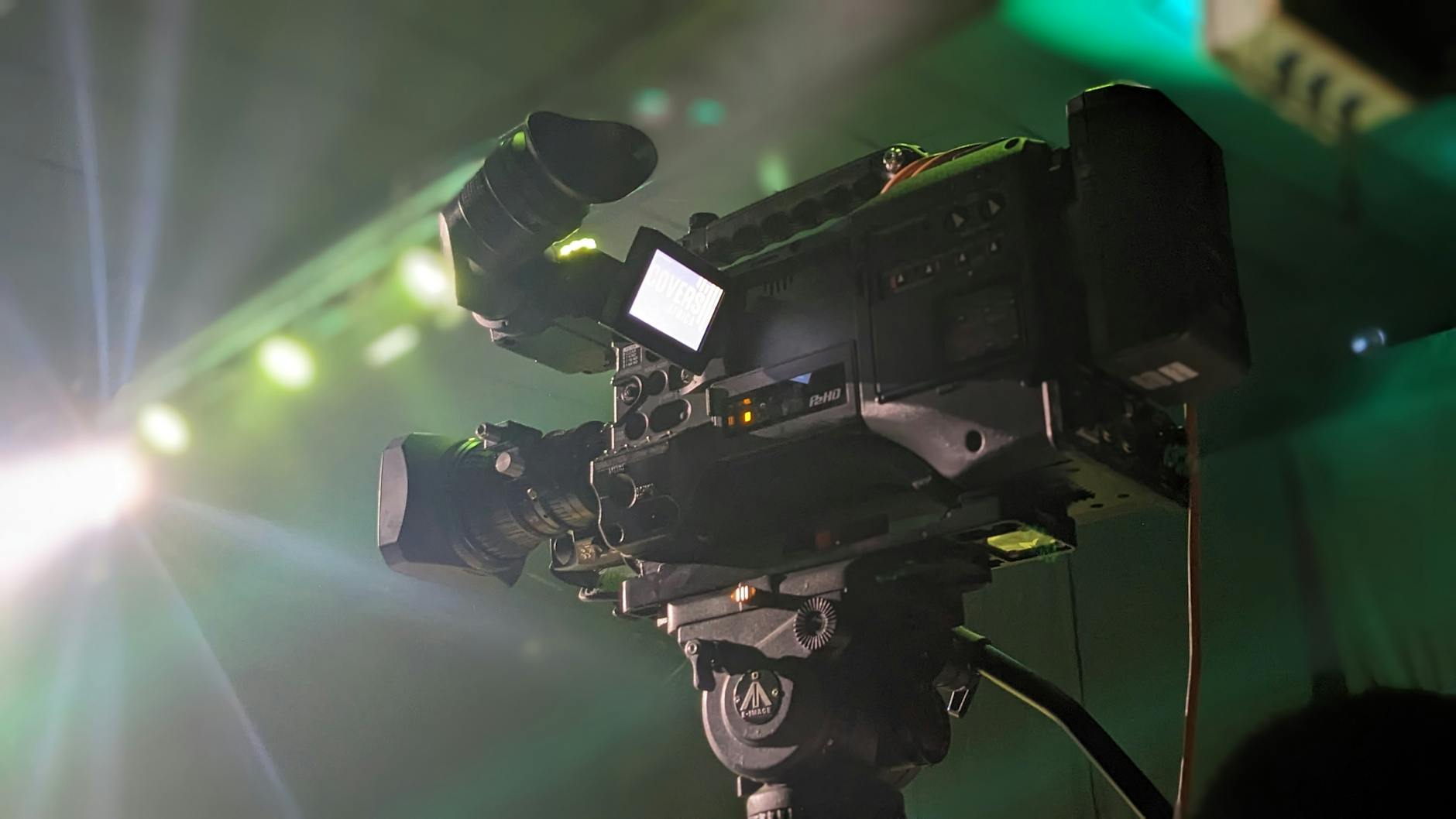
Adhering to Industry Standards and Best Practices
Compliance with established industry standards guarantees that your corporate video will be of high quality and meet professional benchmarks. These standards cover technical specifications such as resolution, color grading, audio clarity, and lighting, which are essential for presenting a polished final product. Utilizing widely accepted formats like MP4 for distribution ensures compatibility across various platforms and devices.
Employing best practices in filming, editing, and post-production not only enhances visual appeal but also helps in conveying the intended message more effectively. For instance, consistent branding elements—logos, color schemes, and fonts—should be incorporated throughout the video to reinforce brand identity. Additionally, including accessibility features such as subtitles or closed captions broadens your audience reach and demonstrates inclusivity.
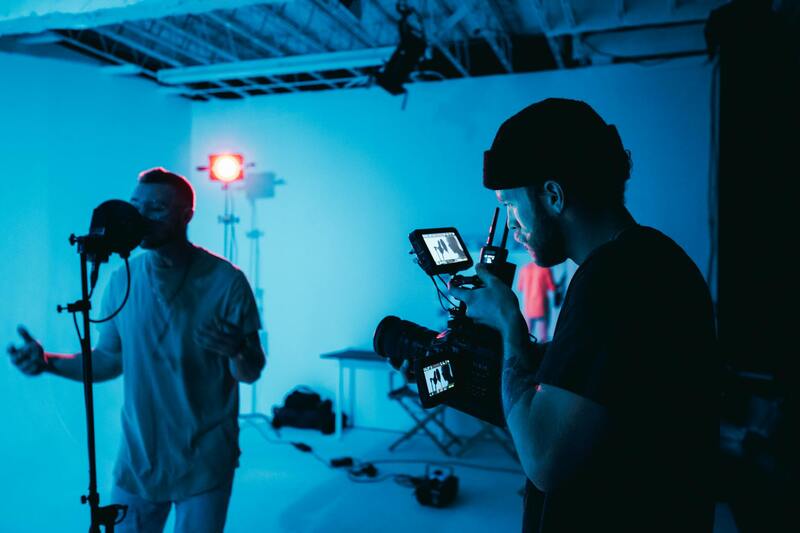
Implementing Secure Storage and Data Management
Managing the assets and raw footage used in creating the corporate video requires a secure and organized system. Utilizing cloud-based storage solutions or dedicated servers with appropriate access controls helps safeguard sensitive content from unauthorized access or loss. It is important to categorize and catalog all files systematically, including scripts, shot lists, licensing documents, and editing drafts, to facilitate efficient workflow and revisions.
Maintaining the integrity of digital assets also involves regular backups and version control. This process allows production teams to revert to previous versions if necessary and ensures that valuable material remains protected throughout the project lifecycle. Clear policies regarding access permissions and data sharing further sustain the confidentiality and security of all involved assets.
Legal Considerations for Distribution and Usage
When distributing corporate videos externally or internally, adherence to legal guidelines concerning content rights and privacy is paramount. Properly obtained permissions for individuals appearing in the video—such as employees, clients, or stakeholders—should be documented through signed releases. These releases safeguard against potential privacy disputes and clarify authorized usage rights.
Additionally, consider the implications of data privacy regulations, especially if viewers are interacting with personalized content or analytics tracking. Ensuring compliance with such regulations supports transparent communication and maintains the company's reputation. Transparent disclosure of data collection practices, particularly in digital distribution channels, fosters trust with your audience.
Ensuring Compliance with Distribution and Usage Guidelines
Once the corporate video has been finalized, it is essential to handle its distribution in a manner that respects content rights and privacy considerations. This involves establishing clear procedures for sharing the video both internally and externally, ensuring all parties involved understand and agree on the terms of use. Distributions through various channels—such as corporate websites, social media platforms, email campaigns, or internal communication networks—must adhere to established protocols to maintain brand consistency and protect proprietary information.
Prior to sharing, it is advisable to review all content components for compliance with intellectual property rights. This includes verifying that any third-party media—such as music, images, or footage—is appropriately licensed or cleared for use. Maintaining detailed records of permissions and licensing agreements minimizes the risk of disputes and ensures that the distribution process aligns with organizational standards.
In addition, respecting privacy rights is of utmost importance. Features such as biometric data, personal information, or identifiable imagery require explicit consent, typically documented via signed releases. When these materials are incorporated into the final cut, cross-checking approvals helps to prevent potential privacy infringements.
Utilizing Rights and Permissions Effectively
Clear rights management is fundamental in safeguarding your company’s interests during distribution. This involves not only obtaining the necessary permissions but also maintaining organized records of all documentation. Proper attribution and acknowledgment of licensed content should be incorporated in the final deliverables, especially when they will be published publicly.
It is also essential to consider platform-specific requirements. Different social media outlets or digital channels may have unique guidelines regarding video length, format, or content restrictions. Adapting your content accordingly ensures seamless publishing and reduces the risk of removal or supplemental enforcement issues.
Monitoring Content Use and Impact
After distribution, ongoing oversight helps in tracking how the video is being viewed, shared, or re-used. Implementing analytics tools or engaging with platform-specific insights can reveal audience engagement levels and provide feedback for future projects. Monitoring ensures that the intended message is conveyed effectively and allows adjustments to optimise outreach strategies.
Handling Feedback and Revisions
Responsiveness to stakeholder feedback is critical for maximizing the impact of your corporate video. Establish clear channels for receiving input from clients, internal teams, or external partners. Constructive criticism can guide necessary revisions or updates, ensuring the content continually aligns with brand goals and audience expectations.
Maintaining open communication during this phase facilitates smooth collaboration and prevents delays. Finalizing the distribution approach after incorporating revisions guarantees that the target message remains consistent and compelling across all channels.
Finalizing and Securing Rights for Distribution
Ensuring all elements of your corporate video are properly finalized and rights are secured is an essential step before dissemination. This process involves confirming that all visual, audio, and intellectual property used within the video are appropriately licensed or owned, reducing potential barriers that could impede distribution or usage rights later. It is advisable to review the entire production to confirm that scripts, music tracks, stock footage, or third-party materials are cleared for commercial use. Documenting licenses or obtaining written agreements helps create a clear record of authorized content, which can prevent disputes and protect your organization during distribution.
In addition to securing content rights, it is crucial to establish distribution rights, especially if the video features proprietary branding, trademarks, or sensitive information. Collaborating with legal teams or rights management specialists ensures that all rights are adequately transferred and documented, avoiding potential infringement issues. This attention to detail fosters confidence that your video can be shared across various channels without unforeseen restrictions or legal challenges.
Archiving and Documenting the Final Version
Creating a comprehensive archive of the finalized corporate video, including all versions, scripts, and related materials, is fundamental for future reference or repurposing. Organized storage using digital asset management systems or cloud-based solutions ensures quick access for future updates, re-licensing, or reuse in new campaigns. Maintaining detailed documentation about the production process, permissions, and distribution rights also helps streamline subsequent projects and audits, providing clarity into the origins and licensing of all used content.
Implementing a Feedback Loop for Continuous Improvement
Establishing structured feedback channels with stakeholders, including clients, internal teams, and audience segments, plays a vital role in refining your corporate video strategy. Regular reviews and feedback sessions can pinpoint areas for enhancement, whether it be content clarity, visual appeal, or alignment with brand objectives. Incorporating feedback ensures that each new production builds on previous successes, aligning more precisely with the evolving needs of your audience and organizational goals.
This iterative approach to video production and distribution fosters a culture of continual improvement, ensuring that your corporate messaging remains relevant, engaging, and aligned with your strategic vision. With each project, the learning process enhances the overall quality, relevance, and effectiveness of your videos, ultimately supporting your organization’s growth and reputation in the marketplace.