
Factors Influencing Corporate Video Production Costs
Understanding the varying costs associated with corporate video production is essential for organizations aiming to create impactful visual content within their budget constraints. Several key factors play a pivotal role in determining the overall expense, beginning with the scope and complexity of the project. The size and objectives of the video significantly influence production costs, as larger-scale productions with multiple filming days, varied locations, or complex storytelling elements tend to require more resources.
In addition to scope, quality standards are a major consideration. Higher production quality—featuring advanced equipment, elaborate set designs, professional talent, and intricate post-production work—inevitably elevates costs. Companies seeking a polished, high-end finish will generally allocate a larger budget to achieve their desired aesthetic and technical excellence.
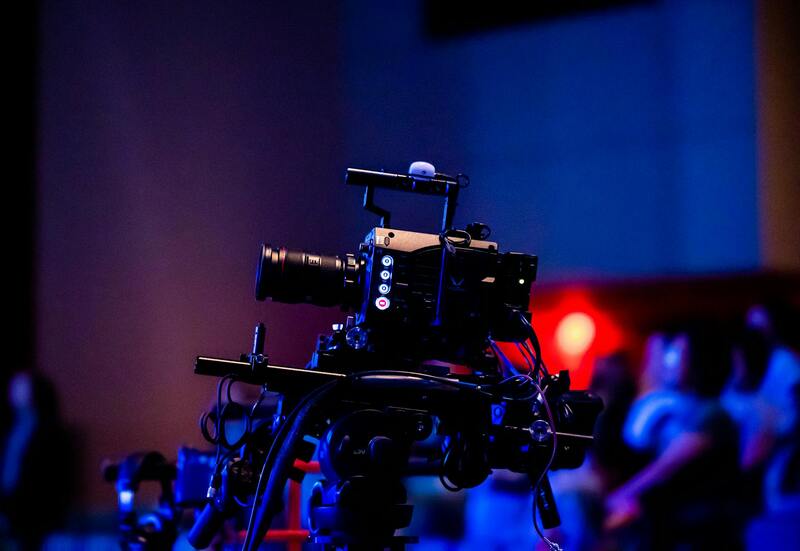
The complexity of the project involves several interconnected elements, including script development, storyboarding, talent casting, location selection, and visual effects. Each of these components, when intricate or demanding, adds to the overall expenditure. Moreover, the level of coordination required—such as scheduling multiple shoots, managing international locations, or integrating specialized equipment—further influences the cost structure.
Quality standards also encompass the desired technical specifications. Projects striving for cinematic look, advanced special effects, or 4K resolution typically lead to higher equipment costs and longer editing times. As a result, the investment in top-tier production tools and skilled professionals becomes a significant part of the budgeting process.
Additional Considerations
- Production duration and turnaround time—faster projects often incur premium charges due to the need for expedited services.
- Post-production requirements, including editing, sound design, color correction, and animation, contribute substantially to the final costs.
- Client revisions and additional creative input can extend the production timeline, further impacting expenses.
By meticulously assessing each of these factors, organizations can better estimate their corporate video budgets and select appropriate production solutions that align with their strategic communication goals.
Average Cost Range for Corporate Videos
Determining the typical expenses involved in corporate video production within Miami requires an understanding of the varied factors that influence overall costs. For basic explainer videos, where minimal filming and post-production are involved, prices generally start at around $3,000 to $7,000. These projects often involve straightforward scripting, limited locations, and minimal visual effects, making them suitable for startups or small businesses seeking simple communication tools.
Intermediate productions, such as promotional videos or product demonstrations, tend to range between $7,000 and $20,000. These projects incorporate higher-quality visuals, professional talent, and more extensive post-production work, including animations and sound design. They are ideal for companies aiming to enhance brand image without extensive filming complexities.
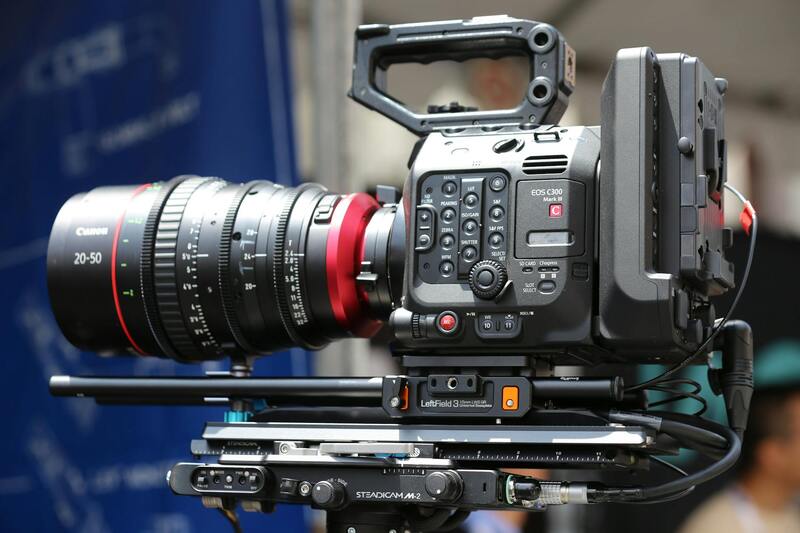
High-end corporate videos, which encompass cinematic quality, multi-location shooting, sophisticated visual effects, and 4K resolution, often exceed $20,000 and can even surpass $100,000 for large-scale productions. Such projects are typically commissioned by multinational corporations, requiring an extensive crew, advanced equipment, and a prolonged timeline to meet high standards of production value.
Understanding these ranges aids organizations in setting realistic expectations based on their specific objectives and available budget. It's essential to remember that these figures are approximate and can fluctuate depending on project complexity, talent requirements, and post-production demands.
Budgeting for Corporate Video Projects
Effective budgeting is fundamental to achieving desired quality while maintaining financial efficiency. Start by clearly defining your communication goals, target audience, and key messages. This focus allows for prioritization of essential elements, such as creative development, location shoots, or special effects.
Allocate funds accordingly across different production phases. Planning for contingencies—such as unforeseen delays or additional revisions—is equally vital. Establishing a detailed budget plan with input from experienced production professionals ensures that all aspects are considered and costs are accurately predicted.
Cost Breakdown by Production Stage
- Pre-Production: Scriptwriting, storyboarding, casting, location scouting, and scheduling.
- Production: Filming, talent fees, equipment rental, set design, and on-site logistics.
- Post-Production: Editing, visual effects, sound design, music licensing, color correction, and motion graphics.
Each phase echoes with unique expenses, and understanding the individual costs helps in maintaining financial control throughout the project. For example, pre-production costs are often fixed, while post-production expenses can vary significantly based on revisions and added effects.
Additional Expenses and Hidden Costs
Beyond the primary production costs, several ancillary expenses can influence overall budgeting. These include location permits, insurance coverage for equipment and personnel, transportation, catering, and accommodation if the shoot extends over multiple days.
Post-production may also incur unexpected costs, such as extended editing hours or additional visual effects not initially considered. Moreover, client-requested revisions or creative tweaks can extend timelines and incur additional fees. It is prudent to include a buffer—typically 10-15%—to cover unforeseen expenses, ensuring the project remains financially viable from inception to completion.
Choosing a Miami Production Agency within Budget
Selecting an agency that aligns with your financial parameters requires due diligence. Evaluate the agency’s portfolio to assess their capacity to deliver within your budget constraints. Transparent communication about project scope and costs is crucial; reputable firms provide detailed quotes that categorize expenses clearly, avoiding surprises down the line.
Comparison of proposals based on deliverables, production processes, and timelines will inform a strategic choice. Moreover, consider agencies with a proven track record in working efficiently within various budgets, employing cost-effective solutions without compromising quality.
Cost-Effective Strategies for Corporate Video Production
- Prioritize key messages to ensure that production efforts focus on critical content, reducing unnecessary expenditures.
- Opt for simpler visual effects and locations when possible, leveraging creative techniques to produce high-impact videos without high costs.
- Leverage existing assets—such as stock footage or client-provided visuals—to lower post-production expenses.
- Combine multiple messaging needs into one comprehensive project to maximize resource utilization.
- Work with local talent and crew to minimize travel and accommodation expenses.
Future Trends Affecting Production Costs
Technological advancements, such as virtual production, drone cinematography, and AI-driven editing, are changing the cost landscape. These innovations can lead to reductions in certain expenses while adding new layers of complexity requiring specialized expertise. As the industry evolves, staying informed about these trends enables organizations to make strategic decisions that balance innovation and budget management.
Cost Breakdown by Production Stage
Understanding the distribution of expenses across different phases of the video production process is essential for accurate budgeting. Each stage incurs specific costs that collectively contribute to the total project expenditure. An effective cost analysis begins with pre-production, which involves planning, scriptwriting, storyboarding, and securing permits. Typically, these activities account for approximately 10-15% of the overall budget, depending on project complexity.
The production phase is often the most resource-intensive. Expenses here include equipment rental, location fees, set design, talent fees, crew wages, and on-set logistics. This stage can represent 40-50% of the total costs, especially for high-quality footage, multiple shooting days, or complex visual effects. Efficient scheduling and resource management during production can lead to significant cost savings.
Post-production encompasses editing, visual effects, sound design, color grading, and final delivery. While often perceived as less costly than shooting, post-production can rapidly escalate in expenses with the addition of sophisticated graphics or animations. Typically, post-production accounts for around 20-30% of the total budget. Employing skilled editors and leveraging advanced but cost-effective editing tools streamline this process.
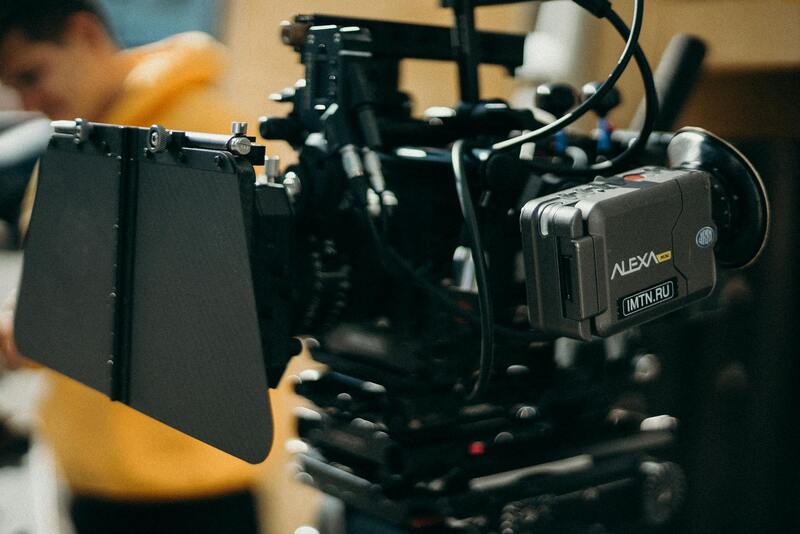
Allocating funds appropriately across these stages depends on the project scope and desired quality level. Clear communication with the production team is vital to establish realistic expectations, avoid scope creep, and keep costs aligned with available resources. Regular budget reviews throughout the project help identify areas where expenditures can be optimized without sacrificing creative integrity.
Additional Expenses and Hidden Costs
Beyond the primary stages, several ancillary costs can influence the overall budget of corporate video production. These include licensing fees for music or stock footage, insurance coverage, and expenses related to equipment transportation or setup. Unexpected delays or weather disruptions during outdoor shoots may also incur additional costs for reshoots or contingency planning.
Other often overlooked expenses involve post-project marketing and distribution. If the video requires multiple formats, platform-specific adaptations, or hosting services, these can add to the final budget. Furthermore, incorporating client revisions and feedback cycles should be factored into the timeline and costs, as iterative changes extend production timelines and increase labor and resource expenditure.
Choosing a Miami Production Agency within Budget
Securing a corporate video production provider in Miami that aligns with budget constraints involves evaluating several key factors. Transparency in quoting processes and detailed itemization of costs help clients understand what is included and identify potential areas for cost reduction. Agencies with experience in delivering high-quality content at various budget levels often optimize resources by utilizing local talent, versatile equipment, and efficient workflows.
In addition, assessing an agency’s portfolio and client referrals offers insight into their capacity to meet project goals while maintaining cost control. Negotiating flexible service packages and exploring bundled services can further enhance value, ensuring the client achieves desired outcomes without exceeding financial limits. When a firm demonstrates a comprehensive understanding of cost management alongside creative expertise, it becomes a strategic partner capable of delivering impactful corporate videos within budget.
Cost Breakdown by Production Stage
Understanding the financial implications of each development phase is essential for effective budgeting in corporate video production. Each stage—pre-production, production, and post-production—incurs distinct costs that collectively influence the final expenditure.
Pre-Production Expenses
Pre-production sets the foundation for the entire project and involves several key activities such as concept development, scriptwriting, storyboarding, location scouting, casting, and securing permits. Costs in this phase are primarily associated with workforce hours dedicated to planning and creative development. Investing in detailed planning reduces costly revisions during later stages and enhances efficiency.
Production Expenses
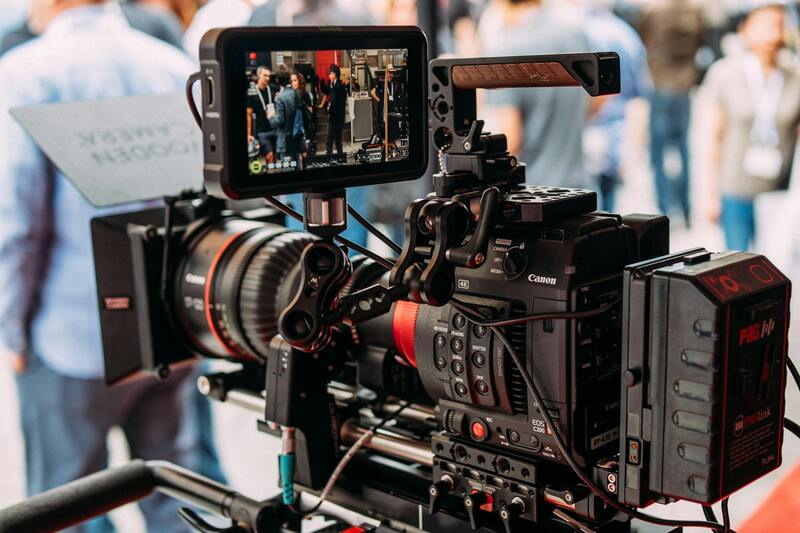
The core physical shoot is where most direct costs accrue. These include equipment rental (cameras, lighting, sound gear), location fees, talent wages, crew salaries, and on-site logistics like catering and transportation. The scope of the shoot—length, complexity, and locations—directly impacts these costs. Employing experienced crew members and high-quality equipment can be more cost-efficient in the long run by reducing the need for reshoots or extensive adjustments.
Post-Production Expenses
Post-production encompasses editing, visual effects, sound design, color correction, and final delivery formats. Advanced editing software and skilled editors constitute a significant part of this phase. Costs can escalate with the inclusion of motion graphics, animations, or original music composition. Effective post-production ensures the final product aligns with branding standards and project objectives, making it a vital investment.
In addition to labor costs, post-production also involves licensing fees for stock footage or music, as well as potential costs for digital storage or hosting services if the video is distributed across multiple platforms. Efficient planning and clear communication during this phase can prevent costly re-edits and delays.
Factors Influencing Production Costs
Understanding the key elements that impact corporate video production expenses is essential for effective budgeting. Several variables, including project scope, complexity, and resource allocation, play significant roles. For instance, the intricacy of the video's concept—whether it involves animated sequences, on-location shoots, or specialized visual effects—directly affects overall costs. Additionally, the duration of the shoot and the number of filming days influence equipment rentals, crew wages, and logistical expenses. Higher production values, such as utilizing high-end cameras or advanced lighting setups, typically elevate costs but often enhance the final quality.
Location choices can also have a considerable financial impact. Filming in popular or hard-to-access sites might require permits, additional security, or transportation arrangements, which contribute to the budget. Similarly, hiring professional talent, including actors, voice-over artists, or on-camera presenters, involves additional fees. The complexity and scale of the project determine the necessary crew size and equipment, with larger productions demanding more substantial investments.
Pre-production planning is a critical phase that can influence subsequent costs. Effective scriptwriting, storyboarding, and scheduling help streamline the shoot, reducing unnecessary expenses. Engaging experienced production managers ensures resource optimization, minimizing overspending while maintaining quality standards.

Average Cost Range for Corporate Videos
The investment needed for corporate video production varies widely based on factors such as video type, length, and production quality. Basic explainer videos, typically short and straightforward, can start from as low as $1,000 to $5,000. These projects often feature minimal editing, simple graphics, and are usually shot in a controlled environment or studio setting.
More advanced videos, such as promotional campaigns or training materials with multiple shooting locations, complex visual sequences, and higher production values, tend to fall within the $10,000 to $50,000 range. These involve detailed pre-visualization, professional actors, on-location shoots, and sophisticated post-production work, including animations and motion graphics.
High-end productions, like corporate documentaries or brand films aimed at large audiences, can exceed $50,000. These projects often demand extensive planning, multiple filming days, elaborate set designs, and high-caliber talent, reflecting the significant resource commitment necessary for top-tier outcomes.

Budgeting for Corporate Video Projects
Creating an accurate budget involves estimating expenses across all stages and aligning them with strategic goals. A comprehensive approach starts with defining the project's purpose, target audience, and desired impact. From there, setting a clear scope informs resource allocation and helps prioritize essential elements.
Establishing a contingency fund—typically 10-15% of the total budget—addresses unforeseen expenses that may arise during production. Detailed quotes from reputable production companies provide baseline figures, but internal planning should incorporate extra allowances for potential upgrades or revisions.
Identifying funding sources in advance ensures that the project remains financially sustainable. Whether through corporate marketing budgets, sponsorships, or external investors, securing reliable financial backing prevents compromises that could impact quality or delivery timelines.
Cost Breakdown by Production Stage
Breaking down expenses stage-by-stage clarifies where resources are allocated, promoting transparency and effective management:
- Pre-Production: This phase involves concept development, scripting, storyboarding, casting, location scouting, and securing permits. Typically, pre-production accounts for around 10-20% of the total budget but is crucial for smooth execution.
- Production: Encompassing the shooting process, this stage is often the most resource-intensive. Costs here include crew wages, equipment rentals, set construction, and on-site logistics. Depending on complexity, it may represent 40-50% of total costs.
- Post-Production: Editing, visual effects, sound design, and final approvals comprise this phase, often consuming 20-30% of the budget. Investing in skilled editors and quality software ensures a polished product.
- Distribution and Delivery: Final expenses include encoding, formatting, and dissemination across platforms, which might constitute 5-10% of the overall costs.

Factors Influencing Production Costs
Understanding the key elements that impact corporate video production costs is essential for effective budgeting and project planning. Several factors contribute to the overall expenditure, each with varying degrees of influence depending on the scope and complexity of the project. These factors include the video's length and format, the level of production quality desired, the use of special effects or animation, and the location of filming. For instance, a video shot in multiple locations or requiring complex visual effects will naturally incur higher costs. Additionally, the choice of talent—such as professional actors, voice-over artists, or industry experts—can significantly influence expenses. Equipment requirements also play a role; high-end cameras, drones, or lighting rigs elevate costs accordingly.
Another critical factor is the crew size and expertise. Larger teams with specialized roles like director, cinematographer, gaffer, and production assistants add to the overall budget. The project's timeline is also influential; shorter deadlines may necessitate additional resources or overtime pay, increasing expenses. Moreover, permits and location fees, especially in high-traffic or protected areas, can impact costs. It’s equally important to consider post-production requirements, as complex editing, special effects, and sound design demand skilled professionals and advanced software tools.
Average Cost Range for Corporate Videos
Corporate video production costs vary widely based on project complexity and scope. Entry-level projects, such as simple promotional videos, typically cost between $1,500 to $5,000. These usually involve minimal crew, basic equipment, and straightforward editing. More comprehensive productions, including product demonstrations or training videos, tend to fall in the $5,000 to $15,000 range, incorporating additional elements like scripting, professional talent, and on-location shooting.
High-end corporate videos, which involve extensive planning, multiple shooting days, special effects, and post-production finesse, can range from $20,000 to over $100,000. These projects often include custom animations, drone footage, and international filming locations, reflecting their more elaborate nature. It's important to note that pricing can fluctuate based on regional factors and market demand in Miami, with local agencies offering competitive rates for high-quality services.
Budgeting for Corporate Video Projects
Effective budgeting begins with a detailed understanding of all potential expenses. Establishing a clear project scope helps define where resources should be allocated. Setting aside a contingency fund—typically around 10-15% of the overall budget—addresses unforeseen costs or necessary revisions. Equally important is determining funding sources upfront, whether through marketing budgets, sponsorship arrangements, or external investments. A transparent budget process ensures that all stakeholders have aligned expectations and that the project can progress smoothly without financial hiccups.
It’s advisable to prioritize core components that deliver the most value, such as compelling storytelling, high-quality visuals, and sound. Flexibility in the budget allows for enhancements during production, such as additional filming days or post-production effects, without jeopardizing overall financial stability.
Cost Breakdown by Production Stage
_ Pre-Production_ is foundational, involving concept development, scripting, storyboarding, casting, location approval, and securing permits. This stage typically accounts for 10-20% of the total budget. Proper planning here reduces unexpected expenses during later phases.
_ Production_ encompasses filming, which makes up approximately 40-50% of the total costs. This includes crew wages, equipment rentals, set design, and on-site logistics. Complex projects or those with elaborate setups will see a proportionally higher expenditure during this phase.
_ Post-Production_ involves editing, adding visual effects, sound mastering, and final approval processes. This phase usually consumes 20-30% of the budget, emphasizing the importance of skilled editors and advanced editing tools to achieve a polished final product.
_ Distribution and Delivery_ cover encoding, format conversions, and platform-specific adjustments. These expenses generally represent 5-10% of overall costs but are crucial for ensuring the video reaches its target audience effectively.

Maximizing value from each stage requires diligent resource management and clear communication among all involved parties. Investing appropriately in each phase ensures the final product meets strategic objectives without unnecessary expenditures.
Factors Influencing Production Costs
Understanding the various elements that impact corporate video production costs helps organizations allocate their resources efficiently and achieve their desired outcomes. Several key factors play a role, including project scope, complexity, location, personnel, and equipment. The more elaborate and ambitious a project, the higher its costs tend to be.
Scope and complexity directly influence resource requirements. For instance, videos requiring special effects, multiple locations, or advanced animation will incur higher costs. Additionally, the geographical location of filming can significantly alter expenses; shooting in urban environments or remote areas can increase transportation, permits, and logistical costs.
Personnel involved in the project also impact the budget. Hiring experienced directors, scriptwriters, cinematographers, and editors enhances quality but adds to expenses. Equipment choices, such as high-end cameras, lighting, and sound gear, contribute further to the overall cost. Moreover, the timeline of the project affects costs; shorter deadlines may require additional resources to meet tight schedules.
Average Cost Range for Corporate Videos
Corporate video production costs can vary widely depending on the quality, length, and complexity of the project. Small-scale videos, such as internal training clips or promotional snippets, might range from $3,000 to $15,000. These projects usually involve minimal locations, a small crew, and straightforward editing processes.
Mid-range corporate videos, including product demonstrations or brand stories, typically cost between $15,000 and $50,000. They often feature multiple shooting days, scripted content, professional talent, and advanced post-production enhancements.
High-end productions, aimed at large-scale brand campaigns or television-quality content, can exceed $50,000 and reach into the hundreds of thousands of dollars. These productions often include elaborate sets, international locations, high-profile talent, and sophisticated visual effects.

Budgeting for Corporate Video Projects
Planning a precise budget requires assessing each phase of production and establishing clear priorities. Begin by defining the core objectives of the video and determining the target audience. Next, consider the scope, style, and technical requirements to estimate costs accurately.
Allocating funds strategically across pre-production, production, and post-production ensures resource efficiency. It's essential to include a contingency fund—typically around 10-15% of the total budget—to cover unforeseen expenses. Regular communication with the production team helps maintain budget discipline and adapt to evolving project needs.

Cost Breakdown by Production Stage
Breaking down expenses by production stage enables organizations to understand investment priorities and identify potential areas for savings. The primary phases include:
- Pre-Production: 10-20% of the total budget. Activities include concept development, storyboarding, talent casting, location scouting, and securing permits. Detailed planning minimizes expensive revisions and delays during filming.
- Production: 40-50% of the budget. Encompasses filming days, crew wages, equipment rentals, and set design. Complex scenes or special effects increase costs significantly during this phase.
- Post-Production: 20-30% of the total budget. Involves editing, visual effects, sound editing, and color grading. Utilizing experienced editors and high-end software yields a polished final product.
- Distribution and Delivery: 5-10% of costs. Consists of encoding, formatting, and platform-specific adjustments, ensuring compatibility across digital and broadcast channels.
Additional Expenses and Hidden Costs
Beyond core production costs, several ancillary expenses can influence the overall budget. These include travel, lodging, and per diems for cast and crew if filming occurs outside the local area. Equipment transportation and logistics for large or sensitive gear can also add to expenses.
Permit fees, insurance, set construction, and post-production revisions should be factored into planning to prevent scope creep. Licensing fees for music, stock footage, or proprietary assets may generate additional costs. Technical issues, such as data storage and backup, might also incur hidden expenses if not properly accounted for in the initial budget.
Vigilance during the planning process helps identify and manage these potential cost drivers, maintaining financial control without sacrificing quality.
Factors Influencing Production Costs
Several key elements determine the overall investment required for corporate video production. These factors range from the complexity of the content to the scope of distribution channels. A comprehensive understanding of these components allows organizations to accurately forecast expenses and optimize resource allocation.
Primarily, the scope of the project—whether a simple informational video or a high-end, cinematic production—significantly impacts the budget. High-detail visual effects, special animations, or complex shooting locations require advanced equipment and extended production time, leading to increased costs. Similarly, the length and number of scenes influence the duration of filming and editing, which directly affects expenses.
Client requirements play a role as well. Custom scripts, bespoke set designs, or hired talent can escalate costs if specific expertise is necessary. The choice of talent, including professional actors, voice-over artists, and hosts, can also add to the budget, especially if their involvement spans multiple shooting days or requires special accommodations.
Location costs are another crucial factor. Filming in prestigious or logistically challenging areas may incur permits, transportation, and logistical support expenses. Additionally, the necessity for specialized equipment such as drones, green screens, or high-end stabilization gear can elevate the overall financial commitment.
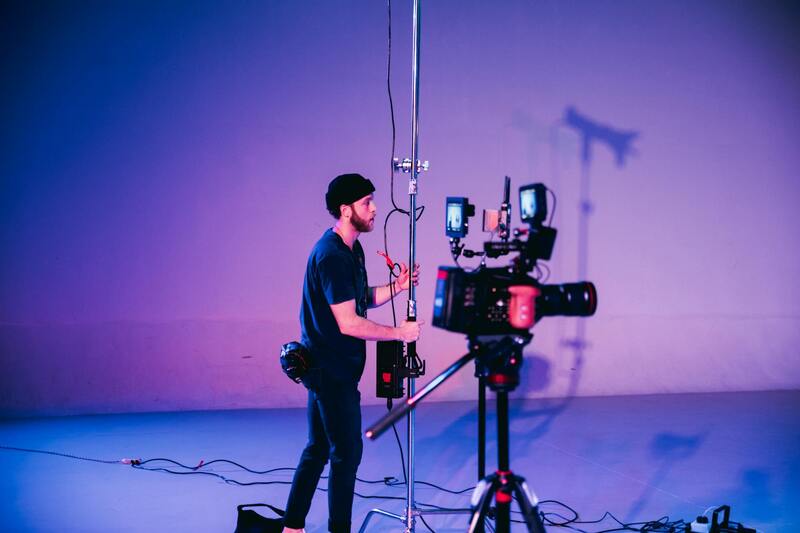
Technological choices, such as the use of 4K or 8K cameras, virtual production techniques, or advanced visual effects, also influence costs. These tools require significant investments in software licenses and hardware, along with skilled personnel certification, which further contribute to budget considerations.
Average Cost Range for Corporate Videos
Understanding typical expenditure levels assists businesses in setting realistic budgets. The cost range for corporate videos can vary widely based on production quality, scope, and intended distribution channels. Low-budget projects, such as simple explainer videos or internal training clips, often fall within the range of $1,000 to $5,000. These usually involve minimal crew, basic equipment, and shorter shooting durations.
Mid-tier productions, including promotional videos or product demonstrations with moderate production values, tend to range from $5,000 to $20,000. These projects might feature multiple locations, professional narration, and polished editing. They strike a balance between affordability and visual impact.
High-end corporate videos, especially those designed for large-scale marketing campaigns or broadcast distribution, can exceed $20,000 and often reach $100,000 or more. These productions encompass elaborate sets, high-profile talent, special effects, and extensive post-production work. They entail a larger crew, multiple shooting days, and complex logistics.
Budgeting for Corporate Video Projects
Effective budgeting starts with clear project objectives and scope definition. Establishing priorities ensures that funds are allocated efficiently to critical aspects such as production quality, talent, or distribution channels. Creating a detailed budget plan that includes all phases of production helps prevent unforeseen expenses and scope creep.
Forecasting involves estimating costs for pre-production planning, script development, location scouting, filming, editing, and distribution. It is advisable to allocate buffer funds—typically 10-15% of the total budget—to accommodate unexpected expenses or last-minute adjustments.
Continuous monitoring and adjusting of the budget throughout the project can help maintain financial control while achieving desired outcomes. Regular communication with the production team ensures transparency and identifies potential cost overruns early.
Cost Breakdown by Production Stage
Dividing the budget into specific stages allows for better financial oversight. Here is a typical allocation:
- Pre-production (10-15%): Concept development, scriptwriting, storyboarding, location permits, scheduling, and talent casting.
- Production (40-50%): Filming equipment rentals, crew wages, set design, costumes, and on-location expenses.
- Post-production (20-30%): Video editing, visual effects, color correction, sound design, and multiple review cycles.
- Distribution and Delivery (5-10%): Format conversions, encoding, platform-specific adaptations, and digital distribution costs.

Additional Expenses and Hidden Costs
Beyond core production expenses, several auxiliary costs may arise, impacting the overall budget unexpectedly. Travel-related costs such as transportation, accommodations, per diems, and equipment logistics for crew members if filming occurs outside the local area can accumulate quickly.
Permit fees, insurance policies, and set construction costs need to be budgeted carefully, as they often vary by location and scope. In addition, post-production revisions, licensing fees for music, stock footage, or proprietary assets, and data storage solutions can cause budget overruns if not anticipated.
Technical costs including software licensing, hardware upgrades, and data management are sometimes overlooked but essential for maintaining workflow efficiency. Tracking potential cost drivers throughout planning and production phases minimizes the risk of exceeding budget constraints.
Choosing a Miami Production Agency within Budget
Selecting the appropriate production team involves assessing their experience, portfolio, and ability to deliver within financial parameters. An agency with a proven track record of efficient project management can provide valuable insights into cost-saving strategies and resource optimization.
Discussing the project scope thoroughly and requesting detailed proposals ensures clarity on pricing structures and deliverables. Transparent communication about budget constraints encourages creative solutions and avoids misunderstandings later in the process.
Cost-Effective Strategies for Corporate Video Production
To achieve high-quality results while maintaining cost efficiency, organizations should focus on strategies such as leveraging existing assets, minimizing location changes, and utilizing on-camera talent with whom they already have a rapport. Opting for shorter shooting schedules or consolidating multiple scenes into fewer days reduces personnel and equipment rental costs.
Utilizing efficient post-production workflows and software can save significant time and expenses. Additionally, working with local vendors and talent diminishes transportation and lodging costs, especially in a vibrant market like Miami known for its diverse production resources.