
Understanding Corporate Promotional Videos
Corporate promotional videos are a vital tool for businesses aiming to communicate their brand message, values, and unique selling propositions effectively. These videos serve as a dynamic medium to showcase a company's identity, products, services, and culture to a broad audience. Unlike traditional advertising methods, corporate promotional videos deliver a compelling narrative through visual storytelling, making information more engaging and memorable.
In essence, these videos function as a strategic communication asset that can enhance brand visibility and credibility. They are used across various platforms, including company websites, social media channels, industry events, and presentations, to foster a stronger connection with potential clients, partners, and employees.
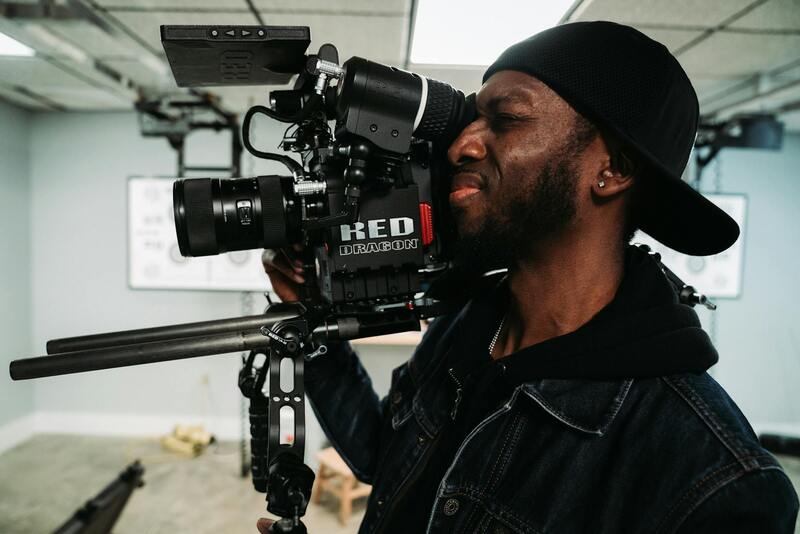
There are several key types of corporate promotional videos widely adopted by businesses today:
- Brand Introduction Videos: These videos highlight the company's mission, vision, and core values to create a clear brand identity.
- Product or Service Demonstrations: Showcasing how a product works or the benefits of a service to educate and persuade potential customers.
- Company Culture Videos: Offering a behind-the-scenes look at the workplace environment and team to build trust and attract talent.
- Event Coverage Videos: Documenting corporate events, conferences, or launches to extend their impact beyond the physical gathering.
- Testimonial and Case Study Videos: Sharing customer success stories and testimonials to enhance credibility and social proof.
Each type of promotional video serves a specific purpose, but all aim to forge emotional connections and inspire action from viewers. For Miami-based businesses, leveraging these types effectively can significantly elevate their local and global outreach, especially when supported by high-quality production and strategic messaging.
Creating impactful corporate promotional videos requires a clear understanding of the target audience, a compelling script, engaging visuals, and professional editing. These elements work together to ensure the final product is not only visually appealing but also aligned with the company's broader marketing objectives.
Steps to Produce the Best Corporate Promotional Videos
Developing a top-tier corporate promotional video involves a meticulous process that ensures the final product aligns with the company’s strategic goals, appeals to the target audience, and effectively communicates the intended message. The production journey typically encompasses several key stages, each critical for maximizing impact and achieving measurable results.
- Pre-Production Planning: This initial phase involves comprehensive planning, where the company outlines objectives, identifies the target audience, and determines key messages. Developing a creative brief helps define the tone, style, and overall vision of the video. Budgeting, scheduling, and resource allocation are also finalized during this stage, setting a solid foundation for the project.
- Concept Development and Scriptwriting: Crafting a compelling narrative is vital. This involves scripting a clear, engaging story that resonates emotionally with viewers while conveying core messages succinctly. Storyboards and visual concepts are often created to visualize scenes, ensuring coherence between the script and visuals.
- Production Design and Setup: On set, attention to detail in lighting, camera work, and staging plays a pivotal role. Selecting appropriate locations, props, and talents helps reinforce brand identity and supports storytelling. Professional audiovisual equipment guarantees high-quality visuals and sound, essential for maintaining viewer engagement.
- Filming and Direction: A skilled director guides the talent and crew, ensuring alignment with the creative vision. Multiple takes and varied angles are recorded to provide options during editing. This stage demands precision and adaptability to capture authentic performances and capture the intended atmosphere.
- Post-Production Editing: The editing process involves assembling footage, adding visual effects, graphics, and brand elements. Sound design, background music, voiceovers, and color grading refine the video’s aesthetic. The editing phase is where the narrative is polished, and pacing optimized to maximize viewer retention and emotional impact.
- Review and Refinement: Stakeholders review the draft version, providing feedback for adjustments. Multiple review rounds ensure the final product aligns perfectly with objectives. Incorporating revisions is crucial for a seamless, professional presentation that captures the company’s essence.
- Distribution Strategy: Once finalized, distributing the video across various platforms—social media, website, email campaigns, and industry events—is vital. Tailoring the content to suit each channel’s specifications and audience preferences enhances visibility and engagement.
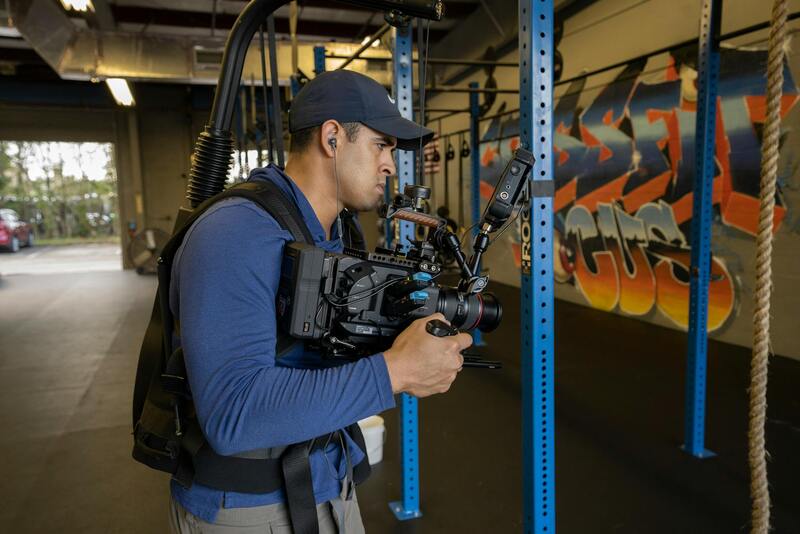
Each step in this process plays a fundamental role in crafting a corporate promotional video that resonates with viewers, reinforces brand image, and drives desired actions. Attention to detail during each phase ensures the final product is both compelling and strategically effective, elevating the company's outreach and market position.
Steps to Produce the Best Corporate Promotional Videos
Creating an impactful corporate promotional video involves a meticulously planned process that balances strategic messaging with high production quality. From conceptualization to final distribution, each step requires careful attention to detail and a thorough understanding of the company's objectives and target audience.
1. Concept Development and Scriptwriting
Initially, the production team collaborates with stakeholders to define the core message and objectives of the video. Clear goals guide the narrative, whether it aims to showcase products, highlight corporate values, or introduce a new service. Developing a compelling script is crucial; it should be concise, engaging, and aligned with brand voice. A well-crafted script provides a solid foundation for visual storytelling.
2. Storyboarding and Planning
Once the script is finalized, storyboarding visually maps out each scene, camera angles, and transitions. This planning phase ensures a cohesive visual flow, highlighting key messages and branding elements. It also helps identify logistical needs, such as location scouting, talent casting, and equipment requirements, optimizing resource allocation and minimizing unforeseen challenges during filming.
3. Professional Filming and Production
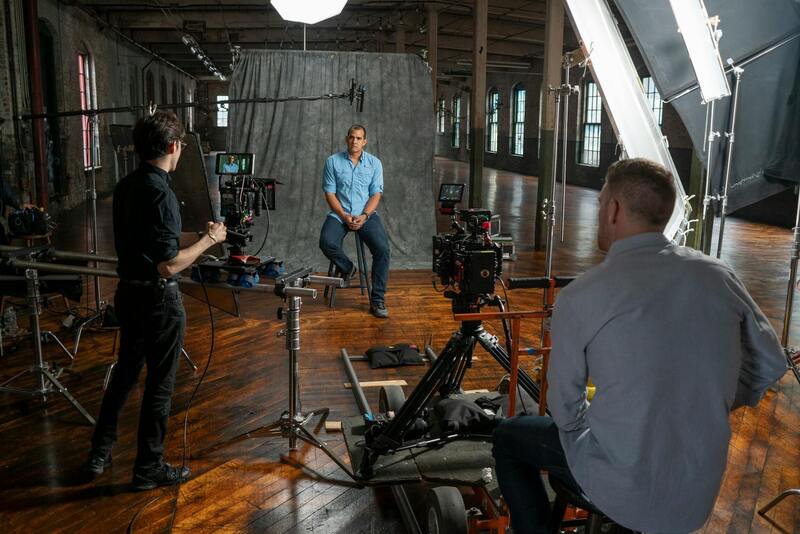
Executing the shoot with professional equipment and skilled crew members guarantees high visual quality. Proper lighting, sound recording, and camera work are essential to professionalism and clarity. For Miami companies, incorporating local scenery and cultural elements can enhance authenticity and regional appeal, resonating more effectively with local audiences.
4. Post-Production and Editing
Following filming, the editing phase involves assembling footage into a cohesive story. Visual effects, graphics, and animations are added to strengthen messaging and brand identity. Sound editing, background scoring, and voiceovers refine the overall aesthetic, ensuring the final product is both visually stunning and emotionally compelling. Color grading further enhances the look, emphasizing brand colors and mood.
5. Stakeholder Review and Refinement
Draft versions are circulated among stakeholders for feedback, focusing on the clarity of messaging, visual appeal, and alignment with branding standards. Multiple review rounds facilitate fine-tuning, ensuring the final version accurately reflects the company's objectives and resonates with the intended audience. This iterative process fosters quality assurance and professional polish.
6. Distribution Strategy and Performance Monitoring
Once finalized, deploying the video across multiple channels optimizes its reach. Tailored content formats for social media, websites, email campaigns, and industry events maximize viewer engagement. tracking viewer interactions, shares, and conversions provides insight into performance, guiding future promotional efforts and refining outreach strategies for sustained impact.
Executing each of these steps with precision enables Miami companies to produce corporate promotional videos that not only convey their message compellingly but also strengthen market presence and facilitate growth.
Optimal Distribution Channels for Corporate Promotional Videos
Effective distribution of corporate promotional videos is critical to maximizing their impact and ensuring they reach the intended audience. Strategic deployment involves selecting the right platforms and dissemination methods tailored to the target demographic, industry sector, and communication goals. The primary channels comprise company websites, social media platforms, email campaigns, industry conferences, and media outlets. Each method offers unique advantages, from broad reach and engagement potential to targeted messaging.
Embedding videos within your official website guarantees direct access for visitors seeking comprehensive information about your brand or services. Well-placed videos on dedicated landing pages can significantly boost conversion rates by illustrating solutions clearly and convincingly. Integrating videos into email marketing campaigns facilitates personalized outreach, increasing open and click-through rates by delivering dynamic content directly to key stakeholders and prospects.
Social media platforms such as LinkedIn, Facebook, Twitter, and Instagram are indispensable for disseminating corporate videos. They foster sharing, commenting, and engagement, which amplify visibility organically. Tailoring video content to each platform’s specifications—such as short clips for Instagram stories or longer formats for LinkedIn articles—enhances viewer interaction. Regular posting schedules and strategic use-of hashtags expand reach and boost brand awareness.
Industry-specific events and conferences present opportunities for showcasing corporate videos to targeted audiences. Embedding videos into presentations or displaying them on digital displays can reinforce messaging during live engagements. Additionally, leveraging media partnerships and online portals adds credibility and broadens exposure, especially when content is optimized for search visibility and indexed appropriately.
Monitoring and Analyzing Video Performance
Tracking the success of corporate promotional videos involves meticulous analysis of performance metrics aligned with strategic objectives. Key performance indicators include view counts, engagement rates, shares, click-through rates, and conversions. Advanced analytics tools enable real-time monitoring, providing insights into viewer behaviors, demographic segments, and content preferences.
Assessing these metrics helps identify which channels and content formats resonate most with the audience, guiding subsequent content creation and distribution strategies. For example, a high engagement rate on social media indicates content relevance and helps refine targeting parameters. Analyzing viewer drop-off points can inform editing improvements to maintain viewer interest throughout the video.
Furthermore, qualitative feedback gathered through comments, surveys, and direct outreach offers depth beyond quantitative data, revealing audience perceptions and potential areas for enhancement. Implementing A/B testing with variations of promotional videos allows for comparative analysis to determine the most effective messaging, visuals, and calls-to-action.
Refining Strategies Based on Data Insights
Using performance data, companies can refine their promotional strategies to align better with audience preferences and market dynamics. This iterative process involves revisiting distribution channels, adjusting content formats, and tailoring messaging for specific segments. Continuous optimization ensures that each subsequent campaign benefits from learned insights, leading to higher engagement and return on investment.
Regular review sessions should be incorporated into the marketing calendar, focusing on emerging trends, evolving audience behaviors, and new technological opportunities. Collaboration across marketing, sales, and branding teams ensures alignment and coherence in messaging, fostering a unified approach that enhances brand perception and market positioning.
Advanced Techniques for Enhancing Corporate Promotional Videos
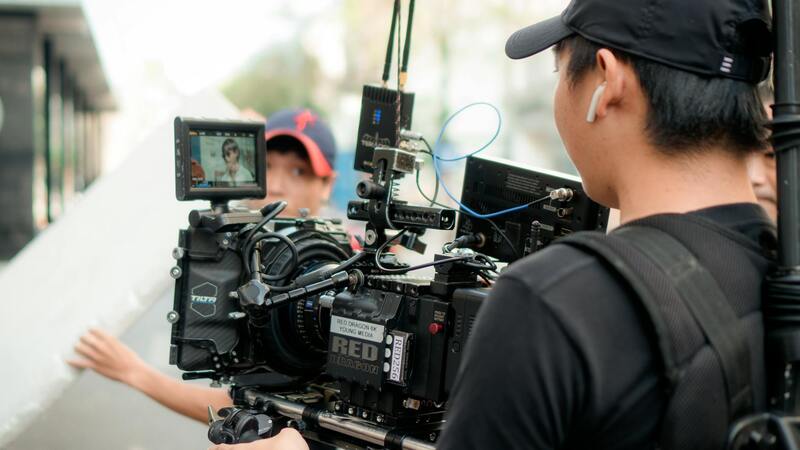
Creating compelling corporate promotional videos is a strategic process that involves utilizing advanced techniques to ensure the message resonates deeply with the target audience. Leveraging high-end cinematic tools and styles can significantly elevate the perceived professionalism and engagement level of the content. Incorporating drone footage, motion graphics, and visual effects enriches the storytelling, making the visuals more captivating and memorable.
Moreover, employing professional voiceovers, sound design, and background music enhances emotional connection and retention. Such auditory elements should be carefully curated to complement the visual narrative, reinforcing key messages without overpowering the core content. Effective sound design often involves subtle yet impactful audio cues that guide viewer attention and evoke desired sentiments.
Another crucial technique is strategic use of branding elements. Consistently integrating logo placements, color schemes, and taglines throughout the video helps reinforce brand recognition. These elements should be embedded seamlessly within the visual narrative, enhancing brand cohesion without detracting from the story being told.
Personalization and storytelling are also fundamental in producing high-impact corporate videos. Developing a narrative that aligns with the company’s mission, values, and customer experiences creates authenticity. Incorporating testimonials, case studies, or behind-the-scenes footage provides social proof and builds trust with viewers.
Finally, optimizing the video for various platforms enhances reach. Tailoring video format, length, and style based on distribution channels—such as social media, website, or email campaigns—ensures the content performs effectively across all platforms. This multi-channel approach increases visibility and engagement, driving broader awareness of the brand’s offerings.
Utilizing Accredited Certification and Industry Standards
When selecting a method to produce corporate promotional videos, it is essential to focus on processes that adhere to recognized standards and certifications within the industry. These standards ensure that the production methods are based on proven practices, promoting consistency and reliability throughout the project. For instance, employing project management standards like ISO 9001 can guide workflow organization, quality assurance, and customer satisfaction, thereby impacting the overall effectiveness of the video content. Engaging with agencies and production teams that hold certifications in audiovisual production, such as Dolby Atmos certification for sound quality or ISO standards for digital filmmaking, signifies a commitment to excellence. This adherence not only enhances the technical quality of the final product but also provides a framework for continuous improvement. Certified professionals are trained to follow best practices for lighting, sound, editing, and visual effects, which collectively elevate the production's professionalism. Furthermore, leveraging proven project management methodologies like Agile or Waterfall, adapted for media production, can optimize timeliness and resource allocation. An iterative approach allows for regular reviews and adjustments, ensuring the project remains aligned with the company's marketing objectives, target audience, and branding guidelines. By systematically following established industry standards and certification protocols, Miami companies can confidently produce corporate promotional videos that stand out in quality, coherence, and impact. These credentials often serve as a mark of trust and competence, reinforcing the company's reputation for professionalism and dedication to excellence.
Documenting and Securing Rights for Production Content
Maintaining clear documentation of all rights related to content used in promotional videos is vital to safeguard the project from legal complications and to respect intellectual property rights. This process begins with establishing agreements that explicitly outline the licensing rights for footage, music, graphics, and any other proprietary material incorporated into the video. Consistent record-keeping of permissions, licenses, and origin of all media assets ensures transparency and accountability throughout the production cycle. Securing rights involves negotiating licensing terms that specify the scope, duration, and geographical boundaries of usage. For example, stock footage or music licenses might be limited to specific campaigns or platforms, so it is crucial to align these terms with distribution plans. This proactive approach prevents future conflicts and guarantees that the company’s promotional efforts are compliant with copyright laws. Implementing a centralized digital repository for all licensing documentation promotes easy access and management of rights. When scriptwriting, editing, or finalizing the video, project managers and content creators should verify that all media assets have valid licenses and rights clearance. This diligence minimizes the risk of infringing on third-party rights and ensures the production can be used confidently across various channels. This organized documentation also facilitates smooth revisions and updates, as future modifications can be made with a clear understanding of existing rights agreements. Ultimately, precise rights management supports a seamless production process, protects brand integrity, and preserves the company's reputation for respecting intellectual property laws.
Additional Strategies for Maximizing the Impact and Reach of Corporate Promotional Videos
Maximizing the reach and impact of corporate promotional videos requires a strategic approach that enhances visibility, engagement, and brand resonance. While high-quality content forms the foundation, leveraging official channels and optimized dissemination methods greatly amplifies the video’s effectiveness. It's essential to implement a comprehensive distribution plan that targets the right audience through multiple official platforms, ensuring the message resonates across various touchpoints.
One of the most effective ways to increase visibility is through optimized hosting on corporate websites, particularly in dedicated sections such as the homepage or media gallery. Embedding videos in relevant landing pages improves user experience and enriches website content, encouraging visitors to engage further with the brand. Additionally, maintaining an active presence on official social media profiles allows companies to share videos directly, maximizing organic reach and fostering community interaction. Regularly scheduled posts, coupled with strategic timing based on analytics insights, ensure that the content reaches audiences when they are most receptive.
To reinforce the message and extend its lifespan, companies should consider repurposing corporate videos into smaller clips or informational snippets suitable for various digital channels. This approach facilitates targeted marketing campaigns, enhances engagement, and increases shareability within professional networks. Furthermore, implementing email marketing campaigns with embedded videos offers a direct, personalized touchpoint for existing clients and prospects, encouraging deeper brand connection.
Official distribution channels such as industry-specific online directories, trade association platforms, and corporate YouTube channels serve as authoritative avenues for sharing content. These platforms not only provide credibility but also help target relevant market segments, establishing the company's reputation in its industry niche. Utilizing analytics tools provided by these platforms allows for ongoing assessment of viewer engagement, enabling strategic adjustments to future campaigns.
Incorporating official endorsements or testimonials can further validate the message and boost credibility. When these are acquired from reputable partners or industry leaders, they lend additional authority to the promotional video, reinforcing the company's position and appeal. Additionally, implementing SEO best practices ensures that videos are discoverable via search engines, increasing organic traffic and brand exposure.
Consistent branding elements, including logos, color schemes, and messaging tone, across all distribution channels contribute to a cohesive brand identity. This consistency builds trust and helps establish a memorable impression among viewers. Engaging with audience feedback through official comment sections or follow-up content demonstrates commitment and openness, strengthening the relationship between the brand and its target audience.
Finally, tracking the performance of the video across these channels using official analytics tools provides vital insights into reach, engagement, and conversion efficiency. This data-driven approach informs future content strategies, ensuring ongoing improvement and greater success in promotional efforts.
Ensuring Legal and Ethical Compliance in Corporate Promotional Videos
Creating corporate promotional videos that resonate with audiences while adhering to official standards involves meticulous planning and execution. Companies must operate within the boundaries set by industry regulations, intellectual property rights, and advertising guidelines to maintain credibility and avoid potential disputes. This adherence is crucial both to protect the company's reputation and to foster trust among viewers.
When producing promotional content, it is vital to utilize only licensed music, images, and footage. Suppliers of stock media often provide licenses that explicitly permit commercial use, ensuring that the brand's incorporation of these elements is within authorized parameters. Verification of licensing agreements and documentation are essential steps before integrating any third-party content into the video.

Screening all content before publishing helps prevent the inclusion of copyrighted material without proper permission. It also ensures that the messaging aligns with advertising standards and industry best practices, avoiding potentially misleading or deceptive claims. Clear disclaimers and disclosures, where necessary, contribute to transparency and bolster a company's reputation in the marketplace.
Implementing Confidentiality and Privacy Measures
Respecting privacy rights is another paramount aspect. Securing consents from individuals appearing in the videos, especially in testimonials or case studies, safeguards against privacy infringements. Legal documentation such as model releases and consent forms should be kept on record to demonstrate compliance with privacy standards.
For corporate environments, internal confidentiality protocols should be observed. Sensitive information must be protected through secure handling and clear communication about the scope of the promotional content. Proper vetting ensures that proprietary data do not inadvertently reach a wider audience, which could result in operational or competitive issues.
Using Official Endorsements and Testimonials Properly
When including endorsements or testimonials, it is essential that these are genuine and verified. Companies should secure written approval from endorsers, outlining the scope of use and context. This not only upholds ethical standards but also preserves the credibility of the promotional message.
Authentic testimonials from recognized industry leaders or satisfied clients serve as powerful credibility boosters. However, these should be presented transparently, and any material connections should be disclosed to avoid misinterpretation. Proper attribution and honesty in representation are cornerstones of lawful promotional content.
Optimizing for Search Engines and Platforms
Official content published online should adhere to search engine optimization (SEO) guidelines to maximize visibility. Incorporating relevant keywords, accurate metadata, and descriptive captions enhances discoverability while respecting platform-specific policies.
Each social media and video-sharing platform has unique standards; thus, tailoring content to meet these specifications ensures better engagement. This includes adhering to technical specifications for video format, length, and captioning requirements, as well as aligning messaging tone with platform expectations.
Through consistent application of these official methods, businesses in Miami and beyond can develop compelling, ethical, and effective promotional videos. Proper adherence to legal and professional standards fortifies the trustworthiness of marketing efforts, ultimately leading to sustainable brand growth and consumer confidence.