
Understanding Commercial Video Production
Commercial video production is a specialized field within the broader scope of visual communication that focuses on creating promotional videos designed to showcase products, services, or brand messages to target audiences. This process involves a thorough blend of strategic planning, creative storytelling, technical execution, and post-production editing to deliver compelling content capable of capturing viewers' attention and driving engagement.
For local businesses in Miami, leveraging professional commercial video production services offers an invaluable opportunity to elevate brand visibility within a competitive marketplace. Miami's vibrant economy and diverse demographic landscape provide the perfect environment for businesses seeking to craft impactful narratives that resonate with both local and international audiences. High-quality commercial videos produced by experienced agencies can boost online presence, enhance brand recognition, and ultimately lead to increased sales and customer loyalty.
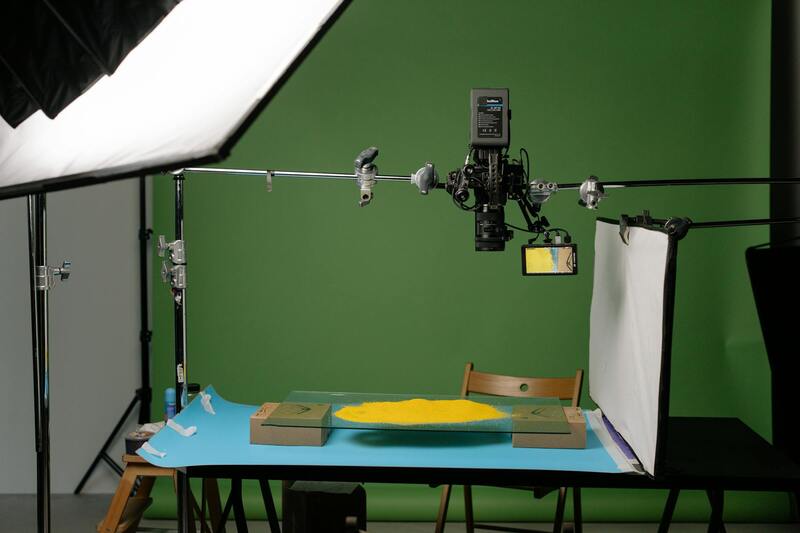
From concept development through filming and editing, the commercial video production process is meticulously designed to ensure each project aligns with the client's marketing goals. By utilizing professional equipment, creative storytelling techniques, and industry best practices, production companies in Miami help local businesses stand out in an increasingly digital landscape.
Types of Commercial Videos
Commercial video production encompasses a variety of formats tailored to meet different marketing objectives:
- Brand Introduction Videos: Showcase the company's mission, values, and brand story to establish identity and trust.
- Product Demonstrations: Highlight features and benefits of specific products, emphasizing their value to potential customers.
- Service Overviews: Explain services offered, demonstrating expertise and solutions provided by the business.
- Testimonial Videos: Feature satisfied clients sharing positive experiences to build credibility.
- Event Coverage: Capture corporate events, launches, or community engagements to promote brand activity.

Key Elements of Effective Commercial Videos
Creating impactful commercial videos requires attention to several crucial elements:
- Strong Narrative: A compelling story that resonates emotionally and clearly communicates the message.
- Visual Quality: High-definition imagery, professional lighting, and thoughtful shot compositions enhance perception.
- Clear Call-to-Action: Intentional prompts that guide viewers towards desired responses.
- Brand Consistency: Aligning visuals, tone, and messaging with overall brand identity.
- Audience-Centric Approach: Tailoring content to meet the preferences and needs of the target demographic.
The Commercial Video Production Process
The process of producing professional commercial videos involves several well-defined stages:
- Pre-production: Concept development, scripting, storyboarding, and planning logistical details.
- Production: Filming scenes with professional equipment, directing talent, and capturing necessary footage.
- Post-production: Editing footage, adding effects, sound design, and final polishing.
- Distribution: Delivering the finished product across various channels to maximize reach and impact.
Choosing a Commercial Video Production Service in Miami
Selecting the right partner involves assessing their creative portfolio, technical expertise, and understanding of local market dynamics. Miami-based agencies often bring valuable insight into the regional audience's preferences, cultural nuances, and trending styles. A reliable production company provides a transparent workflow, clear communication, and a commitment to delivering on deadlines and budget expectations, ensuring a seamless experience from conceptualization to final delivery.
Partnering with local experts also means access to on-location filming options, specialized talent, and industry connections that can significantly enhance the quality and authenticity of the commercial video.
Key Elements of Effective Commercial Videos
Creating impactful commercial videos requires a strategic combination of various elements that work together to engage viewers and convey the intended message effectively. A professional production team focuses on clarity, emotional resonance, visual appeal, and precise messaging, ensuring each element aligns with your brand’s objectives.
- Compelling Storytelling: An engaging narrative captures the audience’s attention and makes the message memorable. Whether highlighting a product’s benefits or sharing a brand story, storytelling should evoke emotions and foster a connection with viewers.
- High-Quality Visuals: Crisp, well-composed footage enhances credibility and aesthetic appeal. The use of professional lighting, framing, and color grading ensures visuals stand out and resonate with viewers.
- Concise and Clear Messaging: Commercial videos should communicate their core message succinctly. Clear call-to-action prompts guide viewers towards desired outcomes, whether it’s visiting a website, making a call, or engaging with the brand.
- Brand Integration: Effective videos seamlessly incorporate brand elements such as logos, colors, and slogans without overwhelming the content, ensuring brand recognition while maintaining viewer engagement.
- Sound Design and Voiceovers: Professional sound design, background music, and voiceovers add depth and emotional cues, enriching the overall viewing experience.
- Target Audience Alignment: Understanding viewer preferences and behaviors allows the creation of content that resonates, increases engagement, and drives conversion rates.

Integrating these elements with a strategic approach ensures that a commercial video accomplishes its purpose, whether it is to boost brand awareness, introduce a new product, or communicate a compelling story. The choice of style, tone, and content should be tailored to the specific target demographic, ensuring relevance and maximum impact.
Effective commercial videos are also adaptable to multiple platforms, optimized for various screen sizes and formats. This versatility guarantees consistent messaging across television, online, social media, and other digital channels, amplifying reach and engagement further.
The Commercial Video Production Process
The journey of crafting a professional commercial video unfolds across several key phases, each vital to producing a polished, compelling final product. Understanding this process helps clients collaborate effectively and set realistic expectations.
Pre-production: This initial stage involves developing the core concept, scripting, storyboarding, and logistical planning. Careful consideration is given to target audience insights, messaging goals, and visual style preferences. Detailed planning ensures smooth filming and minimizes surprises during production.
Production: Filming involves capturing scenes with high-end equipment, directing talent, and managing on-set logistics. Skilled cinematographers, directors, and production crews work to realize the envisioned storyboard, ensuring footage is of the highest quality. On-location filming in Miami offers authentic settings that enhance the narrative’s regional relevance.
Post-production: This phase incorporates editing raw footage, applying visual effects, color correction, and sound design. Adding voiceovers, background music, and graphics elevates the professionalism of the final cut. Multiple review rounds allow for refinements, ensuring the video aligns perfectly with client expectations.
Distribution: Once finalized, the video is formatted for various channels—broadcast, social media, websites, and digital advertising platforms. Distribution planning maximizes exposure and ensures the content reaches targeted audiences effectively.
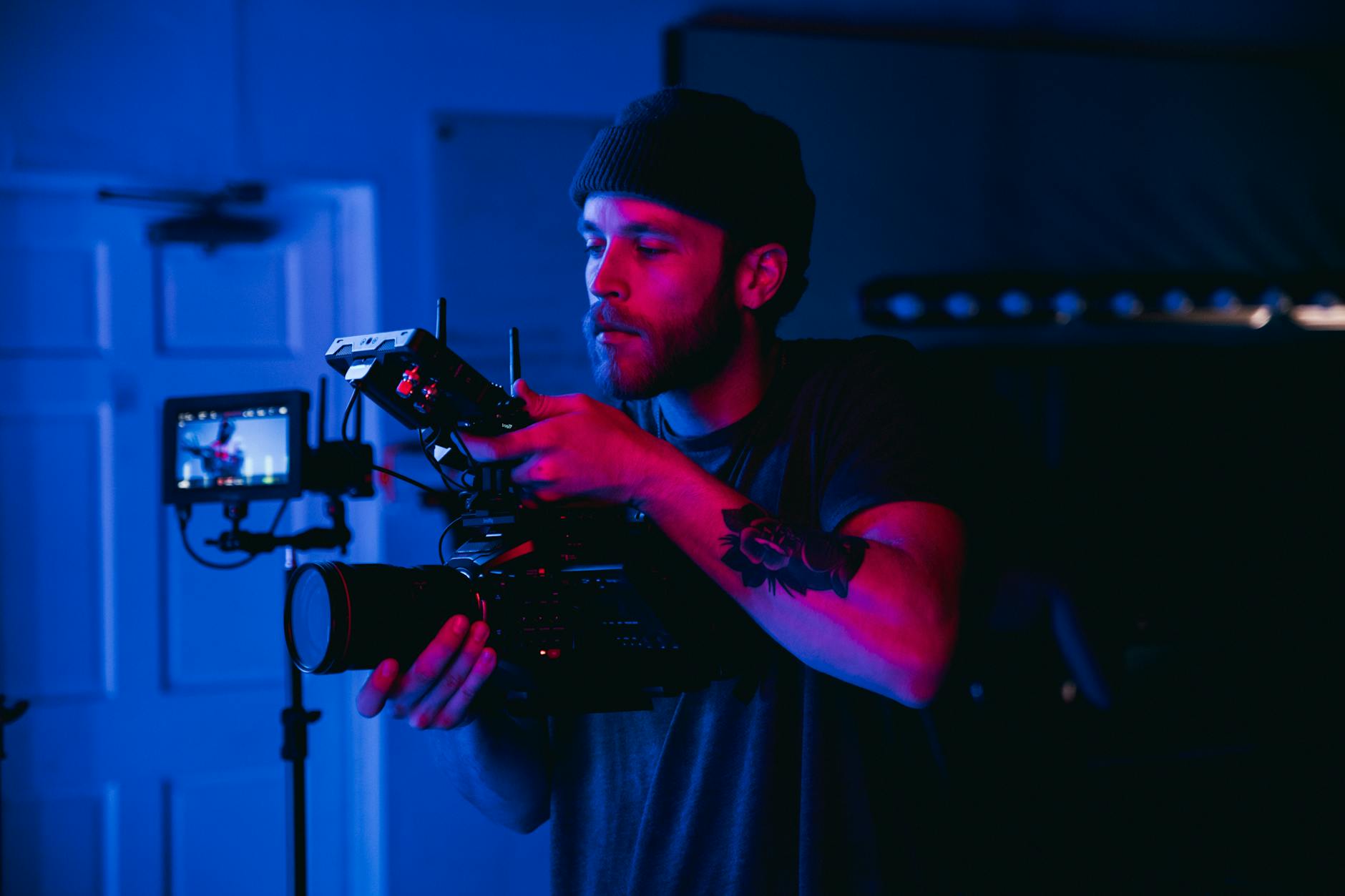
Throughout each step, collaboration and transparent communication between the client and production team are crucial. Establishing clear milestones and deliverables fosters a smooth workflow and a seamless transition from concept to completion.
Understanding Commercial Video Production
Commercial video production is a multifaceted process that transforms conceptual ideas into compelling visual narratives aimed at promoting a product, service, or brand. It requires meticulous planning, creative execution, and technical expertise to craft content that resonates with the target audience and achieves marketing objectives. Engaging commercial videos not only enhance brand visibility but also foster emotional connections with viewers, which can translate into increased engagement and conversions. From initial concept development to final delivery, every phase demands attention to detail, strategic alignment, and adherence to industry standards.
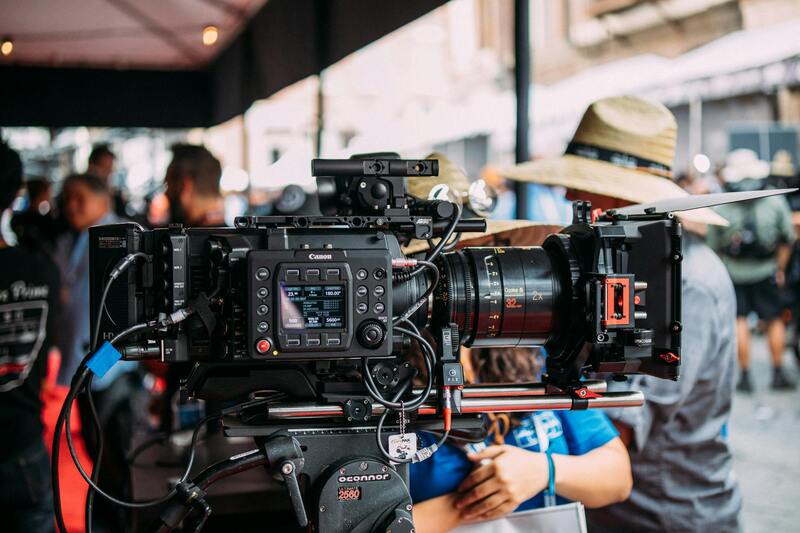
The process encompasses several critical stages:
- Pre-production: Brainstorming, scriptwriting, storyboarding, and logistical planning form the foundation for a successful project. This phase involves collaborating closely with clients to understand their goals and target demographics, creating a comprehensive plan that guides the subsequent phases.
- Production: High-quality filming captures the planned scenes, with expert crews managing talent, equipment, and location logistics. In Miami, on-location shoots utilize the city’s vibrant scenery and diverse environments to add authenticity and regional appeal to commercial narratives. The choice of equipment, lighting, and sound gear ensures optimal footage quality, while directors and cinematographers work to realize the creative vision.
- Post-production: Raw footage undergoes editing, where skilled editors assemble scenes, apply visual effects, and perform color grading to establish a polished look. Sound designers add effects, background scores, and voiceovers to enhance the auditory experience. Multiple review stages allow for client feedback and adjustments, ensuring the final product meets all specifications.
- Distribution: The finalized video is formatted for various platforms, including television, social media, and digital advertising. Strategic planning ensures the content’s optimal reach to targeted audiences, leveraging the appropriate channels for maximum impact.
Throughout each phase, clear channels of communication between the production team and the client are vital. This collaborative approach fosters transparency, facilitates decision-making, and ensures the project remains aligned with the original vision. Attention to scheduling, budgeting, and quality control is essential to deliver a professional product that stands out in a competitive landscape.
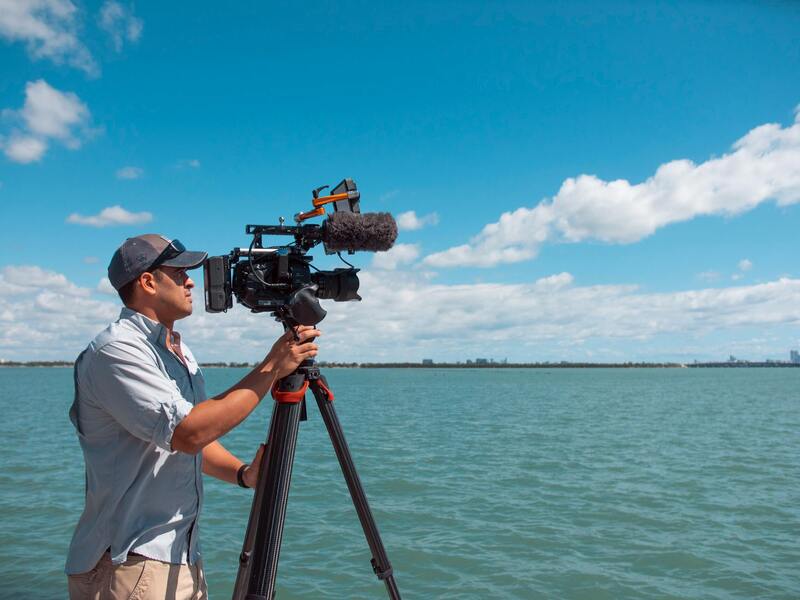
Ensuring adherence to industry best practices and utilizing state-of-the-art equipment helps elevate the production quality. With these core elements in place, commercial videos become powerful tools for branding, advertising, and audience engagement, making them an indispensable part of a strategic marketing arsenal.
Strategies for Ensuring Video Content Respects Legal Standards
Creating compliant commercial videos requires diligent adherence to established standards that govern content creation, distribution, and intellectual property rights. Moreover, understanding the formal procedures to verify the authenticity of footage, music, and images is crucial for ensuring the final product maintains its integrity and meets industry expectations.
One essential step involves meticulous rights management. This includes verifying that all visual and audio elements used in the production are properly licensed or created internally by your team. Utilizing royalty-free assets from reputable sources or obtaining explicit permissions from original content owners can prevent potential disputes or copyright infringements.
Another key aspect involves content review processes. Internal legal teams or experienced consultants often review scripts, storyboards, and final cut footage to identify and address any elements that could inadvertently infringe upon trademarks, privacy rights, or other regulatory frameworks. Ensuring that all representations are truthful and do not mislead viewers is fundamental to maintaining credibility and compliance.
Maintaining clear documentation of all agreements, permissions, and rights transfers is vital for accountability. This documentation can include licensing contracts, model releases, location permits, and music rights forms. Such records serve as authoritative proof of lawful content use and support claims of authenticity should any disputes arise during or after the production process.
Furthermore, being aware of regional advertising standards and consumer protection laws adds another layer of due diligence. For Miami-based productions, understanding local advertising regulations ensures content aligns with regional expectations and avoids restrictions that could obstruct distribution or trigger regulatory action.
Employing formal approval workflows, where each stage of production is reviewed and signed off by relevant stakeholders, helps maintain control over content quality and legal compliance. When combined with ongoing staff training on copyright and content regulations, these practices establish a robust framework for creating reputable commercial videos that resonate with audiences and uphold ethical standards.
Legal and Ethical Considerations in Commercial Video Production
Adherence to industry standards and established best practices is crucial when creating commercial videos that effectively promote a product or service while maintaining consumer trust. A comprehensive understanding of the legal framework surrounding commercial content ensures that all aspects of production, from scripting to distribution, comply with established norms. One of the fundamental principles involves guaranteeing that all claims made within the video are accurate and verifiable. This transparency fosters trust and upholds the integrity of the brand image. Employing accurate data, avoiding exaggerated claims, and ensuring testimonials are genuine are essential steps for creating responsible and authoritative content. Respect for intellectual property rights is another core element. Proper licensing of music, images, and footage used within the commercial prevent potential disputes and uphold the rights of content creators. Securing necessary permissions and documenting rights transfers clearly and thoroughly help fortify legal standing and facilitate smoother content dissemination. In addition to these elements, maintaining adherence to regional advertising guidelines is vital. For Miami-based productions, familiarcy with local regulations and consumer protection laws helps tailor content that aligns with regional expectations, minimizing the risk of regulatory interference. Stringent review protocols must be established throughout the production process. These include internal reviews and approvals from legal teams or compliance officers, ensuring every piece of content meets all required standards before release. Such proactive measures significantly reduce risks related to misrepresentation or content violations. When formal documentation is in place—such as consent forms, licensing agreements, and location permits—the production process becomes more transparent and accountable. Keeping detailed records not only safeguards against legal challenges but also simplifies audits or inquiries that might occur after the commercial has been launched. Furthermore, staff training on compliance issues enhances overall adherence to legal standards. By equipping team members with knowledge about copyright laws, advertising ethics, and relevant regulations, production companies foster a culture of responsibility that resonates throughout the creative process. Overall, aligning commercial video production practices with established legal and ethical standards generates content that is both compelling and compliant. This balanced approach ensures the production’s success, safeguards reputation, and promotes a trustworthy relationship with the audience.
Understanding Commercial Video Production
Commercial video production encompasses the planned creation of visual content aimed at promoting products, services, or brands through various platforms such as television, social media, and digital channels. This process involves the coordination of creative concepts, technical expertise, and strategic messaging to craft compelling narratives that resonate with target audiences. At its core, commercial video production demands a meticulous approach that combines storytelling acumen with technical proficiency, ensuring every element aligns with the overarching marketing goals.
Pre-Production Planning
The journey begins with detailed planning, where concepts are refined, scripts are written, and storyboards are developed. This phase defines the visual style, tone, and key messages, creating a blueprint for the shoot. Casting, location scouting, and securing necessary permits form essential components of this stage, providing a solid foundation that minimizes disruptions during filming.
Production Execution
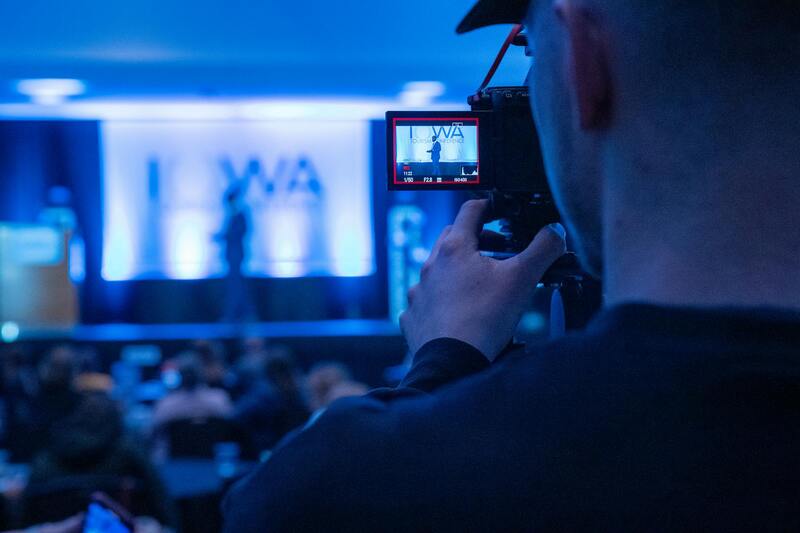
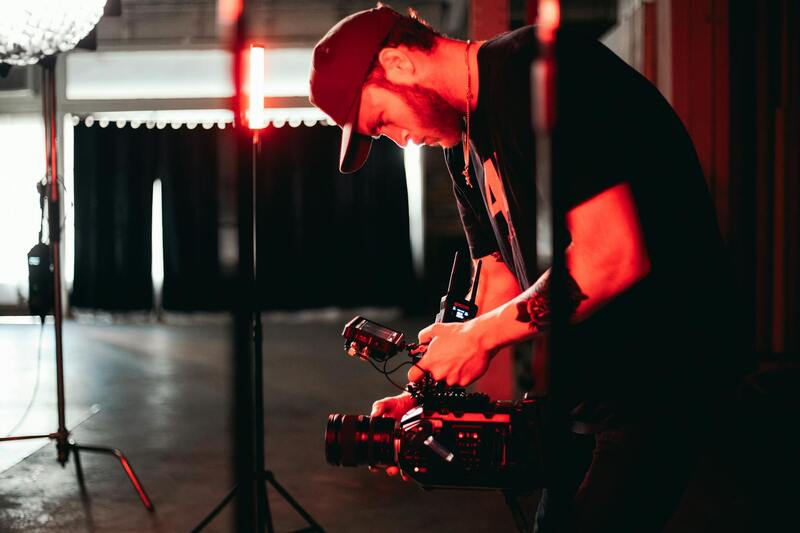
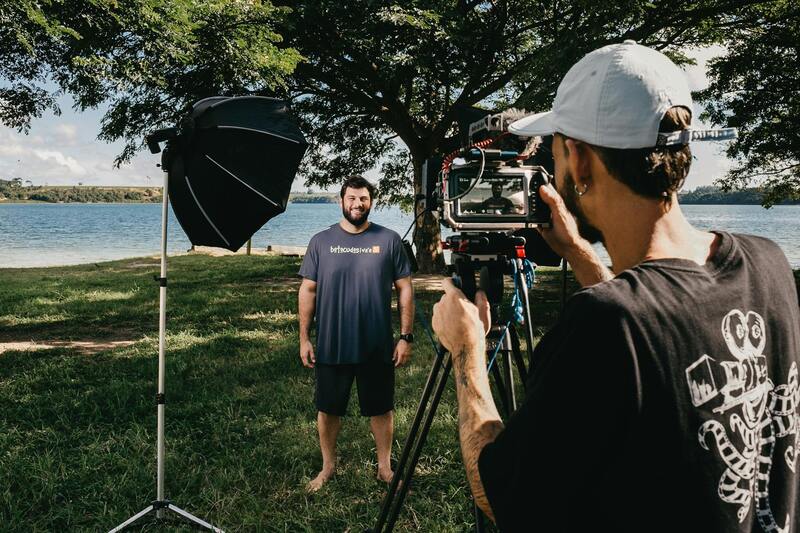
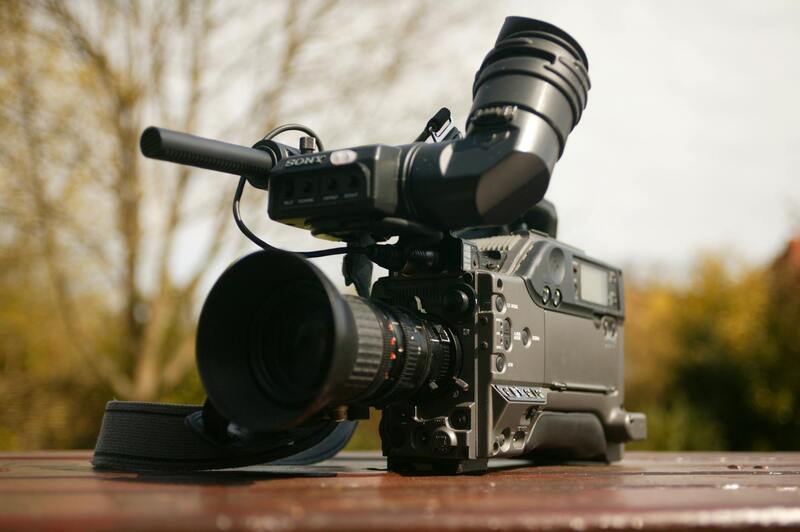
During production, the emphasis shifts to capturing high-quality footage in accordance with pre-established plans. This involves managing lighting, camera work, sound recording, and on-set logistics. Experienced directors and crew members work collaboratively to bring the creative vision to life, ensuring visuals and audio align perfectly to tell a cohesive story.
Post-Production Refinement
Post-production is where the final commercial takes shape. Editing involves assembling clips, color correction, sound design, and visual effects, all aimed at enhancing storytelling and visual appeal. Incorporating branding elements, calls-to-action, and compliance with broadcast standards ensures the finished piece is professional and impactful. This phase concludes with client reviews and adjustments to deliver a polished, ready-to-launch commercial.
Importance of Strategic Content
Creating content that aligns with consumer preferences and current market trends ensures commercial videos resonate effectively. Incorporating data-driven insights and understanding audience demographics allow producers to craft messages that inspire engagement, foster brand loyalty, and drive conversions. Strategic content production also involves selecting appropriate distribution channels to maximize reach and impact.
Quality and Consistency
Delivering consistent quality across commercial videos enhances brand reputation and builds trust with viewers. It requires a thorough understanding of brand guidelines, visual identity, and messaging frameworks. Regular quality control checks throughout production and post-production stages prevent discrepancies and ensure the final product meets high standards.
Measuring Success
Evaluating the effectiveness of commercial videos involves analyzing viewer engagement metrics, conversion rates, and overall return on investment. Utilizing analytics tools and customer feedback insights helps refine future campaigns, optimizing the impact of subsequent video productions.
Cost Factors and Budgeting for Commercial Video Production
Understanding the Components Influencing Costs
Developing a comprehensive budget for commercial video production involves analyzing various core components that directly impact overall expenses. These include pre-production activities such as concept development, scripting, storyboarding, and location scouting, which lay the groundwork for a smooth production phase. During production, costs are influenced by factors like equipment rentals, crew wages, talent fees, location fees, and permits. Post-production expenses encompass editing, visual effects, color grading, sound design, and music licensing, all vital to delivering a polished final product.
Additional financial considerations involve marketing and distribution costs, especially when planning integrated campaigns across multiple channels. The choice of delivery formats—such as television, web, or social media—can also alter production budgets due to differing technical requirements. Effectively managing these aspects requires a detailed understanding of each phase's scope and potential expenditures, allowing for strategic allocation of resources and contingency planning.
Strategies for Budget Optimization
- Clear Scope Definition: Establish precise objectives to prevent scope creep, which can inflate costs unexpectedly.
- Vendor and Talent Negotiations: Engage with experienced vendors and negotiate packages to secure premium services within budget constraints.
- Utilizing Existing Assets: Leverage existing footage or branded content to reduce new production costs.
- Phased Approach: Break down the project into manageable stages, enabling better budget control and flexibility to adapt to unforeseen expenses.
- Technical Efficiency: Opt for efficient shooting schedules and modern equipment to minimize time and resource consumption.
Balancing Quality and Cost
While budget considerations are crucial, maintaining a high-quality output ensures the commercial effectively captures audience attention and reinforces brand messaging. Prioritizing key elements such as compelling storytelling, visuals, and sound design can maximize impact without excessive expenditure. Collaboration with experienced production teams facilitates creative solutions that align with financial constraints, ensuring a compelling commercial that meets strategic objectives.
Effective Legal and Contractual Considerations in Commercial Video Production
Successfully navigating commercial video production involves a series of official procedures that safeguard both the client and the production team. Establishing formal agreements sets clear expectations regarding deliverables, timelines, intellectual property rights, and confidentiality, ensuring all parties are aligned. Contract drafting should detail the scope of work, payment terms, cancellation policies, and dispute resolution methods. Having comprehensive written agreements minimizes misunderstandings and provides legal clarity throughout the project lifecycle.
Official permits and clearances are also vital components of the production process. Securing necessary permissions—such as location releases, music licenses, and talent clearances—prevents legal complications that could delay or hinder the project. These official documents verify authorization for filming rights and usage rights, and they are essential for protecting the business interests involved.
Implementing Quality Assurance and Compliance Measures
Ensuring consistent quality across all production phases requires adherence to established standards and systematic quality checks. This includes verifying equipment calibration, reviewing footage for technical accuracy, and conducting multiple review sessions to refine the content. Formal approval processes involve stakeholders to ensure the final product aligns with branding guidelines and strategic objectives.
Moreover, compliance with safety regulations and industry standards must be maintained throughout filming to create a safe environment for crew and talent. This encompasses risk assessments, safety planning, and adherence to applicable occupational health guidelines, which collectively foster a professional production environment that upholds industry best practices.
Documenting and Protecting Intellectual Property Rights
Legal protection of creative assets is fundamental when producing commercial videos. All original content creation should be documented meticulously. This includes copyright registration for unique visuals, scripts, and music. Establishing clear ownership rights, licensing agreements, and usage restrictions ensures the client’s assets are protected from unauthorized use or reproduction.
It is advisable to include clauses in contracts that specify the rights transfer, rights reversion, or licensing limitations, according to project needs. By properly documenting these details, both parties avoid potential infringements and disputes over intellectual property, securing the commercial’s long-term value and legal compliance.
Maintaining Ethical and Professional Standards
Upholding ethical standards throughout commercial video production enhances credibility and fosters trust. Transparent communication, honest representation, and respectful treatment of all personnel are cornerstones of a professional approach. Respecting rights related to privacy, avoiding misleading content, and accurately portraying products or services contribute to a positive reputation and compliance with industry norms.
In addition, respecting diversity and cultural sensitivities within the content further elevates a brand’s integrity. Implementing official policies and conducting training sessions on ethical considerations helps maintain a consistent standard and mitigates risks associated with unintentional missteps or misrepresentations.
Leveraging Official Resources for Regulatory Compliance
Utilizing official industry resources and consulting with legal experts ensures all production processes align with formal standards and regulations. This includes adhering to advertising laws, protecting personal data, and following copyright protocols. Staying informed about regional and federal guidelines safeguards the project from potential legal action and enhances its legitimacy in the eyes of consumers.
By integrating these official and methodical procedures into the production workflow, Miami-based companies can ensure their commercial videos are not only impactful and high-quality but also legally sound and compliant with established industry standards. This comprehensive approach not only mitigates risks but also strengthens the overall integrity and professionalism of the final product.