
Understanding Corporate Film Production
Corporate film production is a specialized process dedicated to creating visual content that effectively communicates a company's brand, values, and messages to target audiences. Unlike traditional advertising or entertainment films, corporate videos are carefully crafted tools designed to enhance brand recognition, engage stakeholders, and support internal communications. These productions can range from short promotional clips to comprehensive documentaries, each serving specific business objectives.
The core purpose of corporate film production is to visually articulate a company's story, mission, and unique qualities in a compelling manner. By utilizing high-quality visuals, engaging narratives, and strategic storytelling techniques, these films foster emotional connections with viewers, whether they are potential clients, investors, or employees. They can be instrumental in building brand authority and trust in a competitive market.
The Role of Corporate Films in Business Branding and Marketing
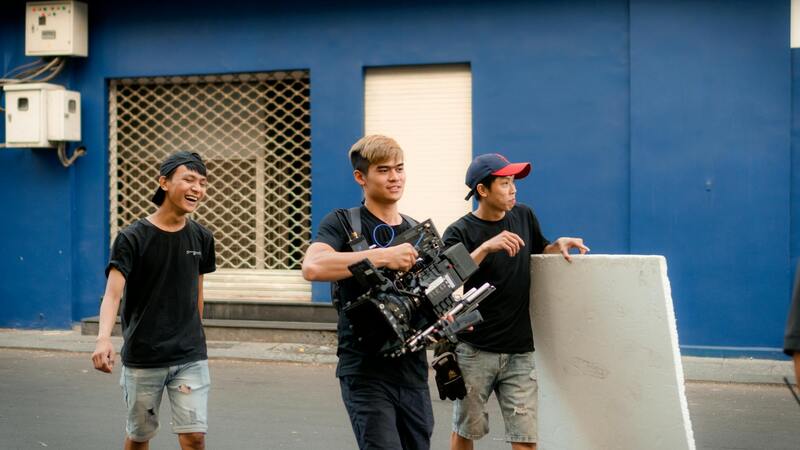
Corporate films serve as a versatile marketing and branding tool. They are often incorporated into websites, social media platforms, trade shows, and internal company portals to reinforce branding strategies. Effective corporate videos help showcase a company’s products, services, and corporate culture with clarity and authenticity. This consistent visual presence bolsters brand identity and helps establish a memorable impression in the minds of viewers.
In addition to external marketing, these videos are pivotal for internal communication. They can be employed in onboarding processes, training sessions, and corporate announcements, ensuring messages are delivered uniformly and professionally throughout the organization. This dual function of corporate films underscores their significance in fostering internal cohesion and external brand growth.
Importance of Professionalism and Authenticity
Producing corporate films requires a meticulous approach to ensure that every visual element accurately reflects the company's ethos. Professionalism in filming, editing, and scriptwriting guarantees that the final product aligns with strategic business goals. Authenticity in storytelling enhances credibility, creating a genuine connection that resonates with audiences. The right combination of innovative visuals and truthful messaging amplifies the impact of corporate films and maximizes their effectiveness.
Choosing a reliable production team with experience in corporate video creation ensures that all aspects—from concept development to filming—adhere to industry standards. This commitment to quality and authenticity ultimately results in a film that effectively supports a company's branding, marketing, and communication initiatives.
Planning and Concept Development
Effective corporate film production begins with a comprehensive planning phase, which lays the foundation for a successful project. Clear objectives must be established early on to align the creative vision with the company's strategic goals. These objectives might include increasing brand awareness, demonstrating industry expertise, or highlighting a new product or service. Defining these goals ensures that every subsequent step contributes to measurable business outcomes. Identifying the target audience is equally crucial. Understanding their preferences, interests, and key concerns allows producers to tailor the message and tone of the film appropriately. For example, a B2B corporation might focus on showcasing operational excellence and innovation to attract potential partners, whereas a consumer-focused brand might prioritize emotional storytelling to build loyalty. Creative concept development involves translating these objectives and audience insights into a compelling narrative framework. Brainstorming sessions with the production team help generate innovative ideas that resonate with viewers. Storyboarding, mood boarding, and script rough drafts are integral during this phase, serving as visual and thematic guides for the entire project. Concept development also encompasses selecting visual styles, color schemes, and messaging strategies that reflect the company's brand identity. A well-defined concept not only ensures cohesive storytelling but also streamlines the production process, reducing time and resource expenditure. Establishing a clear creative direction from the outset mitigates misunderstandings and revisions, enabling the team to maintain focus on delivering a high-quality final product.
Pre-Production and Scriptwriting
The pre-production phase is where detailed planning transforms creative concepts into actionable plans. This involves scriptwriting, storyboarding, location scouting, and casting. Scriptwriting is the backbone of the corporate film, translating the approved concept into a structured narrative that clearly communicates the intended message. The script must strike a balance between professionalism and engagement, ensuring it aligns with the company's voice and appeals to the target demographic.
Storyboarding visually maps out each scene, providing a timeline and shot list that guides filming. It also helps identify necessary equipment, personnel, and logistics, ensuring that every element is accounted for before production begins.
Location scouting involves choosing appropriate settings that enhance the story and reinforce the brand image. Whether shooting on-site at company facilities or at external venues, the goal is to find environments that contribute authenticity and visual appeal.
Casting key personnel, including executives, employees, or professional actors, further adds realism or authority to the film. Logistic arrangements, permits, and scheduling are finalized during this stage, ensuring a smooth transition into the actual filming process.

Production Process and Filming
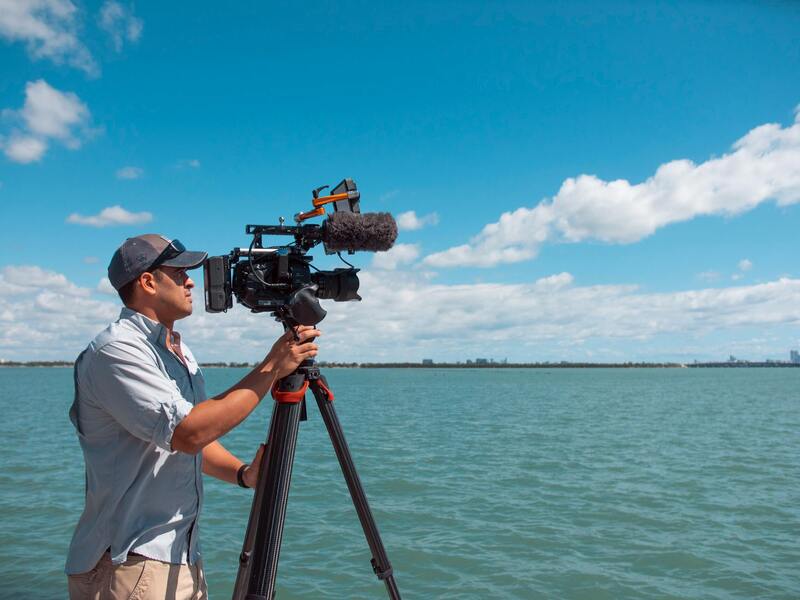
The filming phase captures the planned scenes, emphasizing technical precision and artistic integrity. Skilled videographers utilize high-quality equipment to ensure clear visuals, balanced lighting, and excellent sound capture. Multiple takes are often necessary to achieve the desired performance, with directors providing guidance to align actor and crew efforts with the script and storyboard.
During production, attention to detail is vital. Composition, camera angles, depth of field, and movement all contribute to the visual storytelling. Incorporating brand elements such as logos, colors, and signature motifs helps reinforce identity.
Managing set logistics carefully minimizes disruptions and delays. This includes coordinating crew schedules, securing permissions, and ensuring safety protocols are followed. For external shoots, considerations such as weather, permits, and accessibility are addressed proactively.
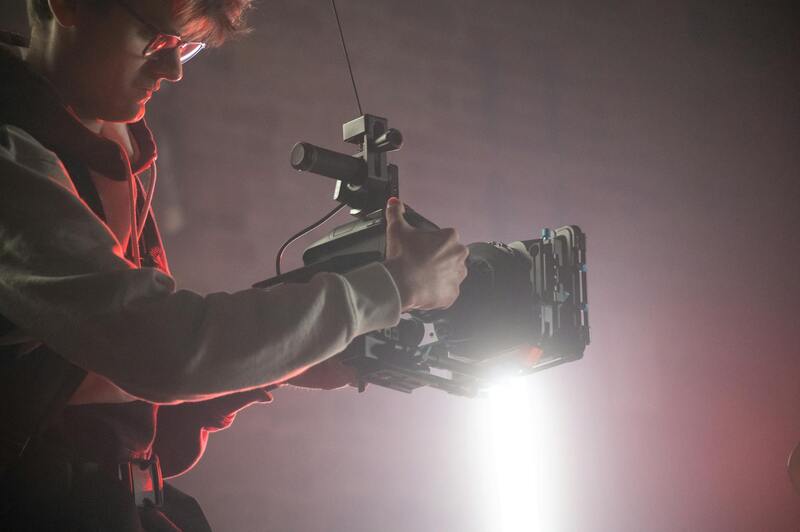
The use of cutting-edge equipment, including drones or stabilized rigs, can elevate the production quality by adding dynamic perspectives and smooth movements that captivate viewers. Post-filming, raw footage is reviewed, ensuring all necessary content is captured before moving into editing.

Post-Production and Editing
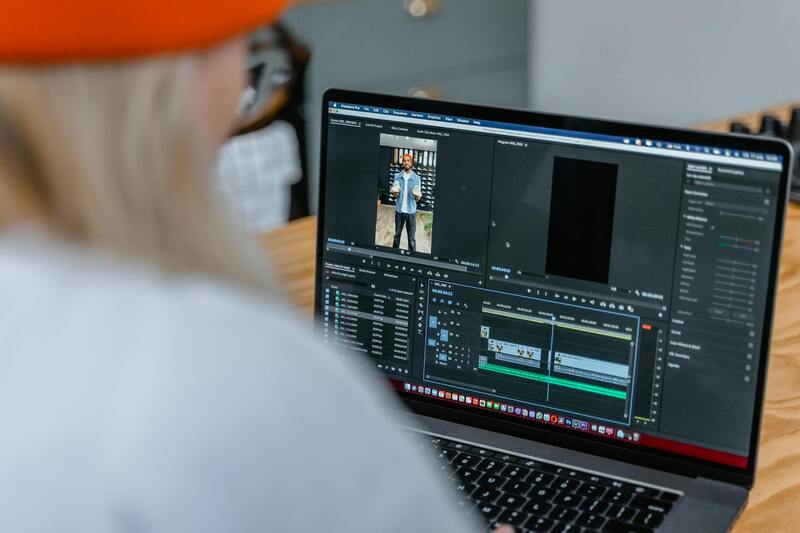
After filming concludes, the editing process begins, transforming raw footage into a cohesive, polished finished product. Skilled editors assemble scenes based on the storyboard, incorporating visual effects, transitions, and color correction to enhance appeal. Sound editing ensures clarity and complements the visuals, often adding background music or voiceovers that reinforce the message.
Subtitles and graphics are added during this stage to clarify key points or highlight branding elements. Animation or motion graphics may also be integrated to illustrate complex concepts, making the content more engaging and easier to understand.
Throughout editing, feedback loops allow for revisions and refinements. Establishing clear communication channels with stakeholders ensures the final product aligns with expectations and strategic objectives. Quality control measures verify that the video meets technical standards for distribution across various platforms.
The end goal of post-production is to craft a professional, engaging film that effectively communicates the company’s narrative while maintaining a polished, brand-consistent aesthetic.
Understanding Corporate Film Production
Preparation of Scripts and Storyboards
Creating a compelling corporate film begins with meticulous planning of the narrative framework. Scriptwriting involves crafting a clear, engaging message that aligns with the company's branding goals and communicates key values or services effectively. Skilled scriptwriters work to develop dialogues, voiceovers, and narration that resonate with the target audience, emphasizing clarity and impact. Complementing the screenplay, storyboarding visually maps out each scene, providing a shot-by-shot outline of the content. This process ensures that every visual element corresponds with the narrative flow, facilitating seamless transitions during filming. Storyboards serve as a vital communication tool among the creative team, directors, and stakeholders, enabling everyone to visualize the final product before actual production begins.
Budgeting and Resource Allocation
Establishing a realistic budget is crucial to the success of a corporate film. Budget planning considers various cost components, including cast and crew fees, location fees, equipment rentals, post-production expenses, and contingency funds. Transparent allocation of resources helps prevent overspending and ensures that each phase of production has adequate financial support. Efficient resource management extends to scheduling, where timelines are carefully structured to optimize productivity without compromising quality. Proper planning includes securing permits, arranging transportation, and booking necessary facilities well in advance, reducing potential delays and ensuring smooth workflow during filming.

Filming Process and Technique
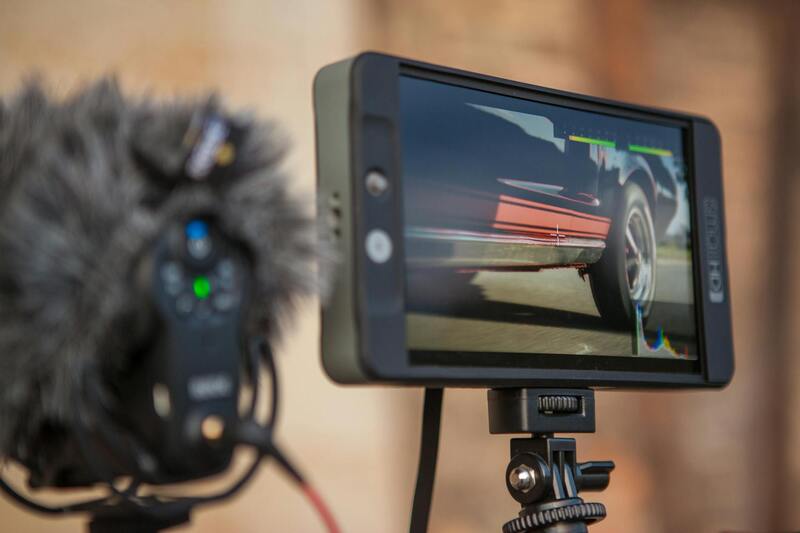
Executing the filming phase involves translating the scripted vision into visual reality. Employing high-end equipment such as professional cameras, lighting, and sound systems ensures optimal image and audio quality. The choice of filming techniques—such as camera angles, movement, and framing—enhances the storytelling, emphasizing key messages and creating emotional engagement. Proper lighting setups are essential to highlight subjects and set the appropriate mood, while meticulous sound recording ensures clarity and immersion. Additionally, directing talent and crew with clear communication contributes to capturing authentic performances and ensuring each scene aligns with the storyboard. Post-shoot, footage is stored securely and prepared for the editing process, with any necessary backups taken to prevent data loss.
Post-Production and Final Refinements
Post-production constitutes the phase where the raw footage is transformed into a polished corporate film. Editors work meticulously to assemble scenes according to the storyboard, integrating visual effects, color grading, and motion graphics to enhance the visual appeal. Sound design, including background music and voiceovers, is added or refined to reinforce the message and maintain viewer engagement. Subtitles and graphical overlays are incorporated to emphasize key points or highlight branding elements. Animation or infographics may be included to clarify complex data or processes, making the content more digestible. Ongoing feedback from stakeholders guides revisions, ensuring the final product accurately reflects the company's message and meets strategic objectives. Quality checks verify technical standards, preparing the video for distribution in various formats suitable for multiple platforms.
Production Process and Filming
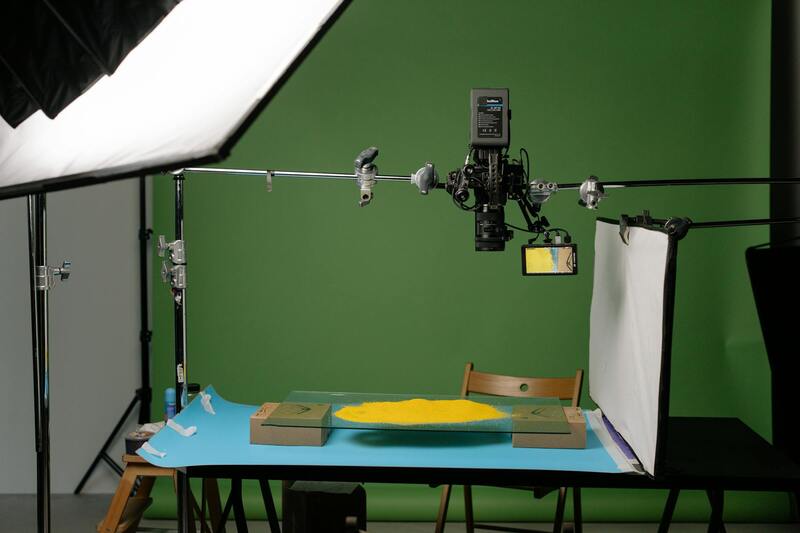
Once the planning and pre-production phases are completed, the focus shifts to the execution of filming which is integral to producing a compelling corporate film. This stage involves meticulous setup, where decisions about equipment become critical in capturing high-quality visuals. The choice of cameras, lighting, and sound equipment directly influences the clarity and cinematic quality of the footage. Skilled technicians ensure that each element is configured to match the specific requirements of the script, location, and desired aesthetic.
Location management is a pivotal aspect, as it can greatly impact the overall tone of the film. Selecting appropriate sites involves considerations of logistics, safety, and visual appeal, with permits obtained beforehand to comply with property guidelines. Attention to detail during setup ensures minimal disruptions and smooth filming sessions.
Directing talent and crew is also crucial during this process. Clear communication from the director ensures that performers understand their roles and deliver authentic performances aligned with the storyline. The director's guidance helps in capturing natural reactions and interactions, which are essential in establishing credibility and emotional connection.
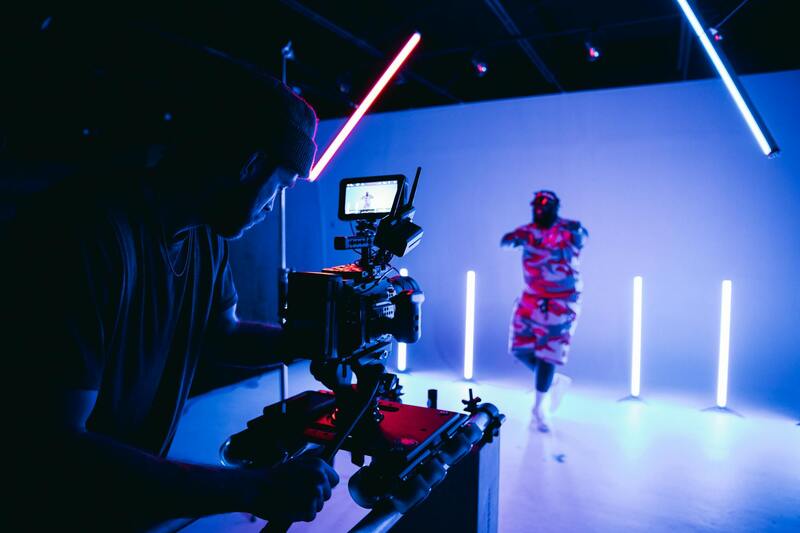
Filming must adhere to the storyboard and shooting schedule, with a focus on capturing multiple takes of each scene to allow flexibility during editing. Techniques such as varying camera angles, using stabilizers, and capturing B-roll footage add depth and context to the final cut. This meticulous approach guarantees that all necessary footage is available, providing the editors with a rich library of material to craft a cohesive story.

Throughout the shooting phase, maintaining data security is critical. Footage is stored securely with redundant backups, preventing potential data loss. This safeguard ensures that all captured material remains intact until it undergoes post-production processing.
Utilizing Official Methods for Promotion and Distribution
For businesses aiming to maximize the reach of their corporate films, employing official and reputable distribution channels is essential. These channels include partnerships with professional media outlets, industry-specific platforms, and authorized digital streaming services. Such avenues ensure that the content aligns with industry standards and reaches the intended audience efficiently.
Secure hosting on established video hosting platforms provides tangible benefits, such as enhanced analytics, targeted audience engagement, and broader visibility. These platforms often offer advanced optimization tools that improve search engine rankings and facilitate seamless sharing across various digital ecosystems. When selecting distribution channels, prioritizing those with a proven track record and positive industry reputation supports the integrity and professionalism of the brand.
Additionally, leveraging official social media accounts and corporate websites offers controlled environments for content dissemination. Through strategic scheduling and consistent branding, companies can generate sustained interest and conversation around their corporate film. It is vital to ensure that all promotional activities adhere to platform guidelines and industry best practices, which helps maintain brand credibility and protects against potential restrictions or content removal.
Strategic Marketing and Promotional Campaigns
Effective promotion extends beyond simple distribution; it involves creating integrated marketing campaigns that align with the company’s branding objectives. These campaigns often include targeted email marketing, paid advertisements on reputable digital platforms, and collaborative efforts with industry influencers. When executed correctly, they significantly enhance visibility and engagement.
Implementing official marketing strategies also involves crafting compelling calls-to-action and providing accessible, high-quality content that resonates with viewers. Consistency in messaging across all channels reinforces brand positioning and ensures that the corporate film contributes meaningfully to the broader marketing goals.
Furthermore, ongoing engagement with viewers through comments, shared stories, and interactive content sustains interest and encourages further sharing. By maintaining a focus on authenticity and professionalism, companies foster trust with their audience, strengthening brand loyalty over time.
Monitoring and Analyzing Performance Metrics
Once corporate films are distributed through official channels, continuous monitoring of performance metrics becomes essential. These metrics include viewer engagement rates, click-through and conversion rates, geographic reach, and audience demographics. Such data provides valuable insights into the content’s effectiveness and areas for improvement.
Utilizing analytics tools integrated into hosting platforms allows businesses to track real-time performance, enabling swift adjustments to marketing strategies. Regular analysis ensures that the corporate film continues to deliver value and aligns with long-term branding goals.
It is equally important to maintain transparency and integrity when analyzing results. Accurate data interpretation supports strategic decision-making, allowing companies to optimize future productions and marketing efforts effectively.
Effective Distribution Channels for Corporate Films
Maximizing the reach and impact of a corporate film involves strategic selection of distribution channels. Digital platforms such as company websites, dedicated video hosting services, and online advertising networks provide controlled environments for targeting specific audiences. Social media channels, including LinkedIn, Facebook, Twitter, and YouTube, offer dynamic avenues for engagement and sharing, allowing the brand to reach diverse demographic groups. Additionally, internal channels—such as company intranets, employee portals, and internal events—serve as effective tools for reinforcing corporate messages within the organization.
Utilizing these distribution methods involves tailoring content format, length, and messaging to meet the requirements and user preferences of each platform. Short, engaging snippets suited for social media can generate interest quickly, while longer, in-depth videos on your website can deepen viewer understanding. Embedding corporate videos in email campaigns, newsletters, and presentations further enhances visibility and reinforces branding efforts.
Careful scheduling and consistency in posting maintain audience interest and build ongoing engagement. Employing analytics tools designed for each platform allows continuous monitoring of content performance, enabling real-time adjustments in distribution strategies to optimize results.
Tracking Performance and Gauging Effectiveness
After deploying the corporate film across selected channels, measuring its success through key performance indicators (KPIs) is essential. Metrics such as watch time, viewer retention, click-through rates, and social sharing figures provide insights into content resonance. Tracking geographic reach and engagement demographics help tailor future content to audience preferences, improving overall effectiveness. Implementing analytics tools—whether integrated into hosting platforms or third-party solutions—allows real-time data collection, which aids in making swift, informed adjustments. For example, if a particular segment shows low retention, content can be tweaked or redistributed to enhance engagement. Regularly reviewing performance data clarifies the ROI of your corporate video efforts. It highlights which distribution channels and content styles generate the most impact, guiding resource allocation and strategic planning for future productions. Furthermore, transparency in data interpretation supports continuous improvement, ensuring that every corporate film contributes meaningfully to branding and engagement objectives. This data-driven approach fosters a deeper understanding of audience behavior, ultimately leading to more targeted and successful marketing campaigns.
Understanding Corporate Film Production
Corporate film production involves a comprehensive process that transforms a company's messages, values, and visions into compelling visual narratives. This multifaceted approach covers every stage from initial concept development to final distribution, aiming to communicate clear and impactful stories that resonate with target audiences. The integrity of each phase—planning, scripting, filming, editing, and marketing—is crucial for producing a high-quality video that aligns with strategic business goals.
Methodologies for Ensuring Legitimacy in Corporate Film Production
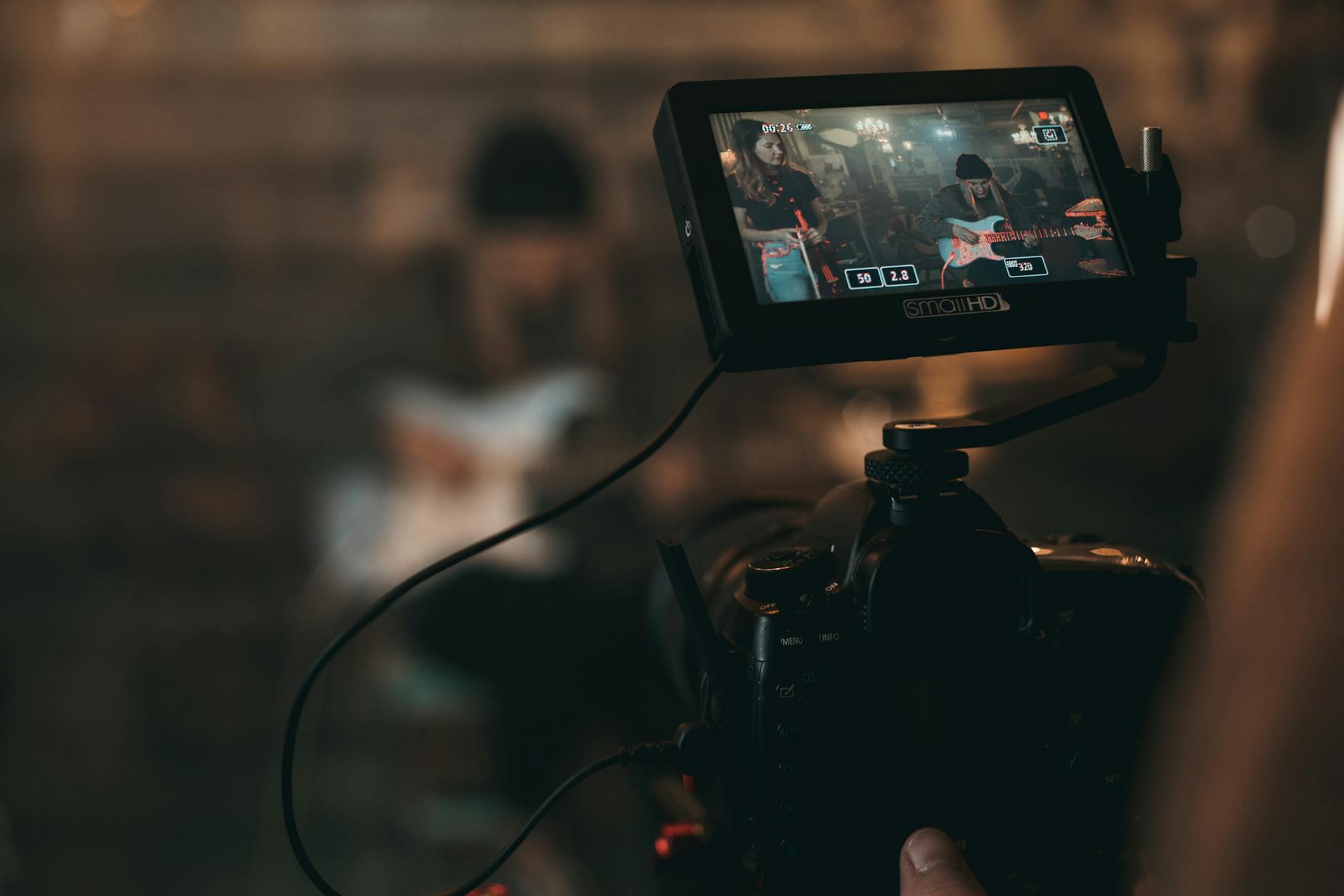
Adhering to established, reputable procedures throughout the production process ensures the final product maintains accuracy, professionalism, and ethical standards. These methodologies involve systematic planning, transparent communication, and rigorous quality control. For example, securing appropriate permissions and clearances for locations, talent, and music is fundamental to maintaining consistency with legal expectations. Employing industry-standard equipment and adhering to technical best practices during filming and editing also reinforces the legitimacy of the production.
Choosing reliable vendors and partners that follow established industry protocols further enhances the legitimacy of the production. Utilizing vetted crew, certified editing facilities, and reputable post-production houses ensures the final output adheres to professional standards. Maintaining transparent communication channels with stakeholders and clients—from the initial planning stages through to the final delivery—builds trust and guarantees that expectations are managed appropriately.
Documenting the Production Process
Keeping detailed records is a key component in demonstrating procedural integrity throughout corporate film projects. Documentation should include contracts, permits, release forms, and correspondence with all involved parties. It also encompasses production schedules, shot lists, and version control for edits. This documentation serves as a trail that verifies each step taken, from initial storyboard approval to final export, ensuring that every element complies with predetermined standards.
Implementing standard operating procedures (SOPs) within the production workflow helps in maintaining consistency and accountability. An organized approach, supported by project management software and collaborative tools, streamlines communication and ensures all stakeholders are aligned. The use of approval workflows minimizes the risk of oversight, allowing for systematic review and sign-off at each stage.
Ultimately, adopting official practices and thorough documentation establishes a foundation of credibility, making certain that the resulting corporate film production not only meets industry benchmarks but also accurately represents the company's professionalism and integrity. These practices reinforce the film’s authority as a communication tool and uphold the company's reputation across all viewing platforms.
Effective Distribution and Strategic Promotion of Corporate Films
Once a corporate film is completed, strategic distribution becomes essential to ensure that the content reaches its intended audience effectively. Leveraging diverse dissemination channels enhances visibility and maximizes engagement. This involves a tailored approach that considers the target demographic, industry specifics, and the marketing objectives of the organization.
Utilizing Owned Media Platforms
The organization’s official website serves as the primary hub for the corporate film. Embedding high-quality videos directly on the site encourages visitors to experience the content seamlessly, fostering deeper connections. Additionally, maintaining active social media channels—such as LinkedIn, Facebook, Twitter, and YouTube—facilitates broader outreach and enables sharing across various networks. Consistent branding and messaging across these platforms reinforce the film’s message and help in building a cohesive brand identity.
Engagement through Paid Advertising
Targeted advertising campaigns on digital platforms allow precise audience segmentation. Using tools like Google Ads or social media sponsored posts, companies can reach specific industries, geographical regions, or interest groups. Strategic ad placement increases the likelihood of the corporate film being viewed by decision-makers, clients, and stakeholders, thereby amplifying its impact.
Distribution via Industry Events and Presentations
Integrating the corporate film into conferences, trade shows, webinars, and internal presentations broadens its reach. These venues provide opportunities for live screenings and discussions, enabling immediate feedback and engagement. Embedding the film into presentations underscores key messages and enhances overall communication effectiveness.
Media Outreach and Press Releases
Distributing press releases and engaging with industry-specific media outlets can generate additional exposure. When journalists and industry influencers share or feature the corporate film, the content’s credibility and reach expand significantly. Curating media coverage around the film’s launch or key milestones helps establish industry authority and boosts brand reputation.
Optimizing for Search Engines
Implementing SEO best practices is crucial for organic visibility. Using relevant keywords, descriptive metadata, and optimized video transcripts increases the likelihood of the corporate film appearing in search results related to industry topics and company offerings. Hosting the video on reputable video platforms also enhances discoverability through algorithmic recommendations and trending sections.
Monitoring and Adjusting Distribution Strategies
Continuously measuring the performance of distribution efforts enables refinement of strategies over time. Analytics tools track view counts, engagement rates, and audience demographics. Insights garnered from these metrics guide adjustments that improve effectiveness, such as reallocating advertising budgets, refining messaging, or exploring new distribution channels.
Implementing a comprehensive, multi-channel distribution plan ensures that your corporate film resonates with the right audiences at the right moments. A focused promotional strategy not only enhances brand perception but also drives tangible business results, translating visual storytelling into measurable success metrics and promoting sustained organizational growth.