Understanding Corporate Marketing Video Production
Corporate marketing video production plays a pivotal role in contemporary branding and promotional strategies. These videos serve as dynamic tools to communicate a company’s core message, showcase products or services, and establish a strong connection with target audiences. A well-crafted corporate video can significantly enhance brand visibility, foster customer engagement, and position a company as an industry leader. With the increasing reliance on visual content in digital marketing, producing impactful corporate videos has become an essential component for organizations aiming to differentiate themselves in competitive markets.

Effective corporate marketing video production involves a strategic process that aligns the company’s objectives with creative storytelling, quality production, and strategic distribution. The primary goal is to create content that not only captures the attention of viewers but also motivates action—whether that’s exploring a website, making a purchase, or sharing content across social media channels. As brands increasingly turn to video content for their marketing efforts, understanding the foundational purpose of these productions is crucial to leveraging their full potential.
The Role of Corporate Marketing Videos
Corporate marketing videos serve multiple purposes within a comprehensive marketing plan. They are instrumental in:
- Introducing new products or services to a broad audience
- Building trust through authentic storytelling and client testimonials
- Enhancing brand awareness and recognition
- Explaining complex concepts or processes in an accessible manner
- Driving engagement and conversions through compelling calls-to-action
By incorporating professional elements such as high-quality visuals, clear messaging, and targeted distribution, these videos can turn passive viewers into active customers or brand advocates. When executed correctly, corporate marketing videos become a strategic asset that delivers measurable results, boosting a company's market presence and competitive edge.
Investing in corporate video production also allows brands to stay ahead of evolving marketing trends. As audiences increasingly consume video content across various platforms, having a professionally produced video can significantly increase the likelihood of content being viewed, shared, and remembered. Ensuring the production process adheres to formal standards of quality, authenticity, and strategic messaging strengthens corporate credibility and builds long-term customer relationships.
Understanding the importance of well-planned corporate marketing videos sets the foundation for engaging audiences effectively, driving growth, and establishing a recognizable market identity. The subsequent steps involve identifying key elements that make these videos successful, followed by strategic planning and collaboration with experienced production partners.
Pre-Production Planning and Strategy
Effective pre-production planning is fundamental to the success of corporate marketing videos. This phase involves meticulous research to understand the target audience, industry trends, and competitive landscape. Developing a clear strategic vision for the video ensures that messaging aligns with business objectives and brand identity. Key elements include scripting, storyboarding, and determining the tone and style that resonate with viewers while reinforcing the company's core message.
Comprehensive planning also encompasses selecting suitable locations, casting talent, and identifying necessary props or visual elements. This stage requires collaboration with creative teams to outline visual concepts, define project timelines, and establish milestones for review. Budgeting during pre-production involves not only estimating costs but also allocating resources efficiently to maximize production value while adhering to financial constraints.

Furthermore, aligning the content with the company's overarching marketing goals ensures that each element of the video contributes to building brand recognition, fostering engagement, and delivering measurable outcomes. Strategic planning during this phase also involves identifying the appropriate distribution channels and format specifications to optimize the video's reach and impact across diverse platforms.
Collaborating with a Miami Production Agency
Partnering with an experienced local agency specializing in corporate marketing videos offers numerous advantages. Such agencies bring insights into regional market nuances, consumer behavior, and the latest production techniques. They also provide access to a network of professional talent, equipment, and creative resources essential for high-quality output.
An effective collaboration begins with detailed discussions about the company's objectives, branding guidelines, and desired outcomes. Establishing clear communication channels and expectations helps streamline decision-making and ensures that the project remains on schedule and within budget. A trusted agency will also contribute innovative ideas, technical expertise, and logistical support to facilitate a smooth production process.

Local Miami agencies are adept at navigating permits and regulations, which can expedite filming permits and reduce delays. Their experience allows them to adapt creatively to on-the-ground circumstances, ensuring that the final video aligns with both strategic and operational requirements. Establishing a strong partnership with an agency fosters a collaborative environment that can adapt to evolving project scopes and feedback, resulting in a polished, effective corporate marketing video.
Essential Techniques for Effective Corporate Marketing Video Production
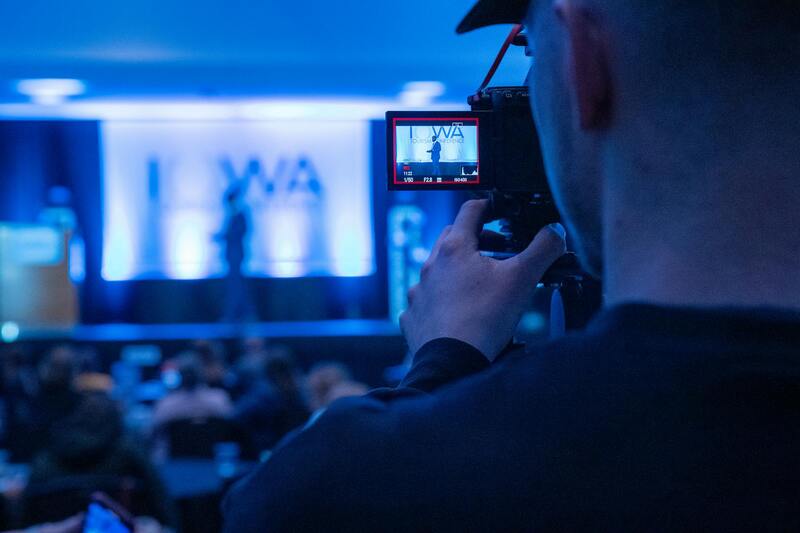
Successful corporate marketing videos rely heavily on adherence to proven production techniques that enhance both visual appeal and message clarity. Implementing professional cinematography practices involves careful planning of shot composition, lighting, and camera movement to ensure that each scene aligns with the company’s branding and messaging goals. Utilizing high-quality equipment and experienced operators results in images that are crisp, well-lit, and visually compelling, which enhances viewer engagement and sustains brand integrity.
Moreover, sound quality plays a crucial role in delivering a polished corporate message. Clear narration, appropriate background music, and diligent sound editing prevent distractions and ensure the audience focuses on the key information being communicated. Employing techniques such as ambient sound balancing and voice-over clarity can significantly elevate the video's professionalism.
Post-production editing is where the raw footage is transformed into a cohesive story. Skilled editors incorporate visual effects, motion graphics, and branding elements to reinforce the company's identity. Color grading ensures visual consistency across scenes and enhances the overall aesthetic, while precise editing allows for the optimal pacing to maintain viewer interest. Incorporating brand-consistent visuals, such as logos and taglines, throughout the video further cements brand recognition.

In addition, motion graphics and animations can be utilized to illustrate complex concepts in an engaging manner. These elements help simplify information and make intricate data accessible, fostering a clearer understanding among viewers. The integration of animated infographics, dynamic text overlays, and visual cues directs audience attention and accentuates the most important messages. Collaborating with skilled professionals familiar with the nuances of corporate branding ensures that all video elements—visual, auditory, and narrative—work harmoniously to deliver a compelling message. This collaboration involves ongoing communication and feedback cycles during editing, allowing for refinements that align closely with company objectives. Ultimately, meticulous production practices result in a polished, impactful corporate marketing video that resonates with viewers and advances brand goals.
Production Process and Best Practices
Executing a corporate marketing video production requires adherence to proven processes and best practices that maximize impact and efficiency. Each phase, from initial concept development to final delivery, demands precision, clear communication, and strategic focus.
Effective project management begins with establishing a detailed production timeline, allocating resources appropriately, and defining critical milestones. Maintaining open channels of communication among all stakeholders ensures alignment with the company's branding, messaging, and overarching marketing objectives. Regular progress check-ins allow for timely adjustments and mitigate potential delays.
Utilization of state-of-the-art equipment and techniques impacts the final product significantly. High-definition cameras, professional lighting setups, and quality audio capture contribute to a polished, professional appearance. Filming in compelling locations that reflect the brand’s ethos can strengthen visual storytelling, while careful planning around lighting, angles, and shot types enhances the narrative flow.
Pre-visualization methods, such as storyboards and shot lists, help streamline the filming process and ensure that each scene fulfills its intended purpose. During production, capturing multiple takes and angles provides flexibility in editing, enabling the creation of a dynamic and engaging video. Sound quality is equally important; utilizing professional microphones and monitoring sound during filming prevent issues such as background noise or audio imbalance.

Post-shoot, a review process should be implemented to evaluate footage quality and verify that all essential scenes are captured. Documenting footage and notes facilitates efficient editing sessions, helping editors understand the director’s vision and the client’s expectations.
Throughout production, maintaining a focus on consistency, brand messaging, and visual quality ensures the resulting video will effectively communicate the desired message. By integrating industry best practices, a corporate marketing video production can achieve maximum engagement, clarity, and professional polish.
Adopting these practices enhances team collaboration, reduces waste, and results in a high-quality output that elevates the company’s marketing efforts in competitive landscapes.
Production Process and Best Practices
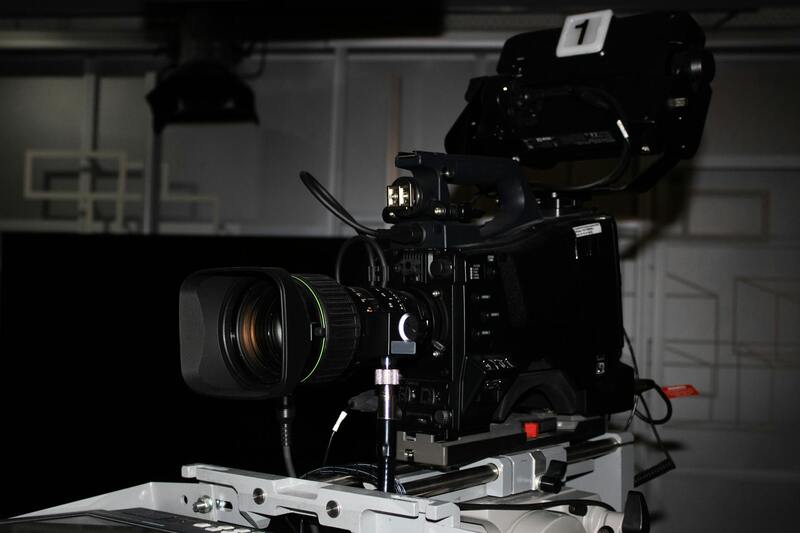
Executing a corporate marketing video production requires meticulous attention to detail during the filming phase to ensure the final product meets strategic objectives. The process begins with careful setup of the filming environment, utilizing high-quality equipment such as professional cameras, stabilizers, and lighting systems. Depending on the script and desired aesthetic, different camera lenses and filters may be employed to achieve specific visual effects and clarity.
One of the pivotal aspects of capturing compelling footage is selecting the right shot composition and angles. Utilizing a variety of framing techniques—such as close-ups for emphasizing emotion, medium shots for dialogue, and wide shots for establishing context—adds depth and interest to the narrative. Smooth camera movements, achieved through gimbals or dollies, contribute to a polished look and help maintain visual consistency.
Sound recording during filming is equally crucial. Employing lavalier microphones or boom microphones positioned appropriately ensures clear audio capture, which is fundamental for delivering a professional feel. Proper sound monitoring during shoots allows adjustments to prevent issues like background noise or inconsistent audio levels.
Legal Considerations and Budget Management
Effective corporate marketing video production necessitates careful attention to budget management and adherence to established guidelines that ensure the production process progresses smoothly and within financial parameters. Developing a detailed budget plan involves evaluating all potential costs, such as pre-production activities, equipment rentals, location fees, talent fees, post-production editing, and distribution expenses. Clear financial planning helps prevent unexpected overruns and aligns spending with overall marketing objectives.
To optimally allocate resources, companies should prioritize essential production elements that deliver maximum impact, such as high-quality visuals, compelling storytelling, and effective calls to action. Identifying cost-effective solutions without compromising quality is crucial, which may involve utilizing local talent, choosing suitable locations, and leveraging existing resources.
Regarding compliance, it is vital to secure all necessary permissions and rights early in the process. This includes obtaining permits for filming at specific locations, securing releases from individuals featured in the videos, and ensuring rights to use background music or copyrighted content. Maintaining proper documentation guarantees that production activities adhere to standard practices and safeguards against potential disputes.
Employing official, straightforward methods for legal considerations promotes transparency and professionalism within the production process. Companies should work closely with legal advisors or experienced production coordinators to navigate these requirements efficiently, thus avoiding costly delays or legal complications.
Investment in a strategic approach to legal and financial aspects ensures that the corporate marketing video aligns with organizational standards, meets all necessary legal criteria, and stays within budget. These practices not only streamline production but also establish a foundation of credibility and professionalism that enhances the overall brand image.
Distribution and Optimization Strategies
Effective distribution is essential to maximize the reach and impact of your corporate marketing video. Selecting appropriate platforms for sharing your content should be aligned with your target audience’s preferences and behaviors. For instance, LinkedIn and industry-specific websites are ideal for B2B communications, providing opportunities to connect with professionals and decision-makers. Meanwhile, platforms like YouTube and Vimeo serve as excellent hubs for broader, consumer-focused outreach.
Once your video is published, leveraging SEO strategies can significantly enhance visibility. Optimizing video titles, descriptions, and tags with relevant keywords ensures that your content ranks higher in search results. Incorporating keyword phrases that your audience is likely to search for increases organic traffic and brand exposure.
To gauge the effectiveness of your corporate video campaign, analyzing performance metrics is vital. Key performance indicators (KPIs) such as view counts, engagement rates, click-through rates, and conversions provide insights into what resonates with viewers. Utilizing analytics tools helps identify the content strategies that yield the best results, enabling continuous improvement.

Utilizing Targeted Advertising for Enhanced Visibility
Paid advertising options like social media ads and targeted video campaigns can significantly boost your video's visibility. Custom audience targeting allows your message to reach specific demographics based on interests, location, and professional profiles. This focused approach ensures that your corporate marketing efforts are efficient and yield a higher return on investment.
Integrating Video into Broader Marketing Campaigns
Embedding your corporate video into email marketing, on your website, and within social media content can amplify its impact. When integrated seamlessly, the video becomes a central element of your broader branding initiatives, reinforcing your message and increasing brand recall.

Ensuring Compliance with Offici al Production Standards
To achieve a high-quality corporate marketing video that resonates with target audiences and complies with industry standards, engaging with professional production teams is crucial. These teams adhere to established protocols and utilize state-of-the-art technology to produce polished content that aligns with your brand's objectives. They ensure that every aspect of the production—from scripting and filming to editing and post-production—is conducted under strict guidelines that uphold visual quality, sound fidelity, and overall presentation.

Adherence to Brand Identity and Message Consistency
A cornerstone of effective corporate marketing videos is the strong alignment with your company's branding and messaging. Professional producers work closely with your marketing team to craft content that accurately reflects your brand voice, values, and visual identity. This consistency builds trust with viewers, reinforces brand recognition, and enhances message clarity across all distribution channels. Regular reviews and approvals throughout the production process help to maintain this alignment, avoiding misrepresentation or miscommunication.
Data Security and Confidentiality in Video Production
Handling proprietary information and sensitive content requires strict confidentiality measures. Reputable production companies implement secure workflows and confidentiality agreements to protect your material from unauthorized access or distribution. This commitment ensures that your intellectual property remains safeguarded throughout the project, providing peace of mind that your corporate assets are managed responsibly and ethically.
Optimizing Content For Platform Specific Requirements
Different distribution channels demand varied technical specifications to maximize engagement. For instance, videos intended for social media platforms should be formatted with appropriate aspect ratios, length constraints, and engagement hooks. Likewise, videos for your corporate website may benefit from higher resolution and longer durations to provide comprehensive information. Professional production teams are familiar with these platform-specific guidelines and optimize the content accordingly, ensuring seamless playback and maximum impact across all devices and environments.
Implementing Accessibility Standards
Creating inclusive content that caters to diverse audiences involves integrating features such as captions, subtitles, and audio descriptions. These accessibility measures broaden your reach and demonstrate your company’s commitment to inclusivity. Ensuring compliance with established accessibility standards not only enhances viewer experience but also aligns with responsible marketing practices, enabling your corporate videos to serve a wider demographic effectively.
Measuring and Ensuring Content Effectiveness
Post-release assessment is essential for evaluating your corporate marketing video’s performance. Metrics like viewer retention, engagement rates, and audience feedback provide insights into the efficacy of your messaging. Trusted production agencies often incorporate analytic tools that track these indicators, guiding future content strategies. Continuous optimization based on tangible data ensures that your investment yields measurable improvements in brand awareness and lead generation.