
Understanding the Importance of Corporate Video Filming
In today’s competitive business environment, effective communication is crucial for building brand recognition, engaging target audiences, and conveying core messages with clarity and professionalism. Corporate video filming plays an essential role in achieving these goals by creating dynamic visual content that captures a company's ethos, products, and services. Well-executed corporate videos serve as a powerful marketing tool, allowing organizations to showcase their unique value propositions to potential clients, partners, and stakeholders.
Beyond external marketing, corporate videos are indispensable for internal communication within an organization. They facilitate training sessions, share company updates, and promote employee engagement. By leveraging high-quality video content, companies can foster a cohesive corporate culture, reinforce brand identity, and streamline communication channels across departments and locations.

The rise of digital media consumption underscores the importance of professional corporate video production. Today’s audiences demand authentic, visually appealing content that quickly informs and motivates. This shift has made corporate video filming an indispensable component of strategic branding efforts, especially for companies located in vibrant markets like Miami where dynamic visuals attract broader audiences.
Investing in professional corporate video filming offers numerous advantages including increased visibility, enhanced credibility, and improved audience retention. High-quality videos are more likely to be shared across social media platforms, increasing reach and engagement. Additionally, they provide a consistent visual narrative that aligns with brand messaging and supports various marketing campaigns, from website content to trade show presentations.
Overall, the significance of corporate video filming in modern business strategies cannot be overstated. It transforms static information into engaging, memorable stories that resonate with viewers—ultimately driving growth, fostering trust, and reinforcing a company's position in the marketplace.
Choosing the Right Filming Equipment and Crew
Securing the appropriate equipment and experienced crew is fundamental to producing high-quality corporate videos that meet your strategic objectives. Selecting the correct technology ensures that footage is captured with clarity, professionalism, and precision, ultimately reflecting your brand’s standards.
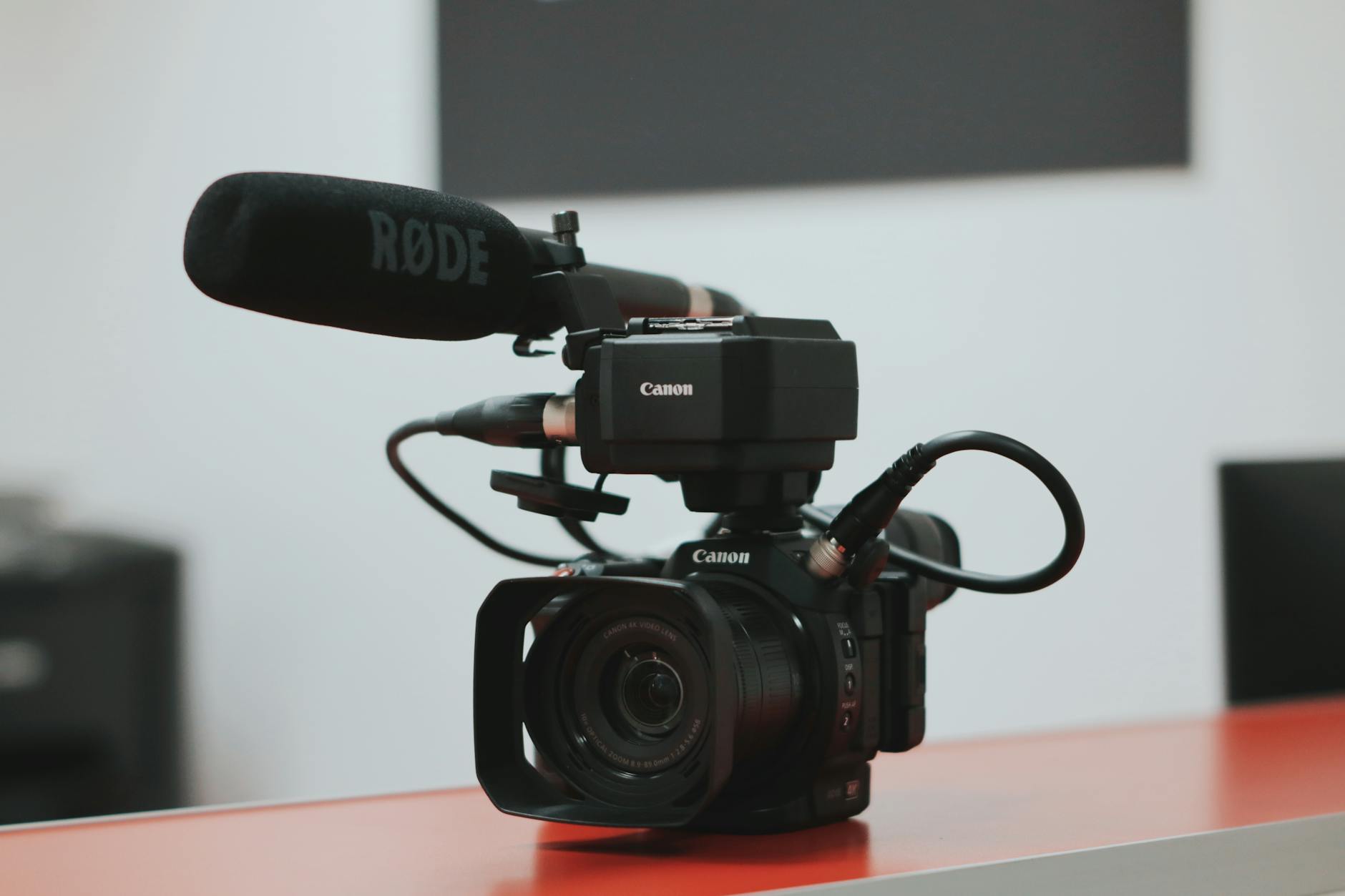
Immediate considerations include camera resolution, stabilization tools, lighting setups, and audio equipment. Professional-grade cameras capable of shooting in 4K or higher resolution provide sharp, vibrant visuals that resonate with contemporary audiences. Proper lighting instruments are vital for maintaining consistency and highlighting subjects effectively, especially during indoor shoots or in challenging natural lighting conditions.
Audio quality significantly influences viewer perception. High-fidelity microphones, windshields, and sound mixers contribute to clear narration and authentic recordings, minimizing background noise and enhancing overall production value.
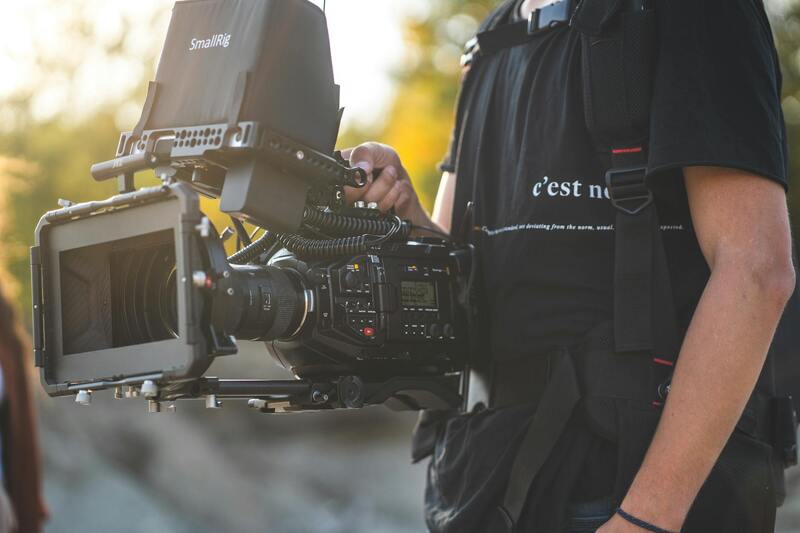
Beyond equipment, assembling a skilled crew is equally crucial. This includes directors, camera operators, lighting technicians, and sound engineers, each bringing specialized expertise to the project. A seasoned director ensures the video aligns with your vision and messaging, while experienced crew members adapt to dynamic shooting conditions in Miami’s vibrant environments.
In addition to technical proficiency, crew members should possess a strong understanding of corporate branding and messaging nuances. They must be adaptable, ready to handle unexpected challenges such as changing weather conditions or limited access to locations.
Choosing a production partner with a proven track record in corporate video projects guarantees access to the latest technology and a team dedicated to delivering seamless execution. Such collaborations not only improve the final product but also streamline the workflow, ensuring deadlines are met without compromising quality.
Understanding the Importance of Corporate Video Filming
In today’s competitive business landscape, a well-crafted corporate video serves as a vital communication tool that can significantly enhance brand recognition, convey complex messages succinctly, and foster emotional connections with target audiences. The visual storytelling aspect of corporate video filming allows businesses to showcase their values, showcase product offerings, and demonstrate their expertise in a compelling manner. High-quality corporate videos can be utilized across multiple channels—including websites, social media platforms, trade shows, and internal communication—to reinforce brand identity and elevate corporate image.
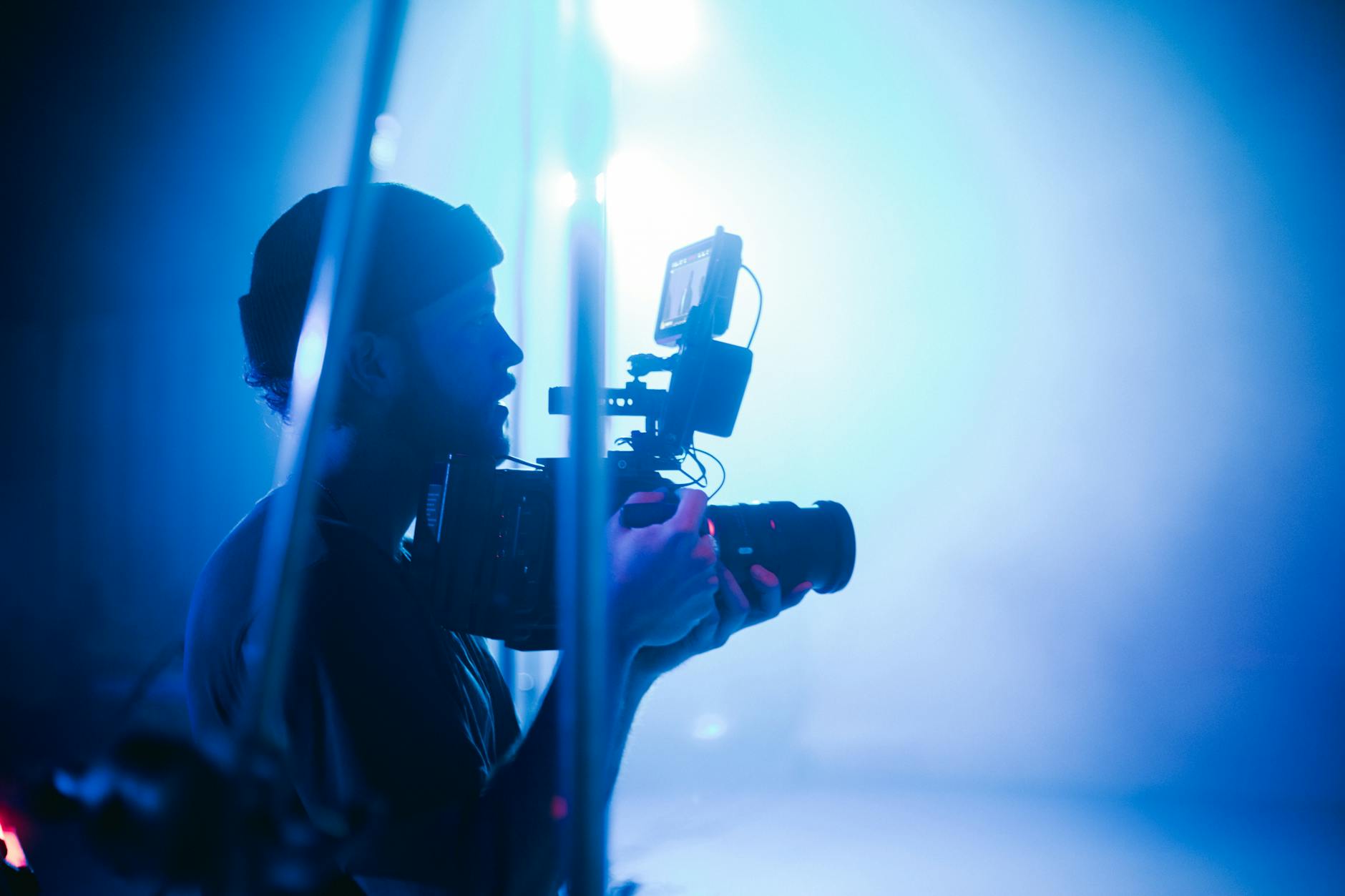
Successful corporate filming hinges on meticulous planning, technical proficiency, and an understanding of strategic messaging. When executed correctly, these videos not only attract potential clients and partners but also build trust and credibility. Furthermore, professional corporate videos aid in simplifying complex information, illustrating processes, and highlighting key differentiators in a visually engaging format. This combination of visual appeal and informational clarity directly contributes to achieving broader marketing and communication goals.
Components of a Successful Corporate Video
- Clear Objectives: Defining the purpose of the video—be it brand awareness, product launches, or corporate training—guides the creative process and content development.
- Target Audience Analysis: Understanding the demographics, preferences, and behaviors of viewers ensures the content resonates effectively.
- Strategic Content Planning: Crafting compelling scripts and storyboards that align with brand messaging helps maintain consistency and focus throughout production.
- High-Quality Production Values: Utilizing advanced filming techniques, professional equipment, and skilled personnel elevates the overall presentation.
- Distribution Strategy: Planning distribution channels and formats guarantees maximum reach and engagement.
Role of Professional Corporate Video Filming
Engaging corporate videos produced with attention to detail can elevate a company's standing in its industry. From capturing brand stories to demonstrating product functionality, understanding the nuances of production ensures that every element works cohesively. Incorporating authentic visuals, compelling narratives, and polished editing creates a memorable viewer experience, ultimately supporting business growth and reputation management. Investing in professional filming amplifies these benefits, providing a competitive edge in an increasingly visual digital environment.
Ensuring Off-Site Filming Adheres to Approved Protocols
When executing corporate video filming at various locations outside the primary studio environment, maintaining consistency, safety, and adherence to approved procedures becomes paramount. This approach involves meticulous planning and coordination with all stakeholders, including location owners, local authorities, and production team members, to execute the shoot without disruptions. The chosen locations should be thoroughly evaluated for access, safety protocols, and suitability to the planned visual narrative.
Securing necessary permissions is essential and involves submitting comprehensive documentation that details the scope, timing, and equipment involved in the shoot. It is equally important to respect the operational policies of site owners and adhere to any local regulations that govern filming activities. This might include restrictions on certain equipment, adherence to noise ordinances, or time limitations to minimize community impact.
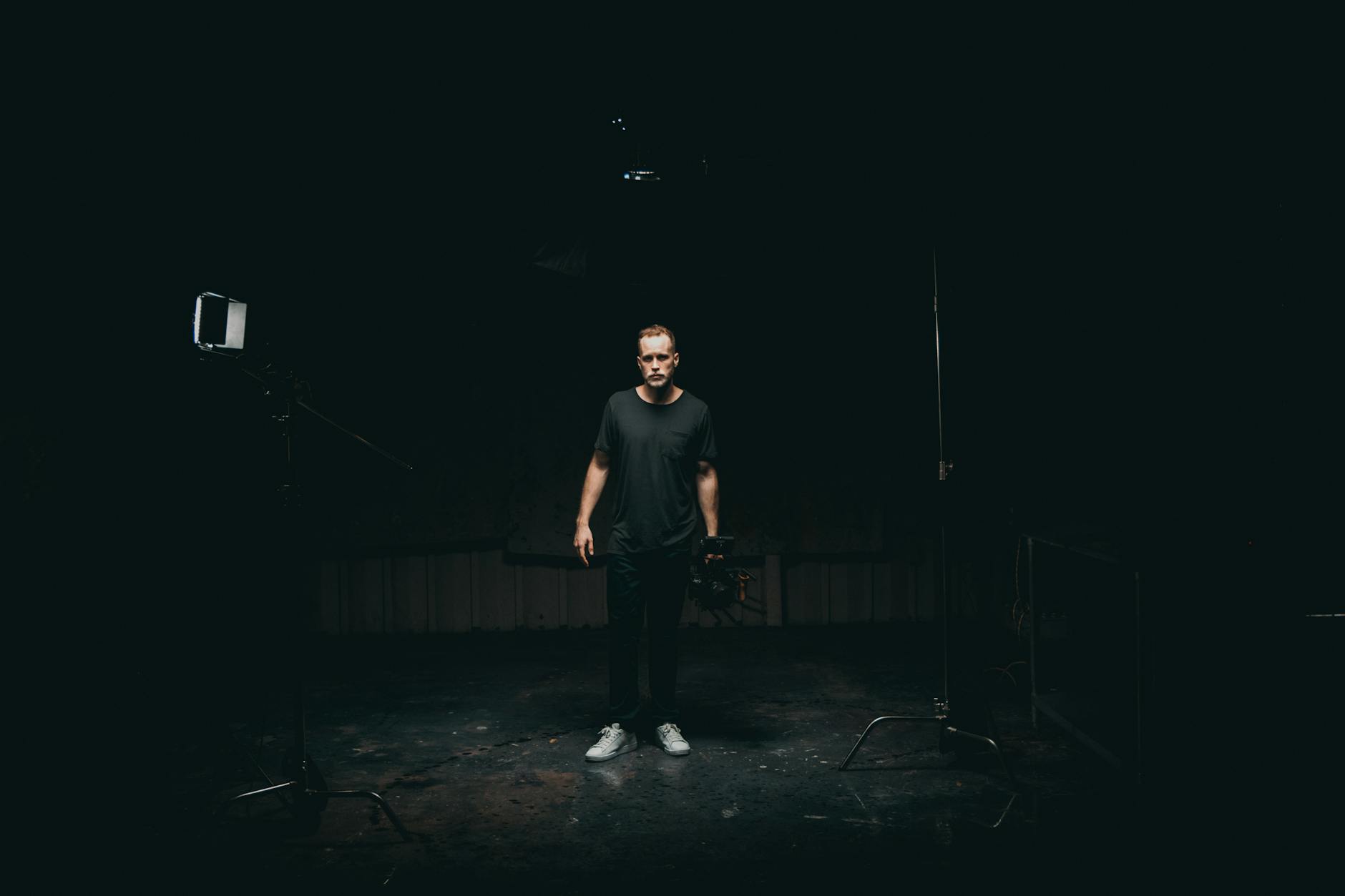
Pre-visit reconnaissance of the location helps identify potential obstacles and plan for logistical needs such as power sources, lighting setups, and access routes. Ensuring safety measures are in place, including securing all necessary insurance coverages, mitigates risks during on-site shooting. Additionally, establishing clear communication channels with the on-site team helps resolve unforeseen issues swiftly and efficiently.
Utilizing Appropriate Permits and Documentation
Obtaining the necessary permits for on-location filming is a fundamental step in executing a professional corporate video. These permits serve as formal approval from local authorities or property owners, ensuring that the production aligns with civic guidelines and community standards. A thorough checklist should be prepared, including:
- Filming permits issued by municipal authorities
- Property access authorizations
- Permissions for drone usage if aerial footage is involved
- Special considerations for hazardous or sensitive locations
Documentation should be kept accessible at all times during the shoot, with copies provided to relevant personnel on-site. This ensures swift verification should any issues arise, and helps avoid delays or compliance problems that could impact the project's timeline or credibility.
Adapting to Unpredictable Environmental Conditions
Weather variability, especially in regions like Miami renowned for swift climate changes, demands flexible planning. Working with a professional crew involves having contingency plans for inclement weather, including backup indoor locations or alternate shooting schedules. Proper use of weather-resistant equipment and protective gear ensures that filming quality remains uncompromised during unexpected conditions.
Clear communication with the production team about potential environmental challenges enables prompt adjustments, such as modifying shot sequences or rescheduling portions of the shoot. Having real-time weather updates and a dedicated safety officer on set further helps maintain safety and operational efficiency throughout the production process.
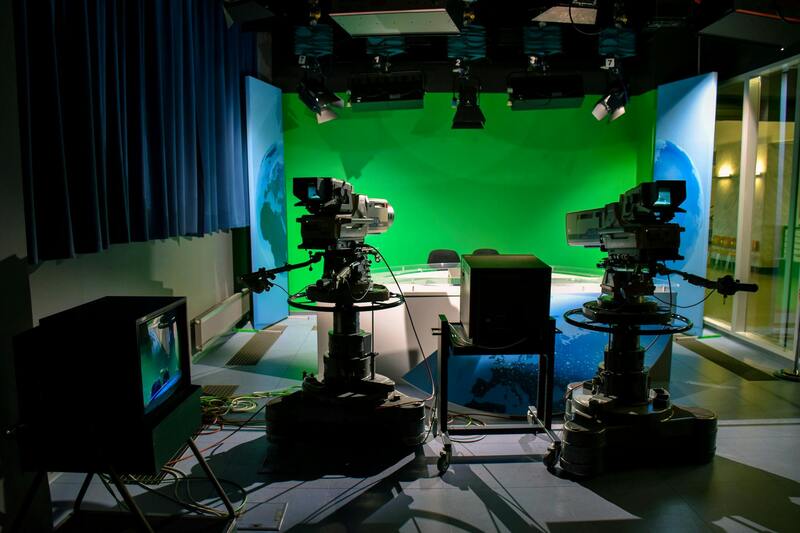
Effective management of on-site logistics—including transportation, equipment setup, and crew coordination—ensures the filming process remains smooth and efficient. All these well-considered protocols and practices contribute to producing a corporate video that accurately reflects the brand's professionalism and attention to detail, regardless of external filming environments.
Ensuring Authenticity and Accuracy During Filming
Maintaining authenticity and accuracy in corporate video filming is essential to presenting a trustworthy and professional image. To achieve this, all content captured must reflect the company's core values, mission, and message with integrity. This involves meticulous planning and review beforehand to ensure that scripting, branding elements, and visual narratives align with official communications and business objectives.
During production, it's vital to carefully oversee the capturing process. This includes managing interviews to ensure spokesperson messages are precise and consistent, recording B-roll footage that authentically represents the company's environment, products, and services, and verifying that all visuals accurately depict real scenarios or demonstrations. When filming on location, comprehensive site walkthroughs and pre-shoot coordination with on-site teams help to authenticate the setup, making sure there are no discrepancies that might diminish credibility.
Creative direction must be rooted in the company's branding guidelines and messaging standards. This involves selecting appropriate settings, lighting, and framing that resonate with the company's professional identity. Additionally, capturing multiple takes allows editors to choose the most accurate and impactful shots, maintaining stakeholder confidence in the final product.
Managing Permissions and Participant Autonomy
Securing necessary permissions and respecting participant autonomy are critical aspects of legitimate corporate video production. Prior to filming, obtaining consent forms from all featured individuals is standard practice, ensuring they are aware of how the footage will be used. This process safeguards the company's reputation and upholds transparency.
Clear communication with participants regarding their role, the scope of filming, and their rights fosters trust and encourages cooperation. This is especially important when featuring employees, clients, or other stakeholders. Such measures help prevent misunderstandings or potential disputes related to the use of recorded material.
Adherence to Industry Standards and Ethical Guidelines
Adhering to established industry standards and ethical guidelines ensures that the production aligns with best practices for corporate communications. These standards cover areas such as truthful representation, avoiding misleading visuals, and respecting intellectual property rights. Using legitimate footage, music, and graphics obtained through proper licensing or permissions not only maintains compliance but also reinforces the company's commitment to integrity.
Implementing rigorous review protocols during post-production, including stakeholder approvals, guarantees that the final product authentically and accurately reflects the organization’s ethos. Regular audits and reviews should be part of the workflow to verify that all content meets these high standards.
Quality Assurance and Final Verification
Before release, comprehensive quality assurance checks are executed to ensure the video content is free of errors, misleading information, or unauthorized elements. This process involves verifying branding accuracy, factual content, and legal considerations such as trademark and copyright compliance.
Final verification also includes cross-checking that the footage aligns with the initial objectives and messaging strategies. When producing corporate videos that serve as public representations of a company, demonstrating meticulous attention to detail reassures viewers of the organization’s professionalism and adherence to ethical practices.
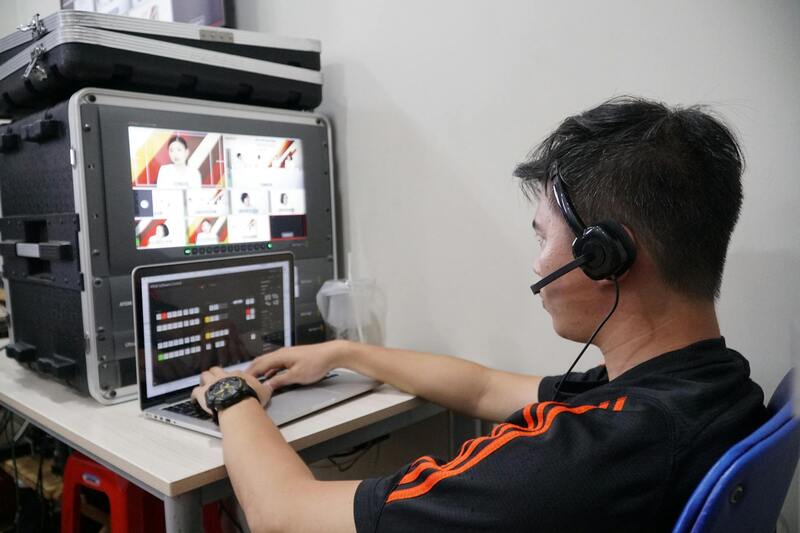
Legal and Ethical Considerations in Corporate Video Filming
Producing corporate videos that uphold the highest standards of authenticity and professionalism requires careful adherence to established methods and practices. Ensuring that all content is created through legitimate means involves comprehensive planning, precise execution, and thorough validation at each stage of production. These measures not only protect the integrity of the content but also foster trust with viewers and stakeholders.
One of the most critical components in legitimate corporate video production is sourcing content responsibly. This entails utilizing footage, images, music, and graphics that have been properly licensed or created internally. Using unauthorized or pirated materials can compromise the ethical standing of the project and potentially lead to legal complications. Working with providers that offer licensed assets or creating original content ensures compliance and demonstrates a commitment to integrity.

Clear documentation during pre-production can serve as proof of content rights and permissions. Maintaining detailed records of licenses, agreements, and permissions obtained for all visual and audio elements provides transparency and accountability throughout the process. This meticulous documentation is essential when reviewing or auditing media assets, especially in cases where disputes or queries arise.
Additionally, respecting individuals’ rights is fundamental. Consent forms must be obtained from participants appearing in the footage to formalize approval for their images and voices being used in the final product. This practice safeguards privacy rights and ensures that everyone involved understands how their likeness will be utilized, aligning with industry standards for ethical production.
During filming, adhering to privacy and safety protocols is paramount. Filming in public or private spaces requires appropriate permissions, and all crew members should be trained on respecting location-specific guidelines. This not only avoids conflicts but also maintains a professional reputation for the production team and the client.
Post-production processes should include rigorous review workflows to verify that the edited content accurately reflects the intended message. Fair representation, factual accuracy, and appropriate depiction of the subject matter must be prioritized. Any use of third-party content or copyrighted material should be double-checked for compliance with licensing agreements.
Implementing quality control measures during editing, such as stakeholder reviews and legal checks, ensures that the final output aligns with ethical standards. These practices prevent the inclusion of misleading visuals or content that could inadvertently misrepresent the organization, reinforcing credibility and consumer confidence.
Furthermore, deploying accessibility features like subtitles, audio descriptions, and optimized formats broadens the reach of corporate videos, making content accessible to diverse audiences. This foresight in planning demonstrates a thorough commitment to inclusivity and enhances the company's reputation as an environmentally responsible entity that values ethical communication with all viewers.
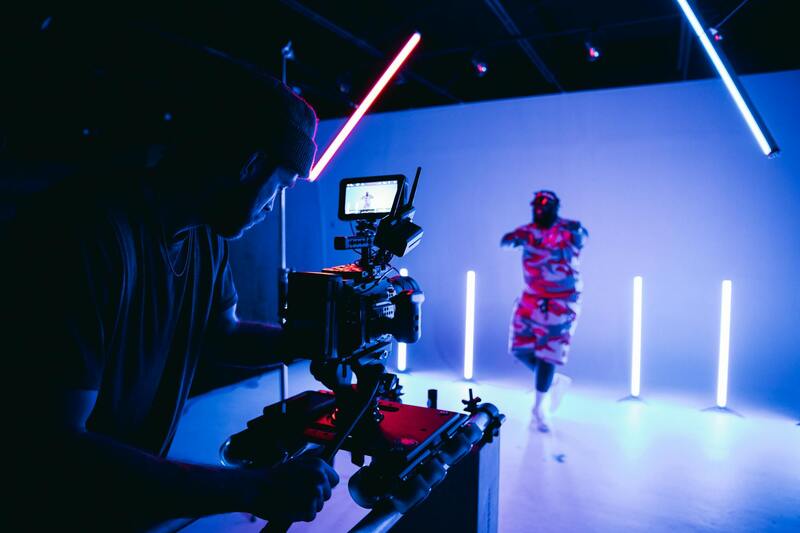
By dutifully following best practices and maintaining transparency throughout production stages, companies can create corporate videos that are not only compelling and professional but also fully legitimate. This approach embodies a comprehensive commitment to ethical standards, fostering positive brand perception and stakeholder trust.
Effective Use of Legal Documentation and Contracts
Establishing clear documentation is fundamental for smooth execution of corporate video projects. This includes detailed contracts with all involved parties, such as talent, crew, locations, and post-production providers. Contracts should specify the scope of work, expectations, deliverables, timelines, and compensation to prevent misunderstandings. They also serve as a formal record of agreements regarding usage rights, confidentiality clauses, and any restrictions related to the footage.
Securing written consent from all talent and location owners before filming ensures authorized access to the sites and individuals involved. Release forms clarify permission to capture and utilize their likeness or property, reinforcing responsible content management. Moreover, these documents should articulate the intended distribution channels and duration of use to align all stakeholders with the project’s objectives.
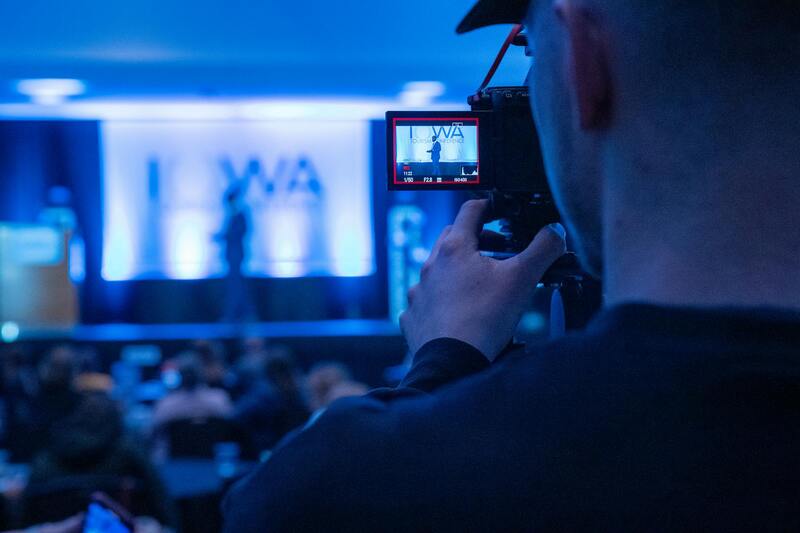
Implementing Operational Compliance and Data Security Measures
Adhering to operational standards during filming minimizes disruptions and maintains professionalism. This includes scheduling shoots during appropriate hours, respecting private property rights, and ensuring minimal disturbance to the environment and local communities. For corporate videos involving sensitive or proprietary information, deploying robust data security protocols is essential.
This encompasses encrypting digital files, restricting access to authorized personnel, and following secure data transfer practices. Proper handling and storage of footage prevent unauthorized access or leaks, safeguarding the company’s intellectual property and confidential information. Supervising on-set activities with trained personnel ensures that safety protocols are adhered to and compliance with industry standards is maintained.

Ensuring Copyright and Licensing Agreements Are Up-to-Date
Copyright considerations play a critical role in the production process. Teams must verify that all third-party content, including music, graphics, and footage, are properly licensed for commercial use. This involves reviewing licensing agreements, purchase receipts, and usage rights documentation to ensure content is free of restrictions or limitations that could impact future distribution.
Failing to manage copyright permissions appropriately could result in legal complications or content removal, affecting the brand’s reputation. Utilizing royalty-free or licensed material from reputable sources is a practical approach to mitigate these risks. Additionally, maintaining organized records of all licenses and permissions simplifies compliance verification during post-production and distribution phases.
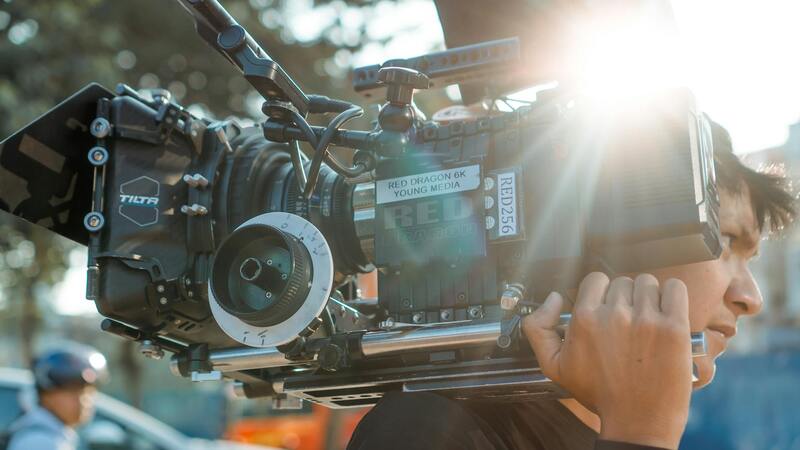
Aligning Ethical Standards Throughout Production
Ethical standards are essential for maintaining trustworthiness and the organization's professional integrity. This involves respecting the confidentiality of sensitive information, portraying subjects accurately without misrepresentation, and avoiding manipulative editing techniques. Transparency with clients and stakeholders about the production process fosters an honest working environment and encourages collaborative input.
Adherence to cultural sensitivities and avoiding stereotypes or offensive content respects diverse audiences and upholds the company’s ethical commitments. Regular training and clear guidelines for crew members reinforce these principles and support responsible production practices.

Legal and Ethical Considerations in Corporate Video Filming
Adherence to robust procedures surrounding legal and ethical standards is an essential aspect of corporate video filming that guarantees content integrity, compliance, and respect for all involved parties. Implementing official and recognized methods helps maintain high-quality standards and protects the reputation of the organization while ensuring the content aligns with industry best practices.
Securing Proper Permissions and Rights
Obtaining clear, written permissions before filming is critical. This includes securing consent from individuals appearing on camera, especially in sensitive or proprietary situations. Clearances should also be secured for the use of copyrighted materials such as music, images, or footage owned by third parties. Documentation of these permissions minimizes the risk of disputes and ensures that all content used in the final product is authorized.
Utilizing licensed content from reputable resources, such as stock footage libraries, allows production teams to access high-quality materials while complying with licensing agreements. Keeping detailed records of all licenses, permissions, and correspondence related to rights management facilitates smooth audits and review processes.
Respecting Privacy and Confidentiality
Respect for individual privacy and organizational confidentiality is paramount. When planning scenes or interviews, clarifying the scope of content to be shared publicly and gaining explicit consent minimizes misunderstandings. Sensitive information must be handled discretely, with strict controls over its dissemination, especially if the content involves proprietary data, trade secrets, or employee details.
 igure>
Open and Transparent Communication
Maintaining ongoing communication between producers, clients, and subjects ensures clarity around the objectives, scope, and content of the corporate video. Transparency regarding shooting locations, content use, and distribution channels fosters a collaborative environment grounded in trust. It also helps to address any concerns about representation or accuracy early in the process.
Ensuring Cultural Sensitivity and Fair Representation
Productions should diligently avoid stereotypes, offensive content, or misrepresentations that could harm reputations or alienate audiences. This involves cultural sensitivity training for crew members, reviewing scripts and visuals for potential issues, and fostering inclusivity in casting and storytelling. Respectful portrayals maximize the project's impact while upholding ethical standards.
Compliance with Industry Guidelines and Standards
Following established industry guidelines for corporate video production ensures that the project adheres to accepted professional practices. These include standards related to content accuracy, fairness, and safety on set. Regular review of production procedures against ethical codes and best practices helps mitigate risks and reinforce credibility.
Implementing Ethical Workflow Practices
- Use official checklists for permissions and rights clearance before filming begins.
- Ensure all crew members are trained on privacy policies and ethical guidelines.
- Develop protocols for addressing complaints or concerns during production.
- Establish review processes to verify content before release, ensuring it meets ethical and legal standards.
- Document all production decisions, permissions, and approvals as a record of compliance.
Conclusion
Employing legitimate and transparent methods in corporate video filming not only alleviates potential risks but also enhances an organization’s reputation for integrity. By systematically managing permissions, respecting privacy, and fostering ethical storytelling, companies can create impactful, compliant content that supports strategic objectives and maintains stakeholder trust.