Understanding the Purpose of a Company Promotional Video
A well-crafted promotional video serves as a powerful tool to communicate a company's core message, values, and offerings effectively. Its primary goals include increasing brand awareness, engaging potential customers, and generating qualified leads that translate into tangible business growth. Unlike traditional advertising methods, a promotional video can directly showcase a company's products, services, and unique value propositions in a compelling visual format.
In today’s digital-driven marketplace, consumers are increasingly inclined toward visual content that quickly captures attention and conveys information succinctly. A professionally produced promotional video ensures that a company's story resonates with viewers, fostering a memorable impression that encourages further interaction.

From small startups to established enterprises, the strategic deployment of a promotional video can lead to heightened brand visibility across multiple channels, including social media, websites, trade shows, and email campaigns. It acts as a versatile asset capable of positioning the brand within a competitive landscape while emphasizing unique selling propositions.
Moreover, a well-executed promotional video encourages viewer engagement, fostering trust and credibility. It allows companies to showcase testimonials, demonstrate product features, or illustrate customer success stories, thereby creating emotional connections that are difficult to achieve through text-based content alone.

In essence, the purpose of a promotional video extends beyond mere advertisement; it acts as a strategic communication and branding tool that, when properly aligned with the company’s objectives, can significantly influence purchasing decisions and strengthen market positioning over time.
Defining Target Audience and Key Messaging
Establishing a clear understanding of the intended audience is crucial for creating an effective promotional video for a company. This involves thorough research to identify demographic characteristics such as age, gender, location, income level, and interests. Analyzing buyer personas and customer insights helps in tailoring messages that resonate authentically with viewers, fostering engagement and interest.
Once the target audience is defined, crafting key messages becomes vital. These messages should highlight the company's distinctive advantages, address the audience’s pain points, and articulate the value proposition concisely. Clarity is essential; engaging visuals combined with straightforward messaging ensure that viewers grasp the core benefits quickly.
Developing a compelling narrative around these messages enhances emotional engagement. This can be achieved through storytelling techniques that incorporate relatable scenarios, testimonials, or case studies, thereby fostering a connection that motivates actions such as inquiries, website visits, or product purchases.
Planning and Concept Development
The foundation of an impactful promotional video is meticulous planning and concept development. This phase involves defining objectives, selecting the appropriate format, and outlining the core narrative. Brainstorming sessions and creative workshops can generate innovative ideas aligned with the brand’s identity.
Pre-production planning extends to storyboarding, scriptwriting, and scheduling. Establishing a clear visual style and tone ensures consistency with brand standards and appeals to the target audience. Addressing logistical considerations, such as location scouting, casting, and equipment needs, is vital to streamlining the filming process.
Production and Filming Techniques
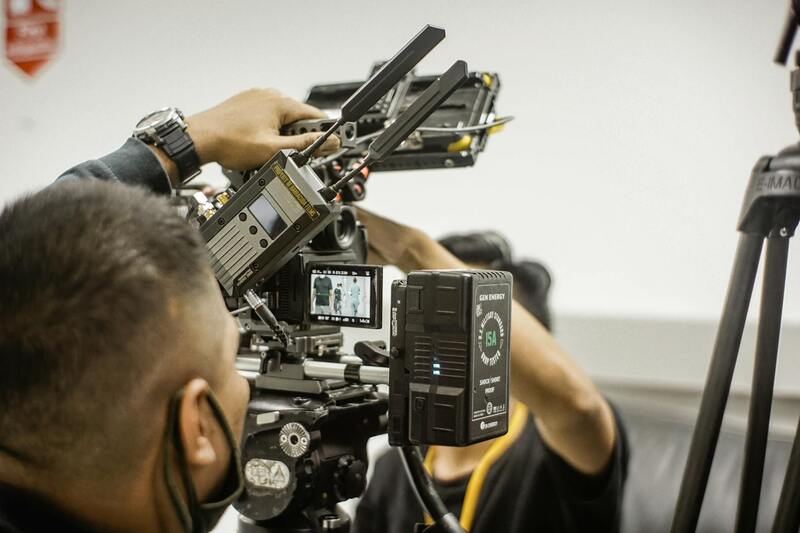
During production, utilizing professional filming techniques elevates the quality and credibility of the promotional video. High-definition cameras, stable shot adjustments, and well-composed framing contribute to a polished visual presentation.
Lighting plays a crucial role in creating the desired atmosphere, while sound quality is equally important for clear narration or testimonials. Incorporating dynamic camera movements and varying shot angles can add visual interest, maintaining viewer engagement.
Moreover, attention to details such as background settings, wardrobe, and props enhances storytelling by visually reinforcing key messages and brand identity. Undergoing comprehensive crew training ensures that each segment of production adheres to the established creative standards.
Post-Production and Editing
Post-production transforms raw footage into a compelling narrative, emphasizing key messages while maintaining visual coherence. Skilled editing involves proper sequencing, pacing, and integration of graphics, animations, and sound effects.
Color grading enhances visual consistency and mood, aligning the aesthetic with brand colors and the intended emotional impact. Incorporating captions or subtitles ensures accessibility and improves viewer comprehension.
Sound editing focuses on refining audio quality, balancing narration, background music, and ambient sounds. Supplementing the video with clear call-to-action prompts can drive viewer response and conversion.
Optimizing the Promotional Video for Distribution
Effective distribution begins with optimizing the video for various platforms to maximize reach and engagement. This includes tailoring video formats, aspect ratios, and file sizes suitable for social media, websites, and email campaigns.
Keyword integration, engaging thumbnails, and compelling descriptions can improve search visibility. Embedding videos within relevant content and strategically timing releases amplifies exposure.
Cross-platform promotion, along with targeted advertising, ensures that the promotional content reaches the intended audience efficiently. Tracking how viewers interact with the content informs future distribution strategies and helps identify emerging opportunities.
Measuring Effectiveness and ROI
Assessing the success of a promotional video involves analyzing key performance indicators such as view counts, engagement rates, click-throughs, and conversions. Utilizing analytics tools provides detailed insights into viewer behavior and content performance.
Gathering feedback from viewers through surveys or comments helps evaluate the emotional and informational impact of the video. Comparing metrics against initial goals guides adjustments to future content strategies.
Calculating return on investment includes considering both direct revenue and broader brand awareness impact. This data-driven approach supports the continuous improvement of promotional efforts, ensuring consistent alignment with business objectives.
Partnering with a Production Agency in Miami
Collaborating with a professional production agency in Miami brings expert insights and resources that significantly enhance the quality of a promotional video. Local agencies offer familiarity with regional preferences, industry standards, and access to a network of talented professionals.
Engaging an experienced team that understands the nuances of corporate storytelling, branding, and technical production ensures a seamless process from concept to delivery. Agencies can provide comprehensive services, including scripting, filming, editing, and distribution consultation.
This partnership facilitates the creation of a polished, impactful promotional video aligned precisely with corporate goals, while also saving time and reducing potential production risks.
Understanding the Purpose of a Company Promotional Video
Developing a high-quality promotional video for a company begins with a clear understanding of its core purpose. Unlike general marketing content, a professional promotional video aims to communicate a company's unique value proposition, showcase its products or services, and reinforce brand identity. It serves as a dynamic tool to captivate potential clients, partners, and stakeholders, providing a visual narrative that resonates with viewers on both emotional and informational levels.
Unlike static advertising, promotional videos leverage motion graphics, storytelling, and strategic messaging to forge a compelling connection. When crafted with purpose, these videos foster brand recognition, enhance trustworthiness, and position the company as an industry authority. They can also serve multiple strategic purposes, including launching a new product, highlighting corporate achievements, or emphasizing company values. The ultimate goal remains consistent: to convert viewer interest into meaningful engagement, whether that's through inquiries, website visits, or direct sales.
Understanding the specific objectives of the video ensures that every element—from scripting and visuals to call-to-action—aligns with overarching business goals. For instance, a promotional video aimed at lead generation will focus on compelling storytelling and a clear pathway for viewers to connect further with the brand. Alternatively, a brand awareness video might emphasize storytelling and emotional appeal to build a lasting impression. Both approaches demand strategic planning during the conceptual phase to optimize the impact of the finished product.
Defining Target Audience and Key Messaging
Before embarking on content creation, it is crucial to identify the target audience precisely. This step involves analyzing demographics, preferences, pain points, and consumption habits to tailor messaging accordingly. A comprehensive understanding of the audience guides choices around tone, language, and visual style, ensuring the promotional video resonates authentically with viewers.
Key messaging forms the foundation for scriptwriting and visual cues. It involves clearly articulating the primary benefits, features, or stories that the company wants to communicate. Effective messaging should be concise yet impactful, emphasizing what sets the brand apart and addressing the specific needs or aspirations of the target market. This clarity simplifies the viewer’s journey from initial engagement to taking desired actions, such as visiting a website or making a purchase.
Aligning messaging with the target audience’s expectations and language enhances viewer connection and fosters trust. Ambiguous or overly complex messages risk disengagement, while clear, targeted content increases the likelihood of viewer retention and response.
Strategic Alignment and Content Development
Creating a promotional video that effectively supports business objectives requires meticulous planning and strategic alignment. This includes establishing clear goals, identifying key performance metrics, and ensuring the creative vision aligns with brand guidelines. During the development phase, scriptwriters, designers, and producers collaborate closely to translate strategic insights into engaging visual content.
The content development process entails crafting compelling narratives that highlight company strengths while maintaining authenticity. Visual elements, music choice, and editing style should reinforce the core message, delivering a cohesive story that captures attention from start to finish.
Furthermore, adhering to a structured storyboard facilitates smooth transitions from concept to filming, reducing ambiguities and streamlining production workflow. Strategic planning during this stage minimizes costly revisions and ensures the final product aligns perfectly with both brand standards and audience expectations.
Crafting a Compelling Script and Visual Storyboard
Transitioning from conceptual planning to actual production involves creating a detailed script and visual storyboard that serve as the blueprint for the video. The script should succinctly convey the key messages, emphasizing the company's unique value propositions while maintaining a professional tone suitable for the target audience. It is essential to focus on clarity, conciseness, and engagement, ensuring that each segment logically flows to build a cohesive narrative.
The visual storyboard complements the script by outlining each shot, camera angles, and visual effects. This step ensures that directors, cinematographers, and designers are aligned on the creative vision, minimizing ambiguity during filming. Effective storyboarding visualizes transitions, highlights important branding elements, and invites collaboration to refine the overall concept.
A strategic approach to scripting and storyboarding involves integrating brand identity elements—such as logos, color schemes, and taglines—while crafting a narrative that positions the company competitively. Incorporating storytelling techniques like customer success stories or case studies can create an emotional connection with viewers, making the message more memorable.
Ensuring Compliance and Authenticity through Official Methods
To create a compelling promotional video that authentically represents your company and resonates with your target audience, leveraging official and legitimate methods is essential. This approach not only sustains the professional integrity of the content but also aligns with industry best practices for effective marketing communications. When developing a promotional video, companies should prioritize adherence to established guidelines related to copyright, intellectual property rights, and branding standards. This ensures that all visual elements, music, and scripts used within the video are appropriately licensed or originate from original sources, thereby avoiding potential legal complications that could undermine brand credibility.
Working with certified production professionals and trusted agencies, such as Miami Video Company, provides access to experienced teams familiar with these standards. These professionals possess the necessary expertise to navigate licensing processes, secure permissions, and validate the legitimacy of all materials used in the production. Moreover, they assist in aligning the content with the company’s branding guidelines, maintaining consistency across all touchpoints, and ensuring the final product accurately reflects the company's core values and identity.
Implementing official methods also encompasses transparency in communication, such as clear disclosure of any sponsored content or partnerships, which enhances trustworthiness and reinforces the company's commitment to authenticity. Additionally, it involves meticulous documentation throughout the production process—contracts, licensing agreements, and approvals—serving as verifiable proof of compliance and safeguarding the organization’s reputation.
Furthermore, companies should utilize reputable platforms and distribution channels that uphold content standards and provide metrics for performance analysis. Official channels—such as professional social media pages, corporate websites, and industry-specific platforms—enable targeted dissemination and facilitate meaningful engagement. By prioritizing these legitimate avenues, companies can ensure their promotional videos are not only compliant but also strategically positioned to maximize impact and reach.
Ultimately, the selection of proven and confirmed pathways for production and distribution, supported by established industry practices, underpin a successful promotional campaign. These steps elevate credibility, foster ongoing customer trust, and demonstrate the company's commitment to integrity and professionalism within competitive markets.
Ensuring Legal Compliance and Ethical Standards in Distribution
Distributing a promotional video for a company requires adherence to established standards that promote transparency, authenticity, and respectful engagement with viewers. When leveraging official channels such as corporate websites, professional social media platforms, and industry-specific portals, it's important to follow platform-specific guidelines to maintain compliance. This includes understanding content restrictions, technical specifications, and community guidelines to ensure the video remains accessible and adheres to best practices.
Proper licensing and rights clearance are fundamental components of responsible distribution. All visual elements, music, and footage incorporated into the promotional video must be properly licensed or created in-house, avoiding unauthorized use that could jeopardize a company's reputation. Maintaining documented proof of licensing and permissions not only supports transparency but also prevents potential conflicts that might arise from content misuse.
Transparency extends to clear disclosures regarding sponsored content, brand partnerships, or endorsement agreements contained within the video. Clearly articulated disclosures help foster trust with the audience, demonstrating the company's commitment to honest communication. For instance, when showcasing third-party endorsements or sponsored segments, proper acknowledgment ensures viewers are accurately informed.
To safeguard against inadvertent violations, companies should implement review protocols involving legal and compliance departments before releasing content. These internal reviews act as checks to verify that all content aligns with applicable regulations, industry standards, and corporate policies.
Utilizing reputable distribution channels—such as verified social media accounts, official YouTube channels, and industry-specific online platforms—ensures the reach of the promotional video remains within professional and secure environments. These channels offer built-in analytics tools and performance metrics, enabling companies to monitor engagement, viewership, and interactions comprehensively. Employing such legitimate avenues aligns with industry best practices and enhances the credibility of the promotional content.
Additionally, companies should cultivate relationships with industry associations or media partners who uphold strict content standards. Partnering through these channels facilitates wider yet controlled dissemination, ensuring the promotional message reaches the intended audience while maintaining content integrity.
Ongoing monitoring and periodic review of distribution efforts are essential steps for ensuring continued alignment with evolving standards. Regular audits of content performance and engagement metrics help identify areas for improvement and provide actionable insights to refine distribution strategies.
Partnering with a Production Agency in Miami
Collaborating with a professional production agency in Miami ensures your promotional video for the company is crafted with precision, expertise, and industry-leading techniques. A reputable agency leverages a deep understanding of current market trends, visual storytelling, and high-quality production standards to deliver content that resonates with your target audience and aligns with your branding objectives.
When selecting a Miami-based production partner, it’s essential to consider their portfolio of previous work. An agency with diverse experience across industries can adapt to your specific needs, whether that involves corporate branding, product showcasing, or internal communications. Their familiarity with local regulations, cultural nuances, and industry standards enhances the authenticity and relevance of your promotional video.

Professional agencies typically provide a comprehensive suite of services, from initial concept development and scripting to storyboard creation, filming, editing, and final delivery. Their experienced team of directors, cinematographers, and editors work collaboratively to translate your vision into a compelling visual narrative. Additionally, an agency's access to state-of-the-art equipment and technology guarantees high production values, from crisp visuals to immersive sound design.
Effective communication and transparent project management are vital aspects of a successful partnership. A seasoned agency in Miami will establish clear milestones, revisions, and approval processes, ensuring your expectations are met throughout the production cycle. They also prioritize adherence to schedules and budgets, preventing potential delays and overspending.
Beyond technical execution, a local agency provides advantages in understanding regional audience preferences and distribution channels. This insider knowledge can be instrumental in tailoring content to maximize engagement across various platforms, whether social media, corporate websites, or industry events.
Choosing a trusted Miami-based production partner not only elevates the quality of your promotional video but also streamlines the entire process. Their expertise facilitates compliance with platform-specific guidelines, licensing standards, and distribution best practices, ensuring your content reaches the right viewers seamlessly and successfully.
Final Steps: Ensuring Compliance and Effective Distribution of Your Promotional Video
Once the editing process has been completed and the promotional video aligns with the initial objectives, the focus shifts towards ensuring that the content complies with all applicable standards and is positioned effectively across various channels. While many organizations may attempt to navigate this phase independently, partnering with experienced professionals ensures adherence to best practices and streamlines the distribution process.
Adhering to Platform and Industry Standards
To maximize reach and effectiveness, it is vital to understand the specific requirements of each distribution platform—be it social media, corporate websites, or industry-specific channels. Different platforms have distinct guidelines concerning video length, aspect ratios, captions, and permissible content. Utilizing expertise in this area allows for tailored optimization without compromising quality.
Additionally, maintaining compliance with licensing standards related to music, visuals, and branding elements safeguards your organization from potential infringements. Trusted production agencies are well-versed in these regulations and implement the necessary checks during post-production.
Optimizing Content for Audience Engagement
Effective distribution is not solely about reaching a broad audience but connecting meaningfully with the target demographic. Strategies include:
- Creating engaging thumbnails and titles that capture attention swiftly.
- Adding closed captions and subtitles to enhance accessibility and viewer retention.
- Implementing SEO best practices—such as relevant keywords, descriptive tags, and metadata—to improve discoverability online.
- Customizing content format and messaging to suit different digital environments, ensuring consistency with brand voice.
Leveraging Distribution Channels Effectively
Distribution extends beyond simply uploading videos onto platforms. It encompasses strategic dissemination through targeted outreach, scheduled releases, and cross-channel promotion. For instance, sharing your video across social media networks, embedding it within email marketing campaigns, and featuring it on your official website can significantly amplify its reach.
Partnering with a production company in Miami that understands regional trends and popular media consumption habits can result in more informed distribution strategies. Such agencies often have established relationships with media outlets and digital platforms, facilitating smoother placement and enhanced visibility for your content.
Monitoring Performance and Adjusting Strategies
Post-launch analysis is essential to gauge how well the promotional video performs relative to your initial goals. Key performance indicators include view counts, engagement rates, click-through conversions, and audience feedback. Advanced analytics tools enable real-time tracking and insights, guiding adjustments to your ongoing promotional efforts.
Data-driven decisions help refine your messaging, optimize distribution timing, and select the most effective channels. Collaborating with a knowledgeable production team ensures that insights are accurately interpreted and that subsequent campaigns are tailored for maximum impact.
Securing Long-Term Success
Beyond immediate campaign goals, a well-executed promotional video forms part of a broader branding strategy. Continuous content updates, periodic re-optimization, and leveraging new distribution channels keep your brand relevant and engaging over time. Building a catalog of high-quality videos with consistent branding ensures ongoing visibility and credibility within your industry and community.