
Understanding the Importance of Event Photography in Miami
Event photography holds a significant place in the vibrant landscape of Miami’s social and business scene. As a city renowned for its dynamic culture, upscale events, corporate milestones, and lively celebrations, capturing these moments through professional photography plays a crucial role in branding, promotion, and memory preservation. High-quality images serve as a visual record for event organizers and businesses, allowing them to showcase their success, foster engagement, and build lasting connections with their audiences.
In Miami, where events often feature a blend of elegance, diversity, and energy, the demand for expert event photographers is steadily increasing. Their skills ensure that every critical moment—whether an intimate gathering or a large-scale conference—is documented with clarity, creativity, and precision. Such images not only enhance promotional efforts across social media and marketing campaigns but also become treasured keepsakes for attendees and stakeholders, encapsulating the essence of each event.
The cultural richness and competitive nature of Miami's event industry underscore the value of professional event photography. It provides a strategic advantage for brands aiming to differentiate themselves in a crowded marketplace. Effective event images support brand stories, highlight key moments, and evoke emotional responses, making them indispensable tools within Miami’s dynamic event ecosystem.
Moreover, high-quality photography can influence future event planning by offering comprehensive visual insights. It helps organizers assess layouts, attendee interactions, and overall atmosphere, facilitating improvements for upcoming events. As businesses and individuals continue to recognize the impact of compelling visuals, the importance of hiring qualified, experienced photographers becomes evident. Their expertise ensures that every shot aligns with the event’s narrative while adhering to the highest standards of quality and professionalism.
Figure placement suggestion here: 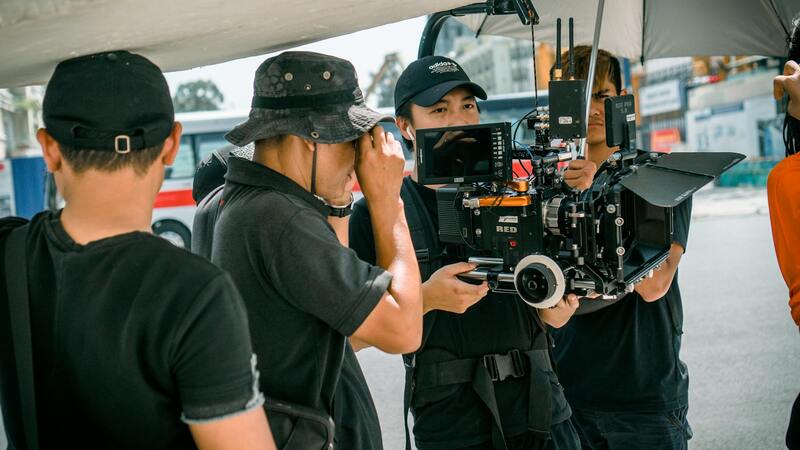
Essential Equipment and Technical Considerations
For professional event photography in Miami, selecting the right equipment is fundamental to capturing high-quality images that embody the event's essence. Photographers typically rely on a combination of high-resolution digital cameras equipped with versatile lenses, such as wide-angle for capturing expansive scenes and telephoto for close-up details. The use of high-capacity memory cards and backup storage ensures that no moment is lost, especially during lengthy events.
Lighting plays a pivotal role in the success of event photography. In many indoor settings, photographers employ portable, diffused flash units to eliminate harsh shadows. For outdoor events, natural light is harnessed, often supplemented with reflectors or portable lighting setups to maintain consistent image quality regardless of changing weather or time of day. Additionally, photographers need to be prepared with various accessories like tripods, stabilizers, and multiple lens options to adapt dynamically to different scenarios.
Pre-Event Planning and Coordination
Effective pre-event planning is crucial in ensuring that each moment is captured with purpose and precision. This involves detailed discussions with clients to understand their vision, key focal points, and specific moments they wish to highlight. Photographers conduct site visits to familiarize themselves with the layout, lighting conditions, and potential angles, enabling them to prepare the necessary equipment and plan shot lists.
Clear communication with event organizers and coordinators prior to the event helps synchronize timing and logistics. This proactive approach minimizes disruptions and ensures photographers are positioned to capture the most meaningful moments as they unfold. Establishing a schedule for photographing specific segments—such as speeches, candid interactions, or staged formal shots—maximizes efficiency and coverage.
Capturing Candid and Formal Shots
A hallmark of professional event photography in Miami involves a balanced mix of candid and formal images. Candid shots capture authentic expressions, interactions, and spontaneous moments that convey the true ambiance of the event. Skilled photographers maintain a discreet presence, allowing genuine emotions to unfold naturally without interference.
Conversely, formal shots are carefully orchestrated to highlight speakers, award recipients, or key attendees. These images require meticulous framing, lighting adjustments, and sometimes multiple takes to ensure they meet the client’s expectations. Combining candid and formal styles results in a diverse visual narrative that accurately reflects the event’s atmosphere.
Post-Event Editing and Delivery
Post-production is a critical phase in event photography, involving meticulous editing to enhance image quality while maintaining authenticity. Photographers employ professional editing software to adjust color balance, restore details, correct exposure issues, and remove any distracting elements. This process ensures that each image reflects the event's energy and professionalism.
Delivery formats are tailored to client needs, ranging from online galleries and digital downloads to printed albums. Timely delivery is emphasized to meet marketing or reporting deadlines, often within a few days after the event. High-resolution images are provided for print purposes, while optimized images are shared on digital platforms to boost social media engagement and online visibility.
Legal and Ethical Considerations
In Miami's diverse and vibrant event scene, adherence to legal and ethical standards is paramount for photographers. Respecting attendees’ privacy and obtaining necessary permissions ensure a respectful environment. Clear agreements with clients regarding image rights, usage permissions, and confidentiality are essential components of professional conduct.
Photographers should also familiarize themselves with the venue’s policies and obtain any required permits prior to shooting. This proactive approach prevents complications and reinforces a commitment to transparency and professionalism. Respectfully managing these aspects fosters trust and upholds the integrity of the photographer-client relationship.
Essential Equipment and Technical Considerations
For capturing the vibrant and dynamic nature of Miami's event scene, professional event photographers rely on a carefully curated selection of equipment and technical setups. This ensures high-quality visuals that reflect the energy and spirit of each occasion. High-performance cameras with fast autofocus capabilities and excellent low-light performance are fundamental, especially for indoor or evening events. Brands like Canon, Nikon, and Sony offer versatile options that cater to a range of scenarios.
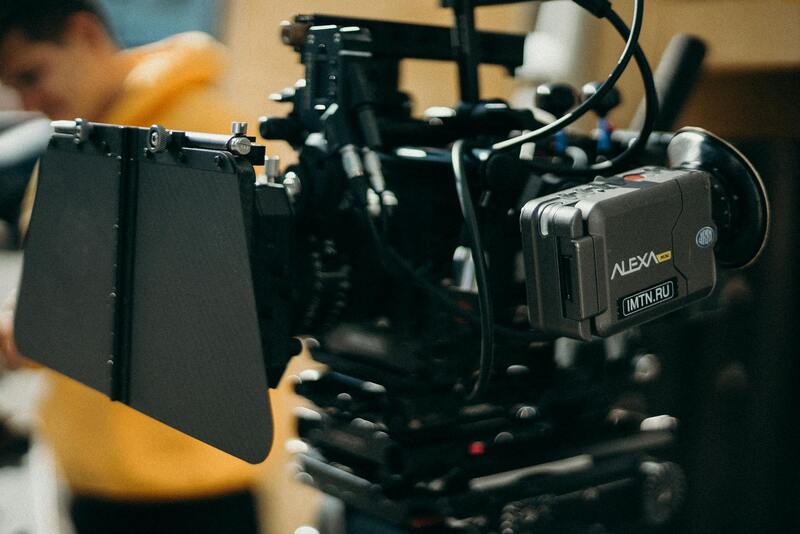
In addition to cameras, a selection of lenses plays a crucial role. Wide-angle lenses are ideal for capturing entire scenes, such as large gatherings or panoramic outdoor shots, while prime lenses with wide apertures are perfect for intimate portraits and detailed shots in low-light conditions. Telephoto lenses allow for capturing candid moments from a distance without disturbing the natural flow of the event.
Lighting equipment also plays a pivotal role. Portable LED lights, softboxes, and bounce flash accessories help manage challenging lighting environments, ensuring images remain sharp and evenly lit. For outdoor events, reflectors are frequently used to manipulate natural light advantageously.
Technical settings are equally critical. Understanding white balance ensures accurate color representation, while proper ISO settings help maintain image quality amidst variable lighting. Shutter speed must be adjusted to freeze motion or create artistic motion blur, depending on the desired effect. Aperture settings control depth of field, crucial for highlighting focal points within a busy scene.
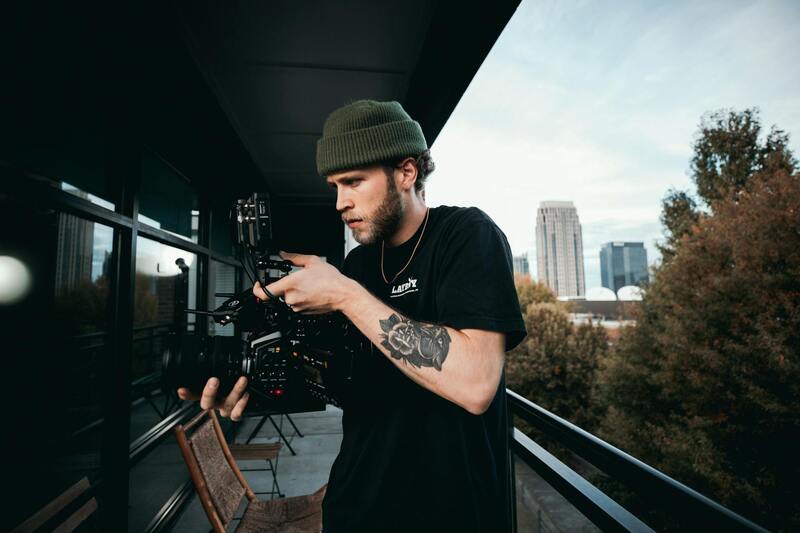
The choice of equipment and settings should be tailored to each event's unique environment, venue specifications, and the specific moments of importance. Utilizing professional-grade gear with an understanding of optimal technical configurations ensures that images are not only visually appealing but also technically sound, ready for both digital and print formats.
Strategies for Capturing Candid Moments and Formal Shots
Achieving a comprehensive visual narrative of an event requires a balanced approach to photography—capturing spontaneous candid moments while also securing well-structured formal shots. Candid photography hinges on the ability to be unobtrusive, often requiring photographers to blend seamlessly into the event environment. This allows genuine expressions and interactions to unfold naturally, adding authenticity to the visual story. Photographers skilled in this area utilize a combination of quick reflexes, keen observational skills, and the right equipment, such as zoom lenses or versatile prime lenses, to seize fleeting moments without disrupting the flow.
For formal shots, preparation and understanding of the event schedule ensure that portraits and group photos are executed efficiently. These images often serve as keepsakes or promotional material, so clarity, proper lighting, and composed framing are essential. Portraits should highlight the individuals while maintaining a crisp focus on key expressions and moment details. Organizing shot lists beforehand streamlines the process, enabling the photographer to manage time effectively during the event.
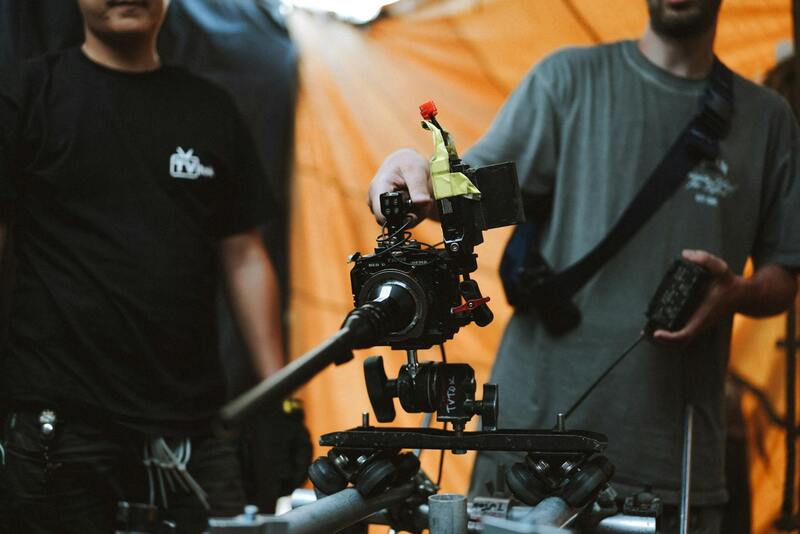
In both types of shots, lighting conditions significantly influence results. Natural light excels in candid moments, but photographers may also supplement with portable lighting options, such as on-camera flashes or softboxes, to enhance indoor or low-light scenes. A graceful balance between technical proficiency and situational awareness ensures high-quality images that reflect the event's atmosphere and significance.
Post-Event Editing and Image Delivery
Effective post-processing encompasses essential tasks including color correction, exposure adjustments, and cropping to enhance image appeal. Retouching may be employed to refine portraits, ensuring skin tones appear natural and details like clothing and backgrounds are crisp. Maintaining consistency across the gallery reinforces a professional presentation, especially when images are intended for albums, promotional material, or social media.
Timely delivery of edited images is crucial. Many photographers utilize client-specific online galleries, offering a secure platform where clients can preview, select, and download images. Clear communication about editing timelines and delivery formats ensures clients receive their images promptly, whether as high-resolution files for printing or optimized versions for digital sharing.
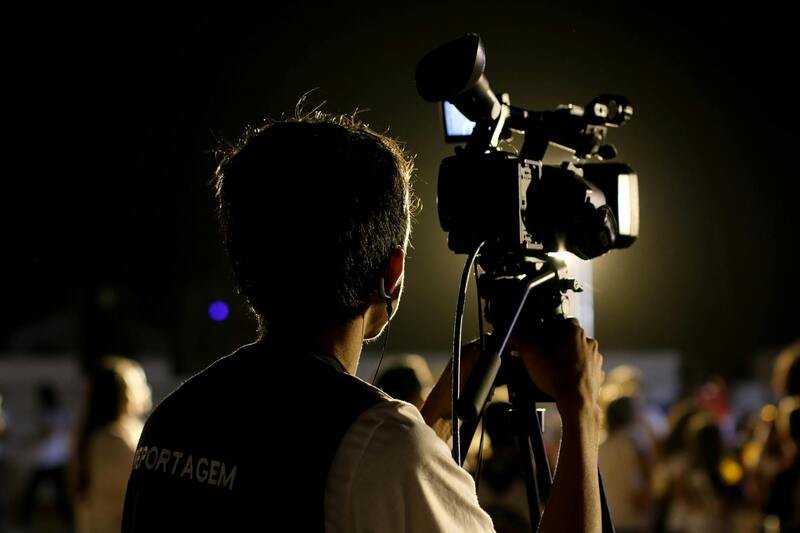
While editing enhances the final product, preserving the authenticity of captured moments remains a priority. Striking the right balance between artistic enhancement and true representation ensures that the images resonate with clients and accurately depict the event's atmosphere.
Legal and Ethical Considerations in Event Photography
Ensuring adherence to relevant policies and respectful practices is fundamental to professional event photography in Miami. When engaging with clients and capturing moments at various events, photographers must prioritize consent and transparency. This involves clear communication about how images will be used, and obtaining explicit permission from individuals who are prominently featured, especially in private or sensitive settings.
Using appropriate contracts is essential, detailing the scope of work, usage rights, payment terms, and confidentiality clauses if necessary. These agreements serve to protect both the photographer and the client, providing clarity and mutual understanding, and are a key element of professional operation.
Respect for privacy is paramount, especially during intimate or personal moments. Photographers must be attentive to the atmosphere and be discreet when needed, avoiding disruptions or intrusive behavior that could compromise the event's natural flow. This respect extends to managing images responsibly—storing them securely and refraining from unauthorized distribution or editing that could misrepresent the event or individuals involved.
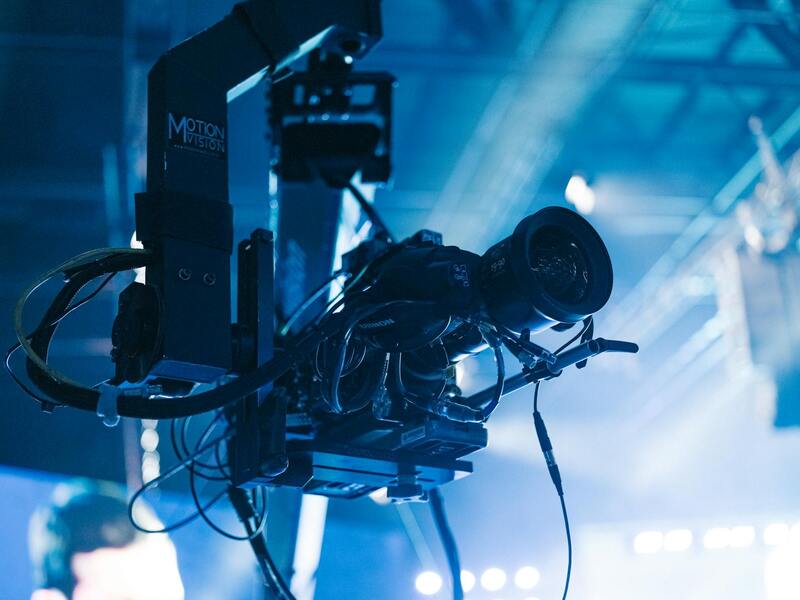
Furthermore, adhering to intellectual property rights is crucial. Photographers should clearly understand and respect copyright laws, ensuring they have the right to use and reproduce the images they capture. Proper attribution or licenses should be secured when using third-party content or software to edit photos.
To demonstrate consistency and integrity, many Miami-based event photographers participate in ongoing education and local industry forums. This engagement promotes awareness of best practices, updates on legal changes, and fosters a community committed to high ethical standards within the profession.
Developing a Reputation and Advancing Your Career Through Ethical Practices
- Building trust with clients through transparent communication and respectful conduct.
- Securing binding agreements that specify rights and responsibilities.
- Respecting the privacy and consent of event participants.
- Upholding copyright laws and respecting intellectual property rights.
- Engaging in continuous education to stay abreast of industry standards.
Such principles not only foster positive client relationships but also contribute to a sustainable and reputable business in Miami’s competitive event photography scene. Ethical conduct is a cornerstone for long-term success, ensuring that the images captured serve the intended purpose and reflect the true essence of the event without compromise.
Legal and Ethical Considerations
In the realm of Miami event photography, adhering to established standards and practices ensures the protection of both the photographer and the client, fostering trust and professionalism. When documenting events, photographers must prioritize securing clear and explicit permissions from individuals being photographed, especially in scenarios where images may feature sensitive or private moments. This process involves obtaining signed model releases or consent forms, which serve as formal acknowledgment that subjects agree to the use and distribution of their images for specific purposes.
Respect for intellectual property is a fundamental aspect of legal and ethical conduct. Photographers should familiarize themselves with copyright laws that attach to their work, understanding that images they create are their intellectual property unless otherwise agreed. When using third-party tools, stock images, or software for post-processing, it's essential to verify licensing agreements and comply with usage rights to avoid infringement issues. Proper attribution should be given when necessary, and any licensing restrictions must be strictly observed.
In the event that images include trademarks, branded materials, or copyrighted artwork, photographers must take precaution to avoid infringing on proprietary rights. This involves identifying such elements during shoots and either obtaining approval for usage or editing out proprietary content where possible. Maintaining detailed records of permissions and licensing agreements is advisable, as it provides documentation in case any questions regarding usage rights arise later.
 igure>
Handling client data responsibly is also a key ethical practice. Photographers should secure personal information and ensure it is used solely for the intended purpose, maintaining confidentiality throughout the process. Transparent communication about image rights, licensing options, and delivery terms helps set proper expectations and build a solid foundation for ongoing relationships.
Best Practices for Ethical Conduct in Miami Event Photography
- Always obtain written consent from individuals photographed, especially in sensitive environments.
- Verify and adhere to licensing agreements for any third-party content or software used in editing.
- Respect proprietary rights of brands, trademarks, and copyrighted material featured in images.
- Maintain thorough records of permissions, contracts, and licensing details.
- Handle personal data with care, ensuring confidentiality and responsible usage.
- Communicate clearly with clients regarding usage rights, image deliverables, and licensing options.
- Stay informed about changes in copyright laws and industry standards through ongoing education and participation in local professional groups.
 igure>
By rigorously adhering to these principles, Miami’s event photographers uphold the integrity of their craft, ensuring that their images serve the event’s purpose while respecting the rights and privacy of all involved. Maintaining this level of professionalism not only safeguards their reputation but also contributes to a sustainable career built on trust and respect within the local community and client base.
Legal and Ethical Considerations in Miami Event Photography
Event photographers operating in Miami must prioritize the adherence to established standards that govern the proper handling of images, permissions, and client relationships. This includes obtaining the necessary permissions prior to capturing images of individuals or private property, which ensures clarity of purpose and respect for personal boundaries. Securing model releases for identifiable subjects, particularly in scenarios involving minors or sensitive content, is a critical step to documenting consent legally and ethically.
Copyright considerations are also fundamental in event photography. Photographers need to understand the scope of rights associated with their work and the licensing agreements involved when delivering images. Clear communication with clients about usage rights—whether for promotional purposes, social media, or private use—helps prevent misunderstandings and fosters ongoing professional relationships.
Maintaining meticulous records, including signed permissions and licensing documentation, safeguards all parties involved. This practice ensures that any potential disputes can be addressed with documented proof of consent, rights granted, and specific limitations. Furthermore, respecting proprietary content, such as trademarks and copyrighted artwork, is essential to uphold the integrity of the images and avoid infringing on protected materials.
Handling personal data with care is paramount. Photographers should implement measures to protect the privacy of individuals featured in their work, especially when delivering images digitally or through physical media. Confidentiality agreements or clauses can be useful tools in formalizing expectations related to sensitive content.
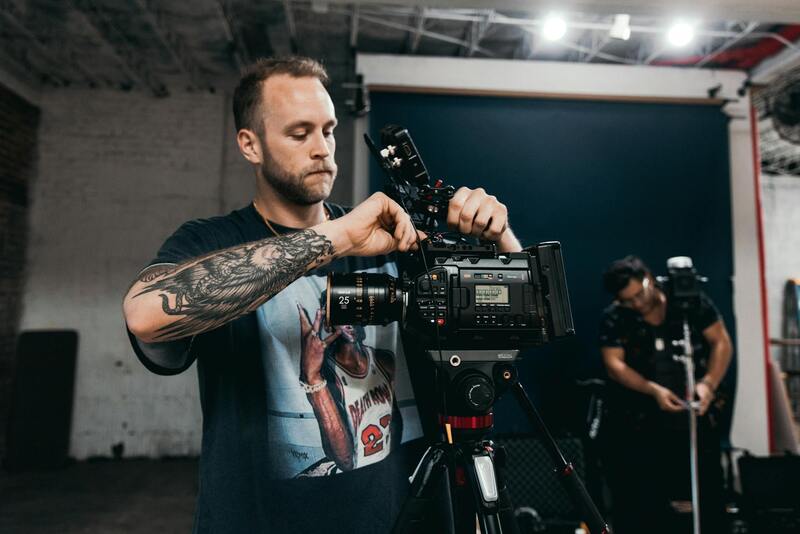
Clear and transparent communication with clients regarding how images will be used, stored, and shared is vital. Discussing licensing options and delivery terms upfront prevents conflicts and supports the development of a professional, trustworthy reputation.
Industry Standards and Continuing Education
Staying informed about evolving legal regulations and industry standards in Miami enables photographers to maintain high ethical practices. Participating in professional groups and educational seminars specific to event photography helps photographers adapt to changing laws, new technological capabilities, and best practices. These efforts demonstrate a commitment to professionalism and foster confidence among clients and peers.
Legal and Ethical Considerations in Event Photography
Adhering to established methods of obtaining consent and managing rights associated with event photography is fundamental to maintaining a professional and respected practice. When documenting events, it is crucial to secure explicit permission from individuals and organizations involved, especially when images will be used for promotional or commercial purposes. This process typically involves obtaining signed model releases and authorization forms that clearly specify the intended usage of photographs, ensuring transparency and mutual understanding.
Additionally, photographers must respect proprietary content, such as trademarks, copyrighted artwork, or branded materials visible during events. Proper attribution should be given where applicable, and usage should align with the rights granted in agreements. Managing intellectual property rights diligently prevents inadvertent infringements that could lead to disputes or reputational damage.
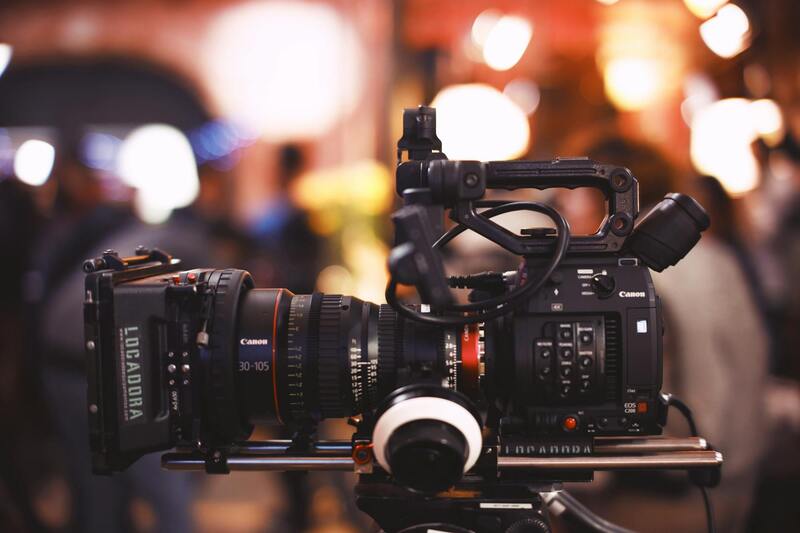
Protecting personal data—particularly when images are shared digitally—forms an integral component of ethical practice. Implementing secure storage, applying restrictions on digital sharing, and ensuring that sensitive content is handled discreetly all help safeguard individual privacy. Many photographers incorporate confidentiality agreements or clauses into client contracts, detailing expectations related to image use, storage, and dissemination.
Clear communication with clients about how photographs are utilized and stored fosters trust and reinforces professionalism. Discussing licensing options, including limitations on sharing or reproduction, can prevent misunderstandings and reinforce the photographer's ethical standards. Transparency from the outset builds confidence and solidifies ongoing client relationships.
Staying Informed and Upholding Industry Standards
Continuous education and engagement with industry groups in Miami are vital for remaining current on evolving regulations and best practices. Participating in workshops, seminars, and professional networks ensures photographers are aware of emerging legal considerations, technological advancements, and ethical expectations. This proactive approach demonstrates a commitment to excellence and helps maintain a high standard of service.
As the event photography landscape evolves, so do the tools and techniques used to uphold ethical responsibilities. Adopting best practices not only ensures compliance but also enhances the reputation of the photographer within the community. Ethical conduct, combined with technical proficiency and thorough client communication, forms the cornerstone of a sustainable event photography practice.