
Understanding the Concept of Even Photo
An even photo is distinguished by its balanced composition, where elements are arranged harmoniously to create a visually pleasing effect. The core characteristic of an even photo is its symmetry and balance, which guide the viewer’s eye smoothly across the image. This type of photography emphasizes equal distribution of visual weight, whether through the positioning of subjects, leading lines, or distribution of light and shadow. Essentially, an even photo avoids visual chaos or imbalance, ensuring every element complements the overall scene.
A defining feature of an even photo is its adherence to principles of visual harmony, such as the rule of thirds, central positioning of key subjects, or mirroring elements on either side of a delineated axis. Through careful framing and composition, photographers craft images that evoke stability and orderliness. Such photos often exude a sense of calm, professionalism, and clarity, making them suitable for a variety of applications, including portraits, architecture, product imagery, and corporate branding.
Techniques for Achieving Evenness in Photos
Attaining an even photo requires a strategic approach to composition, framing, and lighting. Photographers can implement various techniques to create balanced images that convey professionalism and visual harmony. Foremost among these is the deliberate use of the rule of thirds, which involves aligning key elements along imaginary gridlines to distribute visual weight evenly across the frame. Placing the main subject at the intersection points of these lines often results in a balanced and engaging composition.
Central positioning of subjects is another effective method, especially for portraits or product images where emphasis on the subject is paramount. By positioning focal points along the central axis, the photo achieves symmetry that draws viewers' attention directly to the intended element.
Symmetry plays a crucial role, especially in architectural and product photography. Capturing mirrored elements or aligning lines parallel to each other creates a sense of order and stability. Photographers often incorporate leading lines to guide the viewer’s eye precisely and evenly through the image, ensuring that no part appears overly dominant.
Lighting is fundamental in achieving even photos. Proper exposure and balanced light distribution prevent harsh shadows or overexposure, which can disrupt visual harmony. Techniques such as diffusing light sources and utilizing softbox lighting help maintain consistency across various parts of the image.
Additionally, meticulous framing is critical. Using grid overlays on viewfinders during shot composition assists in aligning elements symmetrically or along desired axes, reinforcing the sense of equilibrium.

Post-processing techniques also support the creation of even photos. Adjustments to contrast, brightness, and alignment during editing can correct minor asymmetries, reinforce color consistency, and refine overall balance, leading to a polished final image.
Definition of Even Photo
An even photo is characterized by its visual balance and symmetry, where elements within the frame are thoughtfully arranged to create a harmonious and cohesive composition. This type of photograph emphasizes equal distribution of visual weight across the image, ensuring that no single component overwhelmingly dominates the scene. The outcome is a balanced image that guides the viewer's eye smoothly across the entire photograph, minimizing distractions and enhancing clarity.
Achieving an even photo involves a combination of precise technical skills and artistic judgment. Often, it requires meticulously aligning subjects or elements along central axes, or arranging objects so that visual weight appears evenly distributed. This can involve symmetrical layouts, carefully controlled lighting, and thoughtful framing. The goal is to create an image that feels inherently stable and pleasing to the eye, evoking feelings of order and harmony.
Importance of Even Photos in Visual Media
In the realm of visual media, even photos play a pivotal role in conveying professionalism, clarity, and aesthetic appeal. These images are particularly effective in settings where the dissemination of information is key, such as in advertising, product showcases, and corporate branding. When photographs are balanced and symmetrical, they naturally draw attention to the central message or product, making the content more memorable and impactful.
Furthermore, even photos enhance viewer trust and credibility by presenting subjects in a clean, organized manner. In fields such as architecture, interior design, and product merchandising, capturing photos with even lighting and precise symmetry ensures that the viewer perceives the subject in its most polished form, thereby elevating the overall perception of quality and professionalism.
The significance of even photos extends beyond aesthetics; they influence emotional responses and engagement. Harmonious compositions resonate more deeply with viewers, promoting a sense of tranquility and order. This psychological impact underscores the necessity for creators and marketers to utilize techniques that foster evenness, thereby enhancing the overall effectiveness of visual storytelling.
Techniques for Achieving Evenness in Photos
Capturing an even photo entails meticulous attention to several core techniques:
- Framing: Using compositional grids and viewfinder guidelines helps maintain alignment and symmetry during the shot.
- Lighting: Balanced and diffuse lighting ensures consistent exposure across the entire scene, eliminating harsh shadows or hotspots.
- Symmetry and Line Alignment: Arranging subjects along central axes and parallel lines creates visual stability.
- Use of Leading Lines: Incorporating lines that guide the viewer's eye evenly across the image enhances perception of balance.
- Post-Processing Adjustments: Editing tools enable fine-tuning of contrast, brightness, and alignment, correcting minor asymmetries and reinforcing harmony.

Consistently applying these techniques ensures the creation of images that are both visually appealing and functionally effective. Mastery of these methods allows photographers and content creators to produce high-quality visuals that serve various purposes, from marketing campaigns to artistic exhibitions.
Common Uses of Even Photos
Even photos find extensive application across diverse disciplines:
- Product Photography: Showcasing items with precise symmetry and lighting to highlight features convincingly.
- Architectural Shots: Capturing buildings and structures where symmetry accentuates design elements.
- Portraits: Presenting subjects with balanced composition to emphasize expressions and personality.
- Advertising and Branding: Creating consistent, clean images that reinforce brand identity and evoke trust.
- Interior Design: Documenting spaces where balanced visuals aid in conveying harmony and comfort.

These usages underline the importance of balanced images in both visual appeal and message delivery, helping brands and creators achieve their desired impact effortlessly.
Definition of Even Photo
An even photo refers to an image where elements within the frame are balanced and harmonious, creating a sense of stability and visual appeal. This balance can arise from symmetry, proper placement of subjects, consistent lighting, and even distribution of visual weight across the composition. Such photos often evoke feelings of order, professionalism, and clarity, making them ideal for various types of visual communication.
Importance of Even Photos in Visual Media
In the realm of visual media, the significance of even photos lies in their ability to guide viewer attention seamlessly and communicate messages effectively. Balanced visuals facilitate easier parsing of information, helping audiences process the intended focal points without distraction. This is particularly crucial in marketing, branding, and professional presentations, where clarity and precision influence perception and engagement.
Moreover, even photos contribute to the perceived quality of content. Well-composed images suggest meticulous attention to detail and reinforce credibility. Whether used in advertising, social media, or editorial content, the consistent application of balanced visuals elevates overall aesthetic value and helps establish a recognizable style or identity.
Techniques for Achieving Evenness in Photos
Creating even photos requires deliberate application of compositional and technical methods. These include:
- Symmetrical Framing: Positioning subjects centrally or along axes to create mirror-like reflections enhances visual harmony. Architectural photographs often benefit from symmetry to highlight design precision.
- Consistent Lighting: Using uniform lighting minimizes shadows and uneven highlights, contributing to a more balanced appearance. Light tents and diffusers are common tools to achieve this effect.
- Proper Subject Placement: Distributing visual elements strategically within the frame ensures no area feels overly cluttered or empty. Applying the rule of thirds or centered compositions can help attain this balance.
- Post-Processing Adjustments: Editing software allows fine-tuning of contrast, brightness, alignment, and color balance, correcting minor asymmetries and reinforcing the overall evenness of the image.
- Use of Framing Devices: Elements like leading lines, framing within the frame, or grids assist in guiding the viewer’s eye evenly across the photo, maintaining symmetry and focus.

Challenges in Capturing Even Photos
Achieving perfect balance in photos can be complex, particularly in dynamic environments or candid settings. Common challenges include unpredictable lighting conditions, irregular subject positioning, and environmental distractions. Motion blur, lens distortions, and perspective issues can also disrupt symmetry, requiring careful planning and expertise to overcome.
Role of Even Photos in Branding and Marketing
Balanced images are central to maintaining a cohesive brand identity. They project professionalism and consistency, which are vital in building consumer trust. Even photos facilitate clear communication of brand values, emphasizing quality and reliability. Whether showcasing products, environments, or personnel, balanced visuals ensure that messaging is delivered clearly and convincingly, elevating the overall impact of marketing initiatives.
Best Practices for Producing Even Photos
To consistently produce balanced images, consider the following guidelines:
- Plan your composition carefully, paying close attention to symmetry and subject placement before capturing the shot.
- Use a tripod to maintain stability and precise framing, especially in low-light conditions or long exposures.
- Employ uniform lighting setups to prevent uneven shadows and highlights that can disrupt balance.
- Review and adjust compositions during post-processing to correct asymmetries and enhance overall symmetry.
- Experiment with framing devices and leading lines to draw the viewer’s eye evenly across the image.
- Maintain consistency in style and composition across a series of images to reinforce visual harmony in branding efforts.
By applying these techniques and guidelines, content creators and photographers can develop an expertise in crafting evenly balanced photographs that resonate with audiences and support strategic visual communication.
Definition of Even Photo
An even photo is an image characterized by harmonious balance and symmetry, where visual elements are evenly distributed across the frame. This concept often involves precise alignment of objects, consistent lighting, and proportional spacing, resulting in a composition that feels stable and orderly. In many cases, an even photo employs techniques such as symmetrical positioning, uniform spacing, and consistent tone to create a sense of harmony that guides the viewer's eye naturally through the image. Achieving this visual equilibrium requires careful planning and execution, whether during the shot or through post-processing adjustments.

Key Elements of an Even Photo
- Symmetry: Central or bilateral symmetry where elements mirror each other across a vertical or horizontal axis.
- Consistent Spacing: Equal distances between objects and within framing boundaries, avoiding overcrowding or sparse areas.
- Balanced Lighting: Uniform illumination to prevent shadows and highlights from disrupting harmony.
- Harmonious Composition: Arrangement of subjects and visual elements that maintains a coherent flow.
Differences Between Even and Asymmetrical Photos
While asymmetrical photos often convey dynamic energy and creative tension, even photos emphasize stability and formal balance. The choice between these styles depends on the intended message and aesthetic. Even photos are more likely to be used in contexts where clarity, professionalism, and visual harmony are prioritized, such as product showcases, architectural photography, and corporate branding materials.

Importance of Even Photos in Visual Media
In the realm of visual communication, even photos play a vital role in establishing credibility and facilitating an intuitive understanding of the subject matter. Their balanced nature makes content more accessible and easier to process, especially in professional and commercial settings. Well-balanced images tend to evoke feelings of trust and reliability, vital attributes in branding, advertising, and informational content. They serve as a foundation for clear messaging, enabling viewers to focus on the intended focal points without distraction.
Enhancing Visual Clarity and Focus
Even photos effectively direct viewers' attention toward key elements. The balanced arrangement ensures that no part of the image overwhelms or detracts from significant subjects. This clarity is especially crucial when showcasing products, services, or architectural features, where precise details need to be communicated efficiently. Balanced imagery minimizes the cognitive load, allowing audiences to interpret and engage with content more naturally.
Building Trust and Professionalism
Professional visuals that exhibit consistency and harmony contribute to brand integrity. When images are evenly composed, they convey meticulousness and attention to detail, which enhances a company’s reputation. This consistency across visual media fosters a cohesive brand identity, reinforcing recognition and credibility among target audiences.
Supporting Branding and Marketing Goals
Even photos serve as valuable assets in marketing campaigns. By establishing a visual style grounded in balance and symmetry, brands can create memorable and impactful visuals. These images help communicate core brand values such as reliability, quality, and sophistication, ultimately driving consumer engagement and loyalty.
Techniques for Achieving Evenness in Photos
Pre-shoot Planning
Careful consideration during the planning stage can significantly impact the evenness of the final image. This includes selecting an appropriate composition with symmetry in mind, choosing a balanced color palette, and arranging spatial elements to achieve harmony. Mock-ups and sketches can assist in visualizing the balanced layout before shooting.
Camera Setup and Shooting Practices
- Use of Tripods: Stabilizes the camera, ensuring steady shots and precise framing.
- Grid and Level Guides: Utilize camera gridlines and levels to align horizons and central axes.
- Consistent Focal Length: Use the same focal length settings for series of photos to maintain uniformity.
- Adequate Lighting: Employ soft, even lighting sources to prevent harsh shadows and uneven highlights.
Post-processing and Editing
Software tools enable fine-tuning of images post-capture. Adjustments such as cropping to achieve symmetry, correcting exposure inconsistencies, and applying subtle tone-mapping can elevate the overall balance. Techniques like mirroring or cloning can also be employed to maintain symmetry, especially in architectural and product images.
Definition of Even Photo
An even photo is characterized by a balanced and harmonious composition, where visual elements are arranged in a manner that achieves symmetry and proportionality. Such images typically display an equal distribution of light, color, and space, avoiding visual weight imbalance. The central axis and other compositional guides are often aligned to create a sense of stability and order, making the photograph pleasing and easy for viewers to interpret.

Key Characteristics of an Even Photo
- Symmetrical arrangement of subject and background elements
- Uniform lighting that minimizes shadows and highlights
- Consistent color tones and textures across the frame
- Centered focal points that direct the viewer's eye naturally
- Use of compositional guides such as gridlines for alignment
Importance of Even Photos in Visual Media
In contemporary visual media, even photos serve as powerful tools to communicate stability, professionalism, and clarity. They are especially significant in contexts such as corporate branding, product showcases, architectural photography, and promotional materials. An evenly composed image facilitates immediate understanding, guiding the viewer’s attention seamlessly to the key subject. It also conveys a sense of trustworthiness, which is vital in establishing credibility with an audience.
Moreover, the aesthetic appeal of evenly balanced images helps to maintain viewer engagement. When viewers encounter photos that are naturally pleasing and free from visual chaos, they are more likely to linger and absorb the intended message or branding cues. This effectiveness makes even photos indispensable in marketing strategies aimed at fostering brand recognition and consumer confidence.
Techniques for Achieving Evenness in Photos
Pre-shoot Planning
Preparation is critical to capturing even photos. This involves selecting the appropriate scene or subject with symmetry in mind, drafting sketches or mock-ups to visualize the final composition, and choosing a balanced color palette that enhances visual harmony. Thoughtful planning ensures that spatial elements are deliberately arranged to create visual equilibrium before a camera is even involved.
Camera Setup and Shooting Practices
- Use of Tripods: Stabilizes the camera, ensuring the shot remains steady and precise.
- Grid and Level Guides: Enables alignment of horizons and central axes, helping to maintain symmetry.
- Consistent Focal Length: Uniform focal settings across series prevent discrepancies in perspective and scale.
- Proper Lighting: Employ soft, diffused light sources to evenly illuminate the scene, reducing shadows and highlights that can disrupt balance.
Post-processing and Editing
Beyond capturing techniques, digital tools play a vital role in refining evenness. Cropping can eliminate asymmetrical edges, exposure adjustments ensure a uniform tone distribution, and tone-mapping enhances color consistency. Techniques like mirroring or cloning sections of the image can also be used to reinforce symmetry, especially in architectural and product renderings.

Challenges in Capturing Even Photos
Achieving perfect symmetry and balance within a photograph often presents several challenges. Variations in natural lighting conditions can lead to uneven exposure, while clutter or asymmetrical elements can disrupt harmony. Additionally, maintaining precise alignment during the shoot requires careful technique and sometimes multiple adjustments. It’s also common to encounter post-processing limitations, where excessive editing might compromise the image’s authenticity or quality.
Role of Even Photos in Branding and Marketing
Consistent use of even photos within branding and marketing initiatives reinforces a message of reliability and professionalism. Such images help establish a cohesive visual identity that makes the brand easily recognizable and trustworthy. Whether it’s a product shot, an architectural feature, or a corporate portrait, evenly aligned photos contribute to a polished, authoritative aesthetic that resonates with target audiences.
Best Practices for Producing Even Photos
- Plan compositions thoughtfully, considering symmetry and visual flow.
- Utilize camera aids like gridlines and levels for precise alignment.
- Employ soft, even lighting to reduce shadows and highlight details.
- Confirm composition through multiple shots, making minor adjustments as necessary.
- Leverage editing tools to fine-tune balance and symmetry post-shoot, avoiding excessive modifications.
- Analyze images critically to ensure harmony and visual appeal before finalizing and sharing.
Definition of Even Photo
An even photo is a photograph characterized by balanced elements, symmetrical composition, and harmonious distribution of visual weight. This concept extends beyond mere symmetry; it encompasses the consistent use of lighting, exposure, color tones, and alignment to create an image that appears stable and aesthetically pleasing. The goal of capturing an even photo is to achieve a sense of order and coherence, guiding the viewer’s eye smoothly across the image without distraction or imbalance. This type of photography often emphasizes precise framing, alignment, and thoughtful arrangement of subjects or features within the frame to ensure visual harmony.
Importance of Even Photos in Visual Media
In visual media, even photos serve as a powerful tool to communicate professionalism, authority, and clarity. Well-balanced images evoke trust and confidence, especially in commercial contexts such as advertising, branding, and corporate communications. They help convey messages more effectively by avoiding visual clutter and emphasizing key elements. With balanced visuals, viewers can focus on the intended subject without confusion or distraction, making even photos integral to creating impactful visual narratives. Furthermore, consistent use of such images enhances brand recognition, as audiences come to associate specific aesthetic qualities with a particular company or campaign.
Techniques for Achieving Evenness in Photos
- Utilize Camera Gridlines and Levels: Most digital cameras and smartphone cameras offer grid overlays that assist in aligning horizons, vertical lines, and key subjects. These tools are invaluable for ensuring symmetry and balanced compositions.
- Focus on Symmetrical Composition: Arrange elements within the frame so that they mirror each other, either perfectly or within an acceptable margin. Symmetry can be centered or offset for dynamic balance.
- Control Lighting: Implement soft, diffuse lighting to minimize harsh shadows and uneven exposure. Reflectors and diffusers are effective tools to achieve even illumination across the subject.
- Careful Framing and Alignment: Take multiple shots and make incremental adjustments to improve alignment. Pay attention to edges, lines, and key features to maintain uniformity.
- Post-Processing Refinements: Use editing software to tweak exposure, straighten horizons, and correct perspective distortions. Be cautious to keep edits subtle to preserve realism and authenticity.
Common Uses of Even Photos
Even photos are widely used across various domains to enhance visual clarity and brand presentation:
- Product Photography: Showcasing products with precise alignment and uniform lighting highlights details and craftsmanship, increasing consumer confidence.
- Architectural and Real Estate Images: Symmetrical views and balanced lighting portray spaces accurately, helping clients envision properties effectively.
- Corporate Portraits and Headshots: Maintaining symmetry and even lighting ensures a professional appearance, reinforcing credibility and approachability.
- Brand Campaigns and Advertisements: Consistent, balanced imagery produces a unified aesthetic that strengthens brand identity and message cohesion.
- Educational and Instructional Materials: Clear, evenly composed visuals aid in delivering information clearly and precisely.
Tools and Software for Creating Even Photos
Achieving and maintaining the quality of an even photo often involves specialized tools and software that facilitate precise adjustments:
- Camera Accessories: Tripods, bubble levels, and remote shutters help eliminate movement and ensure accurate framing during capture.
- Photo Editing Software: Applications like Adobe Photoshop and Lightroom offer extensive features for adjusting exposure, straightening horizons, and fine-tuning symmetry.
- Mobile Apps: Many smartphones include built-in grid overlays, leveling tools, and editing capabilities that support quick adjustments for even composition in the field.
- Preview and Capture Aids: Digital viewfinders, live view mode, and histogram displays assist photographers in assessing exposure and alignment in real-time.

Challenges in Capturing Even Photos
Despite the availability of techniques and tools, several challenges may arise during the process of capturing even photos:
- Natural Lighting Variations: Changes in light intensity, shadows, and reflections can disrupt even illumination, requiring additional light control measures.
- Environmental Clutter: Elements like uneven backgrounds, distracting details, or inconsistent textures can compromise the visual balance.
- Alignment Difficulties: Maintaining perfect symmetry during hand-held shooting demands steady technique and patience, often necessitating multiple attempts.
- Post-Processing Limitations: Excessive editing to correct imbalance can lead to unnatural results or loss of image quality, making it important to get things right in-camera whenever possible.
- Perspective Distortion: Wide-angle lenses or incorrect camera positioning can introduce distortions that challenge the achievement of a flat, even composition.
Definition of Even Photo
An even photo is characterized by balanced visual elements that create a sense of harmony and symmetry within the composition. This involves evenly distributed lighting, aligned subjects, and a harmonious arrangement of objects that contribute to a cohesive image. Achieving evenness often requires careful planning and precise execution to ensure that each component complements the overall scene without overpowering or being overshadowed by others.
Techniques for Achieving Evenness in Photos
Creating an even photo involves a combination of technical skills and meticulous attention to detail. Photographers often utilize methods such as:
- Grid overlays and guidelines: Most cameras and smartphones have built-in grid systems that assist in aligning elements according to the rule of thirds or symmetrical axes.
- Consistent lighting: Employing diffusers, reflectors, or controlled artificial lights helps minimize harsh shadows and uneven illumination.
- Precise framing: Using tripod mounts, leveling tools, and live view modes ensures that the camera is perfectly aligned with the subject or scene.
- Post-production adjustments: Editing software like Photoshop or Lightroom enables fine-tuning of exposure, contrast, and perspective to enhance evenness.
Common Uses of Even Photos
Even photos are extensively used across various domains that require clarity, professionalism, and visual harmony. These include:
- Commercial Photography: Product images that showcase items with uniform lighting and aligned features to appeal to consumers.
- Architectural Shots: Capturing buildings and interiors with straight lines and symmetrical perspectives to accurately represent structures.
- Branding and Marketing Materials: Creating visuals that reinforce brand identity through consistent and balanced imagery.
- Educational Content: Providing clear, well-structured images for tutorials, presentations, and instructional materials.
Tools and Software for Creating Even Photos
Numerous tools streamline the process of capturing and editing even photos. Essential equipment and software include:
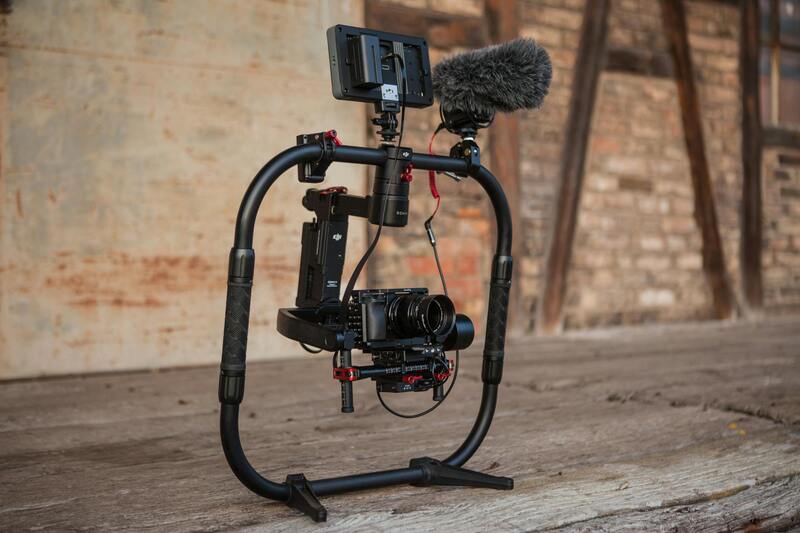
- Hardware: Tripods, leveling bases, and gimbal stabilizers assist in maintaining camera stability and alignment.
- Camera features: Built-in grid overlays, electronic level indicators, and histogram displays offer real-time feedback for even composition.
- Editing software: Applications like Adobe Lightroom, Photoshop, and mobile editing apps allow for exposure correction, perspective adjustments, and fine-tuning symmetry.
Challenges in Capturing Even Photos
Despite technological advancements, photographers may encounter various obstacles when striving for evenness, such as:
- Natural Lighting Variations: Fluctuations in sunlight, shadows, or reflections can create uneven lighting that is difficult to balance in a single shot.
- Environmental Clutter: Distracting background elements or textures can disrupt the visual harmony of an image.
- Alignment Difficulties: Achieving perfect symmetry, especially in handheld shots, requires patience and steadiness, often necessitating multiple attempts to perfect the shot.
- Post-Processing Limits: Over-editing to correct imbalance can lead to unnatural results or diminished image quality, underscoring the importance of capturing well-balanced photos initially.
- Perspective Distortion: Wide-angle lenses or improper camera positioning may introduce distortions, making it challenging to maintain flat, even compositions.
Best Practices for Producing Even Photos
Consistently capturing balanced images relies on employing proven techniques and maintaining a meticulous approach. Best practices include:
- Always utilize grid overlays and guides to keep elements aligned during framing.
- Control natural light sources whenever possible, using diffusers or reflectors to achieve even illumination.
- Secure the camera on a stable tripod and double-check leveling markings before shooting.
- Review histogram and live view feedback to identify exposure or alignment issues in real-time.
- Make incremental adjustments and take multiple shots to ensure the desired evenness is achieved.
- Apply targeted edits in post-processing, focusing on exposure, perspective correction, and symmetry enhancement without overdoing it.