
Overview of Event Filming Services
Event filming services encompass the professional capturing of various live occasions through high-quality video recording. These services are essential for documenting memorable moments at corporate gatherings, weddings, conferences, concerts, and community celebrations across Miami. As a hub of diverse cultural and business events, Miami demands reliable filming solutions that preserve the essence and energy of each occasion. Skilled event filming providers employ advanced equipment, meticulous planning, and expert techniques to ensure every important detail is recorded with clarity and precision. This not only creates lasting memories but also facilitates promotional opportunities, stakeholder engagement, and archival preservation. In an era where visual storytelling significantly enhances the impact of an event, professional filming services help organizations and individuals extend the reach and value of their gatherings. Additionally, with Miami's vibrant social scene and bustling corporate environment, there is a growing demand for high-definition, creatively captured footage that resonates beyond the immediate event day.
When selecting event filming services, businesses and individuals seek expertise that combines technical proficiency with artistic perspective. This ensures that the final product not only records what happened but also conveys the atmosphere and emotion of the event. Whether it’s a citywide festival or an intimate corporate meeting, proficient Miami-based filming teams adapt their approach to suit the venue, audience, and intended use of the footage. They are adept at managing complex logistics, coordinating with event organizers, and deploying state-of-the-art equipment to produce polished videos that meet professional standards. The importance of such services lies in their ability to transform fleeting moments into professional-grade visual assets that can be leveraged for marketing, archival, or personal purposes, reinforcing their pivotal role in Miami's dynamic event landscape.
Types of Events Suitable for Filming
Event filming services cater to a broad spectrum of occasions, each requiring tailored approaches to capture the unique essence of the event. Typical events that benefit from professional filming in Miami include:
- Corporate Events: Conferences, product launches, seminars, and award ceremonies that need comprehensive coverage for promotional and internal purposes.
- Weddings and Personal Celebrations: Capturing the emotional highlights and candid moments of wedding ceremonies, anniversaries, and milestone parties.
- Music and Entertainment Events: Concerts, festivals, theater performances, and public entertainment venues aiming for high-quality recordings for archival or promotional use.
- Community and Cultural Festivals: Parades, cultural exhibitions, and city-wide celebrations that showcase local traditions and community spirit.
- Educational and Religious Events: Graduation ceremonies, religious services, and academic conferences that demand clear and respectful documentation.
Each of these events benefits from the strategic planning and technical expertise of professional filming teams to ensure that the footage accurately reflects the event’s significance and atmosphere, providing enduring value long after the event concludes.
Key Equipment and Technologies Used in Event Filming
Modern event filming relies heavily on a combination of advanced equipment and innovative technology to ensure high-quality recordings that effectively capture the essence of each occasion. The selection of equipment directly influences the clarity, stability, and overall professional appearance of the footage. Typical tools employed include high-definition professional cameras capable of capturing detailed imagery in varying lighting conditions, ensuring clarity regardless of venue or time of day. These cameras often feature adjustable lenses to adapt to different scenes, whether close-up shots during a wedding or wide-angle views of a large conference hall.
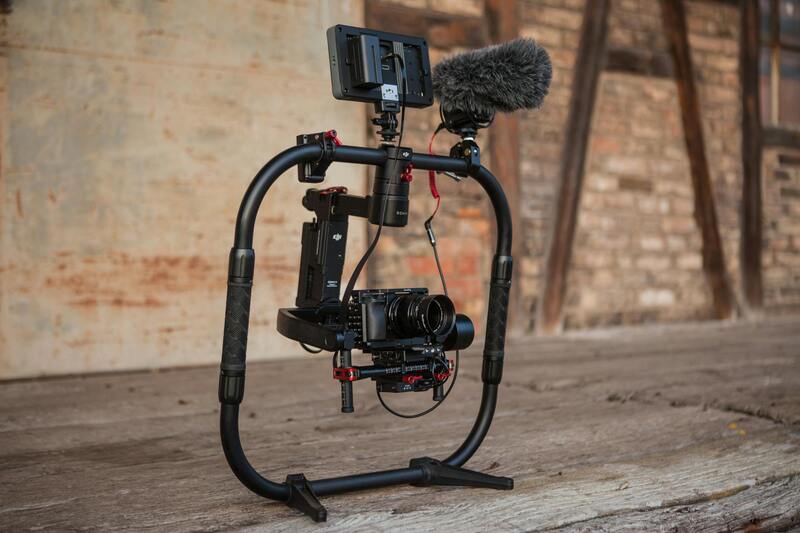
Stabilization remains crucial for smooth footage, which is achieved through the use of gimbals, steadicams, and tripod systems. These tools help reduce camera shake, a common challenge when filming dynamic or moving subjects. Additionally, high-quality audio equipment—such as directional microphones and wireless lapel microphones—ensures that sound clarity matches the visual quality, an essential aspect of impactful event recordings.
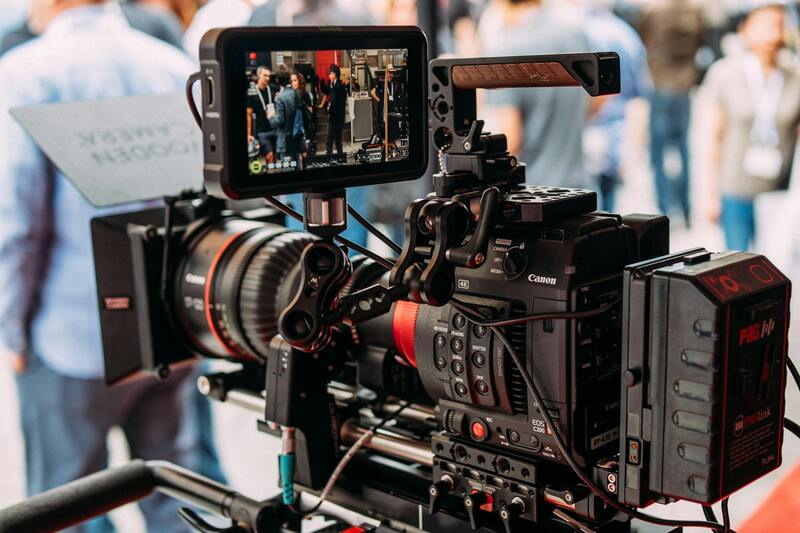
Technological advancements have also introduced remote control and robotic camera systems, which enable smooth capturing of angles inaccessible to traditional operators. Automated focus and exposure controls adapt the camera settings instantaneously to changing lighting or movement, improving the continuity and quality of the footage. Moreover, live streaming equipment allows real-time broadcasting of events, extending their reach beyond physical attendees and enhancing audience engagement.
Pre-Production Planning and Coordination
Thorough planning is central to successful event filming. Pre-production involves detailed discussions with clients to understand their objectives, identify key moments, and determine the desired style of footage. This phase includes site reconnaissance to assess lighting conditions, acoustics, and logistical considerations such as camera placement and access points. A comprehensive shot list is developed to ensure that essential moments are captured, while contingency plans address potential technical challenges or unforeseen circumstances.
Coordination with event organizers guarantees alignment with the venue’s schedule and requirements, minimizing interference and maximizing film quality. Clear communication about specific shots, special moments, or branding elements ensures that the final footage aligns precisely with the client's expectations.
On-Site Filming Techniques and Best Practices
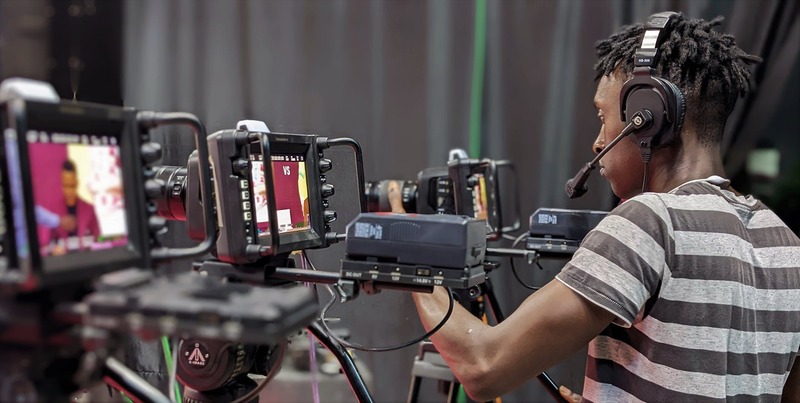
During the event, professional film crews utilize various techniques to optimize footage quality. Strategic positioning of cameras allows for capturing high-impact shots from different angles, creating a dynamic and engaging visual narrative. Multi-camera setups are common in larger events, enabling simultaneous recording of different perspectives—wide shots, close-ups, and audience reactions—providing a comprehensive coverage of the event.
Operational efficiency involves meticulous camera operation, smooth movement, and unobtrusive presence. Filmmakers often employ zoom techniques, dynamic panning, and focus adjustments to emphasize significant moments, maintaining a cinematic quality throughout. Proper lighting adjustment, even in challenging environments, ensures visibility without overexposure or shadows. Furthermore, capturing clear audio from multiple sources guarantees that speeches, performances, and interactions are conveyed authentically.
Post-Production and Delivery of Event Footage
After filming, the post-production phase transforms raw footage into a polished final product. Video editing involves cutting unnecessary segments, color correction to enhance visual consistency, and sound mixing to balance audio levels. Creative transitions, captions, and branding elements can be added to align the final video with the client's branding and messaging strategies.
Deliverables range from fully edited highlight reels to complete recordings of the entire event. High-resolution digital formats allow for easy sharing across various platforms, while archived copies provide a lasting record of the occasion. Many providers also offer additional services such as DVD/Blu-ray production or online streaming options, ensuring flexible access for clients and attendees.
Choosing a Miami Event Filming Service Provider
Selecting an experienced and reputable filming team is critical. Factors to consider include the provider’s portfolio, technical expertise, and familiarity with different event types. Proven experience in handling diverse environments—from indoor corporate spaces to outdoor festivals—reflects the team’s adaptability and professionalism. Reviews and references can provide insight into their reliability and quality standards.
Communication and transparency during the planning phase are essential to align expectations and specifications. A detailed quote, clear timeline, and understanding of deliverables contribute to a smooth collaboration and successful outcome.
Benefits of Professional Event Filming in Miami
Engaging professional filming services elevates the quality and impact of event coverage. High-production-value footage enhances promotional efforts, captures lasting memories, and provides valuable content for future marketing or archival purposes. Skilled crews adapt to the vibrant, energetic atmosphere of Miami's diverse event scene, ensuring each moment is documented with professionalism, creativity, and technical precision.
Key Equipment and Technologies Used
To ensure comprehensive and high-quality coverage of any event, professional filming teams rely on a robust array of equipment and advanced technologies. High-definition cameras are the cornerstone of effective event filming, providing crystal-clear visuals that capture every detail, from sweeping wide shots to intimate close-ups. These cameras often feature 4K or higher resolution capabilities, enabling versatile post-production options such as zooming without loss of quality and creating immersive viewing experiences.
Drone technology has revolutionized event coverage, especially for outdoor festivals, sports, or large-scale gatherings. Equipped with high-quality stabilization systems and 4K video capabilities, drones offer unique aerial perspectives that significantly enhance the visual storytelling of an event.
- Lighting Equipment: Proper lighting ensures that visuals are vibrant and clear, even in low-light conditions. Portable and adjustable LED lights provide flexible solutions tailored to indoor or outdoor settings.
- Audio Tools: Clear sound capture is vital for capturing speeches, performances, and ambient atmosphere. Lavalier microphones, shotgun mics, and professional audio recorders are commonly employed to deliver exceptional audio quality.
- Stabilizers and Gimbals: To achieve smooth footage during movement, stabilizers and gimbals are indispensable. They counteract camera shake and allow dynamic shooting without compromising footage stability.
- Live Streaming Technologies: For real-time broadcasting, reliable streaming setups are essential. This includes encoders, portable internet connections, and high-quality input sources to ensure seamless live coverage accessible to remote audiences.
Innovative technology integration allows for multi-angle shooting, quick adaptation to changing event dynamics, and superior post-production editing. As a result, every significant moment is preserved with precision and artistic flair, enabling clients to relive their event in stunning detail or extend its reach through digital channels.
Key Equipment and Technologies Used in Event Filming
To achieve high-quality footage that captures the essence and energy of various events, professional event filming services rely on a suite of advanced tools and cutting-edge technology. The array of equipment ensures every critical moment is documented with clarity, stability, and artistic finesse.
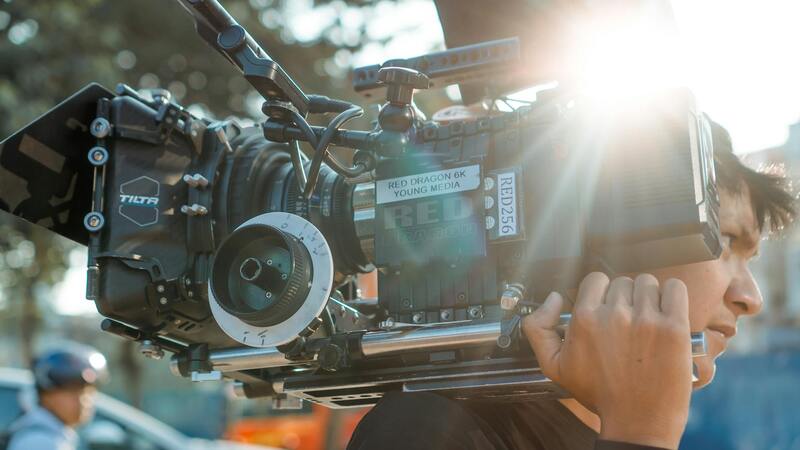
At the core are professional-grade cameras capable of filming in 4K resolutions, offering exceptional detail and color accuracy. These cameras are often paired with high-performance lenses tailored to suit indoor and outdoor lighting conditions and specific event types. Tripods and monopods provide stability for static shots, while shoulder rigs and handheld stabilizers enable versatile movement while maintaining smooth footage.
Image stabilization technology, including gimbals and Steadicams, plays a pivotal role in ensuring footage remains steady even when capturing live, moving scenes. Drones equipped with high-definition cameras provide aerial perspectives, adding a cinematic dimension to event coverage, whether for large conferences, outdoor festivals, or sports games.
Lighting equipment also significantly enhances the visual quality. Portable LED panels, studio lights, and diffusion filters are used to ensure subjects are well-lit regardless of ambient conditions. This is particularly useful in low-light venues or nighttime outdoor settings where proper lighting can make the difference between a blurry, unusable shot and a stunning visual story.
Capturing high-quality audio is equally vital. Lavalier microphones are discreetly clipped onto speakers or performers to capture clear speech, while shotgun microphones are used to focus on specific audio sources from a distance. Wireless audio transmitters and external recorders further improve sound fidelity and prevent issues with interference or background noise.
Live streaming capabilities have become integral to modern event filming. High-quality encoders, portable internet solutions, and multiple camera feeds facilitate seamless broadcasting that can reach digital audiences in real time. These systems enable event organizers to expand their reach beyond the physical venue, providing remote viewers with an immersive experience.
In addition, sophisticated editing tools and software are utilized during post-production to enhance footage, synchronize audio, apply color correction, and create captivating final videos. Multi-angle shooting setups allow editors to craft dynamic edits that highlight the most compelling moments, providing clients with a polished, professional product.
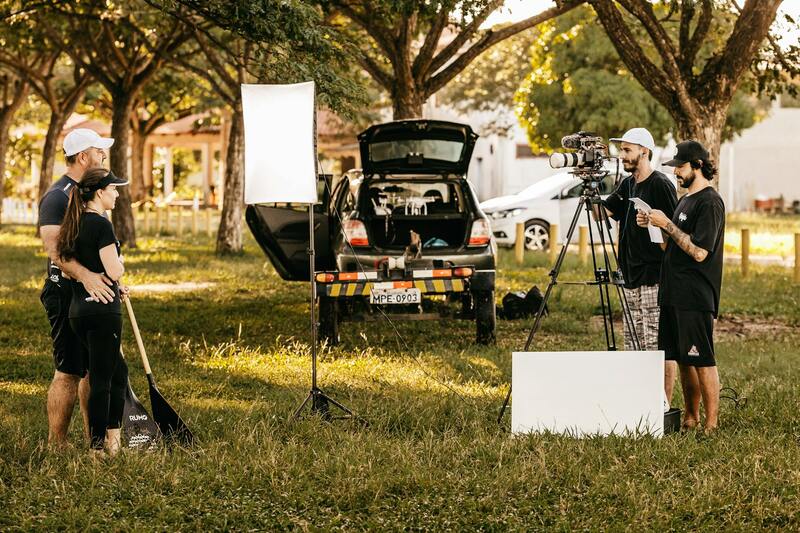
Adopting innovative technology such as multi-camera setups, 360-degree filming, and virtual reality integrations offers an entirely new dimension to event documentation, ensuring clients receive immersive and memorable visual stories that resonate long after the event concludes.
Advanced Filming Techniques to Maximize Event Coverage
Achieving exceptional event footage requires more than merely recording. Skilled event filming services employ a variety of advanced techniques to ensure that every significant moment is captured with clarity, dynamism, and story-telling precision. The strategic use of multiple camera angles allows for comprehensive coverage, capturing the event's atmosphere from different perspectives. Such setups enable editors to craft engaging narratives that highlight the energy and emotion of the occasion.
In addition to multi-camera configurations, techniques such as slow-motion capture are used to emphasize impactful moments, such as award presentations, dance performances, or keynote speeches. These sequences add a cinematic quality that elevates the final product, making it more captivating for viewers. High frame rate recording is especially beneficial in these scenarios, providing the flexibility to slow footage down without sacrificing image quality.
To accommodate the dynamic nature of live events, professional crews often utilize camera stabilization tools like gimbals and Steadicams. These devices eliminate shake and jitter, ensuring smooth footage even when filming while moving. This is crucial during moments of high activity, such as processions, crowd interactions, or outdoor events with limited space for tripod use.
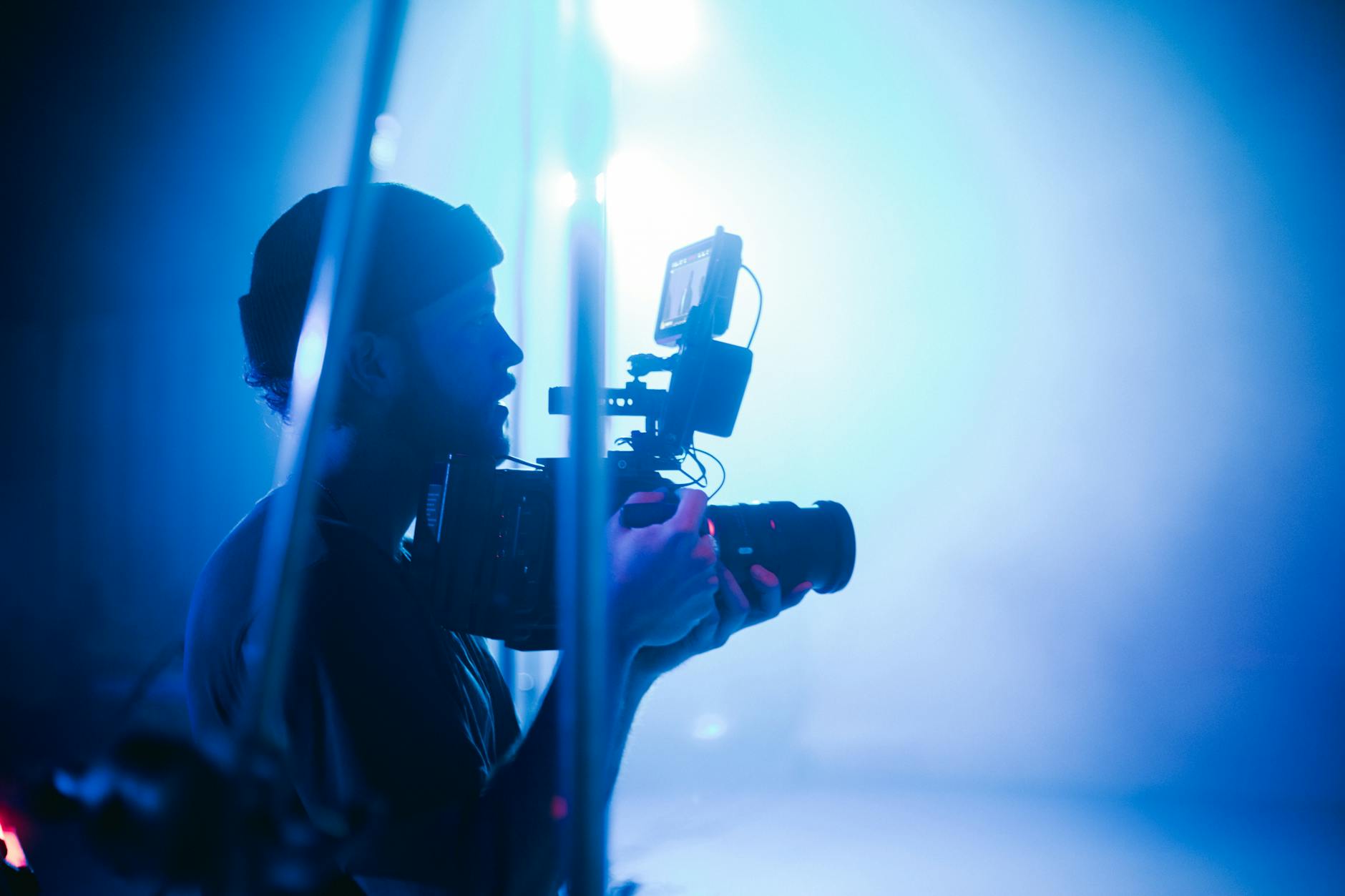
Another vital aspect involves adapting camera settings to changing lighting conditions. Event environments often feature fluctuating light levels, requiring the use of professional-grade cameras with high ISO capabilities and adaptive exposure controls. This ensures footage remains clear and well-exposed throughout the event, regardless of indoor or outdoor settings.
Sound quality is equally crucial, with audio gear such as shotgun microphones, wireless microphones, and external recorders used to gather crisp, interference-free sound. Combining audio with high-quality visuals creates a comprehensive and immersive experience for viewers.
Strategies for Capturing the Essence of Live Events
- Pre-Event Preparation: Conduct thorough site surveys and establish shot lists to anticipate key moments and optimal camera placements.
- Dynamic Camera Work: Use a mix of fixed, handheld, and aerial shots to convey the event's scale and intimacy.
- Real-Time Monitoring: Maintain constant communication between camera operators and directors to adjust shots as the event unfolds seamlessly.
- Adaptability: Be prepared to modify filming plans in response to unpredictable situations or spontaneous highlights.
- Audio Precision: Position microphones strategically and monitor audio feed to ensure clarity, minimizing background noise or interference.
Implementing these practices enhances the quality and impact of the final footage, delivering a professional product that faithfully captures the essence of any event.
Pre-Production Planning and Coordination
Meticulous pre-production planning forms the foundation of successful event filming. It involves detailed coordination between the client, videographers, and production staff to understand the event’s objectives, target audience, and key moments to highlight. This process begins with comprehensive consultations where expectations are aligned, and specific requirements are established. Developing a detailed shot list ensures that essential segments receive focused attention, reducing the risk of missing critical moments during the live event.
Site surveys are an integral component of pre-production, allowing the filming team to assess the environment, lighting conditions, acoustics, and access points. This information facilitates strategic placement of cameras and equipment, optimizing coverage while minimizing logistical hurdles. Creating a shooting schedule helps coordinate multiple filming angles, ensuring that all crucial moments are captured from various perspectives.
Logistical coordination extends to securing necessary permits and access permissions, especially for events held in restricted or private locations. This ensures smooth operations on the day of filming, avoiding unnecessary delays. Effective communication channels must be established for real-time updates and adjustments, allowing the team to respond promptly to any unexpected changes.
Technical preparation involves testing gear and backup systems to prevent disruptions. Backup batteries, memory cards, and additional equipment are kept on hand to address any technical failures swiftly. Additionally, establishing appropriate power sources and ensuring all equipment complies with venue regulations is vital for seamless operation.
Thorough pre-event planning not only enhances the quality of captured footage but also streamlines on-site operations. When the filming team is well-prepared and synchronized, the event's essence can be authentically preserved and showcased in high-definition visual storytelling.
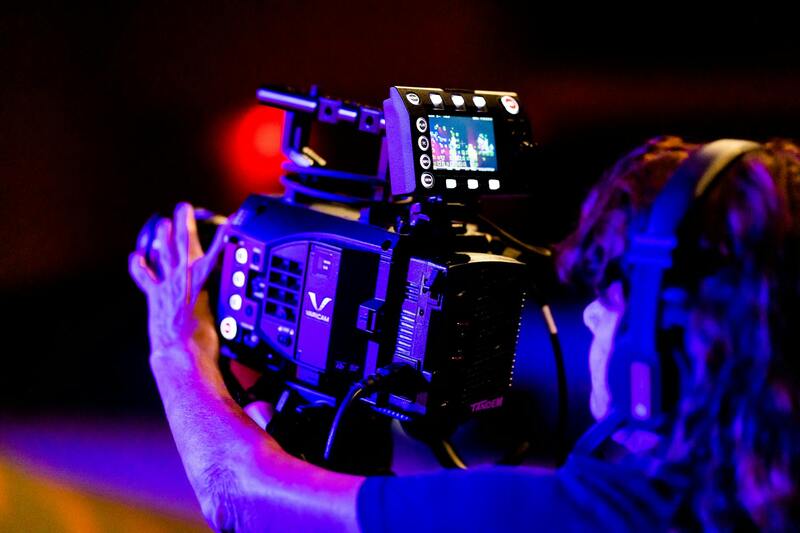
On-Site Filming Techniques and Best Practices
Executing high-quality event filming requires more than just setting up cameras and pressing record. It involves a combination of strategic positioning, technical expertise, and adaptive techniques to capture every key moment seamlessly. Professional filming crews prioritize understanding the event's flow, identifying pivotal moments, and adjusting their strategies in real-time to ensure no significant detail is missed.
Optimal camera placement is fundamental. Filmmakers analyze the venue environment, lighting conditions, acoustics, and access points beforehand. This preparation helps in deploying cameras at vantage points that maximize coverage while respecting the event's flow and guest experience. Utilizing multiple camera angles allows for dynamic editing later, providing viewers with a comprehensive perspective and maintaining visual interest throughout the footage.
Operational agility on-site is crucial. Filming teams must adapt to unforeseen changes such as last-minute schedule shifts or venue restrictions. Employing wireless equipment facilitates mobility, allowing cameras to follow speakers or performers smoothly. Remote camera control systems enable operators to adjust zoom, focus, and angles swiftly, ensuring consistent coverage without disrupting the event flow.
Lighting management is another critical aspect. While many venues feature integrated lighting, supplementary lighting may be necessary to highlight speakers, performers, or key areas, especially in dimly lit settings. Filming teams are trained to optimize available lighting and employ portable lighting solutions that enhance image clarity without overwhelming the scene.
Sound acquisition is equally vital. High-quality microphones, including lavalier mics for speakers and shotgun mics for ambient sound, are strategically placed to capture clear audio. Sound checks are performed beforehand to identify and mitigate potential issues related to acoustics or background noise. On-site technicians monitor audio levels continuously, adjusting as needed during the event.
Effective communication with event organizers, performers, and venue staff is essential for coordinated filming. Establishing clear protocols, such as designated signal systems or communication devices, ensures everyone is informed about timing, shot requirements, and dynamic changes during the event. This coordination helps in minimizing disruptions and maintaining seamless footage collection.
Furthermore, adherence to safety standards and event protocols ensures the filming process does not interfere with the event's operation. Crew members are trained to be discreet and respectful of guests, ensuring the filming atmosphere remains professional and unobtrusive.
Post-Production and Delivery of Event Footage
The journey from raw footage to a polished video involves meticulous editing, color correction, sound mixing, and often graphics integration to capture the event's essence accurately. Skilled editors review all recordings to select the most impactful shots, ensuring key moments are highlighted and the narrative flows smoothly.
Color grading enhances the visual appeal, making scenes more vibrant or maintaining consistency across different footage sources. Audio tracks are cleaned and balanced to produce clear, professional sound quality. Incorporating titles, captions, and transition effects adds to the video's overall presentation, aligning with the event's tone and branding requirements.
Delivery formats are tailored to meet the client's needs, whether for online streaming, social media, or physical media distribution. Timely delivery ensures clients can utilize the footage for promotional purposes, post-event highlights, or archival records. Secure digital transfer methods are preferred to maintain confidentiality and integrity of the footage during delivery.
High-resolution, professionally edited event videos are invaluable assets for capturing memorable moments, engaging audiences, and enhancing brand presence. The post-production process reflects the dedicated effort to produce media that aligns with the event’s significance and the client’s expectations.
Comprehensive Post-Production and Delivery of Event Footage
After capturing the event through expert filming, the journey continues into the critical phase of post-production. This stage transforms raw footage into a compelling narrative that accurately reflects the event's significance. Skilled editors meticulously review all recordings, selecting the most impactful shots that highlight pivotal moments while maintaining a cohesive flow. This careful curation ensures that the final product is both engaging and representative of the event's atmosphere.
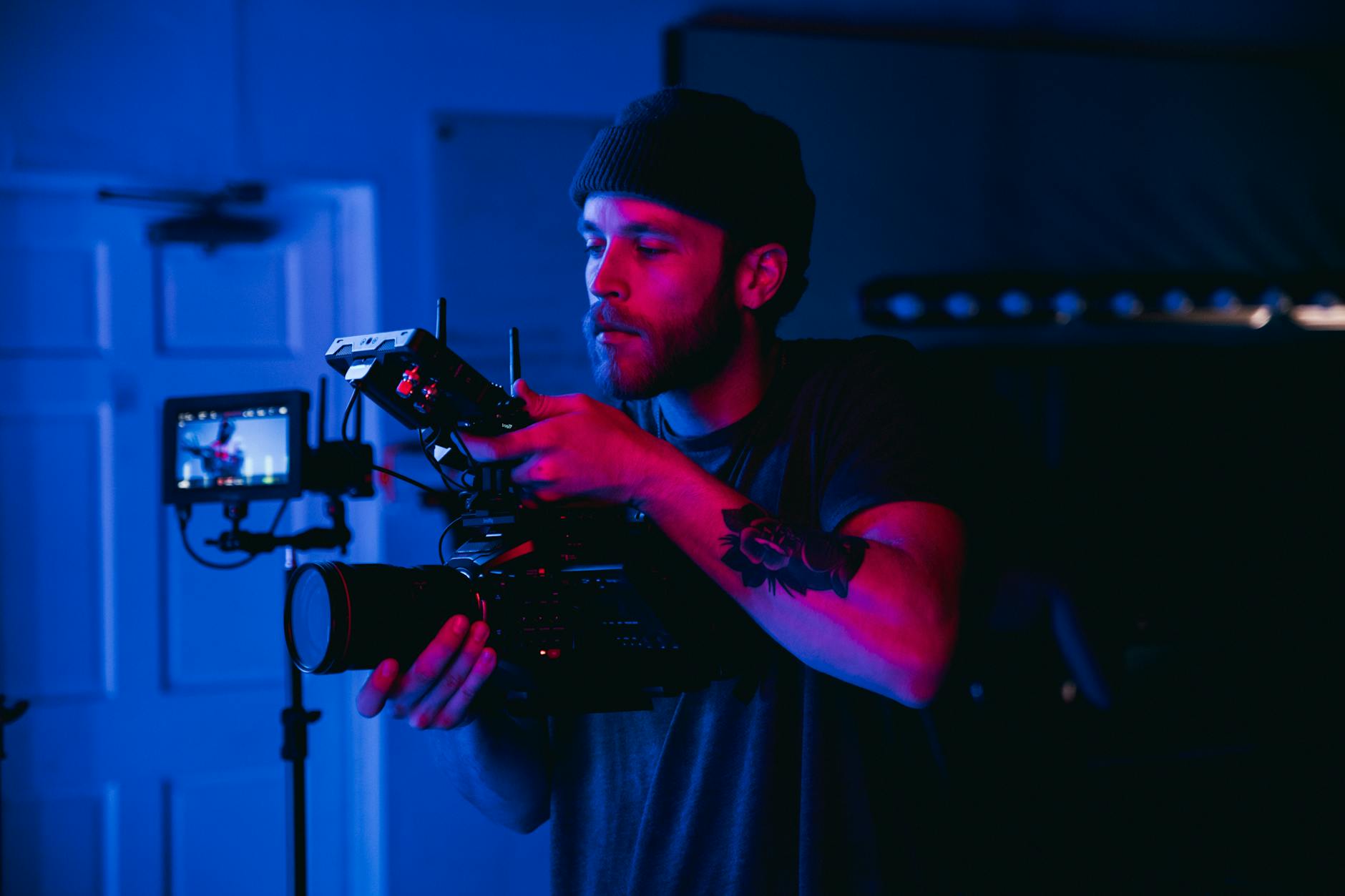
Color grading plays an essential role in enhancing visual appeal. It involves adjusting the hues, brightness, and contrast to make scenes more vibrant or to establish a consistent look throughout the video, especially when footage comes from different sources. This process not only enhances aesthetics but also ensures that the viewer’s experience remains seamless and immersive.
Audio editing is equally crucial. Background noise is minimized, and dialogue, music, and other sound elements are balanced to achieve clarity. Soundtracks and voiceovers are added to enrich the narrative, providing emotional depth and context. Incorporating titles, lower thirds, and captions adds professionalism, guiding viewers through the content and emphasizing important details.
Transition effects, graphics, and visual elements are integrated to create a dynamic viewing experience that aligns with the event’s branding and tone. The editing process is highly collaborative, often involving feedback to ensure the final cut meets client expectations and captures the event’s essence authentically.
Once the editing is finalized, the content is prepared for delivery in various formats tailored to specific uses. Whether for online streaming platforms, social media coverage, or physical media releases, the formats are optimized for quality and accessibility. Delivery methods prioritize security, utilizing encrypted digital transfers to maintain the footage's confidentiality and integrity during transit.
The Impact of Professional Event Filming on Miami's Business and Cultural Landscape
High-quality, professionally produced event videos serve as lasting documentation of significant moments. They act as powerful marketing tools, enabling organizations to extend their reach and engage wider audiences. Such recordings can be repurposed for promotional campaigns, post-event highlights, or archival purposes, reinforcing brand presence and community engagement.
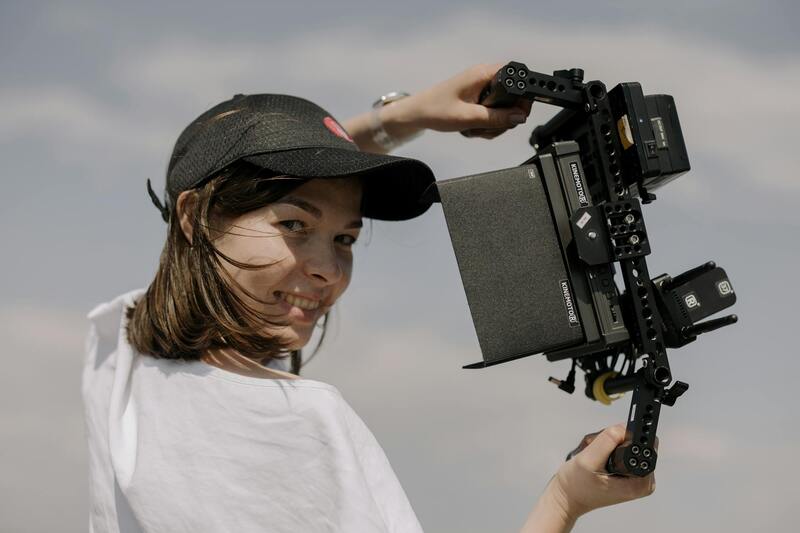
In Miami's vibrant environment, savvy event organizers recognize the value of professional filming in elevating their profile. Well-crafted videos foster long-term engagement, enhance credibility, and provide stakeholders with a tangible reminder of successful gatherings, fostering connections and strategic growth.