
Understanding the Role of an Event Photographer
Event photographers play a crucial role in capturing the essence and emotion of various gatherings, from corporate events and weddings to birthday parties and conferences. Their primary responsibility is to document moments that resonate with significance, ensuring these memories are preserved for years to come. An event photographer must possess a keen eye for detail, a swift reflex to seize candid moments, and the technical skill to handle diverse lighting conditions and environments. They are not just picture takers; they are storytellers who translate fleeting moments into timeless images.
During an event, a professional photographer meticulously plans their approach, often working closely with clients beforehand to understand key moments, the style of photography desired, and any specific needs or requests. They use high-quality equipment, including fast lenses and multiple camera bodies, to adapt to changing lighting and action. Their role extends beyond simply taking photos — they also manage composition, framing, and timing to produce compelling images that truly represent the emotion and energy of the occasion.
In addition to capturing posed shots, an event photographer specializes in candid photography, which often reveals the genuine interactions and unguarded expressions of attendees. Their ability to blend into the background while still capturing authentic moments is vital for creating a natural and lively visual narrative. Post-event, professional photographers handle editing and retouching, delivering polished images that meet the expectations set at the planning stage.
Overall, an event photographer's work is integral to the success of any gathering—they ensure that memories are preserved with clarity, vibrancy, and storytelling finesse. Whether it’s a large corporate celebration or an intimate private gathering, their skill set and artistry transform ephemeral moments into enduring visual impressions.
Legal and Contract Considerations
When engaging with an event photographer near you, establishing clear contractual agreements is a fundamental step. These agreements serve to outline the scope of work, deliverables, timelines, and payment terms, ensuring that both parties are aligned and protected. A well-structured contract typically includes details such as the date and location of the event, specific moments or moments to be captured, and the rights to the images post-event.
It's also important to specify the number of edited images you can expect, the format in which they will be delivered, and any additional services such as prints or albums. Clear communication about usage rights prevents misunderstandings regarding how the images can be used, whether for personal keepsakes or commercial purposes.
Reputable photographers often provide a detailed service agreement that covers these aspects and clarifies the photographer’s policies on unforeseen circumstances, such as rescheduling due to weather or emergencies. Confirming cancellation and refund policies at this stage avoids potential conflicts later.
Additionally, an official contract will cover copyright ownership and licensing rights. Typically, photographers retain the rights to the original images, offering clients licenses to use the photographs for personal purposes. Clarifying this relationship early on ensures legal clarity and secures personal or commercial use rights according to your needs.
For most clients, requesting a written agreement underscores the professionalism of the photographer and helps foster mutual understanding. It also provides a point of reference should issues arise after the event. When working with a local event photographer, verifying that they provide comprehensive and transparent contracts is crucial to a smooth collaboration.
Key Factors When Choosing an Event Photographer Near Me
When selecting an event photographer locally, several critical factors ensure you secure a professional who aligns with your requirements and provides high-quality images. One of the primary considerations is experience, particularly with the specific type of event you are hosting, such as weddings, corporate gatherings, or birthday celebrations. An experienced photographer possesses the skills to capture candid moments and orchestrate group shots effectively, ensuring comprehensive coverage of the event.
Another essential aspect is the portfolio of the photographer. Reviewing their previous work provides insight into their style, consistency, and technical competency. It’s vital to find a photographer whose aesthetic matches your vision, whether that’s classic, candid, documentary, or a creative approach.
Location proximity plays a significant role in the selection process. Choosing a photographer near your event venue can facilitate easier logistics and more flexible scheduling, especially in the event of any unforeseen adjustments. Local photographers often have established relationships with venues and vendors, providing added convenience and familiarity with the environment.
Professionalism and communication are fundamental. Reliable photographers demonstrate promptness, clarity in their responses, and a comprehensive approach to client engagement. An initial consultation should cover expectations, style preferences, deliverables, and timelines, ensuring transparency and alignment.
Finally, reviewing testimonials and client feedback can reveal the photographer’s reputation and reliability. Consistent positive reviews highlighting professionalism, punctuality, and quality of work are strong indicators of a reputable local provider. Engaging with verified reviews from previous clients offers a realistic expectation of what to anticipate from your potential photographer.
Legal and Contract Considerations
When engaging with an event photographer near you, establishing clear legal and contractual agreements is essential to protect both parties and ensure smooth collaboration. While the legal framework may vary depending on the location, certain core elements should always be addressed to avoid misunderstandings and ensure mutual satisfaction.
First and foremost, a comprehensive contract should outline the scope of work, including specific details about the event date, duration, and location. Clarifying the extent of coverage—whether it’s a few hours or an entire day—helps set clear expectations and prevents scope creep.
Payment terms are another critical component. The agreement should specify the total fee, deposits required upfront, payment schedule, and any additional costs that could arise, such as travel or special equipment fees. Transparency in pricing fosters trust and allows both parties to plan accordingly.
Delivery timelines are also vital. The contract should specify when the client can expect to receive the edited images or final products. This guarantees alignment on post-event processing times and prevents misunderstandings that could lead to delays or dissatisfaction.
Image rights and usage permissions must be clearly defined. Clients should understand whether they are obtaining full rights to use the photographs for personal or commercial purposes, and if the photographer retains any rights for promotional use or portfolio display. This clarity ensures legal compliance and respects intellectual property rights.
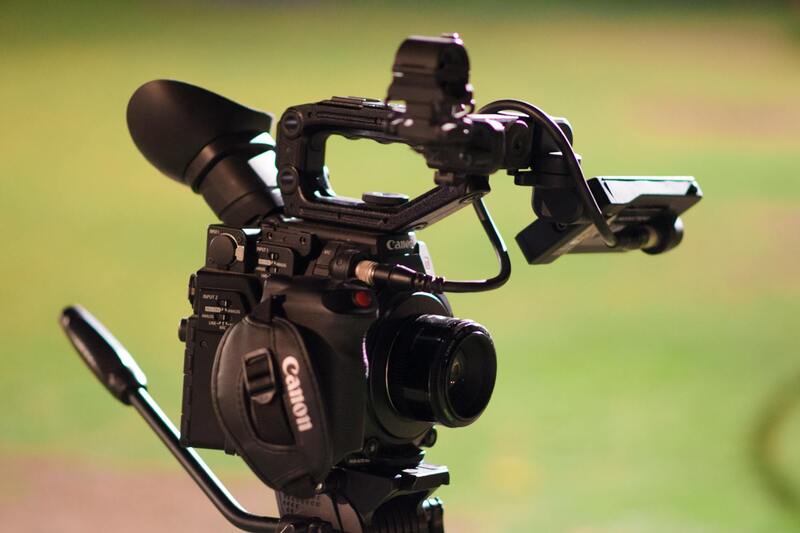
Finally, having a written agreement reduces ambiguities and provides legal recourse if either party fails to fulfill their obligations. It’s advisable to review the contract thoroughly, ask questions about any unclear terms, and consider consulting with a legal professional if needed, to secure a mutually beneficial arrangement that prioritizes transparency and professionalism.
Understanding the Role of an Event Photographer
An event photographer specializes in capturing pivotal moments during various gatherings, from corporate functions and weddings to community celebrations and personal milestones. Their expertise lies in translating fleeting expressions, candid interactions, and significant details into timeless visual narratives. Unlike general photographers, event specialists possess a keen understanding of timing, lighting, and atmosphere, allowing them to adapt quickly to dynamic environments and unpredictable conditions.
Event photographers are skilled in both candid and posed photography, ensuring that the essence of the event is preserved while also providing formal portraits when needed. They often work closely with clients to understand the key moments or individuals to focus on, and they are equipped with professional-grade equipment to handle different lighting scenarios, from dimly lit banquet halls to outdoor festivities in bright sunlight.
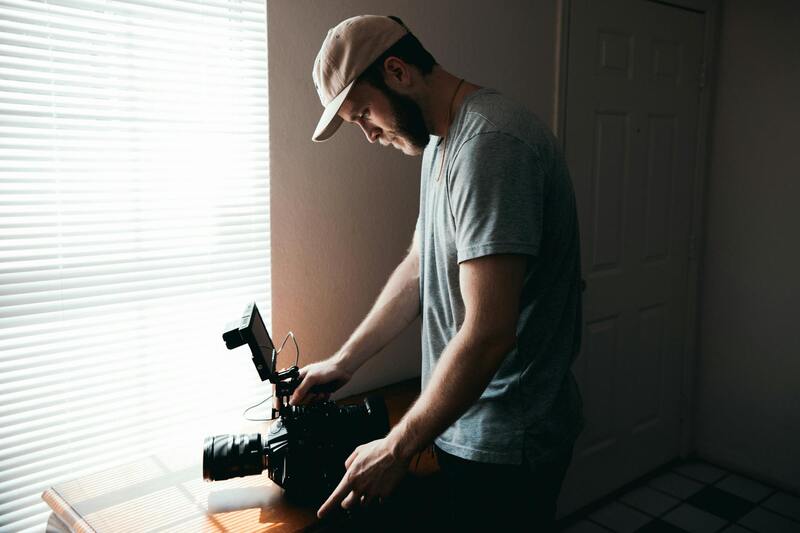
Their role extends beyond just taking pictures; effective event photographers also pay attention to composition, storytelling, and capturing candid moments that might otherwise go unnoticed. Post-event, they provide high-quality images suitable for printing, social media, or promotional materials, often offering editing and retouching services to enhance final deliverables.
Key Responsibilities of an Event Photographer
- Preparing and customizing equipment based on event type and environment
- Coordinate with event organizers to understand key moments and schedules
- Capturing moments discreetly and unobtrusively to preserve natural interactions
- Providing lighting solutions in challenging settings
- Edit and deliver images within specified turnaround times
- Ensuring comprehensive coverage of the event from start to finish
Every successful coverage hinges on the photographer's ability to blend professionalism with creativity, ensuring clients receive visually compelling documentation of their special occasions.
Illustrating the Impact of Professional Photography
High-quality event photography not only preserves memories but also plays a pivotal role in personal and professional branding. Carefully curated images shared across platforms can elevate recognition, foster connections, and generate lasting impressions. For corporate events, images are often used in marketing campaigns, annual reports, and press releases, underscoring the importance of selecting a photographer with a strong portfolio and a clear understanding of your objectives.
Legal and Contract Considerations
Establishing Clear Agreements
When engaging an event photographer near you, it is essential to establish a comprehensive agreement that outlines all service details. A well-drafted contract serves to clarify expectations, specify deliverables, and protect both parties involved. This includes defining the scope of coverage, number of edited images, delivery timelines, and usage rights.
Providers like Miami Video Company emphasize the importance of formalizing these aspects before the event. Such agreements minimize misunderstandings and provide a reference point should disputes arise regarding the scope or quality of services promised.
Key Contract Components
- Service Scope: Description of what the photographer will cover, including candid shots, posed portraits, and specific moments of importance.
- Deliverables: Details on the number of images, formats, and whether post-processing, retouching, or album creation is included.
- Timeline: Clear deadlines for image delivery, ensuring timely access for event organizers or clients.
- Payment Terms: Payment schedule, deposit requirements, and cancellation policies to clarify financial commitments.
- Usage Rights and Licensing: Explicit rights granted for personal or commercial use, restrictions, and intellectual property considerations.
- Liability and Responsibility: Clarification on the photographer's responsibilities and limitations, including unforeseen circumstances or equipment failure.
Negotiating and Finalizing Terms
It is advisable to review the contract carefully, ask questions about anything unclear, and ensure the agreement aligns with your specific needs. Negotiations should be conducted transparently, focusing on securing value and professionalism. Once both parties agree, signing a formal contract solidifies the commitment and sets a professional tone for the event.
Insurance and Permits
In addition to contractual agreements, verify that your event photographer near me maintains appropriate liability insurance, which can protect against unexpected damages or accidents. Depending on the event location, permits or specific authorizations might be necessary to capture images legally, especially in public or restricted areas.
Understanding the Role of an Event Photographer
Event photographers serve as visual storytellers, capturing the essence and emotions of special moments during gatherings, celebrations, corporate events, and social functions. Their primary responsibility is to provide high-quality images that reflect the atmosphere, interactions, and details that make each event unique. This involves not only technical skill in composition, lighting, and focus but also an innate ability to anticipate candid moments and direct subjects when necessary. By doing so, they ensure no significant moment goes unnoticed, creating a comprehensive visual account that clients can cherish for years to come.
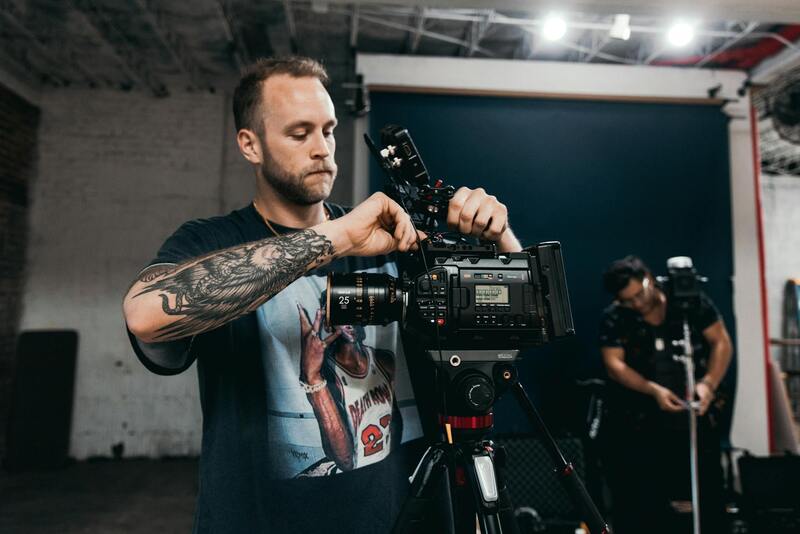
In addition to taking photographs, professional event photographers often provide supplementary services such as on-site printing, instant sharing, or creating customized photo albums. Their work requires a combination of artistic talent and technical proficiency, including mastering different camera settings, post-processing skills, and understanding event logistics to be in the right place at the right time. Reliability, punctuality, and professionalism are essential traits for any photographer working in dynamic event environments. When choosing an event photographer, clients seek someone who can blend seamlessly into the event, ensuring minimal disruption while delivering exceptional images that meet the occasion’s specific needs.
Key Factors When Choosing an Event Photographer Near Me
- Experience and Portfolio: Review the photographer’s previous work related to your event type. A diverse and extensive portfolio indicates versatility and expertise.
- Specialization: Some photographers focus on certain events such as weddings, corporate functions, or parties. Selecting someone with relevant specialization ensures they understand the nuances and important moments of your event.
- Availability and Accessibility: Confirm the photographer’s availability during your event date and their proximity for easier communication and quick on-site adjustments.
- Equipment and Backup Plans: Quality equipment and contingency plans for technical issues are vital for capturing high-quality images regardless of circumstances.
- References and Reviews: Seek feedback from previous clients or read online reviews to gauge professionalism and client satisfaction.
- Pricing and Packages: Ensure transparency in pricing structures and what is included to avoid unexpected costs post-event.
How to Find Reliable Event Photographers in Miami
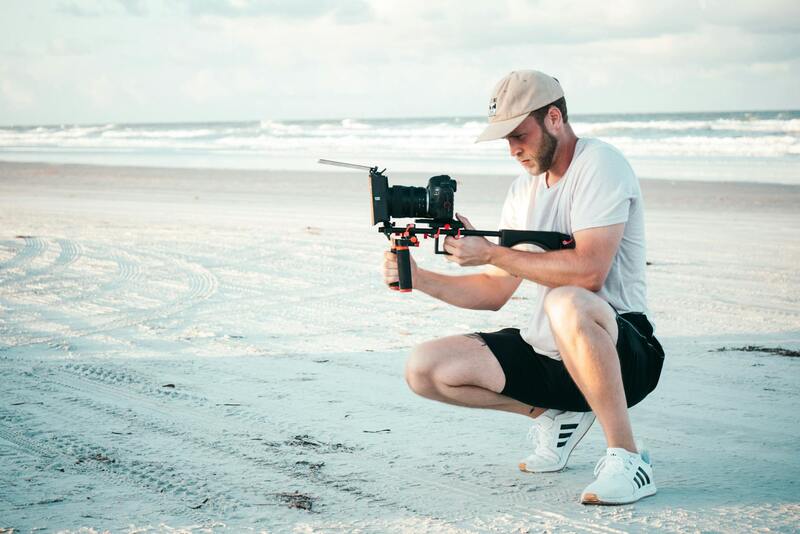
Miami offers a vibrant pool of professional photographers equipped to handle a wide range of events. Finding a dependable local photographer involves a combination of research and direct communication. Begin by searching for professionals with extensive portfolios showcasing their work in similar events. Use local directories, social media platforms, and event planning networks to identify reputable candidates. Visiting photographers’ websites or social media profiles can provide insight into their style, pricing, and client feedback.
Networking with local event planners and vendors is also an effective way to get recommendations. Attend industry events or seminars where professional photographers might showcase their services. It’s equally important to ensure the photographer’s style aligns with your vision, whether it’s candid, documentary, traditional, or a mix of styles. Once you’ve narrowed down potential candidates, arrange a consultation to discuss your needs, confirm availability, and evaluate their professionalism. This direct engagement helps establish trust and ensures clear communication, which is essential for capturing the true spirit of your event.
Questions to Ask Before Hiring an Event Photographer
- Can I see your portfolio relevant to my event type? Review their previous work to assess if their style matches your expectations.
- What packages and pricing structures do you offer? Clarify what is included in each package, such as hours, number of images, retouching, albums, or prints.
- What is your availability on my event date? Ensure they are free and can dedicate adequate time during your event.
- How long will it take to receive the images after the event? Be clear on timelines for delivery of proofs, edited images, and albums.
- Will you accommodate specific requests or shots? Communicate any special moments or group shots you want captured.
- Do you have liability insurance and necessary permits? Confirm that their insurance covers potential damages or accidents, and that they have permissions to shoot at your venue.
- What is your backup plan in case of equipment failure? Understand how they handle unforeseen technical issues or emergencies.
Benefits of Hiring a Local Event Photographer in Miami
Engaging a local photographer in Miami offers several advantages that can enhance the quality and convenience of your event documentation. Local professionals are familiar with the area's popular venues, lighting conditions, and logistical considerations, allowing them to anticipate and adapt quickly to various scenarios. They often have established relationships with venue staff and vendors, facilitating smoother coordination for event timing and access.
Furthermore, local photographers tend to offer more flexible scheduling options, readily available for consultations or last-minute adjustments. Their familiarity with climate conditions and typical event flow helps in planning shoot sequences effectively. Additionally, their proximity often translates into more affordable rates compared to out-of-town counterparts, with reduced travel expenses and better availability.
Choosing a Miami-based photographer also ensures that your images capture the authentic local ambiance, color palette, and culture, adding a personalized touch to your visual record. This localized expertise contributes significantly to capturing the true spirit of your Miami event, resulting in more vibrant, genuine photographs that resonate with your memories.
Understanding the Role of an Event Photographer
An event photographer serves as a chronicler of memorable moments, capturing the essence and emotion of various occasions such as weddings, corporate gatherings, parties, and community events. Their primary role is to photograph candid interactions, formal portraits, and pivotal moments, ensuring that every significant detail is preserved with authenticity and artistry. A skilled event photographer combines technical expertise with creative vision, making adjustments to lighting, angles, and composition on the fly to produce compelling images. Their ability to adapt swiftly to changing environments and unpredictable schedules distinguishes them from other types of photographers. In addition to capturing images during the event, professionals also handle post-production editing, selecting the best shots, retouching where necessary, and preparing the photographs for delivery in various formats. Their work extends beyond mere documentation; they craft visual stories that convey the atmosphere, mood, and spirit of the event, allowing clients to relive their special moments through high-quality imagery.
Key Factors When Choosing an Event Photographer Near Me
- Experience and Portfolio: Review their past work to ensure their style aligns with your vision. Experienced photographers will demonstrate versatility across different event types and lighting conditions.
- Technical Skills: Proficiency in camera operation, lighting, and editing techniques is vital for producing polished images.
- Availability and Flexibility: Confirm their availability on your event date and ability to accommodate any last-minute changes or special requests.
- Communication: Select a photographer who communicates clearly, understands your needs, and offers professional advice tailored to your event.
- Reviews and References: Seek feedback from previous clients to gauge their reliability, professionalism, and the overall quality of their work.
- Pricing Structure: Understand their packages, rates, and what’s included to prevent surprises and ensure alignment with your budget.
How to Find Reliable Event Photographers in Miami
Locating dependable event photographers in Miami requires a systematic approach that emphasizes credibility, professionalism, and local expertise. Start by conducting online searches with specific keywords, such as “event photographer near me,” to filter options within your vicinity. Review their official websites and portfolios to assess the quality of their work and their specialization in the type of event you’re planning. Utilize social media platforms and photography directories dedicated to Miami-based professionals, noting those with active profiles, positive client interactions, and testimonials highlighting consistent satisfaction. Attending local wedding expos or industry networking events can provide firsthand opportunities to meet photographers, view their portfolios, and discuss their services in person. Additionally, seek recommendations from friends, family, or event planners familiar with Miami’s scene. Gathering multiple bids and comparing what each photographer offers helps in making an informed decision. Prioritize professionals who demonstrate familiarity with Miami’s venues, lighting conditions, and cultural nuances, ensuring personalized and high-quality results.
Questions to Ask Before Hiring an Event Photographer
- Can I see a comprehensive portfolio of your recent work? Are there styles you specialize in?
- What packages do you offer, and what is included in each?
- How do you handle challenging lighting situations or unpredictable weather conditions?
- What is your process for post-event editing and delivery timeline?
- Do you work with assistants or second shooters for larger events?
- What equipment do you use, and do you have backup gear available?
- What are your policies regarding deposits, cancellations, and refunds?
- Can you accommodate specific requests, such as candid shots or themed shoots?
- How do you ensure the privacy and rights to the images captured?
Benefits of Hiring a Local Event Photographer in Miami
Engaging a local Miami-based photographer offers distinct advantages that contribute to more authentic and seamless event coverage. Local professionals are deeply familiar with Miami’s popular venues, outdoor spaces, and unique lighting conditions, enabling them to plan shots effectively and adapt quickly to environmental factors. This familiarity often results in fewer logistical challenges and more natural, captivating images. Furthermore, local photographers tend to be more accessible for pre-event consultations, making it easier to discuss vision, logistics, and specific requirements. Their understanding of Miami’s climate and event flow allows for better planning, ensuring that the most crucial moments are captured without undue stress or last-minute adjustments. Proximity also translates into cost savings; travel expenses are minimized, and photographers are usually more available on short notice. Since they operate within the same geographic area, they often have established relationships with local vendors and venues, further streamlining the coordination process. Additionally, choosing a Miami-based photographer helps preserve the local culture and ambiance in your photographs, creating a richer and more personalized visual story of your event.
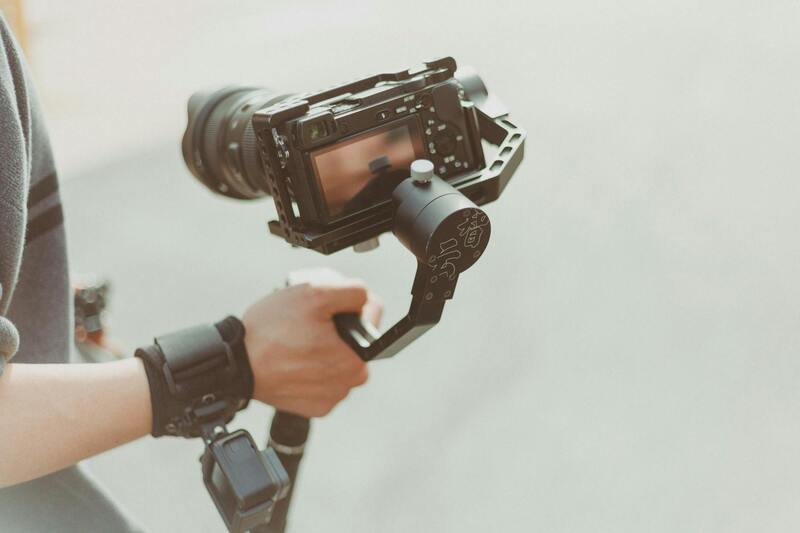
Pricing and Packages for Event Photography in Miami
Understanding the pricing structure for event photography in Miami is crucial for budgeting and ensuring you receive value for your investment. Photographers typically offer a range of packages that vary based on factors such as duration, number of photographers involved, post-processing services, and delivery formats. Basic packages often cover a set number of hours, with a certain number of edited images provided via digital download. More comprehensive plans may include an initial consultation, multiple shooting locations, engagement or portrait sessions, albums, printed enlargements, or photo booth services. It’s important to clarify what is included in the package—such as rights to images, print releases, or optional extras like albums or additional candid coverage. Some professionals charge hourly rates for shorter events, while others prefer fixed packages for larger or multi-day events. Always request a detailed quote that outlines all costs involved, and compare these across different providers to assess the best balance of quality and affordability. Negotiating for customized packages tailored to your specific needs can often yield the most satisfying results without exceeding your budget.
Preparing for Your Event Photography Session
Preparation plays a vital role in maximizing the quality of your event photographs. Clear communication with your photographer about your expectations, key moments, and any special requests ensures alignment from the outset. Share a detailed timeline of the event, including scheduled activities, speeches, or performances to help your photographer plan shot sequences. Arrange for a designated point of contact who can facilitate access to venues, organize group photos, and coordinate timing. If applicable, scouting the event location beforehand allows the photographer to identify optimal spots for memorable shots and assess lighting conditions. On the day of the event, ensure that areas are tidy, well-lit, and accessible for the photographer. Provide any necessary permits or permissions, especially for outdoor or public spaces. Encourage natural interactions among guests to foster candid shots that capture genuine emotions. Finally, set realistic expectations regarding the number of images and turnaround times for delivery. By thoroughly preparing and maintaining open communication, you enable your chosen professional to create a comprehensive and compelling visual record of your event, tailored perfectly to your vision.