Understanding the Importance of Event Photography and Videography
Event photography and videography serve as vital tools in preserving the essence and atmosphere of memorable occasions. Whether it is a corporate gathering, wedding, concert, or community celebration, high-quality visual documentation captures moments that words alone cannot convey. These services do more than just record; they tell compelling stories and evoke emotions that resonate long after the event concludes.
In a professional context, well-executed photography and videography contribute significantly to brand image. They showcase the event’s scale, professionalism, and spirit, helping organizations enhance their reputation and reach wider audiences through promotional materials and social media platforms. For personal milestones, such as weddings or birthdays, these visual records become cherished keepsakes—tangible memories that can be relived repeatedly, strengthening personal bonds and cultural traditions.
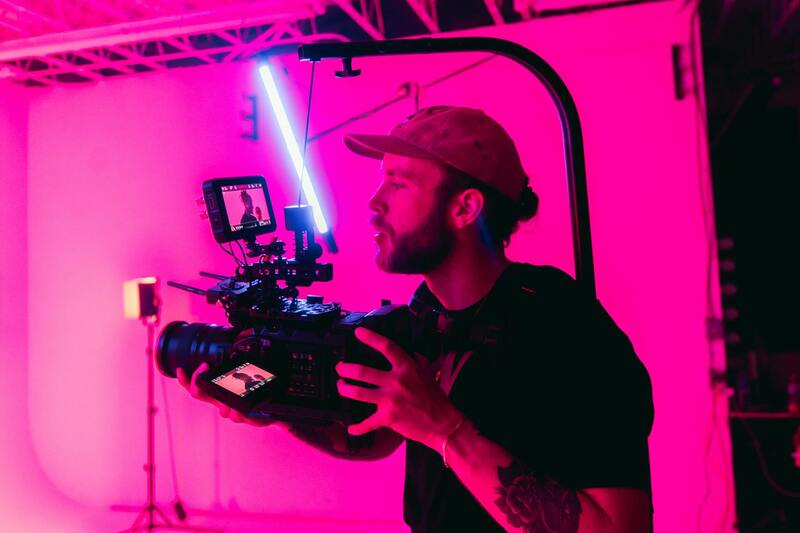
The impact of quality visuals is backed by their ability to engage audiences emotionally. Professional photographers and videographers possess the skill to capture fleeting expressions, dynamic action shots, and atmospheric details that define the event's character. When these images and videos are shared later, they foster engagement, inspire others, and generate lasting impressions.
Moreover, the technological advancements in photography and videography equipment enable capturing high-resolution, color-rich, and creatively composed content, regardless of lighting or environment conditions. This level of quality ensures that every detail — from candid interactions to elaborate setups — is recorded with clarity and vibrancy. For clients and event organizers, investing in professional photography and videography translates into content that communicates authenticity, excitement, and professionalism all at once.
Ultimately, from strategic promotional campaigns to personal treasure chests, event photography and videography are indispensable for transforming fleeting moments into timeless memories. Their role extends beyond mere visual recording; they are powerful tools for storytelling and emotional connection, ensuring that the significance of each event endures for years to come.
Essential Equipment and Techniques for Event Photography
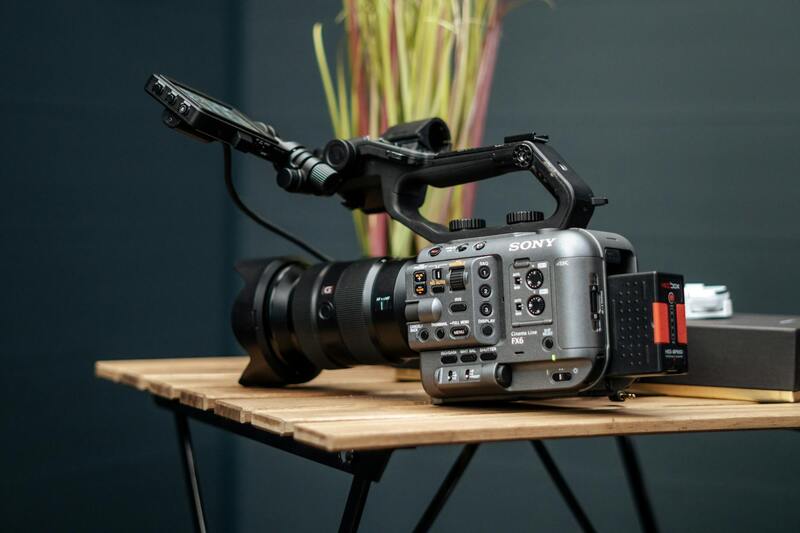
To capture the essence of a live event with clarity and impact, professionals rely on a comprehensive array of equipment optimized for diverse settings and conditions. High-resolution DSLR or mirrorless cameras form the backbone of event photography, enabling photographers to adapt swiftly to changing light conditions and dynamic scenes. These cameras are often paired with fast, versatile lenses such as wide-angle and telephoto lenses, which are crucial for capturing expansive group shots, candid moments, and close-up reactions with sharp detail and aesthetic blur effects where needed.
Lighting equipment further enhances image quality, especially in dim or challenging environments. External flashes, portable LED panels, and diffusers allow for controlled illumination, highlighting subjects without overpowering the scene or creating harsh shadows. Additionally, reliable stabilization tools like tripods, monopods, and gimbals help maintain sharpness during long exposures or when capturing smooth footage, particularly in fast-paced event settings.
In videography, multiple cameras are often synchronized to cover different angles simultaneously, providing a dynamic, comprehensive perspective of the event. High-quality audio equipment, including lavalier microphones and shotgun mics, is essential to capture clear sound, narrations, or speeches, which are integral to the overall storytelling experience. Stable and professional editing tools facilitate post-production enhancements, color correction, and the seamless integration of various footage types, resulting in polished, engaging media content.
Mastery of techniques such as proper framing, exposure control, and movement tracking allows professionals to adapt their methods to the unique flow of each event. For instance, candid street photography in live settings demands quick reflexes and familiarity with shooting in unpredictable environments, while formal ceremonies require precise composition and attention to detail. Skilled event photographers and videographers also utilize creative methods like long exposures during low light conditions or slow-motion captures to emphasize dramatic moments.
Integrating these tools and techniques ensures that every significant aspect of an event is documented with technical excellence and artistic integrity. Adapting to the specific demands of each occasion, professional teams leverage their expertise to create compelling imagery that resonates with audiences long after the event concludes, capturing the emotional depth, lively atmosphere, and intricate details that define memorable gatherings.
Legal and Ethical Considerations in Event Photography and Videography
When engaging in event photography and videography, professionals adhere to established standards that prioritize respecting individuals' rights and the integrity of the event. Securing consent from key participants before capturing images or footage ensures that all subjects are aware of and agree to their inclusion in the final media content. Photographers and videographers often distribute release forms to attendees, especially when a large part of the shoot involves close-up shots or candid captures of guests.
Maintaining confidentiality and privacy is also essential, particularly during sensitive events such as corporate meetings, legal functions, or personal celebrations. Professionals are committed to safeguarding any proprietary or confidential information that might be inadvertently recorded during the coverage. This involves careful planning to identify restricted areas and understanding the scope of permitted photography.
In terms of ethical conduct, event photographers and videographers are expected to work with honesty and integrity. This includes accurately representing the event without staging or manipulating images to distort the truth. Even in post-production, professionals avoid overly invasive edits that could mislead viewers or misrepresent the event. Their goal remains to document authentically, capturing genuine moments that reflect the atmosphere and significance of the occasion.
Properly managing equipment and behavior on site also plays a role in ethical service provision. Respecting the venue’s rules, avoiding disruption during important moments such as speeches or ceremonies, and being considerate of guests’ comfort are critical practices. Incidentally, professionals also stay informed about intellectual property rights related to their work, ensuring they have the legal right to use and distribute the collected media.
Legal and Ethical Considerations in Event Photography and Videography
In the realm of event coverage, adherence to legal and ethical standards is fundamental to maintaining professionalism and trust with clients and subjects. Photographers and videographers must obtain explicit consent from individuals prior to capturing their images or videos, especially when the content will be used for commercial purposes. This involves providing clear information about how the media will be used, stored, and distributed, ensuring participants are fully informed about their rights and options.
Managing rights to the images or footage is also a key component. Professionals often prepare detailed contracts that specify usage rights, licensing terms, and any restrictions on the media's dissemination. These agreements help prevent misunderstandings and protect both the service provider and the client, creating a transparent workflow.
Respecting privacy concerns is another cornerstone of ethical practice. For personal events like weddings or private parties, obtaining consent from attendees before photographing or filming them is standard. This respect for privacy extends to sensitive moments that may involve confidential or proprietary information. Professionals ensure that restricted areas or confidential segments are off-limits and handle footage responsibly.
Ethical standards also dictate honest representation. Photographers and videographers commit to capturing authentic moments without staging or manipulation that could alter the event's reality. Post-production work is conducted with integrity, avoiding excessive editing that might mislead viewers or distort the original atmosphere.
Discretion and respectful behavior are integral during event coverage. Professionals adhere to venue rules, minimize disruption during critical moments, and remain considerate of guests’ comfort. This approach not only ensures smooth coverage but also fosters a positive reputation for the service provider.
Finally, proper management of intellectual property rights is essential. Ensuring that the media content used or shared complies with applicable rights and regulations protects all parties involved and maintains a standard of ethical conduct within the industry.
Legal and Ethical Considerations in Event Photography and Videography
Maintaining professional standards in event coverage involves a comprehensive understanding of legal and ethical parameters. Professionals operating in this field prioritize transparency with their clients about the scope of coverage, permissions required, and intended usage of the captured media. This ensures everyone involved is well-informed and agreements are clear, reducing potential disputes.
Securing proper permissions is a fundamental aspect of responsible event coverage. This process often includes obtaining signed releases from event organizers, venue management, and individuals who will appear in the media. Clear communication beforehand about the nature of the content, its purpose, and distribution channels helps prevent misunderstandings.
Respecting individuals' rights to privacy is critical, especially in sensitive or personal gatherings. Photographers and videographers are diligent in obtaining consent from attendees and honor requests for anonymity or specific exclusions from footage. It is standard practice to inform guests about the presence of photographers or videographers at the event and their intended use of the content.
Another important aspect involves managing intellectual property rights. Media content produced during an event should be handled with care, ensuring rights for usage, editing, and distribution are clearly defined in contracts. This detailed approach safeguards the interests of both clients and professionals, preventing unauthorized use and potential legal complications.
Adherence to venue policies and maintaining respectful behavior during coverage also play vital roles. Professionals strive to minimize disruption, behave discreetly during key moments, and coordinate closely with event staff. This respectful conduct not only facilitates seamless coverage but also preserves the atmosphere of the event.
Additionally, ethical editors commit to honest representation. This means capturing authentic moments without staging or excessive manipulation, and conducting post-production work with integrity. The goal is to produce media that truly reflects the event's essence, avoiding misleading alterations that could distort the viewer's perception.
Overall, these practices create a foundation of trust and professionalism, ensuring that event photography and videography services are conducted responsibly, ethically, and in compliance with relevant standards, ultimately delivering high-quality content that respects the rights and dignity of everyone involved.
Legal and Ethical Considerations in Event Photography and Videography
Maintaining a professional approach in event photography and videography involves rigorous adherence to established standards regarding rights management and privacy. Before capturing any moments, it is crucial to secure explicit permissions from all individuals who will be featured prominently in the content. This process includes informing participants about the intent to photograph or record, the scope of usage, and obtaining their consent whenever required. Such transparency not only aligns with best practices but also fosters trust and confidence among clients and attendees.
In many cases, event organizers provide a list of guidelines or restrictions to ensure that coverage proceeds smoothly. Respecting these directives is essential, especially concerning sensitive moments or private areas within a venue. Photographers and videographers should be well-versed in the protocols of each event setting to avoid disruptions.
The process of acquiring necessary permissions extends beyond just attendees. When capturing footage or images of branded materials, signage, or copyrighted artwork, professionals must ensure they have the right to include these elements in their productions. This involves verifying intellectual property rights, which is a critical step to prevent potential infringements.
Moreover, thoroughly understanding privacy laws is vital for ethical media production. Professionals should avoid intrusive shots or recording areas designated as private, such as dressing rooms or private conversations, unless explicitly permitted. Respecting personal boundaries and maintaining discretion, especially during emotionally charged moments, upholds the integrity of the coverage.
Another significant aspect involves contractual agreements that clearly specify the handling, usage, and distribution of the media content. These contracts should outline the scope of rights granted, timeframes for use, and any exclusivity clauses. Clear documentation helps delineate responsibilities and limits misunderstandings that could lead to disputes.
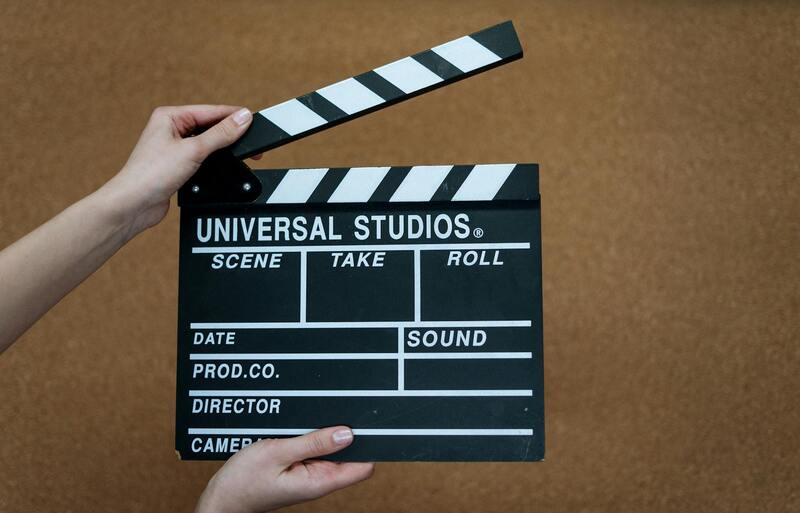
Legal and Ethical Considerations in Event Photography and Videography
Successful event coverage hinges on a foundation of diligent compliance with established guidelines that prioritize the rights and dignity of all participants. Employing official methods ensures that media capture respects individual privacy and adheres to industry standards of professionalism. When documenting corporate functions, weddings, or public gatherings, professionals utilize clear communication channels to obtain necessary permissions beforehand. This proactive approach not only streamlines the process but also solidifies a trust-based relationship with clients and attendees.
One primary method involves executing signed release forms, which specify how images and footage may be used, shared, and stored. These agreements delineate the scope of media deployment, providing clear boundaries to prevent misunderstandings. To facilitate this, agencies often develop standardized contracts tailored to the specific nature of the event, ensuring all parties are aware of their rights and responsibilities. Such documentation is essential in maintaining transparency and accountability from initial planning through post-production and media delivery.
Another key aspect involves respecting designated private spaces within event venues. Professionals are trained to identify and avoid intrusive shots or recordings in areas meant for private use, such as dressing rooms or confidential meetings. Maintaining a respectful distance and gathering consent for more sensitive moments preserves the event’s integrity and demonstrates ethical commitment.
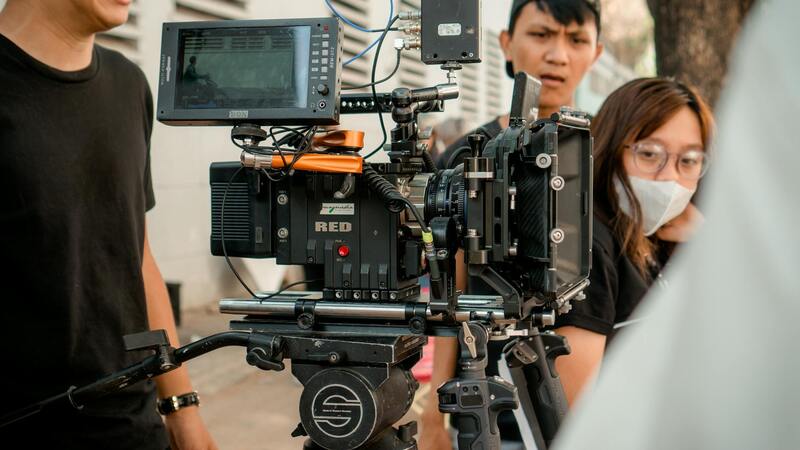
Additionally, ethical practices extend to honest representation. Photographers and videographers should avoid staging scenes or manipulating footage in ways that could distort the truth of the event. Instead, they aim to capture authentic moments that truly reflect the atmosphere and emotions experienced during the occasion. Thoughtful post-production editing enhances the visual narrative without compromising its integrity, maintaining trustworthiness and credibility.
Professional event media providers also stay informed about evolving privacy laws and best practices. Continuous education and adherence to official protocols enable them to navigate complex legal landscapes effectively. For instance, understanding the nuances of consent in various jurisdictions helps prevent violations that could lead to disputes or damage the agency’s reputation.
Furthermore, respecting intellectual property rights by accurately citing the work of other creators and securing necessary licenses when incorporating third-party elements into media content is crucial. This approach demonstrates an unwavering commitment to legitimacy and ethical responsibility, reinforcing the client’s confidence and satisfaction.
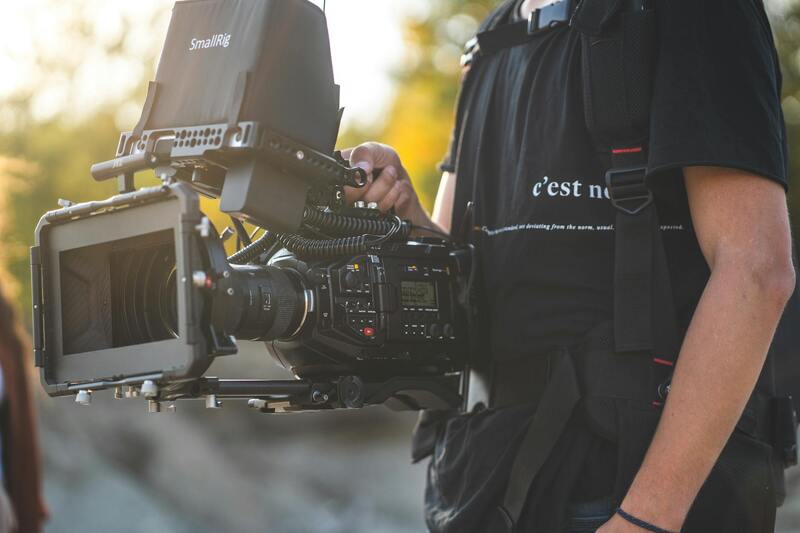
In summary, employing official channels, obtaining explicit permissions, respecting privacy boundaries, and maintaining honest representation are vital components of a principled approach to event photography and videography. These practices contribute not only to legal compliance but also to the cultivation of a reputable professional image that values integrity and respect for all event stakeholders.
Ensuring Proper Use and Distribution of Event Media Content
After capturing and producing high-quality event photography and videography, the focus shifts to the responsible dissemination and utilization of the content. Proper handling of media assets not only maximizes their impact but also safeguards the interests of both clients and content creators.
Content distribution must adhere to exact agreements delineating rights and permissions. For example, platforms where media will be shared should be explicitly authorized within contractual frameworks, ensuring that the intended audience receives the content through approved channels. Unauthorized sharing or reproduction can compromise the integrity of the media and undermine effort invested in capturing and editing the event.
It is essential to utilize authorized repositories and secure digital rights management (DRM) when distributing digital media. This not only prevents unauthorized copying but also protects the media from potential misuse or misrepresentation. Employing watermarks and digital signatures can serve as added layers of verification, reinforcing the content’s authenticity and ownership rights.
Archiving and Long-term Storage
Proper archiving practices facilitate long-term access to event media. Backing up digital files in secure, geographically dispersed locations reduces the risk of data loss and ensures the preservation of priceless moments for future use. Maintaining organized archives with detailed metadata about each file, including the event date, location, and participants, simplifies retrieval and repurposing.
Ethical Use of Event Content
Using media responsibly involves obtaining explicit consent from featured individuals for specific types of distribution, especially when images or videos are intended for commercial purposes. Respect for privacy and acknowledgment of talent or subjects involved underscores ethical compliance, fostering trust and positive relationships with clients and subjects.
Maximizing Media Impact
Leveraging various channels—such as social media, official websites, or internal presentations—should align with the client’s strategic goals. Customizing content formats to suit each platform enhances engagement and visibility without compromising quality or authenticity. Furthermore, optimizing media with suitable metadata, tags, and descriptions enhances discoverability and search engine performance.
Understanding the importance of structured publication schedules and audience-targeted content ensures media reaches the right viewers at the right time, boosting event promotion and post-event marketing efforts. Employing consistent branding elements across all media reinforces the event's identity and message.