
Factors Influencing Event Photography Pricing
Understanding the various factors that influence event photography pricing is essential for both clients seeking quality coverage and photographers aiming to set appropriate rates. Several key elements come into play when determining the overall cost of professional event photography services, each contributing to the final price structure.
Event Type and Scope
The nature of the event is a primary determinant of pricing. Formal occasions like weddings or corporate galas typically require extensive coverage, often involving multiple photographers and a higher number of hours. Conversely, smaller gatherings such as birthday parties or community events usually necessitate fewer resources, leading to lower costs. The event type influences not only the hours required but also the equipment and expertise needed to capture key moments effectively.
Event Duration
The length of time a photographer is engaged directly impacts their fee. Shorter events, like a quick corporate headshot session, generally come at a fixed rate, while longer events spanning several hours or days, such as multi-day conferences or festivals, incur higher costs. Photographers often charge per hour, with discounts available for extended bookings, ensuring comprehensive coverage without sacrificing quality.
Photographer Experience and Reputation
Experienced photographers with a strong portfolio and industry reputation command higher prices. Their expertise ensures superior quality, timely delivery, and creative shot selection, justifying premium pricing. Less experienced photographers may offer more affordable options but might lack the same level of finesse or efficiency. Clients should balance cost considerations with the desired quality and style of the photographs.
Travel and Location Factors
In cities like Miami, the location plays a role in pricing. Photographers often incorporate travel expenses, accommodations, and transportation costs into their quotes, especially for events held outside their immediate service areas. Urban settings may also influence pricing due to accessibility, demand, and the need for specialized equipment suited to diverse environments.
Additional Services and Deliverables
Some projects require extra services beyond basic photography. These can include retouching, album design, a second shooter, or expedited delivery. Each additional service adds to the overall cost, giving clients the flexibility to customize packages according to their needs.
It’s important for clients and photographers to have clear conversations about these various influencing factors upfront, establishing transparent expectations that help in crafting fair and competitive pricing structures.
Factors Influencing Event Photography Pricing
Event photography pricing can vary significantly based on several key factors that impact the overall cost structure. Understanding these components enables clients to make informed decisions and helps photographers create transparent, fair quotations that reflect the scope and complexity of each project.
Photographer Experience and Reputation
The skill level and industry standing of a photographer are primary determinants of pricing. Seasoned professionals with extensive portfolios and notable reputations tend to command higher rates. Their expertise translates into high-quality images, efficient workflows, and creative input that elevates the event coverage. Conversely, emerging photographers or those with less experience often offer more competitive rates, which can be suitable for clients seeking budget-friendly options but might not provide the same level of finesse or rapid turnaround. Clients should assess the desired outcome and select a photographer whose style and professionalism align with their expectations.
Travel and Location Factors
For events in vibrant urban settings like Miami, location can influence pricing due to logistical considerations. Photographers often include travel fees, accommodations, and transportation costs into their quotes, especially when the event is outside their regular service areas. Events staged in popular city venues or scenic outdoor locations may require additional equipment or permits that influence overall expenses. Accessibility and demand can also play roles in pricing differentials, with high-profile event sites necessitating specialized setups or prep work that adds to the budget.
Additional Services and Deliverables
Beyond basic photography, clients may request supplementary services to enhance their event coverage. These can encompass retouching, custom album design, a second photographer, or expedited delivery timelines. Each of these elements has its associated costs, which should be transparently communicated during negotiations. Customization allows clients to tailor packages to fit their specific needs, balancing quality expectations with budget constraints.
Clear upfront discussions around these factors help prevent surprises and foster a collaborative approach to pricing. Photographers benefit from understanding client priorities, thus enabling more accurate and mutually beneficial proposals.
Factors Influencing Event Photography Pricing
Understanding the various components that contribute to event photography costs is essential for both clients and photographers. Several critical factors can affect the final pricing structure, including the scope of services, event complexity, and specific client requirements.
Event Duration and Coverage
The length of the event directly impacts the photographer's time commitment, requiring them to allocate resources accordingly. A multi-hour wedding, for example, demands extensive coverage, often involving multiple sessions like preparation, ceremony, and reception. Extended coverage not only increases session hours but also entails additional post-processing time, which can influence overall expenses.
Event Size and Number of Participants
Large gatherings with numerous attendees require more comprehensive coverage, including more shots and potentially additional photographers. This expanded coverage ensures comprehensive documentation without missing key moments, which consequently affects pricing. Smaller events may be more straightforward but might still necessitate specialized equipment or editing services that add to costs.
Venue and Accessibility
For events hosted in prominent or less accessible locations, logistical challenges such as transportation, permits, or setup needs can increase costs. Urban venues in Miami often fall into this category, requiring careful planning and sometimes supplementary fees for access or equipment placement. Accessibility factors might also influence the type of equipment used, especially if special arrangements are needed for outdoor or complex venues.
Post-Processing and Deliverables
Clients frequently desire high-quality images complemented with editing services, retouching, or custom albums. These post-processing elements are integral to final delivery and can significantly influence pricing. Expedited delivery services, such as rush edits or priority processing, further add to costs, especially when deadlines are tight.
Additional Services
Supplementary offerings like a second photographer, drone footage, or on-site printing are common add-ons that enhance the overall experience. Each additional service contributes to a tailored package but also comes with its respective costs, which should be discussed and itemized clearly during negotiations.
Photographer Experience and Reputation
The level of experience, portfolio reputation, and specialization of a photographer play vital roles in determining rates. Highly experienced professionals with an established presence in Miami may charge a premium due to their expertise and demand, ensuring clients receive top-tier service and craftsmanship.
Equipment and Technology
Event photography often requires specialized gear—high-resolution cameras, lighting equipment, stabilizers, and other accessories. Investing in or renting advanced technology can influence pricing. Photographers committed to superior quality often include these costs in their packages to deliver high-standard visuals.
Factors Influencing Event Photography Pricing
Understanding the key elements that shape event photography costs is essential for both clients and professionals. While base rates are often advertised, numerous variables influence the final pricing structure. These include the scope and duration of coverage, the complexity of the event, and specific client requests. For example, a corporate gala held in a large venue with multiple lighting setups and a need for extensive coverage will typically incur higher costs than a small, intimate gathering. The technical requirements, such as specialized equipment for outdoor or low-light conditions, also play a critical role. Photographers invest in high-end cameras, lenses, lighting, and stabilization tools to ensure quality images under various circumstances. Additionally, the number of photographers involved impacts pricing; a standard package might include a single shooter, but larger events often benefit from a second or even third photographer to cover multiple angles and moments simultaneously. This tandem support, while increasing expenses, ensures comprehensive coverage and higher-quality results.
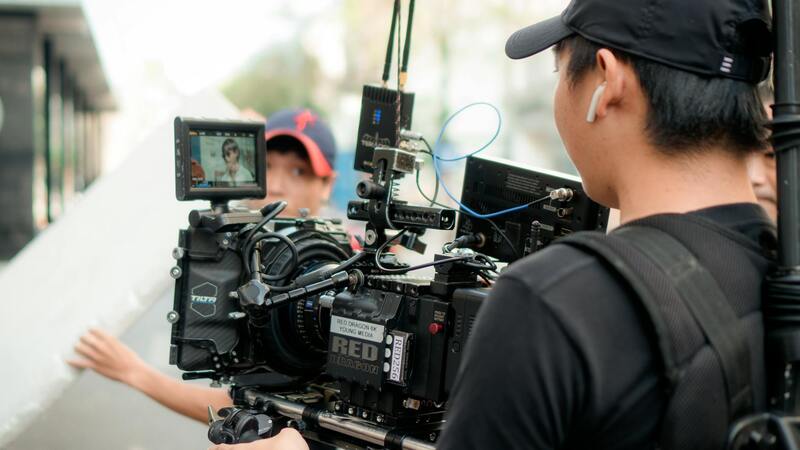
Post-processing and delivery expectations significantly influence pricing as well. Clients today often seek polished images, involving editing, retouching, or creating personalized albums. Rushing these services to meet tight deadlines adds layers of expense. Furthermore, extra services such as drone footage, on-site printing, or video snippets can enhance the event experience but also increase the total charge. These add-ons require additional equipment, expertise, and time, which must be accounted for when discussing budgets. The experience and reputation of the photographer are equally critical. Established professionals with a strong portfolio and recognized skillset tend to charge higher rates due to their proven track record of capturing memorable moments effectively. Moreover, they often use state-of-the-art technology, including high-resolution cameras, professional lighting, and stabilization gear, to guarantee superior image quality. All these factors combine to produce a comprehensive pricing mechanism that reflects both the quality and scope of the service provided.
Additional Costs and Expenses
When planning for event photography, it’s important to anticipate potential extra charges that can influence the total cost. Travel expenses are common when locations are outside the photographer’s usual service area or require significant transit time. Equipment costs can also add up, especially if specialized or rental gear is needed for unique event requirements. Edits, retouching, and custom album creation often come with additional fees, particularly if clients request expedited processing. On-site amenities like instant printing or multimedia displays may incur charges based on setup complexity and equipment rental. Clear communication around these possible extras helps prevent unexpected billing surprises and ensures the client understands how each component impacts the overall budget.
Having a transparent discussion of these potential costs before contracts are signed encourages a smoother process, avoiding misunderstandings and facilitating tailored packages that meet specific needs without exceeding budget constraints.
Factors Influencing Event Photography Pricing
Several key elements play a significant role in determining the overall cost of event photography services. The scope of the event, including the duration and specific requirements, directly impacts pricing. Longer events or those requiring coverage from setup to tear-down will naturally incur higher charges. The complexity of the shoot, such as the number of setups, guest interactions, or candid versus staged shots, also influences the cost. Photographers with specialized skills or equipment tailored to particular events—like drone photography, multi-camera setups for live streaming, or high-end editing—may charge premium rates.
Location specifics are another critical factor. Events held in remote or difficult-to-access venues might involve additional travel and logistics costs. Accessibility to the venue, availability of space for equipment setup, and logistical considerations all add layers of complexity that can increase pricing. The experience level and reputation of the photographer are equally important; highly experienced professionals or those with a renowned portfolio tend to command higher fees, reflecting their skill and reliability.
Furthermore, the desired delivery timeline influences overall costs. Urgent editing and delivery services require additional resources and typically carry premium charges. Clients seeking comprehensive packages that include engagement sessions, albums, prints, or digital archives should anticipate varying costs based on these add-ons. Transparency in discussing these factors beforehand ensures both parties have a clear understanding of how the final price is structured, fostering trust and satisfaction.
Common Pricing Structures in Event Photography
Event photography pricing generally adheres to one or a combination of several standard models. These structures allow clients to better understand what they are paying for and give photographers a framework for setting fair and consistent rates.
- Hourly Rates: This model is straightforward, with photographers charging a set fee per hour of coverage. It offers flexibility for events with uncertain durations but may require careful planning to estimate total costs accurately.
- Flat Fees/Packages: Fixed pricing for a complete event, often including a specified number of hours, edited images, and delivery formats. Packages can be customized based on client needs but generally provide clarity on total costs upfront.
- Per Image or Digital Download: Some photographers charge based on the number of photos delivered or for digital access, suitable for clients who prefer a la carte options or have specific image requirements.
- Half-Day vs. Full-Day: Differentiating pricing based on the duration of coverage, with half-day generally covering 4-6 hours and full-day capturing up to 8 hours or more.
Each structure has advantages depending on the event's scope and client preferences. Clear communication about pricing models ensures clients can choose the options that best suit their budgets while meeting their expectations.
Average Pricing Range for Various Events
The typical price points for event photography vary depending on the type of event, location, and the photographer's expertise. For small, local events like birthday parties or intimate gatherings, the cost can range from $300 to $600 for several hours of coverage. Corporate events or conferences generally start at $1,000 and can go up significantly with added services and extended hours.
Weddings, being among the most meticulously planned and photographed events, often fall into a broader price spectrum—from $1,500 to $5,000 or more. This range accounts for pre-ceremony shooting, multiple photographers, extensive editing, prints, and albums. Larger or destination weddings tend toward the higher end owing to travel and accommodation expenses.
Community or charity events, which might require less extensive coverage, typically cost between $500 and $1,500, depending on duration and photographic needs. For each event category, clients should seek detailed proposals that itemize costs and services to better compare options and ensure value for investment.
Additional Costs and Expenses
Beyond basic coverage fees, additional expenses can contribute to the final billing amount. Travel costs are common when events occur outside a photographer's normal service area, especially in metropolitan regions like Miami, where event venues can be scattered across different neighborhoods or even outside the city limits. These may include mileage, tolls, meals, and accommodations if overnight stays are required.
Specialized equipment needs, such as complex lighting setups, drones, or underwater gear, can add rental fees or purchase costs. Retouching, extensive editing, or creating custom albums often involve additional charges, particularly if clients request expedited turnaround times. On-site services like instant photo printing, multimedia displays, or extra backup equipment might also carry extra fees based on setup complexity.
Careful budgeting involves discussing these potential expenses upfront. Transparent communication about what is included in the base package and what constitutes additional costs helps prevent surprises. For high-profile events, securing detailed agreements ensures clarity and aligns expectations regarding costs and deliverables.
Factors Influencing Event Photography Pricing
Event photography pricing is shaped by a multitude of factors that reflect the scope, scale, and specific requirements of each event. The complexity of the event, the number of hours needed, and the type of coverage play significant roles in determining costs. For instance, a corporate gala with multiple setups and extensive candid shots may demand more intricate planning and equipment than a small family gathering.
Gear quality and specialization dramatically impact pricing as well. Photographers who employ high-end cameras, professional lighting, drones, or underwater equipment will typically charge more to cover rental expenses and technical expertise. Additionally, the desired post-production work influences costs—more comprehensive editing, retouching, or custom album creation can add to the final invoice.
Common Pricing Structures in Event Photography
Understanding prevalent pricing approaches can help clients make informed choices. The most widespread structures include:
- Hourly Rates: Charging based on the time spent on-site, hourly rates often range from $150 to $500 per hour, depending on experience and event type. This model offers flexibility, especially for events with uncertain durations.
- Flat Fees: A set fee for the entire event, typically covering a predefined number of hours, coverage, and basic editing. Flat fees are common in wedding and corporate event packages and tend to range from $1,000 to $3,500 or more.
- Tiered Packages: Offering different levels of service at tiered prices allows clients to select services that best match their needs and budgets. These packages usually include varying hours of coverage, number of photos, and editing services.
Average Pricing Range for Various Events
The cost for event photography varies considerably based on the event type and scope. Here are typical price ranges:
- Corporate Events: $1,000–$5,000 for full coverage of conferences, seminars, or product launches, often extending to professional editing and delivery of high-resolution images.
- Weddings: $2,000–$6,000, with premium packages sometimes exceeding $10,000 for comprehensive services including engagement shoots, album design, and multiple photographers.
- Parties and Celebrations: $500–$2,000, depending on duration, location, and the number of final images requested.
- Conferences and Seminars: $1,000–$4,000, including on-site coverage, portrait shots, and event highlights.
Additional Costs and Expenses
Beyond basic photography fees, several supplementary expenses can influence the total cost. Travel is a significant component—especially in a geographically expansive city like Miami, where venues may be spread across different neighborhoods or outside metropolitan boundaries. Charges for mileage, tolls, accommodations, and meals are often itemized, particularly for multi-day or destination events.
Specialized equipment rentals or purchases may also add to expenses. For instance, drone photography, underwater gear, or high-speed lighting setups might entail additional rental fees or purchase costs. Post-production work, such as extensive retouching, creation of custom albums, or expedited delivery, often incurs extra charges. On-site services like instant photo printing, multimedia presentations, or backup storage devices represent further potential costs based on event complexity.
Clear communication and detailed estimates are essential for effective budgeting. Clients should seek comprehensive proposals that explicitly differentiate between included services and additional fees. This transparency helps prevent surprises and fosters a smooth collaboration, particularly for high-profile or high-stakes events.
Factors Influencing Event Photography Pricing
Event photography pricing varies significantly based on multiple factors that reflect the scope, scale, and specific requirements of each occasion. One of the primary considerations is the complexity of the event itself. Larger gatherings such as weddings, corporate galas, or festivals often demand more extensive coverage, requiring multiple photographers, specialized equipment, and longer hours. The duration of coverage directly impacts costs, with partial coverage typically being less expensive than full-day or multi-day assignments.
Location also plays a crucial role in pricing. Events held in remote or hard-to-access venues may necessitate additional charges for travel, lodging, and transportation of equipment. Miami's diverse landscape, from beachfront venues to urban rooftops, means that proximity and logistical challenges can alter fee structures. High-profile or prestigious venues may also command premium rates due to their exclusivity and high standards.
The type of event directly influences pricing tiers. Formal weddings with portrait sessions, candid photography, and post-event albums tend to command comprehensive packages, while smaller corporate meetings or community events often have simplified options. Additionally, the number of final images requested, preferred editing style, and additional requested services like photo booths, drone footage, or instant printing can further elevate costs.
Common Pricing Structures in Event Photography
Event photographers typically adopt various pricing models to cater to client needs while maintaining clarity in their offerings. These include:
- Hourly Rates: Charging by the hour allows flexibility for clients with shorter or varying coverage needs. Rates can range from $100 to $300 per hour depending on experience and market demand.
- Package Pricing: Bundled services that specify a set amount of coverage, number of edited images, and other inclusions like albums or prints. Packages often start around $1,000 and can surpass $5,000 for premium offerings.
- Flat Fees: A fixed rate for the entire event, which simplifies budgeting and contract negotiations. This approach is common for well-defined events with predictable requirements.
- Hourly Cap + Additional Fees: Combining a base hourly rate with extra charges for additional hours, travel, and post-production helps balance flexibility with transparency.
Average Pricing Range for Various Events
Understanding typical price brackets assists clients in setting realistic budgets. For instance, a basic corporate event in Miami may fall within the $1,000–$3,000 range, covering essential moments and a limited number of images. Wedding coverage usually starts around $2,500 and can escalate to over $10,000 for comprehensive packages inclusive of engagement shoots, album design, and extensive editing. Milestone birthdays or quinceañeras often cost between $1,500 and $4,000 depending on the scope of coverage and added services.
The price spectrum reflects the event's duration, location, and the photographer's expertise. Smaller or less elaborate occasions tend to be at the lower end, while highly detailed or destination events command premium rates. Clients should always request detailed estimates to compare what is included in each package, ensuring alignment with their expectations and budget constraints.
Additional Costs and Expenses
Beyond the base fee, several ancillary costs can influence the total expenditure on event photography. Travel is a notable expense, especially in a sprawling city like Miami where venue locations vary widely. Charges can encompass mileage, tolls, parking fees, and accommodations for multi-day events. These costs should be explicitly outlined in the estimate to facilitate thorough budgeting.
Supplementary services, including the rental of specialized equipment like drones, underwater cameras, or high-intensity lighting, may incur additional fees. Post-processing might also involve extra charges if extensive retouching, custom albums, or expedited delivery is requested. On-site services such as instant photo printing, multimedia presentations, or live photo slideshows contribute to overall costs, especially at high-profile gatherings where on-the-spot sharing enhances guest experience.
For clients planning an event, transparency in all potential expenses is crucial. Clear, detailed proposals that distinguish core services from add-ons help in avoiding unexpected costs, enabling smoother collaboration and more accurate budgeting.
Pricing Tips for Photographers in Miami
In a competitive market like Miami, establishing transparent and fair pricing strategies is essential. Photographers should analyze their costs meticulously, including equipment, licensing, insurance, and overheads, to set sustainable rates. Offering tiered packages can cater to different client segments, from budget-conscious consumers to high-end corporates. Flexibility in customization allows photographers to accommodate unique event requirements without undervaluing their expertise.
Building a reputation for professionalism and quality enables service providers to command premium rates. Explicitly detailing what each package includes—such as pre-event consultations, multiple shooting angles, and post-event editing—enhances perceived value. Utilizing client education about the factors influencing pricing helps foster realistic expectations, reducing negotiation hurdles.
Finally, establishing relationships with local venues and event planners can lead to referral opportunities and bundled offerings, which benefit both parties in fostering mutually advantageous collaborations.
How Clients Can Budget for Event Photography
For clients, understanding the full scope of potential costs is vital for effective financial planning. Contractors should start by identifying core needs: duration of coverage, number of images, desired style, and any special services. From there, obtaining detailed proposals from multiple photographers allows comparison of inclusions and prices.
Rather than focusing solely on the lowest rate, clients should evaluate the value offered, including experience, portfolio quality, and post-event support. Allocating a contingency fund of approximately 10-15% of the overall budget ensures flexibility for unforeseen expenses, such as last-minute requests or logistical challenges.
Early engagement with photographers and clear communication about expectations help streamline the negotiation process. Setting a realistic budget that aligns with the event's significance will enable clients to secure quality services without overspending.
Factors Influencing Event Photography Pricing
Event photography pricing is shaped by a multitude of factors, each contributing to the final cost determined by professional photographers in Miami. The complexity of the event, the level of expertise required, and the scope of services all influence pricing decisions. For instance, high-profile events like weddings or corporate galas demand a higher rate due to their importance and the need for comprehensive coverage, including multiple photographers or specialized equipment.
Event Size and Duration
Longer events naturally incur higher costs because they require more time and resources. An event lasting several hours, such as a wedding reception or a multi-day conference, necessitates a detailed planning process and extended coverage, which increases the overall fee. Additionally, densely scheduled events with multiple sessions or breakouts call for versatility in coverage, adding to the complexity and pricing.
Experience and Reputation of the Photographer
Photographers with a well-established portfolio and a reputation for quality craftsmanship tend to command higher rates. Their expertise and ability to adapt to various lighting conditions and event dynamics ensure premium results. Clients often prioritize experience, especially for milestone occasions, which influences pricing structures accordingly.
Equipment and Technology
Advanced camera gear, lighting, and post-processing technology also factor into the pricing equation. High-quality equipment ensures crisp, professionally edited images but comes with higher operational costs. Photographers may include equipment amortization in their rates, especially when offering extensive coverage or specialized shots.
Post-Processing and Deliverables
The extent of editing, image retouching, and the number of deliverables significantly affect costs. Photographers who provide a rapid turnaround or include premium albums, custom prints, or online galleries often incorporate these into their pricing models. The more personalized the final products, the more comprehensive the service package becomes.
Travel and Logistics
Location-specific factors such as travel distance, accommodation, and transportation within Miami are also considered. For events held outside the photographer’s base area or requiring logistics coordination, additional charges may apply. These costs ensure the photographer’s ability to reach and serve clients efficiently across various venues.
Common Pricing Structures in Event Photography
Event photographers in Miami typically adopt several standard pricing models tailored to client needs and event specifics. Understanding these structures helps clients and photographers alike to establish clear expectations and comprehensive packages.
Hourly Rates
This model charges clients based on the number of hours the photographer works on-site. It provides flexibility for clients with shorter or more defined events, such as engagement shoots or minimal coverage weddings. Hourly rates often include basic editing and a predefined number of images, with additional fees for extra coverage or edits.
Flat-Rate Packages
Many photographers prefer offering fixed packages that encompass a set number of hours, a specific number of images, and post-processing services. These packages offer price certainty, making budgeting more straightforward for clients. They often include consultations, on-site coverage, and delivery timelines, adding to their value.
Per Event Pricing
This approach involves quoting a single fee for entire events, regardless of duration, often suitable for large-scale or multi-day functions. It ensures comprehensive coverage without concerns over additional charges, fostering transparent client relationships.
Customized Service Agreements
In instances requiring unique coverage or special services such as drone footage or live streaming, photographers develop tailored agreements. Pricing here is based on scope, technology used, and post-production requirements, providing clients with bespoke solutions aligned with their event specifics.
Average Pricing Range for Various Events
In Miami, typical event photography prices vary depending on the type and scale of the event. The following ranges serve as a general guide:
- Small Events (Birthdays, Private Parties): $300 - $1,200
- Weddings: $1,500 - $4,000
- Corporate Events: $ principal} - $3,500
- Conferences and Large-Scale Events: $2,500 - $10,000
- Charity Galas and Fundraisers: $3,000 - $8,000
It’s essential for clients to recognize that premium providers or those with extensive portfolios may charge above these ranges, reflecting their expertise and equipment quality. Conversely, new or less experienced photographers may offer more competitive rates, balancing quality and affordability.
Additional Costs and Expenses
Beyond baseline fees, several supplemental expenses could influence the final billing. These include:
- Extra Hours: Additional coverage time beyond initial agreements often incurs hourly rates or package extensions.
- High-Resolution Images and Albums: Extra charges for premium images, personalized albums, or prints.
- Specialized Equipment: Use of drones, studio setups, or advanced lighting systems can add to costs.
- Remote or Destination Events: Travel, accommodations, and logistics for traveling to or hosting at distant locations.
- Rush Delivery: Expedited editing or output typically commands higher fees.

Pricing Tips for Photographers in Miami
To remain competitive yet profitable, Miami-based event photographers should consider strategic pricing approaches:
- Conduct detailed market research to understand prevailing rates in the local scene.
- Offer tiered packages to cater to various client budgets and needs.
- Clearly outline what is included in each package to prevent misunderstandings.
- Build flexibility into pricing to accommodate last-minute requests or special services.
- Maintain transparency about additional costs to foster trust and minimize disputes.
- Invest in high-quality equipment and continuous training to justify premium rates.
- Forge relationships with local vendors and venues for potential referral and bundled offerings.
How Clients Can Budget for Event Photography
Effective planning begins with understanding the typical costs and setting realistic expectations. Clients should start by defining their core needs—such as event duration, specific photographs, and post-processing expectations. Comparing proposals from multiple photographers provides insight into the value offered, ensuring clients don't compromise quality for lower prices. Including a contingency fund of 10-15% in the budget accounts for unforeseen expenses, such as additional editing requests or logistical issues.
Early communication with photographers about their pricing structure and available packages helps streamline negotiations. Clients should request detailed service descriptions and clarify what is included in each package, fostering an understanding of value. Setting a clear, realistic budget aligned with the event's significance allows for selecting a provider capable of delivering quality outcomes without overspending.
Legal and Contract Considerations in Pricing
Transparent contract terms support fair and clear pricing arrangements. Important contractual elements include deposit policies, cancellation terms, and specific service deliverables. Establishing upfront agreements about final image counts, rights to use images, and post-event turnaround times help prevent misunderstandings. Photographers should provide detailed service agreements outlining all costs and conditions for payment, including any additional fees for extra services, to ensure a smooth financial process for both parties.