
Importance of Quality Event Photos
Capturing the essence of an event through high-quality photographs is a crucial aspect of any successful gathering. Well-executed event photos serve multiple purposes, from reinforcing brand identity to preserving cherished memories for attendees. As visual content, these images can powerfully communicate the atmosphere, energy, and significance of the occasion, making them a cornerstone of effective event documentation.
In the realm of event planning and management, professional photos elevate the perceived value of the event, offering a polished and engaging narrative that resonates with target audiences. High-quality images enhance promotional efforts by providing captivating visuals for future marketing campaigns, social media engagement, and website content. They act as a compelling record that can boost an organization’s reputation, attract sponsors, and generate interest for upcoming events.
Beyond promotional use, event photos hold sentimental value for participants, capturing spontaneous moments, interactions, and achievements that collectively tell a story. These visuals are often shared across various platforms, fostering community and nostalgia. The importance of superior quality in capturing such moments cannot be overstated, as they reflect the professionalism of the organizers and the impact of the event itself.
Investing in exceptional event photography ensures that every detail, from candid interactions to staged moments, is preserved with clarity and vibrancy. This level of detail not only amplifies the event's visibility but also establishes a lasting legacy that can be referenced long after the event concludes. The production of compelling, professionally captured event photos is an essential element for organizations seeking to maximize their event's impact and reach.
In sum, event photos are far more than mere documentation; they are strategic tools that underscore branding, foster community engagement, and create enduring memories. The value derived from capturing these moments with precision and artistry significantly enhances the overall success and recognition of any event.
Planning and Pre-Event Preparation for Event Photos
Effective event photography begins well before the day of the event itself. Strategic planning is essential to ensure that every key moment and detail is captured with clarity and precision. One of the initial steps involves creating a detailed shot list tailored to the specific type of event. This list includes priority images such as keynote speakers, award presentations, group photos, candid interactions, and specific moments that reflect the event’s purpose. Collaborating with event organizers helps identify these crucial moments and align the photographic focus accordingly.
Assessing the venue prior to the event is equally important. Site visits enable photographers to evaluate lighting conditions, identify suitable angles, and recognize potential challenges such as obstructions or background distractions. Understanding the venue’s layout facilitates optimal positioning of photographers and equipment, ensuring comprehensive coverage from multiple perspectives.
Having a clear understanding of the event schedule and flow allows photographers to anticipate peak moments and prepare accordingly. Familiarity with the timeline ensures that they are ready to capture spontaneous interactions during networking sessions, performances, or keynote speeches without missing significant opportunities. Coordination with event staff fosters seamless integration, minimizes disruption, and guarantees that the photography aligns with the event's agenda.
It is also beneficial to discuss specific requirements with clients, such as branding placements or group shot preferences, to make sure these are incorporated into the photographic approach. Detailed planning and preparation not only streamline the execution on the day but also maximize the quality, relevance, and emotional impact of the images produced.
Types of Event Photos to Capture
Different events demand a variety of shots that encapsulate the atmosphere, key moments, and participant engagement. Typical categories include:
- Establishing Shots: Wide-angle images of the venue, decorations, and overall setting to set the scene for event documentation.
- Key Moments: Highlights such as speeches, award ceremonies, performances, or product launches that define the event’s purpose.
- Candid Interactions: Authentic moments of attendees engaging, networking, or reacting spontaneously, which convey genuine emotions and social dynamics.
- Group Photos: Organized images of teams, guests, or special groups, often used for post-event marketing and memorabilia.
- Details and Decor: Close-up shots of tables, branding elements, food displays, and other decorative features that enhance storytelling.
Capturing a diverse array of images ensures a comprehensive visual record, suitable for multiple platforms and purposes. It also allows for flexibility in post-event promotion and storytelling, making the event more memorable and engaging for both attendees and audiences who view the content afterward.
Types of Event Photos to Capture
Capturing a comprehensive and compelling visual story requires a strategic approach to the types of photos taken during an event. Each category plays a critical role in portraying the event's atmosphere, key moments, and attendee interactions. By focusing on diverse shot types, event organizers can ensure their documentation resonates with the audience and effectively highlights the event’s success.
Establishing Shots
Large-scale views of the event space, decor, entrance areas, and overall layout help establish context and create a sense of immersion. These images are valuable for promotional materials, social media, and archiving, providing a backdrop that frames the entire event story.
Key Moments
Highlighting central actions such as speeches, award presentations, live performances, or product unveilings captures the core purpose of the gathering. These moments often evoke emotional responses and serve as focal points for the event’s narrative.
Candid Interactions
Spontaneous shots of attendees engaging with one another, reacting to the proceedings, or enjoying entertainment add authenticity and warmth to the visual record. These images demonstrate genuine enjoyment and the social energy that makes each event unique.
Group Photos
Organized group images featuring teams, participants, or VIP guests are essential for post-event promotion, thank-you notes, and memorabilia. Properly directed group portraits reinforce relationships and celebrate collaboration.
Details and Decor
Close-up shots of table settings, event branding, food displays, and decorative elements provide visual richness. These details enhance storytelling by showcasing the event’s theme, quality, and aesthetic consideration, often serving as supportive visuals in marketing efforts.
Consistently capturing a diverse range of images allows for a dynamic and comprehensive visual archive. Such variety enhances post-event marketing strategies, supports storytelling on multiple platforms, and preserves memorable moments. Whether for promotional campaigns, future event planning, or client portfolios, well-rounded coverage ensures the event’s legacy remains impactful and engaging.
Effective Methods for Capturing Outstanding Event Photos
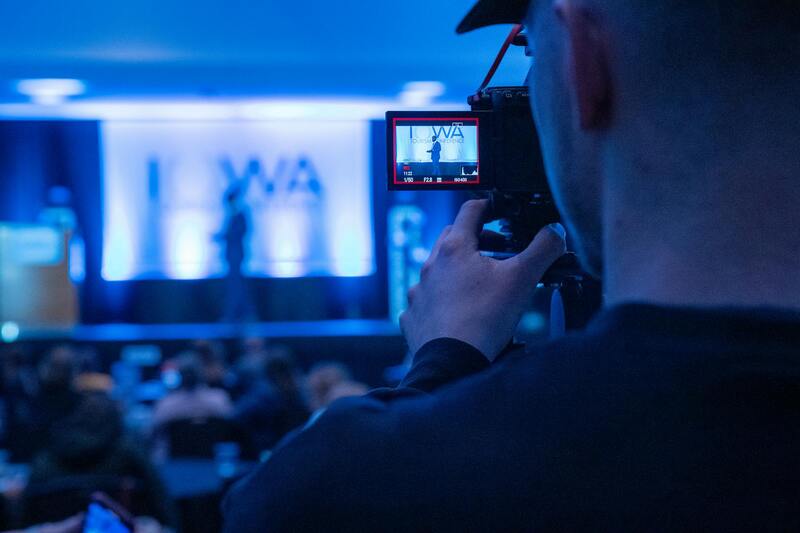
To achieve high-quality event photos that truly reflect the significance of each moment, employing the right techniques and equipment is essential. Organizers and photographers should pay close attention to the settings and conditions of the venue to ensure optimal results. The choice of camera and lens plays a pivotal role; professional-grade DSLR or mirrorless cameras equipped with versatile lenses such as wide-angle for group shots and telephoto for candid moments are highly recommended. These tools allow photographers to adapt to different scenarios seamlessly, capturing both expansive scenes and intimate details with clarity.
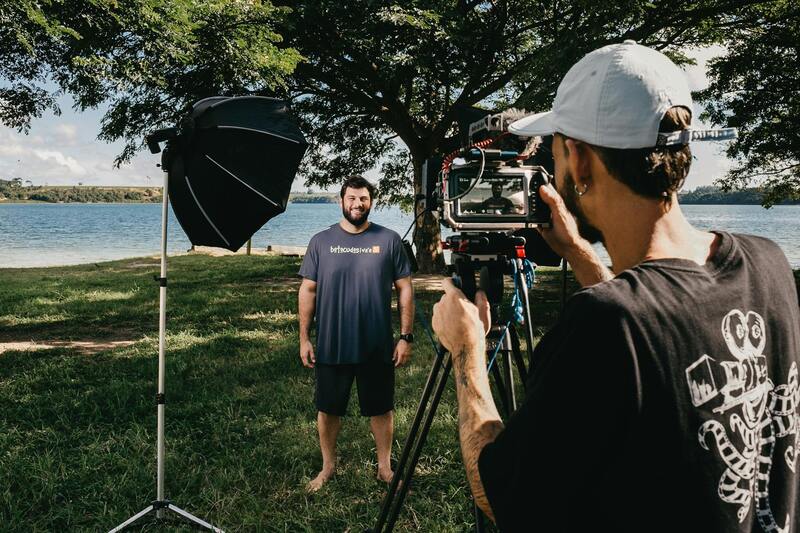
Lighting conditions vary considerably depending on the event space. Natural light can be invaluable, but in indoor settings or venues with challenging illumination, additional lighting tools such as portable flash units, softboxes, or LED panels are indispensable. Proper lighting not only brightens photographs but also enhances the mood and emphasis of key moments.
Advanced techniques like the use of depth of field to emphasize subjects, slow shutter speeds for artistic motion blur, or high ISO settings for low-light shoots contribute to a diverse portfolio of event images. Maintaining a steady hand or utilizing tripod mounts ensures sharpness, especially in challenging lighting or when capturing long-exposure shots. For candid photography, a discreet approach often results in more natural, unposed pictures, capturing genuine reactions and interactions among attendees.
Optimizing Photography Settings to Match Event Dynamics
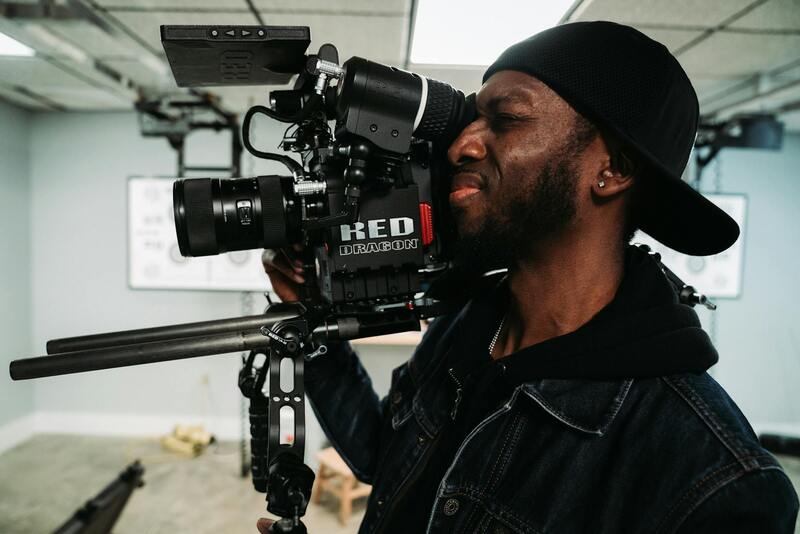
Adapting camera settings to specific event conditions enhances the overall quality of photos. For example, in low-light environments, increasing ISO sensitivity helps capture brighter images without flash, though care should be taken to minimize noise. Aperture adjustments allow for sharper focus on key subjects while blurring backgrounds, adding depth to images. Shutter speed control is crucial for freezing fast-moving performers or reactions, ensuring clarity in fast-paced moments.
Understanding the flow of the event helps photographers anticipate key moments—such as speeches, performances, or award ceremonies—so they can set up shots beforehand. Continuous shooting modes and burst captures increase the likelihood of obtaining perfect frames during fleeting actions. Posture, positioning, and perspective also influence the impact of photos; shooting from varying angles provides dynamic visual storytelling that highlights the event's energy.
Summary
Employing professional-grade equipment tailored to specific event needs, combined with appropriate photographic techniques and settings, ensures comprehensive and captivating coverage. The careful selection of lenses, lighting arrangements, and camera modes directly correlates with the quality and storytelling potential of the images. In turn, this meticulous approach produces a compelling visual archive that effectively conveys the event’s atmosphere, importance, and memorable moments, serving both promotional and archival purposes with equal effectiveness.
Post-Event Editing and Selection of Photos
Once the event concludes and an array of photographs has been captured, the process of post-event editing becomes crucial to ensuring the final images effectively convey the event's atmosphere and key moments. This stage includes culling, color correction, retouching, and formatting images for various purposes. Photographers typically begin by sorting through the photos to identify the most compelling shots, focusing on clarity, expression, composition, and relevance to the event's narrative.
Color correction is essential for maintaining consistent tones and vibrancy, especially in varied lighting environments. Adjustments to brightness, contrast, and saturation help render images that are visually appealing and true to life. Retouching might involve minor skin smoothing or removing distracting elements, but it should always be done with a focus on preserving authenticity. For images intended for promotional use, enhancing details and sharpening can help make photos stand out.
Selection criteria should prioritize key moments — speeches, performances, candid reactions — that best reflect the event's significance. Providing a diverse set of images, including wide shots for context and close-ups for emotion, offers a comprehensive visual story. It's important to balance well-composed, technically perfect images with spontaneous captures that highlight genuine interactions and expressions.
Effective post-processing also depends on the intended presentation platform. High-resolution images are ideal for prints and archives, while optimized versions are suitable for online galleries or social media sharing. Saving images in appropriate formats, such as JPEG for online use and TIFF for print, ensures flexibility and quality retention. Implementing a consistent editing style aligned with the client’s branding enhances professional presentation and coherence across the collection.
This meticulous approach to editing guarantees that the final selection not only captures the event's essence but also meets high standards for presentation. Properly curated and polished images become valuable assets for promotional campaigns, client portfolios, and archival records, allowing the event’s story to resonate long after the last moment has been captured.
Importance of Quality Event Photos
High-quality event photos serve as a vital tool for capturing the essence and atmosphere of any occasion. They surpass mere documentation by conveying emotions, highlighting pivotal moments, and portraying the overall energy of the event. These images become invaluable assets for promotional purposes, providing content that resonates with audiences and elevates the profile of the event or organization involved. Whether for commercial branding, social media campaigns, or archival purposes, ensuring the images are of superior quality enhances their effectiveness and impact.
Moreover, meticulously crafted event photos reinforce credibility and professionalism. They demonstrate an organization’s commitment to excellence and attention to detail. When prospective clients or attendees review visual content from past events, polished and vibrant photos foster confidence, encouraging future engagement. In addition, high-caliber photography captures the diversity of interactions and activities, creating a comprehensive narrative that reflects the event’s significance.
From a strategic standpoint, well-produced images play a crucial role in storytelling. They facilitate the creation of a compelling narrative that can be shared through various channels, including website galleries, social media, and print materials. This storytelling potential helps sustain interest, convey messages more effectively, and generate tangible engagement. Furthermore, quality photos contribute to long-term branding efforts, establishing a recognizable and memorable visual identity.
Ultimately, investing in top-tier event photography ensures that every detail, be it candid expressions, key moments, or staged portraits, is captured with clarity and authenticity. This level of professionalism supports the strategic goals of marketing, documentation, and celebration, making the effort an essential component in any successful event planning process.
Legal and Copyright Considerations in Event Photography
Securing the appropriate permissions and understanding the frameworks around image rights are critical components of professional event photography. When working with clients or hosting an event, establishing clarity about the usage and distribution of images helps prevent misunderstandings and ensures the responsible handling of visual content.
One of the foundational elements is obtaining model releases from individuals who appear prominently in photographs. These releases typically confirm that the person consents to having their likeness captured and used for specified purposes. This practice not only protects photographers and clients but also respects the personal rights of participants.
Addressing property rights is equally important. Photographers should be aware of and respect rights related to private property and recognizable trademarks within the event environment. It is advisable always to seek permission when photographing on private premises or including branded elements, especially if the images will be used commercially.
To uphold high standards of compliance, maintaining detailed records of permissions and releases is essential. Clear contracts or agreements should outline how the photos may be used, the scope of distribution, and any restrictions. This proactive approach can prevent potential disputes and ensure that all content sharing aligns with legal and ethical guidelines.
Adhering to best practices for copyright management involves understanding how intellectual property rights apply to photographic works. Photographers typically retain rights to their work unless explicitly transferred through contractual agreements. For clients and event organizers, it is vital to negotiate rights for usage, reproduction, and distribution in advance.
Additionally, editors and organizers should verify that any third-party content incorporated into photographs, such as artwork or logos, has the appropriate permissions for commercial use. This due diligence helps avoid infringement issues that could arise from inadvertent use of protected material.
Finally, respecting guidelines set by local laws and industry standards fosters professional integrity. This includes providing proper attribution when required, avoiding alterations that could misrepresent the subject, and understanding the scope of fair use within the context of event photography. When these principles are upheld, the resulting images serve as both powerful marketing tools and ethically produced documentation of special occasions.
Legal and Copyright Considerations in Event Photography
For those involved in organizing or hosting events, understanding the legal framework surrounding event photos is essential for managing the rights and uses associated with the captured images. Properly handling copyright and permissions safeguards the interests of all parties and ensures a smooth process from shoot to sharing. This involves clear agreements that specify how photographs can be utilized, whether for promotional purposes, social media, or commercial distribution.
In most cases, photographers retain the copyright to their images unless there is a contractual transfer of rights. This means that clients or organizers should negotiate usage rights explicitly—detailing whether images can be reproduced, modified, or sublicensed. A comprehensive contract minimizes misunderstandings and establishes a mutual understanding about the scope of image use, protecting both the creator and the client.
Additionally, acquiring model releases from individuals featured in the photos is crucial. These legal documents grant permission to use the images for specific purposes and help prevent future disputes. Especially when photographs are intended for advertising or promotional campaigns, model releases serve as formal consent that aligns with industry standards.
Event organizers should also verify that any third-party content incorporated into photographs—such as branded logos, artwork, or copyrighted materials—has been authorized for commercial use. This precaution prevents copyright infringement issues that could lead to legal complications or the removal of images from promotional channels.
Furthermore, adhering to local laws and industry standards is vital. This includes respecting privacy rights, especially when photographing minors or sensitive situations, and following established guidelines for fair use and attribution. Proper management of rights and permissions throughout the event photography process ensures that the resulting images serve as professional, ethical documentation that supports the event's objectives while respecting individual and intellectual property rights.