
Understanding the Purpose of an Event Photoshoot
An event photoshoot plays a vital role in immortalizing special moments, enhancing brand visibility, and creating lasting memories. Whether it’s a corporate gathering, a wedding, or a community celebration, capturing high-quality images ensures that the essence of the event is preserved for future reflection and promotional endeavors. The primary goal of an event photoshoot is to document the event in a manner that reflects its significance, atmosphere, and the emotions of attendees.
High-caliber event photos serve multiple purposes. They act as a visual archive that chronicles the key moments and overall flow of the event. For organizations, these photographs contribute to brand storytelling and marketing efforts, illustrating the vibrancy and engagement of their events. For individuals, such images become treasured keepsakes that evoke personal memories, milestones, and shared experiences. Additionally, professionally curated event photos can significantly enhance promotional content across various platforms, from social media to print media, amplifying outreach and audience engagement.
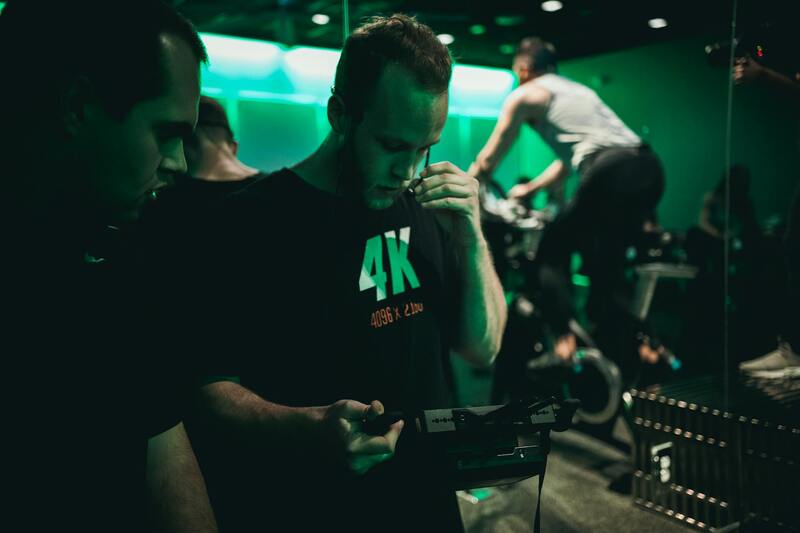
Opting for a dedicated photoshoot during an event ensures visual consistency and quality, providing a competitive edge whether for corporate branding, social celebrations, or public gatherings. The right images convey the atmosphere, energy, and importance of the occasion, making the photographs powerful tools for marketing, storytelling, and archival, all of which contribute to a comprehensive representation of the event’s significance.
Furthermore, these photos help foster a sense of community and participation among attendees, reinforcing positive associations with the event and the hosting organization. When skillfully taken, event photographs encapsulate the mood and key highlights, creating an impactful narrative that resonates well beyond the event date.
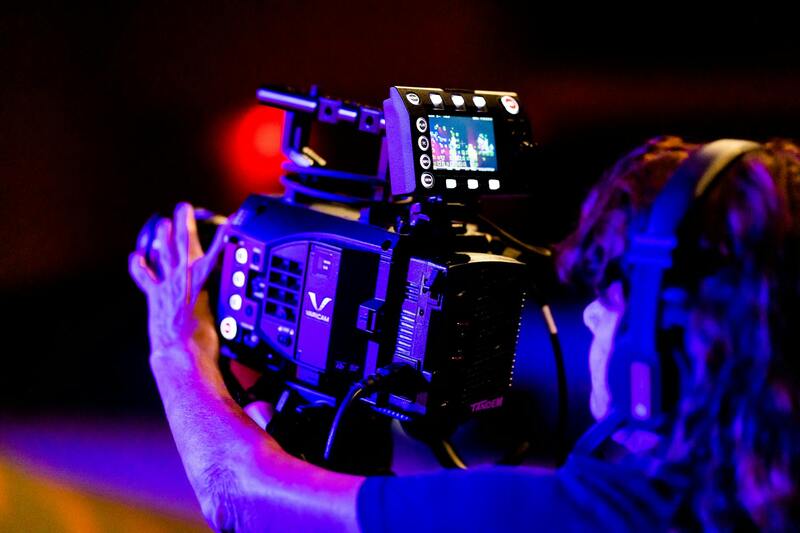
From an operational perspective, understanding the purpose behind an event photoshoot aids in setting clear objectives, selecting appropriate styles, and determining essential deliverables. This clarity ensures that the final imagery aligns closely with organizational goals, audience expectations, and the overall theme of the event. The strategic planning of these photos ultimately enhances the event's reach and legacy, making a professional, well-executed photoshoot an indispensable component of any significant gathering.
Understanding the Purpose of an Event Photoshoot
An event photoshoot serves as a vital component in visually documenting and enhancing the overall impact of gatherings ranging from corporate conferences to social celebrations. The primary goal is to produce high-quality visuals that accurately reflect the atmosphere, energy, and importance of the event. These images function as visual archives, offering detailed insights into the event’s progression and key moments. They are essential for marketing campaigns, providing content that resonates with target audiences on digital and print channels. Moreover, well-executed photos support storytelling efforts that elevate brand image, foster community engagement, and reinforce the significance of the occasion.
Such photos also play a crucial role in creating lasting impressions for attendees. They serve as memorable reminders of shared experiences, strengthening relationships between participants and the organizing entity. By capturing genuine interactions, reactions, and candid moments, event photos deepen emotional connections. For event organizers, these visuals not only document the event but also offer material for future promotional activities, reports, and organizational archives. The success of an event photoshoot hinges on clarity in its objectives—whether to highlight networking opportunities, showcase keynote speakers, or display the overall vibe—making it an indispensable strategic tool.
Fostering Engagement and Positive Perception
Strategically curated imagery from an event can significantly influence public perception. High-caliber photographs communicate professionalism, enthusiasm, and a welcoming atmosphere. They also serve to highlight special features of the event, such as keynote addresses, entertainment segments, or networking sessions. When these images are displayed across websites, social media platforms, or printed materials, they showcase the event’s success and encourage future participation. This visual storytelling enhances a brand’s credibility and extends the event’s reach beyond the physical location.
Supporting Organizational Goals and Legacy Building
Every event has specific objectives, whether to generate leads, foster community, raise awareness, or celebrate achievements. An event photoshoot helps in aligning visual documentation with these goals. Official images can be used to update marketing collateral, commemorate milestones, or archive the event for historical reference. Additionally, they create a library of high-quality visuals that can be repurposed long after the event concludes, maximizing return on investment. Professional photography ensures consistency in style and quality, which is key to maintaining a cohesive brand presence across various platforms and materials.
Legal and Budget Considerations
Ensuring that the event photoshoot aligns with official protocols involves meticulous planning around licensing agreements, rights management, and contractual terms. It's crucial to establish clear arrangements with photographers regarding the ownership of images, usage rights, and permissions for different platforms and purposes. This guarantees that all visuals can be utilized freely within agreed parameters, supporting promotional campaigns and archival projects without complications. When budgeting for an event photoshoot, it is important to consider various components such as photographer fees, equipment rentals, post-processing costs, and potential licensing expenses for copyrighted elements. Developing a comprehensive budget beforehand allows for better resource allocation, avoiding unexpected costs that could compromise the quality or scope of the photographic documentation. Official methods of engaging professional photographers typically include formal contracts and detailed proposals that specify deliverables, timelines, and rights. This ensures both parties understand their responsibilities and expectations, fostering a transparent and productive working relationship. Additional considerations involve insurance coverage for equipment and personnel, especially for large or high-profile events that require increased logistical planning. Proper coverage not only protects investments but also ensures that the event proceeds smoothly regardless of unforeseen circumstances. Furthermore, implementing a structured approval process for selected shots can streamline the final delivery, ensuring that the images meet organizational standards and branding guidelines. By adhering to these established procedures, organizers can secure a set of high-quality, legally compliant visuals that effectively serve their strategic goals.
Understanding the Purpose of an Event Photoshoot
An event photoshoot serves multiple strategic purposes, primarily to document significant moments, preserve memories, and promote the event’s impact through visual storytelling. High-quality images captured during events like corporate gatherings, weddings, conferences, or promotional launches not only serve as a record of the occasion but also enhance branding efforts and communicative outreach. Photographs that accurately reflect the atmosphere, key participants, and tailored branding elements contribute to a compelling narrative that can be leveraged across various platforms such as social media, websites, and printed materials.
Ensuring that each shot aligns with the event’s objectives requires careful planning and coordination with professional photographers who understand the nuances of event coverage. This includes identifying critical moments, audience engagement zones, and key figures to prioritize during the shoot. The intention is to produce a diverse set of images ranging from wide-angle shots capturing the scale of the event to close-up portraits highlighting individual expressions. These images, when curated effectively, provide a comprehensive view that promotes engagement and enhances the event’s overall perception.
Moreover, professional event photography is invaluable for creating an official archive of the event that can be referenced for future planning, promotional campaigns, or organizational documentation. High-definition, well-composed images serve as visual assets that contribute to an organization’s credibility and storytelling capacity. It’s essential that these photos adhere to best practices, including proper framing, lighting, and timing, to reflect the event's professionalism and authenticity accurately.
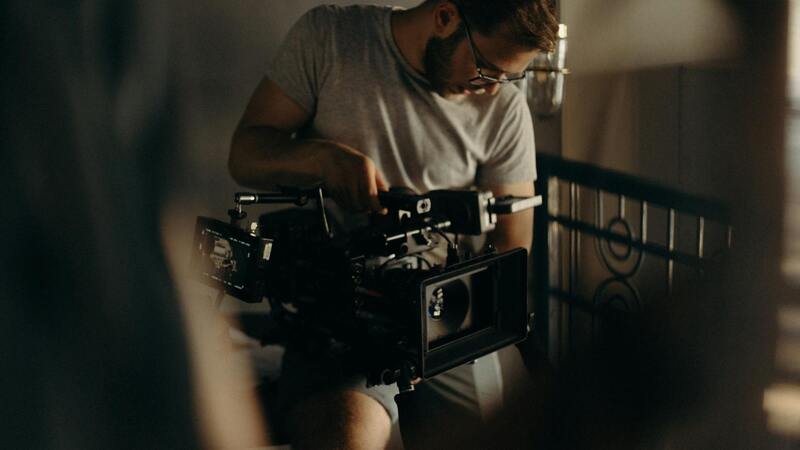
In addition to aesthetic quality, images must be produced with clarity and precision to ensure they can be used across diverse media without quality loss. This attention to detail reinforces the credibility of the event’s representation and fosters trustworthiness in the organization’s communication efforts. Whether used for internal reports or marketing strategies, well-executed event photos serve as powerful tools for storytelling and brand reinforcement.
Types of Event Photoshoots
There is a broad spectrum of event photography styles, each tailored to specific event goals and settings. Understanding these types allows for better alignment of photography approaches with the nature of the event.
- Documentary or Candid Photography: Focuses on capturing spontaneous moments that authentically portray the event’s atmosphere and participant interactions without interference or posed arrangements. This style is effective for conveying genuine emotions and dynamic interactions.
- Portrait and Posed Shots: Involves carefully planned photographs of key individuals, speakers, or large groups. These images are often used for promotional materials, awards, or formal documentation.
- Detail Shots: Highlights specific objects, decor, or branding elements that contribute to the event’s theme and identity. These images add richness to the overall visual story.
- Theme or Conceptual Photography: Utilizes creative setups to emphasize particular themes, messages, or branding elements, making the event visually distinct and memorable.
Each type plays a critical role in creating a comprehensive visual record that aligns with the overall purpose of the event. Collaborating with professional photographers ensures that the chosen styles are executed with technical proficiency and artistic integrity.
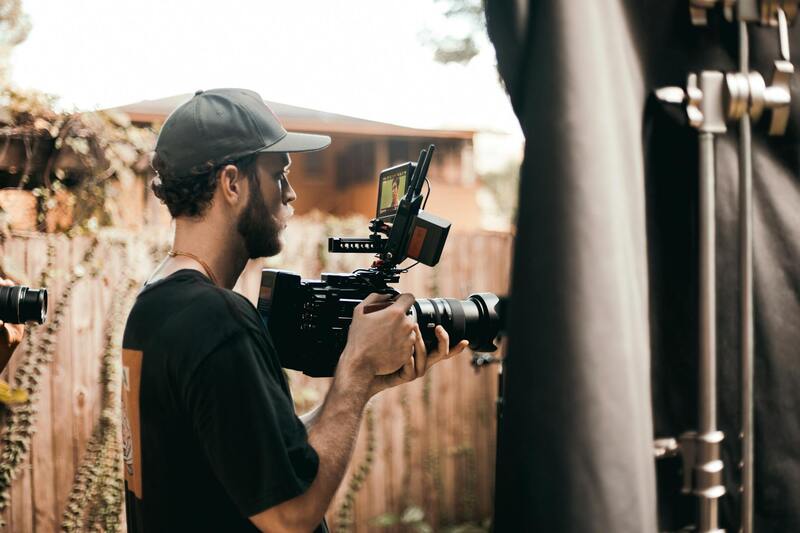
To maximize the effectiveness of an event photoshoot, detailed planning and clear communication with the photography team are essential. Defining the desired shot list, understanding the event schedule, and establishing key priorities facilitate a smooth execution and high-quality results. Furthermore, obtaining appropriate permissions and ensuring that all images taken adhere to organizational standards are pivotal steps in leveraging official and legitimate photography methods. This structured approach guarantees that the resulting images authentically represent the event and serve their intended purposes with clarity and professionalism.
Legal and Budget Considerations
When executing an event photoshoot, it is essential to meticulously plan both the financial aspects and the operational procedures to ensure the process aligns with organizational standards. Budget considerations involve accurately estimating costs related to hiring professional photographers, acquiring necessary equipment, and post-production editing. Establishing a clear budget upfront allows for efficient allocation of resources and helps prioritize key elements that will deliver maximum value for the event.
In terms of operational procedures, obtaining proper authorization for photography at the event is crucial. This includes securing permissions from event organizers and key stakeholders to photograph specific segments or individuals, especially if photos include private or sensitive content. It is also vital to implement a consistent workflow for image management, from capturing images to editing and final delivery, ensuring that high-resolution files are securely stored and appropriately labeled for easy retrieval.
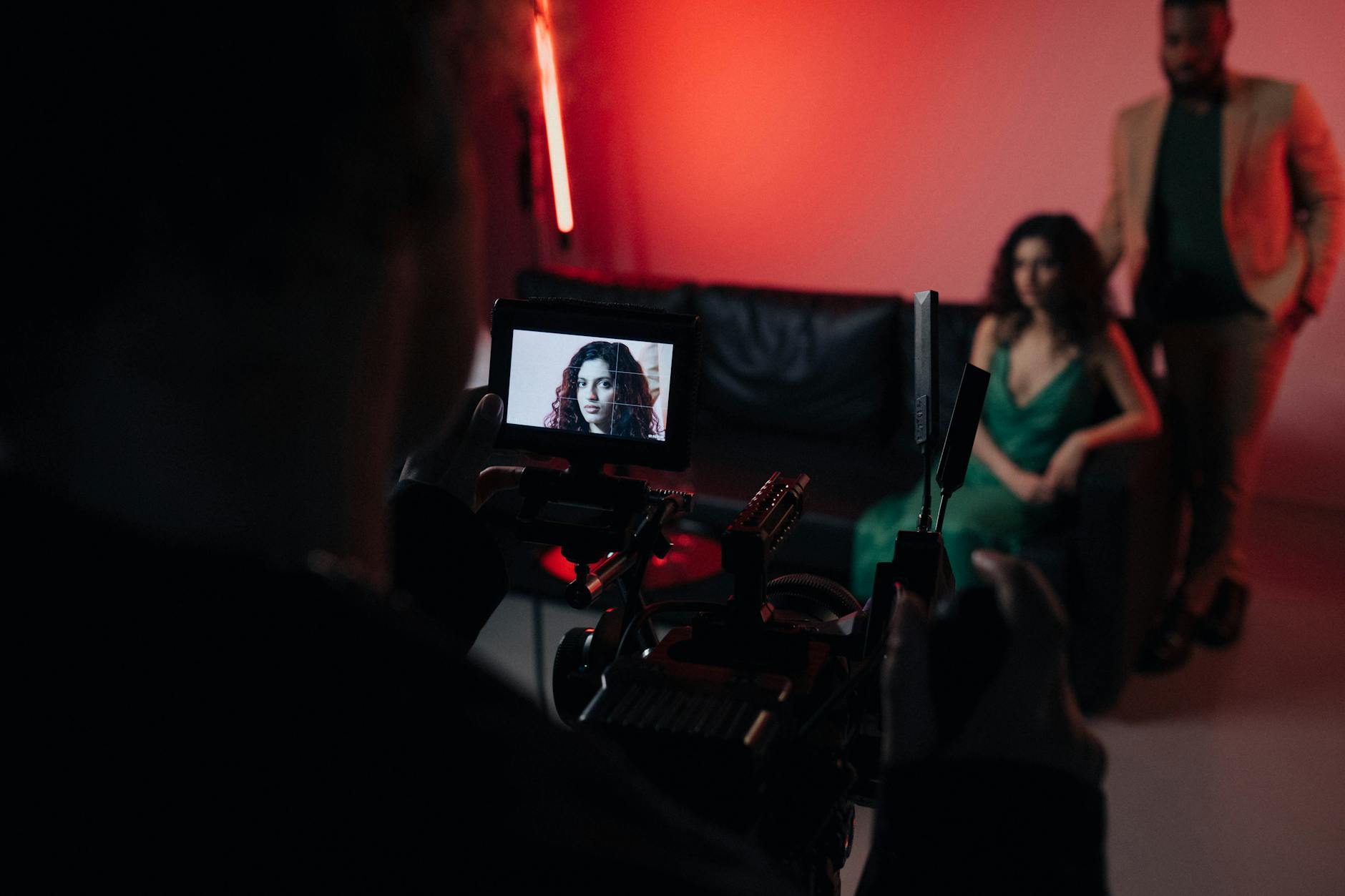
Adhering to established procedures also involves understanding intellectual property rights related to the images. Clarifying usage rights and licensing agreements with photographers ensures that the images can be used confidently across various channels without concerns about infringement or unauthorized distribution. By precisely documenting these arrangements, organizations protect their interests while maximizing the utility of the photographs.
Investing in professional services might seem substantial initially; however, it significantly enhances the quality and authenticity of the visual record. Establishing transparent communication channels, detailed contracts, and a clear timeline minimizes misunderstandings and helps stay within the financial plan. Ultimately, rigorous attention to legal and budgeting considerations fosters a productive environment where the event photoshoot outcomes can be leveraged effectively for promotional, archival, and organizational needs.
Advanced Techniques for Authentic Event Photography
Achieving exceptional results in an event photoshoot extends beyond basic camera operation; it involves applying advanced techniques tailored to capture the essence and atmosphere of the occasion. One crucial method is light management, where photographers utilize natural light efficiently or supplement it with professional lighting equipment to ensure clear, vibrant images. For example, on-location shoots during evening or indoor events often require diffused softboxes or flash modifiers to prevent harsh shadows and highlights, thereby creating well-balanced compositions.
In addition, understanding composition principles such as the rule of thirds, leading lines, and framing enhances the visual impact of each photograph. By thoughtfully positioning subjects within the frame, photographers guide viewers' attention, highlighting key moments or individuals. During dynamic events, rapid reflexes and quick adjustments are essential to capture fleeting expressions and candid interactions authentically.
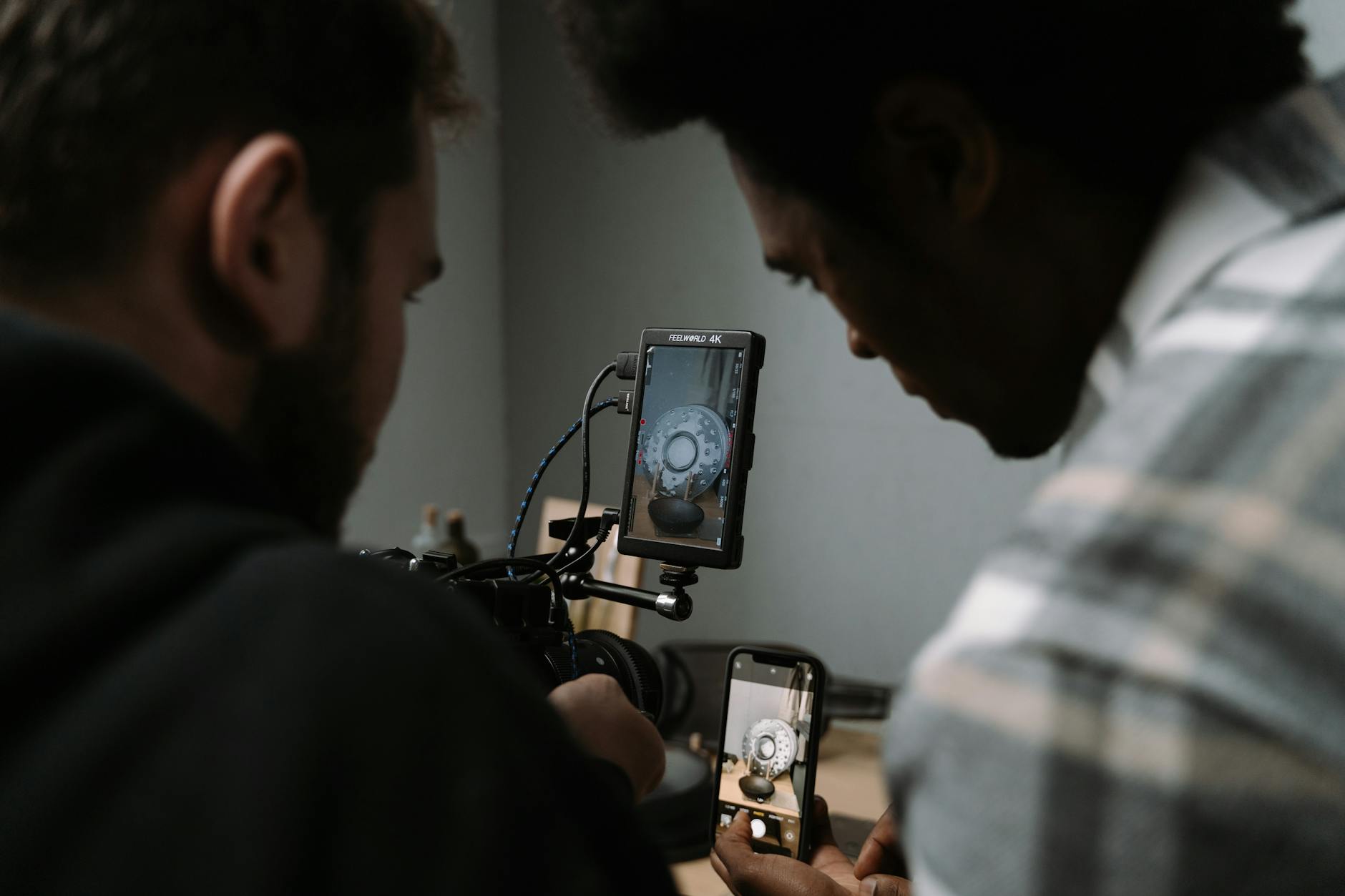
Another vital technique involves lens selection. Wide-angle lenses are suitable for capturing expansive event spaces, group shots, or environmental context, while telephoto lenses excel at isolating specific moments or individuals from a distance, minimizing disruption. Utilizing a fast lens with a large aperture, such as f/1.8 or f/2.8, allows for excellent depth of field control and better performance in low-light conditions, ensuring crisp imagery regardless of ambient lighting constraints.
Posture and engagement of subjects also influence image quality. Encouraging participants to adopt genuine expressions and natural postures helps produce authentic photographs that resonate with viewers. Incorporating continuous shooting modes allows capturing multiple frames per second, increasing the likelihood of selecting the perfect shot during fast-paced moments.
Mastering Technical Settings for Consistent Results
Effective event photography relies heavily on adept management of camera settings. Adjusting ISO sensitivity to match lighting conditions is essential; in brightly lit venues, a lower ISO prevents graininess, whereas indoor or dim settings benefit from a higher ISO, balanced against noise considerations. Shutter speed must be sufficiently fast to freeze motion—typically 1/250 second or faster—especially during lively segments like speeches or dance floors. Aperture settings should be chosen based on depth of field requirements, such as a wider aperture for portraits and a narrower one for group shots.
Implementing manual focus techniques ensures sharper images, particularly when subjects are stationary or moving unpredictably. Utilizing autofocus modes, like continuous AF or eye detection, can aid in maintaining focus on subjects during spontaneous moments. Additionally, employing continuous shooting or burst mode increases the chance of capturing decisive moments without missing critical expressions or interactions.
Post-Processing to Enhance Event Images
After capturing photographs at an event, systematic post-processing is vital to produce professional-grade images. This includes meticulous image selection, choosing the best shots that accurately depict the event's atmosphere. Advanced editing software enables adjustments to exposure, contrast, color balance, and sharpening, ensuring each image aligns with the client's branding or archival standards.
Retouching may involve minor blemish removal or background enhancements, but it should preserve the authentic feel of the moments. Consistent color grading across sets maintains visual cohesiveness, which is crucial when preparing images for publication or archival purposes. Delivering the final photographs in high-resolution formats suitable for various uses—print, web, or social media—ensures maximum versatility and impact.
Understanding the Importance of Proper Licensing for Event Photoshoot Results
In the realm of professional event photography, securing proper licensing is fundamental to protecting both the photographer and client, ensuring clarity over usage rights and permissions. Licensing agreements serve as formal documentation that specify how photographs can be utilized, distributed, and reproduced, establishing boundaries that prevent future disputes or misunderstandings. When engaging a photographer, it is crucial to have a clearly articulated license that covers various uses, such as promotional materials, social media sharing, print distribution, and archival purposes.
One of the core elements of licensing pertains to the scope of usage rights granted. For instance, an exclusive license grants the client sole rights to the images, prohibiting the photographer from reusing the same work elsewhere. Conversely, non-exclusive licenses allow the photographer to retain rights and license the images to other clients, which is common in event photography.
Additionally, licensing agreements should specify the duration of usage rights. Temporal limitations prevent the indefinite use of images without renewal or additional compensation. It is also essential to clarify geographic restrictions, particularly for images intended for local versus international campaigns. This ensures that both parties have a mutual understanding of where and how the images can be showcased or distributed.
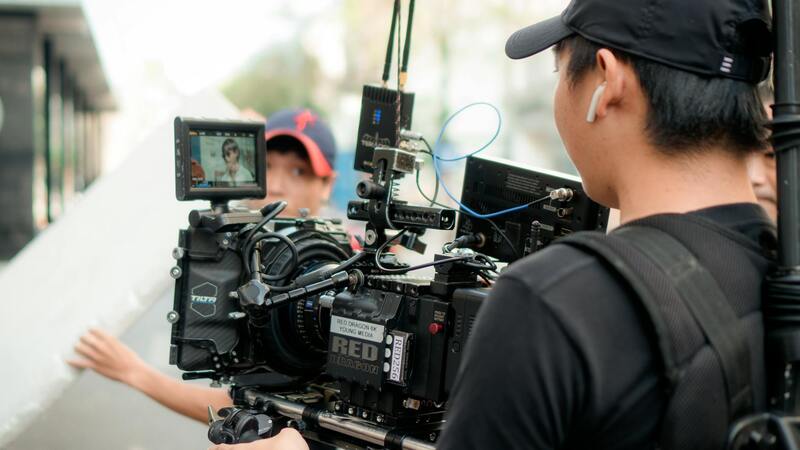
Another critical aspect involves the rights to alter or modify images. Some licenses restrict or permit cropping, editing, or adding overlays. Clients may want to customize images for specific branding or promotional purposes, so understanding these parameters is vital from the outset. Furthermore, licensing should address the ownership of raw, unprocessed files, and whether the client receives comprehensive rights to these originals or only finalized images.
Clear licensing agreements also have implications for copyright management. When a photographer retains copyright, the client obtains licensing rights subject to defined parameters. Alternatively, a photographer may transfer copyright ownership upon agreement, granting full rights to the client. Each approach carries different legal and operational consequences, making it important to stipulate these details explicitly in the contract.
To uphold transparency and professionalism, detailed licensing terms should be included in the initial contract, outlining all relevant rights, restrictions, timeframes, and geographic limitations. This reduces ambiguity and ensures that both parties are aligned on the scope of image usage, thereby safeguarding their respective interests and facilitating a smooth process from shoot to delivery.
Understanding the Purpose of an Event Photoshoot
Event photoshoots serve as a vital method to document the significance of various occasions, capturing moments that reflect the essence, emotions, and atmosphere of the event. These images facilitate storytelling, allowing clients and organizations to preserve memories, showcase their achievements, and highlight the unique aspects of their gatherings. The primary goal is to create a visual record that resonates with viewers, evoking sentiments and providing context for future reference or promotional activities.
By employing professional event photography, businesses and individuals can ensure that the memories are preserved with clarity and finesse. Thoughtful composition, lighting, and timing are essential to capture key moments—be it a ceremonial speech, a candid smile among guests, or a meticulously arranged setup. Selecting appropriate angles and perspectives can significantly enhance the storytelling potential of the photos, creating compelling narratives that communicate the event's significance effectively.
Additionally, event photos can serve strategic purposes beyond mere documentation. For corporate events, these images exemplify brand presence, professionalism, and community engagement—elements crucial for marketing and stakeholder communication. For personal occasions such as weddings or milestones, they become treasured keepsakes that strengthen personal bonds and family histories. The versatility of professional event photography underlines its importance as a legitimate means of representing and promoting the event's impact.
Types of Event Photoshoots
Event photography encompasses various formats tailored to the nature and objectives of the gathering. Some of the most common types include:
- Corporate Event Photoshoots: Focused on conferences, product launches, award ceremonies, and business networking events. These photos often highlight keynote speakers, audience engagement, and branded settings.
- Social Celebrations: Covering weddings, anniversaries, birthday parties, and community festivals—aimed at capturing candid interactions and special moments.
- Fundraisers and Charity Events: Highlighting donor engagement, event setup, and keynote moments that showcase the event's purpose and success.
- Product or Service Launches: Combining event coverage with promotional content that emphasizes new offerings and stakeholder participation.
Ultimately, each type necessitates a tailored approach to lighting, composition, and candid versus posed shots, which professional photographers prepare for during the pre-event planning stages.
Pre-Event Planning and Coordination
Effective event photography hinges on thorough pre-event planning. Clear communication with clients helps identify key moments, special guests, and desired shots. Developing a shot list ensures that important moments are not overlooked amid the hustle and bustle of the event. Coordinating with event organizers guarantees access to designated areas, understanding of event schedules, and awareness of any restrictions or cultural sensitivities that could influence photography styles.
Discussing styling preferences, branding elements, and special requests beforehand allows the photographer to align their approach with the event’s tone. Establishing a timeline for the shoot, including arrival times and designated photography zones, helps maximize efficiency. Additionally, scouting the event location beforehand can provide insights into lighting conditions and potential photographic challenges, enabling the photographer to prepare appropriate equipment and techniques.
Key Equipment and Techniques for Event Photography
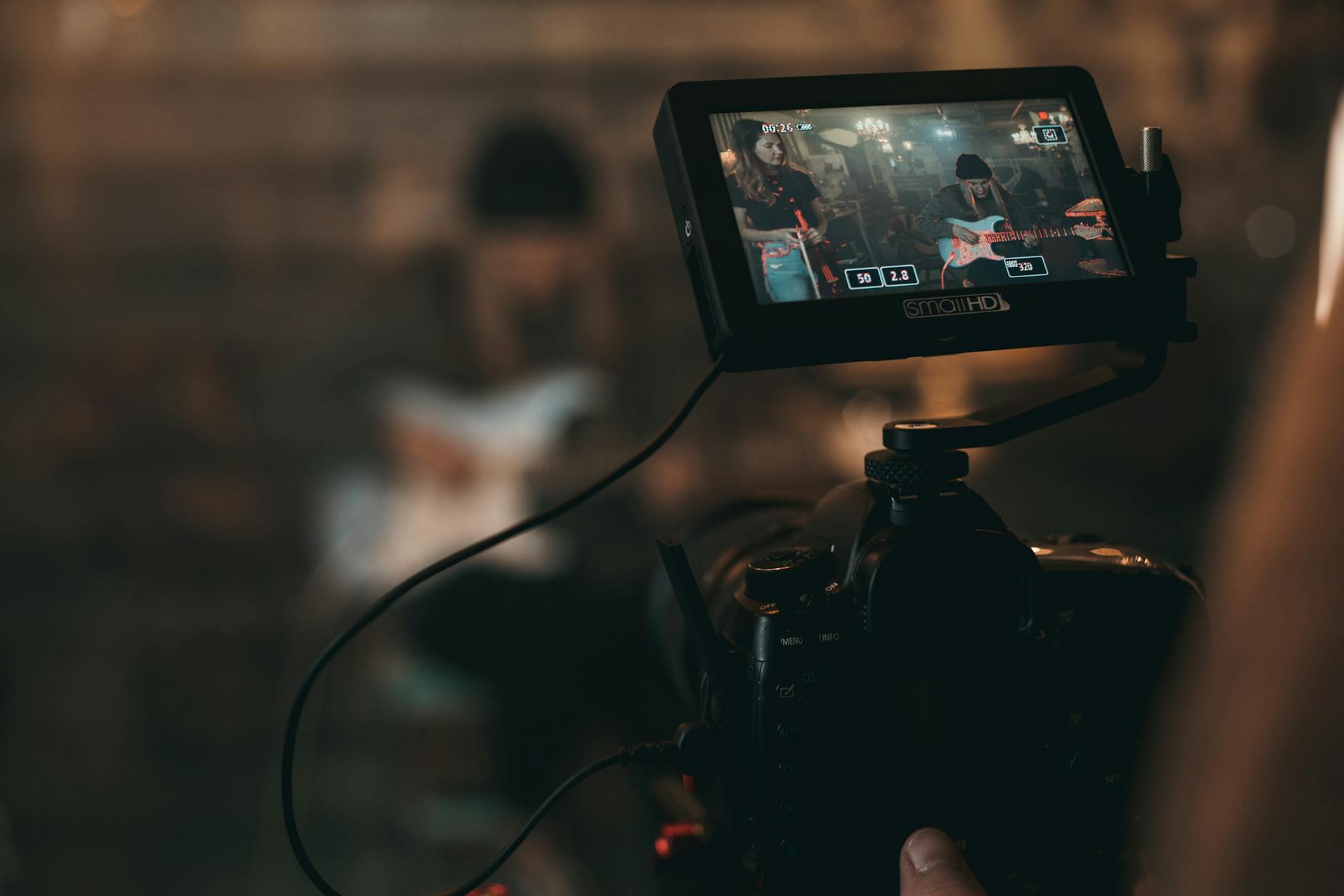
Professional event photography relies on a combination of robust equipment and refined techniques. Essential gear includes a high-quality DSLR or mirrorless camera capable of high ISO performance, a selection of fast lenses (such as 24-70mm and 70-200mm), and portable lighting solutions for low-light environments. Stabilizers and tripods may be used for steady shots during speeches or presentations.
Techniques such as utilizing natural light, employing bounce flash, and adjusting camera settings dynamically help capture sharp, well-exposed images under changing lighting conditions. The use of continuous autofocus ensures that moving subjects remain in focus, while burst mode allows for capturing multiple expressions or reactions in rapid succession. Professional photographers also leverage post-processing techniques to enhance color accuracy, improve contrast, and correct minor imperfections—culminating in polished images that meet high standards of excellence.
Capturing Candid and Posed Shots
A balanced combination of candid and posed photographs enriches the event's visual narrative. Candid shots capture authentic emotions, spontaneous interactions, and the atmosphere of the gathering. These images often require the photographer to blend into the background, remaining unobtrusive yet alert for genuine moments.
Posed shots, on the other hand, are carefully orchestrated to highlight key individuals, groups, or thematic elements. They necessitate directing subjects to achieve natural expressions and relaxed postures, ensuring that the images convey professionalism while maintaining warmth and authenticity. Combining these approaches involves strategic planning, quick reflexes, and excellent interpersonal skills, all of which are hallmarks of experienced event photographers.
Post-Event Editing and Delivery
Post-processing plays a crucial role in transforming raw images into polished visual assets. Editing typically involves color correction, brightness and contrast adjustments, cropping, and removing minor distractions. For events with specific branding or style guides, photographers ensure consistency across all images, maintaining color schemes, logo placements, or thematic filters.
Effective image management ensures quick turnaround times for delivery. Using a professional gallery system or secure cloud storage facilitates organized access for clients, whether they require high-resolution files for print or optimized images for online use. Establishing clear timelines for editing and delivery helps manage client expectations, ensuring that the photos are available within agreed periods to support ongoing promotional or archiving efforts.