
Understanding the Role of an Event Photographer
Event photographers play a crucial role in preserving the essence and memories of significant occasions by capturing pivotal moments with precision and artistic talent. Their responsibilities extend beyond simply taking pictures; they serve as visual storytellers who document the atmosphere, emotions, and details that make each event unique. Through their lens, they produce high-quality images that not only serve as treasured keepsakes but can also be employed for promotional and marketing purposes. The scope of work for an event photographer typically includes pre-event planning, understanding the client’s vision, and coordinating with event organizers to ensure comprehensive coverage. During the event, they are tasked with capturing candid expressions, key highlights, guest interactions, and important formal moments such as speeches and ceremonies. Post-event, they focus on editing and delivering images that meet professional standards, reflecting the event’s significance with clarity and artistic finesse.

Consequently, their work encompasses a blend of technical skill, aesthetic sensibility, and an understanding of event flow. They must adapt to varying lighting conditions and fast-paced environments to capture images that are both visually appealing and meaningful. The skillset of an accomplished event photographer combines technical proficiency in camera operation with the artistic ability to capture emotions and storytelling elements. Their role is vital in crafting visual narratives that resonate with audiences long after the event has concluded, making them indispensable for personal milestones, corporate functions, or social gatherings.
Types of Events Requiring Professional Photography
Many occasions benefit from the expertise of a professional photographer to document their significance. These include:
- Weddings and engagements
- Corporate events and galas
- Conferences and trade shows
- Birthday parties and anniversaries
- Charity events and community activities
- Fashion shows and artistic performances
- Sports events and tournaments
Each type of event presents unique challenges and requires tailored photographic approaches to ensure all vital moments are preserved professionally.
Understanding the Role of an Event Photographer
An event photographer serves as the visual storyteller for your special occasion, carefully capturing moments that may otherwise fade with time. Their expertise extends beyond simply clicking pictures; it involves a deep understanding of the event's flow, anticipation of key moments, and the ability to adapt quickly to changing environments. Whether it's a bustling wedding, a corporate symposium, or a lively birthday celebration, these professionals employ a combination of technical mastery and artistic sensibility to produce images that authentically represent the atmosphere and emotions of the event.
A proficient event photographer is well-versed in managing various lighting conditions, using different camera techniques to ensure clarity, color accuracy, and composition integrity. They recognize that each event has its unique character and aesthetic, customizing their approach to align with the occasion's tone and purpose. Their work frequently involves shooting in fast-paced environments, requiring quick reflexes and an ability to make real-time adjustments—skills essential for capturing spontaneous interactions, candid emotions, and significant symbols that define the event.
Beyond technical ability, effective communication is critical. Professional photographers collaborate with clients to understand their vision, outlining specific shots and moments they prioritize. This partnership ensures that the final collection of images not only documents the event but also preserves the intangible feelings experienced during the occasion. Their role encapsulates a commitment to quality, artistic interpretation, and meticulous attention to detail—parameters crucial for creating memorable and impactful visual content.
In many cases, event photographers also manage post-event responsibilities such as editing and retouching images. This process involves enhancing pictures for color balance, sharpness, and overall aesthetic appeal, aligning the final output with the initial vision and quality expectations. Their expertise ensures images are polished, professionally presented, and ready for use across various media platforms or personal keepsakes.
Moreover, event photographers are instrumental in alternative coverage formats—such as live photo streams or social media-ready images—allowing clients to share moments instantly or generate buzz around upcoming events. This versatility underscores the importance of selecting a photographer with a comprehensive skill set, capable of meeting diverse documentation needs while maintaining high standards of professionalism.
Ultimately, choosing the right photographer involves evaluating their ability to blend technical proficiency with artistic storytelling, ensuring they can meet the specific demands of your event. The right professional not only documents but elevates your occasion by creating images that will be treasured and shared for years to come. They act as a vital partner in transforming fleeting moments into enduring memories, highlighting the event’s significance through compelling imagery that resonates with your audience and preserves your legacy.
Understanding the Role of an Event Photographer
An event photographer holds the unique responsibility of capturing moments that define a gathering, ensuring that each significant event is documented with precision and artistic flair. Their role extends beyond simply taking photos; it encompasses understanding the flow of the event, the key moments that deserve focus, and the overall vibe that clients wish to convey through their images. These professionals combine technical mastery of camera equipment with an eye for detail, timing, and emotion to produce compelling visual stories.
Expert event photographers are adept at working in diverse environments, from well-lit banquet halls to bustling outdoor festivals, adapting their approach to achieve optimal results. They use advanced techniques in composition, lighting, and posing to ensure that every image highlights the essence of the moment. Whether it’s ensuring crisp candid shots of guests mingling or spotlighting a meticulously planned highlight, these photographers are equipped to handle the nuances of varied event settings.
Moreover, they’re responsible for managing post-event editing, where they enhance images through color correction, removal of distractions, and retouching to meet client specifications. This process results in polished, professional photographs that reflect the event’s atmosphere and significance. From high-resolution photos suitable for print media to optimized images for online sharing, the photographer’s role culminates in delivering versatile assets tailored to distinct needs.
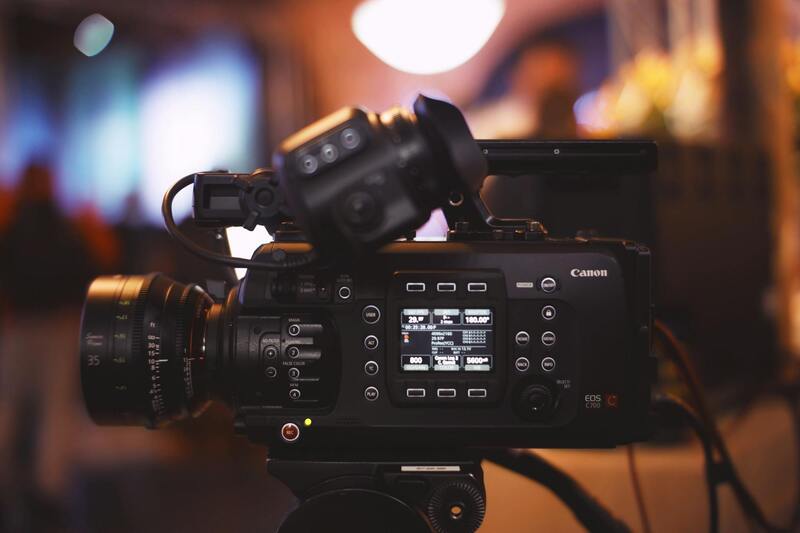
Types of Events Requiring Professional Photography
Professional photographers are essential for a broad spectrum of occasions, each demanding a tailored approach to ensure the most meaningful moments are preserved:
- Weddings: Capturing the emotional exchange, candid interactions, and the overall atmosphere of one of life’s most cherished days.
- Corporate Events: Documenting seminars, launches, and company celebrations that highlight professionalism and success.
- Private Parties and Celebrations: Covering birthdays, anniversaries, and special gatherings that mark personal milestones.
- Charity Events: Showcasing community involvement and fundraising efforts to enhance visibility and support.
- Public Festivals and Cultural Events: Documenting large-scale gatherings involving performances, parades, or exhibits, capturing the energy and diversity of the occasion.
- Fashion and Art Shows: Highlighting style, creativity, and detail-oriented displays within dynamic environments.
Each of these event types benefits from a professional approach that not only records the moment but also tells a compelling story, fostering memories that can be revisited and shared across various platforms.
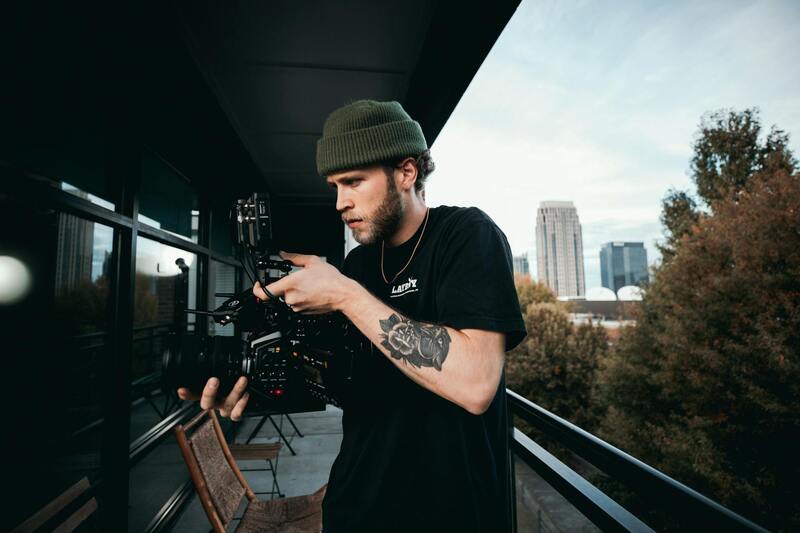
Understanding the Role of an Event Photographer
An event photographer is a specialized professional responsible for visually documenting occasions that hold personal, cultural, or organizational significance. Their role extends beyond merely taking pictures; it involves understanding the nature of the event, gauging the mood, and capturing authentic moments that resonate emotionally with viewers. A skilled event photographer possesses a keen eye for detail, excellent timing, and the ability to adapt to dynamic environments, ensuring that every important aspect is documented with clarity and artistic integrity. They work closely with clients to understand their expectations, the key moments that need emphasis, and the overall style preferred—whether candid, posed, artistic, or documentary. Their expertise in adjusting camera settings, lighting conditions, and composition ensures that the final images are of high-quality, meaningful, and aligned with the event's purpose. When choosing a photographer for events, it is essential to focus on their technical proficiency, creative vision, and ability to seamlessly integrate into the event environment while respecting the flow of proceedings.
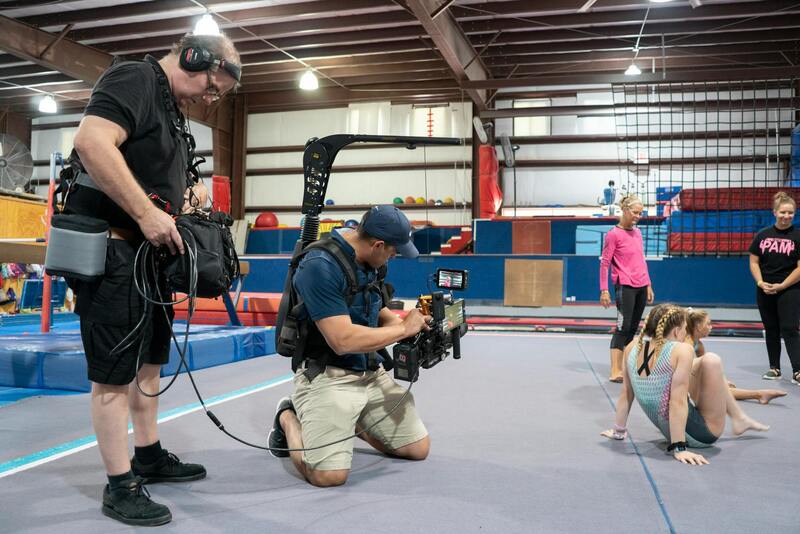
The Importance of Professionalism in Event Photography
Professional event photographers bring a level of expertise that guarantees the preservation of your cherished moments with consistency and artistry. Their approach involves pre-event planning, understanding the venue, lighting conditions, and key individuals to ensure comprehensive coverage. A professional photographer also adheres to scheduled timelines, manages equipment efficiently, and maintains a polished demeanor that reassures clients and event attendees alike. This professionalism extends to post-event responsibilities, including timely delivery of high-resolution images, editing, and archiving, which ensures your memories are preserved in the best possible quality for years to come.
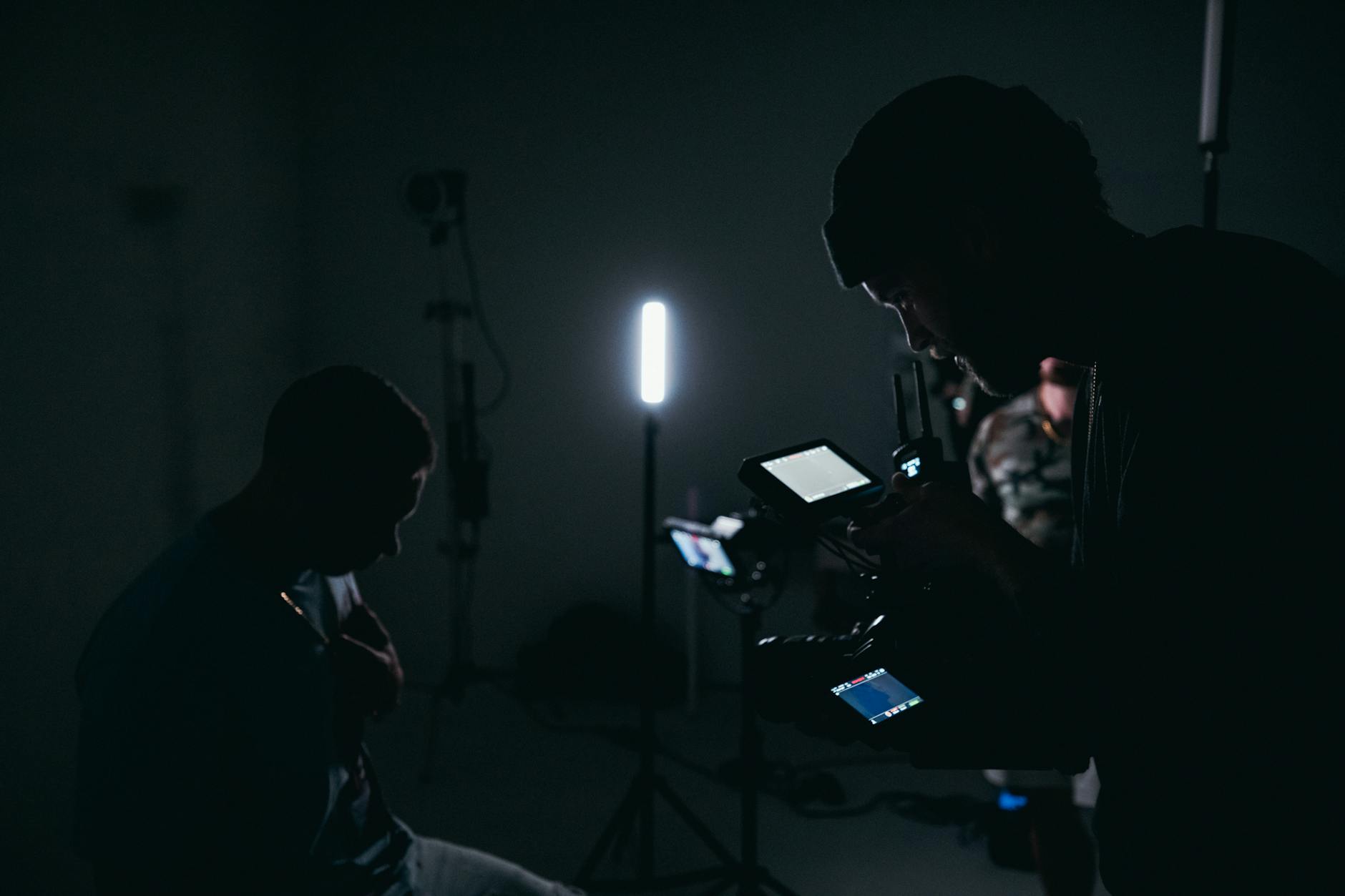
Connecting With Your Audience Through Visual Storytelling
Effective event photography transcends simple documentation—it's about telling a story. Skilled photographers focus on capturing moments that evoke emotion, highlight interactions, and reflect the atmosphere of the event. They seek out candid reactions, significant gestures, and details that paint a comprehensive picture. The resulting images help viewers relive the experience, reinforce the event’s impact, and foster ongoing engagement. For instance, during a wedding, a photographer may focus on the exchange of vows, laughter among guests, or intricate decorations, all contributing to a narrative that is unique and compelling. This storytelling capacity is vital in creating a visual record that is as meaningful as it is aesthetically pleasing, making professional event photography a valuable investment for capturing life's most resonant moments.
Legal Considerations and Contracts
When engaging a photographer for events in Miami, establishing clear legal frameworks through comprehensive contracts is essential. A well-drafted agreement outlines the scope of work, including the number of hours, locations, and specific shots required, ensuring both parties have aligned expectations. It also defines ownership rights over the images, licensing terms, and usage permissions, which helps prevent misunderstandings after the event.
Contracts should specify deliverables such as the number of edited images, turnaround times, and formats for delivery. Payment terms, including deposits, final payments, and refund policies, are also typically included to ensure financial arrangements are transparent. Additionally, clauses related to cancellation policies and unforeseen circumstances protect both clients and photographers, providing a clear pathway for rescheduling or refunds if necessary.
In Miami's dynamic event scene, where venues and event types vary widely, a detailed contract is crucial for smooth coordination. It should also address contingencies such as equipment failure, weather disruptions, or emergencies, underscoring the importance of mutual understanding. Working with professionals who prioritize detailed agreements demonstrates their commitment to transparency and accountability, safeguarding your investment in high-quality event documentation.
Ensuring Proper Ownership and Usage Rights of Event Photos
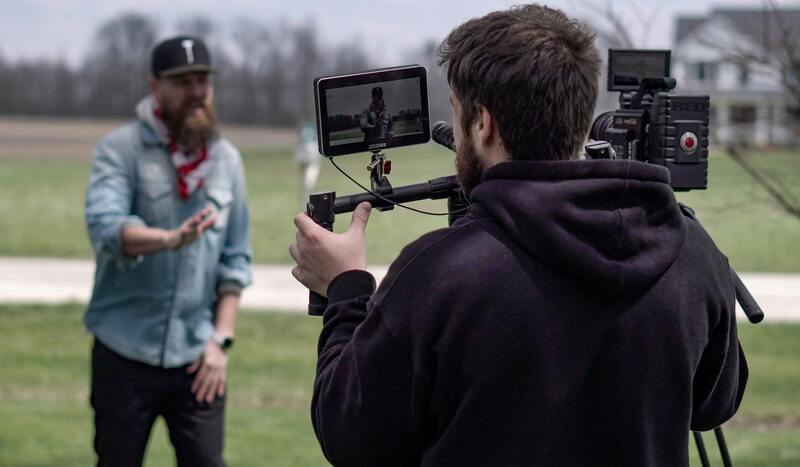
One of the most critical aspects when working with a professional photographer for events in Miami is understanding the delineation of ownership and usage rights over the images captured. A reputable photographer typically grants clients specific rights to use the photos for personal or promotional purposes, depending on the agreement terms. Clarifying these rights upfront helps prevent misunderstandings and ensures that clients can leverage their images across various platforms such as social media, websites, or printed materials without legal concerns.
In most cases, photographers retain certain rights over the original images to protect their artistic work and intellectual property. However, clients are usually granted a license to use the images within agreed parameters. These licenses specify whether images can be modified, shared publicly, or used commercially. An explicit license clause in the contract ensures both parties are aligned on how the photographs can be utilized post-event.
Additionally, copyright ownership should be clearly discussed. Some photographers offer clients full copyright transfer, allowing unrestricted use and reproduction rights. Others may reserve copyright while granting a broad license for specific uses. Understanding this distinction is key to maximizing the value of the photographic investment and avoiding future legal complications.
Drafting a Comprehensive Contract to Safeguard Interests
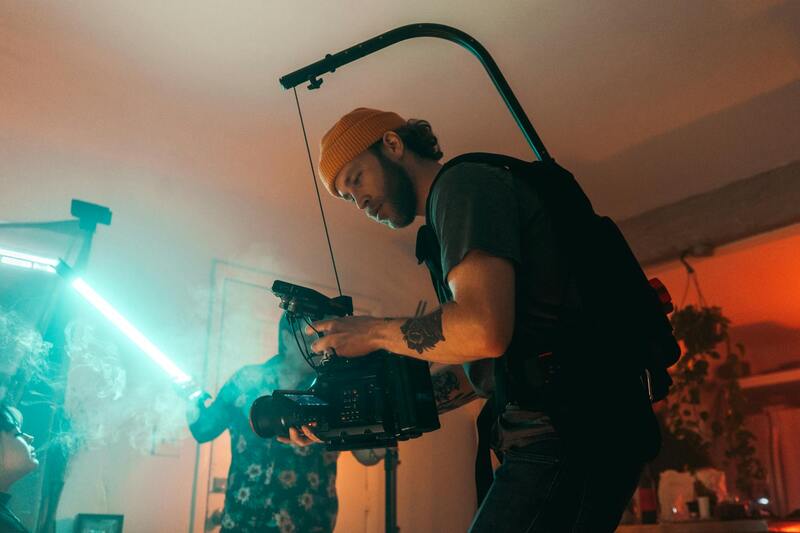
To secure your interests when hiring a photographer for events, a detailed and precise contract is indispensable. An effective agreement outlines all significant aspects of the project, including date, location, and expected deliverables. The scope of work should detail the number of hours, specific shots requested, and any particular moments or guests to be captured to ensure the photographer understands your priorities.
Furthermore, the contract should specify the timeline for delivery of edited images, formats required, and the number of final images included in the package. Payment terms, including deposits, installment schedules, and total fees, must be explicitly stated to facilitate smooth financial transactions. Clauses addressing cancellations, rescheduling, and potential unforeseen events provide additional safeguards, offering clear pathways for adjustments if needed.
Protection extends to contingencies such as equipment malfunctions or weather disruptions, especially in Miami's diverse climate. An agreement that includes provisions for handling such situations demonstrates professionalism and foresight, reducing risks and ensuring the photographer’s commitment aligns with your expectations. A comprehensive contract is the cornerstone of a transparent and successful collaboration, guaranteeing that your event's photographic documentation proceeds without disputes or misunderstandings.
Legal Considerations and Contracts
Securing a clear and comprehensive agreement is essential when engaging a photographer for events. A well-structured contract should outline all pertinent details, including scope of work, deliverables, and timelines. It establishes mutual understanding and helps prevent misunderstandings that could impact the quality and timeliness of the photographs.
Key elements to include are the scope of services, such as the number of hours of coverage, specific moments or guests to be photographed, and any additional services like album creation or photo booth setups. Clear definitions of deliverables, including the format, resolution, and method of delivery for edited images, are crucial. This prevents ambiguities and ensures expectations are aligned.
Furthermore, the contract must delineate payment terms—covering deposits, installment schedules, and total fees—to facilitate smooth transactions. Cancellation policies and rescheduling provisions should be specified, outlining procedures and potential penalties or refunds. Contingency plans for unforeseen circumstances such as equipment failure or adverse weather conditions are also vital, especially considering Miami's varied climate.
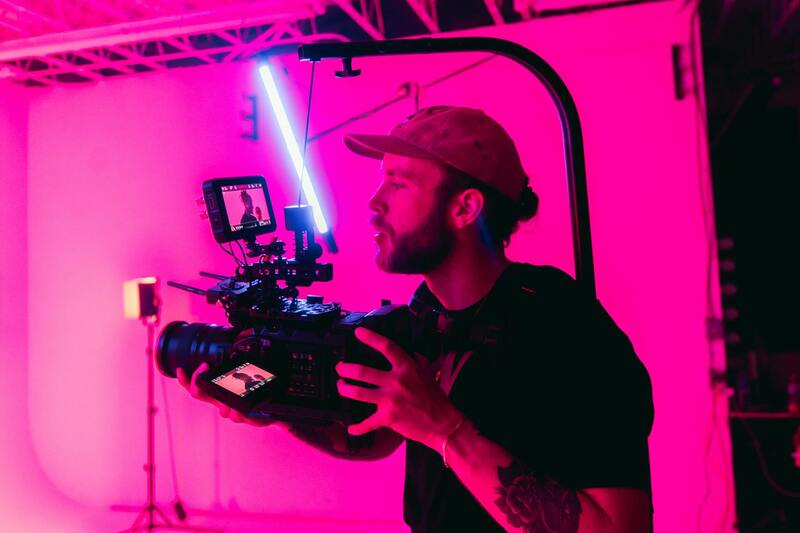
In addition to these operational details, contractual agreements should cover image rights and licensing. They clarify whether the client holds exclusive rights to use and reproduce the images or if the photographer retains certain rights for portfolio use. Understanding these terms ensures that clients can utilize their photographs as intended without infringing upon the photographer’s rights.
Policy on cancellations and refunds is also integral, providing clarity in case of unforeseen changes or emergencies. This transparency protects all parties, establishing trust and fostering a smooth working relationship.
Understanding the Role of an Event Photographer
An event photographer’s primary responsibility is to document moments that reflect the essence and atmosphere of a specific occasion. They ensure that key moments, emotions, and interactions are captured with skill and artistry. This role extends beyond snapping random photos; it involves a strategic approach to storytelling through imagery. Skilled event photographers anticipate important moments, adapt to changing environments, and capture candid and posed images with equal finesse. Their work provides a visual narrative that serves as a lasting memento for clients, whether it’s a corporate conference, wedding, gala, or community celebration.
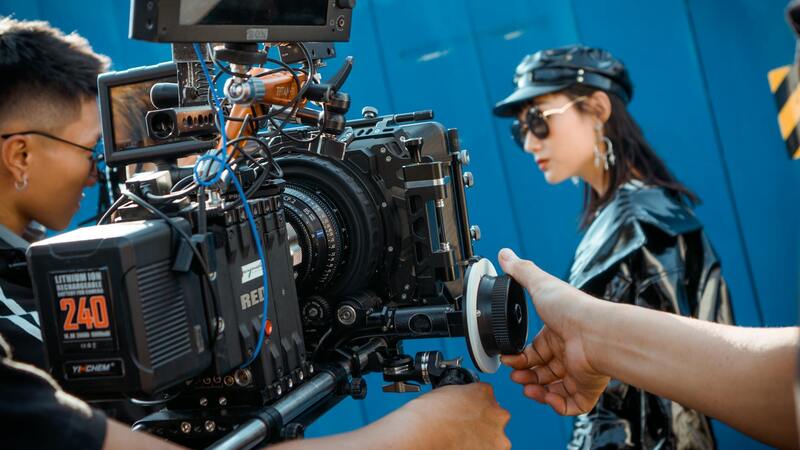
Professional event photographers also bring technical expertise, utilizing advanced equipment and editing techniques to produce high-quality images. Their understanding of lighting, composition, and timing ensures that each shot accurately conveys the mood of the event. Furthermore, their ability to work unobtrusively allows them to photograph guests and activities naturally, creating authentic and compelling images that truly represent the event’s spirit.
Types of Events Requiring Professional Photography
- Weddings and engagement celebrations
- Corporate meetings, conferences, and product launches
- Gala dinners, fundraisers, and charity events
- Birthday parties and anniversary celebrations
- Community festivals and cultural events
- Sporting events and competitions
- School functions, graduations, and commencements
- Religious ceremonies and gatherings
Key Qualities to Look for in an Event Photographer
- Portfolio Quality: Review their previous work to assess style, consistency, and technical proficiency.
- Experience: Opt for photographers with specific experience in the type of event you are planning.
- Professional Equipment: Ensure they use high-end cameras, lenses, and lighting equipment suitable for various settings.
- Flexibility and Adaptability: Look for photographers who can work in different environments and lighting conditions without compromising quality.
- Attention to Detail: A keen eye for capturing subtle moments and emotions enhances the storytelling aspect of their work.
- Communication Skills: Clear communication ensures that your specific expectations and requirements are understood and met.
- References and Reviews: Positive testimonials from past clients provide insight into their professionalism and reliability.
How to Choose the Right Photographer in Miami
When selecting a photographer for your Miami event, consider their familiarity with local venues and conditions. Proximity can facilitate coordination and ensure punctuality. Investigate their availability during your event date and inquire about their experience with similar events. Meeting in person or via video call provides an opportunity to discuss your vision, review portfolios, and gauge their enthusiasm and professionalism.
Additionally, verify their approach to event coverage—do they emphasize candid shots, formal portraits, or a mix of both? Clarify their coverage hours and discuss any specific moments you want to be prioritized. Understanding their editing style and delivery timeline ensures your expectations align from the outset.
Pricing and Packages for Event Photography
Event photography costs vary depending on factors like duration, number of photographers, post-production services, and deliverables. Common packages include:
- Hourly Coverage: Flexible and suitable for shorter events or specific segments.
- Full-Day Coverage: Usually ranging from 8 to 12 hours, ideal for comprehensive documentation.
- Styled Session Add-ons: Engagement shoots, portrait sessions, or post-event photo albums.
Most providers offer tiered packages, allowing customization based on needs and budget. Always request detailed quotes that specify the scope of work, number of edited images, and delivery format. Upfront clarity on pricing prevents surprises and ensures that your investment aligns with your expectations.
Preparing for Your Event Photo Session
Preparation plays a vital role in capturing outstanding images. Coordinate with your photographer beforehand to discuss key moments, special guests, or unique themes. Communicate your expectations regarding style and specific shots. Provide a timeline or schedule of the event to help the photographer plan their coverage accordingly.
For formal photos, organize groupings and designate a point person for coordinating guests. For candid shots, ensure that they have access to candid areas and are aware of any restricted zones. If your event involves significant lighting setups or special effects, discuss these in advance to facilitate proper planning.
Legal Considerations and Contracts
Establishing a comprehensive contract with your photographer is essential for a smooth process. The contract should detail the scope of coverage, specific moments to be photographed, and any additional service requests such as album creation or photo booth setups. It should also specify the deliverables, including image format, resolution, and delivery timeline.
Payment terms should be clearly outlined, covering deposits, installment schedules, and final fees. Cancellation policies and rescheduling procedures must be specified, alongside policies for handling unforeseen circumstances. Clarifications regarding image rights and licensing are critical—ensuring you can use and reproduce images according to your needs while understanding any restrictions the photographer may retain.
Having a written agreement that covers these aspects helps establish mutual understanding and professional accountability, safeguarding the interests of all parties involved. It also sets clear expectations, reduces misunderstandings, and promotes a transparent relationship from planning through post-event delivery.