
Understanding the Role of Professional Event Photography
Professional event photography encompasses the skillful capturing of moments during a wide range of gatherings, including corporate functions, weddings, conferences, galas, and private parties. It is a specialized field dedicated to documenting events with clarity, artistry, and precision, ensuring that the essence and significance of each occasion are preserved for years to come. Unlike casual photography, professional event photography involves a comprehensive approach that caters to the unique needs of each event, from pre-production planning to post-event processing.
The significance of this service extends beyond simple image capture. High-quality event photographs serve as a visual history, enabling clients to relive cherished moments and share their experiences with a wider audience. They also provide valuable content for promotional activities, training materials, and archival purposes. In a vibrant city like Miami, where events are often elaborate and highly publicized, professional event photography is a vital component of successful event management. It ensures the moments are documented with consistency, artistic flair, and technical precision, reinforcing the event’s brand and personal significance.
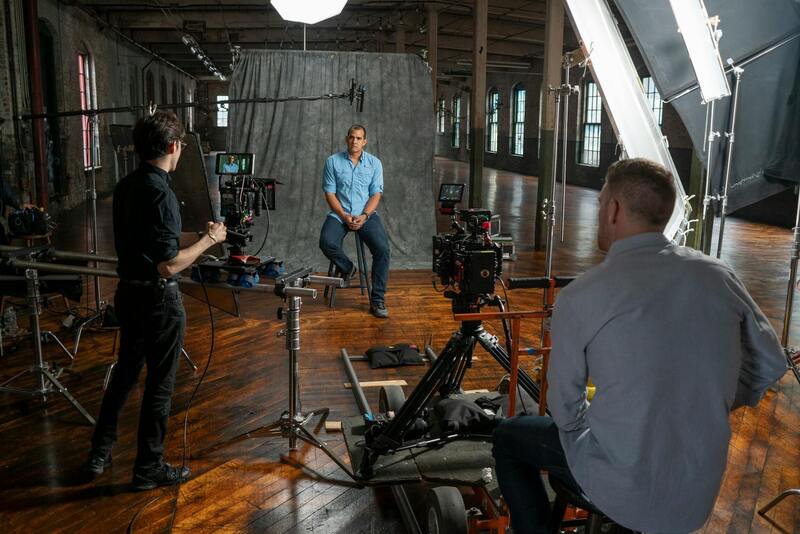
Clients in Miami increasingly recognize the multifaceted benefits of hiring seasoned event photographers. These professionals understand the importance of strategic positioning, lighting, and timing, which culminate in images that truly reflect the spirit of each occasion. Whether it’s a corporate celebration, a cultural festival, or an intimate wedding, professional event photography combines technical expertise with an artistic eye to deliver images that stand out. As the city continues to be a hub for large-scale and high-profile events, the role of skilled photographers becomes ever more critical to achieving a polished, authentic visual narrative. The emphasis is on creating a lasting visual record that aligns seamlessly with the event’s objectives and the client’s vision, demonstrating the integral role that professional photographers play in crafting compelling stories from fleeting moments.
Types of Events Covered by Professional Photographers
Professional event photographers in Miami are adept at capturing a broad spectrum of occasion types, each requiring unique approaches and specialized skills. The diversity of events includes corporate conferences and product launches, where high-resolution imagery aids in promotional materials and future marketing strategies. Weddings are a significant segment, demanding a blend of candid, traditional, and artistic shots to encapsulate one of the most memorable days in clients' lives. Festivals and public celebrations benefit from dynamic images that showcase the vibrant atmosphere, audience engagement, and key moments. Private parties, such as milestone birthdays or anniversaries, often emphasize personal storytelling through candid moments and detailed group shots.
Corporate events necessitate a focus on professionalism, capturing keynote speakers, networking interactions, and branded setups. These images serve multiple purposes, from internal archives to public relations and social media. For cultural festivals and parades, event photographers focus on both the wide-angle scenes and close-up details that capture the authenticity and energy of the festivities. Private gatherings regularly require discreet, unobtrusive photography to preserve the spontaneity and natural flow of the celebration, with an emphasis on capturing emotion and interaction among guests. Each of these event types benefits from a photographer's ability to adapt to changing lighting conditions, manage shot lists, and deliver a visual narrative that aligns with the event's goals and tone.
 igure>
Essential Equipment and Techniques for Event Photography
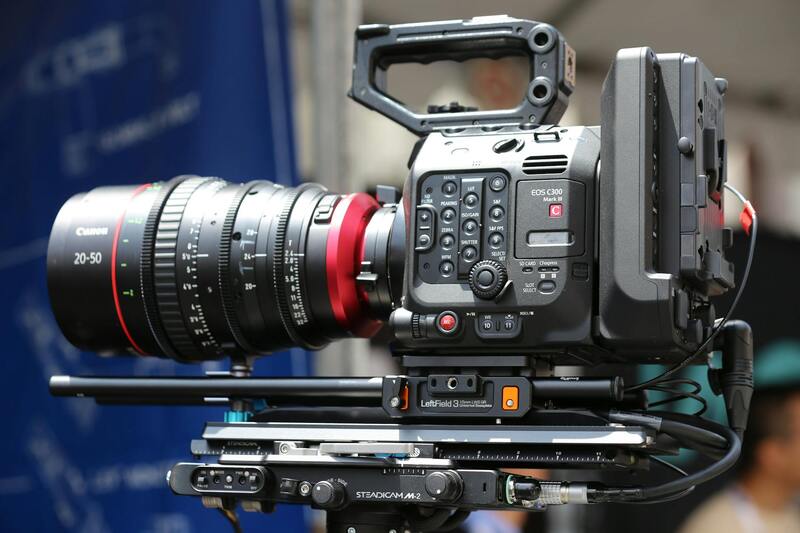
Professional event photographers rely on a comprehensive array of high-quality equipment designed to adapt to various venues and lighting scenarios. Key among these are versatile DSLR or mirrorless cameras equipped with fast, high-precision lenses such as 24-70mm or 70-200mm, which allow for adaptability in both wide and close-up shots. Portable and powerful lighting solutions, like speedlights and continuous LED panels, ensure well-lit images even in dimly lit environments. Tripods, monopods, and stabilizers help maintain image stability during movement, crucial for capturing candid moments without blur.
Beyond gear, mastering specific techniques enhances the quality of event photos. Rapid autofocus and high shutter speeds are essential for capturing spontaneous interactions, while aperture control allows for creative depth-of-field effects that highlight key subjects amidst busy backgrounds. Photographers must also be proficient in managing white balance to ensure accurate color reproduction, particularly in mixed lighting scenarios common at Miami events. The ability to anticipate moments and adapt to rapid changes during live events differentiates a skilled professional from amateur snapshots, resulting in consistently compelling visual storytelling.
Choosing a Professional Event Photographer in Miami
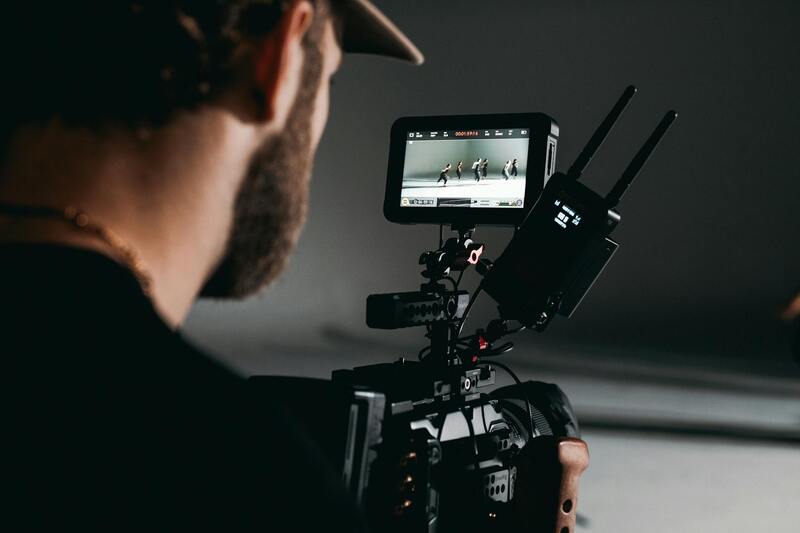
Selecting the right professional involves evaluating a photographer’s portfolio, experience, and understanding of the specific event type. Pros with local experience possess intimate knowledge of Miami's unique lighting conditions, cultural nuances, and popular venues, enabling them to prepare adequately and adapt swiftly. Reviewing portfolios provides insight into their style, consistency, and ability to capture both candid and staged moments authentically. It’s also important to consider their technical expertise, including proficiency in editing and post-processing workflows that enhance image quality without compromising authenticity.
Clear communication regarding your event expectations and desired outcomes ensures alignment of vision and reduces uncertainties. Discussing turnaround times for proofs and final images, as well as licensing rights and usage permissions, helps establish transparent working terms. A professional photographer with a strong reputation for reliability and client satisfaction will offer references and testimonials, reinforcing their capacity to deliver exceptional results under varying event conditions. Ultimately, choosing a local Miami photographer guarantees familiarity with the city’s landscape and logistical intricacies, which translates into smoother planning and on-site coordination.
Essential Equipment and Techniques for Event Photography
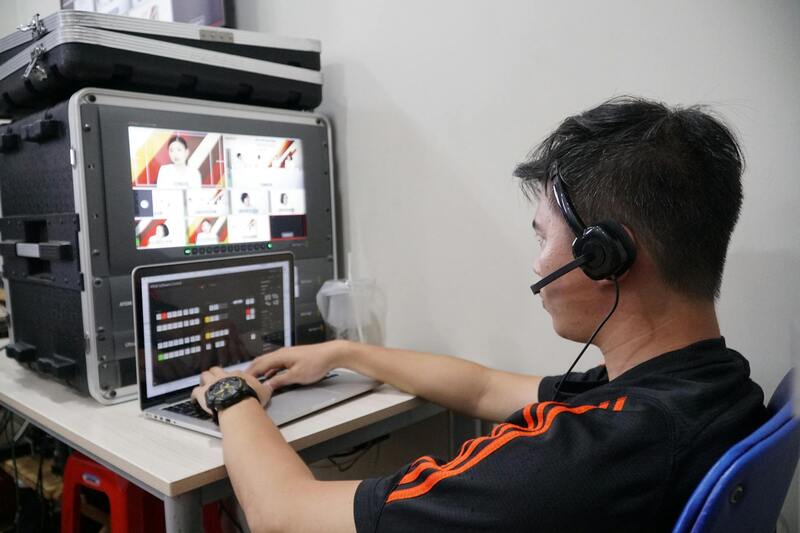
Capturing compelling images at dynamic events requires more than just a good camera; it demands a strategic approach utilizing specialized equipment and advanced techniques. High-quality professional event photographers typically invest in a versatile array of gear designed to adapt seamlessly to various lighting conditions, movement, and spatial constraints characteristic of live events.
Primarily, a professional photographer will utilize a selection of digital SLR or mirrorless cameras equipped with fast, high-resolution sensors to ensure crisp, detailed images. These cameras often support quick auto-focus systems, which are vital for capturing fleeting moments with precision. Pairing these cameras with a range of lenses allows for flexibility: wide-angle lenses are essential for capturing entire scenes or large groups, while zoom lenses facilitate close-up shots without disrupting the event flow.
Lighting equipment plays a crucial role, especially in environments with unpredictable lighting conditions—such as dimly lit banquet halls or outdoor evening functions. Portable, high-powered flash units, along with diffusers and reflectors, help to illuminate subjects evenly and reduce harsh shadows. Additionally, professional photographers often utilize continuous lighting setups or LED panels to maintain balanced exposure during video or candid photography segments.
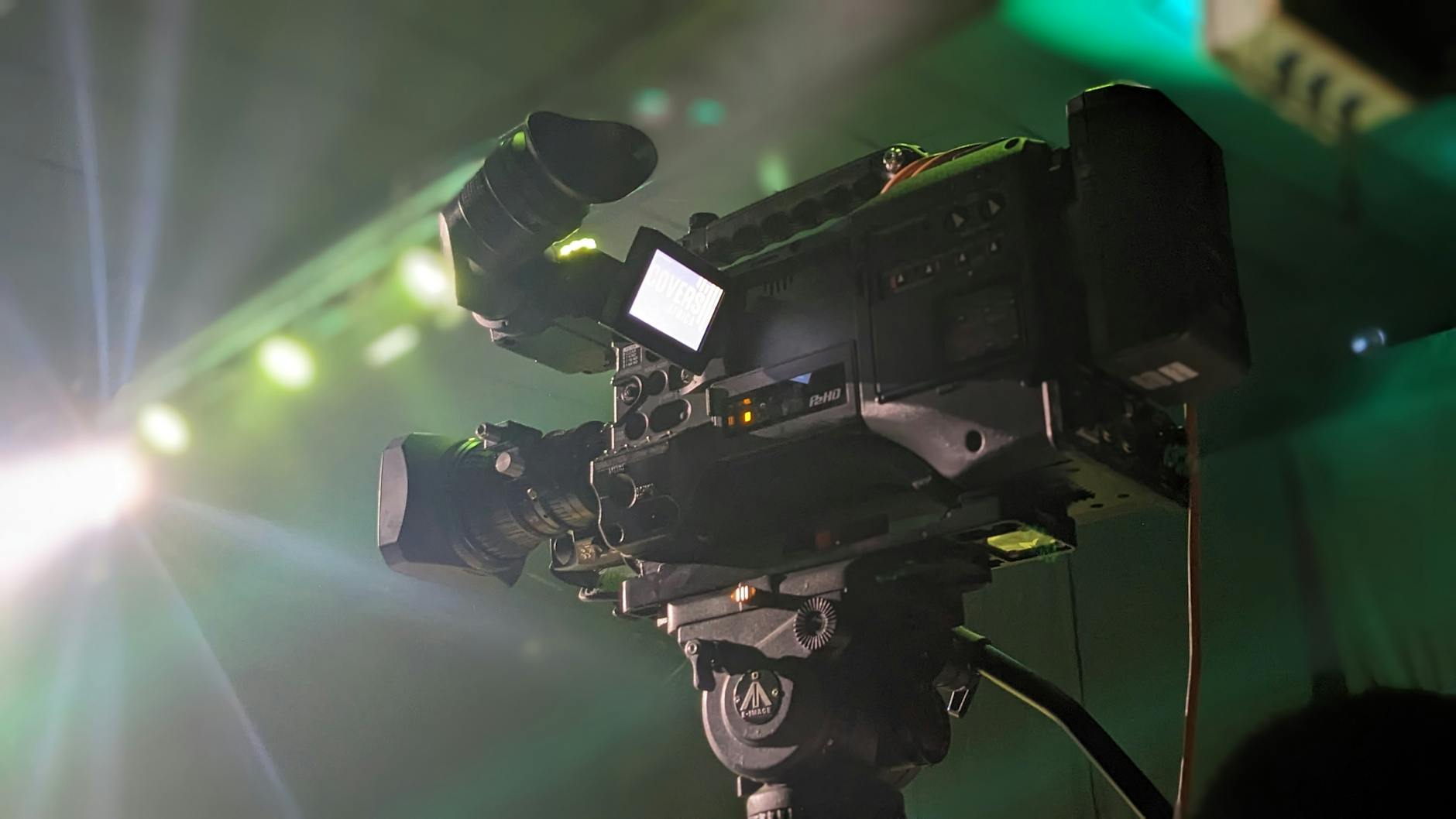
Technical expertise encompasses mastery over various techniques including rapid shutter speed selection to freeze motion, utilizing wide apertures for shallow depth of field in portraits, and employing HDR (High Dynamic Range) imaging to balance overexposed and underexposed areas within a shot. Knowledge of white balance adjustment ensures color accuracy regardless of lighting conditions, vital for authentic representation of event ambiance. Post-processing skill further refines images, enhancing clarity without sacrificing natural authenticity, and ensures branding consistency in event portfolios.
Moreover, professional event photographers leverage framing and composition techniques to tell a compelling story. Strategic use of angles, leading lines, and framing guides viewers through the event’s narrative, emphasizing key moments and emotional expressions. Experienced photographers also anticipate important interactions, positioning themselves accordingly to capture genuine reactions and interactions that convey the event's energy and sentiment.
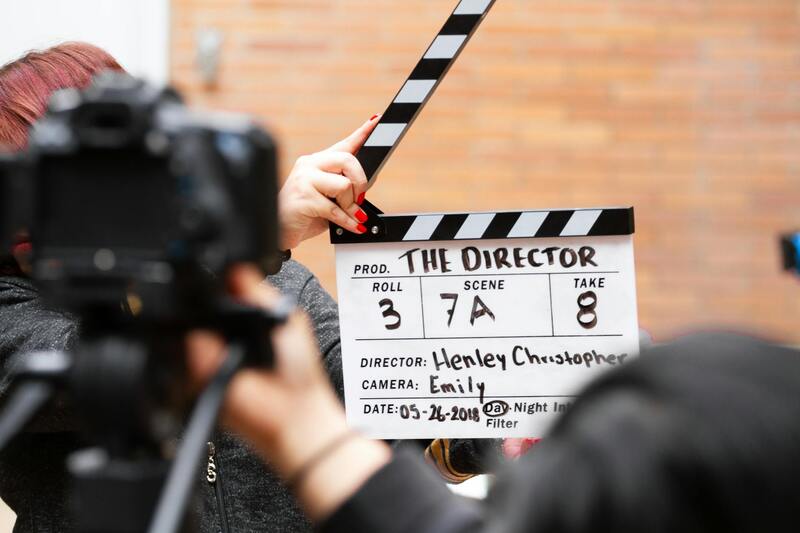
In fast-paced environments, adaptability is paramount. A skilled photographer anticipates spontaneous moments, adjusting camera settings and positioning in real-time, ensuring no meaningful moment is missed. This responsiveness, coupled with technical proficiency and quality equipment, guarantees a comprehensive visual documentation that meets professional standards and fulfills client expectations.
Understanding the Role of Professional Event Photography
Professional event photography extends beyond capturing simple snapshots; it involves a strategic approach to documentation that encapsulates the essence, emotions, and pivotal moments of an event. Equipped with advanced skills and state-of-the-art equipment, professional photographers are adept at transforming fleeting moments into high-quality visual stories. They employ a deep understanding of lighting, composition, and timing to produce images that resonate with authenticity and artistic appeal. Whether it’s a corporate gathering, a wedding celebration, or a community festival, these experts ensure that each photograph aligns with the client’s vision and serves as a timeless record of the occasion.
Image Placeholder
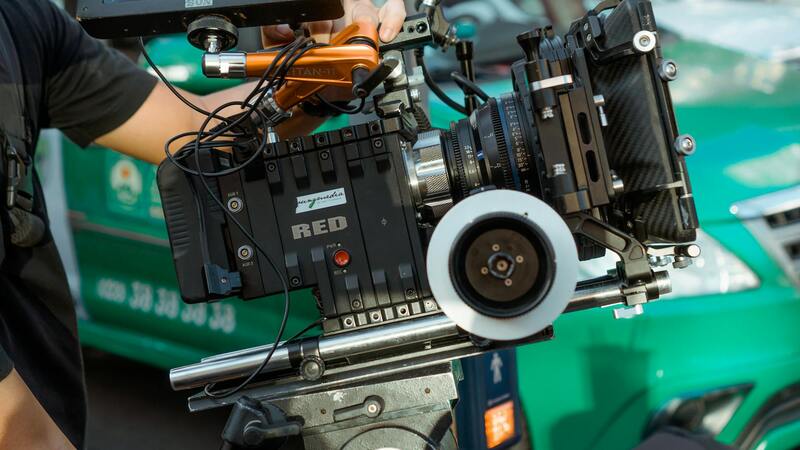
In essence, professional event photography is about more than technical proficiency; it’s about storytelling. Skilled photographers craft a narrative through their images, highlighting essential moments and details that might otherwise go unnoticed. They understand the importance of timing, focusing on candid reactions, key interactions, and the overall atmosphere, thus providing clients with a comprehensive visual documentation that lives beyond the event itself. This narrative not only serves promotional purposes but also preserves the emotional significance of the event for years to come.
Technical Expertise and Creative Vision
To achieve this level of storytelling, professional photographers utilize advanced techniques and equipment tailored specifically for event conditions. They prioritize comprehensive coverage, ensuring no critical moment goes undocumented. Their mastery over rapid shutter speed settings allows them to freeze spontaneous motions crisply, whether it’s a toast, a dance move, or a lively discussion. Wide apertures are employed in portrait shots to produce a beautiful, blurred background that emphasizes the subject, while HDR imaging balances exposure levels across high-contrast scenes, maintaining visual harmony throughout the portfolio.
White balance adjustments further contribute to consistent color fidelity, capturing the true ambiance regardless of varying lighting scenarios. The adept use of framing, leading lines, and strategic angles guides viewers’ attention through the narrative, emphasizing the significance of each moment and creating impactful compositions. Post-processing techniques refine images, aligning them with brand aesthetics and ensuring clarity without sacrificing the authenticity integral to genuine event imagery.
Responsiveness and Adaptability in Dynamic Settings
One of the critical attributes of competent event photographers is their ability to adapt quickly to changing circumstances. They anticipate key moments by carefully observing the flow of the event, positioning themselves optimally in advance. During fast-paced segments, adjustments to camera settings are made on-the-fly to ensure sharpness and proper exposure. This responsive approach guarantees comprehensive coverage that truly reflects the event’s energy, spontaneity, and sentiment. The combination of technical mastery and real-time adaptability results in a collection of images that fulfill professional standards and spotlight the authentic spirit of the occasion.
Understanding the Role of Professional Event Photography
Professional event photography involves more than just capturing moments; it encompasses a strategic approach to documenting an occasion in a manner that aligns with its purpose and tone. Skilled photographers utilize their expertise to create a visual narrative that accurately reflects the event's atmosphere, key highlights, and emotional undertones. Their role extends beyond simply pressing the shutter button; it involves pre-event planning, understanding the client’s goals, and applying technical skills and creative insight to produce images that resonate with viewers and serve intended purposes such as marketing, memory preservation, or branding.
Specialized event photographers excel in managing diverse lighting conditions, capturing candid interactions, orchestrating posed shots, and ensuring every significant detail is recorded with clarity and artistic integrity. They must adapt quickly to unforeseen circumstances, adjusting their techniques to accommodate changes in lighting, movement, and environment. Their expertise ensures that the final collection of images not only documents moments but also tells a compelling story that authentically represents the event's essence.
Types of Events Covered by Professional Photographers
- Corporate Events: Including conferences, seminars, product launches, and company celebrations, emphasizing professionalism and brand identity.
- Weddings and Receptions: Capturing the emotional moments of the ceremony, as well as candid interactions during receptions and post-ceremony festivities.
- Private Celebrations: Such as birthdays, anniversaries, and family reunions, focusing on the personal significance of each event.
- Community and Cultural Events: Documenting festivals, parades, fundraisers, and local gatherings that showcase community spirit and diversity.
- Creative and Artistic Events: Including fashion shows, art exhibitions, and performances, where aesthetics and detail are paramount.
Essential Equipment and Techniques for Event Photography
Successful event photography hinges on the right equipment and techniques. Photographers typically equip themselves with versatile cameras capable of high-speed shooting and excellent low-light performance, such as full-frame DSLRs or mirrorless systems. Lenses are chosen based on the event type; wide-angle lenses are ideal for capturing large groups and venue interiors, while prime lenses with wide apertures excel in portrait shots and low-light conditions.
Professional techniques involve meticulous planning of shot lists, strategic positioning to capture key moments, and mastery over camera settings—adjusting ISO, aperture, and shutter speed—to adapt seamlessly to changing lighting and movement. Use of external flashes or reflectors may be necessary to enhance lighting, especially in dimly lit environments. Post-processing tools refine images, ensuring consistency, color accuracy, and clarity, while preserving the authenticity of the moment.
Choosing a Professional Event Photographer in Miami
Selecting the right photographer requires assessing their experience, style, and ability to understand the specific needs of your event. An experienced Miami-based photographer brings local knowledge of venues, lighting conditions, and cultural nuances that can significantly enhance the quality of the coverage. It is advisable to review a portfolio that demonstrates versatility across similar event types and to confirm the photographer's familiarity with your specific requirements, ensuring a seamless collaboration from planning through delivery.
Understanding the Role of Professional Event Photography
Professional event photography extends beyond simple documentation; it encompasses the strategic capture of moments that reflect the essence of your occasion. Skilled photographers utilize their extensive knowledge of lighting, composition, and timing to frame each shot perfectly. They are adept at anticipating key moments, ensuring that the most significant parts of your event are recorded with clarity and artistic integrity. This approach guarantees that every photograph contributes to a comprehensive story of your event, capturing not only visuals but also the emotions and atmosphere that define the experience.
Furthermore, professional event photographers understand the importance of consistency in image style and quality, which is essential for creating a cohesive visual narrative. They employ high-end equipment, including professional-grade cameras and lenses, to ensure sharpness and clarity regardless of environmental challenges such as low light or dynamic movement. Post-shoot editing techniques are meticulously applied to enhance colors, correct exposure, and remove imperfections, delivering images that meet the highest standards of excellence.
Types of Events Covered by Professional Photographers
Event photographers are proficient in covering a broad spectrum of occasions, each requiring specific skills and equipment:
- Corporate Events: Conferences, seminars, and product launches demand a combination of candid shots of attendees and posed group photos that reflect professionalism and engagement.
- Weddings: Capturing intimate moments, the ceremony, and the celebration with an eye for detail ensures memories are preserved with emotional depth.
- Parties and Celebrations: Birthdays, anniversaries, and milestone events benefit from dynamic photos that highlight the fun and festive atmosphere.
- Gala Dinners and Fundraisers: Professional coverage emphasizes the elegance of the event while showcasing key moments like speeches and award ceremonies.
- Community and Cultural Events: Documenting local festivities with sensitivity to cultural nuances helps celebrate community identity effectively.
Essential Equipment and Techniques for Event Photography
To achieve exceptional results, professional photographers rely on a comprehensive toolkit that varies based on event type and venue conditions. Core equipment includes full-frame DSLR or mirrorless cameras known for their durability and image quality. Wide-angle lenses are favored for capturing large groups or interior shots, while prime lenses with wide apertures excel in low-light environments and portrait photography.
Successful event coverage hinges on mastering techniques such as preparing shot lists to ensure key moments are not missed, positioning strategically for optimal angles, and adjusting camera settings dynamically to adapt to unpredictable lighting and movement. External lighting tools like speedlights or reflectors may be employed to maintain consistent image quality in dim settings. Post-processing workflows refine images further, focusing on color grading, cropping, and retouching, which ensures a polished final product that authentically represents your event.
Choosing a Professional Event Photographer in Miami
When selecting a photographer, experience and familiarity with Miami’s unique venues and cultural environment are vital. A local Miami-based photographer offers an advantage in understanding how to work with the city’s diverse lighting conditions, architecture, and event styles. Their portfolio should demonstrate versatility across different event types, from formal corporate gatherings to lively festivals. Engaging with a photographer whose style aligns with your vision facilitates smoother collaboration, from initial planning to final delivery of images.
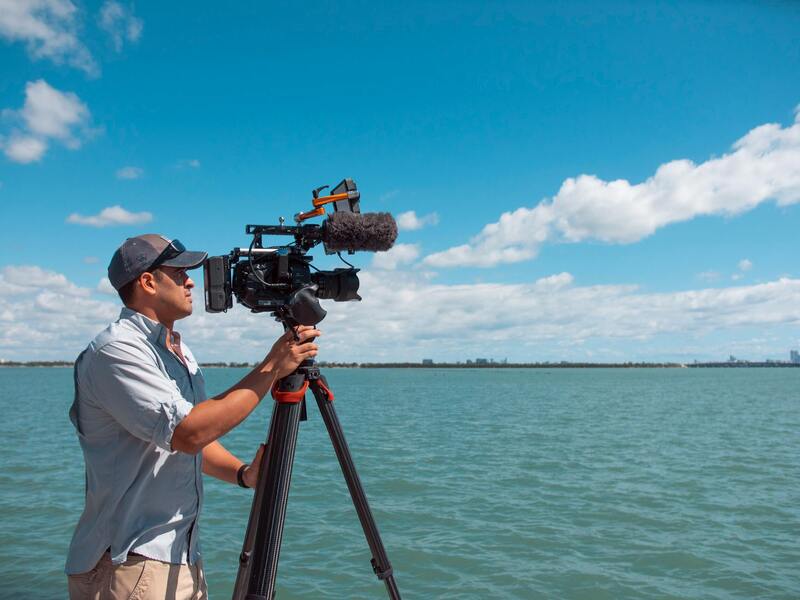
Moreover, establishing clear communication about your expectations, preferred shot types, and timing will ensure your photographer captures the moments that matter most. An understanding of your specific needs—such as emphasizing candid shots versus formal portraits—allows for a customized approach that aligns with your event goals.
Understanding the Role of Professional Event Photography
Professional event photography serves as the cornerstone for capturing the essence, energy, and significance of any gathering. Skilled photographers utilize their expertise to document moments that might otherwise go unnoticed, turning fleeting interactions into enduring visual stories. These images become essential assets for marketing, archives, or personal memories, providing a clear window into the event's atmosphere and participants. A photographer's keen eye for composition, timing, and detail ensures that each shot reflects the event's tone and importance, fostering a sense of authenticity and professionalism that amateur coverage often cannot match.
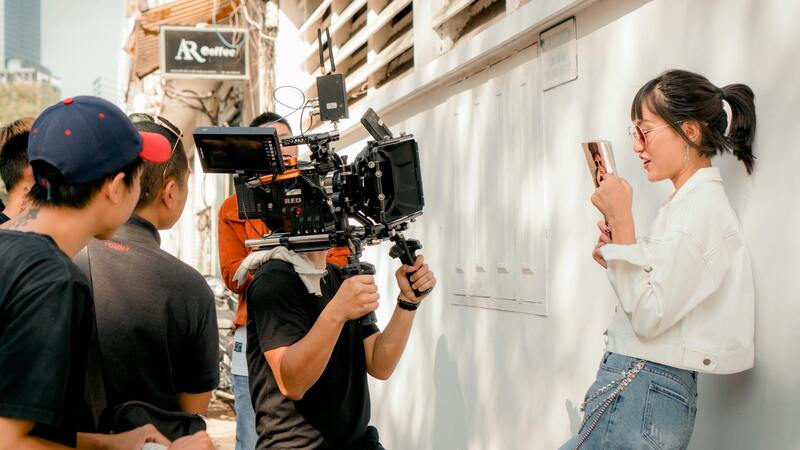
Types of Events Covered by Professional Photographers
Specialists in professional event photography cater to a broad spectrum of gatherings, each requiring tailored approaches and skills. Corporate functions, product launches, awards ceremonies, fundraisers, and conferences demand formal, polished imagery that highlights key moments and participants. Weddings and social celebrations benefit from candid, intimate shots that convey emotion and spontaneity. Festivals, exhibitions, and community events necessitate dynamic coverage that captures both large-scale moments and nuanced details. Regardless of the occasion, experienced photographers adapt their methods to suit the event’s purpose, venue, and audience, ensuring comprehensive coverage.
Event Types Often Documented
- Corporate meetings and conventions
- Weddings and engagement parties
- Charity galas and fundraisers
- Product and brand launches
- Music festivals and cultural events
- Sports competitions and outdoor activities
- Educational seminars and workshops
Essential Equipment and Techniques for Event Photography
Capturing compelling images during various events necessitates a well-equipped toolkit and refined techniques. High-performance DSLR or mirrorless cameras with fast autofocus systems are fundamental, enabling photographers to react swiftly to fleeting moments. Lenses such as wide-angle for group shots, portrait lenses for close-ups, and telephoto for distant subjects are vital to cover diverse scenarios. External lighting sources, like speedlights and reflectors, help manage challenging lighting conditions and create professional-quality images in dim or uneven lighting. Techniques such as strategic positioning, dynamic camera settings, and real-time adjustments are crucial for adapting to unpredictable environments. Post-processing workflows refine these images further, focusing on color accuracy, cropping, skin retouching, and noise reduction to produce polished, high-resolution results that truly represent the event with clarity and vibrancy.
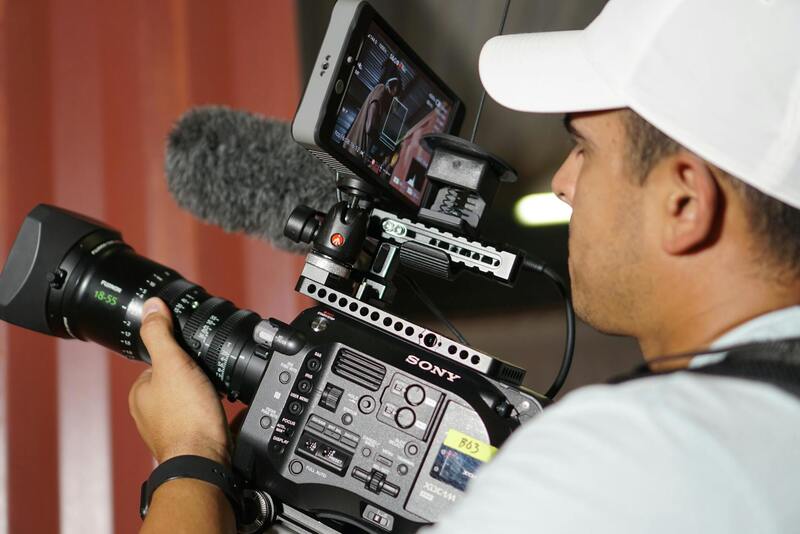
Choosing a Professional Event Photographer in Miami
Selecting the right photographer in Miami involves assessing their experience, portfolio, and understanding of the local scene. An expert familiar with Miami’s iconic venues, cultural nuances, and lighting conditions can optimize shot selection and composition. A diverse portfolio showcasing various event types signals versatility and adaptability, essential qualities for dynamic environments. Engaging with a photographer whose style aligns with your vision—whether candid, documentary, or traditional—facilitates seamless collaboration. Prioritize clear communication regarding your expectations, preferred shot types, and timing, ensuring the photographer understands what matters most to you. This alignment enables the creation of a cohesive visual narrative that authentically captures your event’s essence.
Miami-Specific Considerations
- Knowledge of popular venues and their lighting conditions
- Understanding local cultural and social dynamics
- Familiarity with outdoor and indoor lighting challenges
- Ability to work within Miami’s vibrant and diverse atmosphere
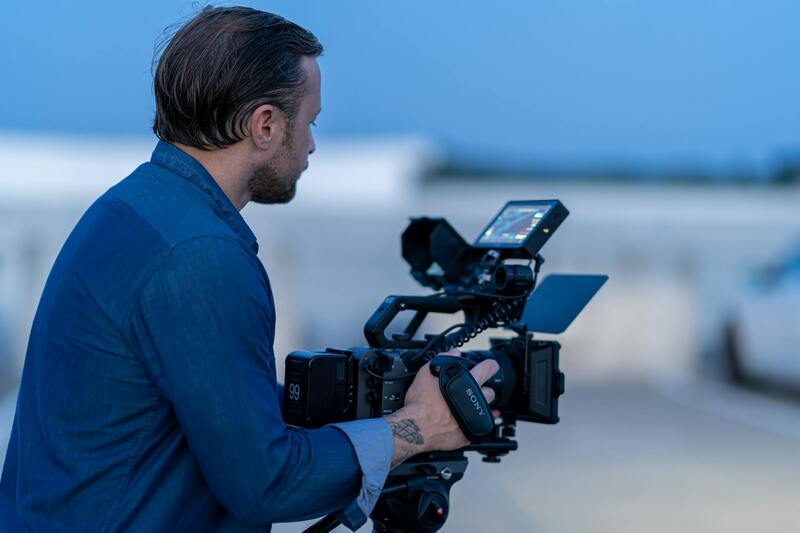
Integrating Professional Photography into Event Planning
Effective integration of photography into your event strategy involves early coordination with your chosen photographer during the planning process. Sharing your event timeline, key moments, and specific shot preferences enables the photographer to prepare adequately. Discussing lighting arrangements, venue layouts, and expected guest flow ensures logistical smoothness. Incorporating designated photo areas or establishing a schedule for key moments—such as speeches, award presentations, or group photos—maximizes coverage efficiency. Regular communication about potential changes or special requirements helps adapt plans dynamically, ensuring critical moments are captured without disruption. This collaborative planning results in a cohesive visual record aligned closely with your event objectives and aesthetic expectations.
Understanding the Role of Professional Event Photography
Professional event photography extends beyond simple documentation; it involves capturing the spirit, emotion, and significance of an occasion through skillful visual storytelling. A seasoned photographer employs a combination of technical expertise, artistic vision, and strategic planning to ensure that every important moment is vividly preserved. They understand the nuances of composition, lighting, and timing, allowing them to create images that reflect the essence of the event while fitting seamlessly into your overall narrative.
This specialized service is vital for organizations, corporations, and individuals aiming to showcase their achievements, celebrate milestones, or host memorable gatherings. By leveraging high-quality equipment, advanced techniques, and an in-depth understanding of human interaction, professional event photographers deliver images that resonate emotionally and serve as timeless keepsakes or powerful marketing materials.
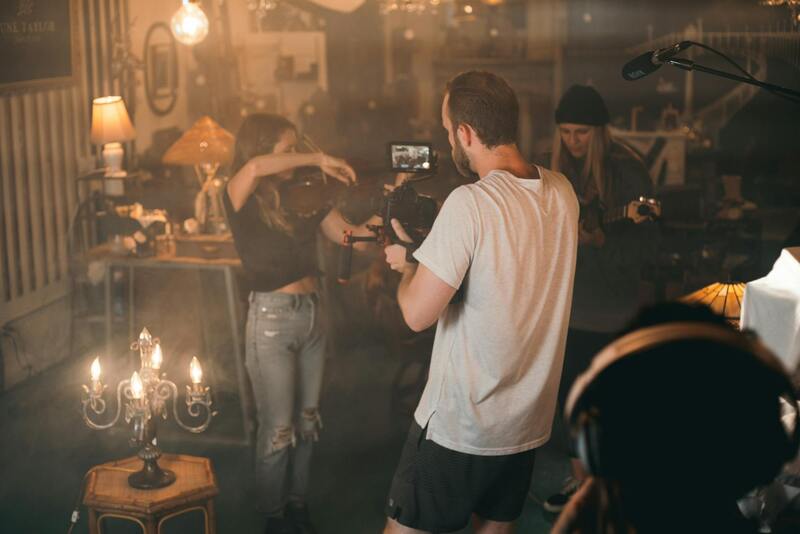
Types of Events Covered by Professional Photographers
- Corporate Conferences & Seminars: Documenting keynote speeches, panel discussions, networking moments, and award ceremonies.
- Weddings & Engagements: Capturing the emotional exchange, details, and candid interactions of the couple and guests.
- Private Celebrations: Birthdays, anniversaries, reunions, or milestone parties that warrant lasting visual memories.
- Community & Cultural Events: Festivals, parades, charity galas, or public gatherings emphasizing local culture and diversity.
- Product Launches & Business Openings: Showcasing new offerings, venue ambiance, and attendee engagement.
Essential Equipment and Techniques for Event Photography
To ensure superior image quality, professionals utilize high-end cameras with versatile lenses, portable lighting solutions for varying indoor and outdoor settings, and backup equipment to prevent lapses. Techniques such as using fast shutter speeds and wide apertures enable the capture of sharp, well-exposed images amid dynamic environments. Skilled photographers also employ strategic positioning, lens selection, and lighting adjustments tailored to each event’s unique conditions.
Post-processing plays a crucial role in refining images, correcting minor flaws, and enhancing visual appeal without compromising authenticity. Advanced editing tools allow for meticulous color correction, noise reduction, and selective enhancement, ensuring each image aligns with the event’s tone and aesthetic standards.
Choosing a Professional Event Photographer in Miami
When selecting a photographer, consider their portfolio and experience in covering similar events, particularly within Miami’s diverse venues. Local knowledge is invaluable—familiarity with popular venues, lighting conditions, and cultural nuances ensures smooth execution and authentic results. Transparency regarding pricing, packages, and turnaround time further informs your decision, helping you find a professional whose style aligns with your vision.
It’s advisable to meet or communicate extensively before the event to discuss your objectives, specific moments to highlight, and logistical arrangements. Establishing a clear understanding and shared expectations minimizes surprises and paves the way for seamless collaboration on the day of the event.
Benefits of Hiring Local Miami Event Photographers
Choosing a photographer based in Miami offers multiple advantages, including immediate availability and familiarity with the city’s unique venues and environmental factors. Local professionals are adept at navigating outdoor lighting challenges, coordinating with venue staff, and capturing the vibrancy that characterizes Miami events. Their insights into regional customs and social dynamics enable more authentic storytelling through images, especially during multicultural or public gatherings.
Moreover, local photographers tend to have established relationships with event venues and vendors, facilitating smoother logistics and enabling them to anticipate potential challenges. This familiarity ensures a more efficient workflow, enabling coverage of everything from intimate moments to large crowds, without missing critical cues or details.
Deliverables and Post-Event Services
Post-event, photographers typically provide a curated selection of high-resolution images optimized for print and digital use. These may include a mix of candid shots, posed images, and detail captures. Many professionals offer online galleries with easy download options, allowing clients to share and archive images effortlessly.
Additional services can include photo albums, slideshows, and customized prints, enhancing the lasting impact of the photographs. Fast turnaround times ensure timely delivery for promotional use or personal keepsakes, while retouching services help refine images to meet specific aesthetic preferences.
Integrating Professional Photography into Event Planning
Early collaboration with your photographer plays a crucial role in achieving optimal coverage. Sharing your event timeline, identifying key moments, and establishing preferred shot lists enables the photographer to prepare appropriately. Discussing lighting arrangements, venue layouts, and guest flow helps streamline logistics and reduces potential disruptions.
Designating specific photo areas or scheduling time for critical activities such as speeches or group photos ensures no pivotal moment is missed. Maintaining ongoing communication about any changes or special requests allows the photographer to adapt plans dynamically, ensuring comprehensive and high-quality coverage that aligns with your event objectives and aesthetic preferences.
Cost Factors and Budgeting for Event Photography in Miami
Pricing for professional event photography varies based on several factors including event size, duration, the complexity of coverage, and the photographer’s experience. Additional charges may include travel costs, equipment rentals, or post-processing services. To budget effectively, consider the scope of coverage required and the importance of deliverables such as high-resolution images, albums, or quick turnaround delivery.
Discussing all potential costs upfront and comparing packages helps in making informed decisions, ensuring maximum value within your budget. Prioritizing key moments for coverage or opting for partial coverage during certain periods of the event can also offer cost-effective solutions without compromising on essential coverage.