
Understanding Event Cinematography
Event cinematography is a specialized branch of video production dedicated to capturing live moments with precision, creativity, and technical excellence. It focuses on translating dynamic events—such as weddings, corporate gatherings, concerts, festivals, and sports competitions—into compelling visual narratives that preserve memories and convey the essence of each occasion. The significance of event cinematography lies in its ability to document authentic emotional experiences, foster connection among audiences, and provide clients with lasting keepsakes or promotional materials.
At its core, event cinematography combines artistic storytelling with advanced technical skills. It requires a deep understanding of the event's flow, anticipation of key moments, and the ability to adapt quickly to unpredictable circumstances. Skilled cinematographers utilize a range of high-quality equipment, from stabilized cameras and high-definition lenses to professional audio gear, to ensure every detail is captured vividly. The result is a seamless blend of wide establishing shots, close-ups of pivotal moments, and dynamic movements that reflect the atmosphere and energy of the event.
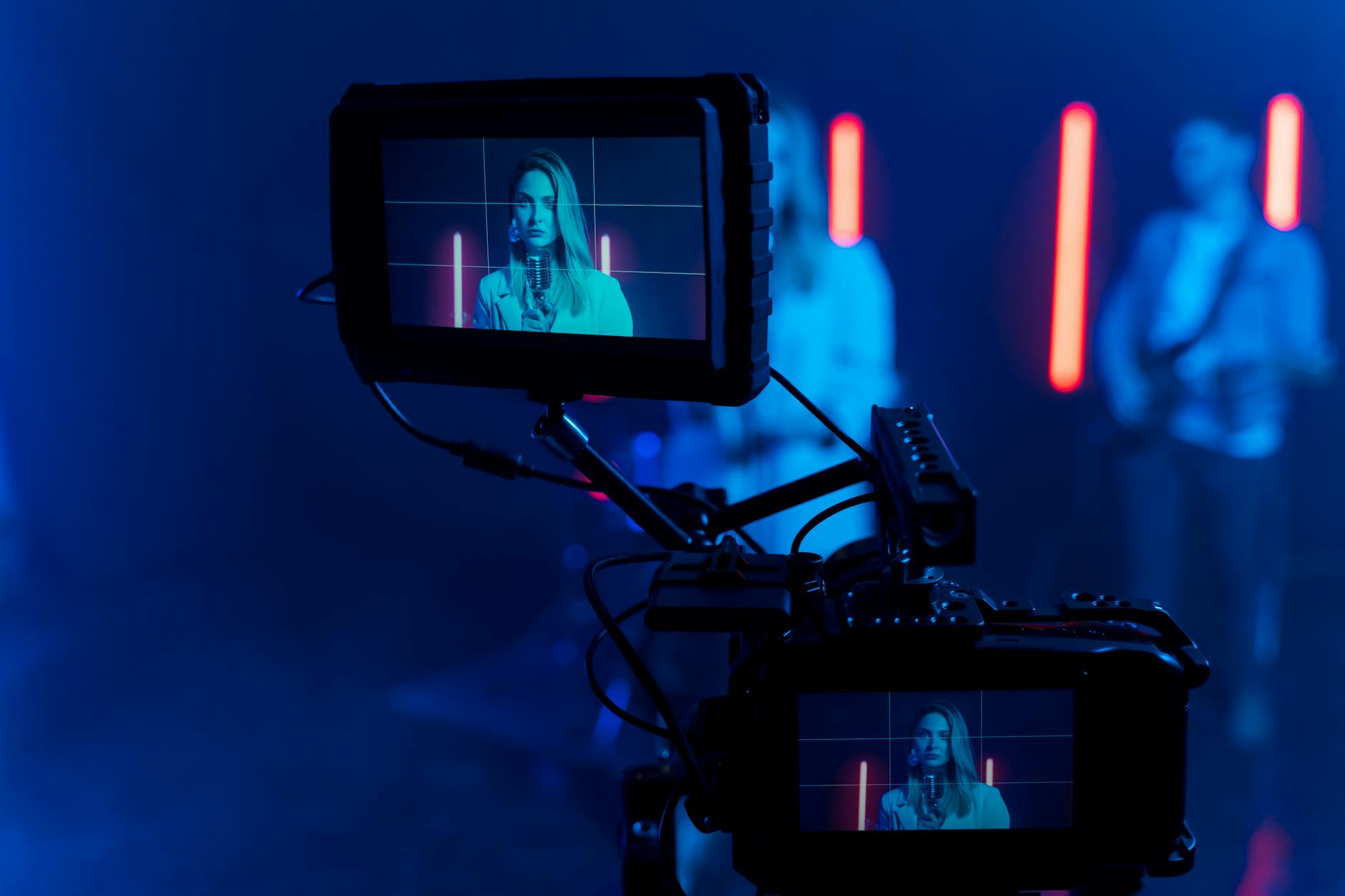
Beyond technical prowess, successful event cinematography demands meticulous planning, an acute sense of timing, and the ability to blend into the event environment. It plays a vital role in transforming fleeting moments into enduring visual stories, whether for personal commemorations or commercial marketing. The impact of well-executed event cinematography extends beyond the event itself, as it can be repurposed for promotional campaigns, social media content, and archival records, contributing both to entertainment and brand positioning.
Equipment Selection and Setup
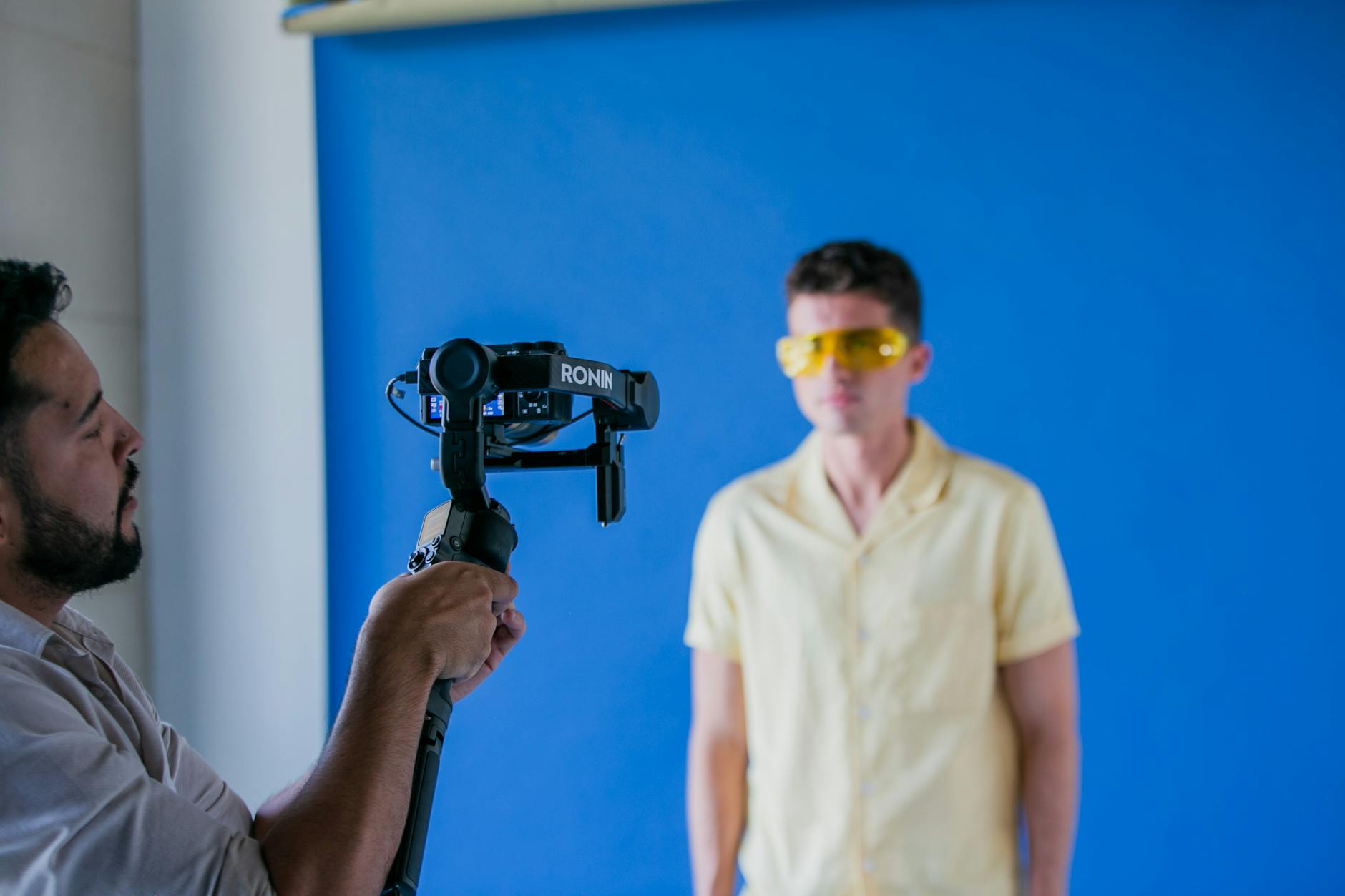
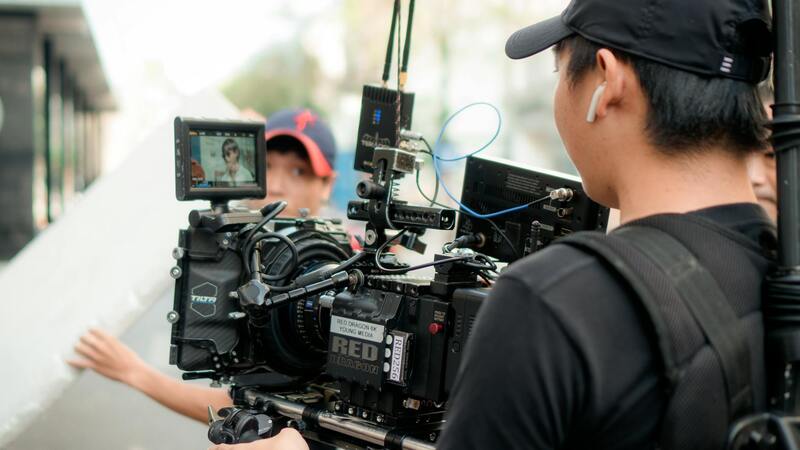
Choosing the right equipment is crucial for capturing the essence of live events with clarity and professionalism. Skilled event cinematographers rely on a diverse array of high-quality gear to adapt to varying environments and lighting conditions. This includes professional-grade cameras equipped with fast lenses for low-light scenarios, stabilized rigging such as gimbals or Steadicams for smooth tracking shots, and high-fidelity audio devices to ensure clear sound capture of speeches, performances, or ambient noises. Proper setup also involves meticulous planning of camera angles, tripod arrangements, and lighting setups to optimize shot composition and maintain consistency throughout the event.
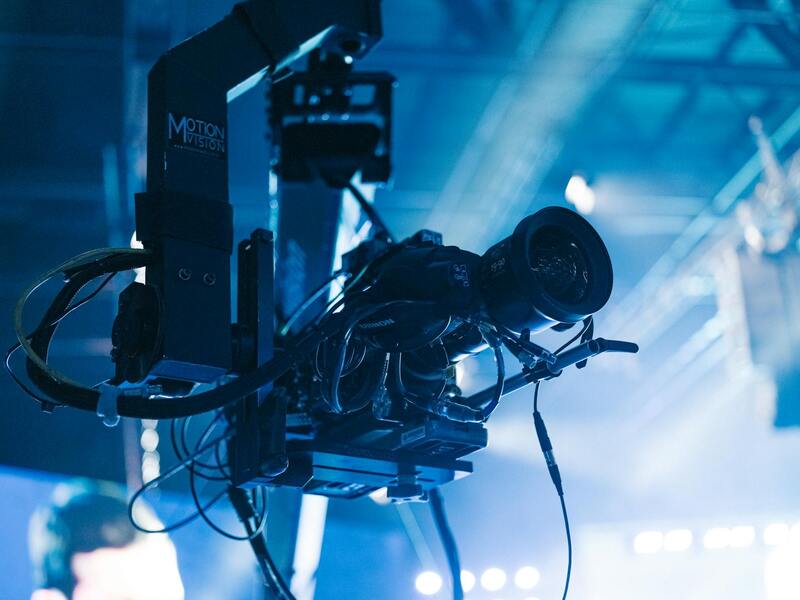
Additionally, event-specific accessories like wireless microphones, external monitors, and backup storage solutions are integral to managing unpredictable circumstances. Preparing these tools in advance, testing their functionality, and ensuring compatibility across devices help mitigate potential technical issues during the event. Properly sanitized and maintained equipment also guarantees reliability and outputs consistently professional results.
Capturing Live Events Effectively
Executing a live event shoot demands dynamic adaptability and a keen sense of timing. Skilled cinematographers need to anticipate key moments, such as speeches, performances, or candid reactions, and position themselves strategically to capture these elements seamlessly. Utilizing a combination of wide shots for context and close-ups for emotional impact creates a compelling narrative or promotional piece that resonates with viewers.
Rapid adjustments are often necessary to accommodate changes in lighting, performance pace, or unexpected incidents. The ability to operate cameras smoothly while moving unobtrusively among guests underscores professional proficiency. Employing techniques such as slow-motion for dramatic moments, time-lapse for setting scenes, and strategic focus pulls enhances storytelling flavor.
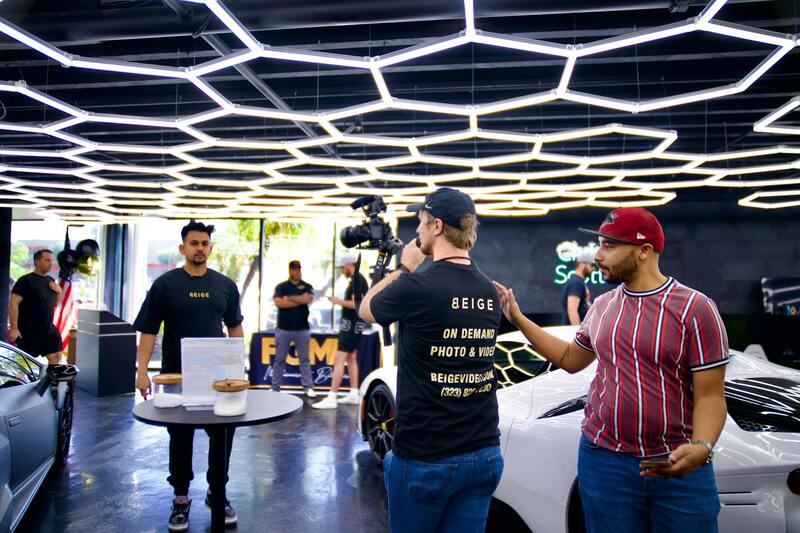
Sound quality plays a vital role in the final product, which is why event cinematographers often utilize directional microphones and lapel mics connected to professional audio recorders. Monitoring audio feeds in real-time helps ensure that speeches, vows, or performances are captured with clarity, free from background noise or interference. Coordinating closely with event organizers and personnel ensures logistical flow and minimizes disruptions, enabling smooth recording from start to finish.
Optimal Methods for Recording Live Event Footage
When aiming to produce high-quality event cinematography, utilizing the right recording techniques is essential to preserve the authenticity and vibrancy of the live experience. One of the most effective strategies involves multi-camera setups, which allow for varied perspectives and comprehensive coverage of the event. By employing different focal lengths, cinematographers can seamlessly switch between wide shots that set the scene and closer shots that capture emotional reactions, details, or key moments.
Implementing dynamic camera movements, such as tracking shots and push-ins, enhances viewer engagement and adds a cinematic feel. Utilizing stabilizing equipment like tripods, gimbals, or steadicams ensures smooth footage even in crowded or mobile environments. Moreover, understanding the importance of framing, composition, and proper focus is crucial for capturing compelling visuals. Consistently monitoring exposure and white balance helps maintain color accuracy, especially when lighting conditions vary throughout the event.
Audio capture methods greatly influence the overall impact of the final product. Employing directional microphones positioned close to speakers, singers, or performances ensures clear sound quality. When ambient or crowd noise is prevalent, wireless lapel microphones or shotgun mics can isolate voices and reduce background interference. Real-time audio monitoring is vital to identify and rectify issues promptly, thus avoiding unusable recordings.
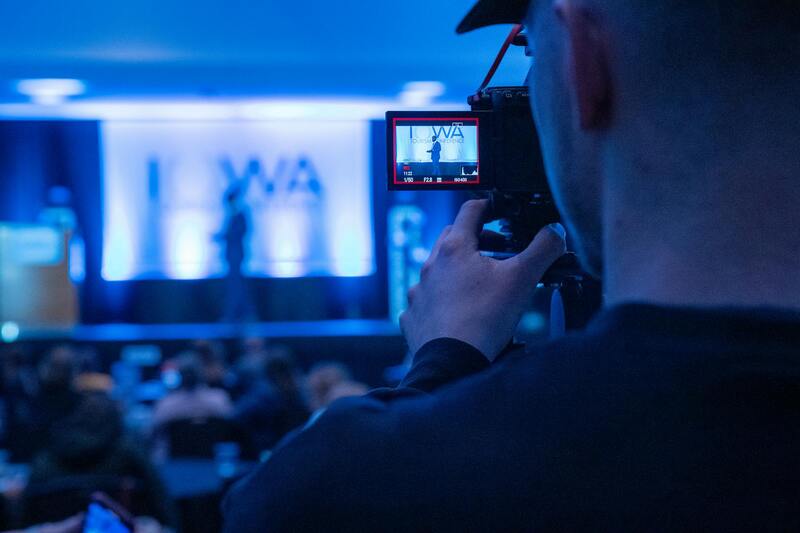
In addition, understanding the venue’s characteristics and adjusting camera settings accordingly can significantly improve footage quality. For example, in low-light conditions, increasing ISO settings while balancing noise levels is necessary. Conversely, in bright environments, using ND filters prevents overexposure. Most importantly, planning camera placements in advance and conducting a walkthrough ensures optimal angles and access points, minimizing disruptions during the live event.
Steps to Enhance Live Event Recording Success
- Scout the Venue: Conduct a thorough site survey to determine optimal camera positions and identify potential challenges.
- Coordinate with Event Staff: Communicate closely with organizers to understand the event schedule and key moments to capture.
- Plan Camera Movements: Develop a shot list and movement plan to ensure coverage of important segments.
- Test Equipment: Verify all gear functions properly, including batteries, storage, and audio devices, before the event.
- Establish Communication Protocols: Set up clear communication channels among crew members for seamless coordination.
- Prepare for Unforeseen Events: Have backup equipment and alternative plans in case of technical issues or unexpected changes.
Through meticulous preparation, strategic equipment use, and adaptive filming techniques, cinematographers can effectively record live events, capturing the energy, emotion, and significance that define each gathering. This meticulous approach ensures that the final product resonates with authenticity, professionalism, and engaging storytelling, fulfilling clients’ expectations for memorable event cinematography.
Equipment Selection and Setup
Choosing the right equipment is fundamental to achieving high-quality event cinematography. High-definition cameras with fast autofocus and reliable image stabilization are essential to ensure clear footage during dynamic event scenes. Lens selection should include wide-angle lenses for capturing overall venue ambiance and telephoto lenses for close-ups of key moments. Audio equipment, such as wireless microphones and directional shotgun mics, plays a crucial role in recording clear, synchronized sound, capturing speeches, performances, and audience reactions seamlessly.
For lighting, portable LED panels and diffusers allow cinematographers to compensate for varying ambient light conditions, especially in indoor environments where control over lighting enhances visual clarity. Tripods and gimbal stabilizers are necessary to maintain steady shots, while portable sliders enable smooth camera movements for cinematic versatility.
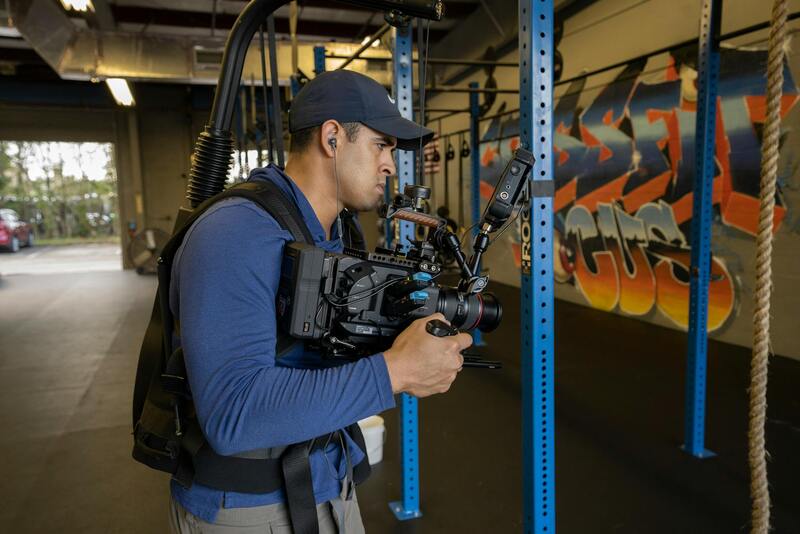
Prior to the event, conducting a comprehensive equipment check—verifying batteries, memory cards, and functionality of all gear—is indispensable. Organizing equipment in easily accessible setups minimizes setup time and disruptions during the event. Setting up backup power sources and spare media ensures continuous operation despite unforeseen technical issues. By tailoring gear selection to each specific event, cinematographers can adapt to environmental conditions, venue constraints, and client requirements, ensuring smooth execution from start to finish.
Camera Positioning and Movement Strategies
Strategic placement of cameras creates an immersive and comprehensive story of the event. Positioning cameras at various vantage points—such as front-facing angles for main performances, side angles for reactions, and behind-the-scenes viewpoints—captures the event’s full scope. Utilizing crowning shots from elevated positions provides sweeping views of large crowds and venue layouts.
Movements should be deliberate and fluid. Techniques like dolly shots, slider moves, and handheld dynamic footage inject energy and intimacy into the final product. For key moments, pre-planning specific camera movements ensures coverage is intentional and aligned with the event flow. During setup, marking positions and rehearsing movements can help camerawork appear polished and professional, avoiding jittery or disconnected footage.
Implementing Safety Protocols and Access Considerations
Ensuring personnel and equipment safety is paramount. Conducting a risk assessment of the venue helps identify potential hazards, restrictive zones, and access points. Communicating clearly with event staff about equipment placement minimizes obstruction and interference with the event proceedings.
Secure mounting equipment to prevent accidents, and ensure cabling is neatly organized to avoid tripping hazards. Additionally, understanding venue layouts allows for efficient movement of crew members and equipment, especially in crowded or restricted areas. Having designated points of contact helps coordinate logistical aspects, gaining necessary approvals and access permissions well in advance.
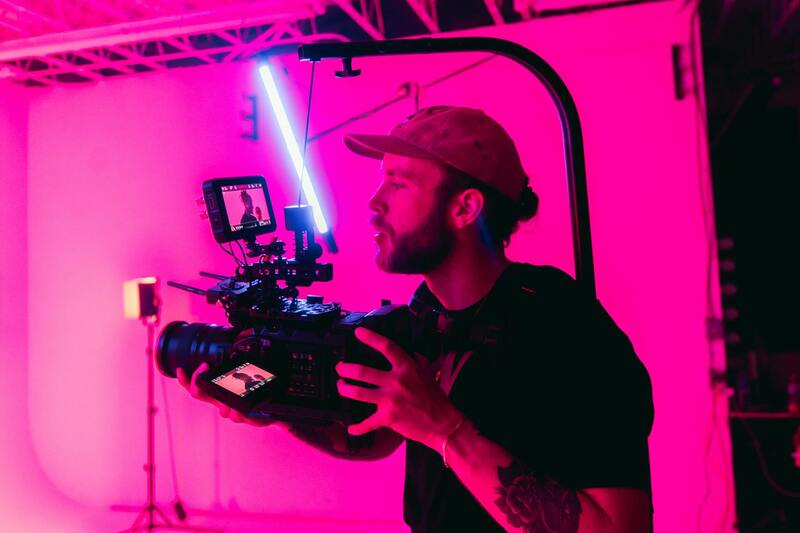
Meticulous planning, from equipment setup to personnel safety, forms the backbone of professional event cinematography. These preparatory steps enhance the ability to capture compelling and memorable content, fulfilling client expectations while maintaining high standards of safety and efficiency. Effective execution hinges on a thorough understanding of the venue environment and proactive strategies to address potential challenges, resulting in polished footage that authentically represents each unique event.
Understanding Event Cinematography
Event cinematography involves more than just recording happenings; it is about capturing the essence, emotions, and atmosphere that define each occasion. This specialized form of videography requires technical skill and artistic judgment to translate live experiences into compelling visual narratives. A thorough grasp of lighting, sound, and frame composition is critical for producing high-quality footage that resonates with viewers. Whether documenting a corporate gala, a wedding, or a cultural festival, professionals must adapt their approach to suit the unique demands and mood of each event.
Technical Precision and Storytelling
Effective event cinematography balances technical proficiency with storytelling capability. Precision in camera operation—such as smooth panning, steady focus, and appropriate shot framing—ensures that footage remains visually engaging. Meanwhile, capturing candid moments and key highlights contributes to a narrative flow that immerses viewers. The role of the cinematographer is to anticipate pivotal moments and be prepared to capture them unobtrusively, highlighting emotional reactions and spontaneous interactions that define the event’s character.
Audio Quality and its Impact
High-quality audio recording is integral in conveying the atmosphere and ensuring dialog clarity. Using lapel microphones, directional booms, or ambient mics as appropriate helps to capture speeches, performances, and crowd sounds authentically. Clear audio complements the visual content, forming a cohesive experience that engages viewers on multiple sensory levels. Poor sound quality can diminish the impact of otherwise excellent footage, emphasizing the importance of comprehensive audio planning and equipment.
Understanding Venue Dynamics
Every location presents distinct challenges, from lighting conditions to space limitations. Event cinematographers must adapt their techniques to these variables, employing equipment such as stabilizers, zoom lenses, and lighting enhancements to optimize footage quality. Recognizing venue-specific logistics—like restricted areas or high-traffic zones—also influences shot selection and positioning. Strategic planning helps ensure smooth operation and minimizes disturbances during live recordings, which is essential for capturing authentic moments seamlessly.
Post-Production Refinement
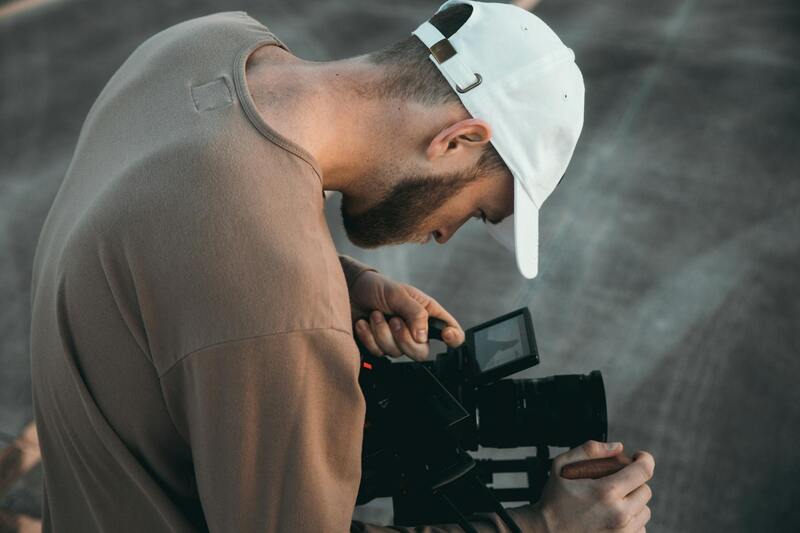
The journey of event cinematography extends beyond the shoot. Meticulous editing transforms raw footage into a polished product that captures the event’s spirit. Color correction ensures visual consistency, while appropriate sound editing enhances clarity and atmosphere. Additionally, incorporating transitions, visual effects, and music heightens emotional impact and guides viewer engagement. This stage requires an understanding of storytelling principles to craft a coherent narrative that accurately reflects the event’s significance.
Equipment and Crew Coordination
Choosing the right equipment is vital for capturing various event scenarios. High-definition cameras, versatile lenses, drones, and stabilization gear enable a comprehensive recording approach. Adequately skilled crew members, including camera operators, sound technicians, and assistants, must work harmoniously to meet the event’s demands. Pre-event rehearsals and clear communication of roles facilitate efficient coverage and minimize disruptions. Proper coordination ensures all angles and moments are captured effectively, setting the foundation for a compelling final product.
Safety and Ethical Practices in Event Cinematography
Prioritizing safety involves assessing venue conditions, managing equipment setup, and maintaining clear pathways for both crew and attendees. This includes securing cables, stabilizing equipment, and respecting restricted areas. Ethical practices necessitate obtaining necessary permissions, respecting attendees’ privacy, and avoiding intrusive coverage. Demonstrating professionalism and integrity safeguards the quality and reputation of event filming services, fostering trust with clients and event organizers.
Legal and Ethical Considerations
In the realm of event cinematography, adhering to established guidelines ensures that the production process respects the rights and expectations of all stakeholders involved. One fundamental aspect involves obtaining appropriate permissions for filming at venues, especially those with restricted areas or sensitive content. Securing written consent from venue management, clients, and, where applicable, individual participants, ensures clarity regarding the scope and nature of the footage to be captured.
Another crucial element is respecting individuals' privacy rights. Event filmmakers often encounter attendees who may not wish to be recorded or may prefer to remain anonymous in the final product. Implementing measures such as obtaining explicit consent from subjects, providing options for those who prefer not to be filmed, and clearly communicating the purpose of the recordings reinforces professionalism and fosters trust.
Ethical practices extend beyond consent; they include responsible coverage that avoids intrusive or disruptive behaviors during live events. Filmmakers should be mindful of cultural sensitivities and avoid capturing moments that could be deemed disrespectful or inappropriate. Maintaining a respectful distance, using unobtrusive equipment, and limiting the number of crew members on-site demonstrates a commitment to ethical standards.
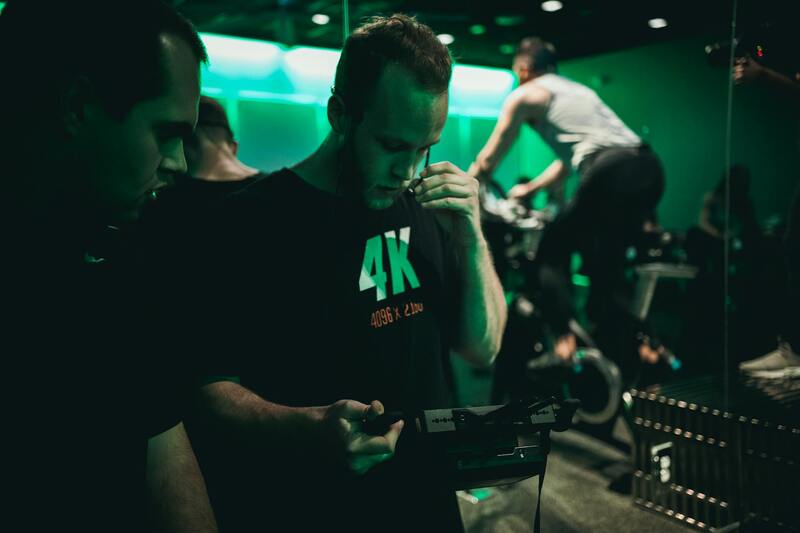
Furthermore, understanding intellectual property rights is essential. This involves securing rights to music, footage, and any copyrighted materials incorporated into the final product. Proper licensing protects the production from potential disputes and aligns with professional integrity standards.
To uphold these practices, filmmakers should develop comprehensive contracts outlining permissions, rights, and confidentiality agreements. Training crew members on privacy protocols and ethical conduct fosters an environment of respect and professionalism. By prioritizing adherence to these guidelines, event cinematographers can deliver high-quality content while maintaining the trust and confidence of clients and attendees alike.
Implementing Proper Permitting and Licensing Protocols
Successful event cinematography relies heavily on securing the necessary permissions and licenses prior to the shoot. This involves obtaining explicit authorization from venue owners, event organizers, and individuals who will appear on camera. These permissions ensure that the footage captured can be used without concern over disputes or misunderstandings down the line.
License arrangements often cover the use of specific locations, copyrighted music, and any proprietary content incorporated into the final edit. By adhering to official licensing procedures, filmmakers avoid potential conflicts and reinforce their commitment to professional standards. It is crucial to work with legal experts or licensing agencies that specialize in intellectual property rights to ensure all paperwork is comprehensive and properly documented.
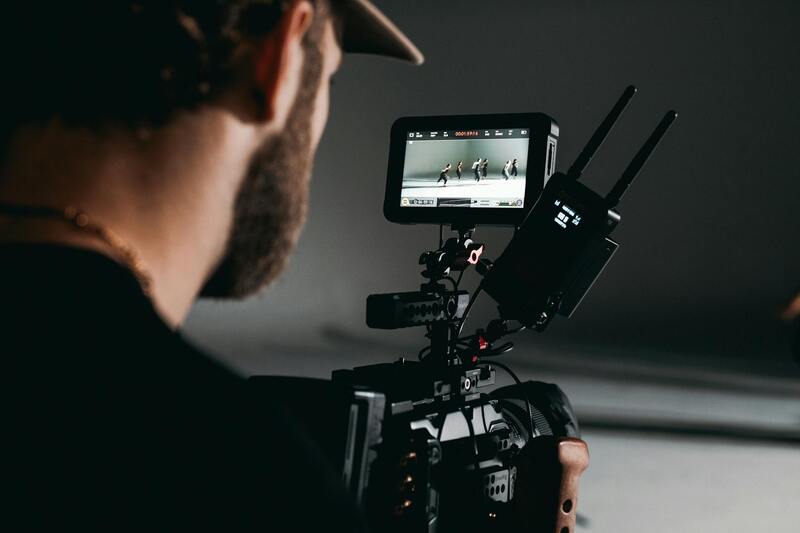
Respecting Privacy Through Strategic Shooting Practices
Respect for individual privacy is a cornerstone of ethical event cinematography. Filmmakers should implement strategies that minimize disruption while capturing authentic moments. This includes positioning cameras at appropriate distances, avoiding intrusive angles, and limiting camera movements during sensitive parts of the event.
When filming in crowded or sensitive environments, shooting from unobtrusive locations can help maintain the flow of the event. Employing remote or wireless cameras allows footage to be captured discreetly, preserving the event’s atmosphere and respecting attendees’ comfort. Furthermore, maintaining clear communication with event organizers about shooting protocols fosters transparency and ensures that everyone is aware of what is being filmed.
Proper Handling and Storage of Media Content
Once footage is captured, it must be managed according to established standards for security and confidentiality. Proper storage methods include encrypted digital drives, secure cloud servers, and organized file management systems. These practices protect against unauthorized access or loss of valuable content.
Implementing rigorous data handling policies, including regular backups and restricted access, ensures that all event footage remains confidential until it is ready for editing and delivery. This disciplined approach demonstrates professionalism and secures the trust of clients, who depend on the confidentiality of their event recordings.
Adhering to Intellectual Property Rights and Copyright Laws
Effective event cinematography involves respecting the intellectual property rights associated with all creative materials used during production. This includes obtaining licenses for copyrighted music, scripts, or visual assets incorporated into the final product. Proper attribution and licensing confirm that all content is used within legal boundaries and uphold the integrity of the creators involved.
Developing clear contractual agreements that specify rights ownership, licensing terms, and usage restrictions is fundamental. These contracts safeguard both the filmmaker’s and the client’s interests while maintaining transparency about how the footage will be utilized upon release.
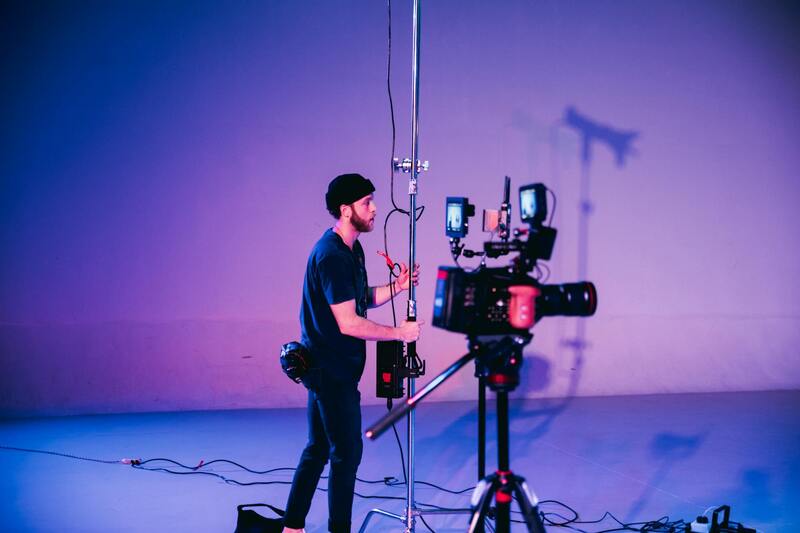
Building Trust with Clients and Attendees Through Ethical Standards
Adopting a transparent and respectful approach to event filming cultivates trust between professionals, clients, and attendees. Clearly communicating the scope of coverage, obtaining necessary permissions, and respecting individuals’ wishes align with best practices in the industry.
By demonstrating accountability and high ethical standards, event cinematographers reinforce their reputation for dependable service. This approach not only ensures smoother production processes but also contributes to long-term client relationships and a positive professional reputation in the Miami event scene.
Legal and Ethical Considerations
Ensuring adherence to legal and ethical standards is fundamental in delivering reputable event cinematography. When recording live events, it is essential to secure consent from individuals and organizations involved, especially in scenarios that capture audiences, performers, or private moments. Clear communication about the scope of filming and how the footage will be used helps prevent misunderstandings and ensures all parties are aware of their rights and privacy preferences.
Additionally, respecting intellectual property rights extends beyond obtaining licenses for music and visual assets. It involves acknowledging and crediting original creators when their work is incorporated into the event footage. Proper documentation of licenses and agreements should be maintained to substantiate the lawful use of all materials involved.
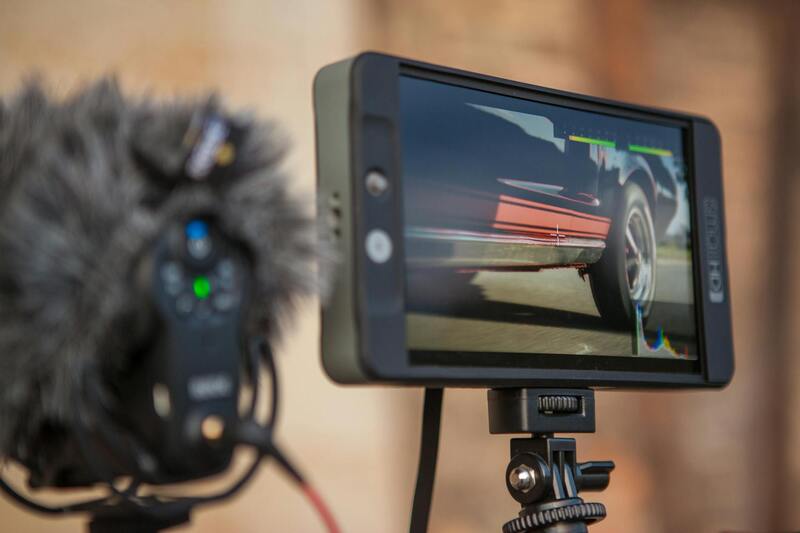
Developing robust contractual frameworks is vital for clarifying rights ownership, usage rights, and restrictions. These agreements establish a transparent foundation that benefits both the cinematographer and the client, minimizing misunderstandings and promoting accountability. Respecting attendees' preferences and demonstrating professionalism throughout the project can significantly enhance the reputation of the cinematographer in Miami’s vibrant event scene.
Building Trust Through Transparency and Respect
Operational transparency fosters trust and establishes long-lasting relationships with clients and event organizers. This includes providing detailed explanations of the coverage plan, obtaining explicit permissions, and being respectful of individuals' privacy concerns. By adhering to ethical standards, event cinematographers build credibility and differentiate themselves from competitors, reinforcing their commitment to integrity and professionalism.
Maintaining high ethical standards not only aligns with industry best practices but also enhances a cinematographer's reputation. Approaching each project with honesty and professionalism ensures a smoother production process. It encourages positive testimonials, referrals, and sustained partnerships with clients, contributing to a thriving career in the competitive Miami event cinematography landscape.