
Understanding the Role of an Event Photographer and Videographer
Event photographers and videographers serve a vital function in the documentation and preservation of significant moments across diverse gatherings. Their responsibilities extend beyond simple picture taking or video recording; they are entrusted with capturing the essence, emotion, and atmosphere of an event. This involves a keen eye for detail, technical proficiency, and the ability to adapt to dynamic environments. By employing their skills effectively, these professionals ensure that memories are preserved in high-quality visuals, which can be relived for years to come.
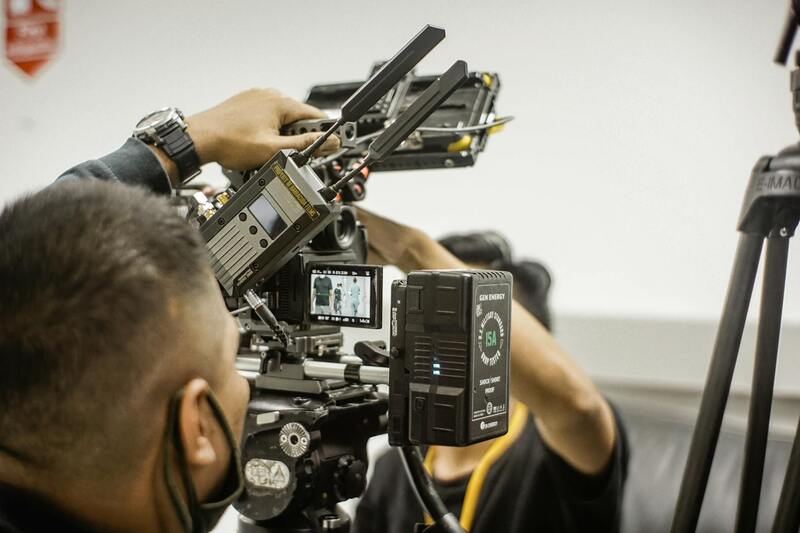
Representing a blend of artistry and technical expertise, an event photographer’s primary role revolves around composing compelling images that highlight key moments. These may include candid expressions, group shots, or décor details that contribute to the overall ambiance. On the other hand, videographers focus on capturing movement, sound, and sequences that tell a story or convey the atmosphere of the event. Both roles demand a deep understanding of lighting, framing, timing, and equipment operation to produce content that is both engaging and visually accurate.
In many cases, event professionals work closely with clients before the event to understand specific expectations and themes. During the event, they operate seamlessly within the environment, often working discreetly so as not to disturb the flow of the proceedings. Their work culminates in providing clients with a comprehensive visual record—ranging from photographs suitable for print and social media to edited videos that encapsulate the event’s highlights.
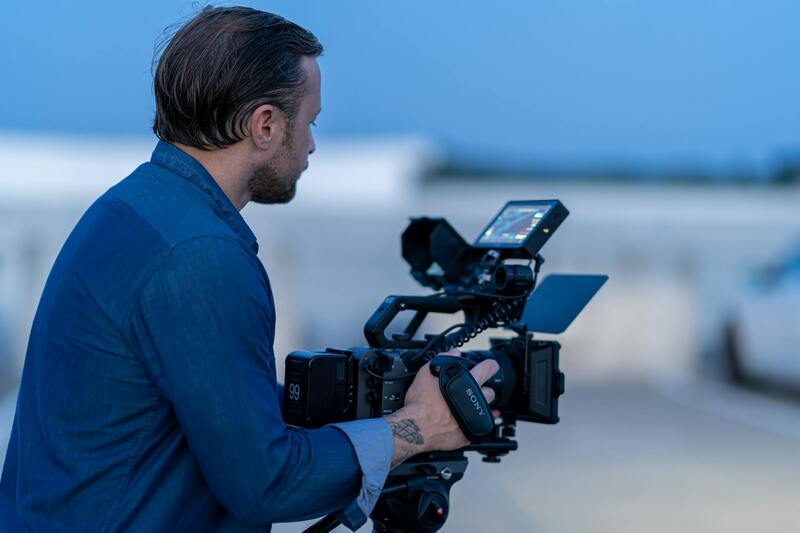
Furthermore, many event photographers and videographers also offer post-production services. This includes editing images, color correction, retouching, as well as film editing, sound enhancements, and special effects to ensure the final product aligns with the client’s vision and quality standards. Their overarching goal is to produce content that not only documents an event but elevates its presentation, ensuring that every memory is captured with precision and artistic integrity.
Types of Events Covered in Miami
Miami's vibrant event scene presents a diverse array of occasions where professional event photographers and videographers play a crucial role. From the elegant preparations of destination weddings on Miami’s pristine beaches to bustling corporate conferences held in downtown hotels, the city’s lively atmosphere demands visual storytellers capable of capturing the essence of each event. Weddings, in particular, are a staple, with many couples seeking high-quality imagery and footage to preserve their special day in timeless detail.
Beyond personal milestones, Miami’s social calendar is filled with celebrations such as birthdays, anniversaries, and cultural festivals, all of which benefit from professional coverage. These events often involve dynamic environments, live entertainment, and large crowds, requiring adaptable and discreet professional skills to ensure seamless coverage. Corporate functions such as product launches, business seminars, and networking events also see a rising demand for skilled photographers and videographers. These professionals aid companies in documenting key moments for promotional and archival purposes, emphasizing brand representation.
In addition to these, Miami hosts many public festivals, parades, and community gatherings, where capturing the energy, colors, and movement is vital. For event organizers, having a reliable professional team ensures comprehensive coverage that highlights the event’s vibrancy while providing professional content for future marketing, social media outreach, and archival needs.
Key Skills and Qualities of a Professional Event Photographer and Videographer
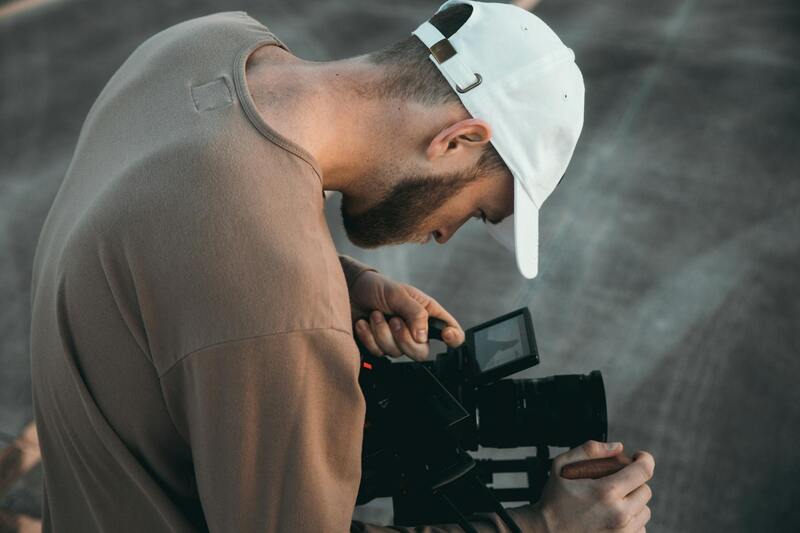
Professional event photographers and videographers in Miami possess a combination of technical expertise and refined artistic sensibility. They excel in rapid adaptation to various lighting conditions, whether capturing the golden hour ceremony on the beach or dimly lit indoor receptions. Precision in framing, composition, and timing distinguishes highly skilled professionals, enabling them to seize candid expressions, orchestrate group shots efficiently, and document spontaneous moments naturally.
Equally important are soft skills such as effective communication, discretion, and the ability to coordinate with event organizers without disrupting the flow of the event. A successful professional maintains a calm demeanor under pressure, swiftly adjusts to unforeseen situations, and manages equipment smoothly within dynamic environments.
Accompanying these qualities are dedication to ongoing education to stay current with evolving techniques and technology, a keen eye for storytelling, and a commitment to client satisfaction. These elements collectively ensure that the visual content produced is both authentic and artistically compelling.
Legal and Contract Considerations
Securing a clear and comprehensive agreement with your chosen event photographer and videographer is essential to ensure mutual understanding and protection of expectations. These contracts should outline key details such as the scope of work, deliverables, timeline, payment terms, and rights to the footage. A detailed contract minimizes potential misunderstandings and provides a framework for resolving any issues that may arise.
When reviewing potential professionals, it is important to verify they have a well-structured contract in place. This document should specify licensing rights, usage permissions, and exclusivity clauses to prevent disputes over intellectual property or the reuse of content across different platforms. Clear terms regarding final edits, backup procedures, and post-event deliverables also contribute to a smooth workflow and ensure your vision is realized effectively.
Many event professionals include clauses about contingency plans, such as backup equipment and alternative shooting arrangements, especially for outdoor events vulnerable to weather changes. Additionally, examining their cancellation and refund policies can safeguard your investment if unforeseen circumstances occur, allowing for flexible rescheduling or refunds if necessary.
Ensuring that all contractual terms are reviewed and agreed upon prior to the event minimizes the risk of disagreements and helps maintain a professional relationship between clients and vendors. It is advisable to work with professionals who are transparent about their contractual obligations and who provide detailed documentation, fostering confidence and accountability in your engagement.
Potential clients should also be aware of any additional costs that may not be included in the initial quote, such as travel fees, overtime charges, or special editing requests. Clarifying these points upfront ensures there are no surprises and that the budget aligns with the comprehensive scope of work.
Importance of Up-to-Date Equipment and Advanced Technology
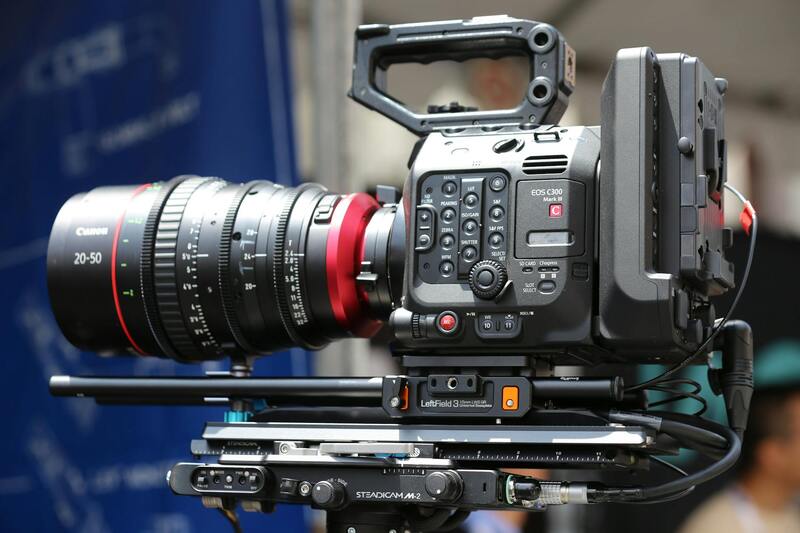
In the realm of event photography and videography, staying current with the latest equipment and technological advancements is crucial for delivering exceptional results. Professional photographers and videographers typically utilize high-resolution digital cameras capable of capturing detailed images even in challenging lighting conditions. Modern cameras with full-frame sensors enhance image quality, providing clarity and depth that are vital for memorable event coverage.
Equally important are a variety of high-quality lenses, including wide-angle, telephoto, and specialty lenses, allowing for versatile compositions and creative perspectives. For indoor and outdoor settings, specialized lenses help in capturing moments without sacrificing quality, regardless of distance or lighting conditions.
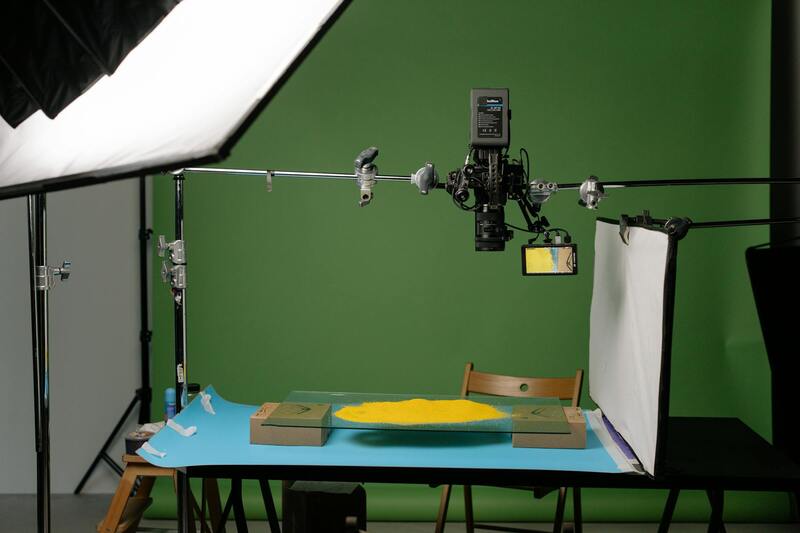
Lighting equipment plays a fundamental role, especially during evening events or dimly lit venues. Portable, powerful lighting setups—such as LED panels, softboxes, and reflectors—ensure proper illumination without harsh shadows or glare. These tools contribute to consistent image and video quality, ensuring every moment is captured vividly.
For videographers, stabilization technology like gimbals and shoulder rigs assists in achieving smooth, professional footage, even when moving through crowded spaces. High-definition drones are increasingly employed for aerial shots, offering unique perspectives that add depth to the event narrative.
Post-production tools further elevate the final deliverables. Advanced editing software—such as Adobe Premiere Pro, Final Cut Pro, and DaVinci Resolve—enables professionals to refine footage, color-correct scenes, add effects, and synchronize audio seamlessly. This technological integration ensures that the end product aligns perfectly with the client’s vision, creating impactful visual stories that resonate long after the event concludes.
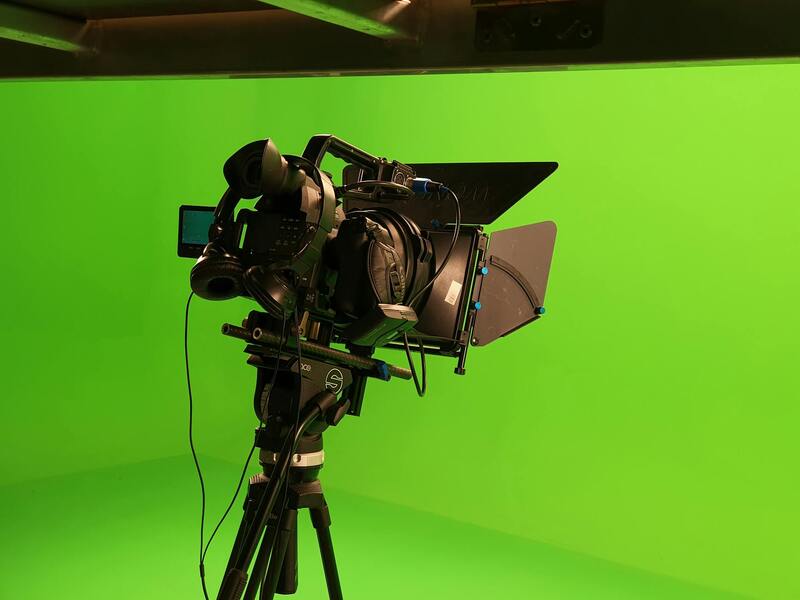
Ultimately, the combination of sophisticated equipment and cutting-edge technology forms the backbone of quality event coverage. It enables the creation of sharp, vibrant images and smooth, cinematic videos that preserve the essence of each occasion. Professionals committed to excellence invest continuously in their gear, learning new techniques, and adopting emerging innovations to stay ahead in a competitive market.
Clients benefit significantly from such investments, as they receive content that captures the true atmosphere, emotional nuances, and details that make their events special. Whether it’s a wedding, corporate function, or private celebration, the right tools—paired with skilled technicians—ensure every moment is documented to perfection.
Understanding the Role of an Event Photographer and Videographer
Event photographers and videographers serve as the visual storytellers of your special occasion, capturing fleeting moments with precision and artistry. Their responsibilities extend beyond merely taking pictures or filming; they are tasked with documenting the essence, emotions, and atmosphere of an event in a manner that is both authentic and compelling. These professionals meticulously plan their approach, considering lighting conditions, venue layout, and the emotional flow of the event to ensure comprehensive coverage. They utilize their expertise to anticipate key moments such as vows being exchanged, speeches, first dances, and candid interactions, ensuring no critical element is missed. Additionally, they craft visual narratives that align with the client's vision, whether it involves traditional, documentary-style, or contemporary storytelling techniques.
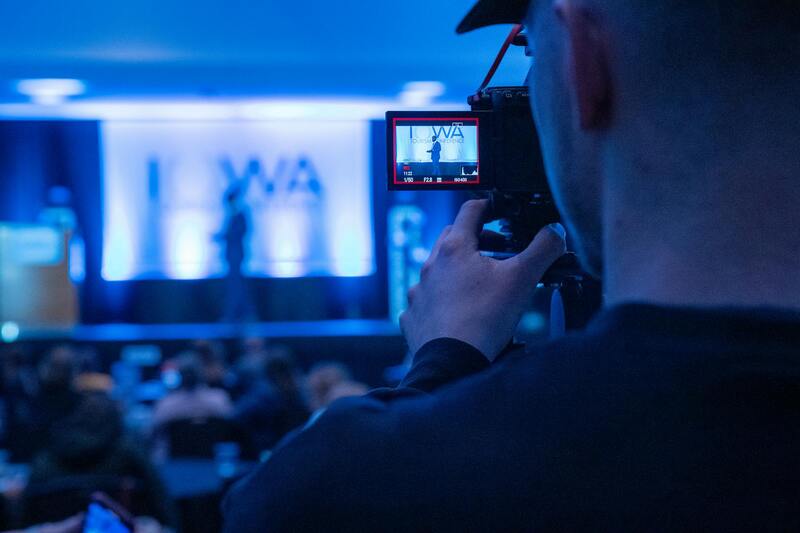
Beyond capturing images, these professionals often handle post-event workflows, including editing and final production, to deliver polished content. Advanced editing skills allow them to enhance colors, correct lighting issues, and synchronize audio, ensuring the final product not only captures the moment but elevates it to a work of art. Their role also involves maintaining a discreet presence, blending into the environment to avoid disrupting the event's natural flow while still securing every vital shot. This blend of artistic talent, technical skill, and situational awareness makes an event photographer and videographer invaluable for transforming moments into timeless memories that clients can cherish for years to come.
Types of Events Covered in Miami
Miami’s vibrant and diverse cultural landscape demands a wide array of event coverage. From elegant weddings on sun-kissed beaches to corporate galas in sleek downtown venues, professional photographers and videographers tailor their setups to match each occasion's unique atmosphere. Popular events often include:
- Weddings and engagements, capturing romantic moments and detailed scenery.
- Corporate events such as conferences, product launches, and awards ceremonies.
- Private celebrations including birthday parties, anniversaries, and family reunions.
- Charity events and community gatherings, highlighting collective efforts and impactful moments.
- Fashion shows, art exhibits, and cultural festivals that showcase Miami’s creative spirit.
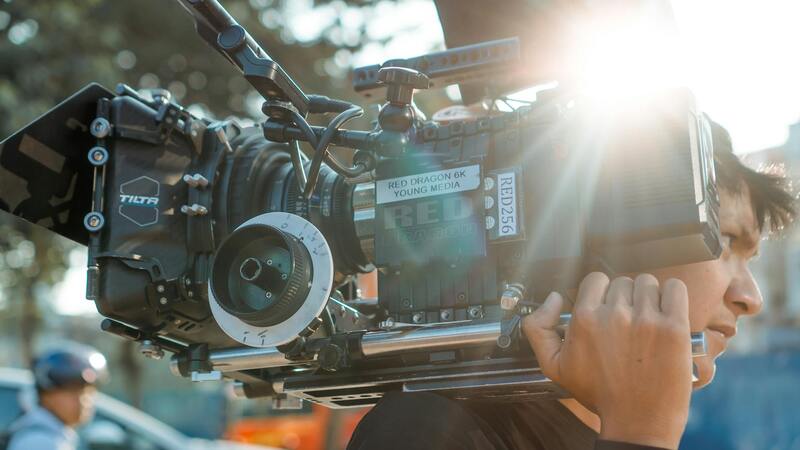
Each event type presents distinct challenges and opportunities, requiring photographers and videographers to adapt their techniques accordingly. For instance, capturing the energy of a dance floor at a wedding calls for dynamic shots and quick reflexes, while recording a corporate seminar demands clear audio and informative visuals. Professionals in Miami often possess experience across these categories, ensuring that clients receive comprehensive coverage tailored to their specific event’s requirements.
Key Skills and Qualities of a Professional Event Photographer and Videographer
The success of event coverage hinges on multiple core skills and qualities. Expertise in technical elements such as camera operation, lighting, and sound recording forms the foundation, but an exceptional professional also demonstrates adaptive creativity and a keen eye for detail. Strong interpersonal skills enable them to interact discreetly with guests, gaining trust and ensuring candid moments are authentically captured. Time management is crucial; professionals must work efficiently within tight schedules to ensure all significant moments are documented. Additionally, post-processing proficiency ensures the final visuals meet high standards of clarity, color accuracy, and emotional impact.
- Technical mastery of cameras, lighting, and audio equipment.
- Creative vision and storytelling ability.
- Excellent communication and interpersonal skills.
- Ability to adapt to varying lighting and environmental conditions.
- Timeliness and organizational skills for on-the-spot decision-making.
- Proficiency in editing and post-production software.
Equipment and Technology Requirements
High-quality equipment is essential for producing professional-grade visual content. Main tools include digital models equipped with high-resolution sensors capable of capturing detailed images in low-light settings typical of indoor venues or evening events. Lenses with diverse focal lengths allow for versatility, from wide-angle shots of entire groups to close-up candid moments. Stabilization gear such as gimbals and monopods ensure smooth footage, especially during movement or dynamic scenes. Audio equipment, including wireless microphones and portable recorders, capture speeches and ambient sounds with clarity.
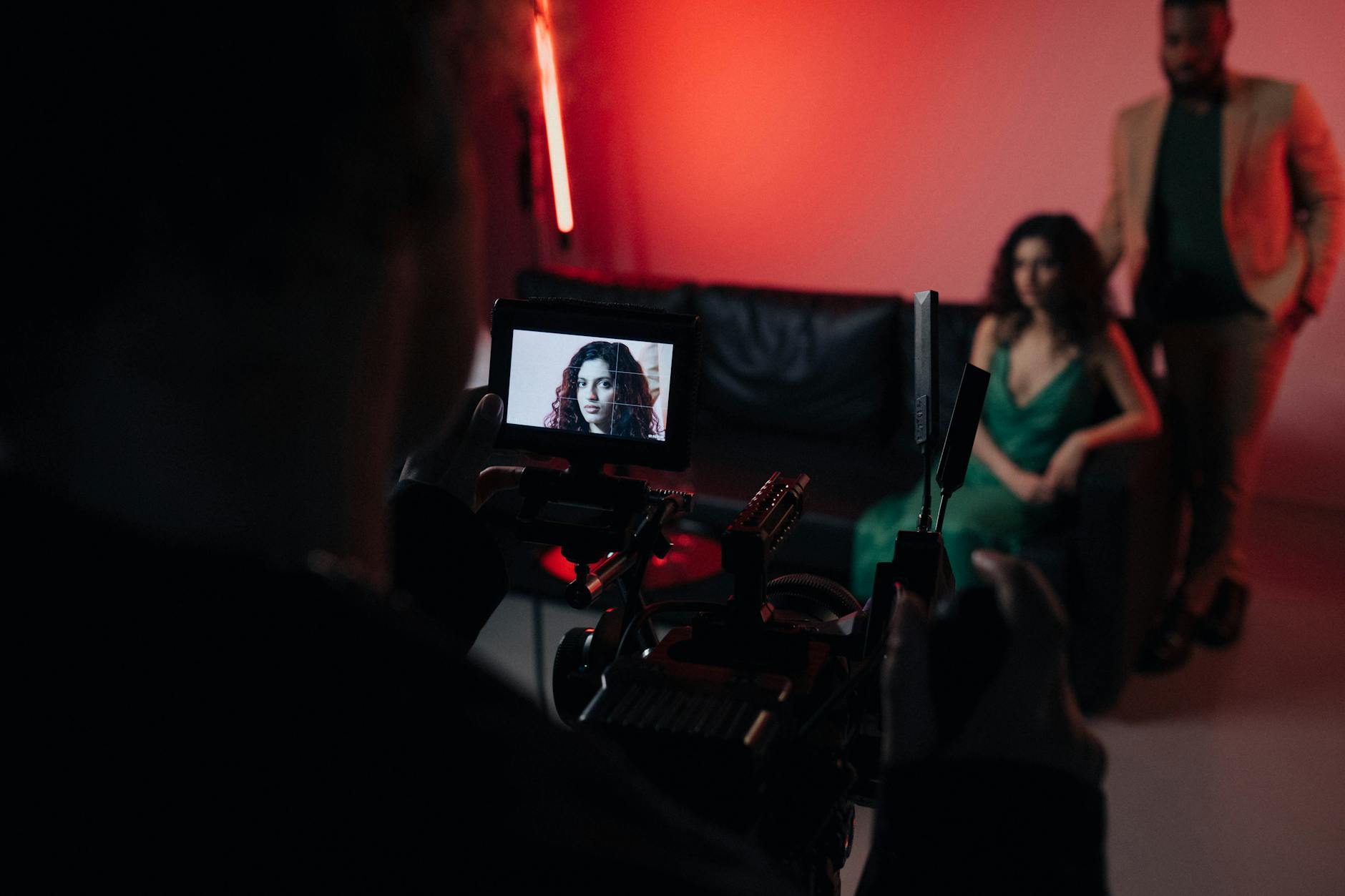
The integration of new technologies like drones for aerial shots adds a unique perspective to Miami event coverage. Drones assist in capturing expansive venue views, establishing shots, and large group formations from above. Furthermore, editing suites equipped with cutting-edge software such as Adobe Creative Cloud, Final Cut Pro, and DaVinci Resolve provide professionals with tools to refine their footage thoroughly. This comprehensive technological approach allows for superior quality production, consistent visual storytelling, and on-demand customization for each client’s needs.
Legal and Contract Considerations
Securing a clear, comprehensive contract is critical when engaging an event photographer and videographer in Miami. Such agreements define the scope of work, deliverables, timelines, billing terms, and rights to images and footage. A well-structured contract helps prevent misunderstandings and ensures both parties have aligned expectations, creating a smooth collaborative process from initial planning to final delivery.
It is advisable to specify the use of licensed equipment and software in the contract. This demonstrates adherence to industry standards for quality and legal compliance. Additionally, written consent to capture and utilize images or footage, especially for private or sensitive events, should be clearly outlined, respecting privacy considerations and event guidelines.
Coverage of potential scenarios, such as rescheduling, cancellations, or unforeseen circumstances, provides further clarity and protection. Payment terms, including deposit requirements, milestone payments, and final balances, are also key components. In some cases, contracts include clauses about intellectual property rights, ensuring the photographer or videographer retains usage rights or transfers them to clients as per agreed terms.
Working within the parameters of local regulations helps streamline production and avoid disruptions. Miami, with its vibrant event scene, often involves permits for drone usage or specific venue restrictions, which must be acknowledged and adhered to in the contract. Incorporating state-of-the-art safety measures, particularly for aerial or drone footage, reassures clients about responsible operations.
Legal and Contract Considerations for Event Photography and Videography
Entering into a professional agreement with an event photographer and videographer necessitates a comprehensive understanding of key contractual components. These elements foster transparency and set clear expectations for both parties, ultimately resulting in a seamless collaboration that captures treasured moments effectively.
Licensing and Usage Rights
It is critical to delineate who holds the rights to the captured images and footage. Establishing licensing terms clarifies whether the client receives full ownership, limited usage rights, or licensing for specific purposes such as promotional materials or personal keepsakes. Precise definitions prevent misunderstandings regarding how content can be used, reproduced, or shared, safeguarding both the creator’s creative work and the client’s intended uses.
Deposit and Payment Terms
Financial arrangements should be explicitly detailed, including deposit requirements, installment schedules, and final payments. A security deposit often ensures the booking, while the remaining balance aligns with deliverables and project milestones. Clear payment terms reduce the potential for disputes and provide a structured approach to compensation.
Delivery Schedules and Product Revisions
The contract should specify timelines for delivering edited photos and videos. This schedule helps clients plan their event recognitions and celebrations accordingly. Additionally, provisions for revisions or retouching should be included, outlining how many revisions are permitted and the process for requesting edits. This ensures both parties share an understanding of the scope and expectations for the final product.
Cancellation and Rescheduling Policies
Unforeseen circumstances can impact event planning. Detailed policies regarding cancellations or rescheduling safeguard the interests of clients and service providers. These policies define refund terms, rescheduling procedures, and notice periods, helping both parties navigate disruptions with clarity and fairness.
Intellectual Property and Copyrights
Maintaining control over the intellectual property rights tied to images and footage is essential. Contracts should clarify whether the photographer or videographer retains ownership or grants usage rights to the client. For instance, a client may obtain permission for personal use but not commercial exploitation unless specified. Clear ownership parameters prevent future disputes over content rights.

Adherence to Local Regulations and Safety Compliance
In Miami, specific regulations may govern drone usage, venue restrictions, or permit requirements. Ensuring compliance with these rules within contractual agreements helps avoid disruptions or legal complications. Service providers should incorporate adherence clauses, especially when aerial footage or specialized equipment is involved, assuring clients of responsible and lawful operations.
Protection Against Liability and Unforeseen Events
Contractual provisions that address liability, insurance, and risk management mitigate potential exposures. Clearly articulated clauses regarding liability limits, insurance coverage, and accident prevention measures reinforce trust and professionalism. Such safeguards ensure that both parties are protected against unforeseen incidents during event coverage.
Legal and Contract Considerations
Establishing clear contractual agreements is fundamental to securing a seamless partnership between clients and professionals in event photography and videography. These agreements should explicitly outline service scope, deliverables, timelines, and payment structures, serving as a blueprint for mutual expectations and responsibilities. A comprehensive contract minimizes misunderstandings and provides legal clarity, ensuring both parties are aligned on the project’s parameters.
Specifically, contracts should define ownership rights over the produced content. This involves clarifying whether the event photographer and videographer retain any rights or if the client is granted exclusive usage permissions. For instance, a client may have the right to display images for personal use, but commercial exploitation requires additional licensing agreements. Such delineations help prevent disputes related to content rights and usage, particularly important when content may be used across various platforms or in advertising campaigns.
In addition, the agreement should incorporate stipulations related to confidentiality and privacy, safeguarding the interests of clients and subjects involved in the event. For instance, if certain moments or footage are sensitive, the contract must specify restrictions around their dissemination. This approach ensures that all parties understand the boundaries concerning the event content, aligning expectations and preventing potential conflicts.
It is also essential to include provisions that address unforeseen circumstances or cancellations. Conditions for rescheduling, refunds, or alternative arrangements provide contingency plans, minimizing disruptions and financial risks. These stipulations enforce professionalism and demonstrate a commitment to customer satisfaction, especially in dynamic event environments with variables such as weather, technical issues, or schedule changes.
Insurance coverage is another critical aspect typically covered within contractual agreements. Both the service provider and client should ensure appropriate liability insurance is in place to address accidents or damages that might occur during coverage. Such safeguards not only cover potential liabilities but also reinforce the professionalism and preparedness of the service provider.
Compliance with local regulations is vital, especially in Miami where aerial drone footage or specialized equipment might be involved. The contractual terms should confirm adherence to relevant rules governing drone flight, venue restrictions, or permit requirements. Introducing such clauses assures clients that all coverage will be executed responsibly and within legal boundaries, safeguarding the integrity of the project and avoiding legal complications.
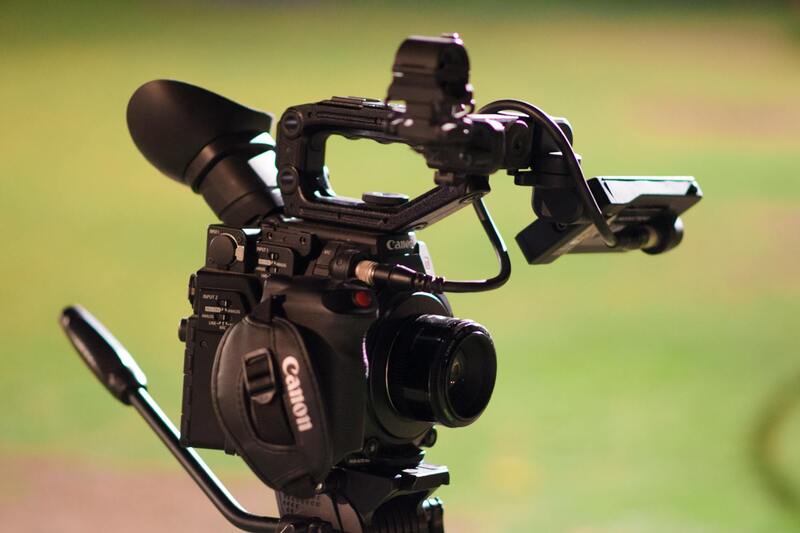
Ultimately, these legal and contractual considerations set the foundation for a professional, transparent relationship. They clarify expectations, protect all parties involved, and help ensure the successful delivery of exceptional visual content for your event. Engaging with experienced event photographers and videographers who emphasize clear agreements underscores a commitment to quality service and legal integrity, reinforcing the trust necessary for memorable event coverage.