
Understanding the Importance of Quality Realty Photography
In the competitive Miami real estate market, the presentation of a property can significantly influence buyer interest and ultimately, sales success. High-quality realty photography serves as a cornerstone for creating compelling property listings that stand out amidst a sea of options. When well-executed, professional photographs draw in potential buyers by showcasing the property’s best features, highlighting its unique architectural details, and providing a clear sense of space and ambiance. This visual appeal not only captures attention but also encourages viewers to envision themselves living within the property, fostering an emotional connection that can lead to faster transactions.
Effective photography can increase online engagement, with listings displaying superior images often receiving more clicks, inquiries, and scheduled viewings. In an era where digital impressions hold considerable weight, the first impression created by a property’s photography can be the decisive factor in a buyer’s decision process. For Miami real estate professionals, investing in high-quality imagery becomes a strategic move, expanding the reach of property listings across various digital platforms, and attracting a broader audience from local, national, and international markets.
Furthermore, exceptional realty photography can influence perceptions of value. When prospective buyers view crisp, professionally captured images, they tend to associate the property with higher quality and better management, which can lead to higher offers and a smoother negotiation process. As a result, real estate agents and property owners who prioritize professional photography often benefit from reduced time on the market and increased sales prices.
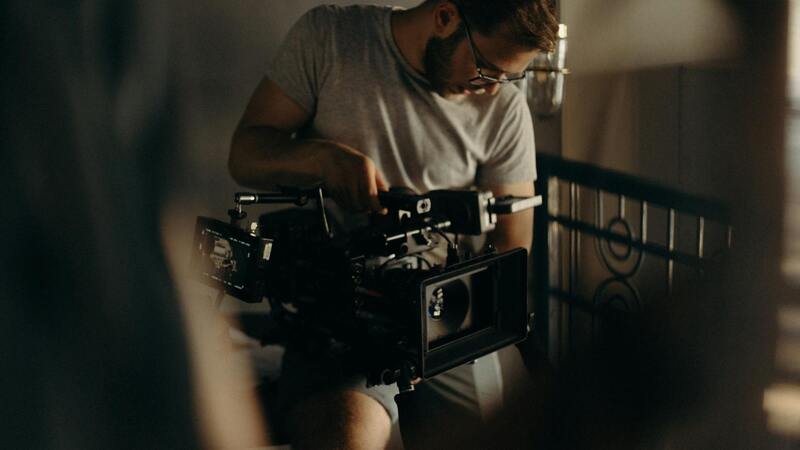
In essence, professional realty photography bridges the gap between listing description and buyer perception, translating detailed property features into captivating visual stories. When executed with precision and an understanding of current market preferences, it becomes an indispensable asset in the modern Miami real estate landscape, driving engagement, fostering trust, and ultimately, closing deals more efficiently.
Choosing the Right Equipment and Techniques
Optimizing realty photography begins with selecting the appropriate equipment and mastering advanced techniques. High-resolution digital cameras are fundamental, enabling the capture of sharp details and vibrant colors that accurately represent the property’s features. A camera with a wide-angle lens, typically between 14mm and 24mm, allows photographers to showcase spacious interiors while minimizing distortions that could misrepresent room dimensions. Using the proper lens setup ensures that every room appears inviting and well-proportioned, which enhances the overall appeal of the listing.
In addition to equipment, tripod stability is crucial for obtaining crisp, blur-free images, especially in lower light conditions or interior shots where even slight camera movements can compromise image quality. A tripod also facilitates consistent framing when capturing multiple images, essential for creating seamless virtual tours or HDR images.
Lighting is another key aspect; natural light often produces the most appealing results. Photographers should schedule shoots during daylight hours when windows can maximize the inflow of natural light, softening shadows and enhancing details. Supplementary lighting equipment, such as portable flashes or strobe lights, can be used strategically to illuminate darker areas or balance interior lighting with exterior brightness.
Advanced techniques involve the use of high dynamic range (HDR) imaging, where multiple exposures are combined to produce photos that display both interior details and views through windows without overexposure. Additionally, employing panoramic stitching allows the creation of expansive wide-angle images, providing potential buyers with a comprehensive view of larger spaces. Drone photography is also increasingly integrated into realty imagery, offering aerial perspectives that highlight a property’s exterior and landscape features from unique vantage points.
Maintaining consistency in image style and quality across listings enhances a real estate brand’s credibility. Regularly updating equipment, investing in professional-grade software for post-processing, and staying informed on emerging photographic trends all contribute to maintaining a competitive edge in the Miami real estate market.
Choosing the Right Equipment and Techniques
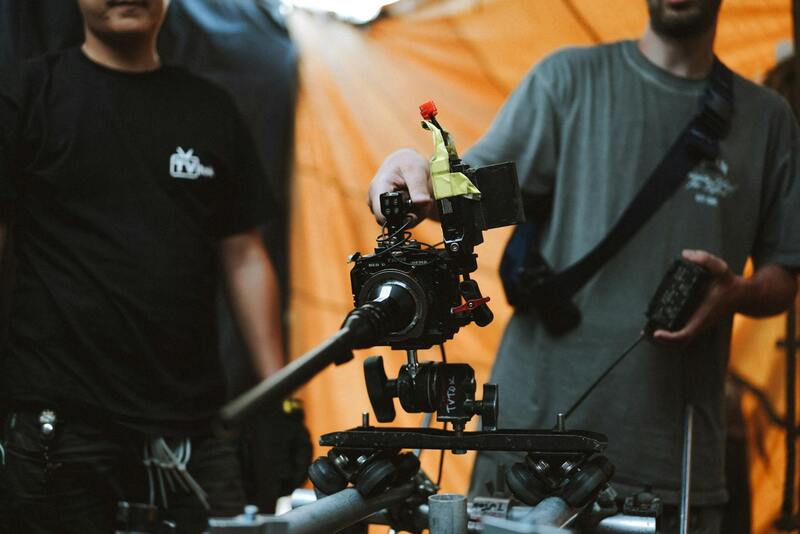
To produce striking realty photography, the selection of appropriate equipment and mastery of specific techniques are essential. High-resolution digital cameras with full-frame sensors are preferred to capture clear, detailed images that faithfully represent a property’s features. These cameras perform well in various lighting conditions, ensuring interior and exterior shots maintain clarity and vibrancy.
When selecting lenses, wide-angle options—typically in the 14mm to 24mm range—are ideal for real estate photography. These lenses enable capturing expansive spaces, giving potential buyers an immersive view of rooms and outdoor areas without distortion. Professionals often use tilt-shift lenses for architectural shots to correct perspective distortion, ensuring lines appear straight and true to life.
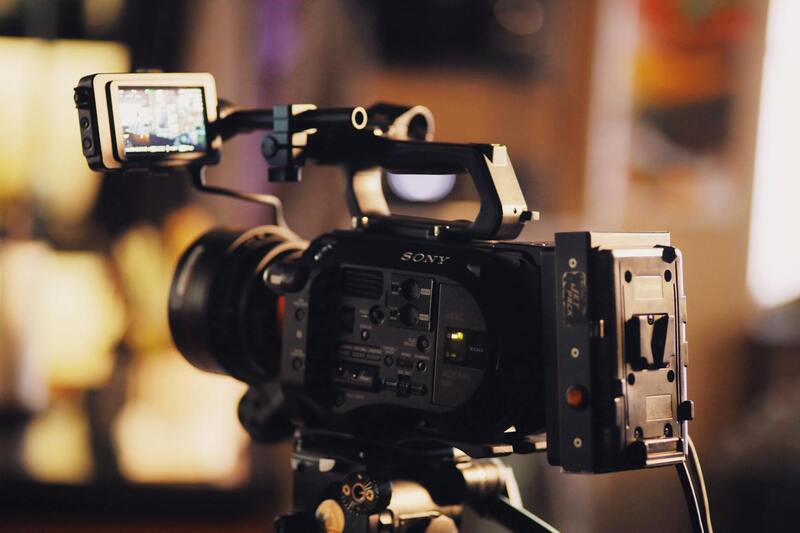
Proper shooting techniques further elevate the quality of realty images. For interior shots, utilizing a tripod ensures stability, which is crucial for longer exposures in low-light environments, such as evening or shaded areas. Bracketed exposures, combined through HDR processing, help balance interior brightness with natural light from windows, resulting in images that retain detail both inside and outside.
Exterior shots benefit from shooting during the golden hour—shortly after sunrise or before sunset—when natural light is soft and warm, creating a welcoming atmosphere. Consistent camera settings and framing across different properties ensure a professional and cohesive portfolio.
For dynamic perspectives, drone photography is invaluable. Employing high-quality drones equipped with stabilized cameras allows capturing expansive aerial views, which can showcase a property’s surroundings, landscaping, and unique features from angles impossible to achieve on foot. Drones should be operated by professionals trained in safety and compliance to ensure high-quality, legal flying practices.
Technical Tips for Enhancing Realty Photography
To produce stunning realty images that truly capture the essence of a property, it is essential to apply advanced technical strategies. These techniques not only improve visual appeal but also ensure consistency and accuracy across marketing materials.
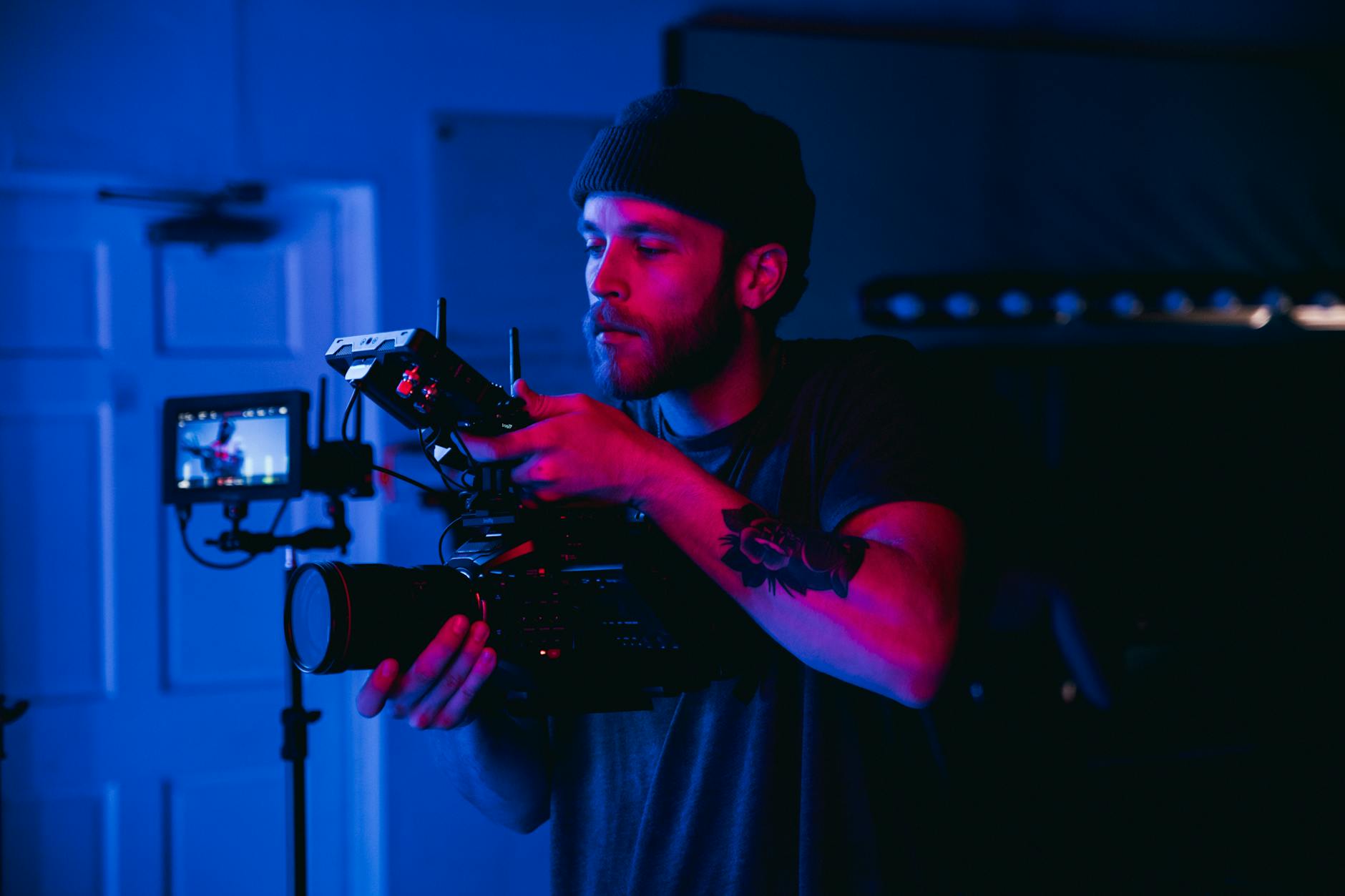
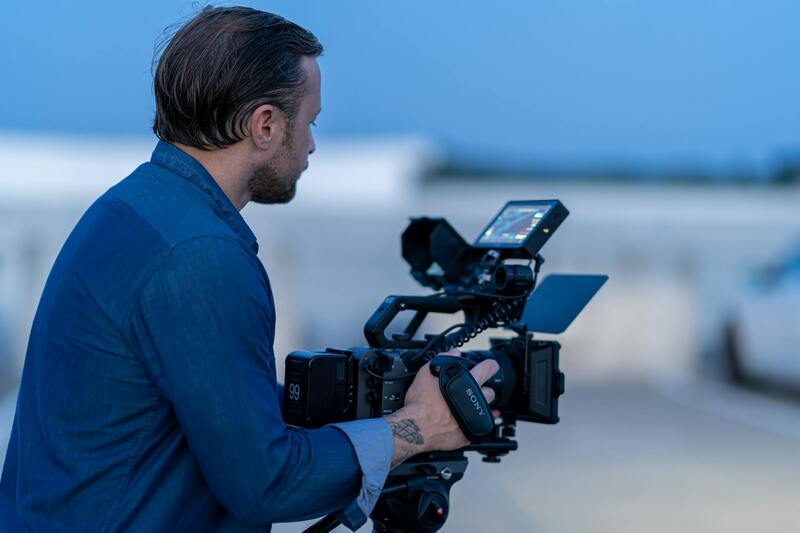
Utilizing a tripod is fundamental for maintaining sharpness and perspective integrity in interior shots. Stability allows for longer exposure times, which is particularly beneficial in low-light settings or when striving for the perfect depth of field. This approach minimizes camera shake, resulting in crisp, professional images that highlight the property's best features.
 igure>
Adopting high dynamic range (HDR) imaging techniques can significantly improve the visual quality of realty photographs. This process involves capturing multiple exposures—underexposed, correctly exposed, and overexposed—and merging them to produce an image with balanced light levels. The result is a photograph that accurately represents both the interior details and exterior views, which might otherwise be lost due to intense contrasts.
Proper lighting is critical. When natural light is insufficient, professionally calibrated LED or strobe lighting can be used to evenly illuminate spaces without creating harsh shadows. For exterior shots, diffused lighting during the golden hour can imbue images with warm tones and soft shadows that evoke a welcoming ambiance.
Lens selection plays a vital role in conveying space and perspective. Wide-angle lenses, typically between 14mm and 24mm, are favorites for interior photography, as they create the illusion of larger spaces. However, careful handling is necessary to avoid distortion—using tilt-shift lenses ensures straight lines and true architectural depiction.
 igure>
For aerial imagery, drone photography offers an unmatched advantage in showcasing expansive property features, landscapes, and surrounding amenities. Selected drones equipped with stabilized, high-resolution cameras can capture seamless aerial footage and photographs from various altitudes. The operator's expertise ensures compliance with safety parameters and optimal shot composition, providing prospective buyers with a comprehensive view that ground-level photos cannot convey.
Incorporating consistent framing, color grading, and perspective across images helps maintain a professional and cohesive visual narrative of the property. Advanced editing software allows for fine-tuning brightness, contrast, and color balance, highlighting key features without misrepresenting the property’s actual appearance. These subtle enhancements serve to draw attention to the property's strengths while preserving authenticity.
Legal Considerations and Best Practices
Maintaining transparency and adherence to established industry standards are essential components when capturing realty photography. This involves consistent use of authorized methods to showcase properties accurately, ensuring all visual content genuinely reflects the property's condition, features, and surroundings. Documenting the conditions of the property prior to photography sessions helps establish a record that supports authenticity. Property owners and photographers should collaborate to obtain proper permissions, especially when capturing images of private or restricted-access areas. Ownership rights, privacy considerations, and adherence to property guidelines are paramount to avoid potential disputes or misunderstandings. Clear communication regarding the scope of photography, intended usage, and rights to the images helps foster trust and clarity. Complying with industry best practices includes avoiding image manipulation that misleads viewers about the property's actual condition. Adjustments such as color correction, brightness, and contrast should enhance the natural appeal without creating false impressions. Overly edited images can lead to mismatched expectations, potentially resulting in dissatisfaction or legal issues. Utilizing professional techniques involves proper equipment handling, consistent styling, and meticulous post-processing aimed at presenting the property in a truthful, compelling manner. Incorporating multiple angles, aerial shots, and panoramic views ensures a comprehensive visual narrative that aligns with the property's actual state. Additionally, maintaining detailed records of camera settings, editing notes, and shoot conditions enhances credibility and allows for transparency should questions arise. This meticulous approach underscores the commitment to honest representation, reinforcing trust with clients and prospective buyers. As part of best practices, photographers should stay informed about evolving industry standards, technological advancements, and ethical guidelines. This commitment to ongoing education minimizes risks and ensures that each project adheres to the highest quality and integrity norms, leading to professional and trustworthy realty photography services that support successful marketing efforts.
Legal Considerations and Best Practices
In the realm of realty photography, adherence to established standards and ethical practices forms the backbone of a successful marketing strategy. Utilizing images that accurately represent a property's features fosters transparency, builds trust with prospective buyers, and enhances the overall reputation of real estate professionals. Ensuring compliance with industry guidelines also minimizes potential misunderstandings or disputes that could arise from misrepresented visual content.
Professional photographers specializing in realty imagery commit to using the correct techniques and equipment to capture photographs that are true to the property's actual appearance. This involves meticulous attention to lighting, angles, and composition to present homes in the most appealing yet realistic manner. Documenting the technical aspects of each shoot—such as camera settings, shot list, and editing parameters—adds a layer of transparency that reassures clients and buyers alike.
Another critical aspect is the avoidance of excessive image editing that might alter a property's appearance beyond its real characteristics. Adjustments should enhance clarity and color accuracy but not create misleading impressions. For example, brightening a dimly lit room to reveal details is acceptable, whereas significantly altering the shape or size of spaces crosses professional boundaries.

Furthermore, photographers and real estate professionals should keep detailed records of their workflows, including any post-processing steps taken. These records serve as documentation that images are genuine representations of the properties, which can be crucial in the event of questions from clients or regulatory agencies.
It’s equally important to respect the rights associated with the images. This includes obtaining necessary permissions for photographing private properties, especially when involving aerial shots or images of interiors that might require consent from residents or property owners. Clear agreements about image usage rights should be established beforehand to prevent misunderstandings.
Staying current with evolving industry standards and ethical guidelines ensures that realty photography remains compliant with best practices. Continued education on new technologies, editing techniques, and legal considerations helps professionals deliver high-quality, trustworthy images that serve the best interests of all parties involved.
Legal Considerations and Best Practices
Ensuring Accurate Representation of Properties
One of the fundamental aspects of maintaining professionalism in realty photography involves presenting properties truthfully and accurately. Photographers should avoid distorting or manipulating images in ways that could mislead prospective buyers. Instead, subtle techniques such as adjusting brightness, contrast, and color balance are acceptable to enhance clarity and vibrancy, but these should never alter the actual appearance or spatial dimensions of a property. Consistent and honest imagery not only fosters trust between clients and viewers but also upholds the integrity of the marketing process.
Documentation and Record-Keeping
Photographers and real estate professionals should meticulously document their workflow, including details of shooting conditions, adjustments made during editing, and permissions granted for property access. This systematic approach creates a transparent record that images are authentic representations of the property. Proper documentation is particularly valuable should questions or disputes arise regarding the accuracy of the visuals or the imagery's source.
Obtaining Proper Permissions
Before conducting a photoshoot, securing explicit permissions from property owners or residents is essential. This is especially vital when capturing images of interiors where private moments or sensitive areas might be visible. Clear agreements should specify the scope of image use, providing clarity on whether photos will be used online, in print, or in promotional materials. In cases involving aerial shots or drone Photography, obtaining necessary consents from involved parties helps avoid conflicts and aligns the process with agreed-upon standards.
Respecting Privacy Rights
Respect for privacy extends beyond prior permissions; it also involves thoughtful planning around what is photographed. Photographers should avoid capturing intrusive images or exposing confidential information. Including detailed property information or personal belongings without consent can compromise privacy and trust. To ensure professionalism, any sensitive areas should be either omitted or depicted with discretion, aligning images with accepted standards of respectful marketing.
Staying Updated with Industry Standards
Continuing education plays a pivotal role in adhering to evolving best practices in realty photography. Staying informed about new technological developments, editing techniques, and ethical guidelines allows photographers to enhance their skills responsibly. Membership in professional associations, attending workshops, and engaging with industry publications help maintain a high level of expertise and accountability.
Implementing Ethical Marketing Practices
Transparency and honesty in property representation build long-term reputation and trust. Photographers should avoid over-editing or creating misleading impressions through strategic angles or lighting. By adhering to these ethical standards, real estate professionals can foster credibility among clients and prospective buyers, supporting a fair and sustainable market environment.
Legal Considerations and Best Practices
When it comes to realty photography, adhering to official guidelines and industry standards is essential for maintaining professionalism and trustworthiness. Proper management of image rights involves understanding the ownership of photographs taken during property shoots and ensuring that permission is granted for their use in marketing materials. This process typically includes securing written consent from property owners or stakeholders before capturing and sharing images, especially when interior spaces contain artwork, branded items, or other proprietary elements.
Privacy concerns are paramount; photographers must exercise discretion when photographing personal items or spaces that could reveal sensitive information. It is best practice to focus on the property’s key features that appeal to prospective buyers while avoiding intrusive or overly personal aspects. This approach respects the privacy of current occupants and preserves the integrity of the marketing campaign.
Ensuring compliance with industry standards involves abiding by local regulations and guidelines that govern real estate marketing. For instance, using accurate representations of a property’s dimensions, features, and conditions helps prevent misleading claims. Photographers should utilize consistent lighting, colors, and angles that truthfully depict the property’s appearance, avoiding techniques that could distort perceptions or create false impressions.
Additionally, all digital content should be appropriately protected to prevent unauthorized usage. Digital watermarks or metadata can be employed to establish ownership and history of the images. When distributing photographs across various platforms, consistent attribution maintains professional standards and brand integrity.
Overall, working within the framework of legal and ethical standards safeguards the reputation of realty photographers and real estate professionals alike. Employing best practices not only mitigates potential disputes but also enhances client satisfaction and trust in the services provided.