
Understanding the Importance of Professional Real Estate Photography
In the competitive Miami real estate market, visual presentation plays a crucial role in attracting potential buyers and tenants. High-quality photography has the power to significantly influence a property’s marketability, often determining whether a listing garners attention or is overlooked. Listings that feature professional images tend to attract more views, generate higher engagement, and ultimately achieve faster sales or rentals.
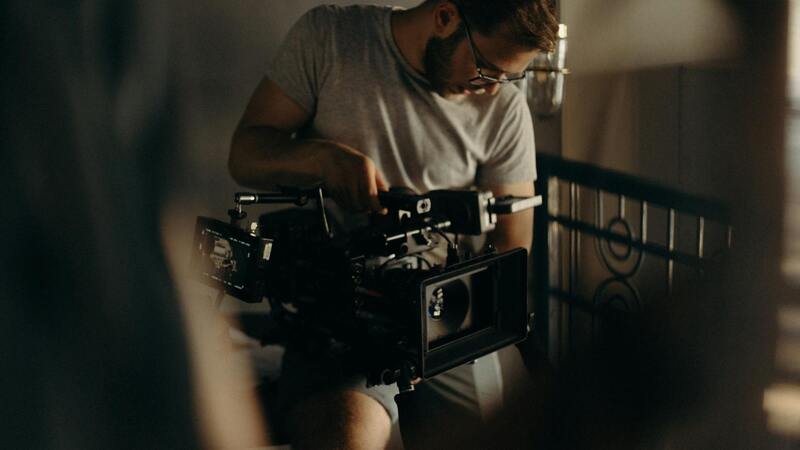
The impact of professional real estate photography extends beyond initial impressions. Accurate, well-composed images help convey the true character and value of a property, providing prospective buyers with a clear understanding of the space. This reduces the likelihood of surprises or unmet expectations during viewings, streamlining the sales process.
In Miami, where luxurious homes, condominiums, and waterfront properties dominate the market, the quality of visuals can make a decisive difference. High-caliber photos highlight architectural details, interior design, and unique features that set a property apart from the competition.
Moreover, professionally captured images are optimized for digital platforms, ensuring they display well across all devices—from desktops to smartphones. This adaptability helps maximize a property’s online exposure, which is vital in a city with a bustling real estate landscape.
Real estate photography also influences the perceived professionalism and credibility of an agent or agency. Listings that appear polished and inviting suggest a serious commitment to quality and customer satisfaction. For sellers, this can translate into a more compelling offer; for buyers, it signifies a trustworthy and detail-oriented seller.
Investing in professional photography is a strategic decision that can enhance marketing efforts, reduce time on the market, and deliver better financial outcomes. In Miami's diverse and fast-paced real estate environment, outstanding visuals serve as a powerful tool to capture the attention and interest of discerning clients seeking their ideal property.
Key Skills and Equipment for Real Estate Photographers
Successful real estate photography hinges on a blend of advanced technical skills and the right equipment. Photographers must master camera settings, lighting techniques, composition, and post-processing to ensure that each property is showcased at its best.
Modern real estate photographers typically utilize high-resolution DSLR or mirrorless cameras, which provide the flexibility needed for different lighting conditions and perspectives. Wide-angle lenses are essential, as they allow capturing spacious interiors and exteriors in a single shot, giving potential buyers a comprehensive view of the property.
Beyond cameras, lighting equipment such as portable flashes, diffusers, and reflectors plays a crucial role in balancing natural and artificial light. Proper lighting accentuates architectural details, minimizes shadows, and ensures image clarity.
Tripods are indispensable for stability, especially when capturing interiors in low-light conditions. They facilitate precise framing and allow for longer exposures without camera shake, resulting in sharper images.
In addition to hardware, technical skills such as HDR (High Dynamic Range) photography enable capturing a balanced exposure in scenes with varied lighting. Post-processing proficiency is equally vital; skilled editing can correct color imbalances, straighten lines, and enhance overall image quality to create visually appealing visuals.
Understanding the impact of light, angles, and perspective is fundamental. Effective composition guides the viewer’s eye towards focal points, creating an inviting and realistic representation of the space. Photographers should also be familiar with different formats and resolutions suitable for various digital platforms to optimize exposure.
To stay competitive, real estate photographers must keep pace with technological advancements, continuously upgrading their equipment and honing their skills through ongoing education. This commitment to quality translates directly into more compelling property images that can substantially influence a property's market performance.
Techniques for Capturing High-Quality Real Estate Photos
Achieving stunning real estate images requires a combination of technical expertise and artistic sensibility. A foundational technique involves mastering the use of natural and artificial lighting to create a warm, inviting ambiance that accurately represents the property's interior and exterior. Photographers often shoot during the 'golden hour'—shortly after sunrise or before sunset—when the sunlight is soft and creates appealing shadows and highlights. Supplementing natural light with professional lighting gear, such as portable flashes, diffusers, and reflectors, enables photographers to fill in shadows, highlight architectural details, and prevent overexposure in bright areas.
One essential approach is employing the correct angles and perspectives that showcase the property’s best features. Wide-angle lenses are typically favored because they capture more of a room in a single shot, giving viewers a sense of space. However, it’s crucial to avoid distortion by adjusting the camera’s position and lens settings. Vertical lines should remain straight to preserve the integrity of the space, especially in bedrooms and kitchens where symmetry is key.
Effective composition involves leading lines, symmetry, and framing to guide viewers’ eyes through the property. For example, aligning doorways or corridors can create a natural flow that draws attention toward focal points like a fireplace or a view through large windows. Paying attention to the details—such as open curtains, neatly arranged furniture, and de-cluttered surfaces— amplifies the visual appeal.
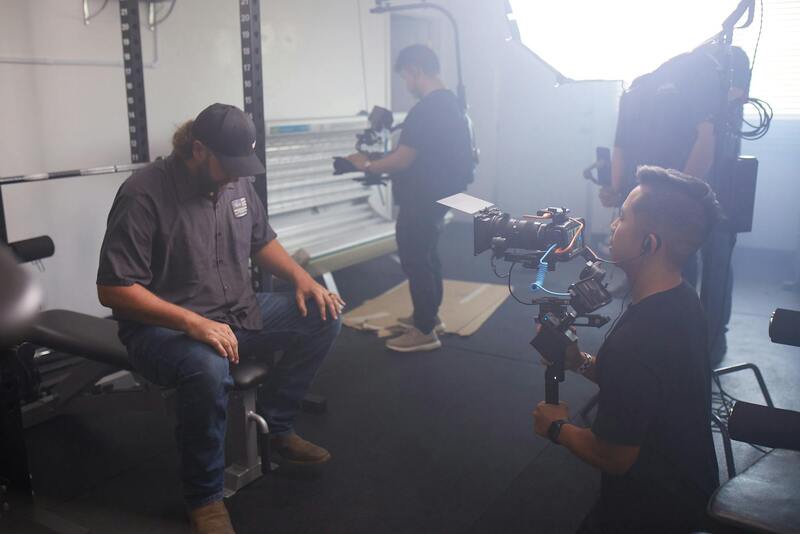
Shooting in multiple formats and resolutions allows images to be optimized across various digital channels, from high-resolution in print marketing to optimized web-sized images that load quickly online. Utilizing techniques such as HDR (High Dynamic Range) imaging helps balance exposure in scenes with contrasting light levels, ensuring that both shadows and highlights retain detail. This is especially important for exterior shots taken during dusk or dawn, where lighting conditions fluctuate rapidly.
Post-processing plays a pivotal role in refining the raw images. Skilled editing includes correcting color balance to reflect true tones, straightening crooked horizons or vertical lines, removing minor blemishes, and enhancing photo clarity without overdoing it. Properly edited images should look natural, precise, and inviting, creating a sense of realism that appeals to viewers. Regularly updating skills in editing software is vital to meet the demanding standards of real estate marketing, ensuring each image maximizes its impact.
To stand out in a competitive market like Miami, it’s crucial for real estate photographers to continuously adapt to technological innovations. Learning new techniques, experimenting with emerging equipment, and staying up-to-date with platform-specific image requirements contribute to delivering the highest quality visuals. Consistent investment in skills and tools translates into more compelling listings, helping properties attract potential buyers more effectively.
Essential Post-Processing Techniques to Enhance Real Estate Photographs
Post-processing is a vital phase in the real estate photography workflow that transforms raw images into compelling visuals that captivate potential buyers. Proper editing balances the need for clarity and realism while highlighting the property's best features. Techniques such as color correction ensure that the hues are true to life, avoiding overly saturated or dull images that could distort viewers’ perceptions. Straightening lines and correcting perspective issues are crucial for architectural accuracy, especially in interior shots where vertical lines often appear skewed due to lens distortion.
Adjusting brightness and contrast enhances the depth and dimensionality of a photograph, bringing out details that may otherwise be obscured in shadow or overly bright areas. Noise reduction is equally important, particularly in low-light conditions, to produce crisp, clean images that look professional and inviting. Sharpening enhances detail, ensuring that textures like wood grain, fabric, or tile are visible and appealing.
A subtle use of techniques like vignetting can draw viewers’ focus toward the center of the image, emphasizing key features such as a statement fireplace or a stunning view through expansive windows. Removing minor blemishes or distracting elements—like cords, clutter, or reflections—further refines the presentation. It’s critical that these edits remain natural and subtle, preserving the authenticity of the space.
Regular updating of editing skills and staying informed about new software capabilities are fundamental for maintaining high standards in real estate imagery. Advanced tools such as HDR (High Dynamic Range) blending can balance extreme light differences within a single shot, such as interior rooms with bright windows. Panoramic stitching can create seamless wide-angle images that showcase spacious interiors or exterior views, providing a comprehensive perspective that static photos may not convey.

Continual refinement of post-production skills ensures that images remain competitive in a crowded market like Miami’s real estate landscape. By leveraging sophisticated editing workflows, a photographer can deliver visuals that are not only aesthetically pleasing but also true representations of the property's true character. These images serve as powerful tools to generate interest, foster engagement, and ultimately facilitate quicker sales.
Understanding the Importance of Professional Real Estate Photography
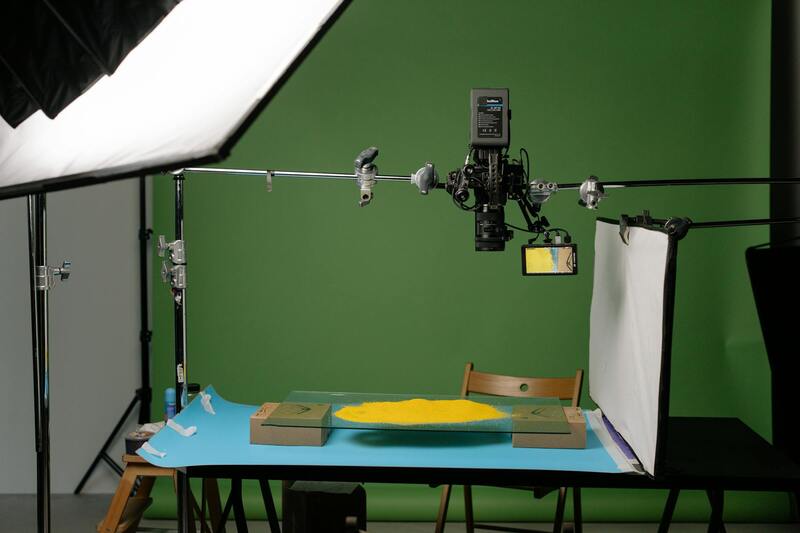
In the highly competitive Miami real estate market, the quality of property imagery can greatly influence potential buyers’ perceptions and decisions. High-quality real estate photography not only captures the aesthetic appeal of a property but also conveys its true character and potential lifestyle. When images are professionally crafted, they can highlight the unique features of a home, emphasizing spaciousness, lighting, and architectural details that might otherwise go unnoticed. Investors and homebuyers are increasingly turning to visual content to gauge their interest before committing time for viewings or tours, making professional photography an indispensable element of effective marketing strategies.
 igure>
Utilizing professionally produced images can significantly increase a property’s online engagement, leading to higher view counts and more private showings. Quality visuals also foster trust and credibility, showcasing the property in its best light while accurately representing its features. This reduces mismatched expectations and streamlines the buying process, contributing to quicker sales cycles. For Miami’s diverse market, where luxury condos and sprawling estates coexist, capturing the true essence of each property with precision and artistry can set listings apart from countless others.
The Impact of Visual Storytelling in Real Estate
Beyond just showcasing a property’s physical attributes, expert real estate photographers utilize storytelling techniques to evoke emotions and help potential buyers envision living in the space. Strategic composition, lighting, and angles work together to create compelling narratives. This emotional connection can be a decisive factor in the decision-making process. Effective storytelling is especially vital in Miami, where property features often include breathtaking waterfront views, vibrant outdoor spaces, or unique architectural details that demand artistic presentation.
Cost-Effective Marketing Investment
While hiring a professional photographer involves an upfront investment, the benefits far outweigh the costs. Professionally captured images can enhance online listings, print advertisements, and social media campaigns, attracting more prospective buyers and leading to faster sales. The broader exposure and increased visibility can translate into higher property values and more competitive offers. For real estate agents and sellers, investing in high-caliber visuals is an essential part of a comprehensive marketing approach aimed at maximizing property value and accelerating transaction timelines.
Technical Aspects and Equipment for Professional Real Estate Photographers
High-quality real estate photography hinges on the use of specialized equipment that enables photographers to capture properties with clarity, detail, and aesthetic appeal. A professional photographer typically invests in high-resolution digital cameras with large sensors, which deliver sharp images with excellent color accuracy and low noise levels, even in challenging lighting conditions. Prime lenses with wide apertures, such as an f/1.4 or f/2.8, are crucial for capturing sharp images across various focal lengths and achieving a pleasing background blur when needed.
Tripods are essential for maintaining stability, especially during low-light shooting or when exposing images for HDR processing. Besides cameras and lenses, lighting equipment plays a significant role. Portable flash units, diffusers, and reflectors help manage natural light, fill shadows, and highlight architectural features effectively. For interior shots, wide-angle lenses are favored because they allow for capturing expansive views of rooms while maintaining undistorted lines and proportions.
Techniques to Maximize Visual Impact
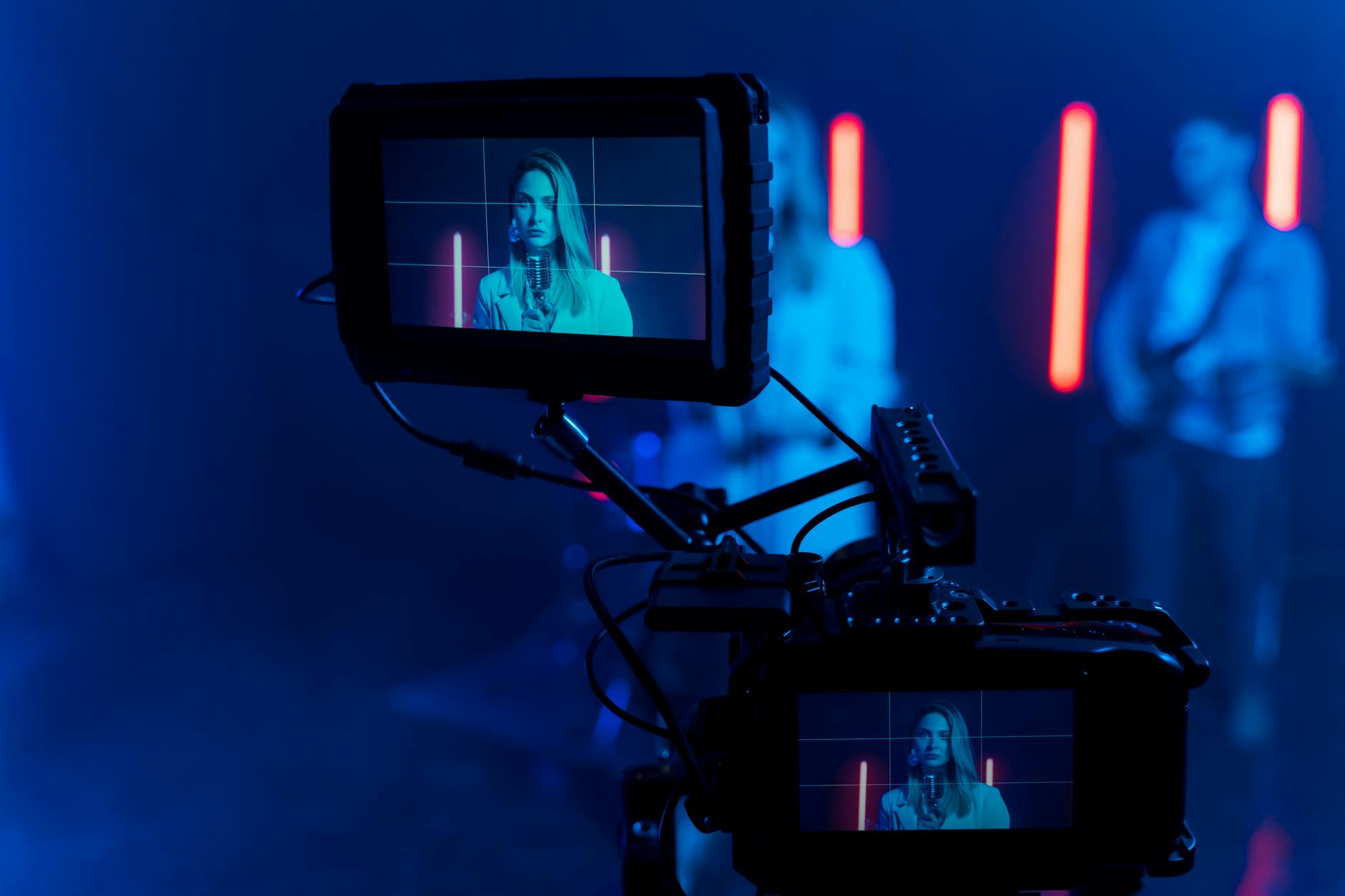
To produce compelling real estate images, photographers must employ a range of techniques tailored to showcase the property's best features. Proper use of natural light is fundamental; shooting during the golden hours—shortly after sunrise or before sunset—can imbue images with warm, inviting tones. When natural light is insufficient, supplemental lighting ensures rooms are evenly lit without harsh shadows or overexposure.
Correct composition involves choosing angles that emphasize a property's spaciousness and architectural strengths. Employing the horizontal and vertical lines to lead the viewer's eye through the scene fosters a sense of depth and perspective. For expansive spaces, capturing multiple overlapping images with consistent exposure settings facilitates seamless panoramic views, especially valuable for waterfront properties or large estates.
Mastering the art of perspective is vital; shooting from eye level preserves the property's true proportions, while low or high angles can add drama or highlight particular features. The use of tilt-shift lenses or perspective correction tools in post-processing can help eliminate distortion that occurs when photographing tall or narrow spaces.
Post-Processing and Editing Strategies
Post-processing is a critical stage that transforms raw images into polished visuals that align with a property's brand and appeal. Professional real estate photographers use advanced software such as Adobe Lightroom and Photoshop to adjust exposure, contrast, color balance, and sharpness. Careful editing ensures that images are vibrant without appearing artificially enhanced, maintaining an authentic representation of the property.
Techniques like HDR merging enable the balancing of interior images shot at multiple exposure levels, revealing details in both shadows and highlights. Correcting lens distortion, straightening vertical lines, and removing minor imperfections—such as dust spots or reflections—are standard practices to ensure images are clean and professional. Sometimes, subtle adjustments to window reflections or outdoor landscaping may be necessary to create a seamless visual experience that resonates with viewers.
Consistent editing style across all property images maintains a cohesive look for listings, strengthening brand imaging for real estate professionals. The ultimate goal of editing is to produce compelling visuals that draw viewers into the property's story, encouraging further engagement and inquiries.
Effective Use of Lighting and Composition in Real Estate Photography
Mastering lighting and composition is fundamental for creating captivating real estate visuals that resonate with potential buyers. Utilizing natural light involves scheduling shoots during times of day when sunlight best enhances the property's features—often early mornings or late afternoons. Proper use of diffusers and reflectors can soften harsh shadows and evenly illuminate interiors, highlighting architectural details and design elements without overpowering the scene.
Artificial lighting plays a complementary role, especially in spaces with limited natural light. Professional photographers often employ portable strobes or LED panels with adjustable brightness and color temperature to ensure consistency and clarity. Balancing ambient light with supplemental sources helps achieve the desired mood and visibility, emphasizing key areas of a property.
Composition strategies include the thoughtful framing of each shot to showcase spatial relationships and focal points. Wide-angle lenses are popular for capturing expansive interiors and exteriors; however, proper technique is essential to avoid distortion. Techniques such as shooting from multiple vantage points, incorporating leading lines, and utilizing symmetry help guide viewers' eyes through the images naturally.
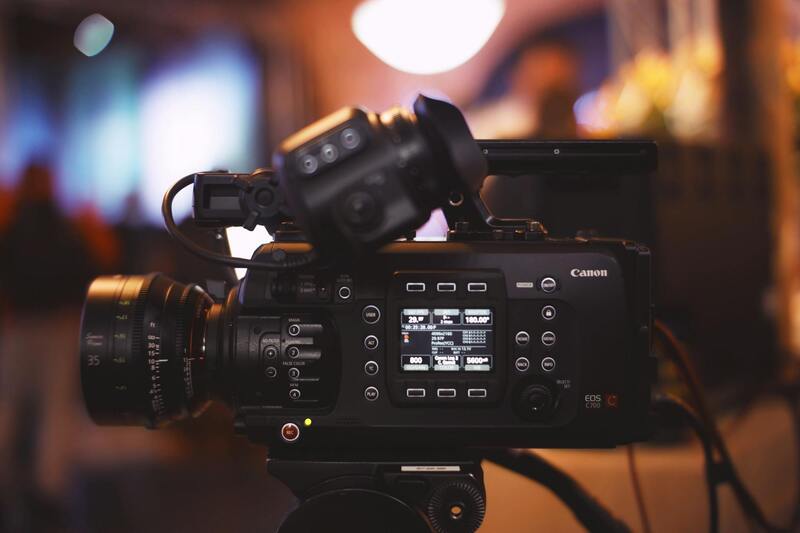
For exterior shots, including surrounding landscape and architectural details helps contextualize the property, enhancing its appeal. Indoor photography benefits from attention to decluttering spaces, neutral decor, and highlighting unique features, making the property look inviting and well-maintained. Skilled real estate photographers understand the importance of these elements and systematically plan each shot to produce a compelling visual narrative.
Incorporating the right lighting and composition techniques not only improves image quality but also creates a sense of space and lifestyle that appeals to viewers. Well-executed visuals inspire confidence and increase engagement, making the property stand out in competitive markets like Miami.
Effective Techniques for Showcasing Properties in Real Estate Photography
To truly highlight the unique features and appeal of a property, professional real estate photographers employ a combination of advanced techniques that focus on technical precision and creative composition. These methods ensure that every shot captures the essence of the space in a way that resonates with potential buyers or tenants.
Optimal Use of Lighting
Lighting plays a crucial role in real estate photography. Skilled photographers leverage natural light by scheduling shoots during times of the day when sunlight enhances the property's interior and exterior. When natural light is insufficient, they utilize high-quality artificial lighting solutions, such as external flashes, softboxes, and reflectors, to minimize shadows and evenly illuminate spaces. Proper lighting not only improves clarity but also adds warmth and vibrancy to images, making rooms appear inviting and spacious.
Angle and Perspective Selection
Choosing the right angles and perspectives is essential to showcase a property’s flow and layout. Wide-angle lenses are frequently used to capture more of a room in a single shot, giving viewers a sense of space. However, mastering the correct technique—such as maintaining a consistent horizon and avoiding distortion—is key. Photographers often shoot from multiple vantage points to provide comprehensive views of each room, allowing prospective buyers to visualize the space effectively.
Incorporating Symmetry and Leading Lines
Design elements like symmetry and leading lines guide viewers' eyes through the images naturally. Symmetry can be achieved by aligning architectural features and furniture placement, creating pleasing compositions that draw attention to focal points. Leading lines, such as hallways, staircases, or architectural details, draw the viewer’s gaze deeper into the photo, emphasizing depth and spatial relationships. These techniques help produce dynamic images that tell a compelling visual story.
Balancing Indoor and Outdoor Shots
Effective real estate photography integrates both indoor and outdoor visuals to provide a complete picture of the property. Exterior shots should showcase architectural details, landscaping, and surrounding neighborhood features, while interior images emphasize layout, natural light, and design features. Including contextually relevant elements, such as neighboring amenities or scenic views, enhances the property's appeal and helps potential buyers envision life in the space.
Utilization of Advanced Equipment and Techniques
High-quality equipment such as drone cameras for aerial shots, panoramic camera systems for 360-degree views, and tilt-shift lenses for corrected perspectives add depth and professionalism to real estate visuals. Photographers also employ HDR (High Dynamic Range) techniques to balance exposure across varying lighting conditions within a property, ensuring all areas are properly illuminated and detailed. These advanced methods contribute to consistently compelling imagery that accurately reflects the property's true character.
Staging and Decor Considerations
While technical skills are vital, suggesting minimal decluttering and tasteful staging helps achieve visually appealing images. Professional photographers often collaborate with stagers to identify the best angles of decorated rooms, ensuring furniture and decor enhance rather than obstruct key architectural features. Neutral tones and tidy spaces appear more spacious and appealing, empowering potential buyers to imagine their own lifestyle within the property.
Conclusion
Applying these advanced techniques requires a detailed understanding of both the technical and aesthetic aspects of real estate photography. When executed proficiently, they produce images that are not only visually striking but also serve as persuasive tools in marketing properties. The combination of proper lighting, perspective, composition, and equipment significantly enhances the attractiveness of listings, especially in competitive markets like Miami, where vibrant visuals are essential to stand out.