
Importance of Professional Real Estate Photoshoots
In the competitive Miami real estate market, the quality of property images can significantly influence the success of a sale. High-quality, professional real estate photos not only showcase a property's best features but also create a strong first impression among potential buyers browsing online listings. When prospective buyers see clear, well-lit images that accurately reflect the property's ambiance, they are more likely to schedule viewings and consider making an offer. This visual appeal can accelerate the sales process, helping sellers reduce the time their property spends on the market.
Professional photos also enhance the overall perceived value of a property, positioning it as a premium listing that deserves attention. In Miami’s diverse market, where properties vary from luxurious waterfront condos to charming suburban homes, captivating images serve as an essential marketing tool. They help differentiate a listing amidst numerous competitors, capturing the attention of serious buyers who rely heavily on visuals to determine interest.
Moreover, investing in high-quality photos aligns with broader marketing strategies. Online platforms and social media channels prioritize visually appealing content, and professionally captured images tend to generate higher engagement. This increased visibility can lead to more inquiries and viewings, ultimately translating into faster sales and potentially higher offers. For agents and sellers alike, a well-executed real estate photoshoot becomes an indispensable step in achieving a successful transaction.
Properly executed photos not only highlight the property’s layout, space, and natural lighting but also focus on key selling points such as modern kitchens, spacious living areas, and attractive outdoor spaces. These aspects are often pivotal in attracting buyers, especially in a market like Miami where lifestyle and aesthetic appeal are crucial.
In essence, professional real estate photos contribute to establishing credibility and attract high-quality leads. They serve as a vital component of a comprehensive property marketing plan, ensuring that each listing makes a compelling visual impression that resonates with prospective buyers and expedites the sales process.
Choosing the Right Photographer and Equipment
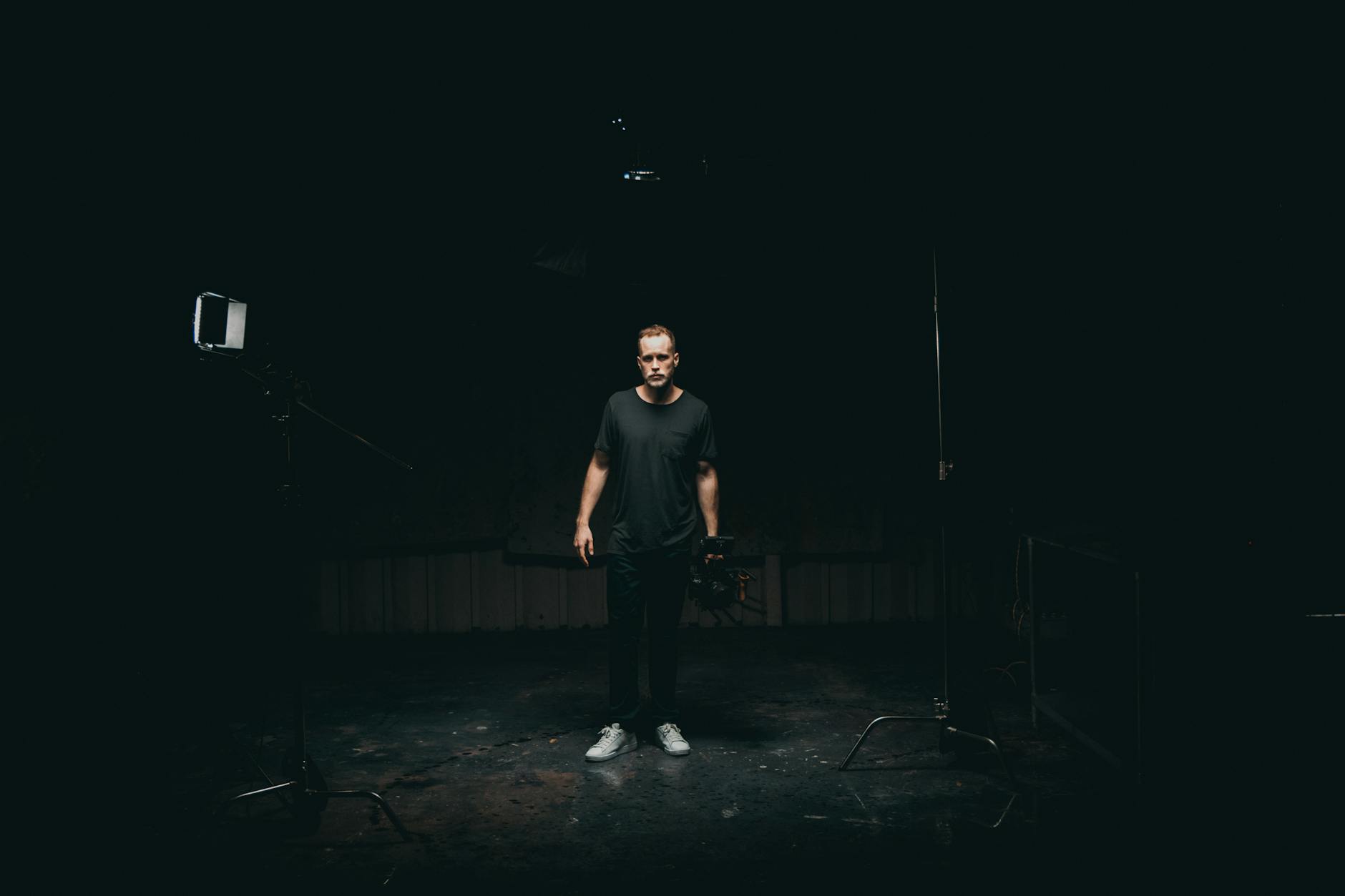
Securing a skilled photographer with specialized expertise in real estate imaging significantly enhances the quality and visual appeal of your property listing. The right professional not only possesses technical proficiency in camera operation and lighting techniques but also understands how to showcase a property's unique features effectively. Experience in real estate shoots ensures that the photographer can efficiently manage time, set up scenes, and adapt to varying environments, whether indoors or outdoors.
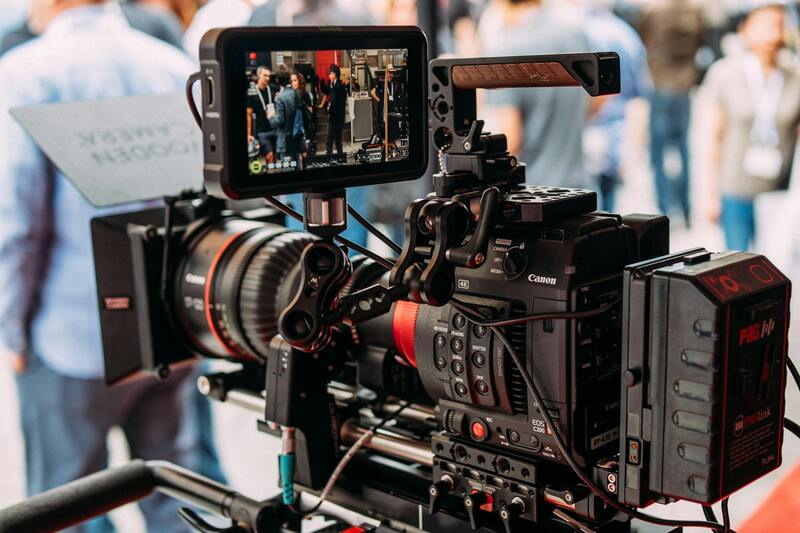
Equipping their toolkit with high-end cameras, wide-angle lenses, and advanced lighting equipment allows photographers to capture images that highlight the property's best attributes. Wide-angle lenses are particularly effective in portraying spaciousness and emphasizing room dimensions, making cramped spaces appear more inviting. Proper lighting gear, including diffusers and reflectors, ensures even illumination, eliminating shadows and highlighting natural features.
In addition to hardware, professional editing tools and virtual staging software are essential for post-shoot enhancements that elevate the property's visual presentation. This enables the removal of minor imperfections, adjustment of color tones, and enhancement of lighting, all contributing to a polished final product.
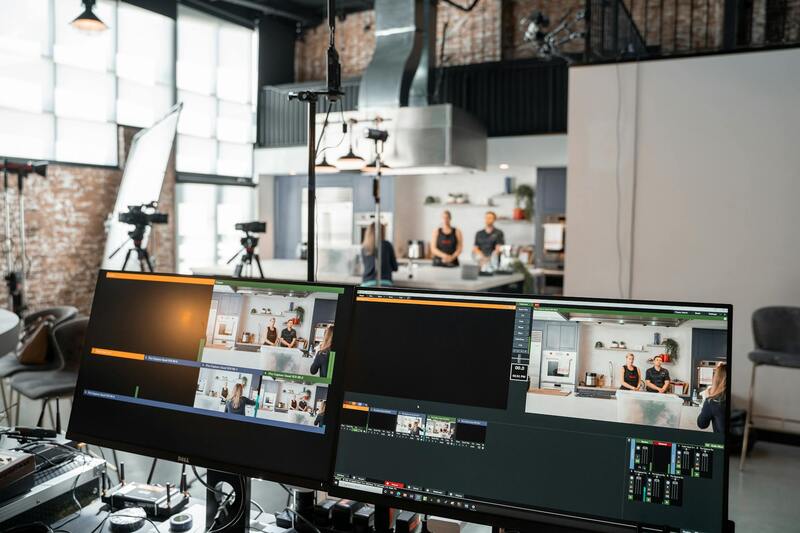
Specifically selecting a photographer familiar with the Miami real estate market ensures they understand regional aesthetics, popular features, and buyer preferences. This local insight allows for tailored image compositions that resonate with the target audience, ultimately increasing engagement and interest in the property.
Key Elements of Effective Real Estate Photos
To ensure the photos stand out, certain elements must be meticulously focused on during the shoot. These include highlighting key selling points such as modern kitchens, luxurious bathrooms, spacious living areas, and attractive outdoor spaces. Capturing these features authentically can significantly influence buyer perception and interest.
- Lighting: Natural light should be optimized, and supplementary lighting used to brighten darker areas, creating a warm and inviting atmosphere.
- Angles and Composition: Choosing the right angles emphasizes space and flow, while avoiding distorted perspectives.
- Clutter-Free Spaces: Clear surfaces and organized rooms present a tidy, welcoming environment.
- Peak Times: Shooting during times of optimal natural light, typically early morning or late afternoon, enhances image quality.
- Details and Focal Points: Close-ups of unique features or upgrades add depth and interest.
Optimal Timing and Lighting for Photoshoot
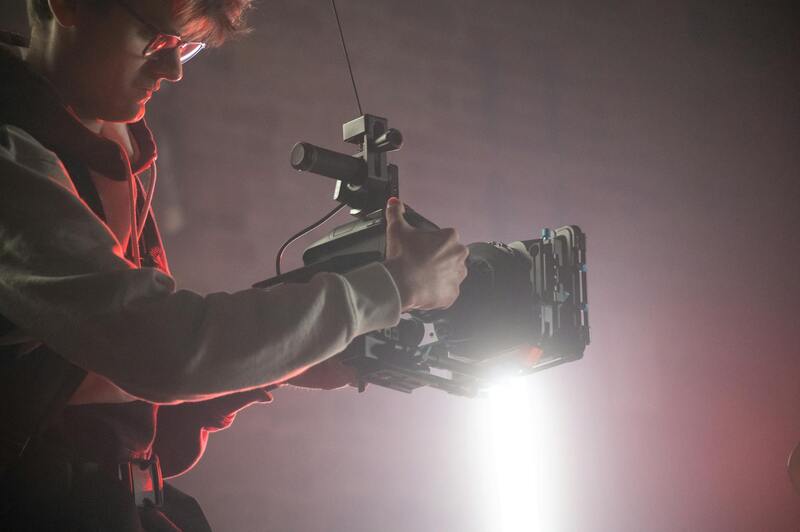
Choosing the right time of day is crucial for capturing appealing images. Early morning or late afternoon offers soft, warm light that enhances the property's aesthetic without harsh shadows or overly bright spots. These periods, often referred to as the "golden hours," provide optimal lighting conditions that make the property appear more inviting and vibrant.
Additionally, scheduling the shoot when weather conditions are clear and consistent ensures natural light remains steady, avoiding overcast skies or sudden shadows that can detract from the images. Inside, turning on all available lights and opening curtains maximizes natural light infiltration, creating bright and airy spaces that appeal to prospective buyers.
Post-Photoshoot Editing and Virtual Staging
Post-production processes are vital in refining images for maximum impact. Basic edits include adjusting brightness, contrast, and color balance to reproduce scenes as accurately and attractively as possible. Advanced editing might involve removing distractions, brightening dark corners, and fixing minor imperfections.
Virtual staging complements these efforts by digitally furnishing empty rooms or enhancing existing decor. This technique helps buyers visualize the full potential of a space, especially in vacant or sparsely filled listings. When executed professionally, virtual staging blends seamlessly with real images, creating an accurate and appealing representation of the property's possibilities.
Choosing the Right Photographer and Equipment
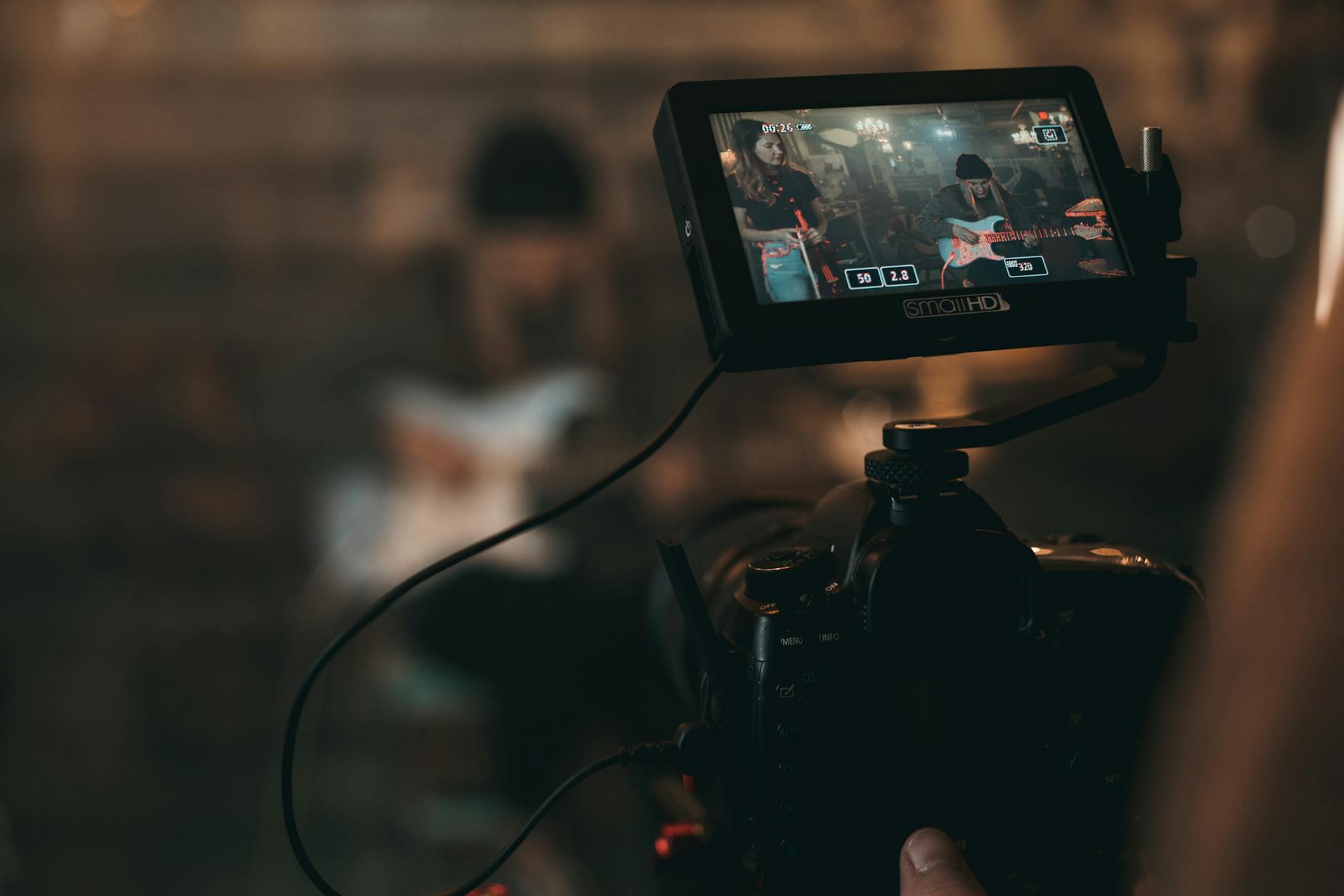
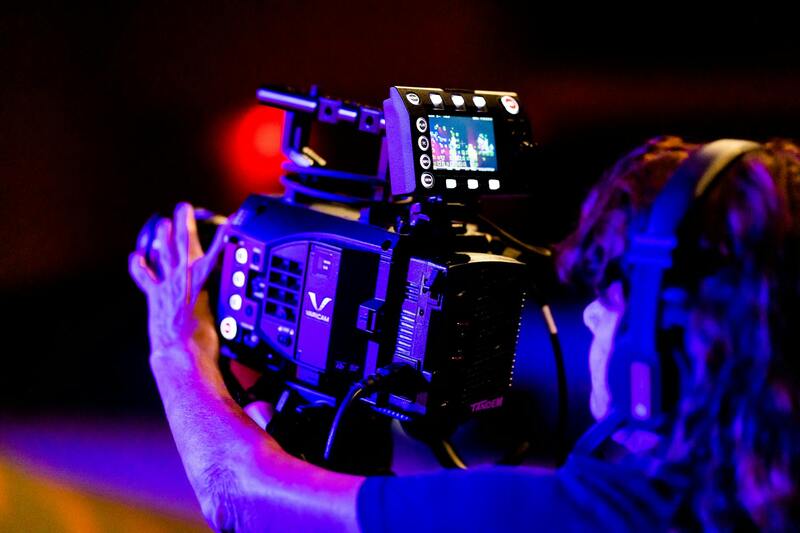
Selecting a highly skilled professional for your real estate photoshoot in Miami is essential to showcase your property effectively. An experienced photographer brings an understanding of composition, lighting, and angles that highlight the property's most attractive features. They also possess the technical expertise to operate high-quality camera equipment, enabling the capture of sharp, vibrant images under various lighting conditions.
A professional photographer in Miami uses advanced digital cameras with high-resolution sensors, ensuring that each photograph captures fine details and textures. They often employ wide-angle lenses to make spaces feel more expansive and inviting, which is invaluable for online listings where first impressions are pivotal.
In addition to high-grade cameras, specialized lighting equipment such as portable strobes, diffusers, and reflectors are used to manipulate natural and artificial light. This equipment helps eliminate shadows and evenly illuminate rooms, especially in spaces with limited natural light.
Moreover, professional photographers utilize sturdy tripods to maintain stability during longer exposures, reducing the risk of blurry images. This precision is crucial for capturing well-composed shots that adhere to the principles of aesthetic appeal and technical quality.
When choosing your Miami-based real estate photographer, consider their portfolio, experience with property shoots, and familiarity with current marketing trends. Their ability to adapt to different property types and lighting scenarios will directly influence the effectiveness of your images.
Key Elements of Effective Real Estate Photos
Capturing high-quality images is the foundation of an effective real estate photoshoot. The primary focus should be on framing compelling shots that showcase the property's best features. Exterior shots should highlight curb appeal, including well-landscaped gardens, attractive facades, and inviting entryways. Interiors must emphasize spaciousness, natural light, and clean, clutter-free environments. Special features such as fireplaces, modern kitchens, or luxurious bathrooms should be accentuated to attract potential buyers. Staging plays a crucial role in preparing the property for photography. Proper placement of furniture, decorative elements, and accessories creates a welcoming atmosphere and helps convey the property's potential. Skilled photographers use creative techniques to enhance these features through angles, perspective, and lighting. Lighting is fundamental to producing visually appealing images. During the shoot, maximizing natural light by shooting during the day ensures bright, vibrant images. Supplementary artificial lighting can fix shadows and highlight specific aspects of the property. A balanced combination of natural and artificial light prevents overexposure or underexposure, resulting in images that accurately reflect the property's true appearance.
- Wide-Angle Shots: These make rooms appear larger and more open, providing viewers with an immersive experience of the space.
- Detail Shots: Focus on unique architectural elements, designer fixtures, or high-end appliances to emphasize quality and appeal.
- Outdoor Spaces: Capture entire yard landscapes, patios, pools, and other external amenities to showcase lifestyle potential.
- Lighting Tips: Utilize diffusers and reflectors to soften natural sunlight, avoid harsh shadows, and create even illumination throughout each space.
Legal Considerations and Property Permissions
Securing the appropriate permissions before conducting a real estate photoshoot is essential to ensure a smooth process and uphold professional standards. Property owners or authorized representatives must provide explicit consent for photography sessions. This involves verifying ownership documentation or written agreements that authorize the photographer to access and photograph the property.
Clear communication about the scope and purpose of the shoot helps prevent misunderstandings. Additionally, documenting the scheduled date and time, along with any specific instructions or restrictions, facilitates a professional interaction and respects property privacy.
Property access should be coordinated in advance, especially for vacant or private residences to avoid scheduling conflicts. For occupied properties, obtaining permission from current residents or tenants might involve discussing logistical details such as access points, areas to avoid, and preferred timing to minimize disruption.
Photographers should also be aware of local regulations or homeowner association rules that could influence the shoot. This proactive approach ensures compliance with established guidelines, safeguarding all parties involved and delivering high-quality visual content without complications.

Optimal Timing and Lighting for Photoshoot
Achieving exceptional real estate photographs hinges largely on timing and lighting, two crucial elements that significantly influence the visual appeal of property images. Selecting the appropriate time of day ensures natural light enhances the space, creating an inviting and authentic atmosphere that resonates with prospective buyers.
Early mornings and late afternoons, often referred to as the golden hours, provide soft, warm light that minimizes harsh shadows and glare. During these periods, sunlight gently illuminates interiors and exteriors, accentuating architectural features and details that might be less noticeable under midday sun. Planning the photoshoot around these times maximizes natural illumination, reducing the need for extensive artificial lighting and post-processing corrections.
In addition to the clock, the weather plays a pivotal role. Clear, sunny conditions typically produce brighter images with vivid colors, while overcast skies diffuse light evenly, reducing shadows and providing a neutral ambiance that can be advantageous in highlighting interior spaces. On the other hand, bright, direct sunlight might cause glare and overexposed areas, so it’s crucial to plan accordingly.
Artificial lighting also enhances image quality when natural light is insufficient. Professional photographers employ high-quality flashes, softboxes, and LED panels to illuminate interiors uniformly, avoiding overly dark corners and ensuring consistent brightness throughout the frame. Proper lighting setup is particularly important for rooms with limited windows or in multi-story settings where natural light filters inadequately.
Additionally, the orientation of the property influences the optimal timing for photoshoots. South-facing windows generally receive abundant sunlight during the day, making mid-morning or early afternoon ideal for capturing bright, warm interiors. Conversely, north-facing rooms often benefit from softer, more diffused light, which can be achieved at any time of day with supplementary lighting.
To ensure consistent quality in images, some real estate professionals schedule multiple shoots over different times and weather conditions. This approach allows them to select the most photogenic shots, showcasing the property in its best light under varying conditions. Ultimately, understanding the relationship between natural light, weather patterns, and property orientation enables photographers to plan shoots meticulously, producing compelling images that elevate property listings and attract potential buyers.
Legal Considerations and Property Permissions
Securing the appropriate permissions before conducting a real estate photoshoot is essential to protect both the property owner’s rights and the photographer’s ability to document the space effectively. This process begins with obtaining explicit consent from the property owner or authorized management, ensuring they are informed about the scope of the photoshoot, the intended use of the images, and where they will be published or shared. Clear communication regarding these details prevents misunderstandings and ensures compliance with property policies.
Proper documentation of permissions should be maintained for reference throughout the project, often in the form of signed agreements or release forms. These documents clarify the rights granted to photograph the property, the duration of the permission, and any limitations or restrictions that might apply, such as areas off-limits or specific times when photography is permitted.
In addition to owner consent, special considerations may arise when photographing shared or communal spaces within a property, such as hallways, courtyards, or amenities. Permissions from property management or homeowners associations might be necessary to ensure that photographing these areas aligns with community guidelines and policies.
Furthermore, if the property is leased or under specific contractual obligations, reviewing lease agreements or contractual stipulations is crucial to confirm that there are no restrictions on commercial photography activities. Violating these agreements can lead to legal complications or revocation of permission, potentially harming future professional opportunities.
For properties that are part of ongoing developments or newly built communities, coordinating with property developers or builders is necessary to gain access and permissions. This ensures that photographs represent the property accurately and in accordance with the marketing plans, avoiding any liabilities or conflicts related to the use of images.
Utilizing Photos for Marketing and Online Listings
High-quality real estate photos serve as a cornerstone for an effective marketing strategy in Miami’s competitive property market. Professionally captured images significantly enhance online listings, capturing the attention of potential buyers and renters swiftly. When these photos are well-composed, well-lit, and showcase the property's best features, they boost engagement rates and increase the likelihood of inquiries, leading to faster sales or lease closures.
Property marketers and agents often leverage a variety of digital platforms, including MLS listings, real estate websites, social media channels, and email campaigns. Each platform has specific visual requirements and audience expectations, making the quality and presentation of images crucial. High-resolution photos with vivid colors and sharp details provide a realistic and enticing view of the property, encouraging prospective clients to schedule viewings.
In addition to online platforms, these images play a vital role in printed marketing materials such as brochures, flyers, and postcards. Consistent and compelling visuals across all marketing media reinforce brand recognition and ensure a professional appearance. Well-executed photos can also include virtual tours and 3D walkthroughs, which have become instrumental in allowing clients to experience the property's ambiance remotely, particularly in a bustling real estate market like Miami.
Moreover, professional images contribute to building trust with clients by demonstrating the authenticity and transparency of the listing. When prospective buyers see clear, well-presented visuals, they develop a better understanding of the property's true condition and layout, reducing uncertainties and fostering confidence in their decision-making process.
Real estate agents and property owners should prioritize strategic timing for image deployment. Scheduling photos during peak viewing hours, typically midday when natural light is abundant, ensures the photos are vibrant and inviting. Incorporating a comprehensive visual package that includes interior, exterior, night shots, and drone footage provides a comprehensive view of the property, catering to diverse client preferences.
In sum, the strategic utilization of professional real estate photographs across various marketing channels amplifies the property's visibility, attracts quality leads, and accelerates sales cycles. Investing in top-tier imagery is a proven approach to stand out in Miami’s vibrant real estate ecosystem, delivering a competitive edge that converts online interest into tangible transactions.