
Overview of 3D Visuals in Real Estate Marketing
In the competitive landscape of Miami's real estate market, the adoption of advanced visual techniques has become essential for developers, agents, and property owners aiming to showcase their listings effectively. One of the most impactful innovations in this domain is the use of three-dimensional (3D) pictures for real estate. Unlike traditional photographs or virtual tours, 3D imagery provides a comprehensive, realistic, and immersive experience that bridges the gap between physical visit and digital viewing.

These 3D representations enable potential buyers to explore properties remotely with the same confidence as a personal visit, allowing for better spatial understanding, detailed examination of interior features, and an overall more engaging experience. In essence, 3D visuals serve as a powerful marketing tool that transforms traditional property listings into dynamic, interactive showcases.
Utilizing three-dimensional images also caters to the evolving preferences of modern property seekers who prioritize convenience, clarity, and detailed visual information. With this technology, real estate professionals can present multiple angles and perspectives of a property, highlight its unique attributes, and streamlines the decision-making process. For Miami, a city known for its vibrant real estate scene and international clientele, integrating 3D visual content ensures listings stand out in a crowded market, attracting a broader audience and facilitating faster sales.
Furthermore, the rise of 3D technology aligns with the increasing demand for innovative marketing solutions that keep pace with digital trends. It enhances the overall professionalism of a listing, reinforces the property’s value proposition, and positions Miami's real estate offerings as cutting-edge and forward-thinking. As digital exploration continues to evolve, 3D imagery remains a reliable and compelling method for showcasing properties in a way that combines accuracy with visual appeal.
Types of 3D Visualization Techniques for Real Estate
In the realm of real estate marketing, various 3D visualization techniques are employed to create compelling property representations that meet diverse client needs and showcase features effectively. These techniques include photorealistic 3D models, 3D virtual tours, interior walkthroughs, and flythrough animations, each serving specific purposes.
Photorealistic 3D models are computer-generated images that replicate physical spaces with high accuracy, highlighting architectural details, interior finishes, and spatial layouts. They allow for precise visualization of a property before construction or renovation begins, enabling clients to imagine the finished space convincingly.

3D virtual tours and interactive walkthroughs offer immersive experiences that mimic a real-life visit. These can be navigated at the viewer’s own pace, allowing them to explore rooms, examine architectural features, and assess space flow remotely. This form of visualization is particularly effective in engaging potential buyers and making properties accessible to international clients who cannot visit physically.
Flythrough animations serve as dynamic presentations that guide viewers through the property’s structure, emphasizing key features and spatial relationships visually. These are especially useful in showcasing expansive or complex properties, providing a comprehensive perspective that flat images cannot offer.
Creating 3D Pictures for Properties in Miami
The process of developing high-quality 3D visuals begins with detailed plans, accurate measurements, and a thorough understanding of the property’s architecture. Once initial data is gathered, 3D artists use specialized software to construct virtual models. This process involves meticulous modeling to ensure that every aspect, from structural elements to interior decor, reflects real-world conditions accurately.
Photorealistic textures and lighting are then added to enhance realism, making the digital representation almost indistinguishable from actual photographs. For Miami properties, it’s essential to incorporate regional specifics such as coastal lighting, luxurious finishes, or unique architectural styles prevalent in the market.

After rendering, the visuals undergo quality checks to ensure they meet industry standards and client expectations. The final product can be integrated into a variety of marketing formats, including property listings, virtual reality platforms, and interactive websites, elevating the property's presentation and appeal to potential buyers.
Types of 3D Visualization Techniques for Real Estate
In the dynamic landscape of real estate marketing, leveraging diverse 3D visualization techniques enhances property presentation and engages potential buyers more effectively. Among the most prominent methods are 3D modeling, virtual tours, and 360-degree imagery. Each serves a distinct purpose, contributing collectively to a comprehensive virtual experience that paints an accurate and immersive picture of the property.
3D Modeling
This technique involves creating a detailed digital replica of a property, capturing both interior and exterior features with high precision. Skilled 3D artists use specialized software to construct models based on architectural plans, measurements, and photographs. These models allow for precise manipulation, enabling viewers to explore different angles, visualize potential modifications, and understand spatial relationships within the property. High-fidelity textures, lighting effects, and material properties are applied to enhance realism, making the virtual model a true reflection of reality.
Virtual Tours
Virtual tours expand beyond static images, offering an interactive, walk-through experience of the property. By integrating a series of interconnected 3D scenes, viewers can navigate seamlessly through different rooms and areas, often at their own pace. This method provides a sense of scale and flow, which is particularly beneficial for properties with complex layouts or expansive square footage. Virtual tours can be customized to highlight specific features, such as high-end appliances, architectural details, or outdoor amenities, creating an engaging digital narrative for prospective buyers.
360-Degree Images
360-degree photography captures a comprehensive view of a space from a single vantage point, allowing viewers to look around in all directions. This technique is especially effective for showcasing individual rooms or outdoor environments, providing an immersive perspective that flat images cannot match. When combined with interactive elements, 360-degree images enable users to explore a property intuitively, fostering a deeper connection and understanding of the space.
The Integration of Techniques
Real estate professionals often combine these visualization methods to craft a compelling marketing approach. For instance, a property listing might feature static 3D models alongside an interactive virtual tour and 360-degree photos, creating a layered experience that appeals to a broad audience. This multi-faceted strategy enhances the property's visual narrative, stimulates interest, and increases the likelihood of a successful sale.
Creating 3D Pictures for Properties in Miami
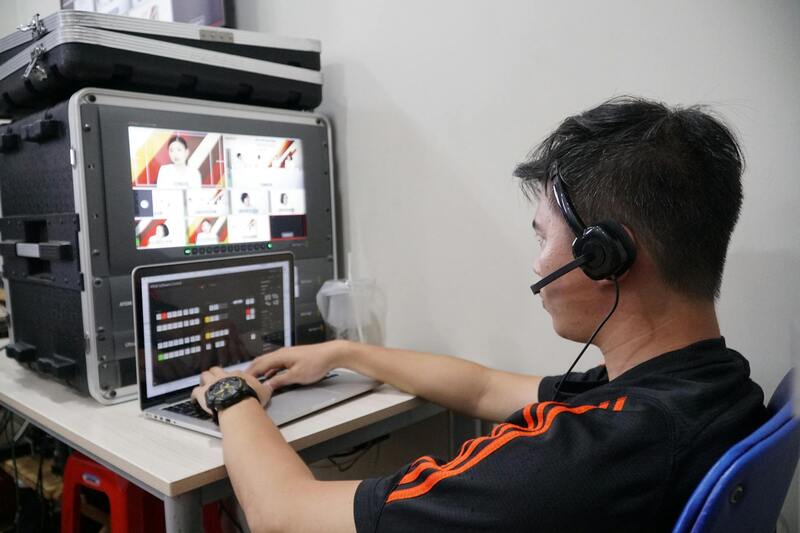
Producing compelling 3D images for real estate in Miami requires a meticulous approach that combines technical expertise with a keen understanding of the local market dynamics. The process begins with comprehensive property assessment and staging, where existing features are highlighted or slightly enhanced to ensure the visuals accurately represent the property's true potential. This attention to detail ensures that prospective buyers can envision themselves in the space, fostering an emotional connection even through digital representations.
Utilizing advanced software tools is fundamental in creating high-quality 3D visuals. Professional-grade applications such as Matterport, Autodesk Revit, or 3ds Max enable the creation of detailed, realistic renderings and virtual walk-throughs. These tools allow for precise modeling of every architectural element, from structural details to interior finishes and landscaping features. When working on properties in Miami, these software solutions facilitate capturing the unique characteristics of waterfront views, luxury finishes, or contemporary design elements that are prominent in the local market.
Collaboration with local production agencies is crucial for achieving optimal results. Miami-based firms bring a profound understanding of regional architecture, market preferences, and technological capabilities. They often employ high-resolution laser scanning, drone photography, and professional post-production techniques to ensure images are crisp, vibrant, and true to life. This local expertise guarantees that each visual asset aligns with the preferences of Miami’s affluent buyers and international investors, who often demand top-tier digital presentation quality.
Another important aspect involves detailed planning sessions before the actual creation process. Mapping out the property’s best features, understanding the target demographic, and deciding on the appropriate presentation style are integral to crafting an effective 3D visualization. Whether the focus is on highlighting a modern penthouse’s panoramic views, a spacious family home, or a luxury waterfront estate, aligning visual strategies with market expectations maximizes engagement and potential inquiries.
Proper lighting setup, accurate material textures, and realistic environmental effects are integral components of the modeling phase. These elements ensure that the virtual images convey a true sense of depth and ambiance, resonating with prospective buyers’ perceptions. Continuous quality control and client feedback cycles further refine the outputs, ensuring the final visuals are both stunning and representative of the physical property.
Overview of 3D Visuals in Real Estate Marketing
3D visuals have revolutionized the way real estate properties are presented, offering immersive experiences that surpass traditional photographs. Utilizing sophisticated rendering techniques, these images create detailed and accurate representations of properties, allowing potential buyers to explore spaces virtually, from the comfort of their own homes or offices. In the competitive Miami market, where high-end properties attract international attention, 3D visuals serve as essential tools for engaging an audience that values precision and clarity in digital presentations.
These visuals are crafted through advanced computer-generated imagery (CGI) and virtual walkthrough tours, which provide a sense of depth, scale, and spatial relationships that static images cannot convey. The integration of high-resolution textures, realistic lighting, and environmental effects enhances the overall realism, making it easier for prospective buyers to envision living in or investing in a property. The result is a dynamic marketing asset that can be tailored to meet specific property features and target demographics, ultimately driving increased interest and faster sales.
Benefits of Using 3D Pictures for Real Estate Listings
- Enhanced Visual Clarity and Detail: 3D images capture every architectural nuance, interior layout, and exterior landscape, providing a comprehensive view that static photos often lack.
- Immersive Experience: Virtual tours and 360-degree views allow viewers to explore properties interactively, fostering a stronger emotional connection to the space.
- Broader Reach: High-quality 3D visuals can be shared across multiple digital platforms, including websites, social media, and virtual reality applications, expanding the property's visibility.
- Time-saving for Buyers and Agents: Prospective buyers can virtually tour properties before visiting in person, streamlining the decision-making process and reducing unnecessary showings.
- Market Differentiation: Unique and professional 3D presentations set listings apart in a crowded market, emphasizing quality and innovation.
Types of 3D Visualization Techniques for Real Estate
- Photorealistic Renderings: These images depict the property with high accuracy, including detailed textures, lighting, and environmental effects, providing near-photographic quality.
- Virtual Staging: Digital placement of furniture and decor within empty spaces, helping buyers visualize potential layouts and styles without physical staging costs.
- 360-Degree Tours: Interactive spherical views that enable users to look around entire rooms or exteriors, offering a comprehensive perspective of the property's space.
- Flythrough Animations: Cinematic videos that guide viewers through a property's interior and exterior, highlighting features and flow between rooms seamlessly.

Creating 3D Pictures for Properties in Miami
The process of developing 3D visuals for Miami real estate involves meticulous planning and execution. Initially, the focus is on collecting accurate data about the property, which can include laser scanning, drone footage, and detailed measurements. This data forms the foundation for producing precise 3D models that reflect the property's unique features and architectural style.
Designers and 3D artists employ cutting-edge software to craft photorealistic visuals, ensuring that textures, lighting, and environmental effects accurately mimic real-world conditions. Proper lighting setup and material application are critical, particularly in Miami’s vibrant climate and diverse architectural designs, to resonate with the target audience's expectations.
Throughout the production cycle, continuous collaboration with real estate professionals helps align creative outputs with marketing goals. Feedback loops allow for adjustments, ensuring each image or animation effectively emphasizes a property’s best attributes, whether it's a luxury penthouse with panoramic city views or a sprawling waterfront estate. The final deliverables are tailored for multi-channel distribution, including property listing websites, virtual reality platforms, and social media campaigns—maximizing reach and engagement in Miami's competitive real estate landscape.
Impact of 3D Imagery on Miami Real Estate Market
Implementing 3D visuals within the Miami real estate sector has significantly transformed how properties are marketed and perceived. High-quality, immersive images enable prospective buyers to explore properties remotely, fostering a deeper emotional connection even before physical visits occur. This technological integration is particularly relevant in Miami, where buyers often come from diverse geographical locations and require virtual avenues to evaluate properties effectively.
One of the substantial advantages of 3D imagery lies in its ability to highlight a property's unique architectural features and luxurious interiors with exceptional clarity. For waterfront estates, city skyscrapers, or modern condominiums, 3D pictures capture the essence of the space, offering a true-to-life perspective that static photos might fall short of delivering. Consequently, listings enhanced with 3D visuals tend to attract more attention, resulting in quicker sales cycles and higher engagement rates.
Furthermore, real estate developers and agents in Miami leverage these visuals not only for listing purposes but also for virtual staging, renovation planning, and pre-construction marketing. Dynamic walkthroughs or 360-degree views enable potential buyers to assess layouts, spatial relationships, and design elements from multiple angles, facilitating more informed decision-making processes. This comprehensive presentation approach helps to build trust, showcase quality craftsmanship, and differentiate listings amid the competitive Miami market.
The influence of 3D imagery extends beyond individual listings to overall market perception. In a city famed for its vibrant lifestyle, luxury properties, and innovative architectural designs, high-quality visual content enhances brand reputation and positions agencies as forward-thinking leaders in property marketing. As buyers increasingly rely on digital impressions, the adoption of advanced visualization techniques becomes a crucial component of successful real estate strategies in Miami.

Selection of Production Partners in Miami
Choosing the appropriate professional or company for 3D imagery production is fundamental for achieving high-quality visuals that effectively showcase Miami's diverse real estate portfolio. It is essential to evaluate potential partners based on their expertise, portfolio, technological capabilities, and understanding of the local market dynamics.
Experienced providers possess a comprehensive understanding of architectural nuances, lighting effects, and spatial relationships specific to Miami’s real estate culture. They should demonstrate proficiency with advanced software and hardware, such as photorealistic rendering engines, laser scanning tools, and virtual staging platforms, to deliver vivid, accurate, and immersive 3D visuals.
Key criteria when selecting a Miami-based 3D visualization partner include:
- Portfolio Quality: Review their previous projects, ensuring their work aligns with your aesthetic and technical standards, especially for luxury condos, waterfront estates, or commercial properties typical in Miami.
- Reputation and Client Testimonials: Seek feedback from previous clients or real estate agencies to gauge reliability, timeliness, and overall satisfaction with deliverables.
- Technical Expertise: Confirm their familiarity with the latest visualization methods, including photorealistic rendering, virtual reality integration, and interactive walkthroughs.
- Turnaround Time and Cost: Determine their capacity to meet project deadlines and whether their pricing structure fits within your marketing budget without sacrificing quality.
- Compatibility with Your Workflow: Ensure seamless collaboration through clear communication channels, project management tools, and shared platforms for revisions and updates.
Establishing a strong partnership with a reputable Miami-based 3D visualization provider ensures your property listings benefit from compelling visuals that attract attention, foster engagement, and drive sales. With Miami’s real estate market continually evolving, having access to cutting-edge visualization technology and expert support is invaluable for maintaining a competitive edge and elevating your brand’s presence in the digital space.

Advanced Techniques and Future Potential of 3D Imagery in Miami Real Estate
As the landscape of real estate marketing continues to evolve, embracing sophisticated 3D visualization methods becomes increasingly vital for property professionals aiming to stand out in Miami's competitive market. Beyond static images, the integration of immersive technologies like augmented reality (AR) and virtual reality (VR) offers a compelling way to engage prospective buyers and investors with properties on a new level.
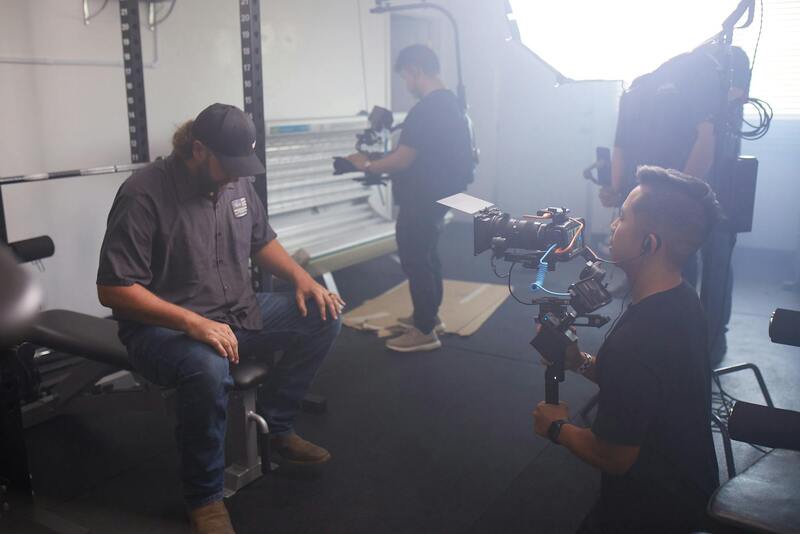
Emerging Innovations in 3D Imaging and Visualization
- Augmented Reality (AR): AR overlays digital property details onto real-world environments, allowing potential buyers to visualize how a property would look with different interior designs, furniture arrangements, or renovation options. This interactive experience can be accessed via smartphones or AR glasses, making it a flexible tool for showcasing Miami’s luxury waterfront estates or high-rise condos.
- Virtual Reality (VR) Tours: VR allows for fully immersive walkthroughs of properties, offering a lifelike experience without the need for physical presence. Buyers can navigate spacious homes, commercial spaces, or development sites in real-time, gaining a comprehensive understanding of the property’s layout, scale, and ambiance.
- 3D Floor Plans and Interactive Models: These tools provide detailed, to-scale representations of property layouts that users can manipulate to view different angles and configurations. They are particularly useful for complex developments or commercial properties seeking to illustrate maximum utility and space optimization.
The Strategic Advantage of Advanced 3D Technologies in Miami
In Miami's dynamic real estate environment, leveraging AR and VR can significantly influence decision-making. These technologies enable potential buyers to envision themselves in a property, fostering emotional connection and confidence prior to viewing in person. This enhanced engagement often translates into quicker sales cycles and higher closing rates, especially for high-value properties where first impressions are crucial.
Moreover, integrating these innovative tools into marketing campaigns demonstrates a commitment to cutting-edge service and professionalism, further reinforcing an agent's or developer’s reputation. The ability to offer virtual experiences also expands reach beyond local markets, attracting international buyers interested in Miami's diverse portfolio of luxury homes, condominiums, and commercial investments.
Implementation and Future Outlook
To stay at the forefront of this technological wave, Miami-based real estate firms should consider collaborations with specialized providers capable of delivering high-quality AR and VR solutions. These partnerships should prioritize seamless integration with existing marketing strategies, ensuring that the technological offerings align with brand standards and client expectations.
Looking ahead, the continuous development of 3D imaging will likely lead to even more sophisticated applications, such as AI-powered customization, real-time virtual staging, and integration with smart home technology. Embracing these innovations positions Miami real estate professionals not only as industry leaders but also as pioneers shaping the future of property marketing and sales.