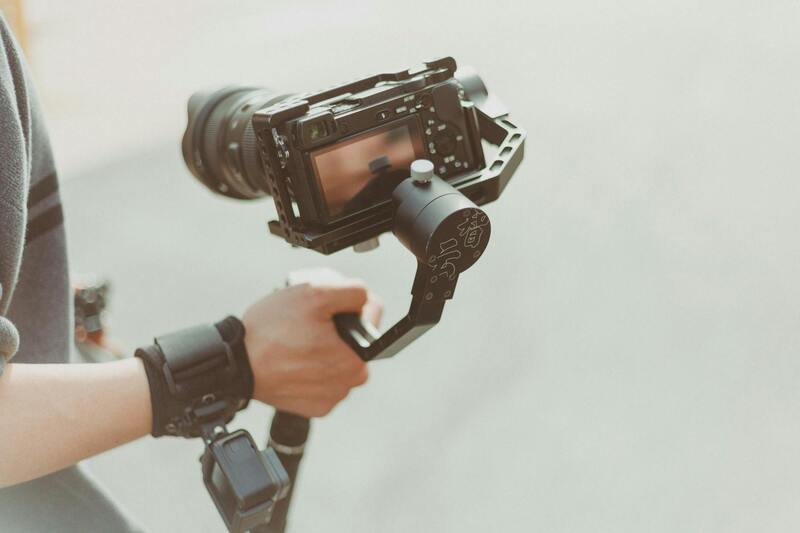
Importance of Quality Real Estate Photography
In the competitive Miami real estate market, high-quality photography stands as a crucial element in property marketing. Professionally captured images serve as the initial impression potential buyers form of a property, often determining whether they will schedule a viewing or move on to another listing. When executed effectively, quality real estate photography enhances the visual appeal of a property, emphasizing its best features and creating an inviting atmosphere that resonates with prospective buyers.
Increasingly, online listings are the primary avenue through which homes gain visibility. Buyers typically spend only a few seconds scanning images before deciding to learn more. Superior photos can make a property stand out amidst numerous listings, thereby attracting more clicks, inquiries, and ultimately, scheduled viewings. Such visual content also fosters a sense of trust and professionalism, signaling that the property has been presented with care and attention to detail.
Furthermore, the influence of qualified real estate photography extends beyond initial interest. Studies have shown that listings with high-quality images tend to achieve higher sale prices compared to similar properties with subpar imagery. This effect is especially notable in the Miami market, where luxury homes and unique architectural properties demand visual representations that highlight their distinctive characteristics.
Effective real estate photos not only attract more potential buyers but also streamline the sales process. Well-lit, clear images reduce the chances of miscommunication about property features, leading to more serious inquiries and reducing unnecessary showings. Additionally, quality photography can expedite closing times by attracting motivated buyers who are already genuinely interested in the property's visual appeal.
Investing in professional real estate photography yields significant returns, enhancing both the visibility and perceived value of a property. As the Miami market continues to evolve with a high influx of domestic and international buyers, ensuring that property images are compelling and professional becomes even more vital.

Choosing the Right Photography Equipment
Selecting suitable equipment is fundamental to capturing impactful real estate images that align with the high standards required in Miami’s competitive property market. Professional-grade cameras with full-frame sensors are preferred because they can deliver superior image quality, rich details, and vibrant colors vital for highlighting luxury properties and architectural details. High-resolution sensors ensure crispness in every shot, allowing viewers to appreciate textures and finishes that distinguish a property from its competitors.
Lens selection plays a critical role in real estate photography. Wide-angle lenses, typically ranging from 14mm to 24mm, are essential as they enable photographers to encompass more of a room in a single shot, providing a comprehensive view that makes spaces appear larger and more inviting. Additionally, tilt-shift lenses are increasingly popular for maintaining straight lines and avoiding distortion in images of structures and exteriors, especially for properties with intricate designs or high-rise buildings.
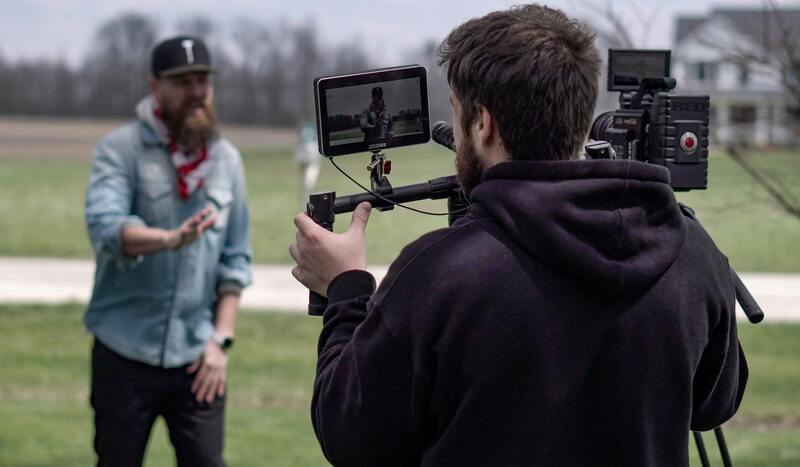
Tripods are indispensable for ensuring stability and sharpness, particularly in low-light conditions or when shooting interiors where long exposure times might be necessary. Modern lighting accessories, such as portable flashes and LED panels, help in balancing natural and artificial light sources, ensuring consistent and well-lit photos regardless of weather or time of day.
Techniques for Capturing Stunning Property Photos
Mastering specific photography techniques enhances the visual appeal of property listings. Properly managing exposure settings is critical; underexposed images can obscure details, while overexposure can wash out textures and colors. HDR (High Dynamic Range) imaging is particularly useful in Miami's diverse lighting scenarios, blending multiple exposures to produce images that retain detail in both shadows and highlights.
Ensuring straight lines and level horizons avoids visual distortions that can diminish a property's perceived quality. When photographing interiors, shooting during daylight hours with ample natural light minimizes shadows and creates a welcoming atmosphere. In exterior shots, capturing property facades during the golden hour—shortly after sunrise or before sunset—provides warm, appealing lighting that accentuates architectural features.

Choosing vantage points that showcase the property's best features is essential. Wide shots of living spaces, kitchens, master bedrooms, and outdoor areas highlight the property's functional and aesthetic strengths. Incorporating creative angles and perspectives adds depth and interest, helping potential buyers envision themselves living there.
Post-Processing and Editing Tips
Post-processing is vital for polishing photos to perfection. Adjusting brightness and contrast ensures images appear lively and true to real-life colors. Correcting distortions and straightening lines maintains architectural accuracy, especially when wide-angle lenses have been used.
Color correction and sharpening enhance details, giving images a crisp feel that appeals to high-end Miami clientele. Removing minor imperfections, such as dust spots or distractions, produces clean, professional photos that reflect the property's best qualities. Consistency in editing style across all images helps establish a cohesive and attractive listing presentation.

Leveraging editing software with advanced capabilities, like Adobe Lightroom or Photoshop, provides control over every aspect of image enhancement. Actionable tips include maintaining a natural look by avoiding over-saturation or excessive sharpening, which can detract from realism. The goal is to produce images that are vibrant yet authentic, appealing to discerning buyers searching for premium properties.
Choosing the Right Photography Equipment
Investing in the appropriate equipment is fundamental to capturing high-quality real estate images that showcase a property's best features. Professional-grade cameras with full-frame sensors are preferred as they offer superior image clarity, dynamic range, and low-light performance. These attributes ensure that indoor and outdoor spaces are vividly represented, highlighting their true appeal.
Wide-angle lenses are particularly essential in real estate photography because they allow for capturing expansive spaces within a single frame. This contributes to an immersive experience, making rooms appear larger and more inviting. A lens with a focal length between 14mm and 24mm is typically suitable for interior shots while maintaining minimal distortion.
Stable shots are crucial, so utilizing a sturdy tripod helps prevent camera shake and enables precise framing, especially in low-light conditions or when employing longer exposures. Proper stabilization results in crisp images with sharp details that resonate with prospective buyers.
Lighting setup also plays a vital role. Portable, professional lighting kits, including softboxes or strobes, help evenly illuminate spaces, reduce shadows, and bring out the natural colors of interiors. Supplementing natural light with artificial lighting ensures consistency and enhances the overall image quality.

Techniques for Capturing Stunning Property Photos
Achieving compelling real estate images often hinges on specific shooting techniques that emphasize space, light, and detail. Prior to shooting, a thorough walkthrough of the property helps identify the best angles and moments when natural light is most abundant.
Using a low to the ground perspective can enhance the sense of space, particularly in smaller rooms. Incorporating multiple angles ensures comprehensive coverage, allowing potential buyers to see the property's layout and flow.
Bracketing exposure settings—taking several shots at different exposure levels—allows for later blending images in post-processing to achieve balanced lighting, especially in rooms with bright windows or complex lighting conditions.
Utilizing vertical and horizontal lines thoughtfully can lead to more balanced compositions, but it's equally important to correct any tilting or distortion in post-processing to maintain architectural accuracy.

Post-Processing and Editing Tips
Enhancing real estate images through post-processing is essential for making listings stand out. Adjustments to brightness, contrast, and saturation should be subtle to preserve the authentic look of the property.
Correcting geometric distortions and straightening lines prevents architectural inaccuracies, which can sometimes occur with wide-angle lenses or improper camera alignment. Removing minor distractions, such as dust spots or unwanted reflections, creates a clean, professional appearance.
Color correction is key to ensuring that interior colors and outdoor landscapes are true to life. Sharpening details enhances the crispness of images, drawing attention to fine architectural features.
Utilizing advanced editing tools like Adobe Lightroom or Photoshop offers precise control over these adjustments. The objective is to produce vibrant yet natural images that accurately reflect the property's true character.
Choosing the Right Photography Equipment
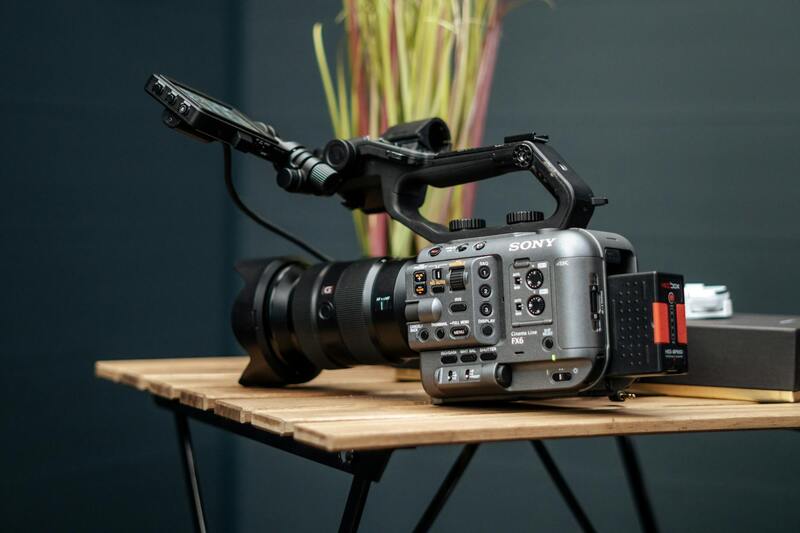
High-quality real estate photography begins with selecting the appropriate equipment. Professional-grade cameras with full-frame sensors are preferred because they excel in capturing detailed images with accurate color reproduction and minimal noise in various lighting conditions. A camera capable of capturing images at high resolutions ensures that photos remain sharp even when zoomed or viewed on large displays, which is essential for online listings.
Wide-angle lenses are indispensable in real estate photography, enabling the photographer to capture more of a room in a single shot. This provides viewers with a comprehensive view of the space, making rooms appear larger and more inviting. However, choosing lenses with focal lengths typically ranging from 14mm to 24mm helps avoid distortions that can warp architectural features, maintaining an authentic representation of the property.

Tripods and Stabilization Tools
Stability is crucial for achieving sharp, well-composed images. Tripods provide a steady base, especially when using slower shutter speeds for optimal lighting. For properties with limited lighting or when shooting in low-light conditions, stabilization tools prevent blur caused by hand movement. Advanced tripods with adjustable heights and levels facilitate precise framing and alignment, which contributes significantly to professional-quality photos.
Lighting Equipment and Accessories
Natural light is often preferred for its flattering, even appearance. However, in spaces with insufficient natural light, supplementary lighting sources like portable flashes, LED panels, or softboxes ensure consistent illumination. Reflectors can also be used to bounce light into shadowed areas, creating a balanced look throughout the property. Proper lighting enhances features, reduces shadows, and accurately depicts room ambiance, making the property more appealing to potential buyers.
Digital Accessories for Accuracy and Efficiency
Calibration tools, such as color calibration cards and exposure meters, help maintain consistent color and brightness across all images. These tools are vital for producing a uniform set of photographs that truly represent the property’s details. Additionally, remote shutter releases reduce camera shake, enabling sharper images—especially when capturing multiple exposures or HDR shots.
Balancing Cost and Performance
Investing in top-tier equipment is essential for consistent, high-quality results. However, it doesn't mean overspending on unnecessary gadgets. Focus on acquiring versatile, reliable tools that suit the specific demands of real estate photography. High-quality cameras, a variety of lenses, stable tripods, and effective lighting solutions can be sourced gradually, allowing professionals to build a comprehensive toolkit without exceeding budget constraints.
Proper maintenance of equipment—including regular cleaning and calibration—ensures longevity and optimal performance. A well-maintained setup guarantees that each shoot delivers the clarity, color fidelity, and detail necessary for compelling real estate images.
Optimal Image Presentation for Online Listings
To maximize the visual impact of real estate photographs online, several critical strategies should be employed. First, ensuring that images are appropriately sized and formatted is essential for quick load times and seamless user experience across various devices. High-resolution images should be optimized using compression techniques that maintain quality while reducing file size. This balance prevents slow-loading pages, which can deter potential buyers from engaging further.
Implementing a consistent aspect ratio across all photos preserves a clean and professional appearance on your listing pages. This consistency guides the viewer's eye naturally through the property’s features and helps establish a cohesive aesthetic. When displaying images on websites, using advanced HTML markup—such as structured data—can enhance visibility in search engine results and improve click-through rates.
Additionally, strategic photo arrangement within online listings plays a significant role. Typically, starting with a captivating exterior shot can draw viewers in, followed by interior photos showcasing key rooms, unique features, and lighting conditions. Including images of different angles and details provides a comprehensive view, helping prospective buyers visualize living in the space.
Another important aspect is the integration of virtual tours and interactive media. While not strictly photographic, these features complement high-quality images and offer an immersive experience for remote viewers. These multimedia components should be easy to navigate, quick to load, and accurately represent the property.
Furthermore, consider the timing and lighting of photographs. Taking pictures during optimal daylight hours ensures natural lighting enhances interior spaces, highlighting architectural details and creating inviting atmospheres. Adjustments in editing, such as white balance and contrast, further refine images for a polished appearance.
Lastly, consistent branding elements such as watermarks or logo placement can distinguish your listings and reinforce brand recognition, provided they do not obstruct key visual details. By allocating attention to these details, real estate professionals can significantly increase the effectiveness of their online property presentations, ultimately leading to faster sales and higher offers.
Utilizing Proper Lighting Techniques for Optimal Image Quality
Effective lighting is essential in showcasing a property's true appeal and ensuring that all features are clearly visible. When photographing real estate, natural light naturally enhances the visual impact, making interiors appear brighter, more inviting, and spacious. Photographers should aim to capture images during daylight hours, preferably on days with minimal cloud cover, to benefit from abundant natural light.
In situations where natural light is insufficient or uneven, supplementary lighting becomes necessary. Using portable, diffuse light sources can help illuminate darker areas without creating harsh shadows or glare. Proper placement of lights to evenly distribute illumination is crucial for maintaining a balanced and professional look.
Careful attention to white balance settings during the photography process ensures colors appear accurate and vibrant. Overly warm or cool tones can distort the perception of a space, reducing its appeal to potential buyers. Fine-tuning camera settings or adjusting white balance during post-processing helps achieve accurate color representation.
Implementing Composition Techniques for Engaging Visuals
Strong composition is fundamental to capturing compelling real estate images that draw viewers into the property. Utilizing the rule of thirds helps position key features and create balance within the frame, guiding the viewer’s eye naturally across the image.
Incorporating depth and perspective through various angles provides a more realistic and immersive view of the space. Shooting from a corner or including foreground elements can add depth and dimension, making rooms appear larger and more inviting.
Ensuring that vertical lines, such as walls and doors, remain straight and undistorted is critical, especially when photographing architectural features. Using a tripod and leveling tools minimizes distortion and maintains consistency across images.
Capturing multiple perspectives within each room, including wide-angle shots and detailed close-ups, offers a comprehensive view that helps prospective buyers imagine themselves within the space. Proper framing and eliminating clutter are essential to maintain focus on the property’s strengths.

Ensuring Consistency and Standardization in Photography
Consistency across listings not only enhances brand recognition but also ensures that potential buyers receive a uniform experience when browsing multiple properties. Establishing standardized guidelines for image style, angle selection, and lighting conditions helps maintain this uniformity.
Standardized framing, such as always photographing rooms from the same height and angle, creates a cohesive look across your portfolio of images. This consistency simplifies comparison for prospective buyers and reinforces professionalism.
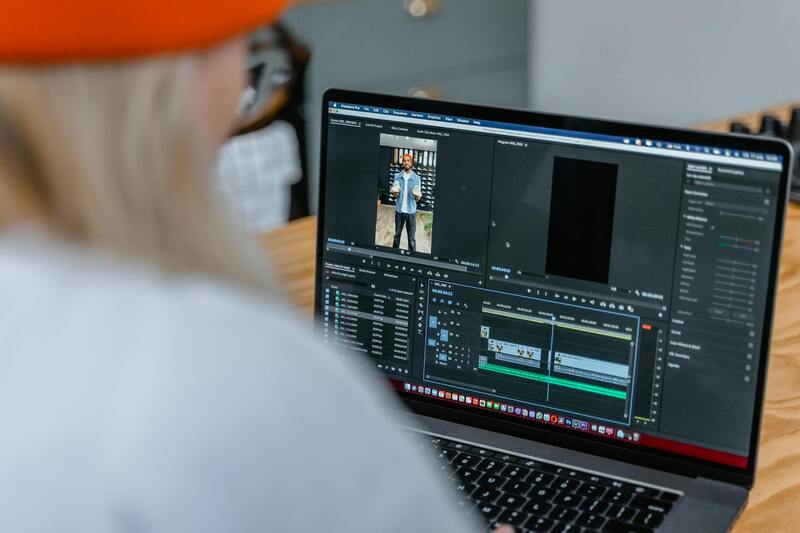
Implementing a standardized post-processing workflow ensures that all images match in color tone, sharpness, and overall aesthetic. Templates and presets can streamline editing while preserving quality.
Finally, paying close attention to the seasonality of images can improve overall presentation. For example, capturing properties during the appropriate season and time of day ensures that outdoor spaces and landscapes appear their best, giving a realistic glimpse of the home’s environment.
Optimizing Photos for Online Listings
In today’s digital real estate market, the way property images are presented online significantly influences viewer engagement and decision-making. To maximize the impact of every listing, real estate professionals must adopt effective strategies for photo optimization that cater to various online platforms.
Ensuring High-Resolution Images
High-resolution images are fundamental for showcasing properties with clarity and detail. They allow potential buyers to examine features closely and appreciate the property's quality. When preparing images for upload, ensure they meet platform specifications while maintaining visual integrity. Properly compressed images prevent slow load times without sacrificing detail, facilitating a smoother browsing experience.
Strategic Image Selection and Sequencing
Choosing the most compelling images to feature prominently can markedly influence a listing’s attractiveness. Select wide-angle shots that establish the space, complemented by detailed close-ups highlighting unique features and finishes. Organizing images in a logical sequence—from the exterior and common areas to bedrooms and specialty spaces—guides viewers naturally through the property, fostering emotional connection and interest.
Utilizing Metadata and Descriptions
Adding relevant metadata—such as keywords and concise descriptions—enhances the discoverability of listings across search engines and real estate platforms. Clear, descriptive captions complement visual content, providing context and emphasizing key selling points. This detailed approach assists algorithms in ranking listings higher and attracts targeted traffic.
Implementing Consistent Image Branding
Standardizing image style, lighting, and framing across all listings reinforces brand professionalism and trustworthiness. Consistent branding creates a recognizable aesthetic that potential buyers associate with quality, making entries more memorable. Employing templates or preset editing workflows can streamline this process, ensuring uniformity across your portfolio.

Harnessing Data for Performance Optimization
Monitoring metrics such as click-through rates, view durations, and engagement levels provides insights into which images resonate most with viewers. This data-driven approach informs future shooting and editing decisions, enabling continuous improvement of online listing presentations.
Mobile-Friendly Adjustments
Given the prevalence of mobile browsing, optimizing images for smaller screens is essential. This includes ensuring images are sharp and properly scaled for various device sizes, allowing users to enjoy a seamless viewing experience regardless of device. Responsive image design improves user satisfaction and engagement, leading to higher conversion rates.
Maximizing the Impact of Real Estate Photos through Proven Techniques
Effective real estate photography extends beyond capturing attractive images; it encompasses strategic methods to ensure each photo enhances the property's appeal and attracts qualified buyers. By implementing meticulous composition, lighting, and staging techniques, real estate professionals can create visuals that showcase a property's best features while evoking emotional connections with viewers. High-quality images serve as a virtual handshake, inviting potential buyers to explore further and driving engagement across digital platforms.
Mastering Composition and Perspective
Compelling real estate images are rooted in thoughtful composition. Utilizing the rule of thirds can guide the placement of key elements, creating balanced and aesthetically pleasing photographs. Shooting from eye-level typically yields the most natural perspective, allowing viewers to envision themselves in the space. Incorporating wide-angle lenses—when used appropriately—expands the sense of space, especially in smaller rooms, making the residence appear more spacious and inviting. Ensuring that the camera is level prevents skewed lines that can distract or mislead viewers about the property's layout.
Optimizing Lighting for a Warm and Inviting Atmosphere
Lighting plays a crucial role in real estate photography. Natural sunlight enhances colors and creates an inviting ambiance, so scheduling shoots during optimal times of day—such as late morning or late afternoon—can vastly improve image quality. Complementing natural light with strategic use of artificial lighting, including softboxes or LED panels, helps eliminate harsh shadows and evenly illuminate the interior spaces. Consistent, bright lighting highlights the property's features without overexposure, ensuring viewers receive an accurate depiction of each room.
Staging and Decluttering for Visual Clarity
The presentation of a property significantly influences its photographic appeal. Staged interiors guide the viewer's eye to focal points and demonstrate potential living arrangements. Decluttering common areas, such as kitchens and bedrooms, minimizes distractions and emphasizes space. Incorporating tasteful decor and neutral tones sets the scene without overwhelming the viewer, fostering a sense of homeability. Attention to detail in arranging furnishings and accessories ensures each shot appears polished and professional.
Utilizing HDR and Panorama Techniques
High Dynamic Range (HDR) photography combines multiple exposures to capture detail in both bright and shadowed areas, resulting in well-balanced images that accurately represent interior lighting. This technique is especially beneficial in rooms with complex lighting conditions. Panorama shots, on the other hand, offer immersive views of large open spaces or outdoor areas, providing a comprehensive perspective that can entice prospective buyers. Incorporating these advanced methods can significantly elevate the quality of your property visuals.
Ensuring Consistency for a Cohesive Portfolio
Maintaining a uniform style across all property images reinforces brand professionalism and builds recognition. Consistent use of lighting, angles, and editing styles across listings demonstrates reliability and attention to quality. Investing in a standardized editing workflow—such as preset filters and color grading—streamlines the post-shoot process, ensuring each photo aligns with your brand's aesthetic. A cohesive portfolio creates a seamless viewing experience that leaves a lasting impression on potential buyers.