
Understanding Commercial Real Estate Photography
Commercial real estate photography plays a critical role in the marketing and leasing of commercial properties, encompassing office buildings, retail spaces, industrial facilities, and multifamily communities. This specialized branch of photography aims to capture the unique features and potential of a property to attract the right audience, whether they are investors, leasing agents, or potential tenants. High-quality imagery serves as a visual gateway that conveys professionalism, highlights property attributes, and creates a compelling narrative about the space.
In today’s competitive real estate market, the importance of well-executed commercial property photography cannot be overstated. Listings that feature clear, bright, and professionally shot images tend to garner more interest and engagement compared to those with amateur or low-quality photos. This not only accelerates the leasing or sale process but also enhances the overall reputation of the property owner or broker involved.
Commercial real estate photography differs from residential photography in several ways. It requires an understanding of the functional aspects of commercial spaces, such as flow, scale, and accessibility, as well as the ability to showcase these features effectively. The scope of this photography extends beyond simply capturing static images; it involves strategic planning, the use of advanced equipment, and an expert eye for lighting, angles, and composition.
Beyond attracting attention, commercial real estate photography also plays a crucial role in establishing credibility and professionalism. In a digital and visual-driven marketplace, the presentation of a property can significantly influence decision-makers’ perceptions. As such, professional photographers often employ techniques that highlight the best features of a space, minimize imperfections, and give viewers an accurate sense of scale and ambiance.
Additionally, compelling visuals are integral to marketing strategies across multiple platforms, including online listing sites, social media, email campaigns, and printed brochures. When executed correctly, commercial real estate photography can elevate a property’s profile and accelerate the transaction process, saving time and resources for all parties involved.
For property owners and brokers in Miami, partnering with experienced commercial real estate photographers ensures that each listing is showcased to its fullest potential. The vibrant Miami market, known for its diverse architecture and dynamic urban landscape, benefits immensely from imagery that captures the essence and appeal of its commercial spaces. Investing in professional photography is an essential step toward standing out in this competitive environment and making a lasting impression on prospective clients.
Key Elements of Effective Commercial Property Photography
To capture compelling images of commercial real estate, certain core elements must be meticulously considered and executed. These components are fundamental in creating visuals that accurately represent the property's potential and allure.
- Lighting: Proper lighting is paramount in showcasing a space’s true character. Natural light should be maximized where possible, emphasizing openness and ambiance. For interiors, professional lighting techniques, such as diffusers and reflectors, help eliminate harsh shadows and highlight textures and details. External shots benefit from shooting during optimal times of day, like the golden hour, to produce warm, inviting images.
- Composition: Effective composition guides the viewer’s eye through the image, emphasizing the property's best features. Techniques such as the rule of thirds, leading lines, and framing creatively direct focus and create depth. A well-composed shot balances elements within the frame, avoiding clutter and ensuring that the spatial relationships are clear and appealing.
- Staging: Proper staging involves arranging furniture, décor, and amenities to demonstrate the property's potential uses. For commercial spaces, this might mean showcasing functional layouts, emphasizing storage solutions, or highlighting amenities that enhance productivity or customer experience. Subtle enhancements like clean windows, removing clutter, and minor repairs can significantly elevate visual impact.
- Perspective and Angles: Shooting from strategic perspectives helps illustrate scale and layout. Wide-angle lenses are often employed to capture expansive interiors and exteriors, providing viewers with a comprehensive view that feels immersive. Multiple angles should be considered to present the property from various vantage points, revealing its full scope.
- Image Quality: High-resolution images are critical for clarity and detail, especially when images are enlarged or used across different marketing channels. Post-processing should be used sparingly to correct minor flaws while maintaining authenticity, ensuring that images represent the space accurately.
Attention to these core elements ensures that every image not only captures the essence of the property but also aligns with the marketing goals of attracting quality investors and tenants. When executed with precision, these practices create a visual story that elevates a property's profile in a competitive marketplace.
Understanding Commercial Real Estate Photography
Commercial real estate photography is a specialized discipline focusing on capturing the essence and potential of commercial properties through high-quality images. Unlike residential photography, it emphasizes showcasing the spatial functionality, layout, and features that appeal to business owners, investors, and tenants. Effective commercial photography requires not only technical skills but also a strategic approach to presenting properties in a manner that aligns with marketing objectives.
Professionally executed images serve as powerful marketing tools that can significantly influence decision-making processes. They help prospective clients visualize the space, understand its scale, and assess how it might meet their needs. Because commercial properties often have complex layouts, highlighting key areas through thoughtful composition and lighting is essential. This entails careful consideration of angles, perspective, and image quality to ensure that each shot accurately reflects the property's attributes.
Key Elements of Effective Commercial Property Photography
Achieving compelling commercial photography involves an understanding of several core principles that collectively enhance visual impact and marketing effectiveness.
- Lighting: Proper lighting is crucial to highlight architectural details, color accuracy, and spatial dimensions. Natural light should be leveraged whenever possible, complemented by professional lighting setups for interior shots to eliminate shadows and ensure clarity.
- Angles and Perspectives: Strategic camera angles reveal the property’s scale and layout. Wide-angle lenses are commonly used to encompass large interior spaces or expansive exteriors, offering viewers an immersive experience. Shooting from multiple vantage points provides a comprehensive view that emphasizes the property’s strengths.
- Image Resolution and Quality: High-resolution images ensure clarity across various platforms, from online listings to printed brochures. Careful post-processing can correct exposure issues or minor flaws without compromising the authenticity of the images.
- Cleanliness and Presentation: Maintaining a tidy environment free of clutter and minor repairs enhances visual appeal. Subtle staging and minor touch-ups can make spaces look more inviting and professional without altering their true character.
- Strategic Composition: Framing shots to include key features, such as entryways, open spaces, or branded signage, helps tell a compelling visual story of the property. Composition techniques like leading lines or framing can guide viewers’ focus to elements that matter most.
Types of Commercial Real Estate Photography
Different styles of photography are employed to convey various aspects of a commercial property, each suited to specific marketing needs:
- Interior Photography: Focuses on the internal layout, showcasing office spaces, retail areas, or industrial interiors. Emphasis is placed on spatial functionality and design features.
- Exterior Photography: Highlights the building's façade, landscaping, and surrounding environment. These images convey curb appeal and contextual relevance.
- Drone Photography: Offers aerial views that demonstrate property size, surrounding infrastructure, and landscape features, providing a perspective that ground-level shots cannot achieve.
- Video Tours: Dynamic visual presentations that combine movement with high-quality imagery, allowing viewers to explore the property remotely and gauge spatial relationships comprehensively.

Legal and Ethical Considerations in Commercial Real Estate Photography
When engaging in commercial real estate photography, adhering to established legal and ethical standards is essential to maintain professionalism and trust. Photographers must obtain necessary permissions and permissions for shooting on private property, ensuring that all subjects within the imagery have consented to their inclusion, especially if recognizable individuals or proprietary signage are featured. Respect for intellectual property rights also extends to the property’s branding materials, artwork, or any proprietary elements that may be visible in images.
Transparency in post-processing practices ensures that potential clients or viewers understand that images represent an authentic portrayal of the property. This includes avoiding manipulations that could mislead viewers regarding the actual condition, size, or features of a space. Accurate color correction and lighting adjustments should be balanced with the integrity of the property’s true appearance.
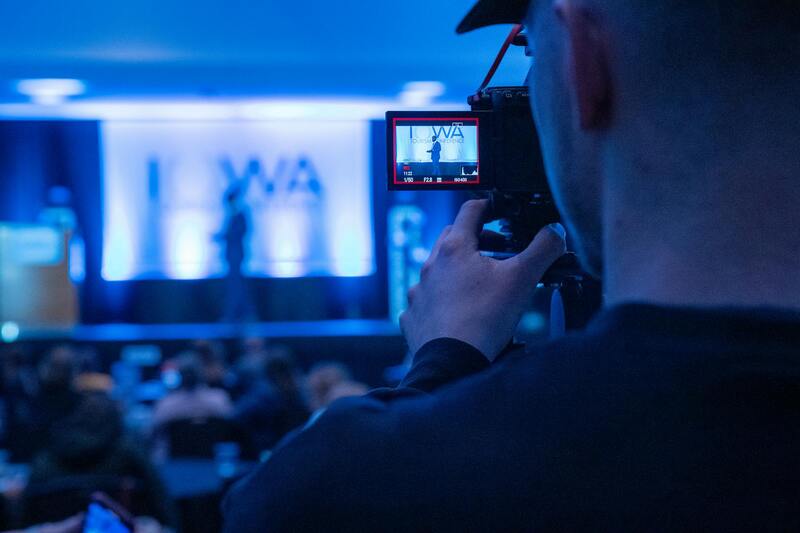
Moreover, photographers should be aware of privacy concerns, particularly when photographing properties in inhabited or sensitive areas. This may involve safeguarding the privacy of tenants or employees by avoiding capturing identifiable individuals where not permitted. Additionally, adhering to local regulations about drone usage and aerial photography is crucial, involving proper licensing, flight restrictions, and altitudes to ensure safety and compliance.
Establishing clear agreements with clients regarding usage rights and image licensing helps avoid future disputes and clarifies how images can be used across different platforms. Such agreements should detail rights for reproduction, distribution, and promotional use, aligning with industry standards.
By systematically following these legal and ethical practices, professionals in commercial real estate photography uphold the integrity of their services, foster positive relationships with clients, and contribute to a transparent, trustworthy real estate marketing environment in Miami and beyond.
Legal and Ethical Considerations in Commercial Real Estate Photography
Adhering to established standards and best practices in commercial real estate photography is essential for maintaining professionalism and trust. Photographers must ensure that all images accurately depict the property without misleading potential clients or investors. This involves avoiding excessive manipulation or enhancement that could distort the true appearance or features of the property, thereby maintaining transparency throughout the marketing process.
Respecting privacy rights is another critical aspect. When capturing images of occupied spaces, it’s necessary to take care not to include identifiable individuals without permission. Similarly, photographing sensitive areas or private sections of a property requires careful consideration to prevent inadvertently revealing confidential or personal information.
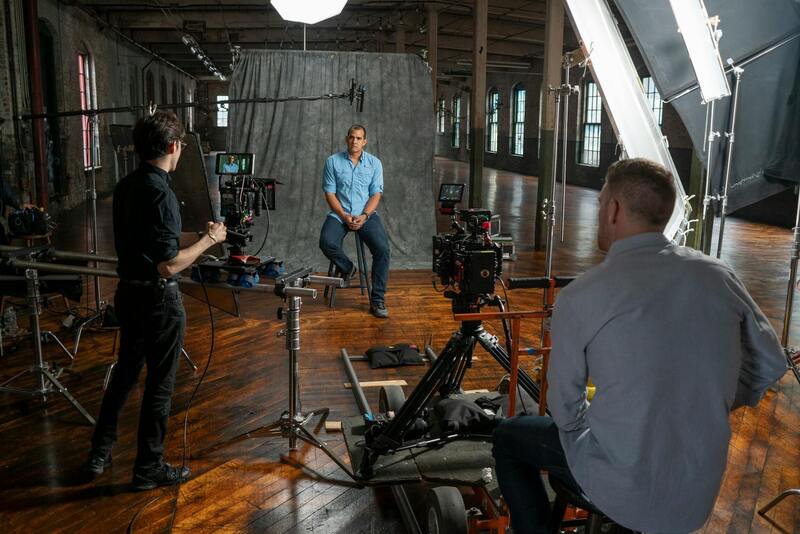 igure>
Drone photography and aerial imaging add significant value but come with their own set of considerations. Photographers should adhere to all relevant local regulations governing drone use, which may include licensing, altitude restrictions, and designated flight zones. Such compliance ensures that the imagery is obtained safely and ethically, avoiding potential disturbances or legal issues.
Establishing clear agreements with property owners regarding the scope of work, image rights, and usage parameters helps prevent misunderstandings. These contracts should specify whether images can be reused for marketing campaigns, shared across multiple platforms, or reproduced in different formats. Clear licensing terms safeguard both the photographer and the client, fostering a mutually respectful relationship.
Maintaining transparency about editing processes, such as color correction and lighting adjustments, is vital. While enhancements are often necessary to showcase a property at its best, they should not alter the essential character or features of the space. Providing your clients with an honest representation of the property through well-balanced photos enhances credibility and aligns with ethical practices.
Ultimately, professional commercial real estate photography involves a commitment to accuracy, respect, and integrity. By consistently following these principles, photographers contribute to a trustworthy and effective real estate marketing environment that benefits all parties involved in the Miami market and beyond.
Legal and Ethical Considerations in Commercial Real Estate Photography
When engaging in commercial real estate photography, particularly within the vibrant Miami market, it's crucial to understand the frameworks that govern image production and usage. While technically beyond the scope of law, establishing clear boundaries and respectful practices ensures that photography efforts align with industry standards and community expectations. Photographers must obtain necessary permissions before photographing private properties and be aware of restrictions related to sensitive locations, such as government buildings or private clubs. Adhering to these guidelines helps prevent operational disruptions and maintains a professional reputation.
Image ownership rights are a central aspect of ethical photography practices. Once images are captured, clarifying how these visuals can be used by clients is essential. Typically, comprehensive agreements stipulate whether the photographs are for exclusive use or can be shared further, which is vital to avoiding misunderstandings down the line. This transparency ensures clients are fully aware of the scope of use, whether for their website, promotional materials, or third-party marketing efforts.
Respect for privacy and property is paramount in commercial photography. Photographers should always secure consent, especially when capturing interior layouts that reveal sensitive information or layouts that may impact tenant privacy. It is equally important to avoid intrusive methods or inappropriate timing when capturing images that could disturb ongoing business operations. These considerations support a professional ethos centered on respect, safety, and consideration for all property stakeholders.
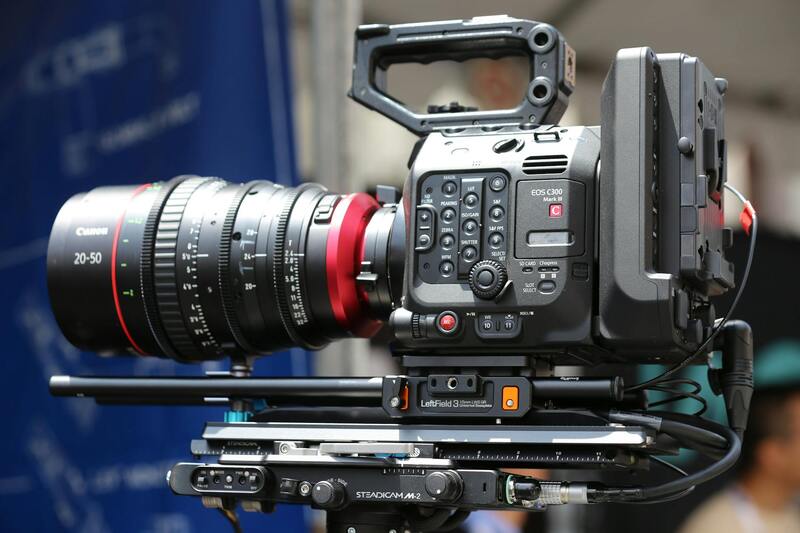
Furthermore, ethical editing practices promote truthful representation. While post-processing can enhance visual appeal, it should not distort the actual features of the property. Overly manipulated images risk misleading potential buyers or tenants, which can damage trust and credibility. Ethical practices demand a balanced approach—highlighting the property's strengths without exaggeration.
In Miami, a city characterized by diverse listings and a fast-paced real estate environment, professionalism extends beyond image quality. It encompasses honesty, respect for legal boundaries, and adherence to community standards. Photographers who commit to these principles contribute to a more transparent, reliable marketplace, fostering long-term relationships with clients and property owners alike.
Legal and Ethical Considerations in Commercial Real Estate Photography
In the realm of commercial real estate photography, adherence to established standards and practices is essential for maintaining integrity and fostering trust. Securing explicit permissions prior to photographing properties ensures all parties are aware and agreeable to the images taken, particularly when interior spaces contain confidential layouts or proprietary information. Photographers should confirm that they have consent from property owners or tenants before accessing and capturing images, thus respecting the rights and interests of all stakeholders involved.
Respecting privacy extends beyond obtaining permissions; it also involves understanding the sensitivities related to capturing certain areas or details within a property. For example, images that reveal security features, sensitive business processes, or proprietary layouts should be handled with particular care to avoid unintended disclosures. Photographers are encouraged to use discretion and to focus on public areas or spaces that accurately showcase the property’s potential without compromising confidentiality.
Copyright considerations are another critical aspect within commercial real estate photography. Photographers retain rights over their images unless otherwise agreed upon through contracts or licensing agreements. Property owners and marketing teams should work with professionals to clearly define usage rights and restrictions, ensuring images are used in ways that respect intellectual property laws. This clarity prevents potential disputes and promotes transparent relationships between all parties.
Complying with local regulations and community standards is also vital, especially in a diverse city like Miami. Photographers should familiarize themselves with any municipal rules regarding photography, drone usage, and property access. This awareness not only keeps operations above board but also demonstrates professionalism and respect for the local environment and residents.
The ethical practice of commercial real estate photography relies on a commitment to truthful representation. Post-processing should be used to enhance visual appeal without misleading viewers. Adjustments such as color correction, brightness, and contrast can improve image clarity, but they should not distort the true features or scale of the property. Over-manipulation risks creating false impressions, which can reduce trust and credibility among clients and prospects.
By following these legal and ethical guidelines, professionals can deliver high-quality visuals that serve marketing goals effectively while maintaining integrity. This responsible approach supports a sustainable, transparent marketplace where property representations accurately reflect reality, ultimately benefiting property owners, tenants, and prospective clients alike.
Legal and Ethical Considerations in Commercial Real Estate Photography
Maintaining integrity and professionalism in commercial real estate photography involves adhering to established standards that promote transparency and fairness. Photographers must respect property access rules, obtain necessary permissions, and ensure that all images accurately represent the physical space without distortions that could mislead viewers. This means avoiding exaggerated perspectives or heavily manipulated photos that could compromise the authenticity of the visual content.
Transparency in post-processing is crucial. Adjustments to color balance, exposure, or contrast should enhance the image's clarity and appeal without altering the real features of the property. Over-editing not only risks misrepresenting the property but can also diminish trust from clients and prospects. Accurate portrayal supports informed decision-making for tenants, investors, and leasing agents, fostering healthy and professional relationships within Miami’s dynamic market.

Photographers should also stay aware of local regulations related to drone usage, access restrictions, and privacy considerations, especially in a bustling city like Miami. Respect for community standards and property rights reflects professionalism and helps avoid potential conflicts. This careful approach ensures that visual content serves its marketing purpose ethically and effectively.
Moreover, clear communication with clients about what can be achieved legally and ethically in terms of image editing and presentation ensures mutual understanding and shared expectations. This cooperation guarantees that the final product aligns with both marketing goals and compliance standards.

By observing these principles, commercial real estate photographers in Miami can deliver impactful visuals that accurately reflect property attributes, satisfy client objectives, and uphold the integrity of the marketplace. This responsible approach enhances the reputation of the photography profession and ensures that all stakeholders benefit from trustworthy and high-quality property representations.