
Importance of Professional Photography in Commercial Real Estate
In the competitive landscape of commercial real estate, the quality of visual presentation plays a pivotal role in determining a property's success in attracting suitable tenants or buyers. High-resolution, professionally captured images serve as the first impression for potential clients browsing online listings, marketing materials, and virtual tours. These images not only showcase the property's architectural features, interior layouts, and amenities but also evoke an emotional response that can influence decision-making.
Effective commercial real estate photographs highlight key aspects such as spaciousness, lighting, and design elements, helping prospective stakeholders visualize the potential of the space. When images are captured with precision and attention to detail, they reinforce the property's value proposition and can significantly shorten the listing's time on the market.
Additionally, professional photography enhances online visibility by aligning with search engine optimization (SEO) strategies. Well-composed images with appropriate keywords and optimized file sizes improve a property's ranking on search engines and listing platforms. This strategic enhancement results in increased exposure among targeted audiences, facilitating quicker leads and higher engagement levels.
Investment in high-quality images also lends credibility to the listing, establishing trust and confidence among prospective investors or tenants. In a market where first impressions are often made digitally, professional commercial real estate photos become an essential tool for differentiating a property from competing listings.
Furthermore, consistent, compelling visual content contributes to brand consistency for commercial real estate firms and property managers, reinforcing their reputation and professionalism. Ultimately, leveraging professional photography is not merely about aesthetics; it is a strategic asset that directly influences the commercial success of property transactions and leasing activities.

Best Practices for Shooting Commercial Properties
To maximize the impact of commercial real estate photos, adhering to established best practices during the shooting process is essential. These practices ensure that the images capture the property's true potential, appeal to prospective tenants and investors, and enhance online presentation.
One key aspect is the optimal timing of the shoot. Mid-morning or early afternoon often provides balanced natural light, reducing harsh shadows and highlighting interior and exterior features effectively. Overcast days can also be advantageous, offering diffuse lighting that minimizes glare and uneven shadows. Planning the shoot around favorable weather conditions ensures the property appears its best.
Proper staging plays a crucial role in presenting the space in a compelling manner. Clear clutter, neatly arranged furniture, and strategic placement of decor highlight the property's functionality and aesthetics. For vacant spaces, adding minor furnishings or accessories can help prospective clients visualize potential uses. It is equally important to ensure all areas are well-lit—using a combination of natural light and professional lighting equipment helps achieve even and attractive illumination.

Wide-angle lenses are commonly utilized to capture the full scope of a space, giving viewers an immersive experience. However, professional photographers balance this with distortion control, ensuring the images remain true to scale. Consistency in shooting angles, perspectives, and framing across images enhances cohesiveness in marketing materials.
The composition should emphasize the property's standout features—be it a modern lobby, expansive office layout, or unique architectural elements. Incorporating different viewpoints, such as close-ups of key details and panoramic shots, provides potential tenants or buyers with comprehensive visual information. Additionally, post-shoot editing should be subtle, correcting color balance and perspective distortions without misrepresenting the property.
- Scout the property beforehand to identify optimal angles and lighting conditions.
- Ensure all areas are accessible and tidy before shooting.
- Use a tripod to maintain stable, consistent shots.
- Capture a mix of wide, mid, and close-up shots for variety and detail.
- Maintain color consistency through controlled editing.
Implementing these practices results in high-quality images that effectively communicate the property's value and appeal, ultimately attracting more qualified interest.
Best Practices for Shooting Commercial Properties
Capturing high-quality commercial real estate photos requires meticulous planning and execution to highlight the property's strengths effectively. One of the foundational elements is optimal lighting. Natural light should be utilized whenever possible to create inviting and vibrant images, especially during the golden hours of early morning or late afternoon. Supplementing natural light with professional lighting equipment ensures consistent illumination, which is crucial in spaces where natural light is limited or uneven. Staging plays a vital role in presenting the property at its best. Clutter-free, clean, and well-organized spaces convey professionalism and attention to detail, making the property more appealing to prospective clients or tenants. Furniture arrangements should accentuate the property's size and flow, emphasizing its usability for various business types. Angles and perspectives are equally important. Wide-angle lenses are particularly effective for illustrating spaciousness, but they must be used carefully to avoid distortion. For example, shooting from a corner can maximize depth and framing, providing a comprehensive view without warping the subject. Incorporating multiple viewpoints—such as overhead shots of entire floors, detailed close-ups of architectural features, or panoramic vistas—can deliver a well-rounded visual story. Ensuring consistency across images is fundamental for cohesive marketing. This includes maintaining similar color tones, exposure levels, and framing style across all photographs. Using a tripod is essential to achieve sharp, stable images and facilitate seamless editing. When editing photos, subtle adjustments to brightness, contrast, and color balance can enhance visual appeal, but overprocessing must be avoided to preserve authenticity. Finally, attention to detail extends beyond the shoot itself. Conduct thorough inspections of the property beforehand, ensuring spaces are clean, organized, and accessible. Remove personal items or temporary signage that might distract viewers. Overall, following these best practices helps create compelling images that communicate the property's potential and attract qualified interest from prospective tenants or buyers.
Legal and Ethical Considerations in Commercial Real Estate Photography
When capturing commercial real estate, adherence to recognized standards ensures that all visuals accurately represent the property and uphold integrity in marketing efforts. Photographers must obtain proper permissions before photographing private or restricted areas within a property. This includes securing consent from property owners, managers, or authorized personnel to avoid misunderstandings or issues during the licensing process.
It is essential to respect the privacy and confidentiality of tenants or occupants. Photographers should avoid revealing sensitive information or areas that are not meant for public viewing. This entails careful planning of shoot angles and selecting viewpoints that showcase key features without infringing on privacy boundaries.
Another important aspect involves accurately representing the property’s features and condition. It is unethical to manipulate images through excessive editing or retouching that could deceive viewers or mislead prospective clients. This includes avoiding alterations that significantly change the appearance or scale of the property, which maintains transparency and fosters trust with potential tenants or investors.
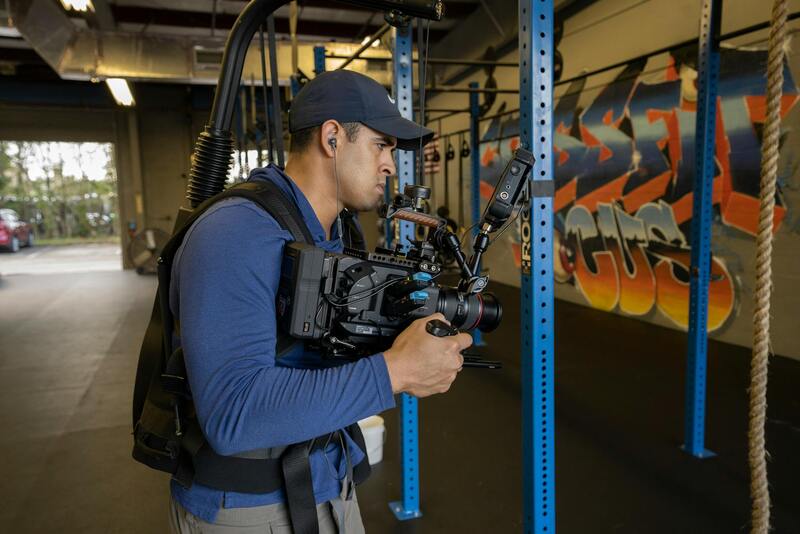
Photographers should also ensure that the equipment used for capturing images complies with industry standards, such as maintaining image quality and color consistency. This contributes to a uniform visual presentation across platforms, which is especially important when managing multiple listings or campaigns.
In terms of legal considerations, understanding copyright laws and licensing rights helps prevent unauthorized use of photographs. Maintaining a clear record of image rights and agreements ensures that clients have the appropriate rights to reproduce, distribute, or modify the images for their marketing purposes.
Maintaining ethical standards in commercial real estate photography ultimately supports a trustworthy marketplace. It reassures clients that their properties are presented truthfully and professionally, fostering long-term relationships and successful marketing outcomes.
Strategies for Enhancing Commercial Real Estate Photos for Digital Platforms
Optimizing commercial real estate photos for online listings and marketing platforms involves a combination of technical adjustments and strategic presentation. High-quality images are essential for capturing the attention of potential tenants and investors, and proper optimization ensures these images communicate the property's value effectively across various digital channels.
One key approach is image editing with precision. Adjusting brightness, contrast, and saturation can help portray the space in its best light, ensuring the photos accurately reflect the property's real appearance. However, it's vital to avoid over-editing that could misrepresent the actual conditions or features of the property. Consistent color correction across images maintains a uniform visual identity, reinforcing professionalism and reliability.
Sizing images correctly is equally important. Listing platforms often have specific resolution and dimension requirements to ensure images display properly without pixelation or distortion. Compressing images for faster webpage loading times is also crucial, as slow-loading images can deter potential viewers and negatively impact user experience.
Additionally, incorporating strategic cropping can emphasize key features or architectural highlights, guiding viewers' focus. For example, highlighting spacious interiors or unique design elements can enhance visual appeal and distinguish the listing from competitors.

Furthermore, utilizing SEO best practices, such as including relevant keywords within image file names and alt text, can improve the property's online discoverability. This integration enhances the listing's visibility in search engine results, attracting more targeted traffic.
Embedding images into a responsive layout ensures they adapt seamlessly to various screen sizes, from desktops to mobile devices. This responsiveness enhances user interaction and presents a professional appearance regardless of the device used to access the listing.
Effective photo optimization combines technical precision with strategic visual storytelling. When images look appealing, load efficiently, and are properly positioned within the digital environment, they play a vital role in converting online views into real-world inquiries and leases. Coupling these practices with high-quality photography from experienced professionals is fundamental to creating compelling commercial real estate marketing campaigns.
Legal and Ethical Considerations in Commercial Real Estate Photography
When capturing images of commercial properties, adherence to established conventions is essential to maintain integrity and professionalism. Securing appropriate permissions prior to photographing a property ensures respect for property rights and safeguards against potential disputes. This process involves verifying that the property owner or authorized representatives consent to the photo sessions and understand how the images will be utilized across marketing channels.
Access to the property should be coordinated carefully, with documented approval to avoid disruptions and uphold transparency throughout the process. This includes scheduling appointments to minimize operational interference and coordinate with tenants or other stakeholders who occupy the space.
Protecting client confidentiality is a priority, especially with commercial spaces that may include sensitive information or proprietary designs. Photographers must exercise discretion when framing shots to exclude confidential areas or confidential signage, and they should handle images responsibly to prevent unintended disclosures. Ensuring that imagery complies with any contractual agreements related to confidentiality can prevent potential legal complications.

Employing a clear protocol for obtaining approvals and documenting consent is vital. This approach not only respects legal obligations but also fosters a positive reputation among clients and property owners. Additionally, staying informed about any local regulations that may influence property photography highlights a professional commitment to legal integrity.
Ultimately, maintaining these standards underscores a photographer’s credibility, safeguards client interests, and contributes to a transparent, respectful commercial real estate marketing environment.
Legal and Ethical Considerations in Commercial Real Estate Photography
Ensuring that commercial real estate images are captured and utilized responsibly is essential for maintaining trust and professionalism within the industry. Photographers must adhere to a set of guiding principles that respect property rights and uphold ethical standards, which can significantly influence the success of marketing efforts and the reputation of all parties involved.
Respecting Property Boundaries and Permissions
The first step in maintaining legal and ethical integrity involves obtaining proper permissions before photographing a property. This process includes securing explicit consent from property owners or authorized representatives, documenting approvals, and clearly understanding any restrictions or areas off-limits for photography. These measures prevent disputes or misunderstandings that could disrupt marketing campaigns.
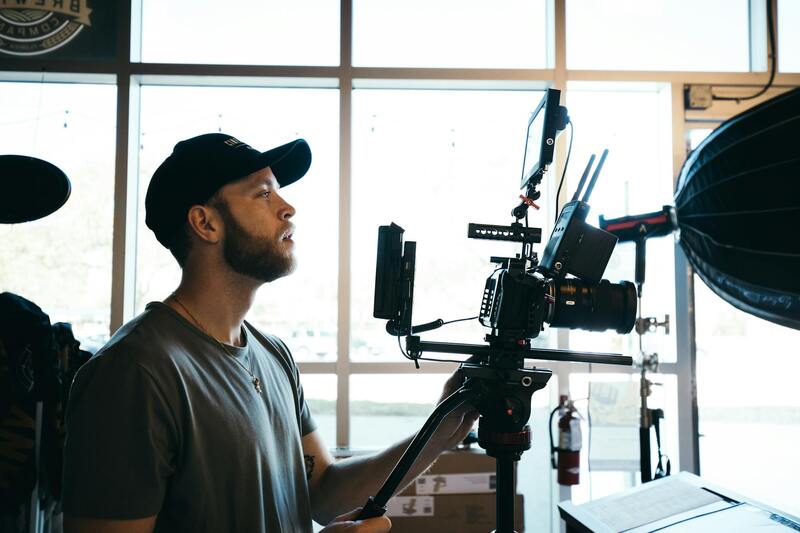
Protecting Confidential Information
Commercial properties can sometimes include sensitive or proprietary information that should not be disclosed in images. Photographers are responsible for framing shots that highlight the property's features without revealing confidential signage, sensitive layouts, or proprietary designs. This discretion helps safeguard client interests and maintains a professional image.
Compliance with Local Regulations and Policies
Different jurisdictions may have specific rules regarding drone usage, privacy considerations, or high-resolution imaging within certain areas. Staying informed about such regulations is a cornerstone of professional conduct. Photographers should continuously update their knowledge and adapt their practices accordingly, ensuring that all images are compliant and ethically obtained.
Handling and Storage of Imagery
Once captured, images must be handled with care to avoid misuse or unintended exposure. Secure storage, restricted access, and responsible sharing are critical to protecting client confidentiality and proprietary information. Additionally, digital images should be appropriately labeled and documented to maintain clarity in their application and distribution.
Transparent Communication with Clients and Stakeholders
Maintaining open dialogue about the scope, purpose, and usage rights of commercial real estate photos fosters transparency. Clients should be informed about how images will be used across various marketing channels, ensuring alignment with their objectives and expectations. Clear agreements on these points help prevent misunderstandings and reinforce professional integrity.
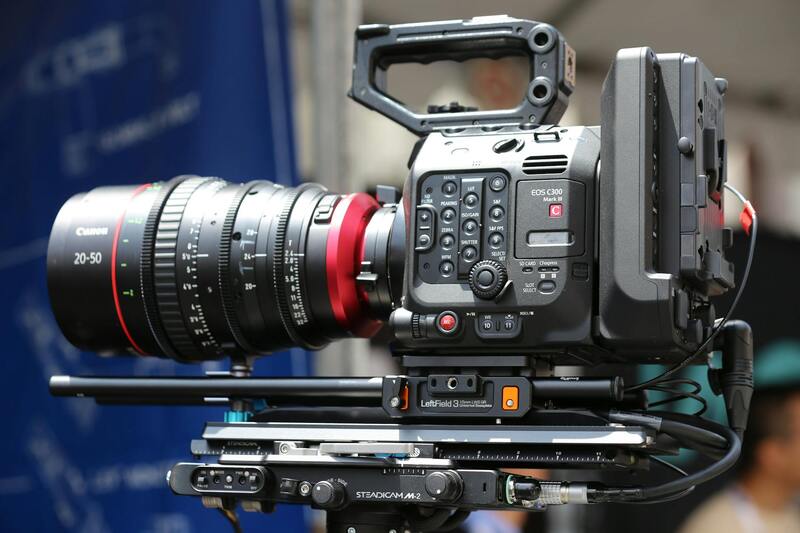
Conclusion
Adhering to ethical guidelines and respecting legal considerations in commercial real estate photography not only enhances credibility but also ensures sustainable relationships with clients and property owners. By exercising discretion, obtaining proper permissions, and complying with regulations, photographers foster a transparent environment that benefits all stakeholders and promotes industry best practices.
Legal and Ethical Considerations in Commercial Real Estate Photography
Engaging in commercial real estate photography requires adherence to rigorous standards that respect the rights of property owners and ensure accurate representation. Photographers must obtain explicit permission from the property owners or authorized representatives prior to capturing images. This consent guarantees clarity regarding the scope and purpose of the photos, aligning with professional standards and preventing potential misunderstandings.
Before conducting the shoot, it is essential to review any existing agreements or documentation that specify permitted areas, times, and conditions for photography. Clear communication regarding usage rights, licensing, and distribution parameters helps establish a mutual understanding and maintains integrity throughout the process.
Respect for privacy and security concerns is paramount, especially when photographing sensitive or restricted areas within commercial properties. Photographers should ensure they do not inadvertently capture proprietary information, confidential spaces, or individuals without consent. Properly informing all parties involved about the intent and scope of the photography minimizes potential breaches of privacy or confidentiality.

Adhering to ethical guidelines extends beyond obtaining prior consent. Photographers are also responsible for accurately representing the property without distortion or manipulation that could mislead viewers. This includes avoiding exaggeration of space, features, or condition, and providing an honest portrayal that aligns with the property's actual state.
Maintaining transparency with clients and stakeholders involves clear documentation of photo usage rights, restrictions, and any agreements made before the shoot. Such transparency fosters trust, mitigates disputes, and ensures compliance with industry norms.

Finally, responsible storage and sharing of images are crucial. Digital files should be securely backed up, access-controlled, and appropriately labeled to prevent unauthorized use. Sharing images should always adhere to the agreed-upon terms, safeguarding proprietary information and respecting the client’s privacy.